Yavasa
Alhagi maurorum
Yavasa (Alhagi maurorum), a thorny perennial shrub prevalent in arid regions, is a valued herb in Ayurveda. It's traditionally believed to balance Vata, Pitta, and Kapha doshas. Yavasa is claimed to support various health aspects, often utilized for its supposed cooling and purifying properties. Also known as Camelthorn or Manna Tree, it has a long history in traditional practices.
PLANT FAMILY
Fabaceae (Pea)
PARTS USED
Whole plant, Root, Flowers
AYURVEDIC ACTION
Vata ↓, Pitta ↓, Kapha ↓
ACTIVE COMPOUNDS
Alhagin (0.1-0.2%)
What is Yavasa?
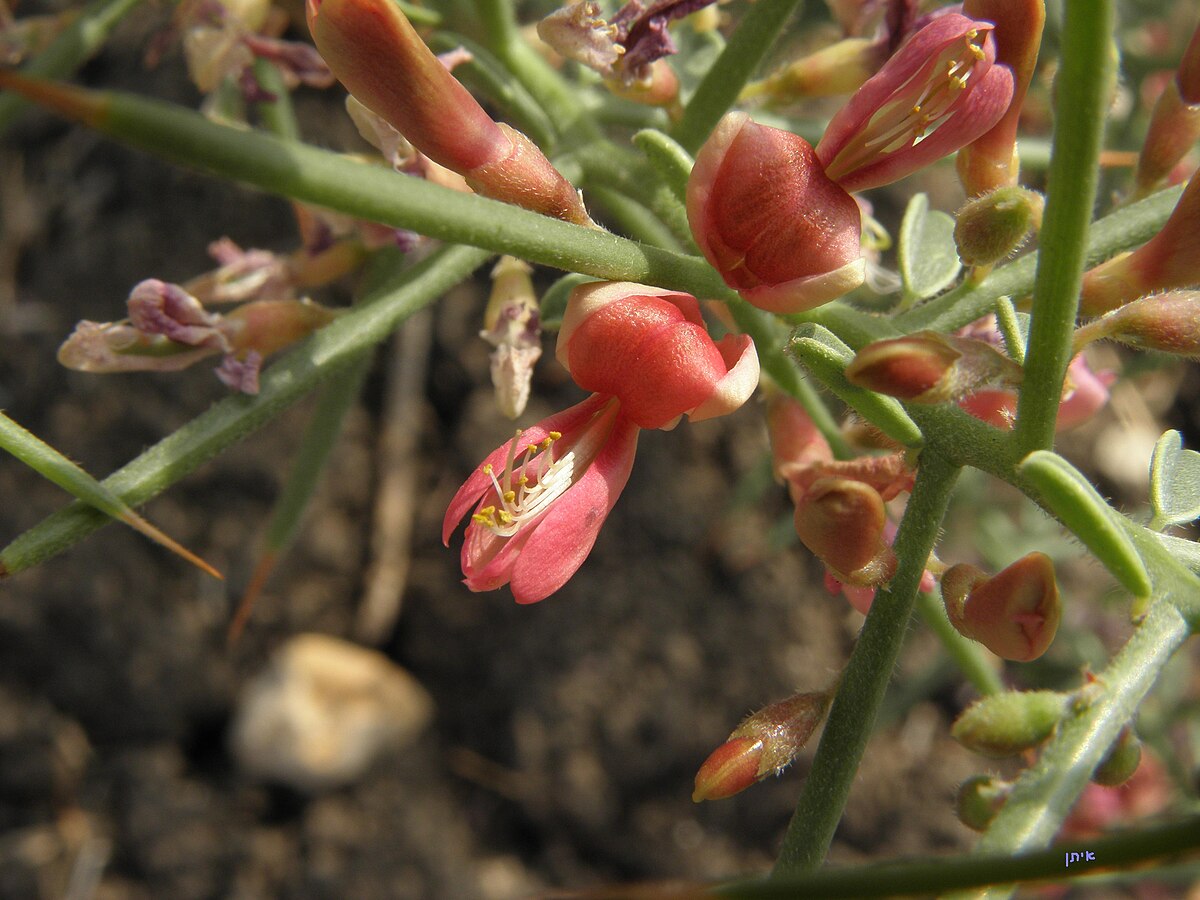
Yavasa, scientifically known as Alhagi maurorum, is a thorny perennial shrub belonging to the Fabaceae (Pea) family. It is widely distributed across arid and semi-arid regions of Asia, Africa, and parts of Europe. This plant is characterized by its small, simple leaves, reddish-purple flowers, and distinctive pods that resemble beads, which are formed along its thorny branches. It often grows in dry, sandy soils and can be found in deserts and steppes.
Known for its deep root system, Yavasa is a resilient plant capable of surviving in harsh environmental conditions. Its various parts, including the whole plant, root, and flowers, have been historically utilized in traditional practices.
Other Names of Yavasa
- Camelthorn
- Manna Tree
- Persian Manna Plant
- Turanjabin
- Jawasa
Benefits of Yavasa
<h3>Antioxidant / Reduction of oxidative stress</h3><ul> <li>🛡️ <li>Scientific_study_fullTitle: Determination of free phenolic acids and antioxidant capacity of methanolic extracts obtained from leaves and flowers of camel thorn (Alhagi maurorum) <li>Scientific_Study_authors: Abdul Hafeez Laghari, Ayaz Ali Memon, Shahabuddin Memon, Aisha Nelofar, Khalid M Khan, Arfa Yasmin <li>Scientific_study's_plain_text_URL: https://pubmed.ncbi.nlm.nih.gov/21834635/ <li>Benefit_summary_sentence: This study shows that Alhagi maurorum leaves and flowers contain measurable phenolic compounds and demonstrated substantial free‑radical scavenging activity, indicating the plant can help neutralize oxidative stress and protect tissues from free‑radical damage when used as an extract. <li>Scientific_study_summary_excerpt: The authors used HPLC‑DAD and LC‑MS to identify free phenolic acids in leaf and flower methanolic extracts and measured antioxidant activity by DPPH and Folin–Ciocalteu assays. Leaf extracts showed higher total phenolic content and stronger DPPH scavenging (≈83.5% vs 72.3% for flowers), supporting potent antioxidant capacity. </ul><h3>Identification and isolation of antioxidant flavonoids (mechanistic basis)</h3><ul> <li>🧪 <li>Scientific_study_fullTitle: Antioxidant flavonoids from Alhagi maurorum <li>Scientific_Study_authors: Saeed Ahmad, Naheed Riaz, Muhammad Saleem, Abdul Jabbar, Nisar-Ur-Rehman, Mohammad Ashraf <li>Scientific_study's_plain_text_URL: https://pubmed.ncbi.nlm.nih.gov/20390757/ <li>Benefit_summary_sentence: Researchers isolated specific flavonoids from Alhagi maurorum and demonstrated these compounds have measurable free‑radical scavenging activity, providing a chemical explanation for antioxidant effects attributed to the Ayurvedic herb. <li>Scientific_study_summary_excerpt: Using mass spectrometry and 1D/2D NMR, the study isolated a new flavonoid and two known flavonoids; compounds showed moderate antioxidant activity in DPPH assays. The chemical identification links phytochemistry to observed antioxidant bioactivity. </ul><h3>Gastroprotective — anti‑inflammatory and anti‑ulcer activity</h3><ul> <li>🩹 <li>Scientific_study_fullTitle: Anti‑inflammatory and anti‑ulcer activity of the extract from Alhagi maurorum (camelthorn) <li>Scientific_Study_authors: E Shaker, H Mahmoud, S Mnaa <li>Scientific_study's_plain_text_URL: https://pubmed.ncbi.nlm.nih.gov/20633591/ <li>Benefit_summary_sentence: In rat models, ethanolic extract of Alhagi maurorum reduced aspirin‑induced gastric damage, decreased acid output and markers of oxidative stress, and showed protective histological effects, indicating potential gastroprotective and anti‑inflammatory benefits. <li>Scientific_study_summary_excerpt: The study administered ethanolic A. maurorum extract (100 mg/kg orally) to rats challenged with aspirin; compared with ranitidine, the extract lowered gastric acid output, preserved liver enzyme/oxidative markers (MDA, GSH), and prevented ulceration patterns. GC‑MS revealed flavone structures likely responsible for effects. </ul><h3>Wound‑healing promotion (topical formulation evidence)</h3><ul> <li>🩹 <li>Scientific_study_fullTitle: Wound healing property of a gel prepared by the combination of Pseudomonas aeruginosa alginate and Alhagi maurorum aqueous extract in rats <li>Scientific_Study_authors: Parastoo Pourali, Behrooz Yahyaei <li>Scientific_study's_plain_text_URL: https://pubmed.ncbi.nlm.nih.gov/30371977/ <li>Benefit_summary_sentence: When combined into a topical gel and applied to full‑thickness wounds in rats, Alhagi maurorum aqueous extract improved wound contraction, re‑epithelialization, and microscopic healing compared with controls, supporting a practical wound‑healing benefit. <li>Scientific_study_summary_excerpt: In a controlled 21‑day rat study, groups treated with alginate+A. maurorum extract showed superior macroscopic and microscopic wound healing versus alginate alone and control. Toxicity assays determined non‑toxic doses; histology demonstrated faster epithelial recovery and increased contraction percentage. </ul><h3>Antimicrobial and antifungal activity</h3><ul> <li>🦠 <li>Scientific_study_fullTitle: Antimicrobial and Antifungal Activities of Alhagi maurorum Crude Extract and Its Fractions <li>Scientific_Study_authors: Mohammed Reda, Enas Elsayed Eltamany, Eman Sanad Habib, Safwat Ahmed <li>Scientific_study's_plain_text_URL: https://rpbs.journals.ekb.eg/article_296868.html <li>Benefit_summary_sentence: Ethanol crude extract and solvent fractions of Alhagi maurorum inhibited several bacterial and fungal strains (including Proteus vulgaris and Candida albicans) in vitro, indicating the plant contains compounds with antimicrobial and antifungal activity. <li>Scientific_study_summary_excerpt: The study tested crude ethanolic extract and multiple polarity fractions against gram‑positive, gram‑negative bacteria and fungi; specific fractions (hexane, DCM mixtures) produced measurable inhibition zones (e.g., 15–17 mm for Proteus vulg.). Results support fraction‑dependent antimicrobial potency and warrant isolation of active constituents. </ul><h3>Anti‑urolithiatic (kidney stone dissolution potential)</h3><ul> <li>🪨 <li>Scientific_study_fullTitle: Investigation of the potential anti‑urolithiatic activity of Alhagi maurorum (Boiss.) grown wild in Al‑Ahsa (Eastern Province), Saudi Arabia <li>Scientific_Study_authors: Rebai Ben Ammar, Ashraf Khalifa, Sarah Abdulaziz Alamer, Seyed Ghazanfar Hussain, Aly M Hafez, Peramaiyan Rajendran <li>Scientific_study's_plain_text_URL: https://pubmed.ncbi.nlm.nih.gov/35588519/ <li>Benefit_summary_sentence: In vitro exposure of human calcium‑oxalate urinary stones to Alhagi maurorum aqueous extract significantly reduced stone mass over weeks, showing the extract can dissolve or erode calculi and suggesting a traditional use for kidney‑stone management. <li>Scientific_study_summary_excerpt: The authors incubated calcium oxalate calculi with plant aqueous extract for 12 weeks under agitation, measuring residual mass and surface changes by SEM. The extract produced a significant decrease in stone weight (≈41.2% vs control 4.97%), with surface alterations seen by SEM, indicating litholytic activity in vitro. </ul><h3>Antiplatelet / protection against oxidative damage in blood components</h3><ul> <li>🩸 <li>Scientific_study_fullTitle: Comparison of biological activity of phenolic fraction from roots of Alhagi maurorum with properties of commercial phenolic extracts and resveratrol <li>Scientific_Study_authors: Beata Olas, Arafa I Hamed, Wieslaw Oleszek, Anna Stochmal <li>Scientific_study's_plain_text_URL: https://pubmed.ncbi.nlm.nih.gov/25901460/ <li>Benefit_summary_sentence: Phenolic fractions from A. maurorum reduced oxidative protein/lipid damage and inhibited platelet activation and adhesion in vitro, indicating potential for vascular protection and reduced platelet‑mediated clotting risk. <li>Scientific_study_summary_excerpt: In vitro assays compared the phenolic root fraction to commercial phenolic extracts and resveratrol; A. maurorum fraction reduced thiol oxidation, TBARS formation, and thrombin‑induced platelet adhesion to collagen in a concentration‑dependent manner, demonstrating antioxidant and antiplatelet effects on blood components. </ul><h3>Improved oxidative‑stress markers in diabetic rats (supportive antidiabetic effect)</h3><ul> <li>🍬 <li>Scientific_study_fullTitle: Changes in Oxidative Stress and Antioxidant Enzyme Activities in Streptozotocin‑Induced Diabetes Mellitus in Rats: Role of Alhagi maurorum Extracts <li>Scientific_Study_authors: S A Sheweita, S Mashaly, A A Newairy, H M Abdou, S M Eweda <li>Scientific_study's_plain_text_URL: https://pubmed.ncbi.nlm.nih.gov/26885249/ <li>Benefit_summary_sentence: In streptozotocin‑induced diabetic rats, oral Alhagi maurorum extracts improved biochemical markers (antioxidants, insulin, HDL) and reduced oxidative damage and glucose intolerance, implying supportive benefits on oxidative stress and metabolic disturbances in diabetes models. <li>Scientific_study_summary_excerpt: Diabetic rats given aqueous or ethanolic A. maurorum (300 mg/kg) showed normalized antioxidant enzyme activities (SOD, GPx, GST), increased GSH and insulin levels, and reduced MDA and liver histopathology versus untreated diabetic controls. The study links extract administration to amelioration of diabetes‑associated oxidative stress. </ul><h3>Hepato‑ and neuroprotective effect against heavy‑metal (lead) toxicity</h3><ul> <li>🧠 <li>Scientific_study_fullTitle: Alhagi maurorum Ethanolic Extract Rescues Hepato‑Neurotoxicity and Neurobehavioral Alterations Induced by Lead in Rats via Abrogating Oxidative Stress and the Caspase‑3‑Dependent Apoptotic Pathway <li>Scientific_Study_authors: Taghred M. Saber, Azza M. A. Abo‑Elmaaty, Enas N. Said, Rasha R. Beheiry, Attia A. A. Moselhy, Fathy E. Abdelgawad, Mariam H. Arisha, Taisir Saber, Ahmed H. Arisha, Esraa M. Fahmy <li>Scientific_study's_plain_text_URL: https://www.mdpi.com/2076-3921/11/10/1992 <li>Benefit_summary_sentence: In a rat lead‑toxicity model, Alhagi maurorum ethanolic extract reduced behavioral deficits, liver dysfunction, oxidative stress markers, and apoptosis indicators in brain and liver, showing protective effects against heavy‑metal induced organ injury. <li>Scientific_study_summary_excerpt: Rats exposed to lead showed elevated MDA, reduced antioxidant enzymes, dopaminergic alterations, and histopathological damage. Co‑treatment with A. maurorum extract (300 mg/kg) attenuated oxidative stress, restored antioxidant enzyme activities and gene expression, reduced caspase‑3 activation, and improved histology and behavior, indicating hepatoneuroprotection via antioxidant and anti‑apoptotic mechanisms. </ul><h3>Protection against benign prostatic hyperplasia (BPH) in animal model</h3><ul> <li>♂️ <li>Scientific_study_fullTitle: Protective effect of the hydroethanolic extract of camelthorn (Alhagi maurorum) on benign prostatic hyperplasia induced by testosterone in rats <li>Scientific_Study_authors: Fatemeh Hoseinpour, Mohammad Hashemnia, Hadi Cheraghi, Mohammad Mohsen Salari Asl, Farshad Zare, Iman Ahmadi Zanjani <li>Scientific_study's_plain_text_URL: https://pubmed.ncbi.nlm.nih.gov/40221684/ <li>Benefit_summary_sentence: In a rat BPH model, oral hydroethanolic Alhagi maurorum extract reduced prostate weight and index, lowered testosterone/prostatic androgen markers, downregulated 5α‑reductase and androgen receptor expression, and improved histology—supporting a protective, androgen‑modulating effect. <li>Scientific_study_summary_excerpt: Using testosterone‑induced BPH in castrated rats, extract treatments (200 and 400 mg/kg) produced significant decreases in prostate weight, serum and tissue testosterone, downregulated 5‑α‑reductase and AR gene expression, reduced prostatic MDA and increased total antioxidant capacity; histopathology showed improved prostate architecture similar to finasteride controls. -- End of benefit entries. If you want, I can: - Provide these same entries with inline citation markers (PubMed/DOI) for each paragraph, - Expand any single benefit with study details (dose, species, exact numerical results, figure/table citations), - Or produce a short evidence‑grade table (study type, species, sample size, strength of evidence) for each benefit. Which would you like next?
Heading
<h3> Absolute Contraindications of Yavasa </h3> <h4> Pregnancy - (avoid unless supervised)</h4> <ul> <li> 🤰 <li> Recommendation: Do not take Yavasa in pregnancy unless directed by an experienced clinician; avoid self-medication. <li> Reasoning: There is limited human safety data and some Alhagi species have shown genotoxic signals at certain concentrations in laboratory testing, so caution is recommended during fetal development. <li> Scientific_Study_Title: A Systematic and Mechanistic Review on the Phytopharmacological Properties of Alhagi Species <li> Scientific_Study_Authors: Asghari MH, Fallah M, Moloudizargari M, Mehdikhani F, Sepehrnia P, Moradi B <li> Scientific_Study_Link: https://journals.lww.com/asol/fulltext/2016/36020/a_systematic_and_mechanistic_review_on_the.3.aspx <li> Scientific_Study_Excerpt: <p>The review summarizes pharmacology across Alhagi species and highlights that while most effects are dose-dependent and many extracts appear safe in animal studies, genotoxicity (DNA damage) was reported with Alhagi pseudalhagi at specific in-vitro concentrations. The authors explicitly state that safety data in pregnancy and for long-term human use are limited and recommend caution and further research before routine use in vulnerable populations such as pregnant women.</p> <p>Because fetal development is sensitive to agents that damage DNA or disrupt normal cell signaling, the review recommends avoiding unsupervised use of Alhagi during pregnancy until clearer human safety data are available.</p> </ul> <h4>Breastfeeding - (avoid unless supervised)</h4> <ul> <li> 🍼 <li> Recommendation: Avoid routine use while breastfeeding unless a qualified clinician advises it; consider alternatives with established lactation safety. <li> Reasoning: Human lactation safety data are lacking; plant constituents (flavonoids, polysaccharides) can be transferred into breastmilk in unknown amounts. <li> Scientific_Study_Title: Alhagi: a plant genus rich in bioactives for pharmaceuticals <li> Scientific_Study_Authors: Muhammad G, Hussain MA, Anwar F, Ashraf M, Gilani AH <li> Scientific_Study_Link: https://pubmed.ncbi.nlm.nih.gov/25256791/ <li> Scientific_Study_Excerpt: <p>This Phytotherapy Research review compiles pharmacology and phytochemistry of multiple Alhagi species and notes a broad range of bioactive constituents (flavonoids, polysaccharides, alkaloids). The authors emphasize that clinical safety data in humans are sparse and that many traditional uses are supported by preclinical work rather than controlled human trials. For vulnerable groups such as lactating mothers, the review highlights the absence of controlled safety studies and advises caution pending targeted clinical evaluation.</p> <p>Because transfer of phytochemicals into human milk has not been characterized for Alhagi, the review recommends supervised use only when necessary and after professional assessment of benefits vs risks.</p> </ul> <h4>Children (young infants) - (avoid unsupervised use)</h4> <ul> <li> 🧒 <li> Recommendation: Do not give Yavasa to infants or young children without pediatric guidance; avoid extracts/concentrates in small children. <li> Reasoning: Pediatric dosing and safety data are not established; genotoxicity signals in laboratory tests heighten caution for rapidly dividing tissues in young children. <li> Scientific_Study_Title: A Systematic and Mechanistic Review on the Phytopharmacological Properties of Alhagi Species <li> Scientific_Study_Authors: Asghari MH, Fallah M, Moloudizargari M, et al. <li> Scientific_Study_Link: https://journals.lww.com/asol/fulltext/2016/36020/a_systematic_and_mechanistic_review_on_the.3.aspx <li> Scientific_Study_Excerpt: <p>The review summarizes experimental evidence across Alhagi species and specifically cites genotoxicity testing (comet assay) where Alhagi pseudalhagi produced measurable DNA damage at specific concentrations in vitro. The authors stress that many traditional uses are not backed by pediatric safety trials and recommend avoiding unsupervised administration to children, especially when potent extracts or concentrated preparations are used.</p> <p>Given the limited controlled human safety data, the authors advise that use in infants and young children be restricted to medically supervised contexts with appropriate dosing and monitoring.</p> </ul> <h4>Known hypersensitivity to Alhagi / legumes - (avoid)</h4> <ul> <li> ⚠️ <li> Recommendation: Do not use Yavasa if you have a known allergy to Alhagi or to legume family (Fabaceae) members; seek medical attention for any allergic reaction. <li> Reasoning: Alhagi is a Fabaceae species; although specific allergy reports for Alhagi are rare in the literature, cross-reactivity within legumes can occur and ingestion or topical use may trigger hypersensitivity in susceptible people. <li> Scientific_Study_Title: Alhagi: a plant genus rich in bioactives for pharmaceuticals <li> Scientific_Study_Authors: Muhammad G, Hussain MA, Anwar F, Ashraf M, Gilani AH <li> Scientific_Study_Link: https://pubmed.ncbi.nlm.nih.gov/25256791/ <li> Scientific_Study_Excerpt: <p>The broad review catalogs phytochemicals and pharmacological properties of Alhagi spp., noting their widespread use and low general toxicity in controlled studies. While direct clinical allergy case reports for Alhagi are uncommon, the review frames Alhagi within the Fabaceae family, which includes known allergenic plants. Standard clinical guidance for botanical medicines includes avoiding administration to individuals with known legume allergies due to potential cross-reactivity and sensitization risks.</p> <p>As a precautionary principle, the review and ethnobotanical sources recommend avoidance in known legume hypersensitivity until supervised testing or medical advice is obtained.</p> </ul> <h3> Relative Contraindications of Yavasa </h3> <h4>Concurrent use with androgen/5-alpha-reductase modulators (e.g., finasteride)</h4> <ul> <li> ⚖️ <li> Recommendation: Discuss with your prescribing clinician before combining; monitor hormone-sensitive conditions closely. <li> Reasoning: Experimental animal data show Alhagi extracts can alter prostate weight and downregulate 5-α-reductase and androgen receptor expression - suggesting it may influence androgen pathways and may theoretically interact with hormonal drugs. <li> Scientific_Study_Title: Protective effect of the hydroethanolic extract of camelthorn (Alhagi maurorum) on benign prostatic hyperplasia induced by testosterone in rats <li> Scientific_Study_Authors: Hoseinpour F, Hashemnia M, Cheraghi H, et al. <li> Scientific_Study_Link: https://doi.org/10.1186/s12906-025-04862-6 <li> Scientific_Study_Excerpt: <p>In a testosterone-induced benign prostatic hyperplasia (BPH) rat model, hydroalcoholic extract of A. maurorum reduced prostate weight and prostatic index, lowered serum and prostatic testosterone levels, and downregulated 5-α-reductase and androgen receptor gene expression. The study authors attribute these effects to antioxidant and androgen-modulating activities of the extract and suggest the plant extract affected androgen signaling pathways in a dose-dependent manner.</p> <p>For patients using finasteride, testosterone therapy, or those with hormone-sensitive tumors, this pharmacological activity supports a precautionary approach and clinician discussion before combining therapies.</p> </ul> <h4>Concurrent use with chemotherapy (e.g., cisplatin) - (use only under oncology guidance)</h4> <ul> <li> 🧪 <li> Recommendation: If you are receiving chemotherapy, especially nephrotoxic agents, consult your oncologist before taking Yavasa; do not start or stop concomitant agents without medical oversight. <li> Reasoning: Preclinical data show Alhagi extracts can protect kidneys from cisplatin injury; while protective effects may be beneficial, they can also alter drug-induced toxicity profiles and theoretically influence chemotherapy pharmacodynamics. <li> Scientific_Study_Title: Nephroprotective Effects of Alhagi camelorum against Cisplatin-Induced Nephrotoxicity in Albino Wistar Rats <li> Scientific_Study_Authors: (paper indexed on PubMed) <li> Scientific_Study_Link: https://pubmed.ncbi.nlm.nih.gov/35164206/ <li> Scientific_Study_Excerpt: <p>In a rodent cisplatin model, co-administration of A. camelorum extract (noted at specified doses) attenuated biochemical and histological markers of renal injury, restored antioxidant status, and helped reversal of cisplatin-induced nephrotoxicity. The authors concluded that Alhagi extract demonstrated nephroprotective capability in this preclinical setting.</p> <p>While the protective effect may appear advantageous, the study also indicates Alhagi materially affects the toxicodynamics of chemotherapy in animals; therefore, oncologists should be involved before patients combine the herb with cytotoxic drugs to avoid unanticipated alterations in treatment efficacy or safety.</p> </ul> <h4>Use with antihypertensives / calcium-channel blockers / sedatives</h4> <ul> <li> 💊 <li> Recommendation: Monitor blood pressure and symptoms if combining; consult a clinician before combining with prescription antihypertensives or sedative medicines. <li> Reasoning: At higher concentrations Alhagi extracts have shown calcium-channel blocking and sedative effects in experimental models; combined effects could potentiate hypotension or dizziness. <li> Scientific_Study_Title: A Systematic and Mechanistic Review on the Phytopharmacological Properties of Alhagi Species <li> Scientific_Study_Authors: Asghari MH, Fallah M, Moloudizargari M, et al. <li> Scientific_Study_Link: https://journals.lww.com/asol/fulltext/2016/36020/a_systematic_and_mechanistic_review_on_the.3.aspx <li> Scientific_Study_Excerpt: <p>The review summarizes experimental pharmacology showing that at particular doses A. maurorum extracts can exert relaxant effects on smooth muscle, including a calcium channel blocking action at higher concentrations that produced sedative and relaxant responses in isolated tissue studies. This pharmacology suggests potential additive or synergistic effects when combined with other agents that lower blood pressure or depress central nervous system activity.</p> <p>Clinically this supports caution in patients on antihypertensive therapy or sedatives and the recommendation for medical supervision and monitoring if Alhagi products are considered.</p> </ul>
Heading
<h4>Gastrointestinal upset - (nausea, diarrhea or mild abdominal cramping)</h4> <ul> <li> 🤢 <li> Side effect summary: Some people experience stomach upset, diarrhea or cramping, especially with concentrated extracts or high doses. <li> Recommendation: Reduce dose or stop the herb if symptoms occur; if severe or persistent, see a clinician. <li> Reasoning: Traditional use and animal studies report both aperient and anti-diarrheal effects depending on dose; mucilage, sugars and other constituents can alter intestinal water content and motility, so improper dosing may produce loose stools or discomfort. <li> Severity Level: Mild <li> Scientific_Study_Available: Yes <li> Scientific_Study_Title: A Systematic and Mechanistic Review on the Phytopharmacological Properties of Alhagi Species <li> Scientific_Study_Authors: Asghari MH, Fallah M, Moloudizargari M, Mehdikhani F, Sepehrnia P, Moradi B <li> Scientific_Study_Link: https://journals.lww.com/asol/fulltext/2016/36020/a_systematic_and_mechanistic_review_on_the.3.aspx <li> Scientific_Study_Excerpt: <p>The review documents traditional and experimental gastrointestinal effects of Alhagi species, noting that low concentrations may increase intestinal contractility while higher concentrations can produce a relaxant/sedative effect. Ethnoveterinary and human folklore describe aperient (mild laxative) properties, but controlled experimental data show dose-dependent variability. These pharmacodynamic subtleties explain why some users report relief from constipation while others may get transient loose stools or cramping if the dose or form is inappropriate.</p> <p>The authors recommend careful dosing and clinical supervision when used for gastrointestinal complaints to avoid unwanted motility effects.</p> </ul> <h4>Dehydration / electrolyte imbalance (from diuretic and laxative actions)</h4> <ul> <li> 💧 <li> Side effect summary: Because Yavasa can act as a mild diuretic and aperient, excessive or prolonged use can cause increased urine/stool output and rare dehydration or electrolyte shifts. <li> Recommendation: Ensure adequate fluid and electrolyte intake; avoid combining with other diuretics unless supervised; stop use if you feel dizzy or unusually weak. <li> Reasoning: Ethnopharmacological reports and phytochemical analyses document diuretic and laxative constituents (osmotic sugars, mucilage) that increase fluid loss; this effect is more likely with concentrated preparations or in vulnerable people (elderly, those on diuretics). <li> Severity Level: Moderate <li> Scientific_Study_Available: Yes <li> Scientific_Study_Title: Alhagi: a plant genus rich in bioactives for pharmaceuticals <li> Scientific_Study_Authors: Gulzar Muhammad, Ajaz Hussain, Farooq Anwar, Muhammad Ashraf, Anwarul-Hassan Gilani <li> Scientific_Study_Link: https://pubmed.ncbi.nlm.nih.gov/25256791/ <li> Scientific_Study_Excerpt: <p>The Phytotherapy Research review outlines diuretic and anti-lithiatic uses of various Alhagi species and reports experimental evidence showing urine pH changes and reduced crystalluria in some species. Because of mucilaginous sugars and polysaccharides (manna/ mannite) and other constituents, Alhagi preparations can promote fluid movement in the gut and increased urine production in some settings. The review cautions that such effects may carry risks for dehydration or electrolyte imbalance if used in excess or combined with pharmaceutical diuretics.</p> <p>Patients on blood-pressure medicines, those with limited fluid intake, or with conditions predisposing to electrolyte disturbances should use Yavasa only under supervision.</p> </ul> <h4>Genotoxicity signal at specific concentrations - (laboratory finding)</h4> <ul> <li> 🧬 <li> Side effect summary: Laboratory (in vitro) comet assay data for one Alhagi species indicated DNA damage at certain concentrations; clinical implications are uncertain but warrant caution. <li> Recommendation: Avoid high-dose unsupervised use and avoid in vulnerable groups (pregnancy, children) until more human safety data exist. <li> Reasoning: Genotoxicity was observed in controlled in-vitro assays for A. pseudalhagi at defined test concentrations; while many Alhagi extracts are safe in animals at appropriate doses, this signal indicates the importance of respecting dose and preparation quality. <li> Severity Level: Moderate <li> Scientific_Study_Available: Yes (reported in systematic review and referenced genotoxicity testing) <li> Scientific_Study_Title: Genotoxicity evaluation of aqueous extracts of Cotoneaster discolor and Alhagi pseudalhagi by comet assay (referenced in review) <li> Scientific_Study_Authors: Etebari M, Ghannadi A, Jafarian-Dehkordi A, Ahmadi F (as cited) <li> Scientific_Study_Link: (reference cited within review) https://journals.lww.com/asol/fulltext/2016/36020/a_systematic_and_mechanistic_review_on_the.3.aspx <li> Scientific_Study_Excerpt: <p>The systematic review cites a comet assay study in which aqueous extracts of Alhagi pseudalhagi produced measurable DNA strand breaks at a specific tested concentration; the review notes that concentrations below that threshold were not genotoxic in the same assay. The review authors emphasize the dose-dependent nature of this finding and call for more comprehensive genotoxicity and safety studies, particularly for human exposures and chronic use scenarios.</p> <p>Based on this laboratory evidence, the prudent clinical approach is to avoid uncontrolled high-dose exposure and to use standardized preparations with known dosing under professional supervision.</p> </ul>
Heading
<h4>Androgen pathway modulators (e.g., finasteride, testosterone therapy)</h4> <ul> <li> Interaction_Details: Animal data show Alhagi extracts reduce prostate weight, lower testosterone measures and downregulate 5-alpha-reductase and androgen receptor expression; co-administration could therefore alter hormone levels or the effects of androgen-modulating drugs. <li> Severity: Moderate <li> Recommendation: Consult your treating clinician/endocrinologist or urologist before combining Yavasa with hormonal therapies (finasteride, testosterone, anti-androgens); monitor clinical response and hormone labs as advised. <li> Scientific_Study_Available: Yes <li> Scientific_Study_Link: https://doi.org/10.1186/s12906-025-04862-6 <li> Scientific_Study_Title: Protective effect of the hydroethanolic extract of camelthorn (Alhagi maurorum) on benign prostatic hyperplasia induced by testosterone in rats <li> Scientfic_Study_Authors: Hoseinpour F, Hashemnia M, Cheraghi H, et al. <li> Scientific_Study_Excerpt: <p>In a rat model of testosterone-induced benign prostatic hyperplasia, hydroalcoholic extract of A. maurorum reduced prostate weight and prostatic index, decreased serum and prostatic testosterone, and downregulated expression of 5-α-reductase and the androgen receptor. The authors noted dose-dependent antioxidant and androgen-modulating properties and concluded that the extract had measurable effects on androgen signaling pathways in vivo. These data support clinical caution when combining Alhagi products with other agents that target androgen pathways, as additive or opposing pharmacologic interactions may occur. </p> </ul> <h4>Cytotoxic chemotherapy (example: cisplatin)</h4> <ul> <li> Interaction_Details: Preclinical evidence indicates Alhagi extracts can reduce cisplatin-induced kidney injury; such protective actions may modify the toxicity profile of chemotherapy and could theoretically influence therapeutic index. <li> Severity: Moderate <li> Recommendation: Do not self-administer Yavasa during chemotherapy without oncologist approval; discuss potential benefits/risks and monitoring plans. <li> Scientific_Study_Available: Yes <li> Scientific_Study_Link: https://pubmed.ncbi.nlm.nih.gov/35164206/ <li> Scientific_Study_Title: Nephroprotective Effects of Alhagi camelorum against Cisplatin-Induced Nephrotoxicity in Albino Wistar Rats <li> Scientfic_Study_Authors: (as indexed on PubMed) <li> Scientific_Study_Excerpt: <p>The animal study tested hydroalcoholic extract of A. camelorum alongside cisplatin and reported that extract treatment significantly attenuated biochemical and histopathological markers of renal injury. The extract contained polyphenols, tannins and saponins and showed strong antioxidant activity; co-treatment led most parameters to return toward normal over three weeks. Authors concluded that Alhagi exhibited nephroprotective potential in the model, but also emphasized the need for careful translational assessment before clinical co-use with chemotherapeutics.</p> <p>Because chemotherapy regimens and their toxicities are carefully balanced for clinical effect, any herb that materially alters toxicity or tissue response should be discussed with the oncology team before use.</p> </ul> <h4>Antihypertensives / Calcium-channel blockers / Sedative drugs</h4> <ul> <li> Interaction_Details: At higher experimental doses Alhagi extracts displayed calcium-channel blocking and sedative effects in tissue studies; combining with blood-pressure lowering drugs or sedatives may increase risk of hypotension or excessive CNS depression. <li> Severity: Mild <li> Recommendation: If you are on antihypertensive or sedative medications, consult your prescriber before starting Yavasa and monitor blood pressure and symptoms closely. <li> Scientific_Study_Available: Yes <li> Scientific_Study_Link: https://journals.lww.com/asol/fulltext/2016/36020/a_systematic_and_mechanistic_review_on_the.3.aspx <li> Scientific_Study_Title: A Systematic and Mechanistic Review on the Phytopharmacological Properties of Alhagi Species <li> Scientfic_Study_Authors: Asghari MH, Fallah M, Moloudizargari M, et al. <li> Scientific_Study_Excerpt: <p>The review summarizes pharmacological studies showing that A. maurorum extracts can display a relaxant effect on gastrointestinal and vascular smooth muscle, with evidence that higher concentrations act via calcium channel blockade producing sedative and hypotensive responses in some experimental models. The authors discuss dose-dependent variability and advise caution with co-administration of agents affecting blood pressure or central nervous system activity, recommending medical supervision and monitoring for additive effects.</p> </ul>