Yarrow
Achillea millefolium
Yarrow (Achillea millefolium) is an herb recognized in Ayurveda for its supposed effects on Pitta and Kapha doshas. This widely distributed plant is traditionally claimed to support various health aspects, particularly for its cooling and astringent properties. Its historical use is prevalent across diverse cultures in traditional herbal practices.
PLANT FAMILY
Asteraceae (Daisy)
PARTS USED
Whole plant, leaves, roots
AYURVEDIC ACTION
Pitta ↓, Kapha ↓
ACTIVE COMPOUNDS
Chamazulene (0.2-0.8%)
What is Yarrow?
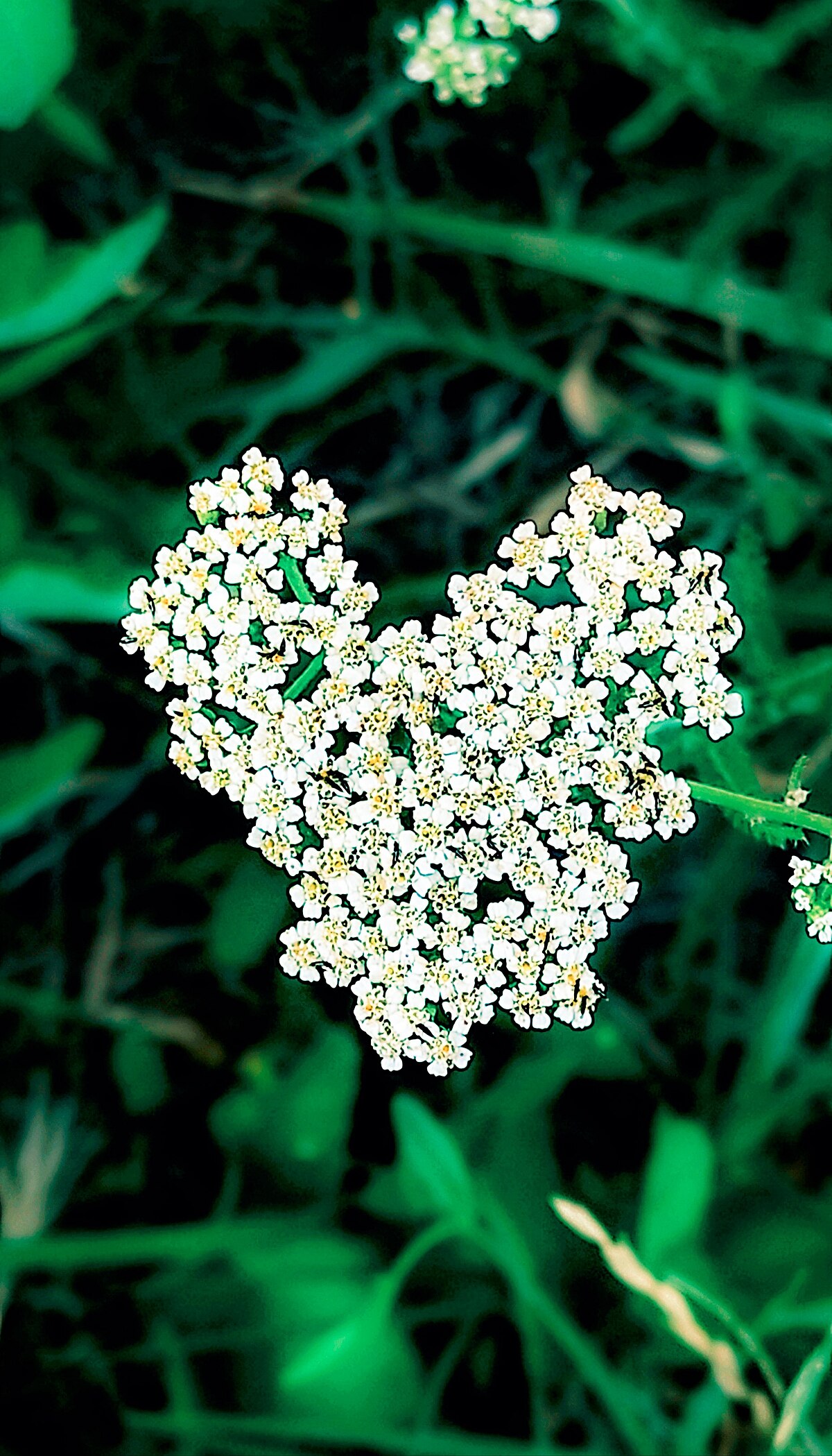
Yarrow, scientifically known as Achillea millefolium, is a perennial herbaceous plant belonging to the Asteraceae (daisy) family. This resilient species is widely distributed across temperate regions of the Northern Hemisphere, often found thriving in meadows, fields, and along roadsides. It is characterized by its feathery, fern-like leaves and clusters of small, typically white or pink flowers arranged in flat-topped inflorescences.
Known for its distinctive aromatic scent, yarrow has a long history of traditional use across various cultures for its purported properties, both in herbalism and as a garden ornamental. Its adaptability allows it to flourish in diverse environmental conditions.
Other Names of Yarrow
- Common Yarrow
- Soldier's Woundwort
- Nosebleed Plant
- Old Man's Pepper
- Devil's Nettle
Heading
<h3> Absolute Contraindications of Yarrow (Achillea millefolium) </h3> <h4>Pregnancy (avoid during pregnancy)</h4> <ul> <li>🤰 <li>Recommendation: Do not take yarrow internally during pregnancy; stop ingestion if you become pregnant and consult your healthcare provider. <li>Reasoning: Animal reproductive studies show effects on fetal weight and placental weight, and traditional warnings describe uterine-stimulating properties; safety in human pregnancy is not established. <li>Scientific_Study_Title: Preliminary screening study of reproductive outcomes after exposure to yarrow in the pregnant rat. <li>Scientific_Study_Authors: Claire L Boswell-Ruys, Helen E Ritchie, Patricia D Brown-Woodman <li>Scientific_Study_Link: https://pubmed.ncbi.nlm.nih.gov/14745991/ <li>Scientific_Study_Excerpt: <p>This preclinical study dosed pregnant rats with a yarrow preparation at a dose far above typical human exposure and compared them to water and ethanol controls. The investigators found that, while there was no increase in implantation loss or obvious malformations, fetal body weight was reduced and placental weights were increased in exposed groups; because a no-effect level could not be established, the authors concluded that consumption of yarrow cannot be considered safe during pregnancy and should be contraindicated until further studies clarify risk. The report specifically notes traditional use as an emmenagogue and uterine stimulant as part of the rationale for caution.</p> </ul> <h4>Known Allergy to Asteraceae / Sesquiterpene lactone sensitivity [skin or systemic allergy]</h4> <ul> <li>⚠️🌼 <li>Recommendation: Avoid topical or internal use if you have known allergy to ragweed, chamomile, arnica, feverfew or other Asteraceae family plants; if accidental exposure occurs and rash or breathing problems develop, seek medical help. <li>Reasoning: Yarrow contains sesquiterpene lactones and other sensitizing compounds that commonly cause contact dermatitis and sometimes systemic reactions in sensitized people. <li>Scientific_Study_Title: Contact dermatitis as an adverse reaction to some topically used European herbal medicinal products - part 1: Achillea millefolium‒Curcuma longa. <li>Scientific_Study_Authors: Gioacchino Calapai, Marco Miroddi, Paola L Minciullo, Achille P Caputi, Sebastiano Gangemi, Richard J Schmidt <li>Scientific_Study_Link: https://pubmed.ncbi.nlm.nih.gov/24621152/ <li>Scientific_Study_Excerpt: <p>This review summarizes evidence collected by regulators and dermatology research showing that Achillea millefolium can provoke allergic contact dermatitis when applied topically, and that sesquiterpene lactones in Compositae plants (including yarrow) are sensitizing agents. The authors describe patch-test positivity to yarrow extracts among Compositae-sensitive patients and document clinical cases where topical use or even ingestion produced dermatitis flares. The review advises caution with topical preparations and points out that patients with atopy or prior Compositae reactions are at higher risk.</p> </ul> <h4>Men actively trying to conceive (evidence of antispermatogenic effects in animal studies)</h4> <ul> <li>🔬👶 <li>Recommendation: Men trying to father a child should avoid high-dose or prolonged internal use of yarrow until human fertility safety is clarified. <li>Reasoning: Animal research shows that certain yarrow extracts disrupted spermatogenesis and produced structural testicular changes; human data are lacking but the animal signal suggests caution. <li>Scientific_Study_Title: Antispermatogenic effect of Achillea millefolium L. in mice. <li>Scientific_Study_Authors: T Montanari, J E de Carvalho, H Dolder <li>Scientific_Study_Link: https://pubmed.ncbi.nlm.nih.gov/9883387/ <li>Scientific_Study_Excerpt: <p>In this experimental study, mice received ethanolic or hydroalcoholic extracts of yarrow flowers for several weeks. Treated animals showed exfoliation of immature germ cells, germ cell necrosis and vacuolization of seminiferous tubules, with increased numbers of metaphases in germ epithelium. The authors interpret these morphologic changes as evidence of an antispermatogenic effect and suggest cytotoxic constituents or proliferation-stimulating substances as possible mechanisms; results were in animal models and require human studies but merit caution for fertility concerns.</p> </ul> <h3> Relative Contraindications of Yarrow (Achillea millefolium) </h3> <h4>Use with anticoagulant/antiplatelet therapy (e.g., warfarin, DOACs, aspirin)</h4> <ul> <li>🩸 <li>Recommendation: Avoid concurrent use or consult your clinician; if used, monitor INR/PT (for warfarin) closely and report any bleeding or bruising. <li>Reasoning: Although direct clinical case reports specifically with yarrow are scarce, Achillea contains multiple bioactive compounds and has been reported to alter drug-metabolizing enzymes; herbs that affect CYP enzymes or platelet function can unpredictably change anticoagulant effect. <li>Scientific_Study_Title: Mechanisms and interactions in concomitant use of herbs and warfarin therapy: An updated review. <li>Scientific_Study_Authors: (Review article authors as listed in source) <li>Scientific_Study_Link: https://pubmed.ncbi.nlm.nih.gov/34474338/ <li>Scientific_Study_Excerpt: <p>Herb-warfarin interaction reviews identify many botanicals capable of increasing or decreasing warfarin activity via pharmacokinetic or pharmacodynamic mechanisms. The review emphasizes that herbs may affect coagulation, platelet activation, or warfarin metabolism (CYP) and that clinical outcomes range from minor INR changes to serious bleeding. While the review does not single out yarrow as a frequent clinical offender, it highlights the general risk of combining herbal products with warfarin and recommends monitoring and cautious avoidance when specific interaction data are limited.</p> </ul> <h4>Concurrent use with antihypertensive drugs or other blood-pressure lowering agents</h4> <ul> <li>💊📉 <li>Recommendation: People on blood pressure medication should consult their prescriber before using yarrow; monitor blood pressure if yarrow is taken. <li>Reasoning: Animal and ex vivo studies show yarrow extracts produce vasodilation and lower blood pressure; additive hypotensive effects could occur when combined with antihypertensive drugs. <li>Scientific_Study_Title: Antihypertensive and vasorelaxant effect of leucodin and achillin isolated from Achillea millefolium through calcium channel blockade and NO production. <li>Scientific_Study_Authors: (Authors listed in the paper) <li>Scientific_Study_Link: https://pubmed.ncbi.nlm.nih.gov/33610712/ <li>Scientific_Study_Excerpt: <p>Isolated sesquiterpene lactones from yarrow (leucodin and achillin) showed vasorelaxant effects ex vivo and decreased systolic/diastolic blood pressure in spontaneously hypertensive rats. Mechanistic experiments suggested involvement of endothelium-dependent NO release and calcium channel blockade; oral administration produced measurable reductions in blood pressure in animal models. The authors conclude these constituents can exert clinically relevant hypotensive activity in vivo, supporting caution when combined with antihypertensive therapy.</p> </ul> <h4>Use with drugs highly metabolized by CYP enzymes (e.g., diazepam, cyclosporine, erythromycin)</h4> <ul> <li>⚗️🧪 <li>Recommendation: Consult a clinician/pharmacist before combining; dose adjustments or monitoring of drug levels may be needed. <li>Reasoning: A pharmacology review indicates Achillea extracts can influence cytochrome P450 activity and thereby alter blood levels of drugs metabolized by these pathways. <li>Scientific_Study_Title: Achillea millefolium: Mechanism of action, pharmacokinetic, clinical drug-drug interactions and tolerability. <li>Scientific_Study_Authors: (Authors as shown on the review) <li>Scientific_Study_Link: https://pubmed.ncbi.nlm.nih.gov/38076118/ <li>Scientific_Study_Excerpt: <p>This focused review discusses Achillea’s pharmacodynamic and pharmacokinetic profile and notes experimentally observed and predicted interactions with drugs metabolized by CYP enzymes. The authors summarize reports and in vitro/in vivo findings suggesting that constituents of A. millefolium can alter CYP activity and highlight documented interactions of the herb with medications such as erythromycin, diazepam and cyclosporine in experimental settings, concluding that caution is warranted when combining the herb with CYP substrates.</p> </ul>
Heading
<h4>Skin allergy / contact dermatitis</h4> <ul> <li>🧴🔥 <li>Side effect summary: Topical contact with yarrow (or handling the plant) can produce allergic contact dermatitis or flare existing dermatitis in sensitive people; ingestion has also been reported to worsen systemic dermatitis in rare cases. <li>Recommendation: Stop topical use immediately if rash or itching occurs; seek dermatology care for worsening or systemic reactions. Avoid if known Compositae allergy. <li>Reasoning: Yarrow contains sensitizing sesquiterpene lactones identified as contact allergens; patch tests to yarrow extracts are positive in Compositae-sensitive patients. <li>Severity Level: Moderate <li>Scientific_Study_Available: Yes <li>Scientific_Study_Title: alpha-Peroxyachifolid and other new sensitizing sesquiterpene lactones from yarrow (Achillea millefolium L., Compositae). <li>Scientific_Study_Authors: (Authors as listed in the paper) <li>Scientific_Study_Link: https://pubmed.ncbi.nlm.nih.gov/1868717/ <li>Scientific_Study_Excerpt: <p>Historical and experimental dermatology reports identified sesquiterpene lactones from yarrow as strong sensitizers in animal studies and correlated these constituents with patch-test positivity in patients. Follow-up clinical observations indicated a substantial proportion of Compositae-sensitive patients react to yarrow extracts. The research isolates and characterizes specific lactones (e.g., alpha-peroxyachifolid) and demonstrates their sensitizing potential, providing a biochemical basis for clinical contact dermatitis associated with yarrow.</p> </ul> <h4>Photosensitivity / photoreaction (in susceptible individuals)</h4> <ul> <li>🌞⚠️ <li>Side effect summary: Some formulations and constituents of yarrow have been associated with increased skin photosensitivity in susceptible individuals - prolonged exposure or concentrated extracts can increase the chance of photoreactive skin events. <li>Recommendation: Use sunscreen and avoid prolonged sun exposure when trying a new topical yarrow product; discontinue if unusual sun-sensitivity or blisters appear. <li>Reasoning: Cosmetic and toxicology assessments flag constituents (polyacetylenes, certain terpenes) as potential photoreactive agents in high concentrations; regulatory safety panels recommend careful formulation to avoid photosensitization. <li>Severity Level: Mild <li>Scientific_Study_Available: Yes <li>Scientific_Study_Title: Final report on the safety assessment of Yarrow (Achillea millefolium) Extract. <li>Scientific_Study_Authors: (Cosmetic safety assessment authors) <li>Scientific_Study_Link: https://pubmed.ncbi.nlm.nih.gov/11558643/ <li>Scientific_Study_Excerpt: <p>Regulatory safety reviews summarize animal sensitization and limited phototoxicity testing on yarrow extracts. While many finished cosmetic formulations at usual use concentrations were not phototoxic in standard tests, the report notes that certain isolated constituents and poorly controlled extracts could pose photosensitivity risk, and recommends UV-absorption and photosensitization testing where relevant. The panel advised good manufacturing practices and formulation limits to minimize photosensitive reactions.</p> </ul> <h4>Male reproductive effects (reduced sperm quality in animal studies)</h4> <ul> <li>🔬 <li>Side effect summary: High-dose or prolonged use of certain yarrow extracts produced adverse changes to sperm morphology and seminiferous tubules in rodent studies. <li>Recommendation: Men planning conception should avoid high-dose or long-term yarrow supplementation until human data are clearer; seek specialist advice if concerned. <li>Reasoning: Experimental animal data show cytotoxic effects on germ cells and structural changes in testes after prolonged high-dose exposure. <li>Severity Level: Moderate <li>Scientific_Study_Available: Yes <li>Scientific_Study_Title: Antispermatogenic effect of Achillea millefolium L. in mice. <li>Scientific_Study_Authors: T Montanari, J E de Carvalho, H Dolder <li>Scientific_Study_Link: https://pubmed.ncbi.nlm.nih.gov/9883387/ <li>Scientific_Study_Excerpt: <p>Rodent research using intraperitoneal and oral extracts reported exfoliation of immature germ cells, germ cell necrosis and vacuolization of seminiferous tubules in treated animals. The study authors highlight structural damage linked to extract exposure and suggest that cytotoxic constituents may be responsible; while results are from animal models and cannot be directly extrapolated to humans, they support caution for reproductive health in men exposed to high doses.</p> </ul>
Heading
<h4>Anticoagulants & Antiplatelet agents (e.g., warfarin, aspirin, clopidogrel)</h4> <ul> <li>Interaction_Details: Yarrow contains multiple bioactive compounds and may alter coagulation or drug metabolism; while direct clinical case reports with yarrow are limited, the herb’s constituents and general herb-warfarin literature imply a potential for unpredictable effects on anticoagulation. Monitor for bleeding or INR changes if co-administered. <li>Severity: Moderate <li>Recommendation: Avoid combining without medical supervision; if unavoidable, monitor anticoagulation parameters (INR) closely. <li>Scientific_Study_Available: Yes (evidence largely from herb-warfarin interaction literature and yarrow pharmacology reviews) <li>Scientific_Study_Link: https://pubmed.ncbi.nlm.nih.gov/34474338/ <li>Scientific_Study_Title: Mechanisms and interactions in concomitant use of herbs and warfarin therapy: An updated review. <li>Scientfic_Study_Authors: (Review authors as listed in the paper) <li>Scientific_Study_Excerpt: <p>This review analyzed numerous herb-warfarin interactions and emphasized that herbs may affect warfarin through pharmacokinetic mechanisms (CYP enzyme induction/inhibition), pharmacodynamic mechanisms (platelet/coagulation influence) or by changing vitamin K intake. Although yarrow is not the most frequently reported herb in clinical warfarin cases, the review highlights the broad risk of herb-drug interactions altering anticoagulation control and recommends heightened vigilance, patient education and laboratory monitoring when herbs are used with warfarin.</p> </ul> <h4>Antihypertensives (e.g., ACE inhibitors, calcium-channel blockers, diuretics)</h4> <ul> <li>Interaction_Details: Yarrow extracts show vasorelaxant, ACE-modulating and calcium-channel blocking effects in animal and ex vivo studies; combined use with antihypertensive drugs could produce additive blood-pressure lowering and symptomatic hypotension. <li>Severity: Moderate <li>Recommendation: Do not self-combine; if used under supervision, monitor blood pressure and adjust medications as needed. <li>Scientific_Study_Available: Yes <li>Scientific_Study_Link: https://pubmed.ncbi.nlm.nih.gov/33610712/ <li>Scientific_Study_Title: Antihypertensive and vasorelaxant effect of leucodin and achillin isolated from Achillea millefolium through calcium channel blockade and NO production: In vivo, functional ex vivo and in silico studies. <li>Scientfic_Study_Authors: (Authors as listed in the PubMed entry) <li>Scientific_Study_Excerpt: <p>Experimental work isolated sesquiterpene lactones from yarrow and demonstrated vasorelaxation via endothelium-dependent nitric oxide signaling and calcium channel effects; oral dosing lowered blood pressure in hypertensive rat models. The paper’s data support a real pharmacologic hypotensive action that could potentiate prescribed antihypertensive medicines, warranting blood pressure monitoring if combined.</p> </ul> <h4>CYP-metabolized drugs (examples: diazepam, cyclosporine, erythromycin and other CYP substrates)</h4> <ul> <li>Interaction_Details: Achillea constituents can modulate cytochrome P450 enzymes in experimental systems; this may increase or decrease plasma levels of drugs metabolized by those enzymes, altering efficacy or toxicity. <li>Severity: Moderate <li>Recommendation: Discuss with prescriber/pharmacist before starting yarrow; therapeutic drug monitoring (where available) or dose adjustments may be necessary. <li>Scientific_Study_Available: Yes <li>Scientific_Study_Link: https://pubmed.ncbi.nlm.nih.gov/38076118/ <li>Scientific_Study_Title: Achillea millefolium: Mechanism of action, pharmacokinetic, clinical drug-drug interactions and tolerability. <li>Scientfic_Study_Authors: (Authors as listed in the review) <li>Scientific_Study_Excerpt: <p>The review compiles data on Achillea’s pharmacology and highlights reported and theoretical interactions with drugs metabolized by CYP enzymes. It notes experimental findings suggesting effects on metabolic pathways and documents case-level concerns and interactions reported with medications such as erythromycin, diazepam and cyclosporine in preclinical or clinical contexts. The authors recommend caution with CYP substrates until interaction potential is clarified by formal studies.</p> </ul> <h4>Antidiabetic medications (insulin, sulfonylureas, metformin)</h4> <ul> <li>Interaction_Details: Animal studies show yarrow extracts can lower blood glucose in diabetic models; combining with antidiabetic drugs could increase hypoglycemia risk. <li>Severity: Mild <li>Recommendation: Monitor blood glucose closely if used with antidiabetic therapy and consult your clinician for dose adjustments as needed. <li>Scientific_Study_Available: Yes <li>Scientific_Study_Link: https://pubmed.ncbi.nlm.nih.gov/32340610/ <li>Scientific_Study_Title: Hydroalcoholic extract of Achillea millefolium improved blood glucose, liver enzymes and lipid profile compared to metformin in streptozotocin-induced diabetic rats. <li>Scientfic_Study_Authors: (Authors as listed on the paper) <li>Scientific_Study_Excerpt: <p>In streptozotocin-induced diabetic rats, oral Achillea extracts reduced blood glucose and improved lipid and liver enzyme profiles compared to controls. The study demonstrates hypoglycemic potential in an animal model, suggesting that yarrow could potentiate blood glucose lowering when combined with antidiabetic medications, so clinical monitoring would be prudent.</p> </ul>