Venu (Bamboo)
Bambusa arundinacea
Venu (Bamboo), a versatile plant in Ayurveda, is recognized for its various parts, including Banslochan (bamboo manna). It is traditionally believed to balance Pitta and Kapha doshas. This prevalent grass is used for its purported cooling and strengthening properties, often incorporated into formulations for respiratory health and general well-being in traditional practices.
PLANT FAMILY
Poaceae (Grass)
PARTS USED
Banslochan, Leaves, Shoot
AYURVEDIC ACTION
Pitta ↓, Kapha ↓, Vata ↑
ACTIVE COMPOUNDS
Banslochan (Silica, 70-90%)
What is Venu (Bamboo)?
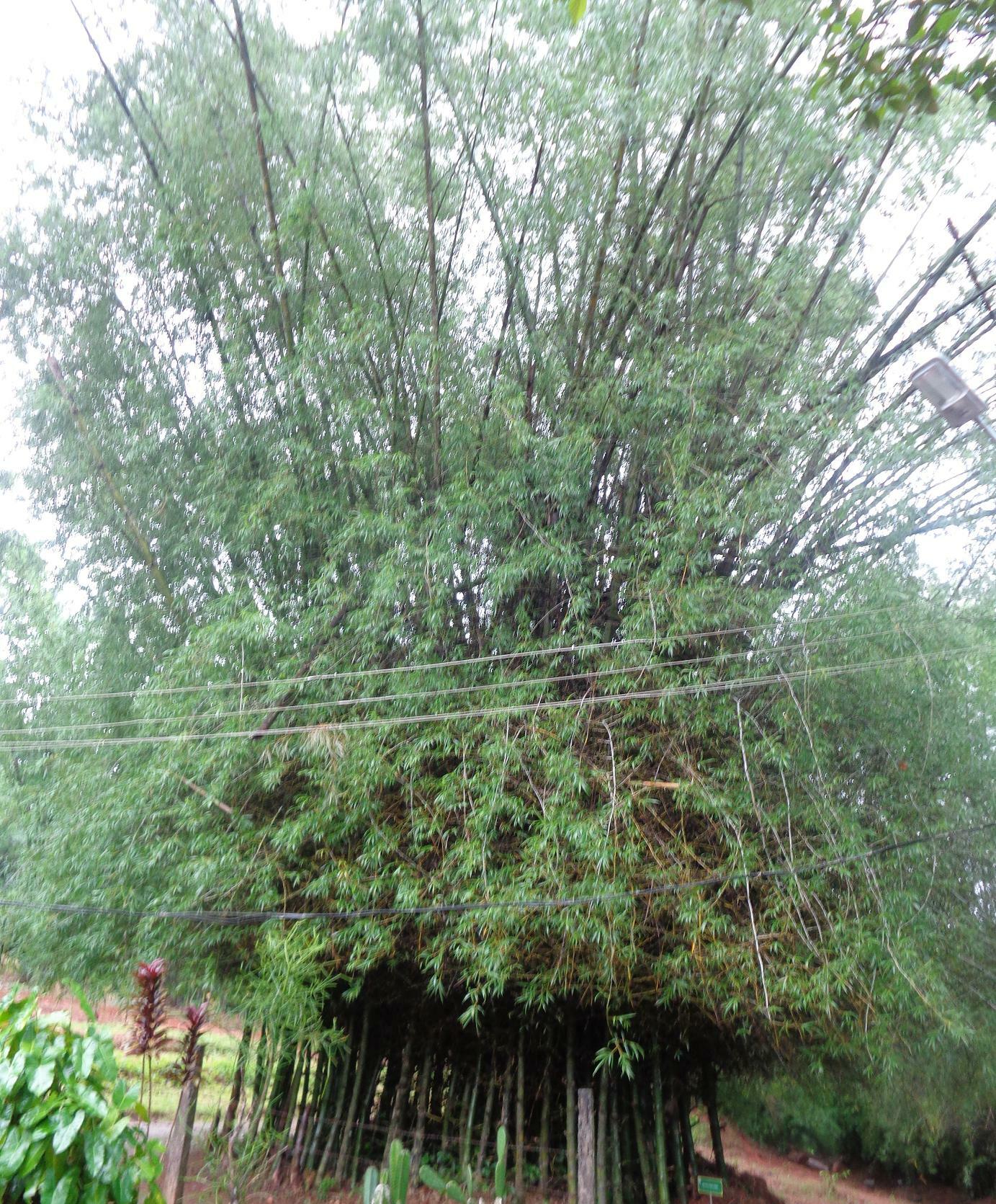
Venu, commonly known as Bamboo, refers to various species of perennial evergreen plants in the grass family Poaceae, subfamily Bambusoideae. Distinguished by their hollow stems, rapid growth, and woody culms, bamboos are found in diverse climates, from cold mountains to hot tropical regions. They play significant ecological roles in their native habitats.
Beyond its ecological importance, bamboo holds immense cultural and economic value worldwide. Its versatility is reflected in its use as a building material, a food source (bamboo shoots), a fiber for textiles, and in traditional medicine systems like Ayurveda, where specific parts are utilized for their purported therapeutic properties.
Other Names of Venu (Bamboo)
- Bamboo
- Bans
- Velu
- Treant
- Bambusa arundinacea (scientific name)
Benefits of Venu (Bamboo)
Heading
<h3> Absolute Contraindications of Venu (Bamboo) </h3> <h4> Pregnancy - Risk of abortion or fetal harm</h4> <ul> <li>🤰</li> <li>Recommendation: Avoid using bamboo leaf extracts or high-dose bamboo preparations during pregnancy; do not take bamboo leaf products orally if pregnant or trying to conceive.</li> <li>Reasoning: Animal studies show oral aqueous leaf extracts caused fetal loss, increased post-implantation loss and decreased pregnancy hormones at tested doses-indicating an abortifacient and embryotoxic potential in experimental animals.</li> <li>Scientific_Study_Title: Abortifacient potentials of the aqueous extract of Bambusa vulgaris leaves in pregnant Dutch rabbits</li> <li>Scientific_Study_Authors: Musa T. Yakubu, Bimbo B. Bukoye</li> <li>Scientific_Study_Link: https://pubmed.ncbi.nlm.nih.gov/19698826/</li> <li>Scientific_Study_Excerpt: <p>The published study in rabbits tested oral aqueous Bambusa vulgaris leaf extract at 250 and 500 mg/kg during mid-late pregnancy. Results demonstrated dose-dependent fetal loss: the 250 mg/kg dose reduced live fetuses and caused substantial resorptions; the 500 mg/kg dose resulted in no live fetuses. The extract lowered serum progesterone, FSH and LH concentrations and increased post-implantation loss. Authors concluded the extract has abortifacient potential, likely via hormonal disruption and implantation site effects-supporting a clear precaution against use in pregnancy.</p> <p>These findings are from controlled animal experiments and indicate a biologic effect that advises avoiding maternal exposure until human safety is well established.</p> </li> </ul> <h4> Raw / improperly processed bamboo shoots - risk of cyanide toxicity</h4> <ul> <li>⚠️</li> <li>Recommendation: Do not eat raw or inadequately processed bamboo shoots; always follow proper boiling/processing methods used traditionally (boil, ferment, or steam) to remove cyanogenic compounds.</li> <li>Reasoning: Some bamboo shoots contain taxiphyllin, a cyanogenic glycoside; improper processing (or high concentrations in some commercial extracts) can release cyanide, causing acute toxicity.</li> <li>Scientific_Study_Title: Uncovering Taxiphyllin in bamboo shoots: An analytical perspective</li> <li>Scientific_Study_Authors: Arindam Niyogi, Soumyadeb Bhattacharyya, Souvik Pal, Subhankar Mukherjee, Alokesh Ghosh</li> <li>Scientific_Study_Link: https://pubmed.ncbi.nlm.nih.gov/40179559/</li> <li>Scientific_Study_Excerpt: <p>This 2025 analytical review documents that bamboo shoots contain cyanogenic glycosides-mainly taxiphyllin-which can liberate cyanide if not adequately removed by cooking or fermentation. The authors detail how traditional and industrial processing (boiling, steaming, fermentation) reduce taxiphyllin levels; however, some commercial extracts and preserved products showed variable and sometimes high levels of heat-derived compounds. The review emphasizes analytical detection and proper processing to avoid cyanide poisoning and recommends food-safety controls for bamboo products destined for consumption.</p> <p>Practical implication: raw or insufficiently processed shoots present a recognized toxic risk and are contraindicated for unsupervised consumption.</p> </li> </ul> <h4> Consuming bamboo from contaminated/polluted sites - heavy metal exposure risk</h4> <ul> <li>🧪</li> <li>Recommendation: Avoid eating bamboo shoots or using bamboo extracts sourced from industrially contaminated areas; prefer products with trace-element testing or from known clean sources.</li> <li>Reasoning: Studies of bamboo shoot production areas show soil contamination with Pb, Cd, As and other elements; bamboo shoots may accumulate hazardous metals depending on species and site, posing chronic toxicity risk if consumed.</li> <li>Scientific_Study_Title: Pollution Risk Assessment and Sources Analysis of Heavy Metal in Soil from Bamboo Shoots</li> <li>Scientific_Study_Authors: Zhihong Wang, Yingle Chen, Song Wang, Yujuan Yu, Wenyan Huang, Qiaolin Xu, Lei Zeng</li> <li>Scientific_Study_Link: https://www.ncbi.nlm.nih.gov/pmc/articles/PMC9690268/</li> <li>Scientific_Study_Excerpt: <p>This environmental study evaluated soils from 46 bamboo shoot production subareas and measured five heavy metals (Pb, Cd, As, Hg, Cr). Some sampling sites exceeded standard limits for lead and arsenic; statistical analyses showed variable but meaningful contamination linked to anthropogenic activities (fertilizers, industry, transport). The authors highlight that while many species and sites show low accumulation, certain bamboo shoots and soils present elevated heavy-metal levels, posing food-safety concerns and potential health risks through chronic dietary exposure.</p> <p>The study recommends monitoring and source control to reduce human exposure via bamboo food products and advises caution with material from high-risk locations.</p> </li> </ul> <h3> Relative Contraindications of Venu (Bamboo) </h3> <h4> Use with antidiabetic medications (insulin, sulfonylureas, metformin) - hypoglycemia risk</h4> <ul> <li>🩺</li> <li>Recommendation: If you take prescribed glucose-lowering medications, consult your physician before using bamboo leaf extracts or supplements; monitor blood glucose closely.</li> <li>Reasoning: Multiple animal studies show Bambusa leaf extracts improve mitochondrial function, antioxidant defenses and lower hyperglycemia markers-effects that could add to prescribed antidiabetic agents and increase hypoglycemia risk.</li> <li>Scientific_Study_Title: Bambusa vulgaris leaves reverse mitochondria dysfunction in diabetic rats through modulation of mitochondria biogenic genes</li> <li>Scientific_Study_Authors: Olusola Olalekan Elekofehinti, Yetunde Victoria Aladenika, Opeyemi Iwaloye, Enoabasi Ima-Abasi Okon, Isaac Gbadura Adanlawo</li> <li>Scientific_Study_Link: https://pubmed.ncbi.nlm.nih.gov/36591918/</li> <li>Scientific_Study_Excerpt: <p>In streptozotocin-induced diabetic rats, aqueous Bambusa vulgaris leaf extract (100-300 mg/kg) improved mitochondrial biogenesis markers (PGC-1α, Nrf2, AMPK) and reduced oxidative stress, contributing to better pancreatic cellular integrity and metabolic outcomes. The experimental animals showed improved parameters relevant to diabetes control compared with diabetic controls. While this preclinical data supports metabolic benefit, it indicates bamboo preparations can exert glucose-modulating effects; combined use with antidiabetic drugs could potentiate glucose lowering and warrants medical supervision and glucose monitoring in patients.</p> </li> </ul> <h4> Use in people on immunosuppressant therapy or with autoimmune disease - immunostimulatory potential</h4> <ul> <li>🧾</li> <li>Recommendation: If you are on immunosuppressants (post-transplant, autoimmune control) avoid unsupervised use of bamboo biosilica or potent bamboo immunomodulators and discuss with your specialist.</li> <li>Reasoning: Bamboo biosilica extracts have been shown to stimulate innate immune pathways and macrophage activity; this could theoretically counteract immunosuppressive therapy or exacerbate autoimmune activity.</li> <li>Scientific_Study_Title: Immunomodulatory activity of bamboo biosilica from Dendrocalamus longispathus Kurz. - Metabolomics integrated network pharmacology approach</li> <li>Scientific_Study_Authors: Amit Kar, Sayan Biswas, Barun Das Gupta, Subhadip Banerjee, Aliva Prity Minz, Kumaraswamy Jeyaram, Shantibhusan Senapati, Bharat G Somkuwar, Nanaocha Sharma, Pulok Kumar Mukherjee</li> <li>Scientific_Study_Link: https://pubmed.ncbi.nlm.nih.gov/40354708/</li> <li>Scientific_Study_Excerpt: <p>This in-vitro and metabolomics/network pharmacology study found bamboo biosilica hydroalcoholic extracts produced significant immunostimulatory responses in RAW 264.7 macrophage assays and activated pathways including NF-κB, PI3K-Akt and MAPK. The study characterizes flavones and other metabolites as likely active components. Authors propose bamboo biosilica as an immunopotentiating agent; clinically this suggests individuals receiving immunosuppression or those with unstable autoimmune disease should exercise caution because such immune stimulation could diminish therapeutic immunosuppression or flare immune conditions.</p> </li> </ul> <h4> Liver disease / impaired hepatic function - caution with high doses</h4> <ul> <li>⚕️</li> <li>Recommendation: People with existing liver disease or taking hepatically metabolized drugs should consult a clinician before using concentrated bamboo extracts or high-dose preparations.</li> <li>Reasoning: High experimental doses of bamboo shoot/leaf extracts have been associated with altered liver enzyme levels and histopathological changes in animal maternal toxicity studies, indicating potential hepatic stress at large exposures.</li> <li>Scientific_Study_Title: Evaluating maternal toxicity induced by aqueous extract of Bambusa vulgaris shoot through biochemical, hematological, and histopathological assessment in pregnant Wistar rats</li> <li>Scientific_Study_Authors: (see article - aggregated study summary in Advances in Bamboo Science; DOI provided in bibliographic record)</li> <li>Scientific_Study_Link: http://www.sciencedirect.com/science/article/pii/S2773139124000193 (bibliographic record) - summary at AGRIS: https://agris.fao.org/ (search record)</li> <li>Scientific_Study_Excerpt: <p>In a rat study of maternal exposure to aqueous bamboo shoot extract, very high doses (e.g., 1000 mg/kg) produced significant alterations in hepatic enzymes (ALP, AST), hematological changes (leukocyte/lymphocyte shifts) and histopathological indicators of multi-organ injury including liver cellular changes. Authors reported dose-dependent maternal toxicity with evidence of hepatic impairment at the highest tested dose, suggesting that concentrated or high-dose preparations might stress the liver and should be avoided or used with caution in those with liver compromise.</p> </li> </ul>
Heading
<h4> Cyanide poisoning from raw or inadequately processed bamboo shoots</h4> <ul> <li>☠️</li> <li>Side effect summary: Eating raw or poorly processed bamboo shoots can release cyanide from taxiphyllin, causing nausea, headache, dizziness, respiratory distress or worse in acute cases.</li> <li>Recommendation: Only consume bamboo shoots that are properly boiled, fermented or otherwise processed per traditional/industrial safety methods; seek urgent medical care for symptoms of cyanide poisoning (confusion, rapid breathing, collapse).</li> <li>Reasoning: Analytical and review studies identify taxiphyllin as a cyanogenic glycoside in bamboo shoots; inadequate processing leaves sufficient precursor to release cyanide on digestion or heating under some conditions.</li> <li>Severity Level: Severe</li> <li>Scientific_Study_Available: Yes</li> <li>Scientific_Study_Title: Uncovering Taxiphyllin in bamboo shoots: An analytical perspective</li> <li>Scientific_Study_Authors: Arindam Niyogi, Soumyadeb Bhattacharyya, Souvik Pal, Subhankar Mukherjee, Alokesh Ghosh</li> <li>Scientific_Study_Link: https://pubmed.ncbi.nlm.nih.gov/40179559/</li> <li>Scientific_Study_Excerpt: <p>The review highlights taxiphyllin as the principal cyanogenic glycoside in many bamboo shoots and documents that traditional processing (boiling, steaming, fermentation) substantially reduces its levels. The authors report that some commercial extracts and preserved products may contain heat-derived derivatives and variable residual cyanogenic activity, underscoring the need for validated processing and analytical testing to prevent cyanide exposure. Practically, the paper stresses food-safety measures to avoid acute cyanide intoxication from bamboo food products.</p> </li> </ul> <h4> Gastrointestinal upset or mild toxicity at high doses</h4> <ul> <li>🤢</li> <li>Side effect summary: High doses or concentrated extracts can produce digestive discomfort, diarrhea or nonspecific systemic symptoms seen in some animal toxicity studies.</li> <li>Recommendation: Start with low amounts from reputable sources; stop use and consult a clinician if persistent GI symptoms occur. For high doses or unusual symptoms, seek medical advice.</li> <li>Reasoning: Acute and subacute animal studies of aqueous extracts reported dose-dependent adverse findings (changes in biochemical markers, mild organ changes) when high experimental doses were used.</li> <li>Severity Level: Mild to Moderate</li> <li>Scientific_Study_Available: Yes</li> <li>Scientific_Study_Title: Toxicological implications of aqueous extract of Bambusa vulgaris leaves in pregnant Dutch rabbits</li> <li>Scientific_Study_Authors: Musa T. Yakubu, Bimbo B. Bukoye</li> <li>Scientific_Study_Link: https://pubmed.ncbi.nlm.nih.gov/19755439/</li> <li>Scientific_Study_Excerpt: <p>In the toxicology evaluation during pregnancy, the aqueous leaf extract altered some biochemical parameters (e.g., decreased alkaline phosphatase activity, glucose) and produced reproductive toxicity markers at tested doses. While overt clinical toxicity signs were not prominent at lower doses, the study records dose-dependent biochemical and reproductive effects, indicating that concentrated or repeated exposures can lead to measurable physiological changes-consistent with GI/systemic sensitivity reported with some botanical extracts.</p> </li> </ul> <h4> Hypoglycemia when combined with glucose-lowering drugs (possible)</h4> <ul> <li>🩸</li> <li>Side effect summary: Using bamboo leaf extracts with prescribed diabetes medicines could enhance glucose lowering and cause hypoglycemia (dizziness, sweating, tremor, confusion).</li> <li>Recommendation: If you are treated for diabetes, do not start bamboo supplements without medical supervision and frequent glucose monitoring; dose adjustments of medications may be required by your clinician.</li> <li>Reasoning: Preclinical diabetic models demonstrate bamboo leaf extracts improve markers of glucose/mitochondrial function; such pharmacologic activity can be additive with antidiabetic drugs.</li> <li>Severity Level: Moderate</li> <li>Scientific_Study_Available: Yes</li> <li>Scientific_Study_Title: Analysis of toxic, antidiabetic and antioxidant potential of Bambusa balcooa Roxb. leaf extracts in alloxan-induced diabetic rats</li> <li>Scientific_Study_Authors: (authors as listed on the PubMed entry for the Bambusa balcooa study)</li> <li>Scientific_Study_Link: https://pubmed.ncbi.nlm.nih.gov/28567632/</li> <li>Scientific_Study_Excerpt: <p>In alloxan-induced diabetic rats, aqueous leaf extracts of Bambusa balcooa produced significant reductions in fasting blood glucose and glycosylated hemoglobin, with improved endogenous antioxidant enzyme activity. The study also reported an acute toxicity LD50 estimate in mice. These data indicate genuine glucose-lowering potential in preclinical models; clinically this raises the possibility of additive hypoglycemic effects when combined with standard antidiabetic therapies, supporting the need for monitoring and caution.</p> </li> </ul>
Heading
<h4> Antidiabetic drugs (insulin, sulfonylureas, metformin)</h4> <ul> <li>Interaction_Details: Bamboo leaf extracts show glucose-lowering and mitochondrial-supporting effects in animal models; when combined with antidiabetics, there is a plausible risk of additive glucose lowering and symptomatic hypoglycemia.</li> <li>Severity: Moderate</li> <li>Recommendation: Consult your prescribing clinician before combining bamboo supplements with antidiabetic medications; monitor blood glucose closely and adjust drug doses only under medical guidance.</li> <li>Scientific_Study_Available: Yes</li> <li>Scientific_Study_Link: https://pubmed.ncbi.nlm.nih.gov/36591918/</li> <li>Scientific_Study_Title: Bambusa vulgaris leaves reverse mitochondria dysfunction in diabetic rats through modulation of mitochondria biogenic genes</li> <li>Scientfic_Study_Authors: Olusola Olalekan Elekofehinti, Yetunde Victoria Aladenika, Opeyemi Iwaloye, Enoabasi Ima-Abasi Okon, Isaac Gbadura Adanlawo</li> <li>Scientific_Study_Excerpt: <p>The experimental study in streptozotocin-diabetic rats administered aqueous Bambusa vulgaris leaf extract (100-300 mg/kg) and found improvements in mitochondrial biogenesis markers, activation of antioxidant pathways (Nrf2) and improved pancreatic cellular parameters, with metabolic benefits compared to diabetic controls. The findings support a biologic effect on pathways that influence glucose handling; clinically such activity could potentiate the effects of antidiabetic drugs, so coadministration requires monitoring to avoid hypoglycemia.</p> </li> </ul> <h4> Immunosuppressants / immune-modulating therapies (e.g., cyclosporine, tacrolimus)</h4> <ul> <li>Interaction_Details: Bamboo biosilica and some extracts have immunostimulatory activity in vitro, including macrophage activation and signaling pathway upregulation; this could oppose intended immunosuppression, potentially reducing efficacy of immunosuppressant drugs or altering immune control in autoimmune disease.</li> <li>Severity: Moderate</li> <li>Recommendation: Avoid using immuno-stimulating bamboo preparations without specialist input if you are on immunosuppressive therapy; discuss alternatives with your transplant or autoimmune specialist.</li> <li>Scientific_Study_Available: Yes</li> <li>Scientific_Study_Link: https://pubmed.ncbi.nlm.nih.gov/40354708/</li> <li>Scientific_Study_Title: Immunomodulatory activity of bamboo biosilica from Dendrocalamus longispathus Kurz. - Metabolomics integrated network pharmacology approach</li> <li>Scientfic_Study_Authors: Amit Kar, Sayan Biswas, Barun Das Gupta, Subhadip Banerjee, Aliva Prity Minz, Kumaraswamy Jeyaram, Shantibhusan Senapati, Bharat G Somkuwar, Nanaocha Sharma, Pulok Kumar Mukherjee</li> <li>Scientific_Study_Excerpt: <p>In vitro assays using macrophage cell lines and metabolomic/network analyses showed bamboo biosilica extracts activated immune signaling (NF-κB, PI3K-Akt, MAPK) and elicited immunostimulatory responses versus controls. The study concluded bamboo biosilica contains metabolites that can potentiate innate immune responses-an effect that could theoretically interfere with pharmacologic immunosuppression and warrants caution in patients receiving such therapies.</p> </li> </ul> <h4> Potential interaction via contaminated source - heavy metal exposure affecting chelation or metal-sensitive drugs</h4> <ul> <li>Interaction_Details: Bamboo products sourced from contaminated soils may carry heavy metals (Cd, Pb, As); these metals can interact with chelating agents, alter drug binding, or cause additive toxicity with other metal-affecting medications.</li> <li>Severity: Mild to Moderate (depends on contamination level)</li> <li>Recommendation: Prefer bamboo food/supplements tested for heavy metals; if you take drugs affected by metal exposure (chelation therapy, metal-sensitive treatments), verify source purity first.</li> <li>Scientific_Study_Available: Yes</li> <li>Scientific_Study_Link: https://www.ncbi.nlm.nih.gov/pmc/articles/PMC9690268/</li> <li>Scientific_Study_Title: Pollution Risk Assessment and Sources Analysis of Heavy Metal in Soil from Bamboo Shoots</li> <li>Scientfic_Study_Authors: Zhihong Wang, Yingle Chen, Song Wang, Yujuan Yu, Wenyan Huang, Qiaolin Xu, Lei Zeng</li> <li>Scientific_Study_Excerpt: <p>The environmental assessment measured Pb, Cd, As, Hg and Cr in soils from bamboo shoot production areas and found some sites exceed safety limits for Pb and As. The authors document the potential for soil contaminants to move into bamboo shoots and recommend monitoring and source control. For consumers on therapies influenced by heavy-metal exposure or chelation, use of untested bamboo products could introduce metal exposures that interact with medical treatments or add toxicity risk.</p> </li> </ul>