Vatsanabha
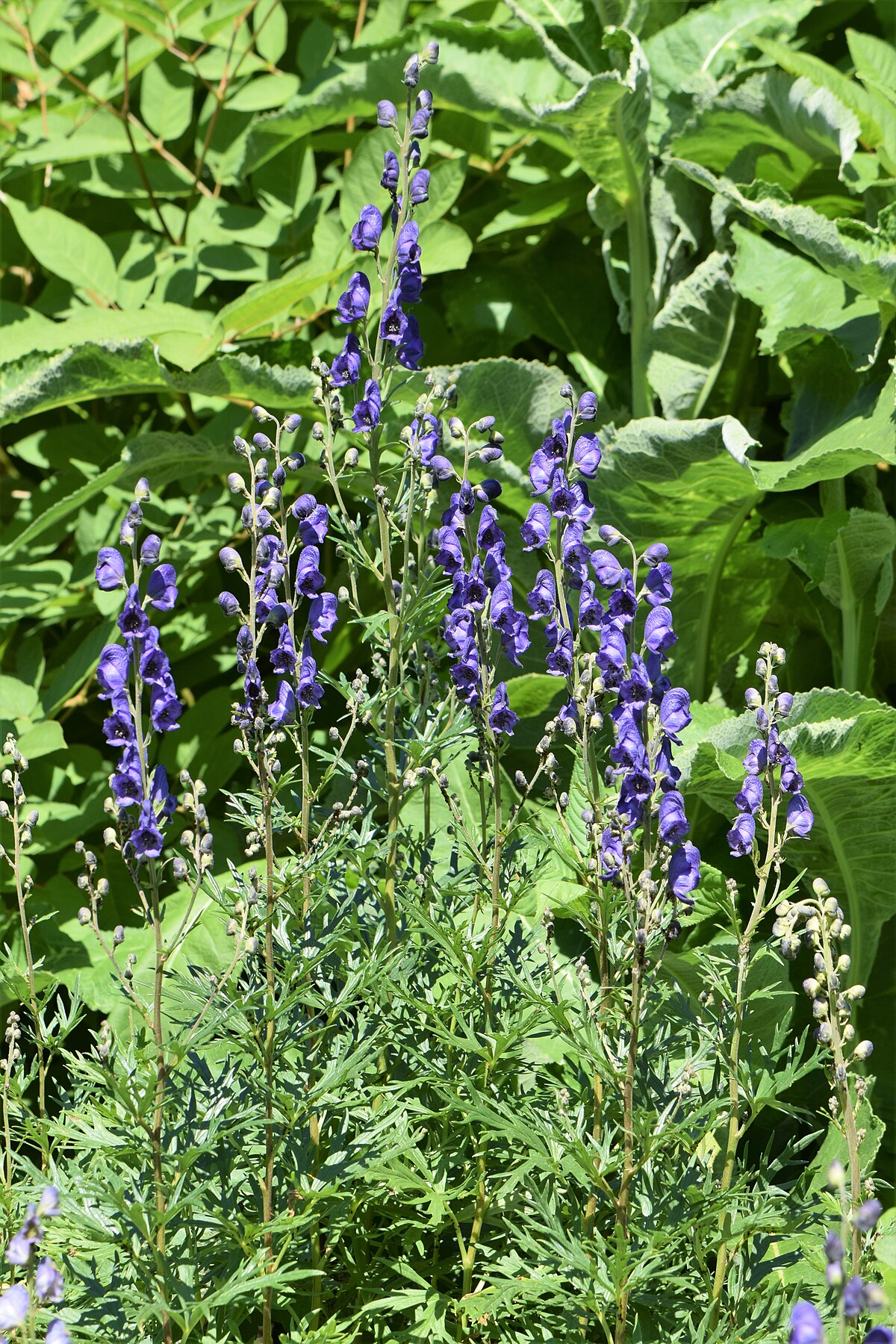
Aconitum ferox
Vatsanabha (Aconitum ferox), a highly potent herb from the Himalayas, is used in Ayurveda after stringent purification. Traditionally, it's claimed for powerful analgesic and anti-inflammatory properties, with careful expert guidance due to its toxicity. It supposedly influences Vata and Pitta doshas.
PLANT FAMILY
Ranunculaceae (Buttercup)
AYURVEDIC ACTION
Vata ↓, Pitta ↓, Kapha ↑
ACTIVE COMPOUNDS
Aconitine (0.05-0.1%)
What is Vatsanabha?
Vatsanabha, scientifically identified as Aconitum ferox, is a highly potent and perennial herb belonging to the Ranunculaceae (buttercup) family. Native to the Himalayan regions, it is distinguished by its dark, tuberous roots and deeply lobed leaves. This plant is globally recognized for its extreme toxicity, primarily due to the presence of highly poisonous alkaloids such as aconitine.
Despite its dangerous nature, Vatsanabha holds a paradoxical significance in some traditional medicinal systems, where it is used only after stringent purification processes, often for its powerful analgesic and anti-inflammatory properties, but always with extreme caution and under expert guidance due to its lethal potential.
Other Names of Vatsanabha
- Indian Aconite
- Monk's Hood
- Wolfsbane
- Bish
- Bikhma
Heading
<h3> Absolute Contraindications of Vatsanabha </h3> <h4>Pregnancy (If you are pregnant)</h4> <ul> <li>🤰</li> <li>Recommendation: Do not use Vatsanabha or Aconitum preparations during pregnancy; avoid any products containing it. Seek alternative, pregnancy-safe care for pain or fever.</li> <li>Reasoning: Experimental embryo studies show direct toxic effects on developing embryos at low concentrations, including cardiac and brain malformations-risk of fetal harm is therefore credible and significant.</li> <li>Scientific_Study_Title: Study of aconitine toxicity in rat embryos in vitro</li> <li>Scientific_Study_Authors: Kai Xiao, Li Wang, Yuqing Liu, Cheng Peng, Guangyan Yan, Jianjun Zhang, Yanqiang Zhuo, Hongxia Li</li> <li>Scientific_Study_Link: https://pubmed.ncbi.nlm.nih.gov/17570135/</li> <li>Scientific_Study_Excerpt: <p>The referenced in-vitro whole-embryo study exposed rat embryos during organogenesis to graded aconitine concentrations and documented clear embryotoxicity beginning at low microgram/ml levels. At intermediate concentrations embryos showed reduced growth measures (shorter crown-rump and head length), fewer somites and poorer morphology; at higher concentrations severe dysmorphogenesis occurred, including malformed cardiac tube and brain vesicle changes. The authors concluded that aconitine directly damages embryonic development and identified a no-observed-adverse-effect level only at very low exposure, recommending caution in pregnant women until human data are available.</p> <p>This experimental evidence supports avoiding Vatsanabha in pregnancy because the plant alkaloids produce direct embryotoxic effects in mammalian models.</p> </li> </ul> <h4>Known Cardiac Disease or Pre-existing Arrhythmias</h4> <ul> <li>❤️</li> <li>Recommendation: Do not take Vatsanabha if you have known heart rhythm disorders, cardiomyopathy, prior ventricular arrhythmias or unstable coronary disease; seek cardiology guidance first if ever considered.</li> <li>Reasoning: Aconitum alkaloids commonly produce life-threatening ventricular arrhythmias; people with existing cardiac pathology have little reserve and are at high risk for severe events.</li> <li>Scientific_Study_Title: The management of ventricular dysrhythmia in aconite poisoning</li> <li>Scientific_Study_Authors: James M Coulson, Thomas M Caparrotta, John P Thompson</li> <li>Scientific_Study_Link: https://pubmed.ncbi.nlm.nih.gov/28421842/</li> <li>Scientific_Study_Excerpt: <p>This clinical review analysed human case reports of aconite poisoning that resulted in ventricular dysrhythmias. The authors describe the molecular basis-persistent activation of voltage-gated sodium channels-and document dozens of cases with ventricular ectopy, ventricular tachycardia, torsades de pointes and ventricular fibrillation; overall mortality in the reviewed dysrhythmia cases approached reported fatal levels. The review also summarises which anti-dysrhythmic interventions were associated with rhythm control in case reports, emphasising the severe cardiac risk posed by aconitine exposure.</p> <p>Given these consistent cardiac events in humans, any pre-existing cardiac disease is a clear contraindication for Vatsanabha exposure.</p> </li> </ul> <h4>Use of Raw / Improperly Processed Vatsanabha (Raw Aconite)</h4> <ul> <li>⚠️</li> <li>Recommendation: Never use raw (un-shodhana) Vatsanabha. Only properly processed, standardized preparations under experienced Ayurvedic supervision should ever be considered.</li> <li>Reasoning: Traditional purification (Shodhana) markedly lowers toxic alkaloid content; raw material retains high concentrations and has been shown to cause chronic and acute toxicity in animal and human reports.</li> <li>Scientific_Study_Title: Effect of shodhana treatment on chronic toxicity and recovery of aconite</li> <li>Scientific_Study_Authors: (Authors listed on PubMed entry)</li> <li>Scientific_Study_Link: https://pubmed.ncbi.nlm.nih.gov/22736901/</li> <li>Scientific_Study_Excerpt: <p>In controlled animal studies where raw aconite, urine-treated and milk-treated preparations were compared over chronic dosing, raw aconite caused marked toxicity while properly processed forms had much reduced or absent toxicity. The authors reported that milk and urine-based shodhana procedures significantly reduced chronic toxic effects; in some preparations toxicity became reversible upon cessation. The study demonstrates that the purification steps taught in classical systems materially reduce toxic alkaloid burden and long-term harm risk.</p> <p>These findings support the long-standing Ayurvedic rule that unprocessed Vatsanabha is not safe for therapeutic use.</p> </li> </ul> <h4>Topical application to broken or damaged skin (including occluded poultices)</h4> <ul> <li>🩹</li> <li>Recommendation: Do not apply aconite-containing liniments, tinctures or raw root to broken, abraded or occluded skin; avoid self-made topical preparations and keep away from children and pets.</li> <li>Reasoning: Aconitum alkaloids penetrate intact human skin and systemic toxicity can follow topical exposure-risk increases when skin is damaged or the preparation is occluded.</li> <li>Scientific_Study_Title: Aconite poisoning following the percutaneous absorption of Aconitum alkaloids</li> <li>Scientific_Study_Authors: (Authors listed on PubMed entry)</li> <li>Scientific_Study_Link: https://pubmed.ncbi.nlm.nih.gov/22766196/</li> <li>Scientific_Study_Excerpt: <p>This review examined reports and experiments showing that aconitine and related alkaloids can be absorbed through human skin. Laboratory diffusion studies and case reports indicate that topical tinctures and raw root contact can result in systemic alkaloid absorption, with documented fatal and non-fatal poisonings. The risk is magnified by occlusion, high alkaloid concentration and damaged epidermis. The authors advise public warnings and caution regarding topical use because of demonstrated percutaneous absorption leading to systemic toxicity.</p> <p>Therefore topical use on compromised skin is an evidence-based contraindication.</p> </li> </ul> <h3> Relative Contraindications of Vatsanabha </h3> <h4>Breastfeeding (If you are nursing)</h4> <ul> <li>🤱</li> <li>Recommendation: Prefer avoiding Vatsanabha while breastfeeding; if exposure occurred, seek urgent medical advice and avoid breastfeeding until safety is confirmed by a clinician.</li> <li>Reasoning: Direct human lactation data for aconitum alkaloids are limited, but given the plant's potent systemic toxicity and embryotoxic/animal data, prudence suggests avoiding neonatal exposure via milk.</li> <li>Scientific_Study_Title: A systematic review: Are herbal and homeopathic remedies used during pregnancy safe?</li> <li>Scientific_Study_Authors: (Authors listed on PubMed entry)</li> <li>Scientific_Study_Link: https://pubmed.ncbi.nlm.nih.gov/27246791/</li> <li>Scientific_Study_Excerpt: <p>The systematic review assessed safety data for herbal and homeopathic remedies used in pregnancy and highlights the limited and largely anecdotal nature of human data for many botanicals. The authors stress that for herbs with known animal embryotoxicity or human case reports of severe poisoning, there is insufficient evidence to declare safety during pregnancy and lactation. Given this context and documented aconitine embryotoxicity and human poisonings, the review supports a precautionary approach for breastfeeding mothers.</p> </li> </ul> <h4>Children (Young age)</h4> <ul> <li>🧒</li> <li>Recommendation: Avoid any aconite exposure in infants and children; keep all aconite-containing products secured and out of reach.</li> <li>Reasoning: Case series and reports show that children exposed to aconite can experience the same severe cardiac and neurological toxicity as adults, sometimes with rapid progression and fatal outcomes.</li> <li>Scientific_Study_Title: Cardiotoxicity after accidental herb-induced aconite poisoning</li> <li>Scientific_Study_Authors: (Authors listed on PubMed entry)</li> <li>Scientific_Study_Link: https://pubmed.ncbi.nlm.nih.gov/1359321/</li> <li>Scientific_Study_Excerpt: <p>This research documented multiple accidental aconite poisonings across age groups and highlighted that all patients developed symptoms within hours, commonly including severe tachyarrhythmias and cardiac arrest; fatalities occurred. The case series emphasises the high-risk nature of aconite roots when misused or accidentally ingested, and stresses the need to prevent access by children or inadvertent substitution for edible roots.</p> </li> </ul> <h4>Impaired ability to ensure correct processing/dosing (e.g., untrained self-preparation)</h4> <ul> <li>🛠️</li> <li>Recommendation: If you cannot guarantee authentic, professionally processed preparations and exact dosing, do not use Vatsanabha; obtain care from an experienced practitioner.</li> <li>Reasoning: Many poisonings result from incorrect preparation or dosing-older adults and caregivers preparing decoctions improperly are at particular risk.</li> <li>Scientific_Study_Title: An accidental case of aconite poisoning due to Kampo herbal medicine ingestion</li> <li>Scientific_Study_Authors: (Authors listed on PubMed entry)</li> <li>Scientific_Study_Link: https://pubmed.ncbi.nlm.nih.gov/19121599/</li> <li>Scientific_Study_Excerpt: <p>The case report described a patient who developed aconite intoxication after using a Kampo preparation where the decoction procedure had been performed incorrectly. Analysis showed elevated Aconitum alkaloid levels in the consumed decoction. The authors note that incomplete decoction led to higher alkaloid concentration and that vulnerable groups (e.g., elderly with dementia) who may not follow processing steps are at increased risk of poisoning.</p> </li> </ul>
Heading
<h4>Irregular / Dangerous Heart Rhythms (Arrhythmias)</h4> <ul> <li>❤️🩹</li> <li>Side effect summary: Vatsanabha can cause palpitations, rapid or chaotic heartbeats, and life-threatening ventricular arrhythmias that may lead to collapse or death.</li> <li>Recommendation: This is a medical emergency-stop exposure and seek immediate emergency care if palpitations, fainting, chest pain or collapse occur.</li> <li>Reasoning: Alkaloids directly disturb cardiac sodium channel function, producing ventricular ectopy and malignant ventricular tachycardia/fibrillation as documented in clinical case series.</li> <li>Severity Level: Severe</li> <li>Scientific_Study_Available: Yes</li> <li>Scientific_Study_Title: The management of ventricular dysrhythmia in aconite poisoning</li> <li>Scientific_Study_Authors: James M Coulson, Thomas M Caparrotta, John P Thompson</li> <li>Scientific_Study_Link: https://pubmed.ncbi.nlm.nih.gov/28421842/</li> <li>Scientific_Study_Excerpt: <p>Reviewing human case reports, the authors describe numerous patients with aconitine-related ventricular dysrhythmias-including ventricular tachycardia, torsades de pointes and ventricular fibrillation-and note a substantive mortality rate among such cases. The mechanism is persistent activation of voltage-gated sodium channels in myocardium, producing abnormal automaticity and re-entrant phenomena. The review collates successful and unsuccessful anti-arrhythmic treatments used in clinical practice and highlights that rapid supportive care can be life-saving.</p> </li> </ul> <h4>Numbness, Tingling, Weakness, and Seizures (Neurological symptoms)</h4> <ul> <li>⚡</li> <li>Side effect summary: Early neurological signs include perioral numbness, limb tingling, weakness and in some cases seizures or reduced consciousness.</li> <li>Recommendation: Stop the herb immediately and seek urgent medical care if these symptoms develop-especially if accompanied by rapid pulse changes or fainting.</li> <li>Reasoning: Aconitum alkaloids alter neuronal sodium channels, causing persistent neuronal depolarization and impaired nerve conduction that manifest as paresthesia, motor disturbances and occasionally seizures.</li> <li>Severity Level: Moderate</li> <li>Scientific_Study_Available: Yes</li> <li>Scientific_Study_Title: Recurrent malignant ventricular arrhythmias and paresthesia-a mystery revealed as aconitine poisoning: a case report</li> <li>Scientific_Study_Authors: (Authors listed on PubMed entry)</li> <li>Scientific_Study_Link: https://pubmed.ncbi.nlm.nih.gov/35785400/</li> <li>Scientific_Study_Excerpt: <p>Case reports link early paresthesia and neuromuscular signs to aconitine exposure; the described cases show a progression from perioral and limb numbness to systemic neurological compromise in some patients. Mechanistically, aconitine’s action on sodium channels in neurons explains these sensory and motor disturbances. Clinical reports emphasise that neurological symptoms can precede or accompany cardiac toxicity, underlining the need for prompt assessment.</p> </li> </ul> <h4>Nausea, Vomiting, Abdominal Pain (Gastrointestinal)</h4> <ul> <li>🤢</li> <li>Side effect summary: Gastrointestinal upset (nausea, vomiting, abdominal pain) commonly occurs early after ingestion.</li> <li>Recommendation: Mild GI symptoms warrant stopping the preparation and consulting a clinician; severe dehydration or persistent vomiting requires emergency care.</li> <li>Reasoning: Systemic alkaloid exposure often produces autonomic and irritant effects on the GI tract; these are well reported in human poisonings.</li> <li>Severity Level: Mild</li> <li>Scientific_Study_Available: Yes</li> <li>Scientific_Study_Title: Recurrent malignant ventricular arrhythmias and paresthesia-a mystery revealed as aconitine poisoning: a case report</li> <li>Scientific_Study_Authors: (Authors listed on PubMed entry)</li> <li>Scientific_Study_Link: https://pubmed.ncbi.nlm.nih.gov/35785400/</li> <li>Scientific_Study_Excerpt: <p>Case literature consistently lists early GI features-nausea, vomiting, and abdominal pain-among the initial symptoms of aconitine poisoning, often appearing within hours of ingestion. These autonomic/GI symptoms can occur prior to or together with neurological and cardiac manifestations. Clinical management guidance treats such symptoms as potential early warning signs that warrant close observation for progression to more severe toxicity.</p> </li> </ul> <h4>Systemic toxicity after topical use (from liniments/tinctures)</h4> <ul> <li>🧴</li> <li>Side effect summary: Applying aconite topicals-especially concentrated tinctures or raw roots-can cause systemic poisoning with the same cardiac and neurological signs seen after ingestion.</li> <li>Recommendation: Avoid topical aconite products altogether; if accidental skin exposure occurs, remove the product, wash thoroughly and seek medical advice if systemic symptoms appear.</li> <li>Reasoning: Experimental and case data show percutaneous absorption of aconitine sufficient to cause systemic effects, risks enhanced by occlusion or damaged skin.</li> <li>Severity Level: Moderate</li> <li>Scientific_Study_Available: Yes</li> <li>Scientific_Study_Title: Aconite poisoning following the percutaneous absorption of Aconitum alkaloids</li> <li>Scientific_Study_Authors: (Authors listed on PubMed entry)</li> <li>Scientific_Study_Link: https://pubmed.ncbi.nlm.nih.gov/22766196/</li> <li>Scientific_Study_Excerpt: <p>The review collated experimental diffusion studies and clinical reports showing aconitine penetration through human skin, with documented systemic poisoning after topical treatments. The work stresses that tinctures and raw root preparations can generate high skin-surface concentrations and that occluded application or damaged epidermis increases the chance of systemic absorption and severe toxicity, including arrhythmias and neurological effects.</p> </li> </ul>
Heading
<h4>Class I Antiarrhythmics (e.g., flecainide, mexiletine, lidocaine)</h4> <ul> <li>Interaction_Details: These agents modulate cardiac sodium channels and in clinical reports and animal models have been used to counteract aconitine-induced arrhythmias; some (flecainide, mexiletine) were associated with rhythm termination in case reports, while lidocaine was less consistently effective.</li> <li>Severity: Moderate</li> <li>Recommendation: If aconite toxicity occurs, treatment with selected Class I agents may be appropriate under critical-care supervision; do not self-combine Vatsanabha with antiarrhythmics-this is a medical treatment decision only.</li> <li>Scientific_Study_Available: Yes</li> <li>Scientific_Study_Link: https://pubmed.ncbi.nlm.nih.gov/28421842/</li> <li>Scientific_Study_Title: The management of ventricular dysrhythmia in aconite poisoning</li> <li>Scientfic_Study_Authors: James M Coulson, Thomas M Caparrotta, John P Thompson</li> <li>Scientific_Study_Excerpt: <p>The review of human cases showed that certain sodium-channel blocking antiarrhythmics (notably flecainide and mexiletine) were frequently associated with successful termination of aconite-induced ventricular dysrhythmias in case reports. Animal screening tests for antiarrhythmic efficacy against aconitine challenge similarly highlight membrane-stabilizing drugs. This evidence supports the medical use of selected Class I drugs to treat poisoning, while underscoring that such combinations are part of supervised emergency therapy rather than routine co-administration.</p> </li> </ul> <h4>Other cardiotoxic or QT-prolonging medications (e.g., some antipsychotics, certain antibiotics, antiarrhythmics)</h4> <ul> <li>Interaction_Details: Co-exposure to drugs that themselves prolong QT or otherwise destabilize cardiac electrophysiology may increase the risk of life-threatening arrhythmias when combined with aconitine exposure.</li> <li>Severity: Severe</li> <li>Recommendation: Avoid combining Vatsanabha with other cardiotoxic or QT-prolonging drugs; if a patient requires such medicines, discuss alternatives with a physician and avoid aconite products entirely.</li> <li>Scientific_Study_Available: Yes</li> <li>Scientific_Study_Link: https://pubmed.ncbi.nlm.nih.gov/32274038/</li> <li>Scientific_Study_Title: Accidental poisoning with Aconitum: Case report and review of the literature</li> <li>Scientfic_Study_Authors: (Authors listed on PubMed entry)</li> <li>Scientific_Study_Excerpt: <p>Case reports and reviews emphasise that aconitine’s effects on cardiac electrophysiology can produce malignant ventricular arrhythmias; co-exposure to other agents that affect cardiac conduction or repolarisation increases the likelihood of severe outcomes. The literature repeatedly recommends caution with polypharmacy affecting the heart and highlights that additive or synergistic electrophysiologic disturbances can worsen prognosis.</p> </li> </ul> <h4>Drugs or Treatments Used in Acute Poisoning (e.g., amiodarone, ECMO, haemoperfusion) - treatment interaction context</h4> <ul> <li>Interaction_Details: In clinical management, combined approaches-antiarrhythmic drugs (amiodarone, flecainide), vasopressors and extracorporeal support (VA-ECMO, hemoperfusion/CVVH)-have been used; these are therapeutic interactions where standard drugs/techniques are employed to treat aconitine toxicity rather than co-administered chronically.</li> <li>Severity: Moderate</li> <li>Recommendation: These interventions are emergency therapies and should only be applied in hospital settings by critical care teams; they are not reasons to self-take aconite with other medications.</li> <li>Scientific_Study_Available: Yes</li> <li>Scientific_Study_Link: https://pubmed.ncbi.nlm.nih.gov/41023722/</li> <li>Scientific_Study_Title: Combined blood purification and antiarrhythmic therapy for acute aconitine poisoning with refractory arrhythmias: a case-based mechanistic evaluation and treatment strategy optimization</li> <li>Scientfic_Study_Authors: (Authors listed on PubMed entry)</li> <li>Scientific_Study_Excerpt: <p>A recent severe case report documents successful recovery after an integrated approach combining antiarrhythmic therapy (including amiodarone), vasopressors and early blood purification (hemoperfusion + continuous renal replacement). The authors conclude that when arrhythmias are refractory to drug therapy, extracorporeal measures can “buy time” while the body eliminates alkaloids. This emphasizes the complexity of drug and device interactions in managing aconite toxicity in critical care.</p> </li> </ul>