What is Urad Dal?
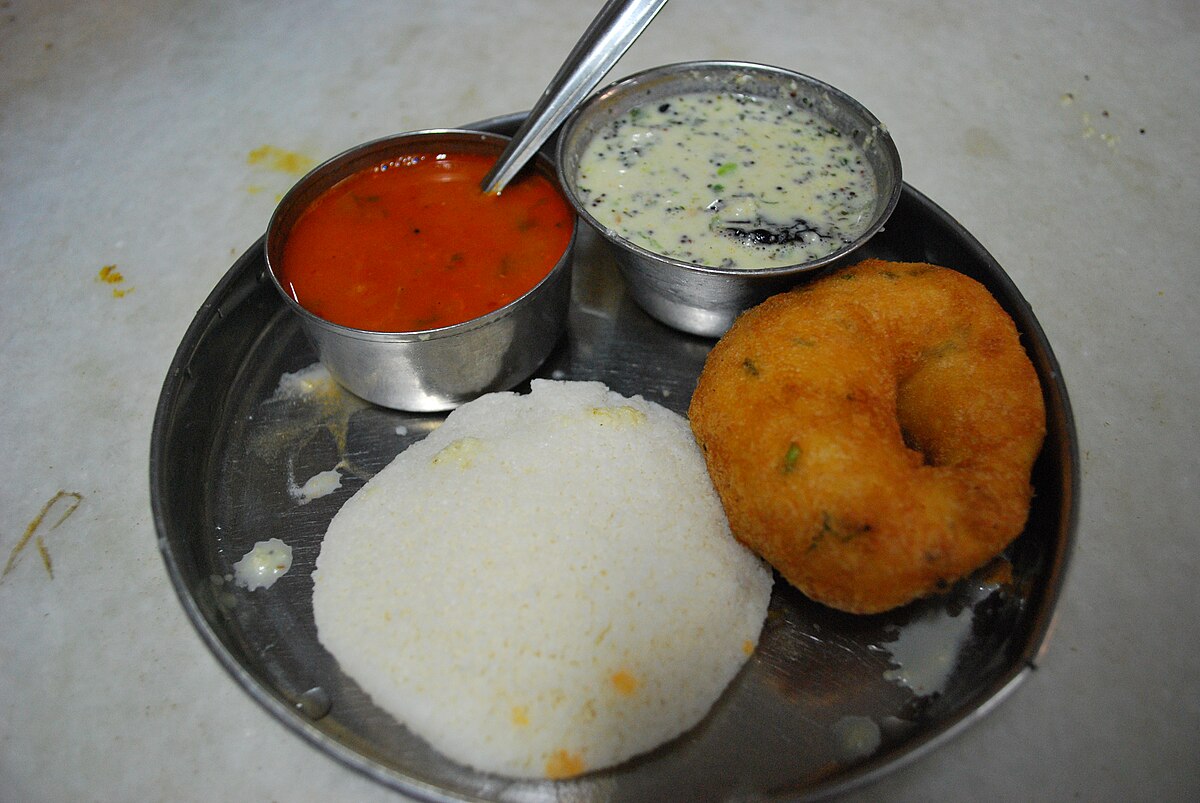
Urad Dal, scientifically known as Vigna mungo, is a highly esteemed legume native to the Indian subcontinent. This small, black gram is a versatile ingredient in South Asian cuisine, often used in various forms: whole, split with or without skin, and ground into flour. It is characterized by its rich, earthy flavor and ability to create a creamy texture when cooked, making it a staple in dishes like dal, idli, dosa, and papad.
Beyond its culinary applications, Urad Dal is celebrated for its nutritional profile, being a good source of protein, dietary fiber, and essential minerals such as iron, magnesium, and potassium. Its cultivation is widespread across India, where it thrives in diverse agricultural conditions, contributing significantly to both diet and traditional practices.
Other Names of Urad Dal
- Black gram
- Black lentil
- Mungo bean
- Urd bean
- Minumulu (Telugu)
- Mash (Hindi)
Heading
<h3> Absolute Contraindications of Urad Dal </h3> <h4> 1) Known immediate (IgE-mediated) allergy to black gram [If you have had hives, throat swelling, breathing trouble after eating it]</h4> <ul> <li> 🍽️</li> <li> Recommendation: Stop eating urad/black-gram immediately and avoid all foods made from it; carry emergency medication (epinephrine) if prescribed and see an allergist. </li> <li> Reasoning: Clinical and laboratory studies show that some people develop IgE-mediated allergic responses to black gram proteins, causing histamine release and respiratory or systemic symptoms.</li> <li> Scientific_Study_Title: Allergic manifestation by black gram (Vigna mungo) proteins in allergic patients, BALB/c mice and RBL-2H3 cells.</li> <li> Scientific_Study_Authors: Alok Kumar Verma, Sandeep Kumar, Akanksha Sharma, Dinesh Kumar, Ruchi Roy, Rinkesh Kumar Gupta, Bhushan P Chaudhari, B H Giridhar, Mukul Das, Premendra D Dwivedi</li> <li> Scientific_Study_Link: https://pubmed.ncbi.nlm.nih.gov/25172175/</li> <li> Scientific_Study_Excerpt: <p>Paraphrase - This study used patient screening, animal models and cell assays to show that black gram proteins can provoke immediate allergic reactions. In sensitised mice and in vitro mast-cell models the researchers observed increased specific IgE, histamine and other allergic mediators; in clinical screening about 8.5% of tested nasobronchial allergic patients reacted to black gram. The work concludes that black gram can induce IgE-mediated allergy in susceptible individuals and that co-sensitisation with other allergens may worsen reactions.</p> </li> </ul> <h4> 2) History of anaphylaxis to any legume (including black gram) [Severe prior life-threatening reaction]</h4> <ul> <li> ⚠️</li> <li> Recommendation: Consider black gram absolutely contraindicated - avoid all forms and discuss an allergy action plan with your clinician.</li> <li> Reasoning: Cross-reactive allergenic proteins exist across legumes; people with severe legume anaphylaxis are at high risk when exposed to black gram protein epitopes.</li> <li> Scientific_Study_Title: In silico identification and characterization of potential allergenic proteins from Vigna mungo (blackgram)</li> <li> Scientific_Study_Authors: (as indexed on PubMed entry) - authors of the in-silico allergen study (see PubMed record)</li> <li> Scientific_Study_Link: https://pubmed.ncbi.nlm.nih.gov/40522655/</li> <li> Scientific_Study_Excerpt: <p>Paraphrase - Computational analysis of black gram proteins identified several candidate proteins (e.g., vignain, peptide-prolyl cis-trans isomerase, cysteine protease) with binding sites likely to interact with IgE. Molecular docking and simulation suggested stable interactions with immune antibodies, supporting the biological plausibility of cross-reactive legume allergy and indicating that those with prior severe legume reactions should avoid black gram until evaluated by an allergy specialist.</p> </li> </ul> <h4> 3) Documented respiratory food-triggered allergy (nasobronchial allergic disease) that reacts to black gram [If grains/legumes trigger your asthma or rhinitis]</h4> <ul> <li> 🌬️</li> <li> Recommendation: Avoid black gram and consult an allergist/pulmonologist; inhaled or systemic treatments should be managed by your specialist.</li> <li> Reasoning: Clinical screening and experimental models have linked black gram exposure to nasobronchial allergic symptoms, including bronchospasm in sensitised subjects.</li> <li> Scientific_Study_Title: Allergic manifestation by black gram (Vigna mungo) proteins in allergic patients, BALB/c mice and RBL-2H3 cells.</li> <li> Scientific_Study_Authors: Alok Kumar Verma, Sandeep Kumar, Akanksha Sharma, Dinesh Kumar, Ruchi Roy, Rinkesh Kumar Gupta, Bhushan P Chaudhari, B H Giridhar, Mukul Das, Premendra D Dwivedi</li> <li> Scientific_Study_Link: https://pubmed.ncbi.nlm.nih.gov/25172175/</li> <li> Scientific_Study_Excerpt: <p>Paraphrase - The investigators identified clinical and laboratory evidence that black gram proteins elicited nasal and bronchial allergic responses in a subset of patients. Sensitised mice developed lung and intestinal pathology, and cultured mast-cell models released histamine and leukotrienes on exposure, supporting the recommendation to avoid black gram in susceptible respiratory allergy patients.</p> </li> </ul> <h3> Relative Contraindications of Urad Dal </h3> <h4> 1) Irritable bowel syndrome or people prone to severe bloating/gas [If legumes usually give you painful gas]</h4> <ul> <li> 💨</li> <li> Recommendation: Consume only well-processed (soaked, dehusked, thoroughly cooked, fermented) urad; start with small amounts and monitor symptoms. If symptoms are severe, avoid and consult a gastroenterologist or dietitian.</li> <li> Reasoning: Raffinose family oligosaccharides in black gram are poorly digested and are fermented by colonic bacteria, producing gas and bloating; proper processing markedly reduces these oligosaccharides.</li> <li> Scientific_Study_Title: Oligosaccharides of black gram (Vigna mungo L.) as affected by processing methods.</li> <li> Scientific_Study_Authors: (authors as in PubMed record for the oligosaccharide study)</li> <li> Scientific_Study_Link: https://pubmed.ncbi.nlm.nih.gov/16395628/</li> <li> Scientific_Study_Excerpt: <p>Paraphrase - Analysis of multiple black gram cultivars showed significant levels of raffinose-family oligosaccharides that decrease substantially with soaking, cooking and enzyme treatments. The authors demonstrated near-complete removal of raffinose after adequate cooking and that germination/enzyme treatment hydrolysed these oligosaccharides, supporting the clinical advice to process legumes to reduce flatulence in sensitive individuals.</p> </li> </ul> <h4> 2) Iron-deficiency anemia when diet is heavily dependent on unprocessed pulses [If you rely on legumes for iron]</h4> <ul> <li> 🩸</li> <li> Recommendation: Combine urad with vitamin C-rich foods, use processing methods (soaking, germination, fermentation) to reduce phytate, and monitor iron status; if anaemic, follow medical iron therapy advice.</li> <li> Reasoning: Phytic acid and polyphenols in pulses bind iron and zinc, lowering their absorption; processing increases mineral bioavailability.</li> <li> Scientific_Study_Title: Bioavailability of minerals in legumes.</li> <li> Scientific_Study_Authors: (authors as listed on PubMed entry)</li> <li> Scientific_Study_Link: https://pubmed.ncbi.nlm.nih.gov/12498628/</li> <li> Scientific_Study_Excerpt: <p>Paraphrase - A review summarised that although legumes are mineral-rich, phytate and polyphenols inhibit iron and zinc absorption; methods such as soaking, germination, fermentation and enzymatic treatments enhance phytate degradation and improve mineral bioavailability, indicating dietary strategies to mitigate this relative contraindication.</p> </li> </ul> <h4> 3) Concurrent use of potent glucose-lowering therapy without medical supervision [If you take insulin or multiple antidiabetic drugs]</h4> <ul> <li> 🩺</li> <li> Recommendation: Talk to your prescribing clinician before increasing dietary urad; monitor blood glucose closely and adjust medications only under medical guidance.</li> <li> Reasoning: Black gram components (fiber and phytochemicals) can lower post-meal glucose; when combined with antidiabetic medications there is potential for additive glucose-lowering effect.</li> <li> Scientific_Study_Title: Black Gram (Vigna mungo L.) Husk as a Source of Bioactive Compounds: An Evaluation of Starch Digestive Enzyme Inhibition Effects.</li> <li> Scientific_Study_Authors: (authors as listed on the MDPI / PubMed entry)</li> <li> Scientific_Study_Link: https://pubmed.ncbi.nlm.nih.gov/40077549/</li> <li> Scientific_Study_Excerpt: <p>Paraphrase - The paper reported that phenolic-rich extracts from black gram husk bind α-glucosidase and delay starch digestion, lowering estimated glycaemic index in a food model; such effects can be clinically relevant when combined with pharmacologic glucose-lowering agents, therefore caution is advised.</p> </li> </ul>
Heading
<h4> 1) Allergic reactions - hives, swelling, breathing difficulty</h4> <ul> <li> 🤧</li> <li> Side effect summary: Some people develop immediate allergic reactions after eating black gram, ranging from localized hives to systemic anaphylaxis in severe cases.</li> <li> Recommendation: If mild (hives) stop intake and consult an allergist. If breathing difficulty or throat swelling occurs, treat as emergency (call emergency services, give epinephrine if prescribed).</li> <li> Reasoning: Clinical screening and laboratory models show IgE binding to black gram proteins and mediator release from immune cells.</li> <li> Severity Level: Severe</li> <li> Scientific_Study_Available: Yes</li> <li> Scientific_Study_Title: Allergic manifestation by black gram (Vigna mungo) proteins in allergic patients, BALB/c mice and RBL-2H3 cells.</li> <li> Scientific_Study_Authors: Alok Kumar Verma, Sandeep Kumar, Akanksha Sharma, Dinesh Kumar, Ruchi Roy, Rinkesh Kumar Gupta, Bhushan P Chaudhari, B H Giridhar, Mukul Das, Premendra D Dwivedi</li> <li> Scientific_Study_Link: https://pubmed.ncbi.nlm.nih.gov/25172175/</li> <li> Scientific_Study_Excerpt: <p>Paraphrase - The investigators documented IgE immunoblotting and simulated gastric fluid assays, showing that several black gram proteins provoke IgE responses. In animals and cell lines exposure raised histamine, β-hexosaminidase and leukotrienes; clinical screening found a measurable proportion of patients reactive to black gram, supporting the real-world risk of severe allergy.</p> </li> </ul> <h4> 2) Bloating, gas, abdominal discomfort</h4> <ul> <li> 💨</li> <li> Side effect summary: Black gram contains raffinose-family oligosaccharides that are fermented by gut bacteria, producing gas and discomfort in sensitive people.</li> <li> Recommendation: Reduce symptoms by soaking, dehulling, germinating or fermenting before cooking; start with small servings. If severe or associated with weight loss/bleeding, consult a clinician.</li> <li> Reasoning: Analytical and processing studies show significant oligosaccharide levels that fall with soaking/cooking/germination, linking presence of these sugars to flatulence.</li> <li> Severity Level: Mild</li> <li> Scientific_Study_Available: Yes</li> <li> Scientific_Study_Title: Oligosaccharides of black gram (Vigna mungo L.) as affected by processing methods.</li> <li> Scientific_Study_Authors: (authors as listed in PubMed)</li> <li> Scientific_Study_Link: https://pubmed.ncbi.nlm.nih.gov/16395628/</li> <li> Scientific_Study_Excerpt: <p>Paraphrase - The study measured raffinose, stachyose and related oligosaccharides across black gram cultivars and showed that soaking and cooking substantially reduce these flatulence-causing sugars; enzyme treatment and germination were even more effective, explaining why traditional processing reduces symptoms.</p> </li> </ul> <h4> 3) Reduced dietary iron absorption (if diet is dominated by unprocessed pulses)</h4> <ul> <li> 🧲</li> <li> Side effect summary: Phytic acid and polyphenols in black gram can bind dietary iron and zinc, lowering how much the gut absorbs when pulses are a major iron source.</li> <li> Recommendation: Combine pulses with vitamin C foods, use processing (soaking/germination/fermentation), or follow clinician advice when anaemic.</li> <li> Reasoning: Multiple studies demonstrate that phytate is a principal inhibitor of non-heme iron absorption from pulses; processing improves bioavailability.</li> <li> Severity Level: Moderate</li> <li> Scientific_Study_Available: Yes</li> <li> Scientific_Study_Title: Bioavailability of minerals in legumes.</li> <li> Scientific_Study_Authors: (authors as in PubMed review)</li> <li> Scientific_Study_Link: https://pubmed.ncbi.nlm.nih.gov/12498628/</li> <li> Scientific_Study_Excerpt: <p>Paraphrase - This review explains that phytate and some polyphenols in legumes strongly inhibit iron and zinc absorption; interventions like soaking, germination, fermentation and enzymatic phytate degradation increase mineral bioavailability and can reduce the risk of diet-related mineral deficiencies.</p> </li> </ul>
Heading
<h4> Antidiabetic drugs (insulin, sulfonylureas, metformin, α-glucosidase inhibitors)</h4> <ul> <li> Interaction_Details: Black gram contains soluble fiber and phytochemicals that slow carbohydrate digestion and can modestly lower post-meal blood glucose; when combined with glucose-lowering drugs this may increase the risk of hypoglycaemia or require dose adjustment.</li> <li> Severity: Moderate</li> <li> Recommendation: If you are on glucose-lowering medication, discuss dietary intake of black gram with your clinician and monitor blood glucose more frequently when changing consumption; medication adjustments should be clinician-led.</li> <li> Scientific_Study_Available: Yes</li> <li> Scientific_Study_Link: https://pubmed.ncbi.nlm.nih.gov/40077549/</li> <li> Scientific_Study_Title: Black Gram (Vigna mungo L.) Husk as a Source of Bioactive Compounds: An Evaluation of Starch Digestive Enzyme Inhibition Effects.</li> <li> Scientfic_Study_Authors: (authors listed on PubMed / MDPI record)</li> <li> Scientific_Study_Excerpt: <p>Paraphrase - The authors isolated phenolic-rich extracts from black gram husk which inhibited α-glucosidase in vitro and, when added to a rice model, increased resistant starch and reduced predicted glucose index. These mechanistic findings support the potential for black gram constituents to reduce postprandial glucose and interact with antidiabetic therapies.</p> </li> </ul> <h4> Oral iron supplements / iron absorption modifiers</h4> <ul> <li> Interaction_Details: Phytate and polyphenols in black gram can lower absorption of non-heme iron; concurrent high intake of unprocessed pulses may reduce the effectiveness of oral iron replacement if timing is not managed.</li> <li> Severity: Mild</li> <li> Recommendation: Separate iron supplement dosing from large pulse meals (e.g., take iron 1-2 hours before or after a big pulse-based meal) and include vitamin C with meals to enhance iron uptake.</li> <li> Scientific_Study_Available: Yes</li> <li> Scientific_Study_Link: https://pubmed.ncbi.nlm.nih.gov/12498628/</li> <li> Scientific_Study_Title: Bioavailability of minerals in legumes.</li> <li> Scientfic_Study_Authors: (authors as listed on PubMed review)</li> <li> Scientific_Study_Excerpt: <p>Paraphrase - The review concludes that phytate in legumes is a major inhibitor of iron and zinc absorption. Processing methods and meal composition changes (e.g., adding vitamin C) can mitigate the effect, which is why timing of iron supplements relative to legume consumption matters for patients on iron therapy.</p> </li> </ul> <h4> Drugs where gut enzyme inhibition matters (e.g., acarbose / miglitol class)</h4> <ul> <li> Interaction_Details: Because black gram extracts can inhibit α-glucosidase, combining large amounts with pharmacologic α-glucosidase inhibitors could potentiate gastrointestinal side effects (bloating, flatulence) and further alter post-prandial glucose handling.</li> <li> Severity: Mild</li> <li> Recommendation: If using α-glucosidase inhibitors, introduce black gram gradually and monitor GI symptoms and blood sugars; consult your prescribing clinician for guidance.</li> <li> Scientific_Study_Available: Yes</li> <li> Scientific_Study_Link: https://pubmed.ncbi.nlm.nih.gov/40077549/</li> <li> Scientific_Study_Title: Black Gram (Vigna mungo L.) Husk as a Source of Bioactive Compounds: An Evaluation of Starch Digestive Enzyme Inhibition Effects.</li> <li> Scientfic_Study_Authors: (authors as listed on PubMed / MDPI record)</li> <li> Scientific_Study_Excerpt: <p>Paraphrase - The study demonstrated that black gram husk extracts bind and inhibit carbohydrate-digesting enzymes in vitro and reduced estimated glycaemic index in a food model, indicating a potential to interact with pharmaceutical enzyme inhibitors - mostly by adding to their carbohydrate-digestion effects and side-effect profile.</p> </li> </ul>