Tea tree oil
Melaleuca alternifolia
Tea tree oil (Melaleuca alternifolia), while not a traditional Ayurvedic herb, is recognized for its supposed balancing effects on Vata and Pitta doshas. It's often used for its claimed purifying and soothing properties, particularly for skin and hair. This essential oil is widely prevalent globally, appreciated for its distinctive aroma and diverse applications.
PLANT FAMILY
Myrtaceae (Myrtle)
AYURVEDIC ACTION
Vata ↑, Pitta ↑, Kapha ↓
ACTIVE COMPOUNDS
Terpinen-4-ol (30-48%)
What is Tea tree oil?
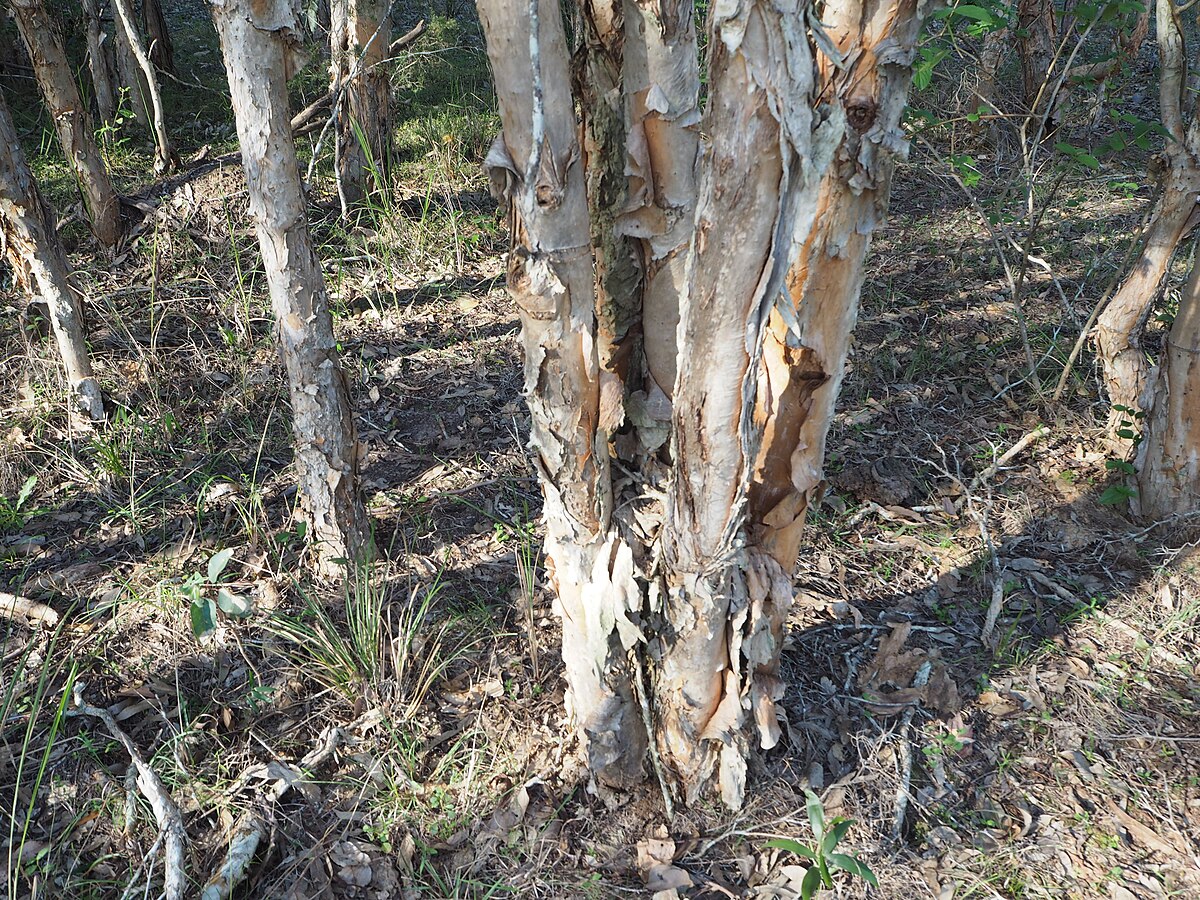
Tea tree oil is an essential oil distilled from the leaves of the Melaleuca alternifolia, a plant native to the Melaleuca tree, which belongs to the Myrtaceae (Myrtle) family. This aromatic oil is known for its distinctive fresh, camphoraceous scent and clear to pale yellow color.
Its primary active compound, terpinen-4-ol (30-48%), is responsible for many of its characteristic properties. Historically, indigenous Australians used tea tree leaves for various applications, and the oil gained widespread recognition in the early 20th century.
Other Names of Tea Tree Oil
- Melaleuca Oil
- Australian Tea Tree Oil
Heading
<h3> Absolute Contraindications of Tea tree oil </h3> <h4> 1. Accidental or intentional ingestion / oral use [Very risky for anyone, especially children]</h4> <ul> <li> 🚫</li> <li> Recommendation: Never swallow tea tree oil. If swallowed, seek emergency medical care or contact poison control immediately.</li> <li> Reasoning: Concentrated tea tree oil (Melaleuca oil) is neurotoxic and can cause central nervous system depression, ataxia, coma, and other severe systemic effects even after modest ingestions-children are especially vulnerable.</li> <li> Scientific_Study_Title: Melaleuca oil poisoning.</li> <li> Scientific_Study_Authors: M R Jacobs, C S Hornfeldt.</li> <li> Scientific_Study_Link: https://pubmed.ncbi.nlm.nih.gov/8057407/</li> <li> Scientific_Study_Excerpt: <p>The reported case described a 23-month-old boy who ingested less than 10 mL of a commercial product containing 100% melaleuca oil and became confused and unable to walk within 30 minutes. The child improved and was asymptomatic within 5 hours and discharged the following day. The authors note that melaleuca oil contains high concentrations of terpenes and related alcohols and that clinical experience is limited; the case suggests even modest oral ingestion of concentrated oil may produce signs of toxicity necessitating medical care.</p> <p>The report is a cautionary example used in subsequent reviews that recommend never administering tea tree oil orally and keeping concentrated preparations away from children.</p> </li> </ul> <h4> 2. Known or suspected allergy / contact sensitization to tea tree oil or its oxidized components [People with prior reactions or sensitive skin]</h4> <ul> <li> ⚠️</li> <li> Recommendation: Do not use tea tree oil on skin if you have a known allergy; perform a patch test before any new topical use; discontinue immediately if rash or blistering appears and consult a dermatologist.</li> <li> Reasoning: Patch testing studies and clinical reports show true sensitization to tea tree oil occurs (positive patch tests) and oxidized oil components (e.g., ascaridole, oxidation products) increase allergic risk.</li> <li> Scientific_Study_Title: Sensitization to tea tree oil in Germany and Austria. A multicenter study of the German Contact Dermatitis Group.</li> <li> Scientific_Study_Authors: C Pirker, B M Hausen, W Uter, U Hillen, J Brasch, C Bayerl, U Lippert, Th Fuchs, W Aberer, M Fartasch, B Tebbe, G Richter, T Kinaciyan, P J Frosch; German Contact Dermatitis Group.</li> <li> Scientific_Study_Link: https://pubmed.ncbi.nlm.nih.gov/16296153/</li> <li> Scientific_Study_Excerpt: <p>This multicenter study used 5% tea tree oil for patch testing among consecutive dermatology patients (11 centres). Positive reactions occurred in 36 of 3,375 patients (1.1%), with regional variation (0-2.3%). A substantial proportion of positive reactors also reacted to turpentine oil, indicating cross-reactivity to related terpenes. The authors concluded tea tree oil can be an important contact allergen and that history of prior use should prompt testing.</p> <p>The study highlights that oxidized/old oils and certain constituents are more likely to cause sensitization, supporting recommendations to use fresh, properly stored, diluted products and to avoid use in persons with prior allergic reactions.</p> </li> </ul> <h4> 3. Prepubertal boys (or children using repeated topical products containing tea tree oil) - risk of reversible gynecomastia [Young boys showing breast enlargement]</h4> <ul> <li> ⚠️</li> <li> Recommendation: Avoid routine topical use of products containing tea tree oil (especially as leave-on lotions, balms, or gels) on prepubertal boys; if breast enlargement appears, stop products and seek pediatric evaluation.</li> <li> Reasoning: Case reports linked repeated topical exposure to products containing tea tree and/or lavender oil with development of breast tissue in prepubertal boys; removal of exposure led to regression, and in vitro assays showed estrogenic and anti-androgenic activity for these oils.</li> <li> Scientific_Study_Title: Prepubertal gynecomastia linked to lavender and tea tree oils.</li> <li> Scientific_Study_Authors: D V Henley, N Lipson, K S Korach, C A Bloch.</li> <li> Scientific_Study_Link: https://pubmed.ncbi.nlm.nih.gov/17267908/</li> <li> Scientific_Study_Excerpt: <p>Henley et al. described three otherwise healthy prepubertal boys who developed gynecomastia that coincided with topical use of products containing lavender and tea tree oils; the breast tissue regressed after product discontinuation. Laboratory studies reported by the authors showed that both oils had weak estrogenic activity and anti-androgenic effects in cell culture models. The authors concluded that repeated topical exposure to these oils probably caused the breast enlargement in these cases and recommended awareness and further study.</p> <p>The report is a limited case series but led to clinical caution about repeated topical use of these essential oils in young children because of potential endocrine activity.</p> </li> </ul> <h3> Relative Contraindications of Tea tree oil </h3> <h4> 1. Pregnancy and breastfeeding [Use with caution; avoid concentrated/leave-on products]</h4> <ul> <li> 🤰</li> <li> Recommendation: Prefer avoid concentrated or undiluted tea tree oil during pregnancy and breastfeeding; if used, limit to low concentrations, avoid nipple/application near infant contact, and consult obstetrician or lactation specialist.</li> <li> Reasoning: Direct human safety data in pregnancy/breastfeeding are limited; animal and in-vitro data plus reports of hormonal activity raise a precautionary approach-topical low-concentration use is generally considered lower risk but evidence is insufficient for affirmative safety claims.</li> <li> Scientific_Study_Title: Safety assessment and adverse drug reaction reporting of tea tree oil (Melaleuca aetheroleum).</li> <li> Scientific_Study_Authors: (Review using WHO VigiBase) - authors per PubMed record: A. A. (see PubMed entry).</li> <li> Scientific_Study_Link: https://pubmed.ncbi.nlm.nih.gov/36420525/</li> <li> Scientific_Study_Excerpt: <p>A comprehensive safety review that analysed 159 adverse reaction reports for tea tree oil in the WHO VigiBase concluded that topical application can produce skin disorders (especially when oil has oxidized), and that oral administration causes central nervous system depression and pneumonitis. The authors note limited high-quality human data on reproduction and lactation and advise against oral use and to exercise caution with topical exposure in vulnerable populations (including pregnant or breastfeeding individuals) due to insufficient evidence to guarantee safety.</p> <p>The review supports a conservative approach for pregnancy/breastfeeding until more specific human safety data are available.</p> </li> </ul> <h4> 2. Active dermatitis or broken, inflamed skin (when not under medical supervision)</h4> <ul> <li> 🩹</li> <li> Recommendation: Avoid applying undiluted tea tree oil to open wounds or severely inflamed/acute dermatitis unless advised and supervised by a clinician experienced with topical essential-oil therapy; dilute appropriately if used.</li> <li> Reasoning: The oil’s penetrating and sometimes irritant properties can worsen pain, stinging, or chemical irritation on already inflamed or denuded skin; risk of systemic absorption increases with large-area application or broken skin.</li> <li> Scientific_Study_Title: A review of the toxicity of Melaleuca alternifolia (tea tree) oil.</li> <li> Scientific_Study_Authors: K A Hammer, C F Carson, T V Riley (and others cited in the review).</li> <li> Scientific_Study_Link: https://pubmed.ncbi.nlm.nih.gov/16997372/</li> <li> Scientific_Study_Excerpt: <p>The toxicity review summarizes that topical tea tree oil can cause skin irritation at higher concentrations and that oxidized products increase allergic potential. The authors caution that damaged or inflamed skin may permit greater absorption and increase the chance of local and systemic adverse effects. They recommend dilution and proper storage to minimise oxidation and irritation risk.</p> <p>Consequently, clinicians advise caution or avoidance of undiluted oil on open or severely inflamed skin without supervision.</p> </li> </ul> <h4> 3. History of photosensitivity or use of strong topical medications (e.g., retinoids) on the same area</h4> <ul> <li> ☀️</li> <li> Recommendation: Avoid combining undiluted tea tree oil with recent topical retinoid treatments or known photosensitizers on the same skin area; allow interval between applications and consult your clinician.</li> <li> Reasoning: Although tea tree oil is not a classic photosensitiser, its irritant/penetrating nature can increase local reactivity when combined with other aggressive topical agents; this may heighten redness, peeling or discomfort.</li> <li> Scientific_Study_Title: Safety assessment and adverse drug reaction reporting of tea tree oil (Melaleuca aetheroleum).</li> <li> Scientific_Study_Authors: (WHO VigiBase analysis-see PubMed record)</li> <li> Scientific_Study_Link: https://pubmed.ncbi.nlm.nih.gov/36420525/</li> <li> Scientific_Study_Excerpt: <p>The safety assessment reviewing spontaneous adverse reports to VigiBase noted that topical applications sometimes caused dermatitis, irritation, or worsened pre-existing dermatoses-particularly when formulations were not properly diluted or when oxidised. While not all interactions with topical pharmaceuticals are quantified, the authors recommend caution when using with other strong topical agents because the combined local effects can increase irritation.</p> </li> </ul>
Heading
<h4> 1. Skin irritation / burning / redness</h4> <ul> <li> 🔥</li> <li> Side effect summary: Some users experience temporary stinging, burning, redness or irritation after applying tea tree oil - more likely when undiluted or on sensitive skin.</li> <li> Recommendation: Use diluted (typical consumer suggestions: 1%-5% for leave-on facial products; higher concentrations only in medically supervised formulations), patch test before use, and stop if irritation occurs; consult a dermatologist for persistent or severe reactions.</li> <li> Reasoning: Volatile monoterpenes can irritate keratinocytes; oxidized oil compounds increase sensitisation and local inflammatory responses.</li> <li> Severity Level: Mild</li> <li> Scientific_Study_Available: Yes</li> <li> Scientific_Study_Title: Sensitization to tea tree oil in Germany and Austria. A multicenter study of the German Contact Dermatitis Group.</li> <li> Scientific_Study_Authors: C Pirker, B M Hausen, W Uter, U Hillen, J Brasch, C Bayerl, U Lippert, Th Fuchs, W Aberer, M Fartasch, B Tebbe, G Richter, T Kinaciyan, P J Frosch.</li> <li> Scientific_Study_Link: https://pubmed.ncbi.nlm.nih.gov/16296153/</li> <li> Scientific_Study_Excerpt: <p>In a multicenter patch-test series using 5% tea tree oil, 36 of 3,375 dermatology patients (1.1%) had positive reactions consistent with sensitization; frequencies varied by region. The authors report that oxidized components of the oil are likely responsible for many reactions and advise testing when history suggests prior use. This supports patch testing and dilution as practical steps to reduce incidence of irritation and allergic response.</p> </li> </ul> <h4> 2. Allergic contact dermatitis / systemic contact dermatitis</h4> <ul> <li> 🤕</li> <li> Side effect summary: True allergic reactions can include eczematous rash, blistering, spreading eruptions and, rarely, widespread id reactions beyond the application site.</li> <li> Recommendation: Stop use immediately and seek dermatology evaluation; topical corticosteroids and avoidance are typical treatments. For severe or widespread reactions, consult emergency care.</li> <li> Reasoning: Oxidation products and allergenic monoterpenes in tea tree oil sensitize susceptible individuals and can provoke delayed-type hypersensitivity.</li> <li> Severity Level: Moderate</li> <li> Scientific_Study_Available: Yes</li> <li> Scientific_Study_Title: Spreading Allergic Contact Dermatitis to Tea Tree Oil in an Over-the-Counter Product Applied on a Wart.</li> <li> Scientific_Study_Authors: (case report) - authors per PubMed record.</li> <li> Scientific_Study_Link: https://pubmed.ncbi.nlm.nih.gov/35629978/</li> <li> Scientific_Study_Excerpt: <p>A case report described a patient who applied an over-the-counter lotion containing tea tree oil to a wart and developed a severe eczematous eruption that spread widely with subsequent id reactions on distant body areas. Patch testing identified oxidized tea tree oil as the culprit. The dermatitis resolved after discontinuing the lotion and treating with topical corticosteroids. The report demonstrates that even nonprescription preparations can provoke significant allergic responses in sensitized people.</p> </li> </ul> <h4> 3. Central nervous system depression, ataxia, coma (after ingestion)</h4> <ul> <li> 🧠</li> <li> Side effect summary: If tea tree oil is swallowed, it can cause drowsiness, unsteadiness, confusion, respiratory depression and, in severe cases, coma-children are at higher risk with small volumes.</li> <li> Recommendation: If ingestion occurs, call emergency services or poison control immediately; do not induce emesis unless instructed by professionals; supportive care is mainstay.</li> <li> Reasoning: Concentrated volatile terpenes have central nervous system depressant effects when systemically absorbed; case reports show rapid onset after small oral doses in infants and toddlers.</li> <li> Severity Level: Severe</li> <li> Scientific_Study_Available: Yes</li> <li> Scientific_Study_Title: Melaleuca oil poisoning.</li> <li> Scientific_Study_Authors: M R Jacobs, C S Hornfeldt.</li> <li> Scientific_Study_Link: https://pubmed.ncbi.nlm.nih.gov/8057407/</li> <li> Scientific_Study_Excerpt: <p>The case report documents a 23-month-old child who ingested under 10 mL of a concentrated melaleuca product and became confused and unable to walk within 30 minutes; symptoms resolved within hours. Multiple other published case reports and safety reviews describe similar CNS depression and recommend emergency assessment for ingestion. The literature supports strict avoidance of oral administration and secure storage away from children.</p> </li> </ul>
Heading
<h4> Antibiotics (in vitro combination effects; e.g., kanamycin)</h4> <ul> <li> Interaction_Details: In laboratory experiments, sub-inhibitory concentrations of tea tree oil combined with certain antibiotics (kanamycin in the cited work) altered the frequency of resistant mutants and altered the development of multistep antibiotic resistance in bacteria - suggesting tea tree oil can modify antibiotic activity in vitro, but clinical relevance is not established.</li> <li> Severity: Mild</li> <li> Recommendation: Do not assume tea tree oil will change the effect of prescribed antibiotics in patients; inform your clinician if you are using topical tea tree oil while on systemic antibiotics. Clinicians should interpret in-vitro data cautiously and avoid relying on tea tree oil as an adjunct to systemic antibiotic therapy unless evidence supports it for a specific indication.</li> <li> Scientific_Study_Available: Yes</li> <li> Scientific_Study_Link: https://pubmed.ncbi.nlm.nih.gov/22083482/</li> <li> Scientific_Study_Title: Effects of Melaleuca alternifolia (tea tree) essential oil and the major monoterpene component terpinen-4-ol on the development of single- and multistep antibiotic resistance and antimicrobial susceptibility.</li> <li> Scientfic_Study_Authors: E-S Ntuli, (see PubMed record for full author list - paper examined tea tree oil and terpinen-4-ol effects on antibiotic resistance development in vitro).</li> <li> Scientific_Study_Excerpt: <p>The study evaluated the effect of subinhibitory tea tree oil and terpinen-4-ol on the development of antibiotic resistance in Staphylococcus aureus and Escherichia coli in vitro. Notably, the combination of kanamycin with tea tree oil yielded approximately tenfold fewer resistant E. coli mutants than kanamycin alone, and multistep resistance development differed when tea tree oil or terpinen-4-ol were present. The authors stress these are in-vitro findings and further work is required to determine clinical significance.</p> </li> </ul> <h4> Systemic drug interactions (CYP or major oral drug interactions)</h4> <ul> <li> Interaction_Details: There is currently no robust clinical evidence of clinically relevant systemic drug-drug interactions from topical use of tea tree oil in typical consumer concentrations; systemic exposure after normal topical use is low. However, in vitro metabolism studies show terpinen-4-ol and related monoterpenes can be metabolized by hepatic enzymes and may be substrates for P450 oxidation in experimental systems.</li> <li> Severity: Mild</li> <li> Recommendation: For routine topical use there is no established requirement to stop systemic medications, but if you use large amounts, ingestion, or high-concentration products chronically, inform your prescribing clinician for safety assessment.</li> <li> Scientific_Study_Available: NA</li> <li> Scientific_Study_Link: NA</li> <li> Scientific_Study_Title: NA</li> <li> Scientfic_Study_Authors: NA</li> <li> Scientific_Study_Excerpt: <p>While in-vitro enzymatic work and bacterial metabolism experiments show tea tree oil components are metabolized by P450-type enzymes and can be transformed, there is no high-quality human pharmacokinetic or clinical interaction trial demonstrating a meaningful interaction between topical tea tree oil and systemic drugs at typical use levels; therefore formal clinical interaction data are lacking.</p> </li> </ul>