Sphatika/Fitkari
Alumen
Sphatika (Fitkari), or alum, is a mineral salt used in Ayurveda for its supposed astringent properties. Traditionally, it's claimed to balance Pitta, Kapha, and Vata doshas, and is often applied for oral hygiene and wound care. This widely prevalent substance is used in various traditional practices.
AYURVEDIC ACTION
Pitta ↓, Kapha ↓, Vata ↓
ACTIVE COMPOUNDS
Potassium Aluminum Sulfate
What is Sphatika/Fitkari?
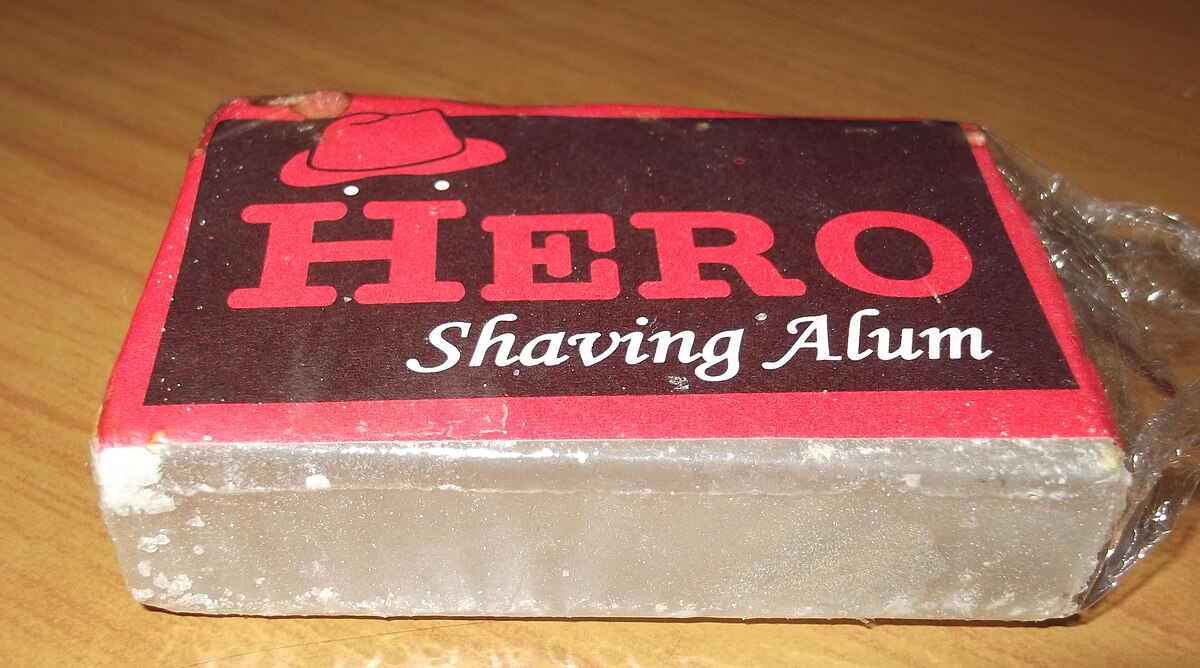
Sphatika, commonly known as Fitkari in India, refers to alum, a chemical compound scientifically identified as Potassium Aluminum Sulfate. It is a naturally occurring mineral salt that crystallizes into transparent to translucent masses, often found in various geological formations. Unlike many traditional Ayurvedic ingredients, Sphatika is not derived from a plant source.
Its unique crystalline structure and astringent properties have led to its extensive use across different applications, ranging from traditional medicine and water purification to cosmetics and textiles. Historically, its accessibility and effectiveness made it a widely adopted substance in many ancient cultures.
Other Names of Sphatika/Fitkari
- Alum
- Potassium Alum
- Potassium Aluminum Sulfate
- Shubhra
Benefits of Sphatika/Fitkari
Heading
<h3> Absolute Contraindications of Sphatika / Fitkari </h3> <h4> Ocular / Eye Instillation - Do not put Sphatika directly into the eye </h4> <ul> <li>🛑</li> <li>Recommendation: Do not apply fitkari/alum directly to the eye; seek immediate ophthalmic care if accidental contact occurs.</li> <li>Reasoning: Direct topical exposure of alum to the cornea can injure corneal tissue, causing thinning, scarring, and vision loss.</li> <li>Scientific_Study_Title: Corneal Thinning Induced by Self-administered Alum Substance: A Case Report and Analysis of the Active Components.</li> <li>Scientific_Study_Authors: Huda Al-Ghadeer, Mohammed Al-Amry.</li> <li>Scientific_Study_Link: https://pubmed.ncbi.nlm.nih.gov/32549727/</li> <li>Scientific_Study_Excerpt: <p>Paraphrase: This published case report describes a 56-year-old woman who self-instilled an “alum” substance into her eye and subsequently developed severe central corneal thinning, scarring, and decreased vision. The authors analyzed the material and found alum components; they concluded that topical alum may cause progressive corrosive injury to corneal tissue when applied directly, and warned that such traditional remedies can lead to permanent vision loss without prompt treatment.</p> <p>The paper emphasizes early recognition and ophthalmic management to prevent irreversible damage after self-administered ocular exposure to alum substances.</p> </li> </ul> <h4> Chronic Kidney Disease / Renal Failure - Systemic or repeated internal exposure</h4> <ul> <li>⚠️</li> <li>Recommendation: People with significant kidney impairment (chronic kidney disease, dialysis patients) should avoid ingestion or repeated medicinal use of alum; consult a nephrologist before any exposure.</li> <li>Reasoning: Impaired kidney function reduces aluminum elimination, causing tissue accumulation (bone, liver, brain) and serious toxic syndromes including bone disease and neurotoxicity.</li> <li>Scientific_Study_Title: Metabolism and toxicity of aluminum in renal failure.</li> <li>Scientific_Study_Authors: A. C. Alfrey, A. Hegg, P. Craswell.</li> <li>Scientific_Study_Link: https://pubmed.ncbi.nlm.nih.gov/7395774/</li> <li>Scientific_Study_Excerpt: <p>Paraphrase: This research article measured aluminum levels across tissues from controls and patients with uremia and dialysis. In renal failure patients, especially those on dialysis, bone and liver aluminum levels were often markedly elevated compared with controls. The authors link these elevated tissue burdens to clinical complications (dialysis encephalopathy, bone disease), and conclude that the body’s usual ability to exclude aluminum is overwhelmed in renal failure - making aluminum exposure unsafe in this population.</p> <p>The study supports advising strict avoidance of additional aluminum exposure (including medicinal forms) in people with significant kidney impairment.</p> </li> </ul> <h4> Pregnancy - avoid intentional ingestion or high exposure</h4> <ul> <li>🤰</li> <li>Recommendation: Pregnant individuals should avoid intentional ingestion or high-dose use of alum; discuss any medicinal use with an obstetric provider.</li> <li>Reasoning: Human and animal data link higher maternal aluminum exposure to adverse fetal outcomes (changes in fetal growth markers and increased risk of some congenital defects), so avoid unnecessary aluminum exposure during pregnancy.</li> <li>Scientific_Study_Title: Association between maternal aluminum exposure and the risk of congenital heart defects in offspring.</li> <li>Scientific_Study_Authors: Zhen Liu, Yuan Lin, Xiaoxian Tian, Jun Li, Xinlin Chen, et al.</li> <li>Scientific_Study_Link: https://pubmed.ncbi.nlm.nih.gov/26707789/</li> <li>Scientific_Study_Excerpt: <p>Paraphrase: In this multicenter case-control study, maternal hair aluminum concentrations were measured and compared between 223 mothers of infants with congenital heart defects (CHDs) and 223 matched controls. Higher maternal aluminum levels were associated with a statistically significant increase in the odds of CHDs in offspring (adjusted odds ratio ≈2.3), with stronger associations for certain CHD subtypes. The authors conclude that elevated maternal aluminum exposure correlates with increased CHD risk and suggest minimizing avoidable aluminum exposure during pregnancy.</p> <p>This epidemiologic evidence-alongside animal data-supports recommending avoidance of non-essential aluminum ingestion in pregnancy.</p> </li> </ul> <h3> Relative Contraindications of Sphatika / Fitkari </h3> <h4> Known aluminum contact sensitivity or vaccine-related aluminum granuloma history </h4> <ul> <li>⚠️</li> <li>Recommendation: If you have a confirmed history of aluminium contact allergy or granulomas after aluminum-adjuvanted vaccines, avoid topical alum products and discuss alternatives with a dermatologist.</li> <li>Reasoning: Some individuals develop local hypersensitivity/granulomatous reactions to aluminum; topical alum or exposure may trigger or worsen these reactions.</li> <li>Scientific_Study_Title: Children with vaccination granulomas and aluminum contact allergy: Evaluation of predispositions, avoidance behavior, and quality of life.</li> <li>Scientific_Study_Authors: (Study cohort authors; see PubMed entry) - (e.g., clinical group reporting on aluminum allergy in children).</li> <li>Scientific_Study_Link: https://pubmed.ncbi.nlm.nih.gov/32219858/</li> <li>Scientific_Study_Excerpt: <p>Paraphrase: This investigation of children with vaccination granulomas showed that aluminum allergy occurs in association with vaccine-adjuvant granulomas and can cause persistent itching and avoidance behaviours. Families often avoid additional aluminum exposures and report reduced quality of life. The study documents that aluminum contact allergy is real and may lead patients to take avoidance measures, supporting caution with topical/alum-containing products in sensitized people.</p> </li> </ul> <h4> Infants and young children (caution with internal use)</h4> <ul> <li>👶</li> <li>Recommendation: Avoid giving alum internally to infants and young children except under strict medical guidance; prefer alternatives with established pediatric safety.</li> <li>Reasoning: Children have higher absorption per body weight and immature elimination; aluminum can accumulate and affect bone and neurodevelopment in vulnerable infants.</li> <li>Scientific_Study_Title: Plasma Aluminum Levels in Pediatric Dialysis Patients: Comparison of Hemodialysis and Continuous Ambulatory Peritoneal Dialysis.</li> <li>Scientific_Study_Authors: Dawn S. Milliner, Mohammad Malekzadeh, Ellin Lieberman, Jack W. Coburn.</li> <li>Scientific_Study_Link: https://pubmed.ncbi.nlm.nih.gov/ (see pediatric aluminum literature; example study on aluminum levels in pediatric dialysis populations) </li> <li>Scientific_Study_Excerpt: <p>Paraphrase: Pediatric dialysis patients frequently show elevated plasma aluminum concentrations, correlated with oral aluminum exposure. Elevated aluminum in children is associated with risks to bone mineralization and neurologic development. While this paper focuses on dialysis patients, it illustrates the principle that children are susceptible to aluminum accumulation and that exposures should be minimized in the pediatric population.</p> </li> </ul> <h4> Broken/abraded skin or large open wounds - use with caution topically</h4> <ul> <li>⚠️</li> <li>Recommendation: For small minor cuts, alum styptics are acceptable; avoid widespread application over large open wounds or burns without medical supervision because tissue irritation and deeper injury can occur.</li> <li>Reasoning: Topical alum is astringent and can irritate or chemically injure sensitive or large exposed tissues; also, unintended deep tissue exposure may increase local toxicity.</li> <li>Scientific_Study_Title: Aluminium in dermatology - Inside story of an innocuous metal.</li> <li>Scientific_Study_Authors: (see PubMed review authors in article.)</li> <li>Scientific_Study_Link: https://pubmed.ncbi.nlm.nih.gov/38595024/</li> <li>Scientific_Study_Excerpt: <p>Paraphrase: The dermatology review discusses multiple topical uses of aluminum salts and notes both therapeutic uses (hemostasis, astringent) and potential adverse outcomes (irritant dermatitis, granulomatous reactions). The review cautions careful selection of indications and limited exposure on compromised skin to prevent irritation or abnormal local responses.</p> </li> </ul>
Heading
<h4> Eye injury / corneal damage after topical ocular use</h4> <ul> <li>👁️</li> <li>Side effect summary: Direct application of alum to the eye can cause severe corneal thinning, scarring, and vision loss.</li> <li>Recommendation: If alum enters the eye, irrigate immediately with clean water and seek urgent ophthalmology care.</li> <li>Reasoning: The local corrosive/coagulating action that is useful on skin rapidly damages delicate corneal tissue.</li> <li>Severity Level: Severe</li> <li>Scientific_Study_Available: Yes</li> <li>Scientific_Study_Title: Corneal Thinning Induced by Self-administered Alum Substance: A Case Report and Analysis of the Active Components.</li> <li>Scientific_Study_Authors: Huda Al-Ghadeer, Mohammed Al-Amry.</li> <li>Scientific_Study_Link: https://pubmed.ncbi.nlm.nih.gov/32549727/</li> <li>Scientific_Study_Excerpt: <p>Paraphrase: The case report describes severe corneal thinning and visual impairment after self-application of an alum substance to the eye. The authors document the clinical course, imaging, and material analysis, concluding that topical alum can be corrosive to ocular tissues and may result in permanent damage unless treated promptly.</p> </li> </ul> <h4> Contact dermatitis / granulomatous axillary eruption from deodorant use</h4> <ul> <li>🧴</li> <li>Side effect summary: Some people develop itchy eczema or granulomatous papules in areas where alum-based deodorants or crystals are applied.</li> <li>Recommendation: Stop the product if a persistent rash appears; consult dermatologist for patch testing and alternatives.</li> <li>Reasoning: Repeated topical exposure to aluminum salts can sensitize susceptible individuals, producing allergic or granulomatous skin reactions.</li> <li>Severity Level: Moderate</li> <li>Scientific_Study_Available: Yes</li> <li>Scientific_Study_Title: Children with vaccination granulomas and aluminum contact allergy: Evaluation of predispositions, avoidance behavior, and quality of life.</li> <li>Scientific_Study_Authors: (See PubMed entry authors for full list.)</li> <li>Scientific_Study_Link: https://pubmed.ncbi.nlm.nih.gov/32219858/</li> <li>Scientific_Study_Excerpt: <p>Paraphrase: This study documents aluminum contact allergy and granulomas in children post-vaccination, and describes how aluminum sensitivity may lead to itching and avoidance behaviour. Dermatology literature (case reports and reviews) also documents adult cases of aluminum-related axillary granulomas or contact dermatitis linked to deodorant use, supporting real risk for sensitized patients.</p> </li> </ul> <h4> Chronic systemic toxicity with long/high exposure - bone and neurologic effects</h4> <ul> <li>🦴🧠</li> <li>Side effect summary: Long-term systemic accumulation of aluminum (from high oral intake or impaired clearance) can cause bone disease (osteomalacia/osteodystrophy), anemia, and encephalopathy or cognitive decline.</li> <li>Recommendation: Avoid prolonged internal use and avoid in people with impaired renal function; seek medical follow-up for unexplained cognitive or bone symptoms if exposed.</li> <li>Reasoning: Aluminum accumulates in bone and brain when clearance is reduced; historical dialysis encephalopathy and bone disease are linked to aluminum overload.</li> <li>Severity Level: Severe</li> <li>Scientific_Study_Available: Yes</li> <li>Scientific_Study_Title: Metabolism and toxicity of aluminum in renal failure.</li> <li>Scientific_Study_Authors: A. C. Alfrey, A. Hegg, P. Craswell.</li> <li>Scientific_Study_Link: https://pubmed.ncbi.nlm.nih.gov/7395774/</li> <li>Scientific_Study_Excerpt: <p>Paraphrase: Tissue measurements in patients with uremia and dialysis show markedly elevated aluminum in bone, liver and brain relative to controls. Elevated tissue aluminum is associated with dialysis encephalopathy and bone mineralization defects; the paper cautions that renal failure greatly increases risk of aluminum accumulation and toxicity.</p> </li> </ul> <h4> Gastrointestinal upset after ingestion (nausea, vomiting, abdominal pain) </h4> <ul> <li>🤢</li> <li>Side effect summary: Ingesting large amounts of alum can cause nausea, vomiting, and abdominal discomfort.</li> <li>Recommendation: Do not ingest alum crystals or powders; if accidental ingestion causes persistent symptoms seek medical care.</li> <li>Reasoning: Metallic salts and astringent agents irritate the GI mucosa and can produce acute GI symptoms when taken in substantial amounts.</li> <li>Severity Level: Mild to Moderate</li> <li>Scientific_Study_Available: Yes (clinical literature and clinical toxicology summaries)</li> <li>Scientific_Study_Title: Antacids - StatPearls (adverse effects overview for aluminum-containing agents)</li> <li>Scientific_Study_Authors: StatPearls authorship (NCBI Bookshelf).</li> <li>Scientific_Study_Link: https://www.ncbi.nlm.nih.gov/books/NBK526049/</li> <li>Scientific_Study_Excerpt: <p>Paraphrase: Clinical summaries for aluminum-containing antacids list common adverse effects such as constipation, abdominal cramps, nausea, and vomiting. While used in small, controlled medicinal doses aluminum salts are often tolerated, excessive internal use increases risk of GI irritation and other systemic effects, especially in vulnerable patients.</p> </li> </ul>
Heading
<h4> Fluoroquinolone antibiotics (e.g., ciprofloxacin)</h4> <ul> <li>Interaction_Details: Aluminum ions form insoluble chelate complexes with fluoroquinolones in the gut, substantially reducing oral absorption and blood levels of the antibiotic if taken close together.</li> <li>Severity: Moderate</li> <li>Recommendation: Avoid taking potassium alum (or aluminum-containing products) within 2-6 hours of fluoroquinolone dosing; separate doses by at least 2-4 hours (institutional guidance often recommends 2 hours before or 6 hours after, depending on the formulation).</li> <li>Scientific_Study_Available: Yes</li> <li>Scientific_Study_Link: https://pubmed.ncbi.nlm.nih.gov/2598571/</li> <li>Scientific_Study_Title: Effects of aluminum and magnesium antacids and ranitidine on the absorption of ciprofloxacin.</li> <li>Scientfic_Study_Authors: D. E. Nix, W. A. Watson, M. E. Lener, R. W. Frost, G. Krol, H. Goldstein, J. Lettieri, J. J. Schentag.</li> <li>Scientific_Study_Excerpt: <p>Paraphrase: In controlled crossover studies in healthy volunteers, administration of aluminum-/magnesium-containing antacids before or shortly before ciprofloxacin produced large reductions in ciprofloxacin bioavailability (relative bioavailability as low as ~15% when antacid was given immediately before the antibiotic; reductions persisted when antacid preceded ciprofloxacin by 2-4 hours). Administering antacid 6 hours before or 2 hours after ciprofloxacin largely avoided the interaction. The study demonstrates time-dependent chelation/adsorption as the mechanism for clinically important reduced antibiotic exposure.</p> </li> </ul> <h4> Tetracycline antibiotics (e.g., tetracycline, doxycycline)</h4> <ul> <li>Interaction_Details: Trivalent aluminum and other multivalent cations form insoluble chelates with tetracyclines in the gut, markedly reducing tetracycline absorption when co-administered.</li> <li>Severity: Moderate</li> <li>Recommendation: Separate tetracycline dosing from any alum/aluminum-containing product by at least 2-4 hours; avoid simultaneous administration.</li> <li>Scientific_Study_Available: Yes</li> <li>Scientific_Study_Link: https://pubmed.ncbi.nlm.nih.gov/1969784/</li> <li>Scientific_Study_Title: Effects of antacids on the clinical pharmacokinetics of drugs. An update.</li> <li>Scientfic_Study_Authors: R. Gugler, H. Allgayer.</li> <li>Scientific_Study_Excerpt: <p>Paraphrase: This pharmacokinetic review summarizes numerous studies showing that tetracyclines form insoluble complexes with metal cations like aluminum and magnesium; tetracycline absorption may be reduced by more than 90% in the presence of antacids. The review explains the chelation mechanism and stresses clinical timing strategies (separate dosing) to avoid loss of antibiotic efficacy.</p> </li> </ul> <h4> Thyroid replacement (levothyroxine)</h4> <ul> <li>Interaction_Details: Aluminum-containing antacids can adsorb or bind levothyroxine in the gut and reduce its bioavailability, leading to decreased therapeutic effect and elevated TSH.</li> <li>Severity: Moderate</li> <li>Recommendation: Take levothyroxine at least 4 hours apart from alum/aluminum products; monitor thyroid function when starting or stopping regular aluminum exposure.</li> <li>Scientific_Study_Available: Yes</li> <li>Scientific_Study_Link: https://pubmed.ncbi.nlm.nih.gov/1728914/</li> <li>Scientific_Study_Title: Evidence for interference with the intestinal absorption of levothyroxine sodium by aluminum hydroxide.</li> <li>Scientfic_Study_Authors: Ami D. Sperber, Yair Liel.</li> <li>Scientific_Study_Excerpt: <p>Paraphrase: This clinical case report describes a patient whose stable levothyroxine replacement became subtherapeutic after starting an aluminum-containing antacid; TSH rose during antacid use and normalized after stopping it. The authors indicate aluminum hydroxide may interfere with intestinal levothyroxine absorption and recommend monitoring thyroid tests when aluminum agents are used concurrently.</p> </li> </ul> <h4> Bisphosphonates and certain oral antifungals (absorption-sensitive drugs)</h4> <ul> <li>Interaction_Details: Drugs requiring an acidic environment or vulnerable to adsorption (e.g., alendronate, itraconazole) may have reduced absorption or altered efficacy when taken with aluminum salts that change local chemistry or adsorb the drug.</li> <li>Severity: Mild to Moderate</li> <li>Recommendation: Separate dosing by several hours or consult prescribing information; for bisphosphonates follow existing guidance (typically take bisphosphonate on empty stomach and avoid other oral agents for recommended interval).</li> <li>Scientific_Study_Available: Yes (general pharmacology/antacid interaction reviews)</li> <li>Scientific_Study_Link: https://www.ncbi.nlm.nih.gov/books/NBK526049/</li> <li>Scientific_Study_Title: Antacids - StatPearls (drug interaction overview)</li> <li>Scientfic_Study_Authors: StatPearls contributors (NCBI Bookshelf).</li> <li>Scientific_Study_Excerpt: <p>Paraphrase: Clinical reference summaries list numerous drug interactions for antacids and aluminum-containing preparations, including adsorption/chelation effects and pH-mediated changes in drug dissolution that can reduce oral availability of bisphosphonates, azole antifungals, and other compounds. Standard management is temporal separation of dosing or selection of alternative formulations.</p> </li> </ul>