Shatavari
Asparagus racemosus
Shatavari (Asparagus racemosus) is a prominent Ayurvedic herb, widely recognized for its claimed benefits in balancing Vata and Pitta doshas. This thorny climbing plant is native to India and the Himalayas, where its tuberous roots are primarily utilized. It is prevalent in traditional herbal practices for its supposed role in supporting overall well-being, particularly female reproductive health and vitality.
PLANT FAMILY
Asparagaceae (Asparagus)
PARTS USED
Root, Tuberous roots, Leaves
AYURVEDIC ACTION
Vata ↓, Pitta ↓, Kapha ↑
ACTIVE COMPOUNDS
Shatavarins (2-5%)
What is Shatavari?
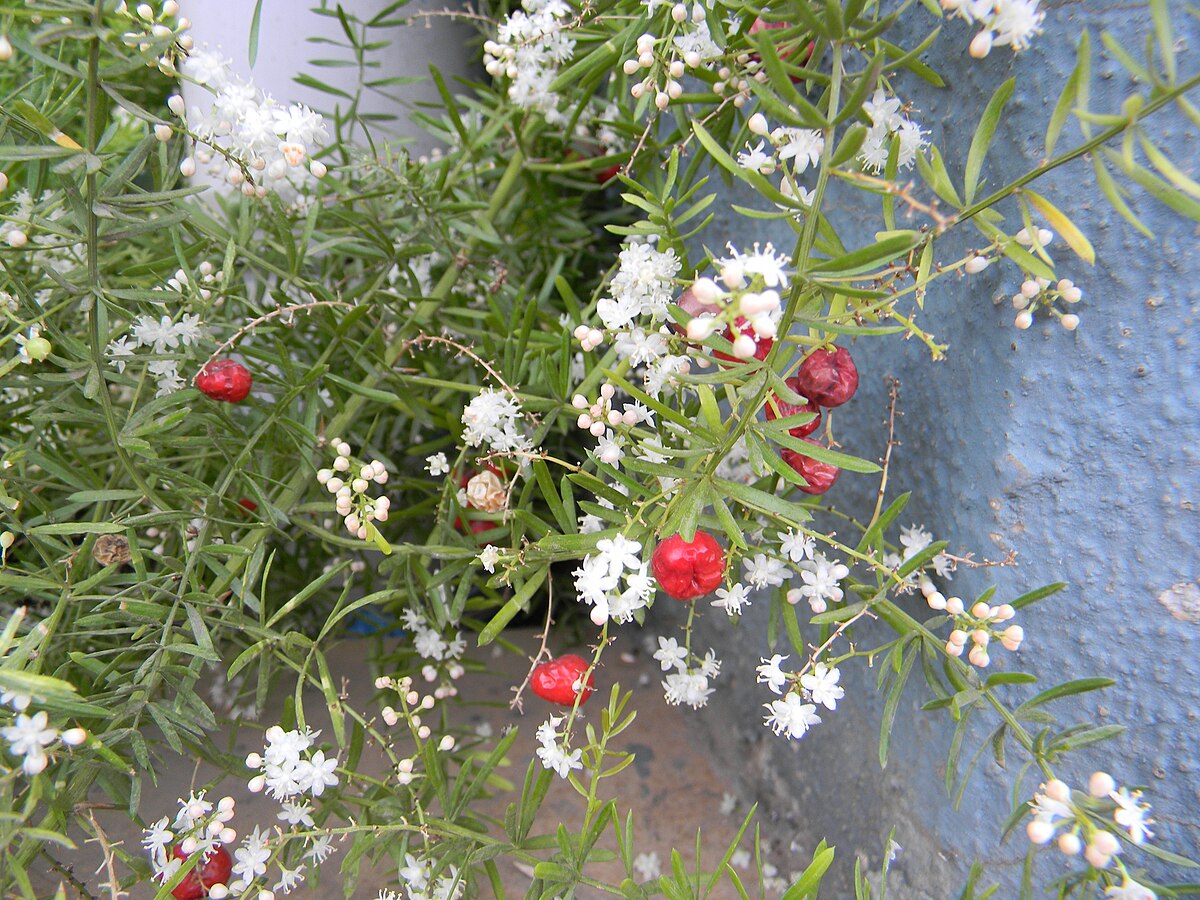
Shatavari, or Asparagus racemosus, is a thorny, climbing plant belonging to the Asparagaceae family, native to India and the Himalayas. It is characterized by its numerous small, white flowers, delicate leaves, and distinctive tuberous roots, which are the primary part utilized. This perennial herb thrives in tropical and subtropical climates.
Its widespread cultivation and recognition stem from its adaptability and the historical significance of its roots in traditional herbal practices, notably for their potential to support overall well-being.
Other Names of Shatavari
- Wild Asparagus
- Asparagus Root
- Satawar
- Satavar
- Indian Asparagus
- Fairy Asparagus
Heading
<h3> Absolute Contraindications of Shatavari </h3> <h4>Pregnancy - Avoid or use only under supervision</h4> <ul> <li> 🤰 <li> Recommendation: Do not take Shatavari during pregnancy unless under close medical supervision; discuss with your obstetrician first. <li> Reasoning: Animal experiments (maternal exposure to concentrated root extracts) showed fetal resorptions, growth retardation and developmental delays in offspring; while human data are limited, animal teratogenic signals are a valid reason for caution. <li> Scientific_Study_Title: Teratogenicity of Asparagus racemosus Willd. root, a herbal medicine <li> Scientific_Study_Authors: R K Goel, T Prabha, M Mohan Kumar, M Dorababu, Prakash, G Singh <li> Scientific_Study_Link: https://pubmed.ncbi.nlm.nih.gov/16872047/ <li> Scientific_Study_Excerpt: <p>In a controlled animal study (Charles Foster rats), mothers given methanolic root extract (100 mg/kg/day for 60 days) showed increased fetal resorption, gross malformations (including limb swelling), intrauterine growth restriction and smaller placental size. Pups exposed in utero had lower body weight and delays in developmental parameters compared with controls. The authors concluded that exposure to concentrated Asparagus racemosus root extract during gestation produced teratological effects in this model and therefore advised caution when using the herb during pregnancy.</p> <p>The study is an animal teratogenicity report; direct human data are limited, but these findings form the basis for conservative clinical guidance to avoid routine use in pregnancy without specialist oversight.</p> </ul> <h4>Known allergy to asparagus / related plants [Onion/leek/garlic family sensitivity]</h4> <ul> <li> ⚠️ (allergy) <li> Recommendation: If you have known food or pollen allergies to asparagus, onions, leeks, garlic or related plants - avoid Shatavari or test under medical supervision (skin testing or supervised oral challenge by an allergist). <li> Reasoning: Reported IgE-mediated and contact allergic reactions to asparagus and related Liliaceae/Asparagales members exist; sensitized individuals can experience inhalant or ingestion reactions, including conjunctivitis, rhinitis, cough or more severe responses. <li> Scientific_Study_Title: Inhalant allergy to fresh asparagus <li> Scientific_Study_Authors: P A Eng, L Yman, E Maaninen, B Wüthrich <li> Scientific_Study_Link: https://pubmed.ncbi.nlm.nih.gov/8729671/ <li> Scientific_Study_Excerpt: <p>Two case reports described patients who developed itching conjunctivitis, nasal discharge, throat tightness and cough during handling/preparation of fresh asparagus; cooked asparagus did not provoke symptoms. Both patients had measurable asparagus-specific IgE and positive skin-prick tests to native asparagus. The study documents that asparagus can be a specific inhalant/food allergen in sensitized individuals and that reactions can be immediate and IgE mediated.</p> <p>Clinically this supports avoiding Asparagus racemosus products (especially powdered or raw forms that can aerosolize) if there is known hypersensitivity to asparagus or closely related plant allergens.</p> </ul> <h4>History of severe hypersensitivity/anaphylaxis to Asparagus products</h4> <ul> <li> 🚨 <li> Recommendation: Do not use Shatavari if you have previously had severe allergic reactions or anaphylaxis to asparagus or supplements containing it. <li> Reasoning: Case reports and reviews document IgE-mediated and occupational contact reactions to asparagus; prior anaphylaxis to the same botanical predicts high risk on re-exposure. <li> Scientific_Study_Title: [Review] Allergy to asparagus <li> Scientific_Study_Authors: (authors grouped in PubMed review) <li> Scientific_Study_Link: https://pubmed.ncbi.nlm.nih.gov/13679959/ <li> Scientific_Study_Excerpt: <p>Reviews and clinical reports summarize that asparagus can trigger IgE-mediated food allergy, contact urticaria and respiratory symptoms, particularly in occupational exposures. Both immediate IgE responses and delayed cell-mediated reactions have been described; identification and avoidance remain the mainstays of management. These reports emphasize that people with documented severe reactions should avoid re-exposure to asparagus preparations.</p> </ul> <h3> Relative Contraindications of Shatavari </h3> <h4>Concurrent Lithium therapy</h4> <ul> <li> 💊 <li> Recommendation: Consult your prescribing clinician before using Shatavari if you take lithium - avoid unsupervised use; monitoring of lithium levels may be required if both are used. <li> Reasoning: Herbal monographs and drug interaction resources note that Asparagus racemosus may have mild diuretic-like effects which can reduce renal lithium clearance and raise lithium levels, increasing risk of lithium toxicity; controlled human pharmacokinetic studies are lacking. <li> Scientific_Study_Title: Asparagus racemosus: monograph (interaction summary) <li> Scientific_Study_Authors: Web monograph (Therapeutic Research Center / WebMD content editors) <li> Scientific_Study_Link: https://www.webmd.com/vitamins/ai/ingredientmono-1167/asparagus-racemosus <li> Scientific_Study_Excerpt: <p>Herbal reference monographs report a potential interaction between Asparagus racemosus and lithium based on the herb's possible mild diuretic activity; because lithium is renally cleared, substances that alter fluid or electrolyte balance may increase lithium levels. Direct controlled clinical trials are not available on PubMed, so the interaction is listed as possible/precautionary based on pharmacologic reasoning and case-based caution in compendia. Clinicians generally advise caution and monitoring of lithium concentrations if patients elect to use such herbs concurrently.</p> </ul> <h4>Use with potent estrogen / hormone therapy (estrogen-sensitive conditions) - caution</h4> <ul> <li> ⚖️ <li> Recommendation: People with known estrogen-sensitive cancers or on hormone therapies should consult oncology/endocrine specialists before using Shatavari. <li> Reasoning: Some Shatavari constituents show estrogen receptor interactions in vitro; until more clinical safety data exist, caution is advised in conditions where added estrogenic stimulation is undesirable. <li> Scientific_Study_Title: Asparagus racemosus (Shatavari) targeting estrogen receptor α: An in-vitro and in-silico mechanistic study <li> Scientific_Study_Authors: (authors as listed on PubMed study) <li> Scientific_Study_Link: https://pubmed.ncbi.nlm.nih.gov/30580607/ <li> Scientific_Study_Excerpt: <p>In cellular assays and computational docking, extracts and isolated constituents of A. racemosus bound to estrogen receptor α and affected estrogen-responsive cell lines. These mechanistic data show the plant contains phytoestrogenic compounds capable of modulating estrogen receptor activity. While some experimental work suggests anti-proliferative properties in certain cancer cell lines, the net clinical effect in humans with estrogen-sensitive disease remains unproven; therefore specialist counselling is recommended before use.</p> </ul> <h4>Severe liver disease - use with caution</h4> <ul> <li> 🧪 <li> Recommendation: If you have advanced hepatic failure, consult your hepatologist; dosing and safety data are limited in severe liver disease. <li> Reasoning: Most experimental data show hepatoprotective effects, but human safety in severe liver impairment isn't well established; caution is prudent until pharmacokinetics in severe hepatic dysfunction are clarified. <li> Scientific_Study_Title: Antioxidant and hepatoprotective action of Asparagus racemosus Willd. root extracts <li> Scientific_Study_Authors: (authors listed in PubMed article) <li> Scientific_Study_Link: https://pubmed.ncbi.nlm.nih.gov/23305030/ <li> Scientific_Study_Excerpt: <p>Animal studies demonstrate that root extracts reduce indicators of chemical liver injury (lowered lipid peroxidation markers and improved hepatic antioxidant enzymes), suggesting hepatoprotective potential. However, these are preclinical data; clinical safety studies in patients with significant hepatic impairment are not available, so clinicians prudently advise individualized assessment before using concentrated extracts in severe liver disease.</p> </ul>
Heading
<h4>Gastrointestinal upset (nausea, loose stools)</h4> <ul> <li> 🤢 <li> Side effect summary: Some clinical trials and controlled studies report mild GI symptoms such as nausea, loose stools or bloating in a minority of participants. <li> Recommendation: If you develop persistent GI upset, stop the herb and consult your clinician; for mild transient symptoms reducing dose or taking with food may help. <li> Reasoning: Clinical randomized trials reported a small number of mild GI adverse events, generally self-limited and not requiring medical intervention. <li> Severity Level: Mild <li> Scientific_Study_Available: Yes <li> Scientific_Study_Title: Efficacy and Safety of Shatavari Root Extract for the Management of Menopausal Symptoms: A Randomized, Double-Blind, Placebo-Controlled Trial <li> Scientific_Study_Authors: (authors listed on PubMed trial; see trial record) <li> Scientific_Study_Link: https://pubmed.ncbi.nlm.nih.gov/38725785/ <li> Scientific_Study_Excerpt: <p>In randomized clinical trials evaluating standardized Shatavari extracts for perimenopausal/menopausal symptoms, safety monitoring recorded only a small number of mild adverse events among participants (examples include transient nausea, loose stools, dizziness or headache). These events were generally self-limited and resolved without stopping therapy. Trials reported no serious adverse events attributable to the extract and overall tolerability was good, but investigators recommend reporting any persistent symptoms to a clinician.</p> </ul> <h4>Allergic reactions (skin, respiratory)</h4> <ul> <li> 🌿⚠️ <li> Side effect summary: Rare IgE-mediated reactions and contact/occupational allergies to asparagus have been reported (rhinitis, conjunctivitis, urticaria); systemic reactions are uncommon but possible. <li> Recommendation: Stop Shatavari immediately and seek medical care for any signs of allergy (hives, swelling, breathing difficulty); consult an allergist for testing if history suggests sensitivity. <li> Reasoning: Case reports and small series document true asparagus allergy; hypersensitive individuals may react to botanical preparations containing asparagus root or powder. <li> Severity Level: Moderate <li> Scientific_Study_Available: Yes <li> Scientific_Study_Title: Inhalant allergy to fresh asparagus <li> Scientific_Study_Authors: P A Eng, L Yman, E Maaninen, B Wüthrich <li> Scientific_Study_Link: https://pubmed.ncbi.nlm.nih.gov/8729671/ <li> Scientific_Study_Excerpt: <p>Case report documentation shows that handling or inhaling fresh asparagus caused immediate allergic symptoms (itchy eyes, runny nose, throat tightness, cough) in two atopic patients with positive skin tests and measurable asparagus-specific IgE. The authors conclude asparagus can be a specific inhalant allergen and advise avoidance in sensitized individuals. This supports clinical caution for people with plant allergies.</p> </ul> <h4>Potential effect on hormonal levels (estrogenic modulation)</h4> <ul> <li> ♀️ <li> Side effect summary: Because Shatavari contains compounds that interact with estrogen receptors in vitro, it may alter hormone-sensitive physiology in some people (the clinical significance varies). <li> Recommendation: Discuss with your clinician if you have hormone-sensitive conditions (breast/prostate cancer, endometriosis) or take hormone therapy. <li> Reasoning: Mechanistic studies show estrogen receptor interactions; while some clinical trials show benefit (e.g., menopausal symptom relief), careful assessment is needed in hormone-sensitive disorders due to uncertain net effects. <li> Severity Level: Moderate <li> Scientific_Study_Available: Yes <li> Scientific_Study_Title: Asparagus racemosus (Shatavari) targeting estrogen receptor α: An in-vitro and in-silico mechanistic study <li> Scientific_Study_Authors: (authors listed in PubMed record) <li> Scientific_Study_Link: https://pubmed.ncbi.nlm.nih.gov/30580607/ <li> Scientific_Study_Excerpt: <p>Laboratory and computational studies identified specific phytochemicals from Asparagus racemosus that bind to estrogen receptor α and modulate estrogen-responsive cell lines. These data indicate phytoestrogenic potential which can be beneficial in some contexts (menopausal symptom reduction) but means prudence is warranted where exogenous estrogenic influence could be harmful. Clinical outcome data in such populations are limited.</p> </ul>
Heading
<h4>Lithium</h4> <ul> <li> Interaction_Details: Asparagus racemosus is reported in monographs to have mild diuretic-like effects; reducing renal clearance can raise lithium levels and increase toxicity risk. <li> Severity: Moderate <li> Recommendation: Avoid unsupervised concurrent use; if co-use is necessary, involve the prescribing clinician and monitor serum lithium levels closely. <li> Scientific_Study_Available: NA (no controlled PubMed pharmacokinetic trial found) <li> Scientific_Study_Link: https://www.webmd.com/vitamins/ai/ingredientmono-1167/asparagus-racemosus <li> Scientific_Study_Title: Asparagus racemosus: monograph (interaction summary) <li> Scientfic_Study_Authors: WebMD / Therapeutic Research Center editorial content <li> Scientific_Study_Excerpt: <p>Herbal compendia indicate a potential interaction between Asparagus racemosus and lithium due to possible changes in fluid balance and renal lithium clearance. Published controlled human pharmacokinetic trials specifically examining Asparagus racemosus with lithium were not identified on PubMed during this search; therefore the interaction is considered plausible based on pharmacologic effect and reported in interaction databases as a precaution. Clinical guidance advises consultation and possible monitoring if both agents are used.</p> </ul> <h4>Diuretics (concurrent use)</h4> <ul> <li> Interaction_Details: Shatavari is reported in herbal monographs to have diuretic or fluid-modifying effects; combining with prescription diuretics could theoretically alter electrolyte balance or blood pressure. <li> Severity: Mild <li> Recommendation: Use caution; consult your prescriber before combining with prescription diuretics and monitor electrolytes/clinical status as advised by your clinician. <li> Scientific_Study_Available: NA (no direct controlled human studies found) <li> Scientific_Study_Link: https://www.vital.ly/trc/Asparagus-racemosus/monograph%3D113/ <li> Scientific_Study_Title: Asparagus racemosus monograph (therapeutic compendium) <li> Scientfic_Study_Authors: Therapeutic Research Center / compendium editors <li> Scientific_Study_Excerpt: <p>Compendia and monographs note possible mild diuretic actions attributed to the herb and list diuretic agents as a potential interaction category. Controlled clinical pharmacodynamic data quantifying this effect in humans are sparse; therefore guidance is precautionary: review concurrent diuretic use with a clinician and monitor for signs of electrolyte change or hypotension.</p> </ul> <h4>Estrogen / Hormone therapies (e.g., HRT, SERMs) - theoretical interaction</h4> <ul> <li> Interaction_Details: Constituents of Shatavari can interact with estrogen receptors in vitro; this raises a theoretical possibility of additive, antagonistic or modulatory effects with prescription hormonal therapies. <li> Severity: Moderate <li> Recommendation: Discuss with your endocrinologist or oncologist before combining Shatavari with hormone replacement therapy or SERMs; individualized risk-benefit assessment is recommended. <li> Scientific_Study_Available: Yes <li> Scientific_Study_Link: https://pubmed.ncbi.nlm.nih.gov/30580607/ <li> Scientific_Study_Title: Asparagus racemosus (Shatavari) targeting estrogen receptor α: An in-vitro and in-silico mechanistic study <li> Scientfic_Study_Authors: (authors listed in PubMed record) <li> Scientific_Study_Excerpt: <p>In vitro and computational docking studies demonstrated that specific phytochemicals from A. racemosus have affinity for estrogen receptor α and can modulate estrogen-responsive cellular pathways. While some extracts show beneficial effects (e.g., symptomatic improvement in perimenopausal trials), the mechanistic data justify caution when combining with prescribed hormonal agents until clinical interaction studies clarify real-world effects. Discuss combination use with the prescribing clinician.</p> </ul> <h4>CYP3A4-metabolized drugs / chemotherapy agents - reassuring mechanistic data</h4> <ul> <li> Interaction_Details: In vitro evaluation of common botanical extracts including Asparagus racemosus found no significant CYP3A4 inhibition by Asparagus aqueous root extract at in-vivo relevant concentrations, suggesting a low likelihood of major CYP3A4-mediated interactions. <li> Severity: Mild <li> Recommendation: Although in vitro evidence is reassuring, always inform your oncology/medical team about herbal use; for drugs with narrow therapeutic indices, caution and monitoring are prudent. <li> Scientific_Study_Available: Yes <li> Scientific_Study_Link: https://pubmed.ncbi.nlm.nih.gov/24105360/ <li> Scientific_Study_Title: Effect of botanical immunomodulators on human CYP3A4 inhibition: implications for concurrent use as adjuvants in cancer therapy <li> Scientfic_Study_Authors: (authors listed on PubMed) <li> Scientific_Study_Excerpt: <p>This laboratory study tested aqueous extracts of several botanicals (including Asparagus racemosus) for their ability to inhibit human CYP3A4 activity (test via testosterone 6β-hydroxylation). While some botanicals showed inhibition, the Asparagus racemosus aqueous extract did not show significant inhibitory activity at concentrations relevant to expected human exposure. The authors interpreted this as a low likelihood of clinically important CYP3A4 inhibition by Asparagus racemosus extracts; nevertheless, they recommended case-by-case assessment when combining botanicals with critical CYP3A4-metabolized drugs.</p> </ul>