What is Saunf (Fennel)?
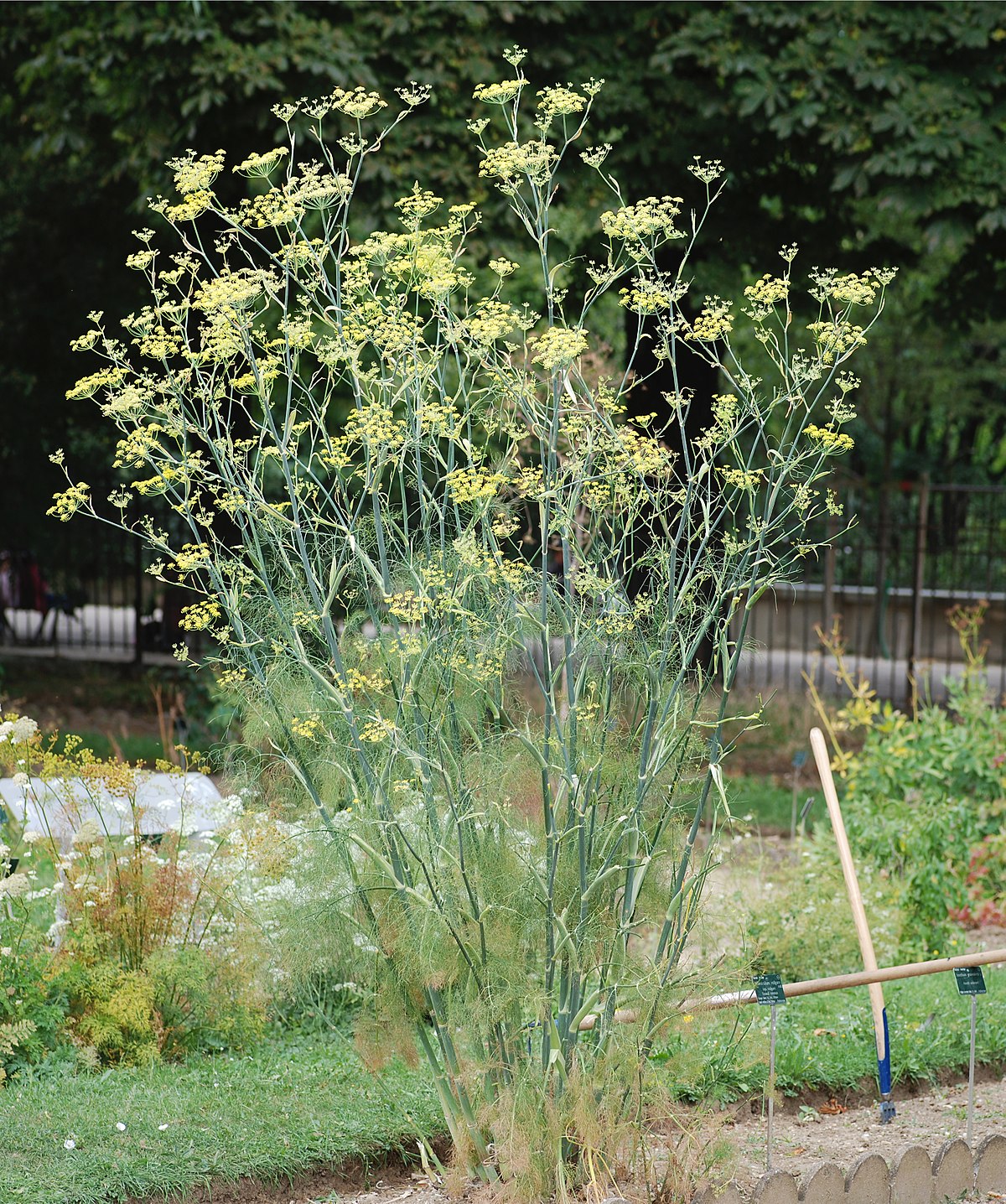
Saunf, commonly known as Fennel, is a flowering plant species in the carrot family, Apiaceae, identified scientifically as Foeniculum vulgare. Native to the Mediterranean region and parts of Asia, this highly aromatic and flavorful herb is widely cultivated for its edible bulb, leaves, and particularly its distinctively anise-flavored seeds. Characterized by feathery leaves and yellow flowers clustered in umbels, it's a perennial that can reach considerable heights.
Beyond its culinary prominence as a spice and vegetable, fennel holds historical significance in traditional medicine, valued for its digestive and carminative properties. Its ubiquity in diverse cuisines and herbal practices underscores its broad appeal and recognized benefits.
Other Names of Saunf (Fennel)
- Fennel
- Sweet Fennel
- Common Fennel
- Florence Fennel
- Finocchio
Heading
<h3> Absolute Contraindications of Saunf (Fennel) </h3> <h4>Pregnancy - (Avoid concentrated/therapeutic fennel preparations)</h4> <ul> <li>🤰</li> <li>Recommendation: Avoid medicinal-strength fennel extracts or concentrated teas during pregnancy; discuss any herbal use with your obstetrician. Small culinary amounts are less likely to be problematic, but concentrated forms should be avoided.</li> <li>Reasoning: Laboratory and feto-placental co-culture studies show estragole and trans-anethole can alter steroid hormone production and expression of steroidogenic enzymes, suggesting potential to influence fetal/placental hormonal balance if exposures are high.</li> <li>Scientific_Study_Title: Evaluating the effects on steroidogenesis of estragole and trans-anethole in a feto-placental co-culture model</li> <li>Scientific_Study_Authors: Debbie Yancu, Cathy Vaillancourt, J Thomas Sanderson</li> <li>Scientific_Study_Link: https://pubmed.ncbi.nlm.nih.gov/31536780/</li> <li>Scientific_Study_Excerpt: <p>Paraphrase: In a human feto-placental co-culture, exposure to estragole or trans-anethole increased estradiol, estrone and other steroid levels and altered expression of enzymes involved in steroid biosynthesis, indicating these fennel constituents can modulate placental/fetal steroidogenesis.</p> <p>Short quote: “hormone concentrations of estradiol, estrone ... were significantly increased.”</p> </li> </ul> <h4>Breastfeeding / Very young infants - (Avoid giving fennel preparations to infants and avoid high maternal exposures)</h4> <ul> <li>🍼</li> <li>Recommendation: Do not give fennel tea or concentrated fennel preparations directly to infants (especially under 6 months). Nursing mothers should avoid excessive or concentrated fennel products without medical advice.</li> <li>Reasoning: Analysis of estragole levels in fennel teas shows measurable estragole exposure from infusions; regulatory safety assessments flag potential risk to infants and young children because of estragole’s genotoxic/carcinogenic signals in animals and potentially higher per-kg exposures in infants.</li> <li>Scientific_Study_Title: Chemical analysis of estragole in fennel based teas and associated safety assessment using the Margin of Exposure (MOE) approach</li> <li>Scientific_Study_Authors: Suzanne J P L van den Berg, Wasma Alhusainy, Patrizia Restani, Ivonne M C M Rietjens</li> <li>Scientific_Study_Link: https://pubmed.ncbi.nlm.nih.gov/24384409/</li> <li>Scientific_Study_Excerpt: <p>Paraphrase: The study quantified estragole across commercial fennel preparations and infusions, reporting wide estragole concentrations and calculating that estimated exposures for children can produce low MOE values (a regulatory trigger for risk management).</p> <p>Short quote: “Infusions ... ranged between 0.4 and 133.4 μg/25 mL infusion ... MOEs for use of fennel teas by children were generally <10,000.”</p> </li> </ul> <h4>Epilepsy / seizure disorders - (Avoid essential oil and concentrated fennel preparations)</h4> <ul> <li>⚠️</li> <li>Recommendation: Patients with epilepsy should avoid fennel essential oil and concentrated fennel-containing products; check with your neurologist before using fennel therapeutically.</li> <li>Reasoning: Case reports link ingestion of products containing fennel essential oil to provoked generalized seizures in people with epilepsy, indicating the essential oil can lower seizure threshold or interact with anticonvulsant therapy.</li> <li>Scientific_Study_Title: Epileptic seizure induced by fennel essential oil</li> <li>Scientific_Study_Authors: Souad Skalli, Rachida Soulaymani Bencheikh</li> <li>Scientific_Study_Link: https://pubmed.ncbi.nlm.nih.gov/21865126/</li> <li>Scientific_Study_Excerpt: <p>Paraphrase: A case report describes a well-controlled epileptic patient who developed a prolonged generalized tonic-clonic seizure after ingesting cakes containing fennel essential oil; authors advise avoiding fennel essential oil in epilepsy.</p> <p>Short quote: “fennel essential oil can induce seizures ... should probably be avoided by patients with epilepsy.”</p> </li> </ul> <h3> Relative Contraindications of Saunf (Fennel) </h3> <h4>Taking drugs metabolized by CYP3A4 (many common medicines)</h4> <ul> <li>💊</li> <li>Recommendation: If you take medications metabolized by CYP3A4 (statins, some calcium-channel blockers, certain immunosuppressants, etc.), consult your clinician or pharmacist before starting high-dose fennel extracts or concentrated preparations.</li> <li>Reasoning: In vitro work identified fennel constituents (e.g., 5-methoxypsoralen) that cause mechanism-based inhibition of human CYP3A4, which could raise blood levels of CYP3A4 substrate drugs and increase adverse effects.</li> <li>Scientific_Study_Title: Inhibition on human liver cytochrome P450 3A4 by constituents of fennel (Foeniculum vulgare): identification and characterization of a mechanism-based inactivator</li> <li>Scientific_Study_Authors: Subehan, Syed F H Zaidi, Shigetoshi Kadota, Yasuhiro Tezuka</li> <li>Scientific_Study_Link: https://pubmed.ncbi.nlm.nih.gov/17988092/</li> <li>Scientific_Study_Excerpt: <p>Paraphrase: The study isolated fennel constituents and found that one compound (5-methoxypsoralen) produced time-dependent inactivation of CYP3A4 in human liver microsomes - a mechanism that may reduce CYP3A4 activity and modify drug clearance.</p> <p>Short quote: “5-MOP showed the strongest inhibition ... time-dependent inhibition ... recovery of CYP3A4 activity by the competitive inhibitor.”</p> </li> </ul> <h4>Anticoagulant or antiplatelet therapy (warfarin, aspirin, clopidogrel, etc.)</h4> <ul> <li>🩸</li> <li>Recommendation: People on anticoagulant or antiplatelet therapy should exercise caution and consult a clinician before using concentrated fennel essential oil or high-dose extracts.</li> <li>Reasoning: Experimental studies show fennel oil and anethole possess antiplatelet and antithrombotic effects in vitro and in animal models; while this may be beneficial in some contexts, combining with blood-thinning drugs could theoretically increase bleeding risk.</li> <li>Scientific_Study_Title: Protective effect of Foeniculum vulgare essential oil and anethole in an experimental model of thrombosis</li> <li>Scientific_Study_Authors: Massimiliano Tognolini, Vigilio Ballabeni, Simona Bertoni, Renato Bruni, Mariannina Impicciatore, Elisabetta Barocelli</li> <li>Scientific_Study_Link: https://pubmed.ncbi.nlm.nih.gov/17709257/</li> <li>Scientific_Study_Excerpt: <p>Paraphrase: The paper reports that fennel essential oil and anethole inhibit platelet aggregation across multiple agonists, prevent clot retraction, cause vasorelaxation, and reduce thrombotic events in animal models - indicating antiplatelet and antithrombotic potential.</p> <p>Short quote: “anethole ... was as potent as fennel oil in inhibiting ... aggregation ... showed significant antithrombotic activity.”</p> </li> </ul> <h4>Existing liver disease or high lifetime exposure concerns</h4> <ul> <li>🧬</li> <li>Recommendation: If you have chronic liver disease, use caution with concentrated fennel supplements and discuss with your hepatologist, particularly for long-term or high-dose use.</li> <li>Reasoning: Estragole, a fennel component, is a rodent hepatocarcinogen; in vitro studies show dose-dependent effects on liver cells and essential oils may provoke apoptotic/cell-cycle changes at higher concentrations - prompting caution in vulnerable livers.</li> <li>Scientific_Study_Title: In vitro toxicity evaluation of estragole-containing preparations derived from Foeniculum vulgare Mill. (fennel) on HepG2 cells</li> <li>Scientific_Study_Authors: Sara Levorato, Luca Dominici, Cristina Fatigoni, Claudia Zadra, Rita Pagiotti, Massimo Moretti, Milena Villarini</li> <li>Scientific_Study_Link: https://pubmed.ncbi.nlm.nih.gov/29233689/</li> <li>Scientific_Study_Excerpt: <p>Paraphrase: The authors tested fennel seed powder and essential oil on human HepG2 liver cells: seed powder did not induce DNA damage, while essential oil produced dose-dependent apoptotic effects and cell-cycle arrest at higher doses, indicating higher exposures may be harmful to liver cells.</p> <p>Short quote: “FSEO ... exerted marked dose-dependent apoptotic effects on HepG2 cells with a concurrent cell cycle arrest in G2/M at the highest tested dose.”</p> </li> </ul>
Heading
<h4>Seizures or lowered seizure threshold</h4> <ul> <li>⚡</li> <li>Side effect summary: Some concentrated fennel essential oil exposures have been associated with provoked seizures, especially in people with a history of epilepsy.</li> <li>Recommendation: Avoid fennel essential oil (ingested or concentrated topical) if you have epilepsy; if a seizure occurs seek urgent medical care.</li> <li>Reasoning: Case reports document generalized tonic-clonic seizures after ingestion of fennel essential oil; essential oils can contain constituents that are epileptogenic or interact with antiepileptic drugs.</li> <li>Severity Level: Severe</li> <li>Scientific_Study_Available: Yes</li> <li>Scientific_Study_Title: Epileptic seizure induced by fennel essential oil</li> <li>Scientific_Study_Authors: Souad Skalli, Rachida Soulaymani Bencheikh</li> <li>Scientific_Study_Link: https://pubmed.ncbi.nlm.nih.gov/21865126/</li> <li>Scientific_Study_Excerpt: <p>Paraphrase: The case report describes a 38-year-old woman with previously controlled epilepsy who developed a prolonged generalized seizure after consuming cakes containing an unknown amount of fennel essential oil; authors warn of seizure risk and advise avoidance in epilepsy.</p> <p>Short quote: “fennel essential oil can induce seizures ... should probably be avoided by patients with epilepsy.”</p> </li> </ul> <h4>Methemoglobinemia in infants after contaminated/poorly handled fennel purée</h4> <ul> <li>🩺</li> <li>Side effect summary: Reports exist of infants developing dangerous methemoglobinemia after eating homemade fennel purée that was likely improperly prepared or stored.</li> <li>Recommendation: Do not feed homemade vegetable or fennel purées to very young infants unless prepared and stored safely; seek emergency care for signs of cyanosis or poor oxygenation.</li> <li>Reasoning: Case reports link ingestion of certain improperly handled plant purées to nitrite formation or other changes that precipitate methemoglobinemia in infants.</li> <li>Severity Level: Severe</li> <li>Scientific_Study_Available: Yes</li> <li>Scientific_Study_Title: Severe methemoglobinemia due to food intoxication in infants</li> <li>Scientific_Study_Authors: (authors listed in PubMed record)</li> <li>Scientific_Study_Link: https://pubmed.ncbi.nlm.nih.gov/16096602/</li> <li>Scientific_Study_Excerpt: <p>Paraphrase: The report presents four infant cases who developed methemoglobinemia a few hours after consuming homemade fennel purée; all required treatment with methylene blue and recovered, illustrating a serious food-preparation risk.</p> <p>Short quote: “Four cases ... ate homemade fennel purée ... arrived with cyanosis ... received methylene blue and fully recovered.”</p> </li> </ul> <h4>Premature thelarche (breast development) in infants exposed to fennel tea</h4> <ul> <li>👶</li> <li>Side effect summary: Case reports associate daily fennel tea given to infants with reversible premature breast development (premature thelarche).</li> <li>Recommendation: Avoid giving fennel tea to infants and young toddlers; stop exposure if unexpected breast tissue development or other hormonal signs appear and consult a pediatrician.</li> <li>Reasoning: Fennel contains phytoestrogens (anethole and metabolites); in reported pediatric cases, breast changes regressed after stopping fennel exposure, supporting a causal link.</li> <li>Severity Level: Mild</li> <li>Scientific_Study_Available: Yes</li> <li>Scientific_Study_Title: Premature thelarche related to fennel tea consumption?</li> <li>Scientific_Study_Authors: (authors listed in PubMed record)</li> <li>Scientific_Study_Link: https://pubmed.ncbi.nlm.nih.gov/24030028/</li> <li>Scientific_Study_Excerpt: <p>Paraphrase: A reported 12-month-old girl given daily teaspoons of fennel tea developed isolated premature thelarche; after cessation of fennel the condition regressed over the following year, suggesting fennel-related estrogenic effect.</p> <p>Short quote: “... given two to three teaspoons of fennel tea ... breast development ... regressed gradually after cessation of fennel consumption.”</p> </li> </ul> <h4>Allergic reactions / contact dermatitis / photosensitivity</h4> <ul> <li>🌞 / 🌿</li> <li>Side effect summary: Oral or topical fennel exposure can rarely cause allergic reactions, contact dermatitis, or increased sun sensitivity in susceptible people.</li> <li>Recommendation: Discontinue topical fennel products if skin irritation or rash develops; avoid prolonged sun exposure after topical use if photosensitivity is suspected and consult a dermatologist for testing if needed.</li> <li>Reasoning: Fennel contains furocoumarins and related compounds in trace amounts and other allergenic constituents; studies quantifying furocoumarin content show low levels but case reports and clinical summaries document phototoxic and allergic reactions in some users.</li> <li>Severity Level: Mild</li> <li>Scientific_Study_Available: Yes</li> <li>Scientific_Study_Title: Furocoumarin Content of Fennel - Below the Safety Threshold</li> <li>Scientific_Study_Authors: (authors listed in PubMed record)</li> <li>Scientific_Study_Link: https://pubmed.ncbi.nlm.nih.gov/31387269/</li> <li>Scientific_Study_Excerpt: <p>Paraphrase: Analysis of multiple fennel fruit samples found measurable but generally low furocoumarin (phototoxic compound) levels - below restrictive safety thresholds at normal therapeutic doses - yet clinical guidance still acknowledges rare phototoxic and allergic reactions in sensitive individuals.</p> <p>Short quote: “furocoumarin content ... ranged up to 1.22 μg/d, which is below the most restrictive recommendations.”</p> </li> </ul>
Heading
<h4>CYP3A4 substrate drugs (e.g., some statins, certain calcium-channel blockers, immunosuppressants)</h4> <ul> <li>Interaction_Details: High-dose or concentrated fennel extracts contain constituents that produce time-dependent inhibition of CYP3A4 in vitro; this can slow breakdown of CYP3A4-metabolized drugs, increasing their blood levels and risk of side effects.</li> <li>Severity: Moderate</li> <li>Recommendation: Consult your prescriber or pharmacist before using concentrated fennel preparations if you are on medications metabolized by CYP3A4; avoid unsupervised high-dose use.</li> <li>Scientific_Study_Available: Yes</li> <li>Scientific_Study_Link: https://pubmed.ncbi.nlm.nih.gov/17988092/</li> <li>Scientific_Study_Title: Inhibition on human liver cytochrome P450 3A4 by constituents of fennel (Foeniculum vulgare): identification and characterization of a mechanism-based inactivator</li> <li>Scientfic_Study_Authors: Subehan, Syed F H Zaidi, Shigetoshi Kadota, Yasuhiro Tezuka</li> <li>Scientific_Study_Excerpt: <p>Paraphrase: The study isolated 13 fennel compounds and identified 5-methoxypsoralen as a time-dependent, mechanism-based inactivator of human CYP3A4, showing IC50 decline with preincubation and kinetic parameters consistent with irreversible enzyme inactivation - a mechanism that can reduce drug metabolism.</p> <p>Short quote: “5-MOP showed the strongest inhibition ... time-dependent inhibition.”</p> </li> </ul> <h4>Anticoagulants / Antiplatelets (warfarin, aspirin, clopidogrel)</h4> <ul> <li>Interaction_Details: Fennel essential oil and anethole exhibit antiplatelet and antithrombotic activity in vitro and in animal models; combining with anticoagulant/antiplatelet drugs could potentially increase bleeding risk.</li> <li>Severity: Mild</li> <li>Recommendation: Use caution and seek medical advice before combining concentrated fennel supplements with blood-thinning medications; monitor for bleeding signs if used under medical supervision.</li> <li>Scientific_Study_Available: Yes</li> <li>Scientific_Study_Link: https://pubmed.ncbi.nlm.nih.gov/17709257/</li> <li>Scientific_Study_Title: Protective effect of Foeniculum vulgare essential oil and anethole in an experimental model of thrombosis</li> <li>Scientfic_Study_Authors: Massimiliano Tognolini, Vigilio Ballabeni, Simona Bertoni, Renato Bruni, Mariannina Impicciatore, Elisabetta Barocelli</li> <li>Scientific_Study_Excerpt: <p>Paraphrase: The researchers found that fennel essential oil and its main component anethole inhibited multiple pathways of platelet aggregation, prevented clot retraction and reduced experimental thrombosis in vivo, consistent with antiplatelet/antithrombotic actions that could interact with anticoagulant drugs.</p> <p>Short quote: “anethole ... was as potent as fennel oil in inhibiting ... aggregation.”</p> </li> </ul> <h4>Antiepileptic drugs (case evidence with lamotrigine)</h4> <ul> <li>Interaction_Details: Case reports document a seizure precipitated after ingestion of fennel essential oil in a patient on lamotrigine, suggesting potential direct convulsant action of essential oil constituents or a pharmacokinetic/pharmacodynamic interaction reducing anticonvulsant coverage.</li> <li>Severity: Severe</li> <li>Recommendation: Patients on antiepileptic therapy should avoid fennel essential oil and high-concentration fennel products; consult the treating neurologist before any herbal use.</li> <li>Scientific_Study_Available: Yes</li> <li>Scientific_Study_Link: https://pubmed.ncbi.nlm.nih.gov/21865126/</li> <li>Scientific_Study_Title: Epileptic seizure induced by fennel essential oil</li> <li>Scientfic_Study_Authors: Souad Skalli, Rachida Soulaymani Bencheikh</li> <li>Scientific_Study_Excerpt: <p>Paraphrase: The case report describes a patient on lamotrigine who suffered a prolonged generalized seizure after ingesting cakes containing fennel essential oil; the authors recommend avoidance of fennel essential oil by persons with epilepsy and labeling to warn of risk.</p> <p>Short quote: “fennel essential oil can induce seizures ... should probably be avoided by patients with epilepsy.”</p> </li> </ul>