What is Santra (Orange)?
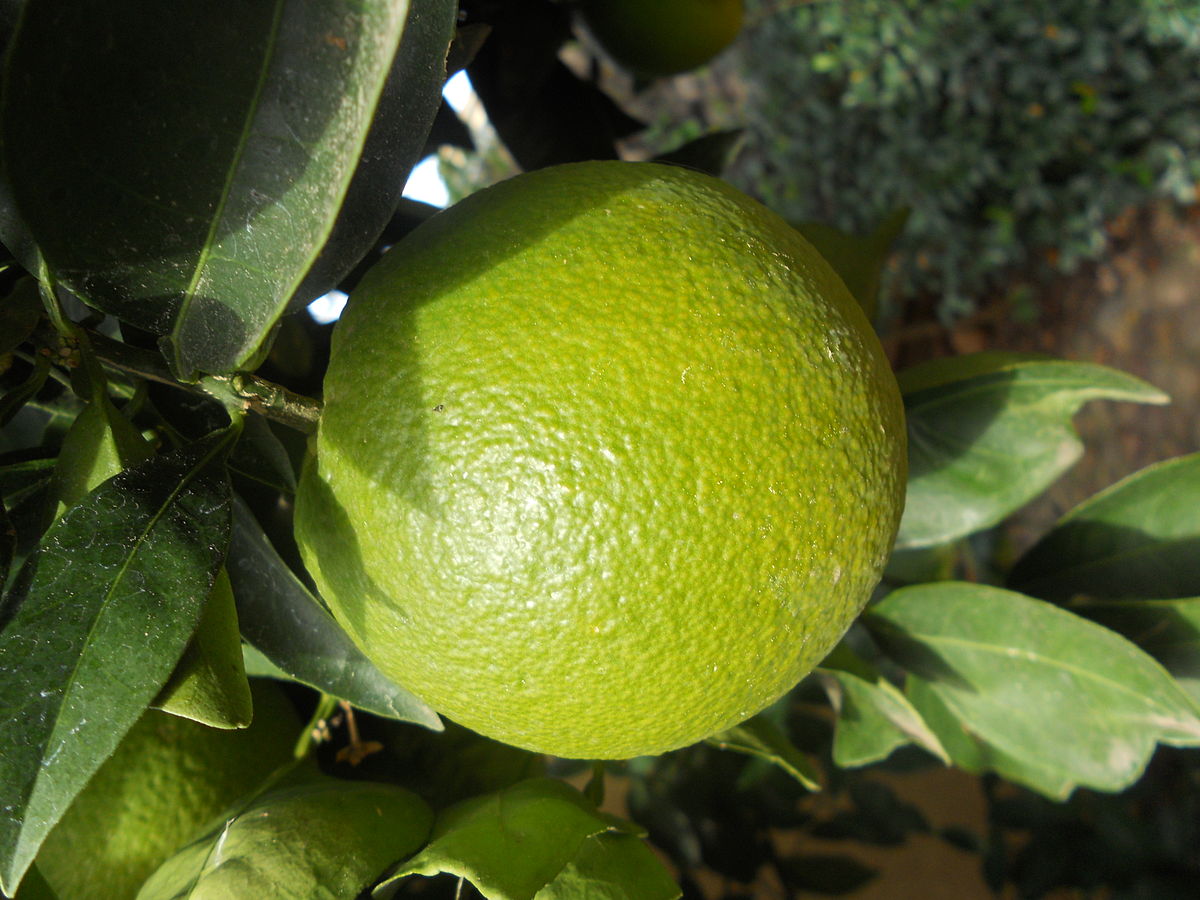
Santra, commonly known as Orange, refers primarily to the fruit of the citrus tree Citrus sinensis, a flowering plant in the family Rutaceae. This fruit is a hesperidium, a type of berry, characterized by its leathery, oil-gland-dotted rind and juicy, segmented flesh, typically orange in color. Originating in Southeast Asia, it is one of the most widely cultivated fruit trees globally, thriving in subtropical and tropical climates.
Valued for its sweet-tart flavor and high vitamin C content, oranges are consumed fresh, juiced, or used in various culinary applications. The tree itself is an evergreen with fragrant white flowers and glossy leaves, making it both economically and aesthetically significant.
Other Names of Santra (Orange)
- Orange
- Sweet Orange
- Malta
- Narangi
- Kino
Heading
<h3> Absolute Contraindications of Santra (Orange) </h3> <h4> Citrus allergy / immediate hypersensitivity (e.g., oral allergy syndrome or anaphylaxis) [You have an allergy to oranges]</h4> <ul> <li> 🤧 <li> Recommendation: Avoid all forms of orange (fruit, juice, peel/oils) and see an allergist for testing and an emergency plan (carry epinephrine if advised). <li> Reasoning: Some people develop IgE-mediated reactions to specific orange proteins (Cit s 1, Cit s 2 and others) that can cause mouth itching, swelling, or severe systemic reactions; cooking/processing does not always remove allergenicity. <li> Scientific_Study_Title: Germin-like protein Cit s 1 and profilin Cit s 2 are major allergens in orange (Citrus sinensis) fruits. <li> Scientific_Study_Authors: A. Sánchez-Monge, et al. (authors as in PubMed record). <li> Scientific_Study_Link: https://pubmed.ncbi.nlm.nih.gov/16521162/ <li> Scientific_Study_Excerpt: <p>The study analyzed sensitization profiles of people reporting reactions to orange and identified major allergenic proteins in orange: a germin-like protein (Cit s 1) and profilin (Cit s 2). Among subjects with clinical reactions, many showed IgE binding to these proteins; purified profilin triggered basophil histamine release, indicating real allergenic potential. The research highlights that both pulp and peel proteins can cause immediate-type allergic responses, and that sensitization can persist even after some processing. Clinically, this supports strict avoidance in sensitized individuals and specialist evaluation for accurate diagnosis and management.</p> </li> </ul> <h4> Gastroesophageal reflux disease / active esophagitis [You get heartburn or reflux worsened by citrus]</h4> <ul> <li> 🔥 <li> Recommendation: Avoid fresh oranges and orange juice if you notice increased heartburn or reflux symptoms after consuming them; discuss dietary triggers with your gastroenterologist. <li> Reasoning: Citrus juices and fruits are commonly reported triggers for heartburn/GERD; their acidity and specific citrus components can irritate the esophagus and provoke symptoms in acid-sensitive people. <li> Scientific_Study_Title: Are lifestyle measures effective in patients with gastroesophageal reflux disease? An evidence-based approach. <li> Scientific_Study_Authors: D. Katz, et al. (JAMA/Internal Medicine review authors as listed on the paper). <li> Scientific_Study_Link: https://jamanetwork.com/journals/jamainternalmedicine/fullarticle/410292 <li> Scientific_Study_Excerpt: <p>The review summarises evidence on dietary and lifestyle triggers for GERD. In observational work, a large proportion of patients reported increased heartburn after consuming citrus fruits or orange/grapefruit juice; experimental infusion studies showed acid-sensitive patients reacted to orange juice even when pH-adjusted, implying factors beyond simple acidity contribute to symptom provocation. The paper recommends individualized avoidance of known triggers, noting many patients find citrus produces burning or regurgitation; dietary modification is thus a reasonable nonpharmacologic approach for symptomatic control.</p> </li> </ul> <h4> Taking oral bisphosphonate therapy (e.g., alendronate) - timing-sensitive medication administration [You are on alendronate]</h4> <ul> <li> 💊 <li> Recommendation: Do NOT take alendronate together with orange juice or any beverage other than plain water; follow the drug’s fasting instructions (usually take with a full glass of water and wait 30-60 minutes before other foods/drinks). <li> Reasoning: Orange juice substantially reduces oral absorption of alendronate and similar bisphosphonates if taken at the same time, which can markedly lower the medicine’s effectiveness for bone protection. <li> Scientific_Study_Title: Studies of the oral bioavailability of alendronate. <li> Scientific_Study_Authors: J. R. Chesnut, et al. (and study group authors as per PubMed record). <li> Scientific_Study_Link: https://pubmed.ncbi.nlm.nih.gov/7554702/ <li> Scientific_Study_Excerpt: <p>Clinical pharmacokinetic studies demonstrated that oral alendronate has very low absolute bioavailability and is highly sensitive to co-ingestion with beverages and food. The report found that black coffee or orange juice taken with alendronate reduced its bioavailability by approximately 60% compared with water, and taking food or beverages too soon after the tablet drastically impaired availability. Based on these pharmacokinetic findings, guidelines recommend taking alendronate with plain water upon waking and delaying other foods or drinks for a specified interval to ensure therapeutic absorption.</p> </li> </ul> <h4> Severe renal impairment or conditions with risk of hyperkalemia (and excessive intake) [You have advanced kidney disease or take potassium-raising treatments]</h4> <ul> <li> ⚠️ <li> Recommendation: Limit large volumes of orange juice or concentrated orange intake; if you have chronic kidney disease or are on potassium-sparing drugs, discuss safe potassium limits with your nephrologist and dietitian. <li> Reasoning: Oranges and orange juice are relatively high in potassium; excessive consumption-especially in patients with impaired renal potassium excretion or with compulsive overconsumption-has been reported to cause clinically significant hyperkalemia. <li> Scientific_Study_Title: Orange juice-induced hyperkalemia in schizophrenia. <li> Scientific_Study_Authors: David R. Berk, Paul M. Conti, Barbara R. Sommer. <li> Scientific_Study_Link: https://pubmed.ncbi.nlm.nih.gov/15242143/ <li> Scientific_Study_Excerpt: <p>This case report describes a patient who developed marked hyperkalemia linked to excessive consumption of orange juice while hospitalized. Although most healthy people tolerate normal orange intake, the paper highlights that very large volumes of potassium-rich juices can raise serum potassium to dangerous levels-especially in patients with impaired excretion, medication effects, or unusual fluid-intake behaviors. The authors use this case to advise caution and monitoring in vulnerable patients (renal dysfunction, certain drugs, or unusual intake patterns) and to emphasise communication in inpatient settings.</p> </li> </ul> <h3> Relative Contraindications of Santra (Orange) </h3> <h4> Diabetes / glycemic control concerns (use of orange juice rather than whole fruit)</h4> <ul> <li> 🩺 <li> Recommendation: Prefer whole fruit over large glasses of orange juice; if you have diabetes, monitor blood glucose responses and limit portions of juice (consult diabetes care team). <li> Reasoning: Fruit juice delivers rapid sugars without the fiber of whole fruit; although trials in controlled settings show mixed acute glycemic differences, juices can be calorie-dense and may affect long-term glycemic load if consumed frequently in large amounts. <li> Scientific_Study_Title: Acute glycaemic response of orange juice consumption with breakfast in individuals with type 2 diabetes: a randomized cross-over trial. <li> Scientific_Study_Authors: Kenneth Verboven, Lisa Van Ryckeghem, Ralf Schweiggert, et al. <li> Scientific_Study_Link: https://pubmed.ncbi.nlm.nih.gov/40628708/ <li> Scientific_Study_Excerpt: <p>A recent randomized crossover trial in people with well-controlled type 2 diabetes compared postprandial glucose/insulin responses when a standard breakfast was eaten with 100% orange juice, equivalent whole orange pieces, or a sugar-sweetened control beverage. The study found no significant differences in acute glucose or insulin AUC between the conditions over four hours. The trial suggests that single, moderate servings of 100% orange juice may not markedly worsen short-term glycaemia in well-controlled patients, but broader dietary context and habitual intake remain important considerations for long-term management.</p> </li> </ul> <h4> Dental enamel erosion risk from frequent acidic exposure</h4> <ul> <li> 🦷 <li> Recommendation: Avoid frequent sipping of orange juice; rinse mouth with water after citrus, wait ~30 minutes before brushing, and use whole fruit over repeated acidic drinks. <li> Reasoning: Citrus juices are acidic and, with prolonged or repeated exposure, can soften enamel and increase erosion risk, especially in children or frequent juice consumers. <li> Scientific_Study_Title: Development of an orange juice surrogate for the study of dental erosion. <li> Scientific_Study_Authors: R. Lussi, et al. (as per PubMed record). <li> Scientific_Study_Link: https://pubmed.ncbi.nlm.nih.gov/22189642/ <li> Scientific_Study_Excerpt: <p>Experimental erosion models constructed an orange-juice surrogate and showed that exposure to orange juice causes measurable enamel surface changes (microhardness loss and surface loss) under repeated immersion cycles. While orange juice was less erosive than pure citric acid in some tests, the study confirms that frequent or prolonged contact with orange juice can reduce enamel hardness and contribute to erosion over time. The findings support limiting frequent acidic beverage exposure and taking protective oral-care steps.</p> </li> </ul> <h4> Use with calcium-fortified juices or calcium-containing meals when taking certain antibiotics (fluoroquinolones) or bisphosphonates</h4> <ul> <li> 🧪 <li> Recommendation: When taking fluoroquinolone antibiotics or certain bone medicines, avoid consuming calcium-fortified orange juices concurrently; follow drug-specific administration guidance (typically separate by several hours). <li> Reasoning: Calcium in fortified juices can chelate some drugs (e.g., fluoroquinolones), reducing antibiotic absorption and effectiveness; timing matters. <li> Scientific_Study_Title: Food-drug interactions with fruit juices: review and clinical observations. <li> Scientific_Study_Authors: Multiple - review article (see PubMed review). <li> Scientific_Study_Link: https://pubmed.ncbi.nlm.nih.gov/29703387/ <li> Scientific_Study_Excerpt: <p>Comprehensive reviews of fruit-juice-drug interactions describe several clinically relevant effects, including reduced bioavailability of agents when taken with juices that contain calcium or components that interfere with absorption. Calcium-fortified orange juice can bind to fluoroquinolones and reduce their absorption; the review emphasizes separating administration times and consulting pharmacists for drugs with known oral-absorption sensitivity to minerals or juice constituents.</p> </li> </ul>
Heading
<h4> Heartburn / worsened reflux</h4> <ul> <li> 🔥 <li> Side effect summary: Citrus fruits and juices can trigger or worsen heartburn and reflux symptoms in susceptible people due to citric acid and other citrus components. <li> Recommendation: If you notice heartburn after oranges or orange juice, reduce or avoid them and try lower-acid fruits; consult your physician if symptoms persist or are severe. <li> Reasoning: Clinical surveys and controlled studies show many GERD patients report citrus as a trigger; acid and non-acid citrus components can irritate the esophagus. <li> Severity Level: Mild <li> Scientific_Study_Available: Yes <li> Scientific_Study_Title: Are lifestyle measures effective in patients with gastroesophageal reflux disease? An evidence-based approach. <li> Scientific_Study_Authors: D. Katz et al. <li> Scientific_Study_Link: https://jamanetwork.com/journals/jamainternalmedicine/fullarticle/410292 <li> Scientific_Study_Excerpt: <p>Survey and trial data summarized in the review indicate that many patients with gastroesophageal reflux disease report exacerbation of heartburn after consuming citrus fruits or juices. Some experimental intraesophageal infusion studies show that acid-sensitive individuals react to orange juice even when pH is neutralized, suggesting multiple mechanisms. The authors recommend individualized avoidance of known triggers as part of nonpharmacologic management for symptomatic patients.</p> </li> </ul> <h4> Dental erosion (tooth enamel softening and wear)</h4> <ul> <li> 🦷 <li> Side effect summary: Frequent exposure to acidic orange juice can soften enamel and accelerate erosion, particularly with repeated sipping or poor oral hygiene. <li> Recommendation: Limit frequency and duration of juice intake, rinse with water after consumption, and delay brushing for ~30 minutes to let enamel re-harden. <li> Reasoning: In vitro and in situ studies show measurable enamel microhardness loss after repeated exposures to orange juice. <li> Severity Level: Mild <li> Scientific_Study_Available: Yes <li> Scientific_Study_Title: Topographic and radiographic profile assessment of dental erosion. Part II: effect of citrus fruit juices on human dentition. <li> Scientific_Study_Authors: (authors per PubMed entry) <li> Scientific_Study_Link: https://pubmed.ncbi.nlm.nih.gov/18348369/ <li> Scientific_Study_Excerpt: <p>Long-term exposure models of human permanent teeth to citrus juices demonstrated progressive topographic and morphological enamel changes. Among tested juices, orange juice produced measurable enamel alterations (less severe than lemon juice), supporting the view that repeated acidic beverage exposure can lead to enamel loss. The study supports moderation and protective oral care after citrus consumption.</p> </li> </ul> <h4> Excess potassium load in vulnerable people (hyperkalemia with very large intake)</h4> <ul> <li> ⚠️ <li> Side effect summary: Drinking very large volumes of orange juice can raise serum potassium and, in rare cases, precipitate hyperkalemia-particularly in people with kidney disease or other risk factors. <li> Recommendation: If you have kidney disease or take potassium-raising medications, limit orange juice and follow medical advice on daily potassium limits. <li> Reasoning: Case reports document significant hyperkalemia after excessive juice consumption; normal servings are safe for most, but volume matters. <li> Severity Level: Severe (in risk contexts) <li> Scientific_Study_Available: Yes <li> Scientific_Study_Title: Orange juice-induced hyperkalemia in schizophrenia. <li> Scientific_Study_Authors: David R. Berk, Paul M. Conti, Barbara R. Sommer. <li> Scientific_Study_Link: https://pubmed.ncbi.nlm.nih.gov/15242143/ <li> Scientific_Study_Excerpt: <p>Case report describes an inpatient who developed clinically significant hyperkalemia linked to excessive orange juice consumption. The authors note that while ordinary intake is generally safe, very large volumes of potassium-rich juices can overwhelm homeostatic mechanisms in vulnerable people or in unusual intake behaviors, causing high serum potassium with potential cardiac and neuromuscular consequences. The report underscores the need for monitoring and dietary counselling in at-risk patients.</p> </li> </ul>
Heading
<h4> Beta-blockers (e.g., Atenolol, Celiprolol)</h4> <ul> <li> Interaction_Details: Orange juice (and some other fruit juices) can reduce the oral absorption of certain β-blockers, lowering peak blood levels and overall exposure - likely by inhibiting intestinal uptake transporters (OATP family), which decreases drug uptake into enterocytes. <li> Severity: Moderate <li> Recommendation: Separate administration of the drug and orange juice by several hours; consult your prescriber or pharmacist about timing or possible dose monitoring. <li> Scientific_Study_Available: Yes <li> Scientific_Study_Link: https://pubmed.ncbi.nlm.nih.gov/15983823/ <li> Scientific_Study_Title: Effects of orange juice on the pharmacokinetics of atenolol. <li> Scientfic_Study_Authors: J. J. Lilja, K. Raaska, P. J. Neuvonen. <li> Scientific_Study_Excerpt: <p>In a randomized crossover trial in healthy volunteers, ingestion of 200 mL orange juice three times daily markedly lowered atenolol systemic exposure: mean Cmax fell by ~49% and AUC by ~40% compared with water. The urinary excretion of atenolol also decreased, suggesting reduced gastrointestinal absorption rather than altered elimination. A separate trial showed very large reductions in celiprolol exposure when taken with orange juice. The studies support that orange juice can meaningfully lower plasma levels of some beta-blockers via an effect on intestinal uptake transport, which may reduce drug efficacy.</p> </li> </ul> <h4> Renin-inhibitor (Aliskiren)</h4> <ul> <li> Interaction_Details: Orange juice (and apple juice) markedly reduces aliskiren absorption and lowers its plasma concentrations and pharmacodynamic effect - mediated by inhibition of intestinal OATP2B1 influx transporters. <li> Severity: Severe (can substantially reduce drug effect) <li> Recommendation: Avoid taking aliskiren with orange juice; separate intake and discuss alternatives with your prescriber. <li> Scientific_Study_Available: Yes <li> Scientific_Study_Link: https://pubmed.ncbi.nlm.nih.gov/21204914/ (full text: https://pmc.ncbi.nlm.nih.gov/articles/PMC3093077/) <li> Scientific_Study_Title: Orange and apple juice greatly reduce the plasma concentrations of the OATP2B1 substrate aliskiren. <li> Scientfic_Study_Authors: T. Tapaninen, P. J. Neuvonen, M. Niemi, et al. <li> Scientific_Study_Excerpt: <p>In a randomized crossover trial of 12 healthy volunteers, drinking 200 mL of orange juice three times daily reduced aliskiren Cmax by ~80% and AUC by ~62% compared with water. The decreased exposure correlated with a reduced pharmacodynamic effect (less renin inhibition). The pattern (reduced absorption but unchanged elimination half-life) implicates inhibited intestinal uptake-likely OATP2B1 inhibition by juice flavonoids. The authors conclude co-administration should be avoided due to loss of antihypertensive effect.</p> </li> </ul> <h4> Leukotriene receptor antagonist (Montelukast)</h4> <ul> <li> Interaction_Details: Co-ingestion of citrus juice can reduce montelukast absorption in certain genetic subgroups (SLCO2B1 genotype) via effects on OATP transporters; average effects are modest but can be significant in specific individuals. <li> Severity: Mild <li> Recommendation: If you take montelukast and have concerns about symptom control, avoid taking it with orange juice or consult your clinician about timing; genetic variability can influence the interaction. <li> Scientific_Study_Available: Yes <li> Scientific_Study_Link: https://pubmed.ncbi.nlm.nih.gov/20974993/ <li> Scientific_Study_Title: Effect of citrus juice and SLCO2B1 genotype on the pharmacokinetics of montelukast. <li> Scientfic_Study_Authors: J. J. Lima, E. B. Mougey, J. E. Lang, X. Wen, et al. <li> Scientific_Study_Excerpt: <p>This pharmacokinetic study examined montelukast taken with citrus juice and found that on average citrus juices had a minimal effect; however, when stratified by SLCO2B1 genotype, G/G homozygotes had a statistically significant reduction in montelukast AUC when co-administered with orange juice. The trial supports that transporter-mediated uptake contributes to variability in montelukast exposure and that citrus juice may decrease absorption in genetically predisposed individuals. Clinicians should consider timing and patient response when advising on juice consumption.</p> </li> </ul> <h4> Fluoroquinolone antibiotics (when taken with calcium-fortified orange beverages)</h4> <ul> <li> Interaction_Details: Calcium in fortified orange juices or concurrent calcium-rich meals can chelate fluoroquinolones (e.g., ciprofloxacin), reducing oral absorption and antibiotic effectiveness. <li> Severity: Moderate <li> Recommendation: Avoid taking fluoroquinolones with calcium-fortified orange juice or other calcium sources within the drug’s recommended separation window; follow antibiotic administration instructions. <li> Scientific_Study_Available: Yes (reviews and pharmacokinetic reports) <li> Scientific_Study_Link: https://pubmed.ncbi.nlm.nih.gov/29703387/ <li> Scientific_Study_Title: Food-drug interactions precipitated by fruit juices other than grapefruit juice: An update review. <li> Scientfic_Study_Authors: Multiple (systematic review authors as listed in PubMed record). <li> Scientific_Study_Excerpt: <p>The review compiles randomized and controlled studies showing that certain fruit juices can alter drug bioavailability through multiple mechanisms. It highlights that calcium-fortified fruit juices can chelate and reduce absorption of oral fluoroquinolones and some other drugs. The authors recommend separating intake times and consulting pharmacists for medications with known absorption vulnerabilities; fortified juice composition matters and can turn a benign beverage into a clinically relevant interaction.</p> </li> </ul>