What is Rasna?
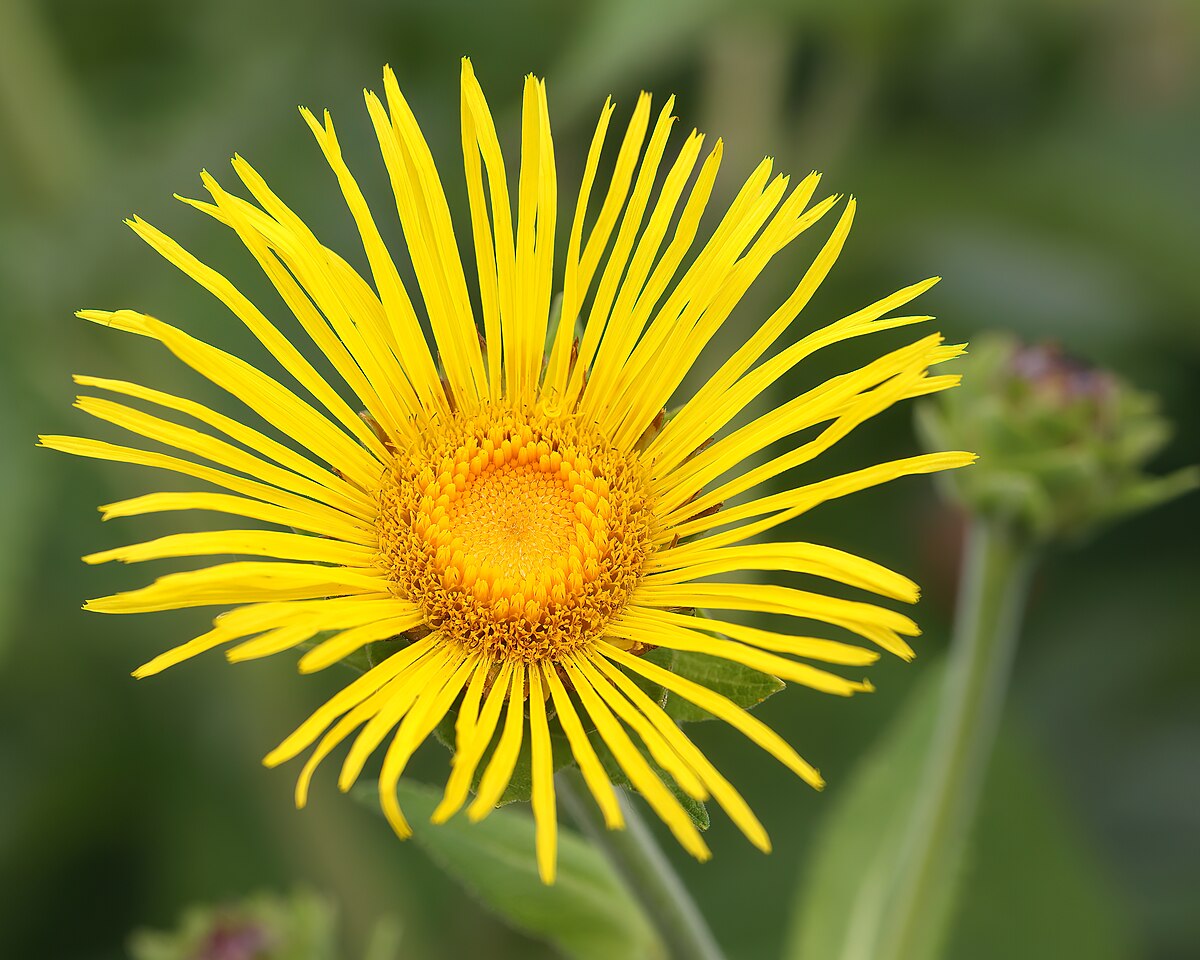
Rasna, scientifically identified as Alpinia galanga, is a perennial herbaceous plant belonging to the Zingiberaceae (Ginger) family. Native to Southeast Asia, it is widely cultivated for its aromatic rhizomes, which are extensively used as a spice and in traditional medicine systems.
Characterized by its tall stems, lance-shaped leaves, and clusters of pale green flowers, the plant’s robust root and rhizome are the primary parts of interest, renowned for their pungent, peppery flavor and distinctive fragrance.
Other Names of Rasna
- Greater Galangal
- Thai Ginger
- Blue Ginger
- Lengkuas
- Galingale
Heading
<h3> Absolute Contraindications of Rasna </h3> <h4>Active systemic infection / Immunocompromised state [You have a serious infection or weak immune system]</h4> <ul> <li>🛑</li> <li>Recommendation: Avoid using Rasna internally until the infection is controlled and discuss with your physician; do not self-treat serious infections with Rasna alone.</li> <li>Reasoning: Certain Rasna extracts suppress T-cell responses, reduce antibody production and decrease phagocytic activity in animal models - effects that can blunt the body’s ability to fight active infections.</li> <li>Scientific_Study_Title: Immunosuppressive properties of Pluchea lanceolata leaves.</li> <li>Scientific_Study_Authors: Bhagwat DP, Kharya MD, Bani S, Kaul A, Kour K, Chauhan PS, Suri KA, Satti NK</li> <li>Scientific_Study_Link: https://pubmed.ncbi.nlm.nih.gov/20606832/</li> <li>Scientific_Study_Excerpt: <p>The study administered 50% ethanolic extract of Pluchea lanceolata to mice and found statistically significant inhibition of both humoral (antibody) and cell-mediated immune responses, measured by hemagglutination antibody titers and delayed-type hypersensitivity. The extract also reduced phagocytosis in vitro and ex vivo and delayed graft rejection time. Flow cytometry of bioactive fractions demonstrated suppression of CD4+/CD8+ T-cell markers and decreased Th1 cytokines (IL-2, IFN-γ). These findings indicate that Rasna can meaningfully suppress key immune functions in experimental systems, which could impair host defence in the setting of active infection.</p> </li> </ul> <h4>Concurrent or recent exposure to strong chemical carcinogens / known cancer risk context [You are being treated for cancer or exposed to strong carcinogenic agents]</h4> <ul> <li>⚠️</li> <li>Recommendation: Avoid internal Rasna where recent exposure to potent chemical carcinogens or ongoing cancer treatment exists; discuss with your oncologist before use.</li> <li>Reasoning: In some experimental models Rasna altered outcomes in multi-stage carcinogenesis protocols - in one model it reduced damage from some agents but increased tumor incidence when combined with a specific carcinogen, indicating unpredictable effects in the presence of strong genotoxic challenges.</li> <li>Scientific_Study_Title: Modulatory effects of Pluchea lanceolata against chemically induced oxidative damage, hyperproliferation and two-stage renal carcinogenesis in Wistar rats.</li> <li>Scientific_Study_Authors: Sultana S, Khan N, et al. (authors as listed in the PubMed entry)</li> <li>Scientific_Study_Link: https://pubmed.ncbi.nlm.nih.gov/16767495/</li> <li>Scientific_Study_Excerpt: <p>In a two-stage renal carcinogenesis model, oral Pluchea lanceolata altered outcomes: while it reduced oxidative stress and several markers following some toxic challenges, it unexpectedly increased the percentage incidence of tumors and early tumor markers when combined with N-diethyl nitrosamine (DEN) in the experimental protocol. The report emphasizes that Rasna influences multiple biochemical pathways (oxidative stress markers, DNA synthesis, enzymes of proliferation), and in the context of certain carcinogens this modulation can correlate with increased tumor markers in animals. This suggests caution where strong genotoxic exposure or active malignancy exists.</p> </li> </ul> <h4>Known allergy to Asteraceae (Compositae) family plants [You react to daisies, ragweed, chamomile, etc.]</h4> <ul> <li>🌼🚫</li> <li>Recommendation: If you have a known contact or pollen allergy to Asteraceae plants, avoid topical or internal Rasna products unless tested by an allergist; patch testing may be prudent before topical use.</li> <li>Reasoning: Rasna belongs to the Asteraceae family and Asteraceae species commonly cause contact dermatitis, airborne dermatitis and cross-reactive allergic responses in sensitized people.</li> <li>Scientific_Study_Title: Asteraceae species as potential environmental factors of allergy.</li> <li>Scientific_Study_Authors: (Authors as listed in the PubMed record)</li> <li>Scientific_Study_Link: https://pubmed.ncbi.nlm.nih.gov/30666578/</li> <li>Scientific_Study_Excerpt: <p>Reviewing the Asteraceae family, the paper documents that many species contain sesquiterpene lactones and other compounds capable of sensitizing skin and provoking allergic reactions (eczema, airborne contact dermatitis, rhinitis, asthma). The authors note cross-reactivity with food and pollen allergens and emphasize that contact allergy to Asteraceae is a recognized clinical problem. Given Pluchea’s family membership, individuals with known Compositae sensitivity are at increased risk of allergic reactions to Rasna preparations.</p> </li> </ul> <h3> Relative Contraindications of Rasna </h3> <h4>Concurrent use with prescription immunosuppressant or immunomodulatory therapy [You are on medicines that lower immunity]</h4> <ul> <li>⚖️</li> <li>Recommendation: Use only under direct medical supervision; avoid self-combining Rasna with immunosuppressive drugs because effects can be additive and unpredictable.</li> <li>Reasoning: Rasna and some of its isolated constituents modify cytokine signalling and immune cell functions in experimental systems; combining with drugs that also suppress immune function can increase infection risk or alter intended therapeutic effects.</li> <li>Scientific_Study_Title: Effect of Pluchea lanceolata bioactives in LPS-induced neuroinflammation in C6 rat glial cells.</li> <li>Scientific_Study_Authors: (Authors as listed in the PubMed record)</li> <li>Scientific_Study_Link: https://pubmed.ncbi.nlm.nih.gov/24101125/</li> <li>Scientific_Study_Excerpt: <p>Isolated bioactives from Pluchea lanceolata (eg taraxasterol) reduced production of pro-inflammatory cytokines (TNF-α, IFN-γ, IL-6) in LPS-stimulated glial cells. The study shows concentration-dependent attenuation of inflammatory signalling and models molecular interactions with TNF-α and NF-κB targets. Although performed in cell models, these findings indicate the plant contains constituents that alter immune signalling and cytokine release - a mechanism that could interact with pharmaceutical immunomodulators.</p> </li> </ul> <h4>Concurrent use with acetylcholinesterase-acting drugs (eg donepezil) or anticholinergic agents [You are taking drugs that affect acetylcholine tone]</h4> <ul> <li>⚠️</li> <li>Recommendation: Consult your prescribing clinician before starting Rasna if you take cholinesterase inhibitors or powerful anticholinergic drugs; monitor for increased side effects or altered efficacy.</li> <li>Reasoning: Volatile fractions from Rasna have shown acetylcholinesterase inhibitory activity in laboratory assays; this could alter the effect of drugs that raise or lower acetylcholine, changing therapeutic effect or side-effect profiles.</li> <li>Scientific_Study_Title: Chemical Characterization and Acetylcholinesterase Inhibition Potential of Volatile Components of Aerial Parts of Pluchea lanceolata (DC.) Oliv. & Hiern.</li> <li>Scientific_Study_Authors: Pooja Srivastava, Jyotshna, Debabrata Chanda, Karuna Shanker</li> <li>Scientific_Study_Link: https://acgpubs.org/article/records-of-natural-products/2015/4-october-december/chemical-characterization-and-acetylcholinesterase-inhibition-potential-of-volatile-components-of-aerial-parts-of-pluchea-lanceolata-dc-oliv-hiern</li> <li>Scientific_Study_Excerpt: <p>Analysis of the essential oil of Pluchea lanceolata identified major components (linalool, β-caryophyllene, α-terpineol, etc.) and demonstrated potent acetylcholinesterase (AChE) inhibitory activity with an IC50 in the low microgram range for the hydrodistillate. The published data indicate that Rasna volatile components can modulate cholinergic enzymatic activity in vitro, a finding that supports caution when combining Rasna with drugs that act via cholinergic pathways.</p> </li> </ul> <h4>Use with live vaccines or planned vaccinations [You are about to receive a vaccine]</h4> <ul> <li>💉</li> <li>Recommendation: Avoid taking Rasna for 2-4 weeks before or after live or strongly immune-dependent vaccines unless supervised by a clinician, because it may reduce vaccine antibody responses.</li> <li>Reasoning: Experimental data show Rasna extracts reduce antibody responses to antigens in animals; this raises a risk of reduced vaccine efficacy if the immune response is blunted.</li> <li>Scientific_Study_Title: Immunosuppressive properties of Pluchea lanceolata leaves.</li> <li>Scientific_Study_Authors: Bhagwat DP, Kharya MD, Bani S, Kaul A, Kour K, Chauhan PS, Suri KA, Satti NK</li> <li>Scientific_Study_Link: https://pubmed.ncbi.nlm.nih.gov/20606832/</li> <li>Scientific_Study_Excerpt: <p>In mice, oral administration of Pluchea lanceolata extract inhibited humoral antibody titers following antigen challenge (sheep red blood cells), showing statistically significant reduction of antibody production. The extract also reduced cell-mediated immune responses. These results imply that Rasna can interfere with the development of protective antibody responses after immunization in experimental models.</p> </li> </ul>
Heading
<h4>Possible cholinergic modulation / interaction effects (altered heart rate, GI motility, sweating) </h4> <ul> <li>🔁</li> <li>Side effect summary: Rasna volatile fractions have shown acetylcholinesterase inhibitory activity in laboratory tests; this suggests Rasna could increase acetylcholine tone and therefore potentially change heart rate, digestion, salivation or sweating in sensitive people or when combined with other cholinergic drugs.</li> <li>Recommendation: If you are taking cholinesterase inhibitors (eg for Alzheimer’s) or have conditions sensitive to cholinergic load, consult your doctor before using Rasna; stop and seek medical help if you note marked bradycardia, severe diarrhea, excessive sweating or muscle weakness.</li> <li>Reasoning: In vitro AChE inhibition indicates a capacity to increase acetylcholine availability; clinically this can translate to cholinergic signs especially when combined with other AChE inhibitors.</li> <li>Severity Level: Moderate</li> <li>Scientific_Study_Available: Yes</li> <li>Scientific_Study_Title: Chemical Characterization and Acetylcholinesterase Inhibition Potential of Volatile Components of Aerial Parts of Pluchea lanceolata (DC.) Oliv. & Hiern</li> <li>Scientific_Study_Authors: Pooja Srivastava, Jyotshna, Debabrata Chanda, Karuna Shanker</li> <li>Scientific_Study_Link: https://acgpubs.org/article/records-of-natural-products/2015/4-october-december/chemical-characterization-and-acetylcholinesterase-inhibition-potential-of-volatile-components-of-aerial-parts-of-pluchea-lanceolata-dc-oliv-hiern</li> <li>Scientific_Study_Excerpt: <p>The hydrodistillate (essential oil) of Pluchea lanceolata was chemically profiled and tested for acetylcholinesterase (AChE) inhibitory activity; the study reported significant AChE inhibition with an IC50 around 2.54 µg/mL. The authors identified major volatile constituents (linalool, β-caryophyllene, α-terpineol) and concluded that the oil’s components contribute to measurable cholinesterase inhibition in vitro, supporting a plausible mechanism for cholinergic modulation when consumed in concentrated form.</p> </li> </ul> <h4>Immune modulation leading to reduced inflammatory response or lowered antibody levels</h4> <ul> <li>🛡️➡️⚠️</li> <li>Side effect summary: Rasna constituents have been shown to reduce pro-inflammatory cytokines in cell models and to suppress antibody responses in animal studies; this may blunt fever or inflammatory signs and lower antibody formation after antigen exposure.</li> <li>Recommendation: If you notice unusually recurrent infections, poor recovery from infections, or if you are scheduled for important immunizations, pause Rasna and consult your clinician. For severe symptoms seek immediate care.</li> <li>Reasoning: Cytokine suppression and reduced humoral responses in experimental studies show Rasna can dampen key immune mechanisms; while useful for overactive inflammation, this can be a drawback where strong immunity is needed.</li> <li>Severity Level: Moderate</li> <li>Scientific_Study_Available: Yes</li> <li>Scientific_Study_Title: Effect of Pluchea lanceolata bioactives in LPS-induced neuroinflammation in C6 rat glial cells.</li> <li>Scientific_Study_Authors: (Authors as listed in PubMed record)</li> <li>Scientific_Study_Link: https://pubmed.ncbi.nlm.nih.gov/24101125/</li> <li>Scientific_Study_Excerpt: <p>In LPS-stimulated glial cells, the isolated pentacyclic triterpene taraxasterol from Pluchea significantly attenuated release of pro-inflammatory cytokines such as TNF-α, IFN-γ and IL-6. These in vitro data demonstrate that bioactives from Rasna can down-regulate inflammatory signalling pathways; while this supports anti-inflammatory uses, it also implies potential to reduce physiological inflammatory responses that contribute to pathogen clearance or immune signalling.</p> </li> </ul>
Heading
<h4>Vaccines / Antigenic immunizations (live or immune-dependent vaccines)</h4> <ul> <li>Interaction_Details: Rasna extracts have reduced antibody development in animal antigen models - taking Rasna around the time of vaccination could lower vaccine-generated antibody responses and reduce vaccine effectiveness.</li> <li>Severity: Moderate</li> <li>Recommendation: Avoid using Rasna for at least 2-4 weeks before and after important vaccinations (especially live vaccines or where a robust antibody response is needed) unless guided by a clinician.</li> <li>Scientific_Study_Available: Yes</li> <li>Scientific_Study_Link: https://pubmed.ncbi.nlm.nih.gov/20606832/</li> <li>Scientific_Study_Title: Immunosuppressive properties of Pluchea lanceolata leaves.</li> <li>Scientfic_Study_Authors: Bhagwat DP, Kharya MD, Bani S, Kaul A, Kour K, Chauhan PS, Suri KA, Satti NK</li> <li>Scientific_Study_Excerpt: <p>The animal study demonstrated that oral Pluchea lanceolata inhibited both humoral and cell-mediated immune responses to sheep red blood cell antigen, with statistically significant reductions in antibody titers and delayed-type hypersensitivity. These findings support that Rasna can attenuate the adaptive immune response to antigenic challenge, and therefore could plausibly reduce the immunogenicity of vaccines if co-administered.</p> </li> </ul> <h4>Cholinesterase-inhibiting drugs (eg donepezil, rivastigmine) or strong anticholinergic agents</h4> <ul> <li>Interaction_Details: Rasna volatile components inhibit acetylcholinesterase in vitro; combined use with cholinesterase inhibitors may increase cholinergic effects (bradycardia, GI hypermotility, sweating) while interaction with anticholinergics could unpredictable alter clinical effect.</li> <li>Severity: Moderate</li> <li>Recommendation: Do not combine Rasna with prescribed AChE inhibitors without clinician oversight; if combined, monitor for enhanced cholinergic side effects or altered cognitive response.</li> <li>Scientific_Study_Available: Yes</li> <li>Scientific_Study_Link: https://acgpubs.org/article/records-of-natural-products/2015/4-october-december/chemical-characterization-and-acetylcholinesterase-inhibition-potential-of-volatile-components-of-aerial-parts-of-pluchea-lanceolata-dc-oliv-hiern</li> <li>Scientific_Study_Title: Chemical Characterization and Acetylcholinesterase Inhibition Potential of Volatile Components of Aerial Parts of Pluchea lanceolata (DC.) Oliv. & Hiern</li> <li>Scientfic_Study_Authors: Pooja Srivastava, Jyotshna, Debabrata Chanda, Karuna Shanker</li> <li>Scientific_Study_Excerpt: <p>GC-MS profiling identified major volatile constituents of Rasna and the hydrodistillate displayed significant acetylcholinesterase inhibitory activity with a low microgram IC50. The authors conclude the essential oil has measurable potential to alter cholinergic enzyme activity, supporting a plausible interaction with drugs that modulate the cholinergic system.</p> </li> </ul> <h4>Concomitant immunosuppressants or strong anti-inflammatory immunomodulators</h4> <ul> <li>Interaction_Details: Because Rasna components reduce key inflammatory cytokines and immune cell activity in experimental models, combining with prescription immunosuppressants could produce additive immune suppression.</li> <li>Severity: Moderate</li> <li>Recommendation: Use only under specialist supervision; avoid unsupervised combination with immunosuppressant therapy to prevent excessive immunosuppression and infection risk.</li> <li>Scientific_Study_Available: Yes</li> <li>Scientific_Study_Link: https://pubmed.ncbi.nlm.nih.gov/24101125/</li> <li>Scientific_Study_Title: Effect of Pluchea lanceolata bioactives in LPS-induced neuroinflammation in C6 rat glial cells.</li> <li>Scientfic_Study_Authors: (Authors as listed in PubMed record)</li> <li>Scientific_Study_Excerpt: <p>In cultured glial cells, bioactives from Pluchea attenuated LPS-stimulated release of TNF-α, IFN-γ and IL-6. The work shows direct suppression of pro-inflammatory signalling molecules, meaning Rasna could magnify the immune-suppressing effects of pharmaceutical immunomodulators if used together, raising concerns about additive suppression in clinical contexts where immune competence is essential.</p> </li> </ul>