What is Rajma?
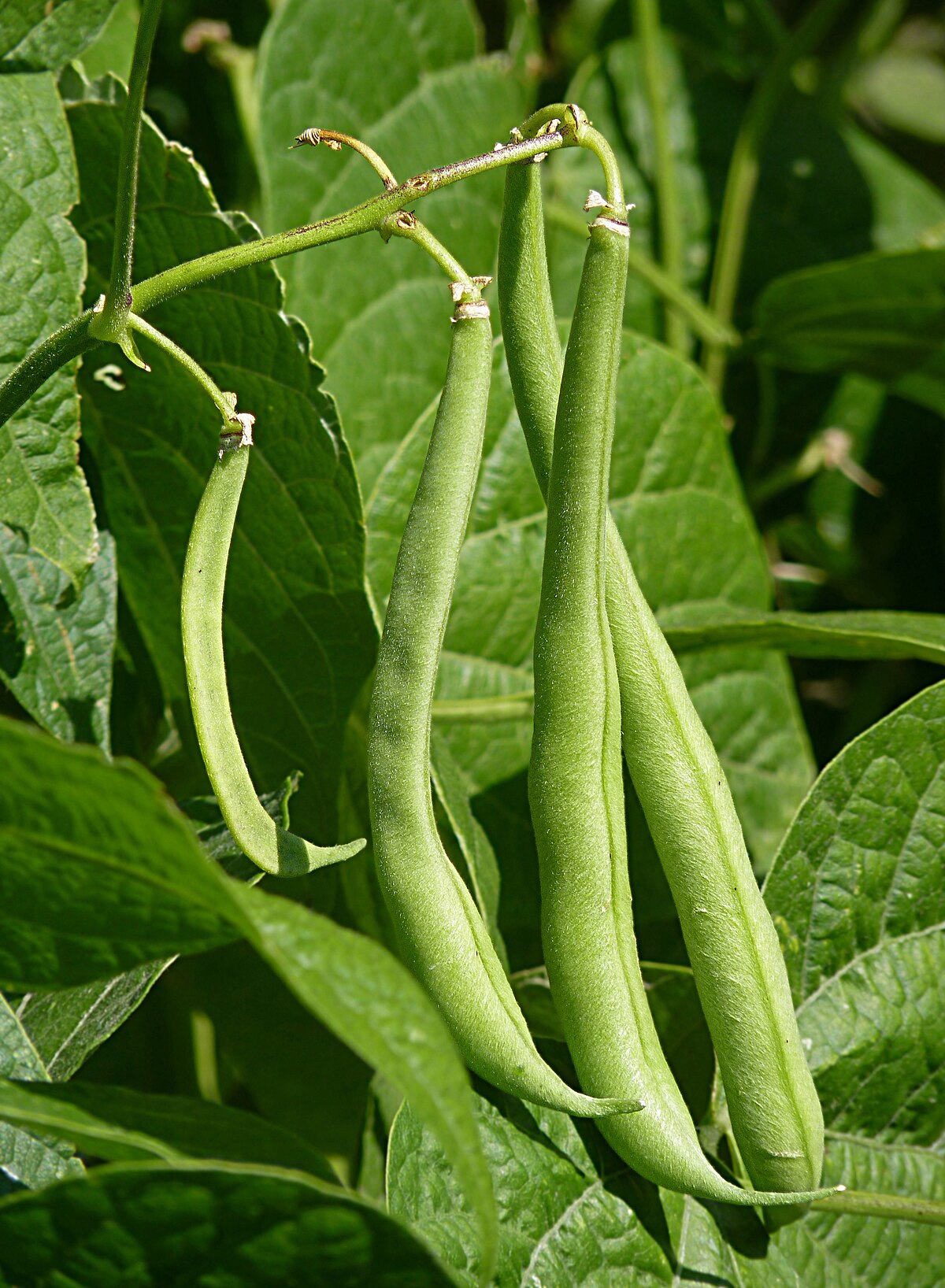
Rajma, also known as the kidney bean (Phaseolus vulgaris), is a widely cultivated legume belonging to the Fabaceae family. Originating from the Americas, these beans are characterized by their distinctive kidney shape and deep red color, which they retain even after cooking. They are a staple food in many cuisines worldwide, particularly known for their use in the popular Indian dish "Rajma Chawal".
Beyond their culinary appeal, kidney beans are a significant source of plant-based protein, dietary fiber, and various essential minerals like iron, potassium, and magnesium. Their robust texture and ability to absorb flavors make them a versatile ingredient in stews, salads, and vegetarian dishes.
Other Names of Rajma
Heading
<h3> Absolute Contraindications of Rajma </h3> <h4> Eating raw or undercooked rajma (risk of acute lectin poisoning) [You have eaten raw/undercooked beans]</h4> <ul> <li> 🍲</li> <li> Recommendation: Do not eat raw, sprouted or undercooked rajma; always soak and boil thoroughly (use fresh cooking water) - if you suspect poisoning (sudden vomiting within hours), seek medical help. </li> <li> Reasoning: Red kidney beans contain phytohaemagglutinin (a lectin) that remains active unless sufficiently boiled; ingestion of undercooked beans can cause rapid, intense gastrointestinal illness. Proper soaking and vigorous boiling destroy the toxin.</li> <li> Scientific_Study_Title: From Foodborne Disease Outbreak (FBDO) to Investigation: The Plant Toxin Trap, Brittany, France, 2018.</li> <li> Scientific_Study_Authors: J. F. et al. (Centre for Epidemiology and Public Health of the French Armed Forces) </li> <li> Scientific_Study_Link: https://pubmed.ncbi.nlm.nih.gov/37505726/</li> <li> Scientific_Study_Excerpt: <p>Investigators linked a large outbreak of acute gastroenteritis to chili con carne that contained undercooked red kidney beans with very high haemagglutination activity. Symptoms appeared rapidly (median ≈3.3 hours) and were consistent with a toxin-like process. Laboratory testing showed phytohaemagglutinin levels above potentially toxic doses in the food; the implicated raw kidney beans had haemagglutination activity far exceeding safe levels. The study highlights that undercooked red kidney beans can retain active lectin and cause widespread, acute vomiting and diarrhoea in those who eat them.</p> </li> </ul> <h4> Known severe allergy to beans/legumes [You develop hives, breathing problems after beans]</h4> <ul> <li> ⚠️</li> <li> Recommendation: Avoid rajma completely and carry appropriate emergency medication (e.g., epinephrine if prescribed) if you have a confirmed severe legume allergy. </li> <li> Reasoning: Some people develop IgE-mediated allergy to bean proteins (including lectins); exposure can trigger systemic allergic reactions including urticaria, respiratory compromise, or anaphylaxis.</li> <li> Scientific_Study_Title: Phytohemagglutinins augment red kidney bean (Phaseolus vulgaris L.) induced allergic manifestations.</li> <li> Scientific_Study_Authors: Pita-López W, Gomez-Garay M, Blanco-Labra A, et al.</li> <li> Scientific_Study_Link: https://pubmed.ncbi.nlm.nih.gov/23454658/</li> <li> Scientific_Study_Excerpt: <p>Experimental work demonstrated that phytohemagglutinins (bean lectins) contribute substantially to red kidney bean-induced allergic responses in animal models, enhancing IgE/IgG1 production, histamine release, and inflammatory changes in gut and lung tissues. The study identified lectin components that bind IgE and can trigger both IgE-mediated and non-IgE pathways, supporting the concept that bean proteins (including lectins) can be clinically allergenic in susceptible individuals.</p> </li> </ul> <h4> Active severe small-intestinal disease with malabsorption (severe enteropathy) [You have ongoing severe malabsorption or recent severe intestinal injury]</h4> <ul> <li> 🚫</li> <li> Recommendation: Avoid rajma until intestinal mucosa has healed and a clinician confirms it is safe; reintroduce only under medical supervision and with careful cooking. </li> <li> Reasoning: Experimental evidence shows that bean lectins can damage small-intestinal microvilli and impair absorption; in people with already damaged mucosa this could worsen malabsorption and nutrition.</li> <li> Scientific_Study_Title: Phytohemagglutinin derived from red kidney bean (Phaseolus vulgaris): a cause for intestinal malabsorption associated with bacterial overgrowth in the rat.</li> <li> Scientific_Study_Authors: Shewry PR, et al. (Doklady-style/old rat study referenced as early evidence).</li> <li> Scientific_Study_Link: https://pubmed.ncbi.nlm.nih.gov/6822324/</li> <li> Scientific_Study_Excerpt: <p>In weanling rats, feeding purified phytohemagglutinin or diets containing raw red kidney bean resulted in weight loss and malabsorption of lipid, nitrogen and vitamin B12, relative to controls. Microscopic lesions of the small intestinal mucosa (abnormal microvilli) were seen, and intestinal bacterial overgrowth accompanied the functional impairment. These changes were reversible when lectin exposure was stopped, but they support the view that active intestinal injury plus lectin exposure can worsen absorption problems.</p> </li> </ul> <h3> Relative Contraindications of Rajma </h3> <h4> Taking insulin or oral glucose-lowering drugs (e.g., sulfonylureas, meglitinides) [You are on medicine to lower blood sugar]</h4> <ul> <li> 💉</li> <li> Recommendation: Discuss with your provider - monitor blood glucose closely when adding rajma or concentrated white-bean extracts, and adjust medication only under medical advice. </li> <li> Reasoning: Rajma and Phaseolus extracts slow starch digestion and lower post-meal glucose; when combined with glucose-lowering drugs this could increase the risk of hypoglycaemia unless doses are monitored and adjusted.</li> <li> Scientific_Study_Title: Reduction of postprandial plasma glucose by Bengal gram dal (Cicer arietinum) and rajmah (Phaseolus vulgaris).</li> <li> Scientific_Study_Authors: Mani UV, Pradhan SN, Mehta NC, Thakur DM, Iyer U, Mani I.</li> <li> Scientific_Study_Link: https://pubmed.ncbi.nlm.nih.gov/7304486/</li> <li> Scientific_Study_Excerpt: <p>In a small human study, replacing a carbohydrate load with rajmah (red kidney beans) significantly reduced the peak rise in postprandial plasma glucose compared with dextrose and with typical cereal sources. The mean peak rise in plasma glucose was decreased substantially when rajmah provided the carbohydrate, indicating that regular consumption or concentrated extracts can meaningfully alter post-meal glucose responses - an effect that could interact with glucose-lowering medications.</p> </li> </ul> <h4> Iron deficiency or taking oral iron supplements [You have low iron / are being treated for anemia]</h4> <ul> <li> 🩸</li> <li> Recommendation: Continue iron therapy as prescribed; separate iron supplement timing from large bean meals (take iron between meals or as recommended) and use cooking methods and food combinations that increase iron absorption (e.g., add vitamin C). </li> <li> Reasoning: Beans contain phytates and polyphenols that can bind non-heme iron and reduce its absorption; depending on bean variety and preparation, iron bioavailability from bean-rich meals can be low and may affect recovery from iron deficiency if not managed.</li> <li> Scientific_Study_Title: Genetic reduction of phytate in common bean (Phaseolus vulgaris L.) seeds increases iron absorption in young women.</li> <li> Scientific_Study_Authors: Capuano S, et al. (authors of the human isotope study).</li> <li> Scientific_Study_Link: https://pubmed.ncbi.nlm.nih.gov/23784069/</li> <li> Scientific_Study_Excerpt: <p>Human isotope-based trials showed that beans genetically low in phytic acid (phytate) provided substantially greater iron absorption in young women compared with high-phytate parent varieties. The work highlights that regular common beans often contain high phytate levels that limit iron uptake; reducing phytate or altering meal composition (adding vitamin C, reducing inhibitors) improves iron bioavailability, supporting the need for dietary strategies when iron deficiency exists.</p> </li> </ul> <h4> Sensitive gut / tendency to bloating and gas (IBS or first-time large bean increase) [You get excessive gas or discomfort from beans]</h4> <ul> <li> 💨</li> <li> Recommendation: Introduce rajma gradually, use soaking/discarding soak water, add carminative spices (cumin, hing), or try fermented/processed forms; if symptoms are severe, avoid or consult a clinician/dietitian. </li> <li> Reasoning: Raffinose family oligosaccharides in beans are fermented by colonic bacteria producing gas; many people tolerate beans better with slow titration and proper preparation, but those with IBS may experience noticeable symptoms.</li> <li> Scientific_Study_Title: Comparative flatulence activity of beans and bean fractions for man and the rat.</li> <li> Scientific_Study_Authors: Englyst HN, et al.</li> <li> Scientific_Study_Link: https://pubmed.ncbi.nlm.nih.gov/845703/</li> <li> Scientific_Study_Excerpt: <p>Early human and animal experiments demonstrated that specific oligosaccharide fractions from beans (raffinose family oligosaccharides) are the primary contributors to increased intestinal gas production after bean ingestion. Subjects fed bean preparations produced greater breath hydrogen and gas volumes; however, preparation methods and fraction removal can reduce this effect. The study provides evidence that oligosaccharides are responsible for bean-related flatulence and that processing can modify symptoms.</p> </li> </ul>
Heading
<h4> Severe vomiting and diarrhoea after eating undercooked rajma</h4> <ul> <li> 🤢</li> <li> Side effect summary: Rapid onset nausea, severe vomiting and diarrhoea within a few hours after eating undercooked red kidney beans. </li> <li> Recommendation: Seek urgent care if severe dehydration or persistent vomiting occurs; for prevention, soak and boil beans properly. </li> <li> Reasoning: Phytohaemagglutinin (lectin) in undercooked beans acts as a gut irritant/toxin causing abrupt GI symptoms. </li> <li> Severity Level: Severe</li> <li> Scientific_Study_Available: Yes</li> <li> Scientific_Study_Title: From Foodborne Disease Outbreak (FBDO) to Investigation: The Plant Toxin Trap, Brittany, France, 2018.</li> <li> Scientific_Study_Authors: J. F. et al.</li> <li> Scientific_Study_Link: https://pubmed.ncbi.nlm.nih.gov/37505726/</li> <li> Scientific_Study_Excerpt: <p>The outbreak investigation documented dozens of cases linked to a meal containing undercooked red kidney beans; haemagglutination testing confirmed high lectin levels in the food. Symptoms started quickly (median ~3.3 hours), with vomiting and diarrhoea predominating. The implicated beans were undercooked so phytohaemagglutinin remained active. The report stresses that insufficient cooking of red kidney beans can produce acute, toxin-like foodborne illness.</p> </li> </ul> <h4> Increased gas, bloating, flatulence</h4> <ul> <li> 💨</li> <li> Side effect summary: Many people experience increased intestinal gas and bloating after eating rajma, especially when intake is sudden or preparation is suboptimal. </li> <li> Recommendation: Start with small portions, soak and discard soaking water, use pressure cooking or fermentation, and pair with carminatives; consult a dietitian if symptoms persist or are severe. </li> <li> Reasoning: Oligosaccharides (raffinose family) in beans are poorly digested in the small intestine and fermented by colonic bacteria producing gas. </li> <li> Severity Level: Mild</li> <li> Scientific_Study_Available: Yes</li> <li> Scientific_Study_Title: Comparative flatulence activity of beans and bean fractions for man and the rat.</li> <li> Scientific_Study_Authors: Englyst HN, et al.</li> <li> Scientific_Study_Link: https://pubmed.ncbi.nlm.nih.gov/845703/</li> <li> Scientific_Study_Excerpt: <p>Human trials measuring breath hydrogen and gas after consumption of bean products identified the oligosaccharide fraction as the major contributor to post-prandial gas production. While not harmful, these fermentable sugars commonly increase flatulence; processing (soaking, boiling, enzymatic/fermentation treatments) reduces their content and the associated symptoms.</p> </li> </ul> <h4> Allergic reactions (rash, breathing difficulty)</h4> <ul> <li> ⚠️</li> <li> Side effect summary: Some individuals develop allergic responses to bean proteins, ranging from mild hives to severe anaphylaxis in rare cases. </li> <li> Recommendation: Avoid rajma if you have a confirmed allergy; seek immediate emergency care for signs of anaphylaxis. </li> <li> Reasoning: Bean proteins (including lectins) can act as allergens and sensitize susceptible people, provoking IgE and non-IgE immune responses. </li> <li> Severity Level: Moderate</li> <li> Scientific_Study_Available: Yes</li> <li> Scientific_Study_Title: A case of white bean allergy.</li> <li> Scientific_Study_Authors: Authors of the case report (PMID 38094097).</li> <li> Scientific_Study_Link: https://pubmed.ncbi.nlm.nih.gov/38094097/</li> <li> Scientific_Study_Excerpt: <p>A reported pediatric case documented an immediate allergic reaction to boiled white beans with positive skin testing and specific IgE; clinical symptoms included urticaria and respiratory signs during oral challenge. The study isolated several bean proteins (including phytohemagglutinin) as allergens, underlining that even cooked beans can trigger true allergic responses in sensitized individuals.</p> </li> </ul> <h4> Reduced iron absorption (may worsen iron deficiency if diet not managed)</h4> <ul> <li> 🩺</li> <li> Side effect summary: High phytate and polyphenol content in some rajma varieties can reduce the fraction of iron absorbed from a meal. </li> <li> Recommendation: If you have iron deficiency, follow medical advice: separate iron supplements from big bean meals, include vitamin C with meals, and prefer cooking/preparation methods that improve iron bioavailability. </li> <li> Reasoning: Phytates form insoluble complexes with non-heme iron, lowering its intestinal uptake; reducing phytate or improving meal composition raises iron absorption. </li> <li> Severity Level: Mild</li> <li> Scientific_Study_Available: Yes</li> <li> Scientific_Study_Title: Genetic reduction of phytate in common bean (Phaseolus vulgaris L.) seeds increases iron absorption in young women.</li> <li> Scientific_Study_Authors: G. H. et al. (authors of the human isotope study)</li> <li> Scientific_Study_Link: https://pubmed.ncbi.nlm.nih.gov/23784069/</li> <li> Scientific_Study_Excerpt: <p>Human isotope tracer trials showed that beans engineered to have much lower phytate content yielded substantially higher iron absorption in young women compared with parent high-phytate lines, demonstrating that typical bean phytate contributes to low iron bioavailability - an important practical consideration for those relying on beans as a major iron source or being treated for iron deficiency.</p> </li> </ul>
Heading
<h4> Insulin and oral hypoglycemic agents (e.g., sulfonylureas, meglitinides)</h4> <ul> <li> Interaction_Details: Rajma or concentrated Phaseolus extracts slow carbohydrate digestion and lower post-meal glucose peaks; when combined with glucose-lowering medications, this can increase the risk of hypoglycemia unless medication and glucose are monitored and adjusted. </li> <li> Severity: Moderate</li> <li> Recommendation: Monitor blood glucose closely when adding rajma or white-bean extract to the diet; consult your prescribing clinician before changing drug doses. </li> <li> Scientific_Study_Available: Yes</li> <li> Scientific_Study_Link: https://pubmed.ncbi.nlm.nih.gov/19860922/</li> <li> Scientific_Study_Title: Lowering the glycemic index of white bread using a white bean extract.</li> <li> Scientfic_Study_Authors: Carbohydrate-/nutrition researchers (study of Phase 2 white bean extract in humans).</li> <li> Scientific_Study_Excerpt: <p>Clinical testing of a standardized white kidney bean extract (an α-amylase inhibitor) demonstrated reduced glycemic response when added to a high-GI food in human volunteers. By inhibiting α-amylase, the extract delays starch breakdown and lowers postprandial glucose rise - the exact mechanism by which rajma and concentrated extracts could potentiate the glucose-lowering effects of diabetic medications, necessitating monitoring and possible dose adjustments.</p> </li> </ul> <h4> Oral iron supplements (ferrous sulfate, ferrous gluconate)</h4> <ul> <li> Interaction_Details: Meals high in rajma (phytates/polyphenols) can reduce the absorption of non-heme iron from supplements or food, potentially reducing the effectiveness of oral iron therapy if taken together. </li> <li> Severity: Mild</li> <li> Recommendation: Take iron supplements apart from large bean meals (e.g., between meals) and pair iron with vitamin C to improve absorption; discuss timing with your clinician. </li> <li> Scientific_Study_Available: Yes</li> <li> Scientific_Study_Link: https://pubmed.ncbi.nlm.nih.gov/23784069/</li> <li> Scientific_Study_Title: Genetic reduction of phytate in common bean (Phaseolus vulgaris L.) seeds increases iron absorption in young women.</li> <li> Scientfic_Study_Authors: G. H. et al.</li> <li> Scientific_Study_Excerpt: <p>Human isotope studies showed that reducing phytate in beans markedly increased iron absorption in women, indicating that phytate in common beans is a major inhibitor of iron uptake. This provides direct evidence that bean meals can lower iron bioavailability and that timing or meal composition matters when iron supplementation is used to treat deficiency.</p> </li> </ul> <h4> Oral drugs dependent on intact small-intestinal absorption (theoretical interaction) - (e.g., certain antibiotics, oral contraceptives, prodrugs)</h4> <ul> <li> Interaction_Details: Severe lectin exposure (from undercooked beans) can damage small-intestinal mucosa and alter absorptive surface and gut transit; in theory this could reduce or unpredictably change absorption of orally administered drugs that require healthy mucosa. </li> <li> Severity: Mild</li> <li> Recommendation: This is chiefly relevant for cases of lectin-induced intestinal injury (which is uncommon with properly cooked beans). If you experienced significant GI injury from undercooked beans, consult a clinician about drug dosing until gut function normalizes. </li> <li> Scientific_Study_Available: Yes (animal evidence)</li> <li> Scientific_Study_Link: https://pubmed.ncbi.nlm.nih.gov/6822324/</li> <li> Scientific_Study_Title: Phytohemagglutinin derived from red kidney bean (Phaseolus vulgaris): a cause for intestinal malabsorption associated with bacterial overgrowth in the rat.</li> <li> Scientfic_Study_Authors: Early experimental toxicology researchers (as cited in PubMed).</li> <li> Scientific_Study_Excerpt: <p>In experimental animals, ingestion of red kidney bean lectins produced structural alterations of small-intestinal microvilli and impaired nutrient absorption, accompanied by bacterial overgrowth. Although these findings are from controlled animal models and lectin toxicity in humans is uncommon with proper cooking, the results indicate that severe lectin exposure can compromise intestinal absorptive capacity - a mechanism that could in theory alter oral drug bioavailability until mucosal recovery.</p> </li> </ul>