Peepal

Ficus religiosa
Peepal (Ficus religiosa) is a sacred tree in Ayurveda, widely prevalent across the Indian subcontinent. Its bark, fruit, and leaves are traditionally used for their claimed effects on balancing Vata, Pitta, and Kapha doshas. It is supposedly beneficial for various health aspects, revered for its longevity and cultural significance.
PLANT FAMILY
Moraceae (Mulberry)
PARTS USED
Bark, Fruit, Leaves
AYURVEDIC ACTION
Vata ↓, Pitta ↓, Kapha ↓
ACTIVE COMPOUNDS
Tannins (5-10%)

What is Peepal?

Peepal, scientifically known as Ficus religiosa, is a large, deciduous tree belonging to the Moraceae family. Native to the Indian subcontinent, it is characterized by its distinctive heart-shaped leaves with a long, slender drip tip, and its ability to grow to immense sizes, often forming extensive aerial roots. This species holds significant cultural and religious importance across various traditions.

Beyond its revered status, the Peepal tree thrives in a variety of climates and is known for its longevity, often living for hundreds of years. Its bark, fruit, and leaves have been historically utilized in traditional practices.

\Other Names of Peepal\\\Bodh Tree\\Sacred Fig\\Bo-Tree\\Ashwattha\\Pippal\\
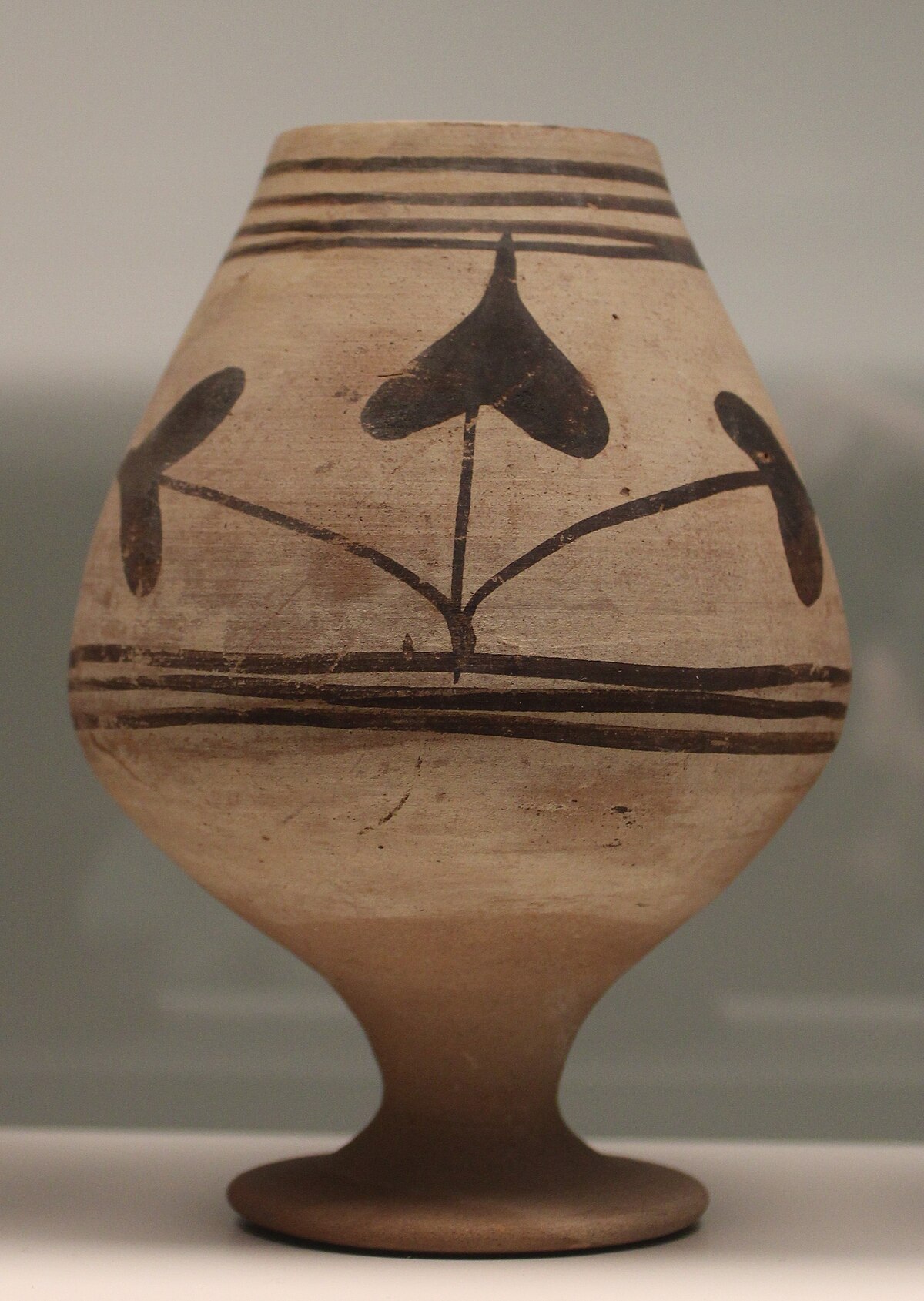
Gobelet feuilles pipal Mundigak Guimet 1

Benefits of Peepal

Heading

<h3> Absolute Contraindications of Peepal (Ficus religiosa) </h3> <h4>1. Known allergy to Ficus species or natural rubber latex (people with fig/latex allergy)</h4> <ul> <li> 🛑</li> <li> Recommendation: Do not use Peepal (topically or internally) if you have a diagnosed allergy to figs, Ficus plants, or rubber latex - avoid exposure and seek alternatives.</li> <li> Reasoning: Cross-reactive IgE antibodies to Ficus spp. and natural rubber latex have been documented; exposure can provoke immediate allergic reactions including rhinitis, bronchospasm, oral allergy syndrome and, rarely, anaphylaxis.</li> <li> Scientific_Study_Title: Cross-reactivity between Ficus benjamina (weeping fig) and natural rubber latex</li> <li> Scientific_Study_Authors: Valovirta R, Pelkonen AS, Turpeinen H, Reunala T</li> <li> Scientific_Study_Link: https://pubmed.ncbi.nlm.nih.gov/9574883/</li> <li> Scientific_Study_Excerpt: <p>Paraphrase of relevant content: The study evaluated sensitization to Ficus benjamina and demonstrated that patients with IgE-mediated allergy often show cross-reactive antibodies between Ficus species and natural rubber latex. Skin prick testing and RAST inhibition established that sera from latex-allergic individuals frequently recognized Ficus allergens. The authors conclude that Ficus species can act as relevant airborne/contact allergens and that co-sensitization with latex is common in atopic patients, implying a real risk of allergic reactions on exposure to Ficus plant materials.</p> <p>Clinical implication: Individuals with known latex or fig allergy are at risk of immediate hypersensitivity upon exposure to Ficus extracts or sap and should avoid Peepal products.</p> </li> </ul> <h4>2. Concurrent use of anticoagulant or antiplatelet medications (eg, warfarin, aspirin, clopidogrel)</h4> <ul> <li> 💉</li> <li> Recommendation: Avoid using Peepal extracts or concentrated products if you are taking prescription anticoagulants or antiplatelet drugs unless supervised by a clinician and INR/bleeding parameters are closely monitored.</li> <li> Reasoning: Laboratory and ex vivo studies report platelet-inhibitory and thrombolytic activity from Ficus religiosa fractions; co-use could increase bleeding risk or potentiate effects of blood-thinning medications.</li> <li> Scientific_Study_Title: Ex Vivo Antiplatelet and Thrombolytic Activity of Bioactive Fractions from the New-Fangled Stem Buds of Ficus religiosa L. with Simultaneous GC-MS Examination</li> <li> Scientific_Study_Authors: Rahman S, et al.</li> <li> Scientific_Study_Link: https://pubmed.ncbi.nlm.nih.gov/37175328/</li> <li> Scientific_Study_Excerpt: <p>Paraphrase of relevant content: Fractions of Ficus religiosa stem buds produced pronounced antiplatelet activity in ex vivo assays, with one methanol fraction showing antiplatelet inhibition approaching standard aspirin at tested concentrations and also demonstrating clot-delay effects. GC-MS identified salicylate-like and aromatic compounds as likely contributors. Authors reported significant antithrombotic/thrombolytic potential in laboratory settings, and the study highlights the potential haemostatic effects of concentrated extracts.</p> <p>Clinical implication: Such biochemical platelet inhibition suggests practical bleeding-risk interactions when combined with medical anticoagulants or antiplatelet therapy, warranting avoidance or careful medical supervision.</p> </li> </ul> <h4>3. History of severe respiratory allergy or proven anaphylaxis triggered by figs/Ficus (including asthma provoked by Ficus exposure)</h4> <ul> <li> 🚑</li> <li> Recommendation: People with prior bronchospasm, angioedema or anaphylaxis from fig/Ficus exposure should not use Peepal products and should avoid inhalation or topical exposure.</li> <li> Reasoning: Case reports document Ficus species causing bronchial asthma and anaphylactic reactions on exposure to airborne sap/allergens or ingestion of figs; such patients remain at risk with further exposures.</li> <li> Scientific_Study_Title: Asthma caused by Ficus benjamina latex: evidence of cross-reactivity with fig fruit and papain</li> <li> Scientific_Study_Authors: Asero R, et al.</li> <li> Scientific_Study_Link: https://pubmed.ncbi.nlm.nih.gov/9475562/</li> <li> Scientific_Study_Excerpt: <p>Paraphrase of relevant content: The paper reports a patient with perennial asthma caused by Ficus benjamina latex; clinical and immunologic testing showed immediate-type hypersensitivity and bronchial provocation produced a dual asthmatic reaction. Cross-reactivity between Ficus latex and fig/papain allergens was demonstrated, and systemic allergic reactions including oropharyngeal angioedema after ingestion of figs were documented. The authors emphasize that Ficus exposure can elicit severe respiratory and systemic allergic responses in sensitized patients.</p> <p>Clinical implication: Prior severe respiratory allergic reactions to Ficus imply significant risk on re-exposure - Peepal use is contraindicated for these individuals.</p> </li> </ul> <h3> Relative Contraindications of Peepal (Ficus religiosa) </h3> <h4>1. Concurrent use with CNS depressants, sedatives or barbiturates</h4> <ul> <li> 😴</li> <li> Recommendation: Use cautiously and consult your clinician before combining Peepal preparations with sedatives, benzodiazepines, barbiturates or other CNS-depressant medications; dose adjustments or monitoring may be needed.</li> <li> Reasoning: Animal studies show Peepal extracts can potentiate barbiturate-induced sleep and exert anticonvulsant CNS effects through serotonergic mechanisms, indicating potential for additive sedation or altered seizure-medication effects.</li> <li> Scientific_Study_Title: Anticonvulsant effect of Ficus religiosa: role of serotonergic pathways</li> <li> Scientific_Study_Authors: Rafe M, et al. (publication details as listed on PubMed)</li> <li> Scientific_Study_Link: https://pubmed.ncbi.nlm.nih.gov/19429380/</li> <li> Scientific_Study_Excerpt: <p>Paraphrase of relevant content: Methanolic extracts of Ficus religiosa reduced seizures in certain experimental models and potentiated pentobarbitone-induced sleep in animals, without showing neurotoxic effects. Inhibition of anticonvulsant activity by cyproheptadine implicated serotonergic pathway involvement. These pharmacodynamic properties signal potential interaction with other CNS-active medications, including additive sedation or altered seizure control when co-administered.</p> </li> </ul> <h4>2. Thyroid disorder patients or those on thyroid medication</h4> <ul> <li> 🦋</li> <li> Recommendation: Use cautiously and under medical supervision if you have thyroid disease or take levothyroxine/antithyroid drugs - monitor thyroid function if Peepal is used regularly.</li> <li> Reasoning: Animal data indicate Peepal leaf extracts may stimulate thyroid activity and alter thyroid-related parameters in hypothyroid models, suggesting potential to change thyroid hormone dynamics in humans.</li> <li> Scientific_Study_Title: Phytochemical profiling of polyphenols and thyroid stimulatory activity of Ficus religiosa leaf extract in 6-propyl-thiouracil-induced hypothyroid rats</li> <li> Scientific_Study_Authors: (as listed on PubMed; see article)</li> <li> Scientific_Study_Link: https://pubmed.ncbi.nlm.nih.gov/37062529/</li> <li> Scientific_Study_Excerpt: <p>Paraphrase of relevant content: In a rat model of induced hypothyroidism, Ficus religiosa leaf extract improved thyroid-related parameters and showed compounds predicted to interact with thyroid regulatory proteins on molecular docking. The results suggest Peepal contains constituents capable of modulating thyroid function; while these findings are preclinical, they support caution for patients with existing thyroid disease or those taking thyroid medications.</p> </li> </ul> <h4>3. Pre-operative patients or those with bleeding disorders (including those planning invasive procedures)</h4> <ul> <li> ⚠️</li> <li> Recommendation: Stop concentrated Peepal supplements in advance of surgery or invasive procedures (timing to be decided by your surgeon/anesthesiologist) and consult about bleeding risks if you have coagulopathy.</li> <li> Reasoning: Documented antiplatelet and clot-delay effects from Peepal fractions suggest increased bleeding tendency during surgery or in bleeding disorders; caution is prudent even if clinical human bleeding reports are limited.</li> <li> Scientific_Study_Title: Ex Vivo Antiplatelet and Thrombolytic Activity of Bioactive Fractions from the New-Fangled Stem Buds of Ficus religiosa L. with Simultaneous GC-MS Examination</li> <li> Scientific_Study_Authors: Rahman S, et al.</li> <li> Scientific_Study_Link: https://pubmed.ncbi.nlm.nih.gov/37175328/</li> <li> Scientific_Study_Excerpt: <p>Paraphrase of relevant content: The methanol fraction of Ficus religiosa showed strong antiplatelet activity and delayed clot formation in ex vivo models; GC-MS analysis suggested salicylate-type compounds as contributors. Although this study is laboratory-based, the haemostatic effects support caution prior to procedures or in coagulopathy.</p> </li> </ul>

Heading

<h4>Allergic reactions (hives, oral allergy, bronchospasm, anaphylaxis)</h4> <ul> <li> 🤧 / 🚨</li> <li> Side effect summary: People sensitized to Ficus or latex may develop local or systemic allergic reactions after contact, ingestion or inhalation - symptoms range from mouth itching and hives to breathing difficulty and, rarely, anaphylaxis.</li> <li> Recommendation: Stop exposure immediately if allergic symptoms appear; seek emergency care for breathing issues or facial/tongue swelling. Avoid Peepal if you have known fig/latex allergy.</li> <li> Reasoning: Multiple case reports and sensitization studies show cross-reactivity and IgE-mediated responses to Ficus species, producing respiratory and systemic allergic manifestations.</li> <li> Severity Level: Severe</li> <li> Scientific_Study_Available: Yes</li> <li> Scientific_Study_Title: Asthma caused by Ficus benjamina latex: evidence of cross-reactivity with fig fruit and papain</li> <li> Scientific_Study_Authors: Asero R, et al.</li> <li> Scientific_Study_Link: https://pubmed.ncbi.nlm.nih.gov/9475562/</li> <li> Scientific_Study_Excerpt: <p>Paraphrase of relevant content: A clinical study described a patient whose bronchial asthma and episodes of angioedema were triggered by Ficus benjamina latex, with evidence of cross-reactivity to fig fruit and protease allergens; bronchial provocation produced a marked asthmatic response. The case underscores the potential for severe IgE-mediated reactions in sensitized individuals.</p> </li> </ul> <h4>Increased bleeding tendency / bleeding events (when used with blood-thinning agents)</h4> <ul> <li> 🩸</li> <li> Side effect summary: Concentrated Peepal extracts show platelet inhibition in laboratory assays; combined use with anticoagulants/antiplatelets could raise bleeding risk (eg, easy bruising, prolonged bleeding).</li> <li> Recommendation: If taking anticoagulants/antiplatelets, avoid Peepal or discuss with your physician and monitor coagulation tests as advised.</li> <li> Reasoning: Ex vivo antiplatelet and thrombolytic activity has been demonstrated for Ficus religiosa fractions, giving a plausible mechanism for increased bleeding when combined with medications that reduce clotting.</li> <li> Severity Level: Moderate</li> <li> Scientific_Study_Available: Yes</li> <li> Scientific_Study_Title: Ex Vivo Antiplatelet and Thrombolytic Activity of Bioactive Fractions from the New-Fangled Stem Buds of Ficus religiosa L. with Simultaneous GC-MS Examination</li> <li> Scientific_Study_Authors: Rahman S, et al.</li> <li> Scientific_Study_Link: https://pubmed.ncbi.nlm.nih.gov/37175328/</li> <li> Scientific_Study_Excerpt: <p>Paraphrase of relevant content: The methanol fraction of Ficus religiosa inhibited platelet aggregation substantially in ex vivo experiments and delayed clot formation; GC-MS indicated candidate compounds that could explain platelet inhibition. Authors noted the potential for therapeutic antithrombotic effects but also the implication for bleeding risk when combined with other agents.</p> </li> </ul> <h4>CNS effects: sedation or altered seizure control</h4> <ul> <li> 🧠</li> <li> Side effect summary: Peepal extracts can alter CNS excitability - they may cause increased drowsiness or modify seizure thresholds and can interact with other CNS-active drugs.</li> <li> Recommendation: Use caution if you take sedatives, antiepileptics or other CNS agents; consult your clinician before use and watch for excess drowsiness or changes in seizure control.</li> <li> Reasoning: Animal studies demonstrate anticonvulsant activity and potentiation of barbiturate-induced sleep, implicating serotonergic and CNS-depressant mechanisms that may interact with medications.</li> <li> Severity Level: Moderate</li> <li> Scientific_Study_Available: Yes</li> <li> Scientific_Study_Title: Anticonvulsant effect of Ficus religiosa: role of serotonergic pathways</li> <li> Scientific_Study_Authors: (as listed on PubMed)</li> <li> Scientific_Study_Link: https://pubmed.ncbi.nlm.nih.gov/19429380/</li> <li> Scientific_Study_Excerpt: <p>Paraphrase of relevant content: The methanolic extract showed anticonvulsant activity in several seizure models and potentiated pentobarbitone-induced sleep; pretreatment with a serotonergic antagonist reduced the extract's anticonvulsant effect, indicating serotonergic involvement and potential interaction with CNS drugs.</p> </li> </ul> <h4>Phytophotodermatitis / contact skin burns from sap (topical exposure)</h4> <ul> <li> 🌞 / 🔥</li> <li> Side effect summary: Contact with sap/leaves (particularly some Ficus spp.) followed by sun exposure can cause phototoxic or photoallergic dermatitis - painful blistering, erythema and hyperpigmentation.</li> <li> Recommendation: Avoid skin contact with fresh sap or crushed leaves and protect exposed skin from sunlight after handling plant material; seek dermatology care for severe skin reactions.</li> <li> Reasoning: Furocoumarins and related photosensitizing compounds in fig sap can cause phototoxic skin injury; multiple case reports document significant burns after contact and sun exposure.</li> <li> Severity Level: Mild-Moderate (can be severe localized injury)</li> <li> Scientific_Study_Available: Yes</li> <li> Scientific_Study_Title: Phytophotodermatitis caused by contact with a fig tree (Ficus carica)</li> <li> Scientific_Study_Authors: Derraik JG, Rademaker M (case reports)</li> <li> Scientific_Study_Link: https://pubmed.ncbi.nlm.nih.gov/17867224/</li> <li> Scientific_Study_Excerpt: <p>Paraphrase of relevant content: Case reports describe individuals developing blistering and bullous eruptions on areas that contacted fig tree material and then sunlight, attributed to phototoxic compounds in the sap. Symptoms were painful, required weeks to resolve, and emphasize protective measures when handling fresh fig/fig-sap contact with sun exposure.</p> </li> </ul>

Heading

<h4>Anticoagulants / Antiplatelet agents (eg, warfarin, aspirin, clopidogrel)</h4> <ul> <li> Interaction_Details: Concentrated Peepal fractions show platelet-inhibitory and clot-delaying activity in laboratory assays; combining Peepal with prescription anticoagulants or antiplatelets could increase bleeding risk (eg more bruising, prolonged bleeding or bleeding complications).</li> <li> Severity: Severe</li> <li> Recommendation: Avoid co-administration without close medical supervision; if combined, monitor INR/bleeding markers and clinical status closely and discuss stopping Peepal products before procedures.</li> <li> Scientific_Study_Available: Yes</li> <li> Scientific_Study_Link: https://pubmed.ncbi.nlm.nih.gov/37175328/</li> <li> Scientific_Study_Title: Ex Vivo Antiplatelet and Thrombolytic Activity of Bioactive Fractions from the New-Fangled Stem Buds of Ficus religiosa L. with Simultaneous GC-MS Examination</li> <li> Scientfic_Study_Authors: Rahman S, et al.</li> <li> Scientific_Study_Excerpt: <p>Paraphrase of relevant content: Ex vivo testing of Ficus religiosa stem-bud fractions revealed potent antiplatelet activity for certain methanol fractions, with inhibition levels approaching that of aspirin at tested concentrations and demonstrable clot-delay effects. Chemical profiling identified salicylate-like compounds likely contributing to this effect and the authors note the potential for both therapeutic antithrombotic use and haemostatic interaction risks.</p> </li> </ul> <h4>CNS depressants and anticonvulsants (eg, barbiturates, benzodiazepines, some antiepileptics)</h4> <ul> <li> Interaction_Details: Peepal extracts can potentiate barbiturate-induced sleep and modify seizure thresholds via serotonergic pathways; co-use with sedatives or antiepileptics may cause additive sedation or alter anticonvulsant drug effects.</li> <li> Severity: Moderate</li> <li> Recommendation: Consult a clinician before combining Peepal with sedatives or antiepileptic drugs; monitor for excess drowsiness or changes in seizure frequency and consider dosage adjustments if recommended by your provider.</li> <li> Scientific_Study_Available: Yes</li> <li> Scientific_Study_Link: https://pubmed.ncbi.nlm.nih.gov/19429380/</li> <li> Scientific_Study_Title: Anticonvulsant effect of Ficus religiosa: role of serotonergic pathways</li> <li> Scientfic_Study_Authors: (see PubMed entry)</li> <li> Scientific_Study_Excerpt: <p>Paraphrase of relevant content: The methanolic extracts of Ficus religiosa inhibited seizures in certain animal models and potentiated pentobarbitone-induced sleep; blocking serotonergic receptors reduced the extract's anticonvulsant effects, implicating serotonin-related mechanisms that can interact pharmacodynamically with CNS drugs.</p> </li> </ul> <h4>Thyroid medications / thyroid status (levothyroxine, antithyroid drugs)</h4> <ul> <li> Interaction_Details: Preclinical data show Peepal leaf extract can stimulate thyroid parameters in hypothyroid animal models, indicating potential to change thyroid hormone levels and interfere with thyroid drug dosing or disease control.</li> <li> Severity: Moderate</li> <li> Recommendation: People on thyroid replacement or antithyroid therapy should consult their endocrinologist before using Peepal regularly; monitor thyroid function tests if use is continued.</li> <li> Scientific_Study_Available: Yes</li> <li> Scientific_Study_Link: https://pubmed.ncbi.nlm.nih.gov/37062529/</li> <li> Scientific_Study_Title: Phytochemical profiling of polyphenols and thyroid stimulatory activity of Ficus religiosa leaf extract in 6-propyl-thiouracil-induced hypothyroid rats</li> <li> Scientfic_Study_Authors: (see PubMed entry)</li> <li> Scientific_Study_Excerpt: <p>Paraphrase of relevant content: In a controlled rat model of chemically induced hypothyroidism, administration of Ficus religiosa leaf extract improved thyroid-related biochemical markers and identified bioactives with predicted binding to thyroid regulatory targets on molecular docking, indicating the extract's capacity to influence thyroid physiology and supporting clinical caution in patients with thyroid disease.</p> </li> </ul> <h4>Drugs where photosensitivity is a clinical concern (eg, some tetracyclines, retinoids, sulfonylureas that increase light sensitivity)</h4> <ul> <li> Interaction_Details: Topical or sap exposure to Ficus species can cause phototoxic/photoallergic dermatitis; combined with photosensitizing medications this may increase risk or severity of skin reactions after sun exposure.</li> <li> Severity: Mild</li> <li> Recommendation: Avoid topical exposure to fresh sap/leaf material and limit sun exposure if you are on known photosensitizing drugs; cover skin and wash promptly after plant contact.</li> <li> Scientific_Study_Available: Yes</li> <li> Scientific_Study_Link: https://pubmed.ncbi.nlm.nih.gov/20557340/</li> <li> Scientific_Study_Title: Photoallergic contact dermatitis to 8-methoxypsoralen in Ficus carica</li> <li> Scientfic_Study_Authors: Bonamonte D, Foti C, Lionetti N, et al.</li> <li> Scientific_Study_Excerpt: <p>Paraphrase of relevant content: Investigations into figs' furocoumarins (eg 8-methoxypsoralen) showed photopatch test positivity and histological dermatitis consistent with photoallergic reactions; such compounds in Ficus sap can cause phototoxic/photoallergic responses, which could theoretically be amplified by drugs that increase photosensitivity.</p> </li> </ul>