Paneer
Cottage Cheese
Paneer, a fresh Indian cheese, is valued in Ayurveda for its nutritive properties. It is traditionally considered to balance Vata and Pitta doshas while potentially increasing Kapha. This non-melting cheese is widely prevalent in Indian cuisine for its claimed strengthening and nourishing effects, often incorporated into various dishes.
AYURVEDIC ACTION
Vata ↓, Pitta ↓, Kapha ↑
ACTIVE COMPOUNDS
Casein, Whey Protein
What is Paneer?
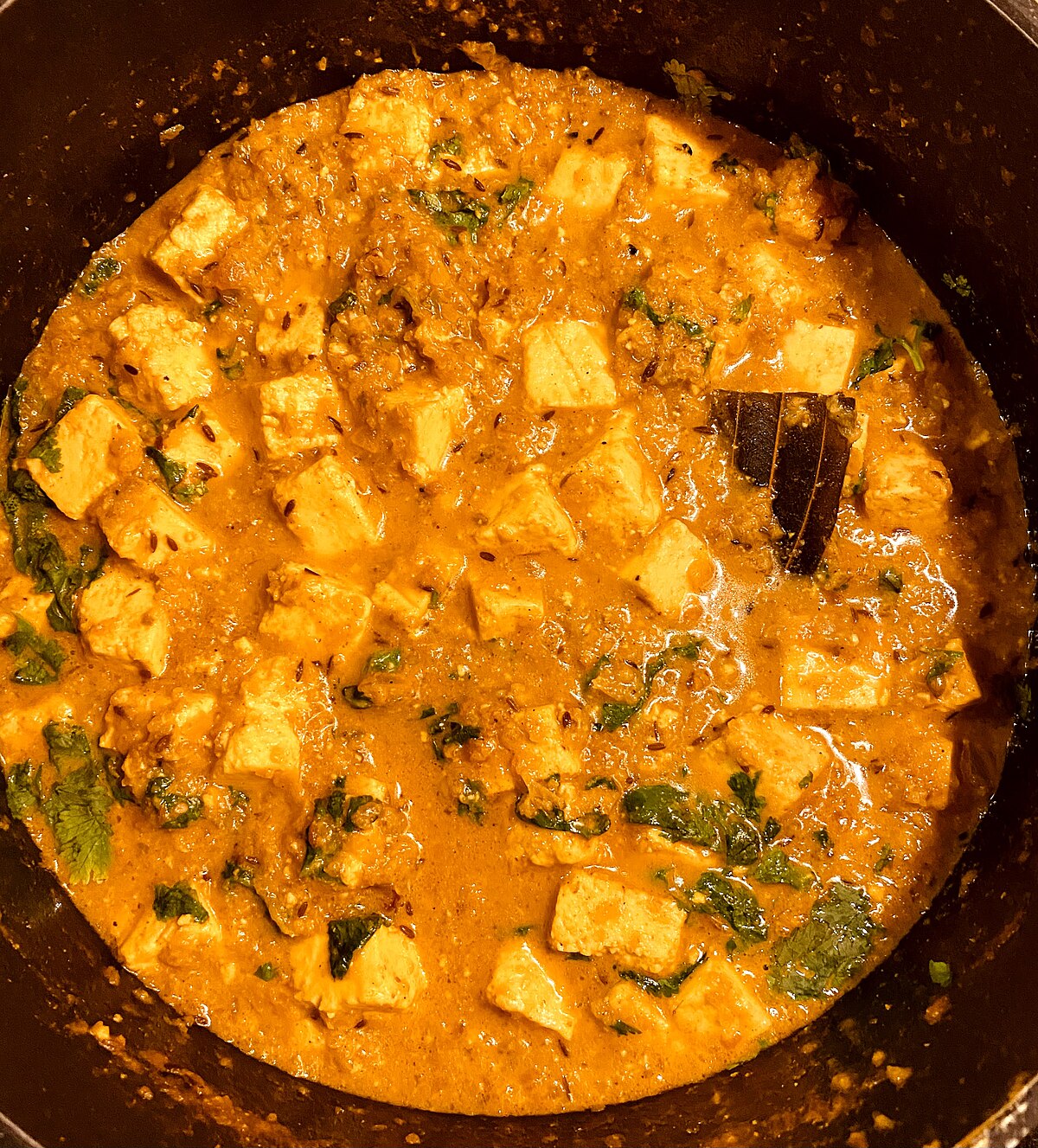
Paneer is a fresh, non-melting cheese common in the Indian subcontinent, made by curdling milk with a fruit- or vegetable-derived acid, such as lemon juice, vinegar, or citric acid. Unlike many Western cheeses, paneer is not aged or salted, resulting in a mild, slightly spongy texture that readily absorbs flavors.
Its unique characteristic of maintaining form under heat makes it a versatile ingredient, frequently used in savory dishes like curries and kebabs, as well as in various desserts across South Asian cuisine.
Other Names of Paneer
- Indian Cottage Cheese
- Fresh Indian Cheese
- Chhena (in some contexts, particularly for sweets)
Heading
<h3> Absolute Contraindications of Paneer </h3> <h4> Cow’s-milk protein allergy (severe dairy allergy) [If you get hives, swelling, breathing difficulty after milk]</h4> <ul> <li>🧴 <li>Recommendation: Do not eat paneer at all - even small amounts of milk protein (casein or whey) can trigger reactions. Seek allergy care and carry emergency medication (epinephrine) if prescribed. <li>Reasoning: Paneer is made from cow/buffalo milk and contains the same allergenic milk proteins (caseins and whey proteins) that trigger IgE-mediated and non-IgE reactions; avoidance is the only safe strategy for confirmed milk allergy. <li>Scientific_Study_Title: Cow’s Milk Protein Allergy as a Model of Food Allergies. <li>Scientific_Study_Authors: Arianna Giannetti, Gaia Toschi Vespasiani, Giampaolo Ricci, Angela Miniaci, Emanuela di Palmo, Andrea Pession. <li>Scientific_Study_Link: https://doi.org/10.3390/nu13051525 <li>Scientific_Study_Excerpt: <p>The review explains that cow’s-milk allergy (CMA) is a reproducible adverse immune response to milk proteins (caseins, β-lactoglobulin, α-lactalbumin). CMA commonly presents in infancy but can persist; clinical reactions range from skin and gastrointestinal symptoms to life-threatening anaphylaxis. Diagnosis relies on clinical history, IgE testing and oral food challenge. The authors emphasise that milk proteins remain in all dairy products (including fresh cheeses like paneer), so strict avoidance of milk-derived foods is required in individuals with confirmed CMA. Management includes emergency planning and specialist guidance for reintroduction when appropriate.</p> </li> </ul> <h4> Pregnancy - consumption of unpasteurised or contaminated fresh cheeses (risk of listeriosis)</h4> <ul> <li>🤰 <li>Recommendation: Pregnant people should avoid paneer made from unpasteurized/raw milk or paneer of uncertain hygiene; choose pasteurized, well-chilled products or consume paneer thoroughly cooked. If unsure about source, avoid raw/unlabelled paneer. <li>Reasoning: Fresh soft cheeses made from raw or poorly handled milk can carry Listeria monocytogenes. Pregnant women are at substantially higher risk of invasive listeriosis, which can cause miscarriage, stillbirth or neonatal infection. <li>Scientific_Study_Title: Nutrition and listeriosis during pregnancy: a systematic review. <li>Scientific_Study_Authors: T. J. Roseboom, R. C. Painter, L. J. Moran, et al. <li>Scientific_Study_Link: https://pubmed.ncbi.nlm.nih.gov/30275948/ <li>Scientific_Study_Excerpt: <p>The systematic review pooled case-control and observational studies and found that mothers with pregnancy-associated listeriosis were more likely to have consumed high-risk dairy foods (including fresh soft cheeses, especially when unpasteurised) and certain ready-to-eat products than controls. The authors report that such dairy exposures are consistently highlighted in public health guidelines for pregnant women. The paper supports advice to avoid unpasteurized milk products and poorly handled fresh cheeses to reduce listeriosis risk in pregnancy, and to prefer pasteurised or well-cooked options.</p> </li> </ul> <h4> Severe immunosuppression / neutropenia (risk from contaminated fresh foods)</h4> <ul> <li>🦠 <li>Recommendation: People with severe immunosuppression (e.g., recent high-dose chemotherapy, post-transplant on heavy immunosuppression) should avoid fresh, soft, ready-to-eat cheeses including paneer unless from a reliably pasteurised, sterile source or thoroughly cooked. <li>Reasoning: Fresh cheeses are perishable and can carry pathogens (Salmonella, Staphylococcus aureus, coliforms, Listeria) if processing or storage is poor; immunosuppressed persons have higher risk of invasive and severe infections from contaminated foods. <li>Scientific_Study_Title: Therapeutic Diets - Food safety advice for neutropenic patients (Dietetic guidance document). <li>Scientific_Study_Authors: British Dietetic Association / ACI Diet Specifications (public health guidance documents). <li>Scientific_Study_Link: https://aci.health.nsw.gov.au/projects/diet-specifications/adult/allergy/milk-free <li>Scientific_Study_Excerpt: <p>Dietary guidance for neutropenic and immunocompromised patients recommends avoiding certain soft, ready-to-eat dairy products (including cottage-style fresh cheeses such as paneer) because these items can support bacterial growth and carry pathogens. The guidance stresses strict food-safety measures, use of pasteurised products, and thorough cooking of potentially contaminated soft cheeses to reduce infection risk in vulnerable patients. The document is directed at institutional dietary planning for at-risk individuals.</p> </li> </ul> <h3> Relative Contraindications of Paneer </h3> <h4> Lactose intolerance (difficulty digesting lactose)</h4> <ul> <li>🥛 <li>Recommendation: Many with lactose intolerance tolerate small portions of paneer because much whey (lactose-rich liquid) is drained during preparation - try a small serving first and note symptoms; lactase enzyme supplements can help. If symptoms are severe, avoid paneer. <li>Reasoning: Paneer contains reduced but non-zero lactose; sensitivity varies by individual and portion size. <li>Scientific_Study_Title: Lactose Intolerance - clinical overview (StatPearls / NCBI Bookshelf). <li>Scientific_Study_Authors: StatPearls contributors; (NCBI Bookshelf editorial group). <li>Scientific_Study_Link: https://www.ncbi.nlm.nih.gov/books/NBK532285/ <li>Scientific_Study_Excerpt: <p>Clinical guidance explains lactose intolerance arises from lactase deficiency; most affected people tolerate small lactose doses (often up to ~12-15 g) especially when lactose is consumed with other foods. Fresh cheeses like paneer have substantially less lactose than milk because whey is removed during curdling; therefore many lactose-intolerant individuals can tolerate modest amounts, but tolerance is individual and depends on cheese processing and serving size.</p> </li> </ul> <h4> Hypercholesterolemia / established cardiovascular disease (when using full-fat paneer)</h4> <ul> <li>❤️ <li>Recommendation: Prefer low-fat paneer or smaller portions if you have high LDL cholesterol or known heart disease; discuss total saturated-fat intake with your clinician rather than eliminating paneer completely. <li>Reasoning: Full-fat paneer is relatively high in saturated fat; dietary saturated fat can raise LDL in some people, so portion and overall dietary pattern matter. <li>Scientific_Study_Title: Effect of cheese consumption on blood lipids: a systematic review and meta-analysis of randomized controlled trials. <li>Scientific_Study_Authors: Thorning TK, Bertram HC, Bonjour JP, et al. <li>Scientific_Study_Link: https://pubmed.ncbi.nlm.nih.gov/26011901/ <li>Scientific_Study_Excerpt: <p>This meta-analysis of randomized trials compared cheese with other fat sources and found that cheese consumption often has different lipid effects than butter, possibly because of the cheese matrix (calcium, protein) that can mitigate saturated-fat effects. Cheese sometimes raised LDL compared with low-fat controls but raised LDL less than butter. The authors recommend interpreting cheese effects within whole-diet context and adjusting portion size for those needing LDL lowering.</p> </li> </ul> <h4> Chronic kidney disease requiring phosphorus restriction (individualized)</h4> <ul> <li>🩺 <li>Recommendation: If you have advanced CKD with elevated blood phosphorus, consult your renal dietitian - paneer provides calcium and phosphorus; portion control or specific low-phosphorus cheese choices may be advised. <li>Reasoning: Dairy foods contain phosphorus and can increase serum phosphate when kidney clearance is limited; kidney teams often recommend limiting certain dairy servings or using phosphate binders with meals. <li>Scientific_Study_Title: Phosphorus and Your CKD Diet - National Kidney Foundation guidance. <li>Scientific_Study_Authors: National Kidney Foundation patient-education team. <li>Scientific_Study_Link: https://www.kidney.org/kidney-topics/phosphorus-and-your-ckd-diet <li>Scientific_Study_Excerpt: <p>NKF guidance explains that phosphorus accumulates when kidney function falls and can harm bones and blood vessels; dairy products (including cheeses) are significant phosphorus sources. The foundation advises individualized dietary adjustments and use of phosphate binders where needed, recommending patients discuss specific cheese choices and portions with their renal dietitian.</p> </li> </ul>
Heading
<h4> Allergic reaction (rash, swelling, anaphylaxis) </h4> <ul> <li>⚠️ <li>Side effect summary: If you have a cow-milk protein allergy, eating paneer can cause hives, swelling, vomiting, wheeze or in severe cases anaphylaxis. <li>Recommendation: Avoid paneer completely; carry emergency epinephrine if you have a history of anaphylaxis and seek allergy follow-up. <li>Reasoning: Paneer contains milk proteins (casein/whey) that are the usual triggers for IgE-mediated reactions; even small amounts can provoke severe responses in sensitised individuals. <li>Severity Level: Severe <li>Scientific_Study_Available: Yes <li>Scientific_Study_Title: Cow’s Milk Protein Allergy as a Model of Food Allergies. <li>Scientific_Study_Authors: Arianna Giannetti, Gaia Toschi Vespasiani, Giampaolo Ricci, Angela Miniaci, Emanuela di Palmo, Andrea Pession. <li>Scientific_Study_Link: https://doi.org/10.3390/nu13051525 <li>Scientific_Study_Excerpt: <p>The review details clinical manifestations of cow’s-milk protein allergy, noting reactions can be immediate IgE-mediated (urticaria, angioedema, anaphylaxis) or delayed non-IgE mediated (GI symptoms, eczema). Because milk proteins persist in all curdled dairy products including fresh cheeses, they recommend strict avoidance of milk-derived foods for those with confirmed CMA and underline the need for emergency plans for anaphylaxis.</p> </li> </ul> <h4> Lactose-related bloating, gas, diarrhoea </h4> <ul> <li>💨 <li>Side effect summary: Some lactose-intolerant people may get bloating, gas or loose stools after paneer, especially in larger servings. <li>Recommendation: Try a small portion first; take lactase enzyme before the meal or choose low-lactose alternatives if symptoms occur frequently. See your clinician for persistent or severe symptoms. <li>Reasoning: Though paneer has reduced lactose relative to milk, it retains residual lactose that can trigger symptoms in sensitive people when thresholds are exceeded. <li>Severity Level: Mild <li>Scientific_Study_Available: Yes <li>Scientific_Study_Title: Lactose Intolerance - clinical overview (StatPearls / NCBI Bookshelf). <li>Scientific_Study_Authors: StatPearls contributors; NCBI Bookshelf editorial group. <li>Scientific_Study_Link: https://www.ncbi.nlm.nih.gov/books/NBK532285/ <li>Scientific_Study_Excerpt: <p>Clinical overview explains lactose intolerance arises from reduced lactase activity and typically causes GI symptoms when lactose ingestion exceeds individual tolerance (~12-15 g common threshold). Fresh cheeses like paneer contain lower lactose than milk because whey is removed, so many people tolerate small portions; symptoms depend on dose, individual enzyme activity and co-ingested foods.</p> </li> </ul> <h4> Food-borne infection / food poisoning from contaminated or adulterated paneer </h4> <ul> <li>🤢 <li>Side effect summary: Improperly made or stored paneer can carry bacteria (E. coli, Staphylococcus aureus, Salmonella) and cause foodborne illness - vomiting, diarrhoea, fever. <li>Recommendation: Buy paneer from reputable, chilled sources; consume within recommended fridge times; heat thoroughly if stored or of uncertain freshness. Seek medical care for severe or prolonged symptoms. <li>Reasoning: Paneer is a fresh, high-moisture dairy product prone to contamination during handling and storage; several microbiological surveys show coliforms, S. aureus and occasional Salmonella in poorly handled paneer samples. <li>Severity Level: Moderate <li>Scientific_Study_Available: Yes <li>Scientific_Study_Title: Microbiological hazard identification in selective food products and their association with food safety practices in Hyderabad, India. <li>Scientific_Study_Authors: (Indian Journal of Microbiology Research study authors; local survey teams) <li>Scientific_Study_Link: https://ijmronline.org/archive/volume/9/issue/3/article/19125 <li>Scientific_Study_Excerpt: <p>A food-safety survey testing multiple ready-to-eat products found paneer samples with elevated counts of Staphylococcus aureus, fecal coliforms and occasional Salmonella-contamination correlated with ambient storage, water quality used in handling, and poor hygiene. The authors emphasise that while paneer is often cooked before eating, raw or poorly stored paneer can be a vehicle for bacterial illness, and recommend strict temperature control and hygienic processing to reduce risk.</p> </li> </ul>
Heading
<h4> Tetracycline antibiotics (e.g., tetracycline, older doxycycline formulations)</h4> <ul> <li>Interaction_Details: Calcium and other divalent cations in paneer (from milk minerals) bind tetracyclines in the gut forming poorly absorbed complexes, markedly reducing antibiotic absorption and effectiveness if taken together. <li>Severity: Severe <li>Recommendation: Avoid taking tetracycline antibiotics with paneer or other dairy at the same time; separate ingestion by at least 2-3 hours (follow your prescriber’s specific advice). <li>Scientific_Study_Available: Yes <li>Scientific_Study_Link: https://pubmed.ncbi.nlm.nih.gov/946598/ <li>Scientific_Study_Title: Interactions with the absorption of tetracyclines. <li>Scientfic_Study_Authors: J F Lepper, et al. (classical pharmacokinetic reviews and clinical trials cited in the article) <li>Scientific_Study_Excerpt: <p>Classic pharmacokinetic literature documents that tetracyclines form insoluble chelates with polyvalent cations (Ca2+, Fe3+, Al3+, Mg2+), and that consumption of milk or other calcium-containing foods at the same time can reduce intestinal absorption by up to 50-90% depending on the drug and timing. The paper recommends separating tetracycline administration and dairy ingestion by several hours to avoid therapeutic failure.</p> </li> </ul> <h4> Fluoroquinolone antibiotics (e.g., ciprofloxacin, norfloxacin)</h4> <ul> <li>Interaction_Details: Calcium and casein in paneer/milk reduce oral fluoroquinolone absorption by forming complexes or altering drug dissolution; this can lower peak blood levels and total exposure, risking suboptimal therapy. <li>Severity: Moderate <li>Recommendation: Avoid eating paneer or other dairy at the same time as ciprofloxacin/norfloxacin; separate by at least 2-4 hours (follow antibiotic prescribing info). <li>Scientific_Study_Available: Yes <li>Scientific_Study_Link: https://pubmed.ncbi.nlm.nih.gov/1934862/ <li>Scientific_Study_Title: Interference of dairy products with the absorption of ciprofloxacin. <li>Scientfic_Study_Authors: P.J. Neuvonen, K.T. Kivistö, P. Lehto. <li>Scientific_Study_Excerpt: <p>In a randomized crossover trial in healthy volunteers, co-administration of 500 mg ciprofloxacin with milk or yogurt significantly reduced plasma ciprofloxacin concentrations (peak and AUC) compared with water - milk reduced early plasma concentrations by ~70% at 30 minutes and reduced overall bioavailability by about 30-36%. The authors concluded that large amounts of liquid dairy consumed at the time of dose can reduce ciprofloxacin absorption and advised avoiding concomitant dairy to prevent therapeutic failure.</p> </li> </ul> <h4> Levothyroxine (thyroid replacement therapy)</h4> <ul> <li>Interaction_Details: Calcium in paneer/milk can bind levothyroxine in the gut and reduce its absorption, lowering blood thyroid hormone availability when taken together. <li>Severity: Moderate <li>Recommendation: Take levothyroxine on an empty stomach as advised (typically 30-60 minutes before breakfast) and avoid paneer/dairy for at least 2-4 hours after dosing; coordinate timing with your clinician. <li>Scientific_Study_Available: Yes <li>Scientific_Study_Link: https://pubmed.ncbi.nlm.nih.gov/29589994/ <li>Scientific_Study_Title: Concurrent Milk Ingestion Decreases Absorption of Levothyroxine. <li>Scientfic_Study_Authors: Deborah A. Chon, Talia Reisman, Julie E. Weinreb, Judith M. Hershman, Angela M. Leung. <li>Scientific_Study_Excerpt: <p>A pharmacokinetic study measured serum total T4 after oral levothyroxine with and without 12 oz (355 mL) cow’s milk. The AUC and peak TT4 concentrations were significantly lower when levothyroxine was taken with milk versus alone, demonstrating that concurrent milk ingestion reduces levothyroxine absorption. The authors recommend avoiding simultaneous milk/dairy intake with thyroid medication to ensure consistent dosing and therapeutic effect.</p> </li> </ul>