Palak (Spinach)

Spinacia oleracea
Palak (Spinach) is recognized in Ayurveda for its potential to increase Vata and Pitta doshas while decreasing Kapha. This leafy green is widely consumed globally and is traditionally claimed to support general well-being due to its rich nutritional content. Its prevalence stems from its versatility in culinary applications and its purported health benefits.
PLANT FAMILY
Amaranthaceae (Amaranth)
PARTS USED
Leaves, Stem, Root
AYURVEDIC ACTION
Vata ↑, Pitta ↑, Kapha ↓
ACTIVE COMPOUNDS
Oxalic Acid (0.5-1%)

What is Palak (Spinach)?

Palak, commonly known as spinach, is an edible leafy green flowering plant in the family Amaranthaceae. Native to central and western Asia, it is widely cultivated as a vegetable, valued for its tender leaves and high nutritional content. The plant is characterized by its broad, succulent leaves that form a rosette at the base, and it typically grows in cool, temperate climates.

Known for its rapid growth cycle and versatility in culinary applications, spinach is consumed globally, both raw and cooked. It is a rich source of vitamins, minerals, and antioxidants, contributing to its status as a highly beneficial dietary component.

Other Names of Spinach

  • Spinach
  • Garden Spinach
  • Common Spinach
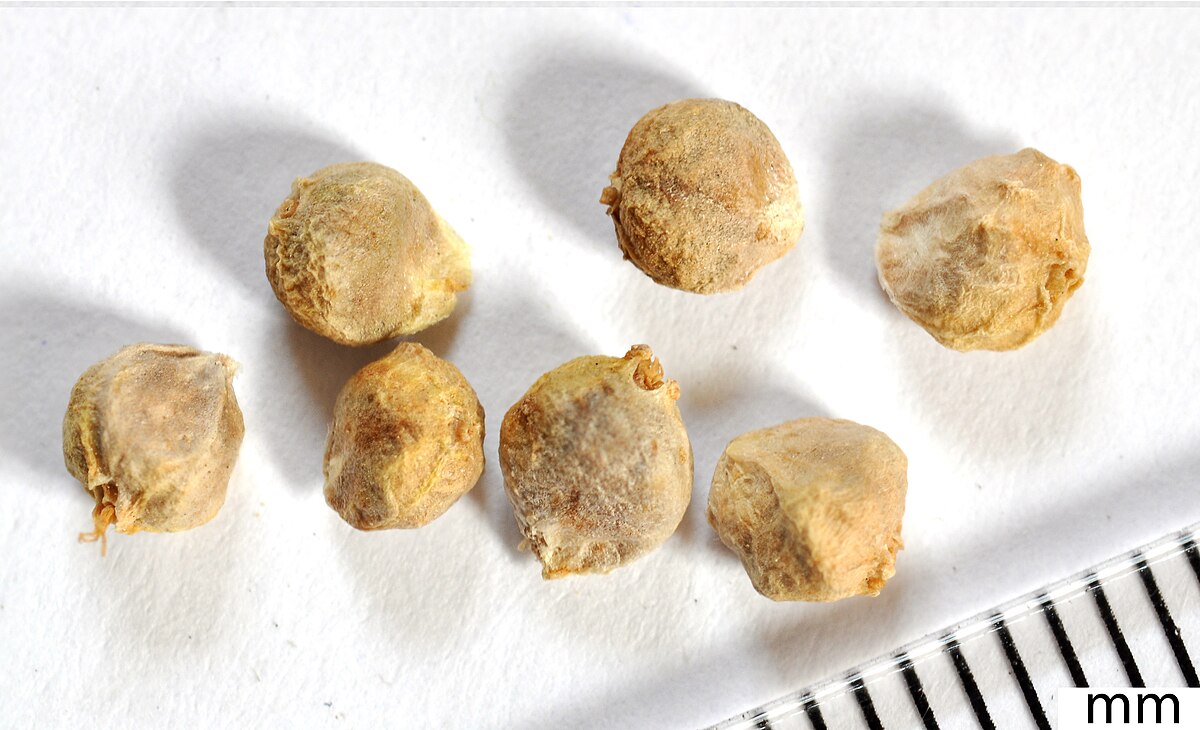
Spinach seeds round

Benefits of Palak (Spinach)

Heading

<h3> Absolute Contraindications of Palak (Spinach) </h3> <h4>1) On warfarin / vitamin-K anticoagulant therapy (blood thinner users)</h4> <ul> <li>🩸</li> <li>Recommendation: Avoid large or sudden increases in spinach intake; maintain a consistent, moderate intake and inform your anticoagulation clinician so INR can be monitored and doses adjusted if needed.</li> <li>Reasoning: Spinach is high in vitamin K1; repeated large intakes can raise clotting test values and reduce warfarin effect, requiring dose changes to keep anticoagulation in range.</li> <li>Scientific_Study_Title: On the influence of vitamin K-rich vegetables and wine on the effectiveness of warfarin treatment.</li> <li>Scientific_Study_Authors: B Karlson, B Leijd, K Hellström.</li> <li>Scientific_Study_Link: https://pubmed.ncbi.nlm.nih.gov/3541503/</li> <li>Scientific_Study_Excerpt: <p>This clinical trial tested the effect of single and repeated administration of vitamin K1 and vitamin K-rich vegetables (including spinach) in patients stabilized on warfarin. A single 250 g serving did not push values outside the therapeutic range, but daily administration over one week produced a rise in clotting-test values that tended to exceed the therapeutic window, indicating a need for dose adjustment. The authors conclude that excessive, sustained intake of vitamin-K rich vegetables may alter anticoagulant control and therefore requires monitoring and possible warfarin dose modification.</p> </li> </ul> <h4>2) Infants under ~3 months (risk of methemoglobinemia)</h4> <ul> <li>👶</li> <li>Recommendation: Do not feed spinach juices or highly concentrated spinach preparations to infants younger than about 3 months; avoid using high-nitrate vegetable broths or juices in formula for very young infants.</li> <li>Reasoning: Spinach can have high nitrate/nitrite levels; infants have immature enzymatic systems that make them susceptible to nitrite-induced methemoglobinemia (reduced oxygen-carrying capacity), sometimes severe.</li> <li>Scientific_Study_Title: Case Report: Clinical presentations of cyanosis associated with acquired methemoglobinemia in infants - a clinical challenge.</li> <li>Scientific_Study_Authors: (authors listed on PubMed entry - see paper)</li> <li>Scientific_Study_Link: https://pubmed.ncbi.nlm.nih.gov/40433477/</li> <li>Scientific_Study_Excerpt: <p>Reported infant cases linked preparation of infant feed with vegetable juices (including spinach) and subsequent cyanosis caused by acquired methemoglobinemia. The paper highlights that inappropriate use of high-nitrate vegetable preparations with formula can lead to clinically significant methemoglobin levels in infants, requiring hospital treatment with methylene blue. The authors advise caution with vegetable-based liquids for very young infants and prompt recognition and treatment when cyanosis develops.</p> </li> </ul> <h4>3) Recurrent calcium-oxalate kidney stone formers</h4> <ul> <li>🔷</li> <li>Recommendation: Limit high-spinach intake and discuss with your nephrologist or dietitian; if spinach is consumed, prefer boiled and pair it with dietary calcium at meals to reduce soluble oxalate absorption.</li> <li>Reasoning: Spinach contains high soluble oxalate which can increase urinary oxalate excretion and contribute to calcium-oxalate stone formation in susceptible people.</li> <li>Scientific_Study_Title: Addition of calcium compounds to reduce soluble oxalate in a high oxalate food system.</li> <li>Scientific_Study_Authors: (authors listed on PubMed entry - see paper)</li> <li>Scientific_Study_Link: https://pubmed.ncbi.nlm.nih.gov/27979238/</li> <li>Scientific_Study_Excerpt: <p>This laboratory study examined soluble oxalate in spinach homogenates and tested addition of various calcium salts to precipitate oxalate as insoluble calcium oxalate. The investigators found that adding calcium salts (eg, calcium chloride) markedly reduced the soluble oxalate fraction, suggesting that pairing calcium with spinach or using processing methods can lower the bioavailable oxalate load. The paper underscores spinach’s high soluble oxalate content and practical approaches to reduce intestinal oxalate availability for people at risk of stone formation.</p> </li> </ul> <h4>4) Known spinach (Spinacia oleracea) allergy</h4> <ul> <li>⚠️</li> <li>Recommendation: Avoid spinach entirely if you have documented IgE-mediated allergy to spinach; carry emergency medication (eg, epinephrine) if advised by your allergist for severe reactions.</li> <li>Reasoning: Although uncommon, true allergic sensitization to spinach proteins (IgE positive) and occupational respiratory reactions have been described; ingestion or inhalation can trigger oral allergy syndrome or systemic reactions in sensitized individuals.</li> <li>Scientific_Study_Title: Spinach (allergen summary entry in allergen encyclopedia / IgE test resource).</li> <li>Scientific_Study_Authors: Thermo Fisher Scientific (Allergen Encyclopedia entry).</li> <li>Scientific_Study_Link: https://www.thermofisher.com/phadia/wo/en/resources/allergen-encyclopedia/f214.html</li> <li>Scientific_Study_Excerpt: <p>Clinical reports collected in allergen resources and case literature indicate that spinach can trigger IgE-mediated reactions in sensitized people, including oral allergy syndrome and rare occupational asthma. Specific spinach allergens (for example profilin family proteins) have been identified and cross-reactivity with other plant foods and pollens has been described. The entry emphasizes that while spinach allergy is rare relative to common food allergens, documented cases require avoidance and standard allergy management precautions.</p> </li> </ul> <h3> Relative Contraindications of Palak (Spinach) </h3> <h4>1) Chronic kidney disease with hyperkalemia tendency</h4> <ul> <li>🧾</li> <li>Recommendation: If you have CKD, check your blood potassium levels and consult a renal dietitian-cooked/blanched spinach has less potassium than some preparations, and portioning matters.</li> <li>Reasoning: Spinach (especially cooked) can be relatively high in potassium; in people whose kidneys cannot excrete potassium well, dietary potassium load may contribute to hyperkalemia.</li> <li>Scientific_Study_Title: Effect of blanching time-temperature on potassium and vitamin retention/loss in kale and spinach.</li> <li>Scientific_Study_Authors: (authors listed on PubMed entry - see paper)</li> <li>Scientific_Study_Link: https://pubmed.ncbi.nlm.nih.gov/39139923/</li> <li>Scientific_Study_Excerpt: <p>Measurements of potassium in spinach show substantial potassium content that can be reduced by blanching and cooking methods. The study quantified how time-temperature blanching protocols lower potassium concentration while affecting vitamin retention. The data support the practical advice that certain cooking methods can lower the effective potassium load from spinach for patients who require potassium restriction, but individualized medical advice is necessary.</p> </li> </ul> <h4>2) Reliance on spinach as sole iron source (iron-deficiency concerns)</h4> <ul> <li>🍽️</li> <li>Recommendation: If you have iron deficiency, do not rely on spinach alone-pair plant iron sources with vitamin C and consider other iron-rich foods or supplements as recommended by your clinician.</li> <li>Reasoning: Although spinach contains iron, its non-heme iron is poorly bioavailable because of binding by plant compounds; absorption improves with ascorbic acid or varied meals.</li> <li>Scientific_Study_Title: Bioavailability of iron from spinach using an in vitro/human Caco-2 cell bioassay model.</li> <li>Scientific_Study_Authors: (authors listed on PubMed entry - see paper)</li> <li>Scientific_Study_Link: https://pubmed.ncbi.nlm.nih.gov/15880905/</li> <li>Scientific_Study_Excerpt: <p>Using in vitro digestion and Caco-2 cell ferritin assays, investigators found that iron present in spinach has low bioavailability. The addition of ascorbic acid (vitamin C) roughly doubled the measured bioavailable iron signal, indicating that meal composition strongly modulates iron uptake from spinach. The findings highlight that spinach’s reputation as an iron source is only partly justified biologically without appropriate dietary pairing.</p> </li> </ul> <h4>3) On multiple blood-pressure lowering drugs (additive effect possible)</h4> <ul> <li>💊</li> <li>Recommendation: If you take antihypertensives, especially multiple agents, mention regular high spinach intake to your prescriber; monitor blood pressure when making large dietary changes.</li> <li>Reasoning: Spinach’s dietary nitrates can lower blood pressure acutely; when combined with antihypertensive medications this could enhance hypotensive effects in some people.</li> <li>Scientific_Study_Title: Nitrate-Rich Vegetables Increase Plasma Nitrate and Nitrite Concentrations and Lower Blood Pressure in Healthy Adults.</li> <li>Scientific_Study_Authors: (authors listed on PubMed entry - see paper)</li> <li>Scientific_Study_Link: https://pubmed.ncbi.nlm.nih.gov/27075914/</li> <li>Scientific_Study_Excerpt: <p>Randomized trials comparing nitrate-rich vegetable beverages (including spinach) to controls measured rises in plasma nitrate/nitrite and accompanying modest reductions in blood pressure. The authors conclude that nitrate-rich vegetables act as effective dietary nitrate supplements that lower systemic blood pressure measures, suggesting potential additive interactions with pharmacologic blood-pressure lowering when intake is substantial.</p> </li> </ul>

Heading

<h4>1) Kidney-stone risk (oxalate-related)</h4> <ul> <li>🔹</li> <li>Side effect summary: Spinach is high in soluble oxalate which can increase urinary oxalate in susceptible people and raise the risk of calcium-oxalate kidney stones.</li> <li>Recommendation: If you have a history of calcium-oxalate stones, limit raw/high-spinach intake and discuss meal timing and calcium pairing with your clinician or dietitian; consider boiling and avoid consuming large spinach-only green juices.</li> <li>Reasoning: Soluble oxalate in spinach can be absorbed and excreted in urine; strategies like pairing with calcium or processing can reduce soluble oxalate load.</li> <li>Severity Level: Moderate</li> <li>Scientific_Study_Available: Yes</li> <li>Scientific_Study_Title: Addition of calcium compounds to reduce soluble oxalate in a high oxalate food system.</li> <li>Scientific_Study_Authors: (authors listed on PubMed entry - see paper)</li> <li>Scientific_Study_Link: https://pubmed.ncbi.nlm.nih.gov/27979238/</li> <li>Scientific_Study_Excerpt: <p>This study quantified soluble oxalate in spinach homogenates and tested adding calcium salts to the matrix. Adding bioavailable calcium reduced soluble oxalate substantially by forming insoluble calcium oxalate, illustrating a practical way to lower intestinal oxalate availability. The work confirms spinach’s high soluble oxalate content and supports dietary techniques to mitigate stone risk in susceptible individuals.</p> </li> </ul> <h4>2) Interference with anticoagulation control (warfarin users)</h4> <ul> <li>🩺</li> <li>Side effect summary: Large or sustained increases in spinach intake can change INR/clotting test results in people on warfarin, risking under-anticoagulation.</li> <li>Recommendation: Keep spinach intake stable in amount and frequency and notify your anticoagulation clinic if you change intake; do not self-adjust warfarin dose.</li> <li>Reasoning: Repeated high intake of vitamin-K rich foods changes the vitamin-K pool and affects vitamin-K antagonist drugs.</li> <li>Severity Level: Severe</li> <li>Scientific_Study_Available: Yes</li> <li>Scientific_Study_Title: On the influence of vitamin K-rich vegetables and wine on the effectiveness of warfarin treatment.</li> <li>Scientific_Study_Authors: B Karlson, B Leijd, K Hellström.</li> <li>Scientific_Study_Link: https://pubmed.ncbi.nlm.nih.gov/3541503/</li> <li>Scientific_Study_Excerpt: <p>A clinical trial examined the effect of single and repeated intake of vitamin K1 and K-rich vegetables (including spinach) in patients on warfarin. While a single 250 g portion did not push clotting outside the therapeutic window, daily consumption for a week tended to raise clotting values above target and required dose adjustment. The authors recommend monitoring when dietary vitamin K intake changes substantially.</p> </li> </ul> <h4>3) Infant methemoglobinemia (from high-nitrate preparations)</h4> <ul> <li>🛑</li> <li>Side effect summary: High-nitrate spinach preparations given to very young infants have caused methemoglobinemia and cyanosis in case reports.</li> <li>Recommendation: Do not give concentrated spinach juices, broths, or vegetable-water to infants under about 3 months; seek immediate care if an infant develops unexplained cyanosis after a feed.</li> <li>Reasoning: Immature infant enzymatic reduction capacity plus high dietary nitrate/nitrite can generate methemoglobin and impair oxygen delivery.</li> <li>Severity Level: Severe</li> <li>Scientific_Study_Available: Yes</li> <li>Scientific_Study_Title: Case Report: Clinical presentations of cyanosis associated with acquired methemoglobinemia in infants - a clinical challenge.</li> <li>Scientific_Study_Authors: (authors listed on PubMed entry - see paper)</li> <li>Scientific_Study_Link: https://pubmed.ncbi.nlm.nih.gov/40433477/</li> <li>Scientific_Study_Excerpt: <p>Case reports describe infants who developed clinically significant methemoglobinemia after receiving feeds prepared with vegetable juices including spinach. The reports document rapid onset cyanosis and improvement with standard therapy (methylene blue), highlighting the risk of using high-nitrate vegetable liquids in very young infants and the need to avoid such practices.</p> </li> </ul> <h4>4) Allergic reactions (oral allergy syndrome, rare systemic allergy)</h4> <ul> <li>🌿</li> <li>Side effect summary: Some sensitized individuals may experience oral itching, throat discomfort, or rarer systemic allergic reactions after eating raw or cooked spinach.</li> <li>Recommendation: If you have food-allergy symptoms after spinach, stop it and consult an allergist; severe reactions require emergency management.</li> <li>Reasoning: Spinach proteins (eg, profilins) can produce IgE-mediated responses and cross-react with other plant allergens; although uncommon, documented cases exist.</li> <li>Severity Level: Moderate</li> <li>Scientific_Study_Available: Yes</li> <li>Scientific_Study_Title: Spinach (allergen summary entry in allergen encyclopedia / IgE test resource).</li> <li>Scientific_Study_Authors: Thermo Fisher Scientific (Allergen Encyclopedia entry).</li> <li>Scientific_Study_Link: https://www.thermofisher.com/phadia/wo/en/resources/allergen-encyclopedia/f214.html</li> <li>Scientific_Study_Excerpt: <p>Allergen resource summaries note that spinach can provoke oral allergy syndrome and rare IgE-mediated responses; identified spinach allergens include members of the profilin family among others. Cross-reactivity with related plant foods and pollens has been reported, and occupational respiratory exposures have also been described in case literature.</p> </li> </ul> <h4>5) Foodborne contamination (bacterial pathogens on fresh spinach)</h4> <ul> <li>🦠</li> <li>Side effect summary: Raw spinach, like other fresh vegetables, can carry bacterial contaminants (eg, Salmonella, E. coli) when contaminated during growth, harvest, or handling, causing foodborne illness.</li> <li>Recommendation: Wash fresh spinach thoroughly, store and handle properly; if immunocompromised, prefer cooked spinach or commercially prepared safe products.</li> <li>Reasoning: Surveys of fresh produce show isolation of potentially pathogenic bacteria and occasional antimicrobial-resistant strains on leafy greens, underscoring safe-handling importance.</li> <li>Severity Level: Moderate</li> <li>Scientific_Study_Available: Yes</li> <li>Scientific_Study_Title: Antimicrobial Resistance Profiles of Bacteria Isolated from Fresh Vegetables in Free State Province, South Africa.</li> <li>Scientific_Study_Authors: (authors listed on article - see paper)</li> <li>Scientific_Study_Link: https://www.mdpi.com/2304-8158/14/12/2139</li> <li>Scientific_Study_Excerpt: <p>Sampling of fresh vegetables (including spinach) identified bacterial contaminants and characterized antimicrobial resistance profiles. The study emphasizes that vegetables can acquire microbes from soil, water, or handling and that contamination is a food safety concern. Proper washing, cold chain maintenance, and cooking when appropriate reduce infection risk, especially for vulnerable individuals.</p> </li> </ul>

Heading

<h4>Warfarin (vitamin K antagonists)</h4> <ul> <li>Interaction_Details: Spinach is vitamin K-rich; regular large or changing intakes can reduce warfarin's anticoagulant effect by increasing vitamin K availability and shifting clotting test values (INR) toward lower anticoagulation.</li> <li>Severity: Severe</li> <li>Recommendation: Maintain a consistent, moderate spinach intake and inform your anticoagulation provider; do not stop or start large quantities without INR checks and medical advice.</li> <li>Scientific_Study_Available: Yes</li> <li>Scientific_Study_Link: https://pubmed.ncbi.nlm.nih.gov/3541503/</li> <li>Scientific_Study_Title: On the influence of vitamin K-rich vegetables and wine on the effectiveness of warfarin treatment.</li> <li>Scientfic_Study_Authors: B Karlson, B Leijd, K Hellström.</li> <li>Scientific_Study_Excerpt: <p>In this clinical trial, single servings of vitamin K-rich foods did not push therapeutic values outside the target range, but daily intake of vitamin K1 or multiple servings of vitamin K-rich vegetables including spinach over a week tended to raise clotting test values and required warfarin dose adjustment. The paper supports advising monitoring when dietary vitamin K intake changes.</p> </li> </ul> <h4>Antihypertensive medications (particularly agents that lower blood pressure)</h4> <ul> <li>Interaction_Details: Spinach's dietary nitrate content increases circulating nitrite/NO and can lower blood pressure; when combined with antihypertensive drugs this may produce additive blood-pressure lowering and, in sensitive people, symptomatic hypotension.</li> <li>Severity: Moderate</li> <li>Recommendation: If you take blood-pressure medications, mention regular high spinach or nitrate-rich green intake to your prescriber and monitor blood pressure during any diet change.</li> <li>Scientific_Study_Available: Yes</li> <li>Scientific_Study_Link: https://pubmed.ncbi.nlm.nih.gov/27075914/</li> <li>Scientific_Study_Title: Nitrate-Rich Vegetables Increase Plasma Nitrate and Nitrite Concentrations and Lower Blood Pressure in Healthy Adults.</li> <li>Scientfic_Study_Authors: (authors listed on PubMed entry - see paper)</li> <li>Scientific_Study_Excerpt: <p>Randomized intervention trials using nitrate-rich vegetable beverages (including spinach) documented rises in plasma nitrate/nitrite and accompanying modest decreases in blood pressure compared with controls. The findings imply potential additive effects with pharmacologic antihypertensives if dietary nitrate intake is high and suggests monitoring when diets change.</p> </li> </ul> <h4>Oral calcium supplements / dietary calcium (meal-level interaction)</h4> <ul> <li>Interaction_Details: Calcium given with spinach binds soluble oxalate in the gut to form insoluble calcium oxalate, reducing soluble oxalate absorption-this is a beneficial interaction that lowers the intestinal oxalate load.</li> <li>Severity: Mild</li> <li>Recommendation: For those concerned about oxalate absorption (eg, stone formers), consuming a calcium-containing food at the same meal with spinach (dairy or calibrated calcium supplement per clinical advice) can reduce oxalate uptake; discuss with your clinician first.</li> <li>Scientific_Study_Available: Yes</li> <li>Scientific_Study_Link: https://pubmed.ncbi.nlm.nih.gov/27979238/</li> <li>Scientific_Study_Title: Addition of calcium compounds to reduce soluble oxalate in a high oxalate food system.</li> <li>Scientfic_Study_Authors: (authors listed on PubMed entry - see paper)</li> <li>Scientific_Study_Excerpt: <p>Laboratory experiments mixing calcium salts with spinach homogenates showed substantial conversion of soluble oxalate into insoluble calcium oxalate, thereby lowering the fraction of oxalate available for absorption. The result indicates a practical dietary interaction where calcium consumed at the same meal reduces oxalate bioavailability and may lower stone risk in susceptible individuals.</p> </li> </ul>