Nimbu (Lemon)

Citrus limon
Nimbu (Lemon), or Citrus limon, is a common fruit in Ayurveda, known for its sour taste and supposed ability to balance Vata and Kapha doshas, while increasing Pitta. It's widely recognized for its claimed digestive benefits and as a cleansing agent. This widely prevalent fruit is a staple in Ayurvedic practices for its refreshing properties and broad traditional use.
PLANT FAMILY
Rutaceae (Rue)
PARTS USED
Fruit, Peel, Leaves
AYURVEDIC ACTION
Vata ↓, Pitta ↑, Kapha ↓
ACTIVE COMPOUNDS
Limonene (60-80%)

What is Nimbu (Lemon)?

Nimbu, commonly known as Lemon (Citrus limon), is a species of small evergreen tree in the flowering plant family Rutaceae, native to South Asia, primarily Northeast India. It is characterized by its oval yellow fruit, widely used for culinary and non-culinary purposes throughout the world.

The fruit's pulp and rind are utilized for their distinctive sour taste, a result of their high citric acid content, and for their aromatic properties derived from essential oils.
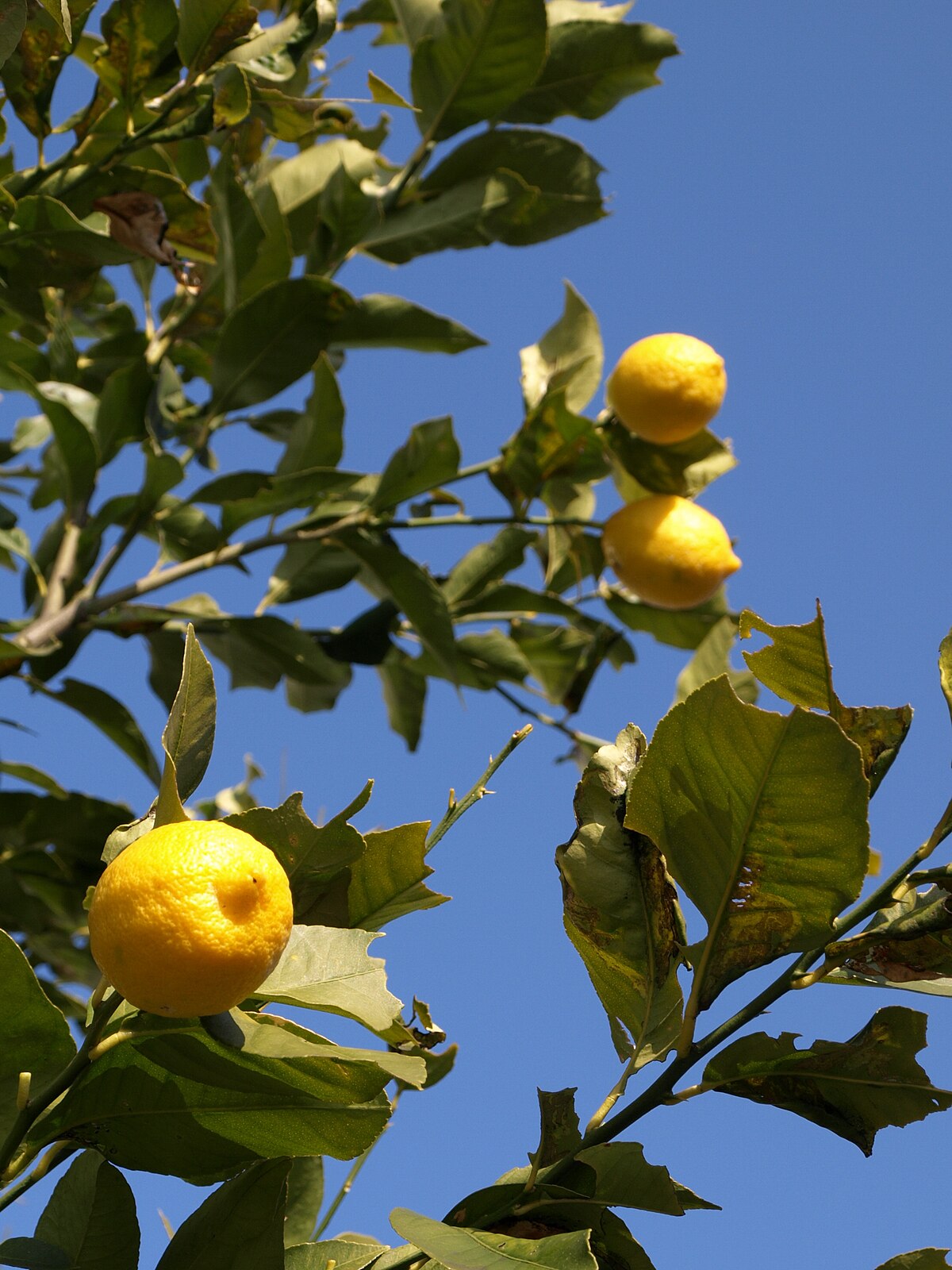

Other Names of Lemon

  • Lemon
  • Lime (in some regions)
  • Nimbu
  • Limu
P2101990,lemon

Benefits of Nimbu (Lemon)

Heading

<h3> Absolute Contraindications of Nimbu (Lemon) </h3> <h4> Known citrus allergy or contact sensitivity (skin or airway)</h4> <ul> <li>🧴</li> <li>Recommendation: Avoid lemon juice, peel oils and lemon-containing cosmetics; seek allergist/dermatologist evaluation for patch testing if reactions recur.</li> <li>Reasoning: Oxidation products of lemon oil (limonene hydroperoxides) and minor peel components can sensitize skin and trigger allergic contact dermatitis in susceptible people.</li> <li>Scientific_Study_Title: Contact allergy to oxidized d-limonene among dermatitis patients.</li> <li>Scientific_Study_Authors: A T Karlberg, A Dooms-Goossens.</li> <li>Scientific_Study_Link: https://pubmed.ncbi.nlm.nih.gov/9165203/</li> <li>Scientific_Study_Excerpt: <p>The paper reports that d-limonene (a major citrus terpene) oxidizes to hydroperoxides that are strong contact allergens. Screening with oxidized d-limonene detected cases of allergic contact dermatitis; using the hydroperoxide fraction identified additional patients. The authors note that increased exposure to oxidized limonene products (industry or domestic) can lead to sensitization and dermatitis, and that patients reacting to oxidized limonene often show cross-reactivity to other fragrance allergens.</p> </li> </ul> <h4> Severe dental erosion / advanced enamel loss</h4> <ul> <li>🦷</li> <li>Recommendation: Do not use undiluted lemon juice or frequent lemon rinses if you have significant enamel loss; consult a dentist for enamel-protective measures first.</li> <li>Reasoning: Acidic juices (pH and titratable acidity) directly dissolve enamel mineral; repeated exposure accelerates surface loss and sensitivity.</li> <li>Scientific_Study_Title: In vitro study of enamel erosion caused by soft drinks and lemon juice in deciduous teeth analysed by stereomicroscopy and scanning electron microscopy.</li> <li>Scientific_Study_Authors: L J Grando, D R Tames, A C Cardoso, N H Gabilan.</li> <li>Scientific_Study_Link: https://pubmed.ncbi.nlm.nih.gov/8877092/</li> <li>Scientific_Study_Excerpt: <p>In laboratory exposure experiments on human deciduous enamel, canned lemon juice produced clear morphological enamel damage visible on stereomicroscopy and SEM. The study showed progressive loss of enamel gloss and structural prism dissolution with longer exposure times; lemon juice had substantial erosive potential compared with controls. The findings support clinical caution about frequent acidic exposure on already damaged enamel.</p> </li> </ul> <h4> Active, severe gastro-oesophageal reflux disease (erosive/relapsing GERD)</h4> <ul> <li>🔥</li> <li>Recommendation: Avoid regular consumption of undiluted lemon or citrus juices if you have active erosive GERD; follow your gastroenterologist’s diet plan and seek testing/management as advised.</li> <li>Reasoning: Epidemiologic data associate citrus intake with higher odds of GERD relapse after short-term therapy; the acidity and other citrus properties can worsen heartburn and esophageal irritation in susceptible patients.</li> <li>Scientific_Study_Title: Risk factors associated with gastroesophageal reflux disease relapse in primary care patients successfully treated with a proton pump inhibitor.</li> <li>Scientific_Study_Authors: A López-Colombo, M S Pacio-Quiterio, L Y Jesús-Mejenes, J E G Rodríguez-Aguilar, et al.</li> <li>Scientific_Study_Link: https://pubmed.ncbi.nlm.nih.gov/28283313/</li> <li>Scientific_Study_Excerpt: <p>This cohort study examined GERD relapse after short PPI therapy and found that consumption of citrus fruits was associated with a substantially increased likelihood of symptom relapse (reported odds ratio for citrus intake and relapse). The authors conclude citrus consumption is one of several dietary risk factors linked to GERD relapse, supporting recommendation to avoid citrus during active disease in vulnerable patients.</p> </li> </ul> <h3> Relative Contraindications of Nimbu (Lemon) </h3> <h4> Concomitant use of drugs metabolised mainly by intestinal CYP3A4 (e.g., some statins, certain calcium channel blockers, tacrolimus) - caution</h4> <ul> <li>⚖️</li> <li>Recommendation: Discuss lemon/large amounts of concentrated lemon juice with your prescribing clinician when taking narrow-therapeutic-index CYP3A4 substrates; do not assume no interaction - monitor clinically and by labs where appropriate.</li> <li>Reasoning: In vitro models show lemon juice can inhibit intestinal CYP3A4 activity; however, small clinical studies with some drugs showed little effect - the risk is drug-dependent and not universally proven, so caution is prudent.</li> <li>Scientific_Study_Title: Application to drug-food interactions of living cells as in vitro model expressing cytochrome P450 activity: enzyme inhibition by lemon juice.</li> <li>Scientific_Study_Authors: M R Baltes, J G Dubois, M Hanocq.</li> <li>Scientific_Study_Link: https://pubmed.ncbi.nlm.nih.gov/18968322/</li> <li>Scientific_Study_Excerpt: <p>Using an in vitro cellular model the authors measured CYP3A4 activity and found lemon juice produced significant (≈60%) inhibition of CYP3A4-mediated oxidation (competitive inhibition), less than grapefruit juice but notable. The study demonstrates a biochemical potential for lemon to alter intestinal drug metabolism, though it is an in vitro finding and clinical significance depends on the drug and dose.</p> </li> </ul> <h4> Genetic iron overload conditions (hemochromatosis) - caution</h4> <ul> <li>🩸</li> <li>Recommendation: If you have diagnosed hemochromatosis or severe iron overload, avoid large supplemental doses of vitamin C or deliberate heavy lemon/ascorbic acid intake with iron-rich meals unless supervised by a specialist.</li> <li>Reasoning: Vitamin C (ascorbic acid) enhances non-heme iron absorption - in iron-overload states this may promote excess iron accumulation; clinical guidance suggests limiting facilitated iron absorption in such patients.</li> <li>Scientific_Study_Title: High-dose vitamin C: a risk for persons with high iron stores?</li> <li>Scientific_Study_Authors: H Gerster.</li> <li>Scientific_Study_Link: https://pubmed.ncbi.nlm.nih.gov/10218143/</li> <li>Scientific_Study_Excerpt: <p>This review explains that ascorbic acid increases absorption of dietary nonheme iron and poses a potential risk for people with iron overload. While healthy individuals usually regulate iron uptake, patients with homozygous hemochromatosis may need to avoid any facilitation of iron absorption. The author recommends caution and specialist management for iron-overloaded patients regarding vitamin C intake.</p> </li> </ul>

Heading

<h4> Tooth enamel erosion and sensitivity</h4> <ul> <li>🦷</li> <li>Side effect summary: Frequent exposure to lemon juice (low pH, high titratable acidity) can wear away tooth enamel, causing sensitivity and increased decay risk.</li> <li>Recommendation: Use diluted lemon, drink through a straw, rinse mouth with plain water afterwards, and avoid brushing teeth immediately after acidic exposure; for advanced symptoms see a dentist.</li> <li>Reasoning: Acidic dissolution of enamel minerals is a well-documented physico-chemical effect; repeated exposure accelerates enamel surface loss.</li> <li>Severity Level: Moderate</li> <li>Scientific_Study_Available: Yes</li> <li>Scientific_Study_Title: In vitro study of enamel erosion caused by soft drinks and lemon juice in deciduous teeth analysed by stereomicroscopy and scanning electron microscopy.</li> <li>Scientific_Study_Authors: L J Grando, D R Tames, A C Cardoso, N H Gabilan.</li> <li>Scientific_Study_Link: https://pubmed.ncbi.nlm.nih.gov/8877092/</li> <li>Scientific_Study_Excerpt: <p>Laboratory exposure of tooth enamel to canned lemon juice caused visible enamel surface loss, prism solubilisation and progressive morphological damage on SEM. The study highlights the erosive potential of lemon juice compared with other beverages and explains the mechanism of acid-mediated enamel dissolution.</p> </li> </ul> <h4> Worsening of heartburn / GERD symptoms</h4> <ul> <li>🔥</li> <li>Side effect summary: Citrus (including lemon) can trigger or worsen heartburn and reflux in susceptible people due to acidity and other citrus effects on the oesophagus and gastric physiology.</li> <li>Recommendation: If you have recurrent heartburn or GERD, avoid regular lemon intake and follow medical treatment; contact your gastroenterologist for tailored advice.</li> <li>Reasoning: Observational and cohort data identify citrus consumption as a dietary factor associated with higher odds of GERD relapse and increased symptoms in sensitive individuals.</li> <li>Severity Level: Moderate</li> <li>Scientific_Study_Available: Yes</li> <li>Scientific_Study_Title: Risk factors associated with gastroesophageal reflux disease relapse in primary care patients successfully treated with a proton pump inhibitor.</li> <li>Scientific_Study_Authors: A López-Colombo, M S Pacio-Quiterio, L Y Jesús-Mejenes, J E G Rodríguez-Aguilar, et al.</li> <li>Scientific_Study_Link: https://pubmed.ncbi.nlm.nih.gov/28283313/</li> <li>Scientific_Study_Excerpt: <p>In this cohort, citrus fruit consumption was associated with a substantially increased probability of GERD relapse after short-term PPI therapy. Authors highlight citrus as one of several dietary factors linked to relapse and recommend dietary caution in patients at risk of symptomatic recurrence.</p> </li> </ul> <h4> Allergic contact dermatitis / sensitisation (from peel oils or oxidised limonene)</h4> <ul> <li>🤚</li> <li>Side effect summary: Handling lemon peel or lemon oil (especially oxidised residues) can cause contact dermatitis or delayed allergic reactions in sensitised individuals.</li> <li>Recommendation: Avoid topical exposure to concentrated lemon oil or peel if you have dermatitis history; wash skin promptly and seek dermatology assessment for patch testing if needed.</li> <li>Reasoning: Oxidation products of limonene are established contact allergens and can elicit allergic patch test reactions and clinical dermatitis.</li> <li>Severity Level: Mild-Moderate</li> <li>Scientific_Study_Available: Yes</li> <li>Scientific_Study_Title: Contact allergy to oxidized d-limonene among dermatitis patients.</li> <li>Scientific_Study_Authors: A T Karlberg, A Dooms-Goossens.</li> <li>Scientific_Study_Link: https://pubmed.ncbi.nlm.nih.gov/9165203/</li> <li>Scientific_Study_Excerpt: <p>The investigators report that oxidized d-limonene hydroperoxides produce positive patch test reactions in dermatitis patients and that oxidized limonene is a comparably frequent fragrance allergen; increased domestic or occupational exposure may raise sensitisation risk.</p> </li> </ul>

Heading

<h4>CYP3A4-metabolised drugs (class example: some statins - simvastatin/atorvastatin, certain calcium-channel blockers, tacrolimus, some benzodiazepines)</h4> <ul> <li>Interaction_Details: In vitro data show lemon juice can competitively inhibit intestinal CYP3A4 activity, which could increase blood levels of drugs that are heavily metabolised by intestinal CYP3A4; however clinical studies show variable results and effects appear drug- and dose-specific.</li> <li>Severity: Moderate</li> <li>Recommendation: If you take important CYP3A4 substrates (especially narrow-index drugs), mention regular concentrated lemon juice intake to your prescriber; avoid large or concentrated lemon juice doses without medical advice and consider monitoring drug levels where applicable.</li> <li>Scientific_Study_Available: Yes</li> <li>Scientific_Study_Link: https://pubmed.ncbi.nlm.nih.gov/18968322/</li> <li>Scientific_Study_Title: Application to drug-food interactions of living cells as in vitro model expressing cytochrome P450 activity: enzyme inhibition by lemon juice.</li> <li>Scientfic_Study_Authors: M R Baltes, J G Dubois, M Hanocq.</li> <li>Scientific_Study_Excerpt: <p>This in vitro study measured CYP3A4 activity after exposure to common fruit juices and found lemon juice produced significant competitive inhibition of CYP3A4-mediated testosterone 6β-hydroxylation (~60% inhibition), less than grapefruit but notable. The model suggests lemon has biochemical potential to affect intestinal first-pass metabolism of CYP3A4 substrates, meriting clinical caution even though in vitro findings do not always predict clinical outcomes.</p> </li> </ul> <h4>Example clinical check - Sildenafil (illustrative drug study)</h4> <ul> <li>Interaction_Details: A controlled clinical study tested lemon juice vs Seville orange juice on sildenafil pharmacokinetics; Seville orange raised sildenafil exposure but lemon juice did not significantly change sildenafil levels in healthy volunteers - showing that in vitro inhibition does not always equal measurable clinical interaction for every drug.</li> <li>Severity: Mild</li> <li>Recommendation: Don’t assume all CYP3A4 substrates are affected; for specific drugs look for clinical interaction data or consult a clinician/pharmacist.</li> <li>Scientific_Study_Available: Yes</li> <li>Scientific_Study_Link: https://pubmed.ncbi.nlm.nih.gov/27550653/</li> <li>Scientific_Study_Title: Effects of Lemon and Seville Orange Juices on the Pharmacokinetic Properties of Sildenafil in Healthy Subjects.</li> <li>Scientfic_Study_Authors: Khaled S Abdelkawy, Ahmed M Donia, R Brigg Turner, Fawzy Elbarbry.</li> <li>Scientific_Study_Excerpt: <p>In a randomized three-way crossover trial of nine healthy men given sildenafil after pretreatment with water, lemon juice, or Seville orange juice, Seville orange significantly increased sildenafil exposure whereas lemon juice produced no significant change. The study highlights that citrus-drug interactions vary by citrus variety and that lemon may not always produce clinically meaningful interaction with every CYP3A4 substrate.</p> </li> </ul> <h4>Iron supplementation / dietary iron (interaction via vitamin C)</h4> <ul> <li>Interaction_Details: Vitamin C in lemon enhances absorption of non-heme iron from meals; this can be beneficial for iron-deficient patients but may worsen iron accumulation in patients with iron-overload disorders.</li> <li>Severity: Mild</li> <li>Recommendation: If you are being treated for iron deficiency, lemon with iron-rich meals may help (ask your clinician). If you have hereditary hemochromatosis or transfusional iron overload, avoid deliberate co-administration of concentrated vitamin C or heavy lemon consumption with iron - discuss with a specialist.</li> <li>Scientific_Study_Available: Yes</li> <li>Scientific_Study_Link: https://pubmed.ncbi.nlm.nih.gov/10218143/</li> <li>Scientific_Study_Title: High-dose vitamin C: a risk for persons with high iron stores?</li> <li>Scientfic_Study_Authors: H Gerster.</li> <li>Scientific_Study_Excerpt: <p>The review summarises that ascorbic acid markedly enhances nonheme iron absorption and that while healthy people usually regulate iron uptake, patients with pathological iron overload should avoid measures that facilitate iron absorption. Authors advise caution with high vitamin C intake in iron-overload states and specialist supervision.</p> </li> </ul>