Nagkesar
Mesua ferrea
Nagkesar (Mesua ferrea), an evergreen tree native to South and Southeast Asia, is revered in Ayurveda. Its flowers and bark are primarily used. Traditionally, it's claimed to balance Vata and Pitta doshas while potentially increasing Kapha. This fragrant herb is widely prevalent for its supposed astringent and digestive properties, often used in traditional formulations.
PLANT FAMILY
Calophyllaceae (Calophyllum)
PARTS USED
Flower, Stamens, Bark
AYURVEDIC ACTION
Vata ↓, Pitta ↓, Kapha ↑
ACTIVE COMPOUNDS
Coumarins (0.1-0.3%)
What is Nagkesar?
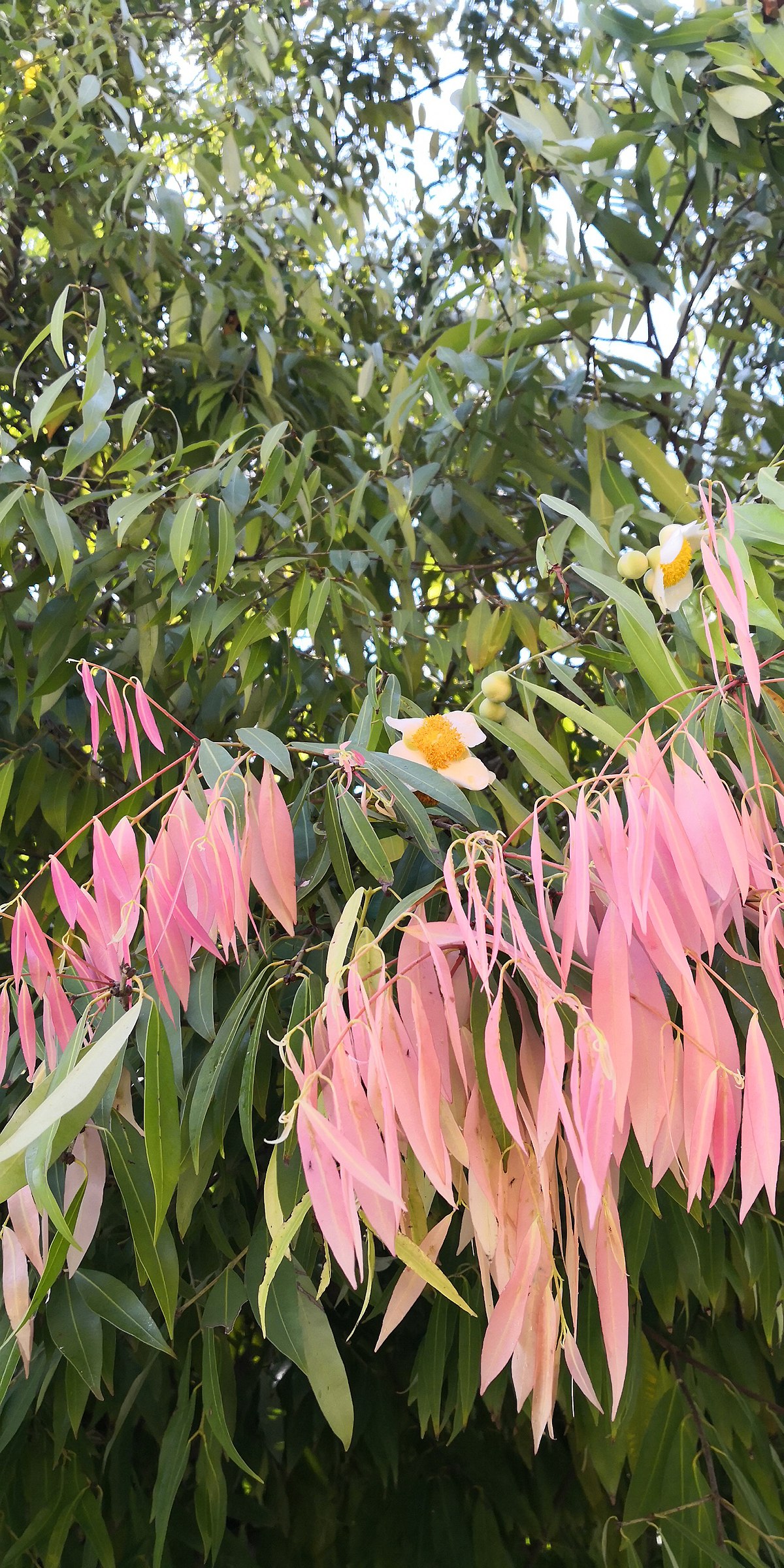
Nagkesar, scientifically known as Mesua ferrea, is an evergreen tree belonging to the Calophyllaceae family, native to tropical regions of South and Southeast Asia. It is widely recognized for its beautiful, fragrant white flowers with prominent yellow stamens.
Beyond its ornamental value, various parts of the tree, particularly the flowers and bark, have been traditionally utilized in various cultural and medicinal practices.
Other Names of Nagkesar
- Ironwood Tree
- Cobra's Saffron
- Ceylon Ironwood
- Indian Rose Chestnut
- Naag Champa
Heading
<h3> Absolute Contraindications of Nagkesar </h3> <h4> Pregnancy / trying to conceive [If you are pregnant or trying to conceive]</h4> <ul><li> 🤰 <li> Recommendation: Avoid Nagkesar (oral or concentrated extracts) while pregnant or when actively trying to conceive; discuss any herbal use with your obstetrician. <li> Reasoning: Modern studies show Mesua ferrea extracts can suppress blood-vessel growth and key pro-angiogenic signals (VEGF/angiopoietin/HIF-1α); formation of new vessels is essential for embryo implantation and placental development, so inhibiting angiogenesis creates plausible risk for implantation failure or early pregnancy harm. <li> Scientific_Study_Title: Mesua ferrea L. extract Attenuates Angiogenesis Through HIF-1α and WNT Mediated Blockage of VEGF/Angiopoietin Axis. <li> Scientific_Study_Authors: (Kumar et al. - authors listed in PubMed record). <li> Scientific_Study_Link: https://pubmed.ncbi.nlm.nih.gov/40851795/ <li> Scientific_Study_Excerpt: <p>Summary from the study: investigators tested an oleo-gum resin extract of Mesua ferrea across cell, ex-vivo and in-vivo angiogenesis models and found consistent inhibition of endothelial invasion, migration and tube formation. At the molecular level the extract down-regulated VEGF-A, VEGFR2, angiopoietin-1/2 and Tie-2 proteins and suppressed HIF-1α and WNT signalling. The extract also reduced reactive oxygen species and markers of apoptosis in treated cells. These effects translated to reduced vessel-sprouting in spheroid assays, smaller vessel outgrowth in rat aorta ring models, and diminished angiogenesis in chick chorioallantoic membrane assays - supporting a clear anti-angiogenic profile for M. ferrea extracts.</p> </ul> <h4> Concurrent use with glucose-lowering medications (diabetes medicines) [If you take insulin, sulfonylureas, or other anti-diabetic drugs]</h4> <ul><li> 🩺 <li> Recommendation: Do not start Nagkesar preparations without medical supervision if you are on blood-glucose-lowering drugs; monitor blood sugar closely and adjust medication only under clinician guidance. <li> Reasoning: Laboratory studies on Mesua ferrea isolates show potent stimulation of glucose uptake in adipocyte/cell models and active prenylated polyphenols that increase cellular glucose transport; combining this plant effect with glucose-lowering drugs could increase hypoglycaemia risk. <li> Scientific_Study_Title: Identified prenylated polyphenols from Mesua ferrea L. and their stimulatory effect on glucose uptake in 3T3-L1 adipocytes. <li> Scientific_Study_Authors: (Konyanee A, Chaniad P, Phuwajaroanpong A, et al. - authors listed in PubMed record). <li> Scientific_Study_Link: https://pubmed.ncbi.nlm.nih.gov/40054702/ <li> Scientific_Study_Excerpt: <p>The authors isolated 22 prenylated polyphenols (including novel 4-phenylcoumarins) from M. ferrea leaves and tested them on 3T3-L1 adipocytes. Multiple compounds significantly stimulated glucose uptake at low micromolar concentrations; several matched or exceeded insulin’s effect in this cell model. The work demonstrates that specific Mesua constituents directly enhance cellular glucose transport pathways, providing a mechanistic basis for blood-glucose lowering potential and a rationale for caution in patients already using hypoglycaemic medications.</p> </ul> <h4> Concurrent use with strong CYP/efflux-modulating or antibiotic potentiation situations (on critical narrow-therapeutic drugs) [If you are taking drugs where small changes in drug levels are dangerous]</h4> <ul><li> ⚖️ <li> Recommendation: Use caution and consult a clinician if you take narrow-therapeutic drugs (especially those affected by efflux pumps or CYP changes); avoid unsupervised self-medication with concentrated Nagkesar extracts. <li> Reasoning: M. ferrea contains multiple coumarins and related phenolics that can inhibit bacterial efflux pumps and modulate drug transport; while this can potentiate antibiotics, it also means the herb’s constituents may alter the pharmacokinetics or tissue distribution of co-administered drugs in unpredictable ways. <li> Scientific_Study_Title: NorA Efflux Pump Inhibitory Activity of Coumarins from Mesua ferrea. <li> Scientific_Study_Authors: Roy SK, Kumari N, Pahwa S, Agrahari UC, Bhutani KK, Jachak SM, Nandanwar H. <li> Scientific_Study_Link: https://pubmed.ncbi.nlm.nih.gov/23892000/ <li> Scientific_Study_Excerpt: <p>The Fitoterapia study isolated several natural coumarins from Mesua ferrea and showed they modulate antibiotic susceptibility in Staphylococcus aureus by inhibiting the NorA efflux pump; compounds reduced MICs of ethidium bromide and fluoroquinolones and potentiated antibiotic activity in resistant strains. Mechanistically, the coumarins appear to bind efflux pump targets and increase intracellular drug retention. This identifies a clear capacity of M. ferrea constituents to change drug disposition at the microbial-cell level - a plausible indicator that co-administered drugs or antibiotics may be affected in vivo and should be used with caution.</p> </ul> <h3> Relative Contraindications of Nagkesar </h3> <h4> Breastfeeding [If you are breastfeeding]</h4> <ul><li> 🍼 <li> Recommendation: Avoid concentrated Nagkesar preparations while breastfeeding unless directed by a knowledgeable clinician; small cosmetic/topical exposures are less likely to be a problem but discuss with your provider. <li> Reasoning: There is limited direct human data on Mesua ferrea transfer into breastmilk. Given its biological activity (anti-angiogenic, metabolic and bioactive coumarins), prudence is recommended until safety in lactation is established. <li> Scientific_Study_Available: NA <li> Scientific_Study_Title: NA <li> Scientific_Study_Authors: NA <li> Scientific_Study_Link: NA <li> Scientific_Study_Excerpt: <p>NA</p> </ul> <h4> Known plant/flower pollen sensitivity (history of eczema or strong plant allergies) [If you have strong plant allergies]</h4> <ul><li> 🌿 <li> Recommendation: Patch test topical products and introduce oral Nagkesar only under supervision if you have a history of plant allergies or severe atopy. <li> Reasoning: Direct reports of allergy to Mesua species are sparse in the literature, but plant-derived extracts can sometimes cause contact dermatitis or IgE-mediated reactions in sensitised individuals; take usual allergy precautions. <li> Scientific_Study_Available: NA <li> Scientific_Study_Title: NA <li> Scientific_Study_Authors: NA <li> Scientific_Study_Link: NA <li> Scientific_Study_Excerpt: <p>NA</p> </ul>
Heading
<h4> Low blood sugar / dizziness (when combined with diabetes medicines)</h4> <ul><li> ⚠️ <li> Side effect summary: Nagkesar constituents can increase cellular glucose uptake; when combined with diabetes drugs this may cause low blood sugar (shakiness, sweating, dizziness). <li> Recommendation: If you have diabetes, do not start Nagkesar without discussing it with your clinician and monitor blood glucose closely if used. <li> Reasoning: Cell and biochemical studies show potent glucose-uptake stimulation by Mesua isolates, creating a mechanistic risk of additive hypoglycaemia with medications that lower blood sugar. <li> Severity Level: Moderate <li> Scientific_Study_Available: Yes <li> Scientific_Study_Title: Identified prenylated polyphenols from Mesua ferrea L. and their stimulatory effect on glucose uptake in 3T3-L1 adipocytes. <li> Scientific_Study_Authors: Konyanee A, Chaniad P, Phuwajaroanpong A, Plirat W, Viriyavejakul P, Septama AW, Punsawad C. <li> Scientific_Study_Link: https://pubmed.ncbi.nlm.nih.gov/40054702/ <li> Scientific_Study_Excerpt: <p>The study isolated 22 prenylated polyphenols from M. ferrea leaves and evaluated their effect on glucose uptake in adipocyte models. Several 4-phenylcoumarins and related compounds significantly stimulated glucose uptake at micromolar concentrations; a subset matched or exceeded insulin's stimulatory effect in vitro. The authors propose that non-cyclized 4-phenylcoumarins have the strongest effects, supporting a biologic basis for enhanced peripheral glucose handling after exposure to specific M. ferrea constituents.</p> </ul> <h4> Gastrointestinal upset (nausea, mild stomach discomfort)</h4> <ul><li> 🤢 <li> Side effect summary: Some people report mild stomach upset when taking concentrated plant powders or extracts; traditional use typically employs low doses or formula combinations to reduce gastric irritation. <li> Recommendation: Start with small amounts, take with food, and stop if persistent stomach pain or severe GI symptoms occur; consult a clinician for prolonged problems. <li> Reasoning: Herbal extracts with tannins and astringent constituents (kashaya rasa) can cause mild gastric irritation in sensitive individuals; Mesua contains tannins/phenolics that plausibly produce this effect. <li> Severity Level: Mild <li> Scientific_Study_Available: NA <li> Scientific_Study_Title: NA <li> Scientific_Study_Authors: NA <li> Scientific_Study_Link: NA <li> Scientific_Study_Excerpt: <p>NA</p> </ul> <h4> Possible drug-interaction effects (altered antibiotic or narrow-therapeutic drug activity)</h4> <ul><li> ⚖️ <li> Side effect summary: Mesua coumarins can modulate bacterial efflux pumps and have shown antibiotic-potentiating effects in vitro; in theory this may alter antibiotic efficacy or interact with other drugs that rely on transporters/CYP pathways. <li> Recommendation: Do not self-combine concentrated Nagkesar extracts with prescription antibiotics or narrow-therapeutic drugs without medical advice. <li> Reasoning: Fitoterapia work showed M. ferrea coumarins inhibit NorA efflux in S. aureus and lower antibiotic MICs; while this is microbial, it indicates the plant contains active transport-modifying molecules with potential to influence drug pharmacodynamics/pharmacokinetics. <li> Severity Level: Moderate <li> Scientific_Study_Available: Yes <li> Scientific_Study_Title: NorA Efflux Pump Inhibitory Activity of Coumarins from Mesua ferrea. <li> Scientific_Study_Authors: Roy SK, Kumari N, Pahwa S, Agrahari UC, Bhutani KK, Jachak SM, Nandanwar H. <li> Scientific_Study_Link: https://pubmed.ncbi.nlm.nih.gov/23892000/ <li> Scientific_Study_Excerpt: <p>In vitro isolation and testing of several coumarins from M. ferrea demonstrated modulation of NorA efflux pump function in Staphylococcus aureus strains, reducing MICs for ethidium bromide and certain fluoroquinolones. The compounds increased intracellular retention of substrates and acted as efflux pump inhibitors at sub-inhibitory concentrations, indicating a capacity to change microbial drug handling and suggesting careful consideration when combining with antimicrobial or transporter-sensitive drugs.</p> </ul>
Heading
<h4> Antidiabetic drugs (insulin, sulfonylureas, metformin and similar)</h4> <ul> <li> Interaction_Details: Mesua ferrea isolates stimulate cellular glucose uptake in laboratory models; when combined with glucose-lowering medications this can increase the risk of symptomatic hypoglycaemia. <li> Severity: Moderate <li> Recommendation: Avoid unsupervised use; if used under supervision, monitor blood glucose frequently and have a plan to adjust medications with your prescriber. <li> Scientific_Study_Available: Yes <li> Scientific_Study_Link: https://pubmed.ncbi.nlm.nih.gov/40054702/ <li> Scientific_Study_Title: Identified prenylated polyphenols from Mesua ferrea L. and their stimulatory effect on glucose uptake in 3T3-L1 adipocytes. <li> Scientfic_Study_Authors: Konyanee A, Chaniad P, Phuwajaroanpong A, Plirat W, Viriyavejakul P, Septama AW, Punsawad C. <li> Scientific_Study_Excerpt: <p>The paper reports isolation of multiple prenylated polyphenols from M. ferrea leaves and demonstrates that several compounds significantly enhance glucose uptake in 3T3-L1 adipocytes, some approaching insulin-like efficacy in vitro. This direct cellular stimulation of glucose transport provides a mechanistic basis for potential additive glucose-lowering effects when combined with antidiabetic drugs, supporting the recommendation for cautious use and glucose monitoring.</p> </ul> <h4> Anticoagulants / Antiplatelet agents (warfarin, DOACs, aspirin, clopidogrel)</h4> <ul> <li> Interaction_Details: Mesua ferrea contains multiple natural coumarins and related phenolics; while direct clinical anticoagulant reports are limited, coumarin-type molecules can influence drug metabolism and hemostasis and thus may alter effects of anticoagulant/antiplatelet drugs. <li> Severity: Moderate <li> Recommendation: Consult the prescribing clinician before taking Nagkesar if you are on anticoagulant/antiplatelet therapy; avoid unsupervised use. <li> Scientific_Study_Available: Yes (chemical/phytochemical evidence of coumarins in M. ferrea) <li> Scientific_Study_Link: https://pubmed.ncbi.nlm.nih.gov/23892000/ <li> Scientific_Study_Title: NorA Efflux Pump Inhibitory Activity of Coumarins from Mesua ferrea. <li> Scientfic_Study_Authors: Roy SK, Kumari N, Pahwa S, Agrahari UC, Bhutani KK, Jachak SM, Nandanwar H. <li> Scientific_Study_Excerpt: <p>The Fitoterapia study isolated and characterised several coumarin compounds from Mesua ferrea and demonstrated biologic activity (efflux-pump inhibition) in vitro. The presence of multiple bioactive coumarins in the plant establishes a chemical basis for concern because coumarin scaffolds can be pharmacologically active and are known in other contexts to affect coagulation and drug metabolism; this justifies clinical caution when combining the herb with anticoagulant therapies.</p> </ul> <h4> Antibiotics (especially fluoroquinolones against Staphylococcus aureus)</h4> <ul> <li> Interaction_Details: Certain M. ferrea coumarins inhibit bacterial NorA efflux pumps and potently lower MICs of fluoroquinolones in vitro; this can potentiate antibiotic efficacy - beneficial in some contexts, but unpredictable without clinical data. <li> Severity: Mild <li> Recommendation: Do not self-combine concentrated Nagkesar extracts with prescription antibiotics to “boost” effect; discuss with your treating clinician or an infectious-diseases specialist. <li> Scientific_Study_Available: Yes <li> Scientific_Study_Link: https://pubmed.ncbi.nlm.nih.gov/23892000/ <li> Scientific_Study_Title: NorA Efflux Pump Inhibitory Activity of Coumarins from Mesua ferrea. <li> Scientfic_Study_Authors: Roy SK, Kumari N, Pahwa S, Agrahari UC, Bhutani KK, Jachak SM, Nandanwar H. <li> Scientific_Study_Excerpt: <p>In vitro experiments show that isolated coumarins from M. ferrea reduce ethidium bromide and norfloxacin MICs in NorA-expressing S. aureus strains by inhibiting efflux activity. While this suggests potential antibiotic potentiation, the study is preclinical and does not define safe or effective dosing regimens for human co-administration; therefore clinical supervision is recommended if combinations are considered.</p> </ul> <h4> Anti-angiogenic or cytotoxic cancer therapies (VEGF inhibitors, anti-VEGFR agents)</h4> <ul> <li> Interaction_Details: M. ferrea extracts show anti-angiogenic activity (VEGF/angiopoietin/HIF-1α down-regulation); combining with anti-angiogenic oncology agents could theoretically augment anti-vascular effects or change toxicity profiles. <li> Severity: Moderate <li> Recommendation: If you are receiving cancer therapy, do not use Nagkesar without oncologist approval - potential additive effects on vasculature and healing could be clinically relevant. <li> Scientific_Study_Available: Yes <li> Scientific_Study_Link: https://pubmed.ncbi.nlm.nih.gov/40851795/ <li> Scientific_Study_Title: Mesua ferrea L. extract Attenuates Angiogenesis Through HIF-1α and WNT Mediated Blockage of VEGF/Angiopoietin Axis. <li> Scientfic_Study_Authors: (Kumar et al. - authors listed in PubMed record). <li> Scientific_Study_Excerpt: <p>The authors evaluated M. ferrea oleo-gum resin in multiple angiogenesis assays and reported down-regulation of VEGF-A, VEGFR2, angiopoietins, MMPs and transcription factors HIF-1α and WNT; functional assays (endothelial tube formation, aortic ring sprouting and CAM models) showed reduced vessel growth. These data indicate real anti-angiogenic potential that could theoretically interact with anti-angiogenic drugs used in oncology - thus warranting clinical caution.</p> </ul>