Moringa
Moringa oleifera
Moringa (Moringa oleifera), often called the "Miracle Tree" (Sahjan in Hindi), is a highly revered and widely prevalent plant in Ayurveda. Traditionally, it's claimed to balance Vata, Pitta, and Kapha doshas. Its leaves, pods, and flowers are supposedly beneficial for various health aspects, making it a significant component in traditional Ayurvedic practices across tropical regions.
PLANT FAMILY
Moringaceae (Moringa)
PARTS USED
Leaves, Pods, Flowers
AYURVEDIC ACTION
Vata ↓, Pitta ↓, Kapha ↓
ACTIVE COMPOUNDS
Isothiocyanates (1-3%)
What is Moringa?
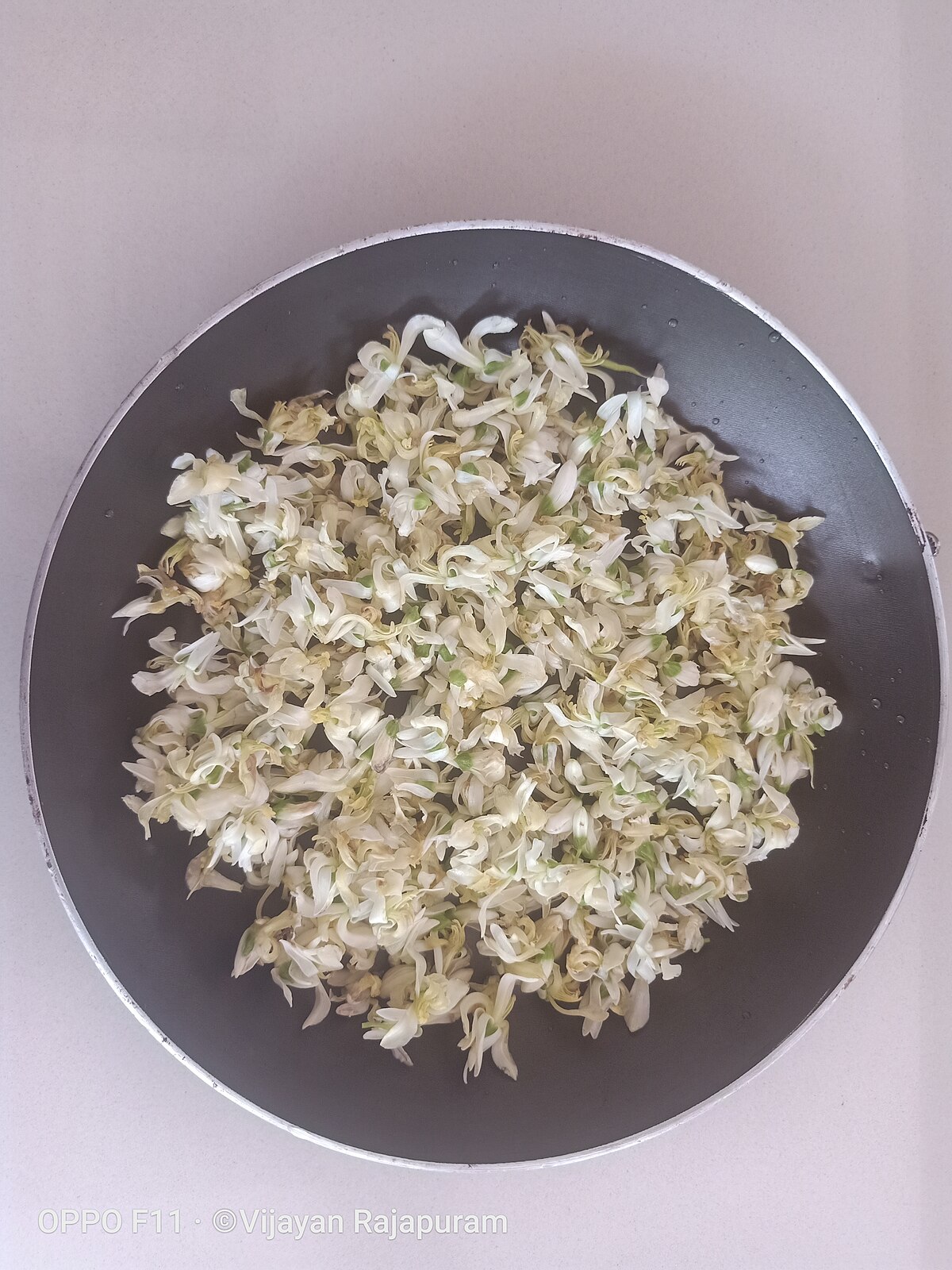
Moringa, scientifically known as Moringa oleifera, is a fast-growing, drought-resistant tree native to India but now widely cultivated in tropical and subtropical regions. It belongs to the family Moringaceae and is distinguished by its slender branches, oval-shaped leaves, and elongated seed pods. Often referred to as the "miracle tree" due to its exceptional nutritional profile, almost every part of the plant is edible and utilized, including its leaves, pods, flowers, and seeds.
Historically, Moringa has been revered across cultures for its comprehensive benefits, serving as both a vital food source and a component in traditional medicinal practices. Its adaptability to harsh climates further underscores its significance as a sustainable and nutrient-dense crop.
Other Names of Moringa
- Drumstick Tree
- Miracle Tree
- Ben Oil Tree
- Horseradish Tree
- Sahjan
Heading
<h3> Absolute Contraindications of Moringa </h3> <h4> Pregnancy / early pregnancy (If you are pregnant or trying to conceive)</h4> <ul> <li>🤰</li> <li>Recommendation: Avoid medicinal or high-dose Moringa leaf/seed preparations during pregnancy; if pregnant and have used Moringa, discuss with your healthcare provider promptly.</li> <li>Reasoning: Animal studies report that certain Moringa preparations (leaf powders/extracts and particularly some root/bark preparations) produced significant abortifacient or pre-/post-implantation effects at experimental doses, indicating risk when taken as a concentrated medicinal product.</li> <li>Scientific_Study_Title: Abortifacient activity of a medicinal plant "moringa oleifera" in rats.</li> <li>Scientific_Study_Authors: N Sethi, D Nath, S C Shukla, R Dyal.</li> <li>Scientific_Study_Link: https://pubmed.ncbi.nlm.nih.gov/22557610/</li> <li>Scientific_Study_Excerpt: <p>The 1988 experimental report tested dried leaf powder administered orally to pregnant rats (175 mg/kg daily, days 5-10 post-mating) and observed a measurable abortifacient effect under those conditions. The authors described loss of pregnancy in treated animals compared with controls and concluded the extract displayed antifertility activity in that animal model. While this is an animal study (not a human clinical trial), the findings are consistent with traditional caution about using concentrated parts of the plant in pregnancy and justify avoiding medicinal/high-dose use by pregnant people.</p> </li> </ul> <h4>Severe liver disease / active hepatic injury</h4> <ul> <li>🛑</li> <li>Recommendation: Do not take high-dose Moringa extracts if you have active severe liver disease; if you are considering any Moringa supplement, consult your hepatologist first and prefer small dietary amounts only under supervision.</li> <li>Reasoning: Animal subchronic studies with concentrated methanolic or powdered preparations showed dose-related increases in liver enzymes and histologic liver changes at higher experimental doses, indicating potential for liver stress with prolonged high-dose exposure.</li> <li>Scientific_Study_Title: Toxicological evaluations of methanolic extract of Moringa oleifera leaves in liver and kidney of male Wistar rats.</li> <li>Scientific_Study_Authors: Ademola A Oyagbemi, Temitayo O Omobowale, Ibraheem O Azeez, John O Abiola, Rahamon A M Adedokun, Helen O Nottidge.</li> <li>Scientific_Study_Link: https://pubmed.ncbi.nlm.nih.gov/23509212/</li> <li>Scientific_Study_Excerpt: <p>In this repeated-dose rat study animals received methanolic leaf extract at graded doses for 8 weeks. Rats given 200 and 400 mg/kg showed statistically significant increases in serum liver enzymes (ALT, AST) and histologic evidence consistent with hepatic injury compared to controls. The authors concluded that chronic administration of high-dose extract may predispose to hepatic damage in this model. These findings suggest caution with long-term or high-dose medicinal use in humans with pre-existing liver disease, although typical culinary use of leaves is much lower.</p> </li> </ul> <h4>Severe kidney disease (advanced renal impairment)</h4> <ul> <li>⚠️</li> <li>Recommendation: Avoid medicinal-strength Moringa supplements if you have advanced kidney disease; discuss any use with your nephrologist. Small culinary amounts are less likely to be harmful but professional advice is advised.</li> <li>Reasoning: Some animal toxicity studies of concentrated powders/extracts reported elevations in BUN/creatinine and histologic kidney changes at higher doses, indicating kidney stress when taken long term at concentrated doses.</li> <li>Scientific_Study_Title: Evaluation of acute toxicity, 28-day repeated dose toxicity, and genotoxicity of Moringa oleifera leaves infusion and powder.</li> <li>Scientific_Study_Authors: (See article: authors listed on PubMed entry: authors vary by paper - use the linked article for full list.)</li> <li>Scientific_Study_Link: https://pubmed.ncbi.nlm.nih.gov/35760258/</li> <li>Scientific_Study_Excerpt: <p>This 28-day repeated dose study compared infusion and powder forms in mice and showed that while the infusion was well tolerated, administration of leaf powder at 500 and 1000 mg/kg produced biochemical and histopathologic evidence of liver and kidney damage, including altered renal markers. The data indicate that concentrated powders (not typical culinary portions) can stress kidneys in rodents; therefore individuals with impaired renal function should avoid medicinal-strength preparations and consult their clinician before use.</p> </li> </ul> <h3> Relative Contraindications of Moringa </h3> <h4>Use with antidiabetic medications (insulin, sulfonylureas, metformin)</h4> <ul> <li>🩺</li> <li>Recommendation: If you take glucose-lowering drugs, consult your prescribing clinician before starting Moringa; your medication dose may need closer monitoring and potential adjustment to avoid hypoglycaemia.</li> <li>Reasoning: Human and animal studies show Moringa reduces post-meal glucose and can improve HbA1c; when combined with pharmaceutical hypoglycemics there is theoretical and experimental risk of additive blood glucose lowering.</li> <li>Scientific_Study_Title: Effect of Moringa oleifera Leaf Powder on Postprandial Blood Glucose Response: In Vivo Study on Saharawi People Living in Refugee Camps.</li> <li>Scientific_Study_Authors: Alessandro Leone, Simona Bertoli, Sara Di Lello, Angela Bassoli, Stefano Ravasenghi, Gigliola Borgonovo, Fabio Forlani, Alberto Battezzati.</li> <li>Scientific_Study_Link: https://pubmed.ncbi.nlm.nih.gov/30322091/</li> <li>Scientific_Study_Excerpt: <p>In this human study, adding 20 g of Moringa leaf powder to a traditional meal reduced the postprandial glucose rise in diabetic participants versus the control meal, with lower increments and an earlier peak. The trial demonstrated a measurable hypoglycemic adjunct effect in people with diabetes. Although the study used a food dose, the findings illustrate how Moringa can alter glucose excursions and therefore may increase the hypoglycemic effect when combined with insulin or sulfonylureas, warranting monitoring and possible dose adjustments.</p> </li> </ul> <h4>Use with antihypertensive medications (ACE inhibitors, ARBs, beta-blockers)</h4> <ul> <li>💊</li> <li>Recommendation: If you are on blood-pressure medications, check with your doctor before adding medicinal doses of Moringa; monitor blood pressure closely and adjust therapy if needed.</li> <li>Reasoning: Moringa peptides and constituents have demonstrated ACE and renin inhibitory activity and lowered blood pressure in experimental models and small human studies; combining with prescribed antihypertensives could produce additive hypotension.</li> <li>Scientific_Study_Title: Antihypertensive activity of the ACE-renin inhibitory peptide derived from Moringa oleifera protein.</li> <li>Scientific_Study_Authors: Keer Ma, Yujiao Wang, Mingjie Wang, Zhigao Wang, Xuefeng Wang, Xingrong Ju, Rong He.</li> <li>Scientific_Study_Link: https://pubmed.ncbi.nlm.nih.gov/34382048/</li> <li>Scientific_Study_Excerpt: <p>Researchers extracted protein hydrolysates from Moringa leaves, isolated <1 kDa peptide fractions, and observed strong ACE and renin inhibition in vitro; oral administration of the active fraction lowered systolic and diastolic blood pressure in hypertensive rats by roughly 17-19 mmHg. The molecular data and animal effects support the concept that Moringa contains potent, bioavailable antihypertensive peptides, so simultaneous use with antihypertensive drugs could augment blood-pressure lowering.</p> </li> </ul> <h4>Use with anticoagulant/antiplatelet drugs (warfarin, DOACs, aspirin)</h4> <ul> <li>🩸</li> <li>Recommendation: If you take blood thinners, avoid medicinal-strength Moringa preparations or discuss with your clinician; frequent INR/bleeding-risk monitoring is advised if co-use is considered.</li> <li>Reasoning: Moringa contains proteins (and other constituents) that inhibit thrombin activity in vitro; this indicates potential to increase anticoagulant effect and bleeding risk when used with therapeutic anticoagulants.</li> <li>Scientific_Study_Title: A Non-competitive Serpin-Like Thrombin Inhibitor Isolated from Moringa oleifera Exhibit a High Affinity for Thrombin.</li> <li>Scientific_Study_Authors: Sawetaji, Kamal Krishan Aggarwal.</li> <li>Scientific_Study_Link: https://pubmed.ncbi.nlm.nih.gov/37149510/</li> <li>Scientific_Study_Excerpt: <p>Investigators isolated a ~50 kDa protein from Moringa that acted as a non-competitive inhibitor of human thrombin in vitro, with substantial thrombin inhibition at low microgram amounts and an IC50 in the low µg range. The work demonstrates a direct biochemical anticoagulant potential of a Moringa-derived protein, providing a plausible mechanistic basis for additive bleeding risk if Moringa preparations are used together with clinical anticoagulants or antiplatelet agents.</p> </li> </ul>
Heading
<h4>Gastrointestinal upset (nausea, bloating, loose stools)</h4> <ul> <li>🤢</li> <li>Side effect summary: Higher doses of Moringa leaf powder taken daily (several grams/day) commonly cause mild, transient gastrointestinal symptoms such as nausea, bloating or softer stools.</li> <li>Recommendation: Start with small culinary amounts and stop if symptoms persist; for bothersome or prolonged symptoms consult a clinician.</li> <li>Reasoning: Human acceptability studies show GI symptoms increase at doses >7 g/day and are generally mild and self-limited.</li> <li>Severity Level: Mild</li> <li>Scientific_Study_Available: Yes</li> <li>Scientific_Study_Title: Acceptability of Moringa oleifera leaf powder among healthy adults in the United States.</li> <li>Scientific_Study_Authors: Susana L Matias, Caitlin D French, Jessica Saavedra, Akshara Shankar, Aidan S Rymland, Ivan Rodriguez Beltran, Jose O Collado, Carrie Waterman.</li> <li>Scientific_Study_Link: https://pubmed.ncbi.nlm.nih.gov/40226484/</li> <li>Scientific_Study_Excerpt: <p>This 2023 acceptability trial enrolled healthy adults randomized to low (≈2.4 g), medium (≈4.8 g) or high (≈7.2 g) daily doses of Moringa powder for seven days. Compliance was high, but participants in the highest dose group reported more overall and gastrointestinal symptoms than the low-dose group. The authors concluded that daily culinary doses up to about 3 teaspoons are well tolerated, while doses above ~7 g/day increase the frequency of mild, transient GI complaints.</p> </li> </ul> <h4>Hypoglycaemia (low blood sugar symptoms)</h4> <ul> <li>😵💫</li> <li>Side effect summary: When taken with glucose-lowering medications or in susceptible people, Moringa may increase the risk of low blood sugar, causing dizziness, sweating, fatigue or fainting.</li> <li>Recommendation: If you take diabetes medications, do not add Moringa without medical supervision; monitor glucose closely and adjust drugs as needed under clinician advice.</li> <li>Reasoning: Clinical and experimental trials show Moringa reduces post-prandial glucose and improves glycemic markers, so additive effects with antidiabetic drugs can produce hypoglycaemia.</li> <li>Severity Level: Moderate</li> <li>Scientific_Study_Available: Yes</li> <li>Scientific_Study_Title: Effect of Moringa oleifera Leaf Powder on Postprandial Blood Glucose Response: In Vivo Study on Saharawi People Living in Refugee Camps.</li> <li>Scientific_Study_Authors: Alessandro Leone, Simona Bertoli, Sara Di Lello, Angela Bassoli, Stefano Ravasenghi, Gigliola Borgonovo, Fabio Forlani, Alberto Battezzati.</li> <li>Scientific_Study_Link: https://pubmed.ncbi.nlm.nih.gov/30322091/</li> <li>Scientific_Study_Excerpt: <p>In this controlled study, adding 20 g Moringa leaf powder to a meal in diabetic subjects reduced the post-meal glucose increment and shifted the timing of the glucose peak, yielding a lower overall glycemic response compared with the control meal. The data demonstrate a clinically relevant glucose-lowering adjunct effect in people with diabetes and support careful monitoring when Moringa is used with antidiabetic therapies to avoid symptomatic hypoglycaemia.</p> </li> </ul> <h4>Symptomatic hypotension (lightheadedness, dizziness)</h4> <ul> <li>🩺</li> <li>Side effect summary: Moringa can lower blood pressure; in some people this may cause lightheadedness, especially when standing up quickly or when combined with antihypertensive drugs.</li> <li>Recommendation: Check blood pressure regularly if you take Moringa and are on blood-pressure medications; stop use and seek advice if you feel faint or dizzy.</li> <li>Reasoning: Controlled human and animal data show postprandial blood-pressure lowering and isolated antihypertensive peptides, which could cause additive hypotensive effects.</li> <li>Severity Level: Mild-Moderate</li> <li>Scientific_Study_Available: Yes</li> <li>Scientific_Study_Title: Consumption of Moringa oleifera Lam Leaves Lowers Postprandial Blood Pressure.</li> <li>Scientific_Study_Authors: Marie Chan Sun, Zaina B Ruhomally, Ravindra Boojhawon, Vidushi S Neergheen-Bhujun.</li> <li>Scientific_Study_Link: https://pubmed.ncbi.nlm.nih.gov/31063434/</li> <li>Scientific_Study_Excerpt: <p>A randomized controlled clinical study in healthy volunteers who ate 120 g cooked Moringa leaves showed a statistically significant reduction in diastolic blood pressure two hours after the meal, and a tendency for postprandial lowering of systolic and diastolic pressures despite variable salt intake. These findings show Moringa consumption can acutely lower blood pressure in humans and help explain reports of dizziness or lightheadedness when combined with antihypertensive medications.</p> </li> </ul> <h4>Hepatotoxicity / kidney stress at high medicinal doses</h4> <ul> <li>⚠️</li> <li>Side effect summary: Prolonged high-dose or concentrated extract use in animals has produced elevated liver enzymes and kidney markers; short-term culinary use is generally safe but concentrated supplements may stress organs.</li> <li>Recommendation: Avoid long-term high-dose supplements; if you have liver or kidney disease, only use under specialist supervision and monitor labs.</li> <li>Reasoning: Repeated-dose animal studies with concentrated extracts/powders have documented elevations in ALT/AST and BUN/creatinine and histological changes at higher experimental doses.</li> <li>Severity Level: Moderate</li> <li>Scientific_Study_Available: Yes</li> <li>Scientific_Study_Title: Toxicological evaluations of methanolic extract of Moringa oleifera leaves in liver and kidney of male Wistar rats.</li> <li>Scientific_Study_Authors: Ademola A Oyagbemi, Temitayo O Omobowale, Ibraheem O Azeez, John O Abiola, Rahamon A M Adedokun, Helen O Nottidge.</li> <li>Scientific_Study_Link: https://pubmed.ncbi.nlm.nih.gov/23509212/</li> <li>Scientific_Study_Excerpt: <p>In an 8-week rat study of methanolic leaf extract at graded doses, animals receiving 200 and 400 mg/kg showed significant increases in serum ALT, AST, BUN and creatinine versus controls, pointing to hepatic and renal injury at those higher concentrations. The investigators concluded that chronic administration of concentrated extract could predispose to organ damage in this model, underlining caution for prolonged, high-dose human use.</p> </li> </ul>
Heading
<h4>Antidiabetic drugs (insulin, sulfonylureas, metformin)</h4> <ul> <li>Interaction_Details: Moringa reduces post-meal glucose and can lower fasting glucose/HbA1c in trials; when taken with insulin or insulin-secretagogues it may potentiate glucose lowering and raise hypoglycemia risk.</li> <li>Severity: Moderate</li> <li>Recommendation: Consult your prescriber; if co-used, check blood glucose frequently and expect possible medication dose adjustments.</li> <li>Scientific_Study_Available: Yes</li> <li>Scientific_Study_Link: https://pubmed.ncbi.nlm.nih.gov/30322091/</li> <li>Scientific_Study_Title: Effect of Moringa oleifera Leaf Powder on Postprandial Blood Glucose Response: In Vivo Study on Saharawi People Living in Refugee Camps.</li> <li>Scientfic_Study_Authors: Alessandro Leone, Simona Bertoli, Sara Di Lello, Angela Bassoli, Stefano Ravasenghi, Gigliola Borgonovo, Fabio Forlani, Alberto Battezzati.</li> <li>Scientific_Study_Excerpt: <p>This controlled in-vivo human study assessed the effect of adding 20 g Moringa leaf powder to a traditional meal in diabetic and healthy participants. In diabetic subjects the Moringa-supplemented meal produced a lower and earlier postprandial glycemic rise compared with the control meal, and overall glycemic increments were reduced. The findings demonstrate Moringa’s potential to lower post-meal glucose in people with impaired glycemic control and thus its capacity to add to the effects of pharmaceutical antihyperglycemic agents.</p> </li> </ul> <h4>Antihypertensive drugs (ACE inhibitors, ARBs, beta-blockers, calcium channel blockers)</h4> <ul> <li>Interaction_Details: Moringa contains ACE/renin-inhibitory peptides and other vasoactive compounds that can lower blood pressure; combining with prescribed antihypertensives can lead to additive hypotension.</li> <li>Severity: Moderate</li> <li>Recommendation: Monitor blood pressure closely; consult the clinician about potential adjustments if symptomatic hypotension occurs.</li> <li>Scientific_Study_Available: Yes</li> <li>Scientific_Study_Link: https://pubmed.ncbi.nlm.nih.gov/34382048/</li> <li>Scientific_Study_Title: Antihypertensive activity of the ACE-renin inhibitory peptide derived from Moringa oleifera protein.</li> <li>Scientfic_Study_Authors: Keer Ma, Yujiao Wang, Mingjie Wang, Zhigao Wang, Xuefeng Wang, Xingrong Ju, Rong He.</li> <li>Scientific_Study_Excerpt: <p>Investigators isolated low-molecular-weight peptides from Moringa leaf protein hydrolysate that inhibited ACE and renin strongly in vitro. When given orally to hypertensive rats, the active fraction produced notable reductions in systolic and diastolic blood pressure. The work provides a mechanistic basis for Moringa’s antihypertensive activity and underscores the plausibility of additive blood-pressure lowering when combined with pharmacologic antihypertensive agents.</p> </li> </ul> <h4>Anticoagulant / antiplatelet drugs (warfarin, direct oral anticoagulants, aspirin, clopidogrel)</h4> <ul> <li>Interaction_Details: Bioactive proteins from Moringa show direct thrombin inhibition in lab assays; constituents may also influence platelet or coagulation pathways, raising theoretical risk of increased bleeding if combined with anticoagulant or antiplatelet drugs.</li> <li>Severity: Moderate-Severe (depending on dose and individual risk)</li> <li>Recommendation: Avoid co-administration without specialist oversight; if unavoidable, perform close coagulation monitoring (INR/clinical bleeding signs) and counsel about bleeding risk.</li> <li>Scientific_Study_Available: Yes</li> <li>Scientific_Study_Link: https://pubmed.ncbi.nlm.nih.gov/37149510/</li> <li>Scientific_Study_Title: A Non-competitive Serpin-Like Thrombin Inhibitor Isolated from Moringa oleifera Exhibit a High Affinity for Thrombin.</li> <li>Scientfic_Study_Authors: Sawetaji, Kamal Krishan Aggarwal.</li> <li>Scientific_Study_Excerpt: <p>Researchers purified a ~50 kDa protein from Moringa leaves that inhibited thrombin activity by ~63% in vitro at low microgram concentrations and demonstrated a low IC50, functioning as a non-competitive inhibitor. The finding reveals a direct anticoagulant molecular action in Moringa and justifies caution when Moringa is used alongside clinical anticoagulants, which could produce additive anticoagulant effects and increase bleeding risk.</p> </li> </ul> <h4>Drugs metabolized by CYP3A4 and CYP2D6 (many common medicines: statins, some antihistamines, certain antidepressants, opioids, antiarrhythmics)</h4> <ul> <li>Interaction_Details: Moringa extracts and isolated secondary metabolites inhibited CYP3A4 (and to a lesser extent CYP2D6) activity in laboratory assays; this raises the possibility of altered blood levels of drugs cleared by these enzymes.</li> <li>Severity: Mild-Moderate (depends on drug therapeutic index)</li> <li>Recommendation: If you take drugs primarily metabolized by CYP3A4 or CYP2D6, discuss Moringa use with your clinician or pharmacist; consider monitoring drug levels or effects where available, especially for narrow-therapeutic-index drugs.</li> <li>Scientific_Study_Available: Yes</li> <li>Scientific_Study_Link: https://pubmed.ncbi.nlm.nih.gov/31301970/</li> <li>Scientific_Study_Title: Isolation, synthesis, and drug interaction potential of secondary metabolites derived from the leaves of miracle tree (Moringa oleifera) against CYP3A4 and CYP2D6 isozymes.</li> <li>Scientfic_Study_Authors: Omer I Fantoukh, Mohamed A Albadry, Abidah Parveen, Mohammed F Hawwal, Taghreed Majrashi, Zulfiqar Ali, Shabana I Khan, Amar G Chittiboyina, Ikhlas A Khan.</li> <li>Scientific_Study_Excerpt: <p>Phytochemical isolates from Moringa leaves were tested for inhibitory effects on CYP3A4 and CYP2D6. Crude extracts showed inhibition of CYP3A4 (with IC50 in the µg/ml range) and several isolated compounds inhibited CYP3A4 to varying extents, indicating potential to alter the metabolism of medicines cleared by these enzymes. The in vitro data suggest a possible herb-drug interaction pathway, especially relevant for drugs with narrow therapeutic margins.</p> </li> </ul>