Malkangani

Celastrus paniculatus
Malkangani (Celastrus paniculatus), also known as Jyotishmati (Intellect Tree), is a significant Ayurvedic herb native to India. Its seeds and oil are widely utilized for their supposed cognitive and neurological benefits, and it's traditionally claimed to balance Vata and Kapha doshas. This woody climbing shrub thrives in tropical and subtropical regions.
PLANT FAMILY
Celastraceae (Staff-tree)
PARTS USED
Seed, Oil, Leaves
AYURVEDIC ACTION
Vata ↓, Pitta ↑, Kapha ↓
ACTIVE COMPOUNDS
Malkanguni (2-10%)

What is Malkangani?

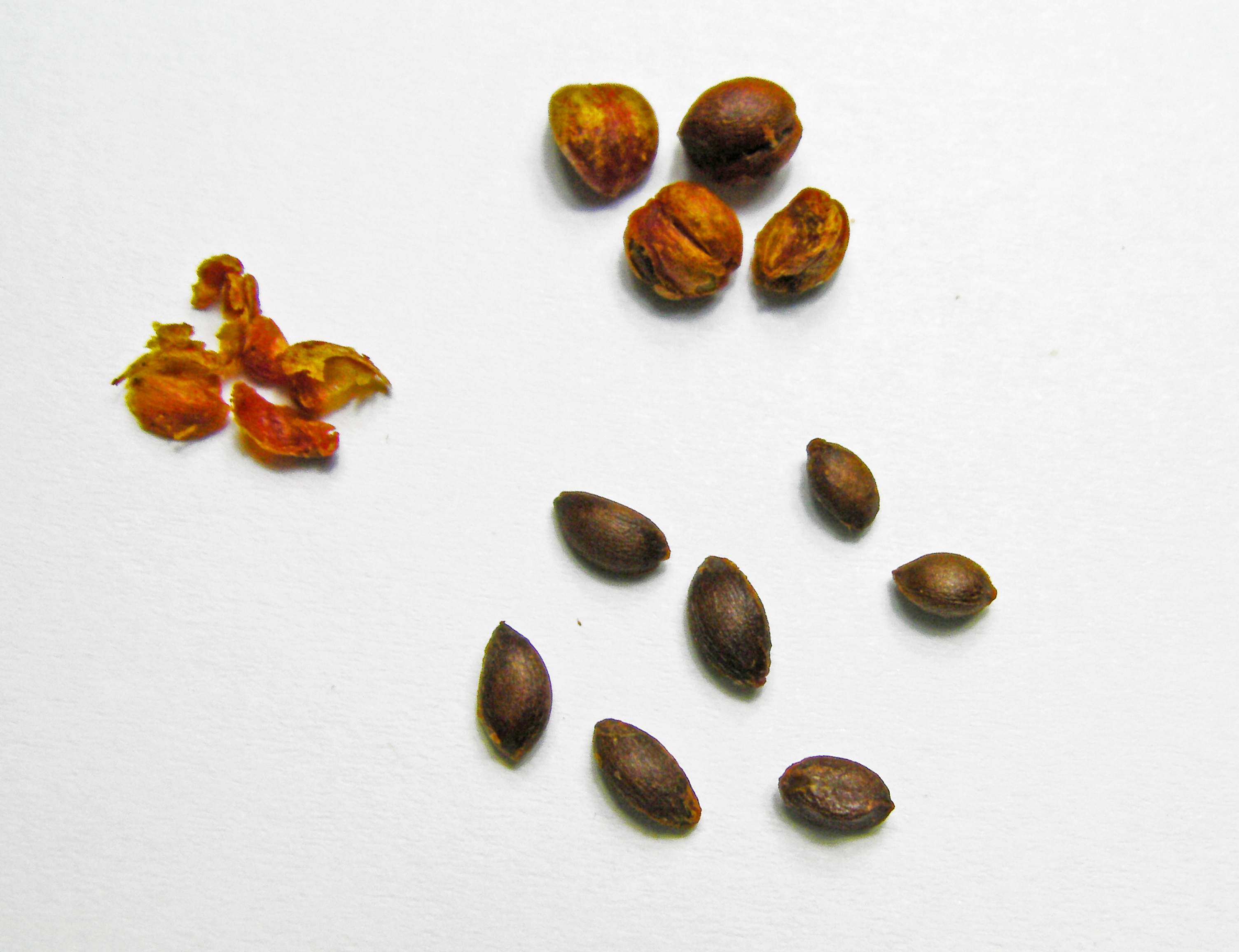
Malkangani, scientifically known as Celastrus paniculatus, is a woody climbing shrub belonging to the Celastraceae family. It is native to India and other parts of Asia, thriving in tropical and subtropical regions. The plant is characterized by its oval-shaped leaves, greenish-yellow flowers, and distinctive bright orange-red fruits that enclose seeds with a red aril.

Historically, Malkangani has been widely recognized for its seeds, which yield an oil extensively used in traditional medicine systems. Its robust nature allows it to grow in diverse terrains, from plains to hilly areas.

Other Names of Malkangani

  • Staff Tree
  • Intellect Tree
  • Black Oil Plant
  • Jyotishmati
  • Celastrus
Celastrus paniculatus seeds

Benefits of Malkangani

Heading

<h3> Absolute Contraindications of Malkangani </h3> <h4> Trying to conceive / Male infertility risks (men wanting to father children)</h4> <ul> <li> 🧬</li> <li> Recommendation: Men planning conception should avoid regular or high-dose use of Malkangani seed oil until cleared by a clinician. </li> <li> Reasoning: Animal experiments show that repeated high systemic dosing caused testicular changes and arrest of spermatogenesis that were reversible after stopping; this indicates potential negative effects on male fertility at pharmacologic doses. </li> <li> Scientific_Study_Title: Antispermatogenic action of Celastrus paniculatus seed extract in the rat with reversible changes in the liver.</li> <li> Scientific_Study_Authors: Ramesh, K.K.; (and co-authors as listed in the paper)</li> <li> Scientific_Study_Link: https://pubmed.ncbi.nlm.nih.gov/2335957/</li> <li> Scientific_Study_Excerpt: <p>The authors administered oily seed extract repeatedly (intraperitoneal dosing) and observed testicular vacuolization, germ-cell depletion and arrest of spermatogenesis; liver focal necrosis was also reported at the tested regimen. The reproductive changes in the testes were noted to be reversible after discontinuation, but the findings indicate that sustained high systemic exposure can impair spermatogenesis and impact fertility parameters in male rats.</p> </li> </ul> <h4> Pregnancy & breastfeeding (precaution / avoid)</h4> <ul> <li> 🤰</li> <li> Recommendation: Avoid internal use of Malkangani during pregnancy and breastfeeding because safety in human pregnancy is not established and some plant constituents are cytotoxic in lab studies. </li> <li> Reasoning: Certain isolated constituents from Celastrus show cytotoxic and apoptosis-inducing effects in cell models; with no controlled reproductive safety data in humans, the prudent approach is avoidance during pregnancy and lactation. </li> <li> Scientific_Study_Title: Cytotoxic constituents from Celastrus paniculatus induce apoptosis and autophagy in breast cancer cells.</li> <li> Scientific_Study_Authors: Lin, C.-H.; et al.</li> <li> Scientific_Study_Link: https://pubmed.ncbi.nlm.nih.gov/23810286/</li> <li> Scientific_Study_Excerpt: <p>Isolation of dihydroagarofuranoid sesquiterpenes showed concentration-dependent cytotoxicity against MCF-7 breast cancer cells, inducing apoptosis and autophagy with impacts on survival and cell-cycle signalling pathways. While these results come from cancer cell models, they demonstrate that some Celastrus constituents can trigger programmed cell death and modulate proliferative signalling-mechanisms that warrant caution in pregnancy where developing tissues are sensitive.</p> </li> </ul> <h4> Pre-existing severe liver disease</h4> <ul> <li> 🧪🧑‍⚕️</li> <li> Recommendation: People with significant liver impairment should avoid Malkangani unless supervised by a hepatology clinician and monitored with liver tests. </li> <li> Reasoning: Animal data report focal liver necrosis after repeated high systemic dosing of seed oil; this suggests potential hepatic stress at pharmacologic exposures. </li> <li> Scientific_Study_Title: Antispermatogenic action of Celastrus paniculatus seed extract in the rat with reversible changes in the liver.</li> <li> Scientific_Study_Authors: Ramesh, K.K.; (and co-authors)</li> <li> Scientific_Study_Link: https://pubmed.ncbi.nlm.nih.gov/2335957/</li> <li> Scientific_Study_Excerpt: <p>In treated rats, the liver showed focal necrosis and related histopathological changes after repeated i.p. dosing of seed oil; although lesions were reported reversible on recovery, the observations indicate that sustained systemic exposure produced measurable hepatic injury in animal models and justify caution for patients with compromised liver function.</p> </li> </ul> <h4> Concurrent use of MAO inhibitors (or unstable on antidepressants affecting monoamines)</h4> <ul> <li> ⚠️</li> <li> Recommendation: If you are taking MAO inhibitors (or other strong serotonergic/monoamine agents), do not start Malkangani without medical supervision. Consider avoiding it. </li> <li> Reasoning: Seed oil inhibits MAO-A and modulates dopaminergic/serotonergic systems in animals; combining with MAOI drugs or serotonergic antidepressants could theoretically alter monoamine levels and increase risk of adverse monoaminergic effects. </li> <li> Scientific_Study_Title: Behavioral and Biochemical Evidences for Antidepressant-Like Activity of Celastrus paniculatus Seed Oil in Mice.</li> <li> Scientific_Study_Authors: Valecha R., Dhingra D., et al.</li> <li> Scientific_Study_Link: https://pubmed.ncbi.nlm.nih.gov/27303599/</li> <li> Scientific_Study_Excerpt: <p>Celastrus seed oil reduced immobility in forced-swim and tail-suspension tests, inhibited MAO-A activity and lowered plasma corticosterone in mice; pharmacologic probes showed involvement of dopamine D2, serotonergic pathways and GABAB mechanisms. Given this influence on monoamines, concomitant use with MAO inhibitors or potent serotonergic agents could theoretically modify drug effects-supporting a precautionary contraindication.</p> </li> </ul> <h3> Relative Contraindications of Malkangani </h3> <h4> Parkinson’s disease or patients on dopaminergic therapy</h4> <ul> <li> 🧠</li> <li> Recommendation: Use with caution and only under specialist guidance-monitor motor symptoms and medication levels. </li> <li> Reasoning: Malkangani can raise dopamine levels in animal models; this may unpredictably alter response to dopaminergic medications or disease control. </li> <li> Scientific_Study_Title: Neuroprotective Effect of Celastrus Paniculatus Seed Extract on Epilepsy and Epilepsy-associated Cognitive Deficits.</li> <li> Scientific_Study_Authors: (authors listed in paper; see link)</li> <li> Scientific_Study_Link: https://pubmed.ncbi.nlm.nih.gov/37346867/</li> <li> Scientific_Study_Excerpt: <p>In the PTZ kindling model, Celastrus treatment elevated dopamine levels alongside antioxidant effects and reduced seizure scores. While studied in epilepsy models, the demonstrated dopamine modulation suggests potential to influence dopaminergic pathways relevant to Parkinson’s disease or dopaminergic drugs; hence monitoring and specialist input are advised.</p> </li> </ul> <h4> Psychiatric illness on antipsychotics or mood stabilisers (relative caution)</h4> <ul> <li> 🧩</li> <li> Recommendation: Discuss with your psychiatrist before using Malkangani, because it may change dopamine/serotonin tone and interact with antipsychotic efficacy or side effects. </li> <li> Reasoning: Animal data indicate interactions with dopamine D2 and serotonergic systems; altering neurotransmitter balance can affect antipsychotic treatment response or side effect profile. </li> <li> Scientific_Study_Title: Behavioral and Biochemical Evidences for Antidepressant-Like Activity of Celastrus paniculatus Seed Oil in Mice.</li> <li> Scientific_Study_Authors: Valecha R., Dhingra D., et al.</li> <li> Scientific_Study_Link: https://pubmed.ncbi.nlm.nih.gov/27303599/</li> <li> Scientific_Study_Excerpt: <p>The oil’s antidepressant-like effects were attenuated by pharmacologic blockade of D2 and serotonergic synthesis, indicating direct interaction with these neurotransmitter systems. For patients on psychiatric medicines that affect these same systems, Malkangani could modify clinical response and side effects and should be used only after specialist consultation.</p> </li> </ul>

Heading

<h4> Reduced male fertility / testicular effects</h4> <ul> <li> 🧫</li> <li> Side effect summary: Repeated high systemic doses in animals caused changes in the testes leading to reduced sperm production - effects were reported reversible after stopping. </li> <li> Recommendation: If you are trying to father a child, avoid regular high-dose use and consult a doctor. </li> <li> Reasoning: Animal histology showed germ-cell loss and arrest of spermatogenesis after repeated dosing; although reversible, this is a clear adverse effect in preclinical models. </li> <li> Severity Level: Moderate</li> <li> Scientific_Study_Available: Yes</li> <li> Scientific_Study_Title: Antispermatogenic action of Celastrus paniculatus seed extract in the rat with reversible changes in the liver.</li> <li> Scientific_Study_Authors: Ramesh, K.K.; (and co-authors)</li> <li> Scientific_Study_Link: https://pubmed.ncbi.nlm.nih.gov/2335957/</li> <li> Scientific_Study_Excerpt: <p>Rats given repeated doses of oily seed extract exhibited vacuolization, germ cell depletion and arrest of spermatogenesis; these reproductive changes were reversible after cessation. The study also reported focal liver necrosis in treated animals. The findings establish an animal-model signal for impaired spermatogenesis at sustained high exposures.</p> </li> </ul> <h4> Liver enzyme / hepatic changes</h4> <ul> <li> 🧴</li> <li> Side effect summary: High or repeated dosing produced focal liver necrosis in rats in at least one study, suggesting potential hepatic stress at pharmacologic exposures. </li> <li> Recommendation: Those with liver disease should avoid use or use only under medical supervision with monitoring of liver tests. </li> <li> Reasoning: Histologic liver changes in animals after repeated dosing indicate possible hepatic risk when systemic exposure is high. </li> <li> Severity Level: Moderate</li> <li> Scientific_Study_Available: Yes</li> <li> Scientific_Study_Title: Antispermatogenic action of Celastrus paniculatus seed extract in the rat with reversible changes in the liver.</li> <li> Scientific_Study_Authors: Ramesh, K.K.; (and co-authors)</li> <li> Scientific_Study_Link: https://pubmed.ncbi.nlm.nih.gov/2335957/</li> <li> Scientific_Study_Excerpt: <p>The treated animals showed focal hepatic necrosis at the tested dosing schedule; although the lesions reversed after stopping treatment, the results point to a measurable hepatic effect under specific dosing regimens in the animal model, supporting caution in humans with liver disease.</p> </li> </ul> <h4> Altered mood / interaction with antidepressant therapy (changes in monoamine tone)</h4> <ul> <li> 💊</li> <li> Side effect summary: By inhibiting MAO-A and altering dopamine/serotonin pathways, Malkangani can change mood and interact with antidepressant drugs. </li> <li> Recommendation: People on antidepressants or mood stabilizers should consult their prescriber before use; abrupt changes or combining without supervision is not advised. </li> <li> Reasoning: Animal pharmacology demonstrates MAO-A inhibition and involvement of D2/serotonergic signalling-mechanisms that can alter therapeutic drug effects or side-effect profiles. </li> <li> Severity Level: Moderate</li> <li> Scientific_Study_Available: Yes</li> <li> Scientific_Study_Title: Behavioral and Biochemical Evidences for Antidepressant-Like Activity of Celastrus paniculatus Seed Oil in Mice.</li> <li> Scientific_Study_Authors: Valecha R., Dhingra D., et al.</li> <li> Scientific_Study_Link: https://pubmed.ncbi.nlm.nih.gov/27303599/</li> <li> Scientific_Study_Excerpt: <p>Seed oil decreased immobility in standard behavioural tests and inhibited brain MAO-A activity; pharmacologic antagonists of D2 and serotonin synthesis reduced the oil’s effect, indicating direct monoaminergic involvement. This pharmacology supports the potential for altered mood responses and interactions with antidepressant medications.</p> </li> </ul>

Heading

<h4> Monoamine oxidase inhibitors (MAOIs) and strong serotonergic agents (e.g., MAOI drugs, some SSRIs)</h4> <ul> <li> Interaction_Details: Malkangani seed oil inhibits MAO-A and modulates serotonin/dopamine pathways in animals; combining it with MAOIs or potent serotonergic drugs could unpredictably increase monoamine levels and risk adverse monoaminergic effects. </li> <li> Severity: Severe</li> <li> Recommendation: Avoid concurrent use with MAO inhibitors and consult a prescribing physician before any use with serotonergic antidepressants. </li> <li> Scientific_Study_Available: Yes</li> <li> Scientific_Study_Link: https://pubmed.ncbi.nlm.nih.gov/27303599/</li> <li> Scientific_Study_Title: Behavioral and Biochemical Evidences for Antidepressant-Like Activity of Celastrus paniculatus Seed Oil in Mice.</li> <li> Scientfic_Study_Authors: Valecha R., Dhingra D., et al.</li> <li> Scientific_Study_Excerpt: <p>The study reports inhibition of brain MAO-A activity after seed-oil administration and shows that the oil’s behavioural effects involve serotonergic and dopaminergic mechanisms (effects attenuated by pharmacologic antagonists). Given this MAO-A inhibition, combining Malkangani with MAO inhibitors or potent serotonergic agents could theoretically alter monoamine homeostasis and increase risk of adverse events, supporting the recommendation to avoid concurrent use.</p> </li> </ul> <h4> Dopaminergic drugs (e.g., pergolide, levodopa) </h4> <ul> <li> Interaction_Details: Malkangani can increase brain dopamine levels in animal studies and may thus alter response to dopaminergic therapies-this could change efficacy or side-effect profiles. </li> <li> Severity: Moderate</li> <li> Recommendation: Use with caution and under specialist supervision; monitor clinical response and adjust doses as needed. </li> <li> Scientific_Study_Available: Yes</li> <li> Scientific_Study_Link: https://pubmed.ncbi.nlm.nih.gov/37346867/</li> <li> Scientific_Study_Title: Neuroprotective Effect of Celastrus Paniculatus Seed Extract on Epilepsy and Epilepsy-associated Cognitive Deficits.</li> <li> Scientfic_Study_Authors: (authors as listed in paper)</li> <li> Scientific_Study_Excerpt: <p>In the PTZ kindling model the investigators found that Celastrus treatment elevated dopamine and, when used in combination with pergolide, showed beneficial effects on seizure and cognition measures. While this suggests potential therapeutic synergy in some settings, the demonstrated dopamine modulation supports cautious use in patients on dopaminergic drugs because of possible pharmacodynamic interactions.</p> </li> </ul> <h4> Antiepileptic drugs (example: sodium valproate)</h4> <ul> <li> Interaction_Details: Preclinical studies combining Celastrus with sodium valproate in kindling models showed additive anticonvulsant and neuroprotective effects rather than harm-but human interaction data are lacking. </li> <li> Severity: Mild</li> <li> Recommendation: Do not self-combine without neurologist approval; if used, monitor seizure control closely. </li> <li> Scientific_Study_Available: Yes</li> <li> Scientific_Study_Link: https://pubmed.ncbi.nlm.nih.gov/37346867/</li> <li> Scientific_Study_Title: Neuroprotective Effect of Celastrus Paniculatus Seed Extract on Epilepsy and Epilepsy-associated Cognitive Deficits.</li> <li> Scientfic_Study_Authors: (authors as listed in paper)</li> <li> Scientific_Study_Excerpt: <p>The PTZ kindling study administered Celastrus alone and in combination with sodium valproic acid; combinations reduced seizure scores and improved antioxidant markers and histologic protection versus control. These preclinical data suggest potential compatibility or synergy with some antiepileptics, but human safety and interaction studies are not yet available-clinical monitoring is therefore recommended.</p> </li> </ul> <h4> Central nervous system depressants / GABAergic agents (e.g., benzodiazepines, baclofen)</h4> <ul> <li> Interaction_Details: Malkangani’s effects involve GABAB mechanisms in animal models; this raises the possibility of additive sedative or modulatory effects when combined with GABAergic drugs. </li> <li> Severity: Moderate</li> <li> Recommendation: Consult a clinician before combining; start with low doses and monitor for excessive sedation or altered motor function. </li> <li> Scientific_Study_Available: Yes</li> <li> Scientific_Study_Link: https://pubmed.ncbi.nlm.nih.gov/27303599/</li> <li> Scientific_Study_Title: Behavioral and Biochemical Evidences for Antidepressant-Like Activity of Celastrus paniculatus Seed Oil in Mice.</li> <li> Scientfic_Study_Authors: Valecha R., Dhingra D., et al.</li> <li> Scientific_Study_Excerpt: <p>Pharmacologic probing in mice showed that baclofen (a GABAB agonist) attenuated the behavioural effects of Celastrus seed oil, indicating involvement of GABAergic mechanisms. This pharmacology implies potential for interaction with other GABAergic medicines and the need for monitoring if combined.</p> </li> </ul>