Lasuna
Allium sativum
Lasuna (Garlic) is a prominent Ayurvedic herb, widely recognized for its distinctive pungent flavor and aromatic bulb. Traditionally, it's claimed to balance Vata, Pitta, and Kapha doshas. This ancient herb, scientifically known as Allium sativum, is prevalent globally in cuisines and for its supposed health benefits, particularly for supporting various bodily functions.
PLANT FAMILY
Amaryllidaceae (Amaryllis)
PARTS USED
Bulb, Leaves, Flowers
AYURVEDIC ACTION
Vata ↓, Pitta ↓, Kapha ↓
ACTIVE COMPOUNDS
Allicin (0.2-0.5%)
What is Lasuna?
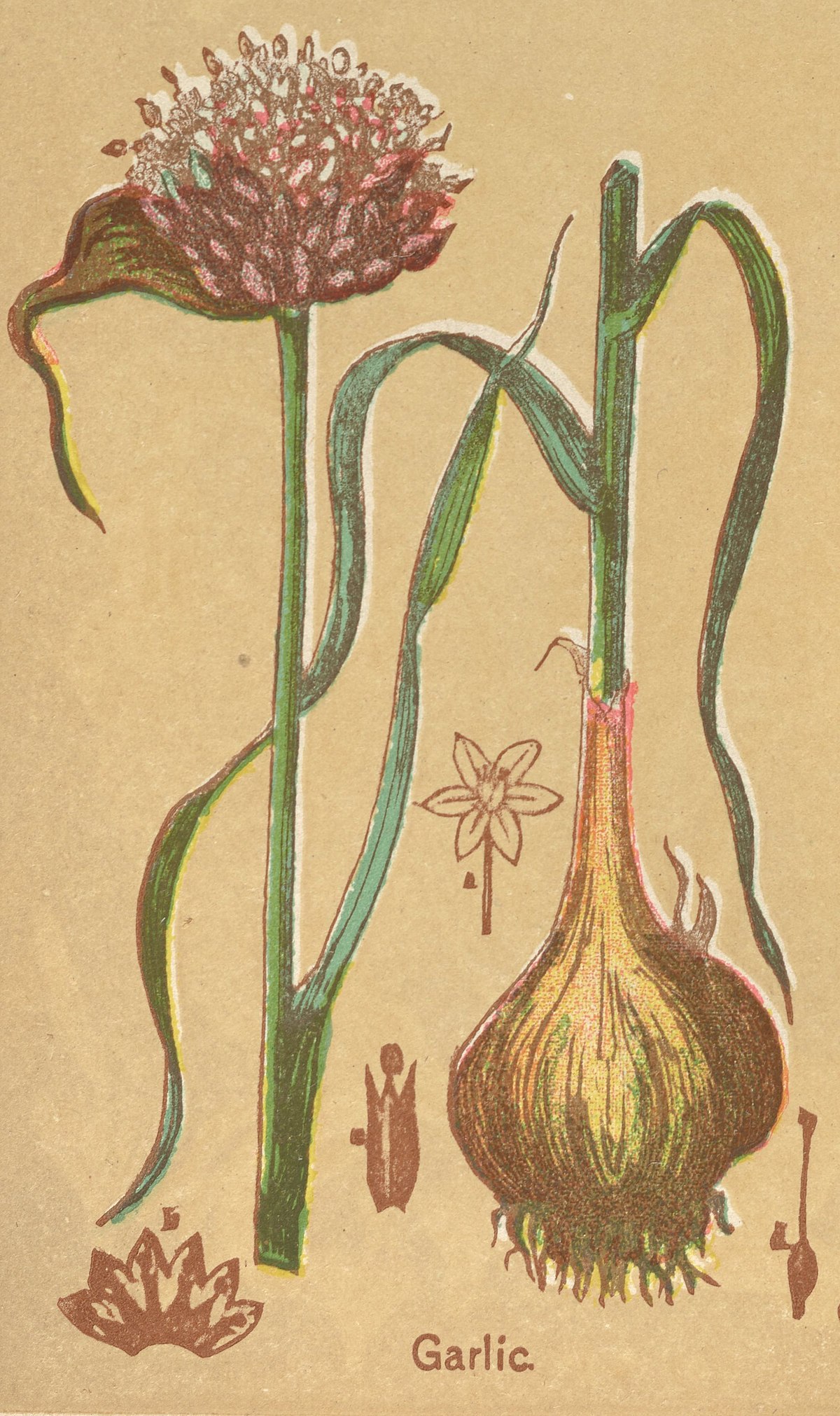
Lasuna, scientifically known as Allium sativum, is a perennial herbaceous plant belonging to the Amaryllidaceae family, widely recognized for its distinctive pungent flavor and aromatic bulb. Native to Central Asia, it has been cultivated for thousands of years and is a staple ingredient in cuisines worldwide.
This plant is characterized by its tall, erect flowering stem and a bulb composed of multiple cloves encased in a papery outer layer. Beyond its culinary ubiquity, garlic holds significant historical importance in various cultures for its diverse applications.
Other Names of Lasuna
- Garlic
- Ail (French)
- Knoblauch (German)
- Ajo (Spanish)
- Suan (Chinese)
Heading
<h3> Absolute Contraindications of Lasuna (Garlic) </h3> <h4> 1) Taking blood thinners or strong antiplatelet drugs (e.g., warfarin, aspirin, clopidogrel) [If you are on 'thin-blood' medicines] </h4> <ul> <li>🩸</li> <li>Recommendation: Avoid medicinal-dose garlic supplements and tell your prescriber; do not add garlic supplements without medical supervision.</li> <li>Reasoning: Garlic contains organosulfur compounds that inhibit platelet aggregation and can prolong clotting measures; when combined with anticoagulants or antiplatelet drugs this may raise bleeding risk.</li> <li>Scientific_Study_Title: Garlic (Allium sativum L.): adverse effects and drug interactions in humans.</li> <li>Scientific_Study_Authors: Francesca Borrelli, Raffaele Capasso, Angelo A Izzo</li> <li>Scientific_Study_Link: https://pubmed.ncbi.nlm.nih.gov/17918162/</li> <li>Scientific_Study_Excerpt: <p>This peer-reviewed review summarizes clinical reports and trials showing that garlic intake can alter platelet function and coagulation, and lists case reports where garlic use was associated with bleeding events or enhanced effects of anticoagulant drugs. The authors discuss allergic reactions, gastrointestinal complaints, and importantly the potential of garlic to enhance the pharmacological effect of anticoagulants (e.g., warfarin), recommending caution and physician awareness when garlic supplements are used by patients on blood-thinning therapy.</p> </li> </ul> <h4> 2) Within days before or after major surgery [If you are scheduled for an operation] </h4> <ul> <li>🛑</li> <li>Recommendation: Stop high-dose garlic supplements at least 7-10 days before elective surgery; mention garlic use on pre-op forms.</li> <li>Reasoning: Herb-warfarin interaction literature and clinical reviews note post-operative bleeding and hematoma events when herbs with antithrombotic effects are used perioperatively; garlic's antiplatelet/anticoagulant effects justify a surgical precaution.</li> <li>Scientific_Study_Title: Safety Issues of Herb-Warfarin Interactions.</li> <li>Scientific_Study_Authors: Subhajit Hazra, Preet Amol Singh, Neha Bajwa</li> <li>Scientific_Study_Link: https://pubmed.ncbi.nlm.nih.gov/38465436/</li> <li>Scientific_Study_Excerpt: <p>This recent review focuses on the safety problems when warfarin is combined with herbs or herbal foods. The authors document multiple examples of herb-warfarin interactions leading to serious bleeding complications, including postoperative bleeding, and recommend creating interaction awareness and databases for clinicians. Garlic is discussed among herbs that can alter coagulation or interact pharmacodynamically with anticoagulants, and the paper highlights perioperative bleeding as a clinically important outcome of herb-drug interactions.</p> </li> </ul> <h4> 3) Known allergy to garlic or other Allium species [If you develop hives, breathing difficulty, or severe skin reaction after garlic] </h4> <ul> <li>⚠️</li> <li>Recommendation: Do not take garlic in any medicinal form; avoid topical garlic preparations and seek allergy testing if reactions have occurred.</li> <li>Reasoning: Specific garlic proteins (e.g., alliin lyase) and low-molecular weight sulfur compounds can act as allergens, producing IgE-mediated reactions or contact dermatitis; cooking may change allergenicity but risk remains for sensitive people.</li> <li>Scientific_Study_Title: Identification and immunologic characterization of an allergen, alliin lyase, from garlic (Allium sativum).</li> <li>Scientific_Study_Authors: (authors listed in PubMed record) - (see study)</li> <li>Scientific_Study_Link: https://pubmed.ncbi.nlm.nih.gov/14713923/</li> <li>Scientific_Study_Excerpt: <p>Researchers identified alliin lyase as a major garlic allergen; purified protein elicited IgE-mediated responses in garlic-allergic patients, and skin testing confirmed hypersensitivity. The study demonstrates that garlic contains protein allergens that can cross-react with other Allium species (onion, leek), and documents immune reactivity in sensitized individuals-supporting a clear contraindication for those with known garlic allergy.</p> </li> </ul> <h4> 4) High-dose use in pregnancy or high medicinal doses while breastfeeding [If you are pregnant or nursing and considering garlic as a medicine rather than a spice] </h4> <ul> <li>🤰</li> <li>Recommendation: Do not take high-dose garlic supplements during pregnancy or while breastfeeding without a clinician's approval; using culinary amounts in food is generally considered safe.</li> <li>Reasoning: Clinical trial evidence is limited and inconsistent; some trials in pregnancy are small with unclear safety outcomes. Garlic affects platelet function and can alter breastmilk odor and infant feeding behavior, so medicinal doses warrant caution.</li> <li>Scientific_Study_Title: Garlic for preventing pre-eclampsia and its complications (Cochrane review).</li> <li>Scientific_Study_Authors: S Meher, L Duley</li> <li>Scientific_Study_Link: https://pubmed.ncbi.nlm.nih.gov/16856110/</li> <li>Scientific_Study_Excerpt: <p>Cochrane reviewers examined randomized trials of garlic to prevent pre-eclampsia. Only one trial of uncertain quality met criteria; no clear benefit was shown and evidence was insufficient to recommend garlic for preeclampsia prevention. The review notes increased reported odor in garlic groups but found no robust safety signal for serious outcomes-however the low quantity and quality of data leads to a conservative recommendation against high medicinal-dose use in pregnancy without medical advice.</p> </li> </ul> <h3> Relative Contraindications of Lasuna (Garlic) </h3> <h4> 1) With antihypertensive medication (people already on blood-pressure drugs) </h4> <ul> <li>⚖️</li> <li>Recommendation: Monitor blood pressure closely if starting garlic supplements and inform your prescriber; dose adjustments of BP medicines may be needed.</li> <li>Reasoning: Garlic can lower blood pressure, especially in hypertensive people; when combined with antihypertensives there is a possibility of additive hypotensive effect.</li> <li>Scientific_Study_Title: Effects of garlic on blood pressure in patients with and without systolic hypertension: a meta-analysis.</li> <li>Scientific_Study_Authors: H. Ried, et al. (meta-analysis authors listed in PubMed record)</li> <li>Scientific_Study_Link: https://pubmed.ncbi.nlm.nih.gov/19017826/</li> <li>Scientific_Study_Excerpt: <p>A meta-analysis of randomized trials found that garlic supplementation significantly reduced systolic and diastolic blood pressure in patients with elevated baseline SBP (mean reductions up to ~16 mm Hg systolic in some subgroups), but not in normotensive subjects. The authors discuss dose, preparation and baseline BP as determinants; they highlight that garlic can produce clinically relevant BP reductions in people with hypertension, supporting cautious co-use with prescribed antihypertensive drugs.</p> </li> </ul> <h4> 2) With antidiabetic medications (insulin or oral hypoglycemics) </h4> <ul> <li>🍬</li> <li>Recommendation: If you have diabetes, talk to your clinician before adding garlic supplements; monitor blood glucose more frequently when starting or changing garlic supplement use.</li> <li>Reasoning: Animal and clinical data show garlic may lower blood glucose and can act synergistically with drugs such as sulfonylureas, which could increase hypoglycemia risk.</li> <li>Scientific_Study_Title: Influence of Allium sativum extract on the hypoglycemic activity of glibenclamide: an approach to possible herb-drug interaction.</li> <li>Scientific_Study_Authors: (authors listed in PubMed record)</li> <li>Scientific_Study_Link: https://pubmed.ncbi.nlm.nih.gov/24114899/</li> <li>Scientific_Study_Excerpt: <p>In streptozotocin-diabetic rat models, co-administration of garlic extract with glibenclamide produced greater hypoglycemic effects than either agent alone, suggesting a synergistic interaction that could permit lower drug dosing but also increases hypoglycemia risk if unmonitored. The study supports careful monitoring and clinician involvement when combining garlic supplements with antidiabetic drugs.</p> </li> </ul> <h4> 3) With certain antiretroviral protease inhibitors (e.g., saquinavir) </h4> <ul> <li>💊</li> <li>Recommendation: People taking HIV protease inhibitors should avoid garlic supplements or discuss with their HIV specialist and use therapeutic drug monitoring if indicated.</li> <li>Reasoning: Clinical pharmacokinetic studies found that garlic supplements can substantially reduce plasma concentrations of saquinavir (and may affect other protease inhibitors), likely via induction of intestinal transporters (P-gp) or other pre-systemic processes, risking loss of antiviral efficacy.</li> <li>Scientific_Study_Title: The effect of garlic supplements on the pharmacokinetics of saquinavir.</li> <li>Scientific_Study_Authors: Piscitelli SC, Burstein AH, Welden N, Gallicano KD, Falloon J</li> <li>Scientific_Study_Link: https://pubmed.ncbi.nlm.nih.gov/11740713/</li> <li>Scientific_Study_Excerpt: <p>In a controlled pharmacokinetic study of healthy volunteers, daily garlic supplement use decreased saquinavir area under the curve by ~51% and trough concentrations by ~49%, changes that could reduce antiretroviral efficacy. Levels returned toward baseline after a washout period. The investigators conclude that concurrent garlic supplementation may compromise saquinavir therapy and advise caution.</p> </li> </ul>
Heading
<h4> Bad breath and body odor (halitosis) </h4> <ul> <li>😷</li> <li>Side effect summary: Garlic commonly causes persistent breath and body odor after ingestion; this is the most frequently reported complaint.</li> <li>Recommendation: Use culinary amounts if concerned; choose cooked garlic or odor-reduction strategies (mint, oral hygiene); supplements may still cause odor. For social/occupational concerns, prefer dietary use over high-dose supplements.</li> <li>Reasoning: Volatile sulfur metabolites produced from garlic (e.g., allyl methyl sulfide) are excreted in breath and sweat, producing characteristic odor.</li> <li>Severity Level: Mild</li> <li>Scientific_Study_Available: Yes</li> <li>Scientific_Study_Title: Clinical effectiveness of garlic (Allium sativum).</li> <li>Scientific_Study_Authors: (authors listed in PubMed record)</li> <li>Scientific_Study_Link: https://pubmed.ncbi.nlm.nih.gov/17918163/</li> <li>Scientific_Study_Excerpt: <p>Clinical reviews and trials consistently report halitosis and body odor as the most common adverse effects of garlic intake. The paper discusses the biochemical basis (volatile sulfur compounds) and notes the high frequency of this complaint across garlic preparations. It frames odor as a predictable, generally benign side effect that often guides product choice (cooked vs. raw vs. aged extracts).</p> </li> </ul> <h4> Gastrointestinal irritation (heartburn, nausea, gastric mucosal injury in some preparations) </h4> <ul> <li>🔥</li> <li>Side effect summary: Some people-especially when taking raw or concentrated preparations-experience heartburn, abdominal pain, nausea, belching or diarrhea.</li> <li>Recommendation: If you have reflux, peptic ulcer disease, or a sensitive stomach, avoid raw garlic or high-dose supplements; use cooked garlic or stop if symptoms occur; consult your clinician for persistent problems.</li> <li>Reasoning: Certain garlic preparations (raw powder, crushed raw garlic) can be irritant to gastric mucosa; animal and experimental studies show some preparations can redden or erode mucosa whereas aged garlic extracts tend to be gentler.</li> <li>Severity Level: Mild-Moderate</li> <li>Scientific_Study_Available: Yes</li> <li>Scientific_Study_Title: Effects of garlic preparations on the gastrointestinal mucosa.</li> <li>Scientific_Study_Authors: (authors listed in PubMed record)</li> <li>Scientific_Study_Link: https://pubmed.ncbi.nlm.nih.gov/11238827/</li> <li>Scientific_Study_Excerpt: <p>Using direct gastric delivery in an experimental model, investigators compared raw garlic powder, boiled powder and aged garlic extract. Raw garlic powder caused more pronounced mucosal reddening and erosion, boiled powder milder changes, while aged garlic extract produced minimal adverse effects. The work suggests preparation method matters for GI tolerability and supports caution with raw/concentrated forms, especially in susceptible individuals.</p> </li> </ul> <h4> Increased bleeding tendency or prolonged bleeding time (in some users) </h4> <ul> <li>🩹</li> <li>Side effect summary: Garlic can reduce platelet aggregation and may prolong clotting in some studies, producing clinically relevant bleeding in rare cases or when combined with other blood-thinning agents.</li> <li>Recommendation: If you bruise easily or take anticoagulants/antiplatelets, avoid medicinal-dose garlic supplements; discuss with your clinician and stop supplements before procedures.</li> <li>Reasoning: Organosulfur compounds (ajoene, DADS, DATS) chemically modify platelet proteins and signaling, diminishing aggregation; human and in-vitro studies document measurable antiplatelet activity.</li> <li>Severity Level: Moderate</li> <li>Scientific_Study_Available: Yes</li> <li>Scientific_Study_Title: Characterization of a potent inhibitor of platelet aggregation and release reaction isolated from Allium sativum (garlic).</li> <li>Scientific_Study_Authors: (authors listed in PubMed record)</li> <li>Scientific_Study_Link: https://pubmed.ncbi.nlm.nih.gov/3798421/</li> <li>Scientific_Study_Excerpt: <p>Early experimental studies isolated garlic components that inhibited platelet aggregation and the release reaction; the inhibitory agent co-migrated with allicin on chromatographic analysis. The study characterizes the sulfur-rich active component and demonstrates direct inhibition of platelet function in vitro, offering a mechanistic basis for bleeding risk in susceptible patients or in combination with antithrombotic drugs.</p> </li> </ul> <h4> Topical skin irritation, chemical burns and contact dermatitis (from direct application) </h4> <ul> <li>🔥🧴</li> <li>Side effect summary: Applying raw garlic or concentrated garlic preparations to skin (especially under occlusion) can cause irritant contact dermatitis, blisters or even chemical burns; allergic contact dermatitis is also described.</li> <li>Recommendation: Do not apply raw garlic to skin wounds or under occlusive dressings; if using topical traditional remedies, test a small area first and discontinue at any sign of redness, blistering or pain.</li> <li>Reasoning: Garlic contains potent irritant sulfur compounds and low-molecular allergens that can directly injure skin or provoke allergic inflammation; case reports document severe localized burns and dermatitis, including in infants.</li> <li>Severity Level: Moderate</li> <li>Scientific_Study_Available: Yes</li> <li>Scientific_Study_Title: An Unexpected Reaction to Topical Garlic Medicament - a case report of irritant contact dermatitis.</li> <li>Scientific_Study_Authors: (authors listed in PubMed record)</li> <li>Scientific_Study_Link: https://pubmed.ncbi.nlm.nih.gov/36788861/</li> <li>Scientific_Study_Excerpt: <p>Case reports describe painful blisters and bullae after topical application of raw garlic paste. Clinical presentation, sharp borders of lesions limited to contact areas, and healing after cessation support irritant contact dermatitis due to garlic medicaments. The report emphasizes caution with topical garlic use and recommends avoiding raw garlic on skin, particularly under occlusion or on infants.</p> </li> </ul>
Heading
<h4> Anticoagulants / Antiplatelets (e.g., warfarin, aspirin, clopidogrel)</h4> <ul> <li>Interaction_Details: Garlic has antiplatelet effects and can prolong clotting measures; case reports and reviews describe enhanced bleeding risk when used with warfarin or other anticoagulants - clinical evidence is mixed but caution is warranted.</li> <li>Severity: Moderate</li> <li>Recommendation: Avoid medicinal-dose garlic supplements if you are on anticoagulants or antiplatelets unless directed and monitored by your prescriber; ensure INR or clinical bleeding signs are closely monitored if co-use is considered.</li> <li>Scientific_Study_Available: Yes</li> <li>Scientific_Study_Link: https://pubmed.ncbi.nlm.nih.gov/18516070/</li> <li>Scientific_Study_Title: Pharmacodynamic interaction of warfarin with cranberry but not with garlic in healthy subjects.</li> <li>Scientfic_Study_Authors: (authors listed in PubMed record)</li> <li>Scientific_Study_Excerpt: <p>In this small crossover study in healthy volunteers, cranberry altered warfarin pharmacodynamics (INR increases) while garlic did not significantly change warfarin pharmacokinetics or INR under the study conditions. The authors caution that small sample size and variability mean interactions may still occur in real-world settings, and that case reports have shown clinically important bleeding when garlic was combined with anticoagulants-supporting practical caution and monitoring rather than assuming safety from a single small study.</p> </li> </ul> <h4> HIV protease inhibitors (notably saquinavir)</h4> <ul> <li>Interaction_Details: Garlic supplements (some preparations) markedly reduced saquinavir plasma concentrations in controlled pharmacokinetic studies, likely via induction of intestinal efflux transporters (P-gp) or other first-pass mechanisms, risking loss of antiviral efficacy.</li> <li>Severity: Severe</li> <li>Recommendation: Do not take garlic supplements with saquinavir or some other protease inhibitors unless under specialist guidance with drug monitoring; avoid concurrent use to prevent reduced antiviral drug levels.</li> <li>Scientific_Study_Available: Yes</li> <li>Scientific_Study_Link: https://pubmed.ncbi.nlm.nih.gov/11740713/</li> <li>Scientific_Study_Title: The effect of garlic supplements on the pharmacokinetics of saquinavir.</li> <li>Scientfic_Study_Authors: Piscitelli SC, Burstein AH, Welden N, Gallicano KD, Falloon J</li> <li>Scientific_Study_Excerpt: <p>In a controlled trial of healthy volunteers, daily garlic caplets given for several weeks reduced saquinavir AUC by approximately 51% and lowered trough concentrations by nearly half; values returned toward baseline after garlic washout. The magnitude of reduction is clinically significant and could compromise antiretroviral therapy, leading to the recommendation that garlic supplements be avoided during saquinavir treatment.</p> </li> </ul> <h4> Antihypertensive drugs (e.g., ACE inhibitors, ARBs, calcium channel blockers)</h4> <ul> <li>Interaction_Details: Garlic can lower blood pressure in hypertensive individuals; combined use may produce additive hypotensive effects (symptoms: dizziness, lightheadedness), particularly when starting or increasing garlic dose.</li> <li>Severity: Mild-Moderate</li> <li>Recommendation: Monitor blood pressure after initiating garlic supplements and report symptomatic hypotension to your clinician; dosage adjustment of antihypertensive medication may be required in some cases.</li> <li>Scientific_Study_Available: Yes</li> <li>Scientific_Study_Link: https://pubmed.ncbi.nlm.nih.gov/19017826/</li> <li>Scientific_Study_Title: Effects of garlic on blood pressure in patients with and without systolic hypertension: a meta-analysis.</li> <li>Scientfic_Study_Authors: (authors listed in PubMed record)</li> <li>Scientific_Study_Excerpt: <p>Meta-analysis data indicate that garlic supplementation produces meaningful blood pressure reductions in patients with elevated baseline systolic pressure; the pooled effect suggests potential additive hypotensive action if combined with prescription antihypertensives. Authors recommend further research but advise clinicians and patients to monitor pressures when garlic supplements are used alongside BP medications.</p> </li> </ul> <h4> Antidiabetic agents (insulin, sulfonylureas)</h4> <ul> <li>Interaction_Details: Garlic may lower blood glucose and can act synergistically with oral hypoglycemic drugs in animal and some human studies, raising the possibility of hypoglycemia if doses are not adjusted.</li> <li>Severity: Mild-Moderate</li> <li>Recommendation: Monitor blood glucose closely after starting garlic supplements and consult your diabetes care provider about possible medication adjustments if hypoglycemia risk is observed.</li> <li>Scientific_Study_Available: Yes</li> <li>Scientific_Study_Link: https://pubmed.ncbi.nlm.nih.gov/24114899/</li> <li>Scientific_Study_Title: Influence of Allium sativum extract on the hypoglycemic activity of glibenclamide: an approach to possible herb-drug interaction.</li> <li>Scientfic_Study_Authors: (authors listed in PubMed record)</li> <li>Scientific_Study_Excerpt: <p>In experimental diabetic rat models, garlic extract combined with glibenclamide produced greater reductions in blood glucose than either agent alone, suggesting synergism. While animal data do not always predict clinical outcomes, the findings support cautious glucose monitoring and clinician discussion when garlic supplements are used with antidiabetic medications.</p> </li> </ul>