Lajvanti
Mimosa pudica
Lajvanti (Mimosa pudica), also known as Touch-Me-Not Plant, is a perennial herb revered in Ayurveda. It's traditionally known for its rapid leaf folding and claimed balancing effects on Vata, Pitta, and Kapha doshas. Widely prevalent in tropical regions, it's supposedly beneficial for various health aspects due to its unique properties.
PLANT FAMILY
Fabaceae (Legume)
AYURVEDIC ACTION
Vata ↓, Pitta ↓, Kapha ↓
ACTIVE COMPOUNDS
Mimosine (0.5-1%)
What is Lajvanti?
Lajvanti, scientifically known as Mimosa pudica, is a fascinating perennial herb renowned for its remarkable rapid leaf folding in response to touch or sudden changes in temperature. This unique thigmonastic movement, earning it the moniker "touch-me-not," is a marvel of plant mechanics, driven by turgor changes in specialized pulvini at the base of its leaves.
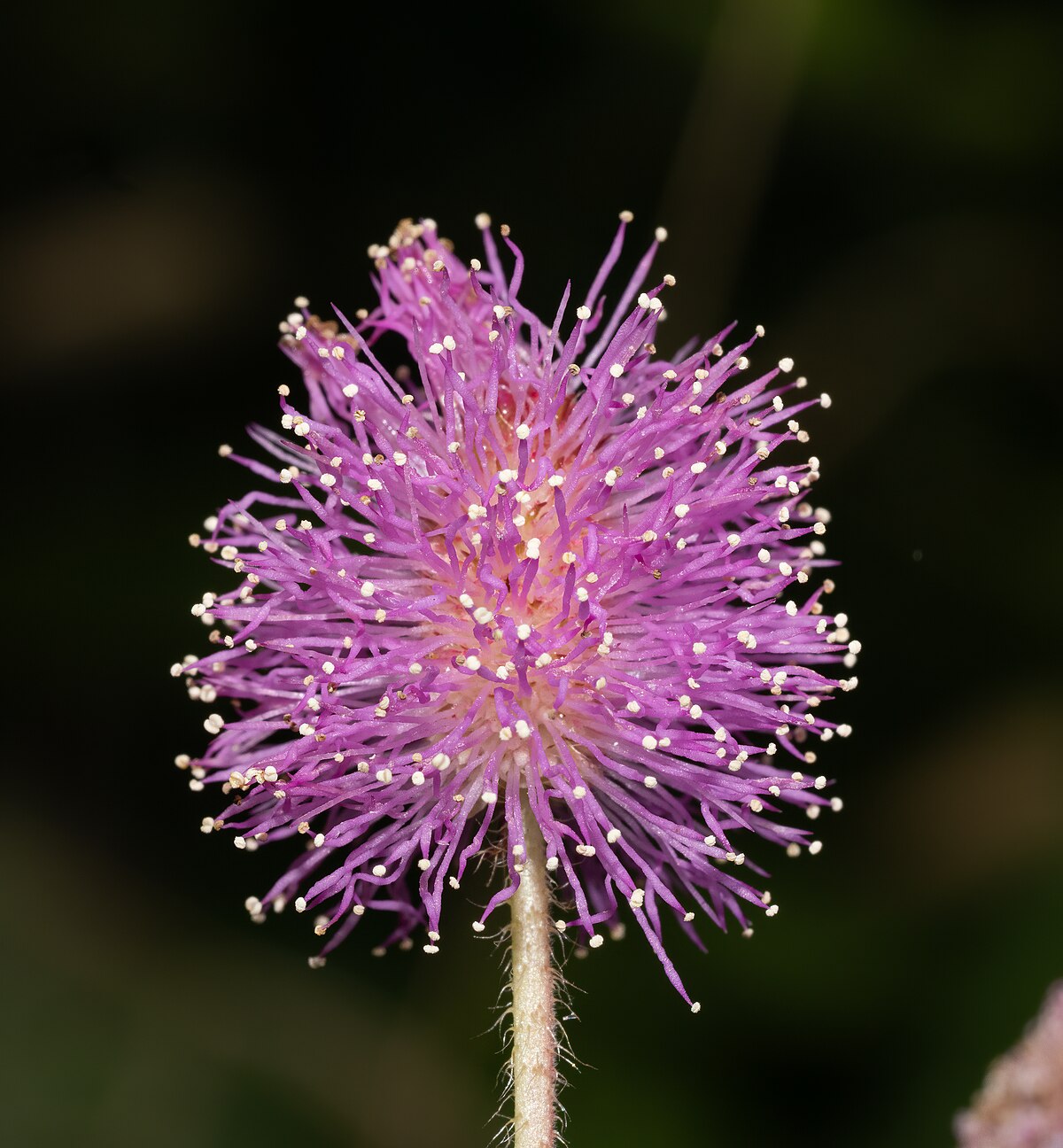
Native to South and Central America, this delicate yet resilient plant has spread globally, thriving in disturbed soils and often regarded as a weed. Beyond its captivating kinetic display, Mimosa pudica produces small, globe-like pinkish-purple flower heads and flattened pods, a botanical curiosity that continues to intrigue scientists and casual observers alike.
Other Names of Lajvanti
- Touch-Me-Not Plant
- Sensitive Plant
- Shameplant
- Sleeping Grass
- Action Plant
Heading
<h3> Absolute Contraindications of Lajvanti (Mimosa pudica / Lajjalu) </h3> <h4> Pregnancy or trying to conceive [May prevent pregnancy]</h4> <ul> <li> 🤰 <li> Recommendation: Do not use Lajvanti internally if you are pregnant or trying to become pregnant; stop use and consult a clinician if pregnancy is planned or suspected. <li> Reasoning: Animal studies of Mimosa pudica root extract showed prolonged estrous cycles and disrupted gonadotropin and estrogen patterns, producing reversible reductions in litter counts-evidence for antifertility effects that could threaten conception or early pregnancy. <li> Scientific_Study_Title: Effect of Mimosa pudica root extract on vaginal estrous and serum hormones for screening of antifertility activity in albino mice. <li> Scientific_Study_Authors: Mausumi Ganguly, Nirada Devi, Rita Mahanta, Mridul K Borthakur <li> Scientific_Study_Link: https://pubmed.ncbi.nlm.nih.gov/18061708/ <li> Scientific_Study_Excerpt: <p>Paraphrase: In this controlled study mice received methanolic root extract of Mimosa pudica for 21 days (300 mg/kg/day). Treated animals showed a longer estrous cycle with an increased diestrous phase and produced fewer litters during treatment; hormone assays revealed altered levels of LH, FSH, prolactin, estradiol and progesterone consistent with suppression of FSH and disturbed ovulation. The authors conclude the extract exerts an antifertility effect in this animal model and that fertility returned after stopping the extract.</p> </ul> <h4> Known thyroid disease (hypothyroidism/goitre risk) [Thyroid sensitivity]</h4> <ul> <li> 🦋 <li> Recommendation: Avoid using Lajvanti or concentrated mimosine-containing preparations if you have known thyroid disease or are on thyroid medication unless supervised by an endocrinologist. <li> Reasoning: L-mimosine (a key plant amino acid) shows goitrogenic effects and alters thyroid histology and hormones in animal studies; it can impair thyroid function and lower sex hormones in preclinical models. <li> Scientific_Study_Title: Potential toxic effects produced by L-mimosine in the thyroid and reproductive systems. Evaluation in male rats. <li> Scientific_Study_Authors: André Tadeu Gotardo, Vânius Vinicius Dipe, Elaine Renata Motta de Almeida, Isis Machado Hueza, James Alan Pfister, Silvana Lima Górniak <li> Scientific_Study_Link: https://pubmed.ncbi.nlm.nih.gov/34662629/ <li> Scientific_Study_Excerpt: <p>Paraphrase: Researchers dosed rats with extracted L-mimosine and evaluated endocrine and reproductive outcomes; although animals showed no overt clinical signs, histopathology revealed consistent thyroid lesions. Exposed rats had lower serum testosterone and altered sexual behaviour. The study concludes L-mimosine displays goitrogenic potential and can impair reproductive endocrine parameters in this rodent model, supporting caution in individuals with thyroid disorders.</p> </ul> <h4> Severe hepatic or renal impairment [Organ vulnerability]</h4> <ul> <li> 🩺 <li> Recommendation: Avoid Lajvanti (especially concentrated extracts or long-term use) if you have significant liver or kidney disease; consult a physician before any use. <li> Reasoning: Subacute toxicity studies using purified L-mimosine in non-rodent models demonstrated dose-dependent histopathological lesions in liver and kidneys, indicating potential organ vulnerability with systemic exposure. <li> Scientific_Study_Title: Systemic Toxicity of L-Mimosine in Rabbits: A Non-Rodent Model for Safety Assessment. <li> Scientific_Study_Authors: S M Ferreira, H Zapparoli, C S Mussi, P C Maiorka, A F C Andrade, S L Górniak, A T Gotardo <li> Scientific_Study_Link: https://pubmed.ncbi.nlm.nih.gov/40905530/ <li> Scientific_Study_Excerpt: <p>Paraphrase: In a subacute oral study in rabbits, L-mimosine administered at graded doses produced dose-related histopathological changes in liver, kidney, thyroid and spleen despite few clinical signs. The authors note rabbits showed tissue lesions indicating organ susceptibility to mimosine, and they caution that systemic exposure to this phytotoxin can produce organ pathology in monogastric species, supporting careful use in patients with pre-existing liver or renal disease.</p> </ul> <h3> Relative Contraindications of Lajvanti (Mimosa pudica / Lajjalu) </h3> <h4> Men or couples trying to conceive [May lower male fertility]</h4> <ul> <li> 👨👩👧 <li> Recommendation: Men planning fatherhood should avoid internal Lajvanti extracts until more safety data are available. <li> Reasoning: Animal evidence shows L-mimosine can lower testosterone and impair sexual behaviour and sperm parameters in male rodents, suggesting reversible reproductive impact with systemic exposure. <li> Scientific_Study_Title: Potential toxic effects produced by L-mimosine in the thyroid and reproductive systems. Evaluation in male rats. <li> Scientific_Study_Authors: André Tadeu Gotardo, Vânius Vinicius Dipe, Elaine Renata Motta de Almeida, Isis Machado Hueza, James Alan Pfister, Silvana Lima Górniak <li> Scientific_Study_Link: https://pubmed.ncbi.nlm.nih.gov/34662629/ <li> Scientific_Study_Excerpt: <p>Paraphrase: The rat study reported reduced serum testosterone, decreased mount frequency and prolonged mount intervals after L-mimosine exposure, along with thyroid lesions. Authors interpret these findings as evidence that L-mimosine can impair male reproductive performance in animal models, advising caution for reproductive-age males.</p> </ul> <h4> Long-term or high-dose internal use [Cumulative risk]</h4> <ul> <li> ⏳ <li> Recommendation: Avoid prolonged or high-dose internal use of Lajvanti extracts without medical supervision; prefer classical low doses and short courses unless prescribed by an experienced practitioner. <li> Reasoning: Chronic exposure to mimosine-containing preparations has produced organ and endocrine changes in animal studies, indicating cumulative toxicity risk with long durations or concentrated extracts. <li> Scientific_Study_Title: Systemic Toxicity of L-Mimosine in Rabbits: A Non-Rodent Model for Safety Assessment. <li> Scientific_Study_Authors: S M Ferreira, H Zapparoli, C S Mussi, P C Maiorka, A F C Andrade, S L Górniak, A T Gotardo <li> Scientific_Study_Link: https://pubmed.ncbi.nlm.nih.gov/40905530/ <li> Scientific_Study_Excerpt: <p>Paraphrase: Subacute dosing regimens in rabbits produced histological lesions in multiple organs at higher doses of L-mimosine, supporting the view that concentrated or prolonged exposure increases risk. The paper suggests monitoring and dose control are essential when dealing with mimosine-rich botanicals.</p> </ul>
Heading
<h4> Reduced fertility / menstrual cycle disruption</h4> <ul> <li> ⚠️ <li> Side effect summary: Animal studies show that internal use of Mimosa pudica root extracts can prolong menstrual/estrous cycles and reduce fertility while on treatment. <li> Recommendation: Stop internal use if planning pregnancy or if menstrual irregularities occur; consult a healthcare provider promptly. <li> Reasoning: Extracts altered gonadotropin release and estradiol secretion in mice, impairing ovulation and reducing litter numbers-effects reversed after stopping the extract in preclinical work. <li> Severity Level: Severe <li> Scientific_Study_Available: Yes <li> Scientific_Study_Title: Effect of Mimosa pudica root extract on vaginal estrous and serum hormones for screening of antifertility activity in albino mice. <li> Scientific_Study_Authors: Mausumi Ganguly, Nirada Devi, Rita Mahanta, Mridul K Borthakur <li> Scientific_Study_Link: https://pubmed.ncbi.nlm.nih.gov/18061708/ <li> Scientific_Study_Excerpt: <p>Paraphrase: In the 2007 Contraception study, mice receiving methanolic root extract daily for 21 days showed significant prolongation of the estrous cycle (increased diestrous phase) and fewer litters during exposure. Hormonal assays indicated disturbances in FSH and estradiol consistent with suppression of ovulation; reproductive measures recovered after treatment cessation. The paper concludes the root extract exhibits antifertility activity in this animal model.</p> </ul> <h4> Thyroid changes and potential goitrogenic effects</h4> <ul> <li> 🧾 <li> Side effect summary: L-mimosine exposure in animal studies produced thyroid histological lesions and altered thyroid-related parameters, suggesting goitrogenic potential. <li> Recommendation: People with thyroid disease or on thyroid drugs should avoid Lajvanti extracts and discuss alternatives with their endocrinologist. <li> Reasoning: Preclinical dosing caused morphological thyroid changes and altered hormone or enzyme markers, indicating risk of hypothyroid-like effects or gland enlargement with systemic exposure. <li> Severity Level: Moderate <li> Scientific_Study_Available: Yes <li> Scientific_Study_Title: Potential toxic effects produced by L-mimosine in the thyroid and reproductive systems. Evaluation in male rats. <li> Scientific_Study_Authors: André Tadeu Gotardo, Vânius Vinicius Dipe, Elaine Renata Motta de Almeida, Isis Machado Hueza, James Alan Pfister, Silvana Lima Górniak <li> Scientific_Study_Link: https://pubmed.ncbi.nlm.nih.gov/34662629/ <li> Scientific_Study_Excerpt: <p>Paraphrase: The toxicon study administrated L-mimosine to rats and found consistent thyroid lesions on histopathology; the authors describe goitrogenic potential and record associated reproductive endocrine changes. Findings support cautious use where thyroid function is a clinical concern.</p> </ul> <h4> Hair loss / dermatologic changes (reported in animals)</h4> <ul> <li> 🐴 <li> Side effect summary: In grazing animals consuming Mimosa spp. with high mimosine content, reports document alopecia and skin changes; this is linked to mimosine accumulation and metabolic effects in some species. <li> Recommendation: Topical contact with raw plant material should be handled with gloves; systemic use should be avoided in uncertain formulations that may contain high mimosine. <li> Reasoning: Field reports and toxicology studies link mimosine to hair-follicle atrophy and dermatologic lesions in susceptible animals after prolonged exposure. <li> Severity Level: Mild <li> Scientific_Study_Available: Yes <li> Scientific_Study_Title: Hair loss and endocrine dermatosis on horses raised in a Mimosa pudica var. unijuga-invaded area. <li> Scientific_Study_Authors: (authors listed on PubMed entry) <li> Scientific_Study_Link: https://pubmed.ncbi.nlm.nih.gov/38960289/ <li> Scientific_Study_Excerpt: <p>Paraphrase: Veterinary case series described gradual hair loss of mane and tail and endocrine dermatosis in horses grazing in pastures invaded by a Mimosa pudica variety. Toxicological analysis detected mimosine in leaves; histology showed hyperkeratosis and follicular changes. The report links chronic grazing exposure to dermatologic and endocrine effects in these animals, underscoring species susceptibility to mimosine.</p> </ul> <h4> Liver and kidney tissue changes (histological findings in animals)</h4> <ul> <li> 🧪 <li> Side effect summary: Subacute exposure to purified L-mimosine caused dose-dependent histological lesions in liver and kidneys in rabbit and rodent models. <li> Recommendation: Avoid concentrated extracts if you have liver or kidney disease; any unexpected abdominal symptoms or jaundice should prompt medical review. <li> Reasoning: Controlled toxicology studies in non-rodent and rodent animals revealed organ lesions after repeated dosing, indicating potential organ vulnerability with systemic exposure. <li> Severity Level: Moderate <li> Scientific_Study_Available: Yes <li> Scientific_Study_Title: Systemic Toxicity of L-Mimosine in Rabbits: A Non-Rodent Model for Safety Assessment. <li> Scientific_Study_Authors: S M Ferreira, H Zapparoli, C S Mussi, P C Maiorka, A F C Andrade, S L Górniak, A T Gotardo <li> Scientific_Study_Link: https://pubmed.ncbi.nlm.nih.gov/40905530/ <li> Scientific_Study_Excerpt: <p>Paraphrase: In this subacute oral study, rabbits fed L-mimosine at escalating doses for 28 days showed dose-related histopathological changes in liver and kidney despite minimal overt clinical signs. Authors conclude that monogastric mammals can exhibit organ lesions after L-mimosine exposure, supporting dose caution and monitoring with systemic use.</p> </ul>
Heading
<h4> Thyroid medications (levothyroxine, antithyroid drugs)</h4> <ul> <li> Interaction_Details: Mimosine has goitrogenic potential in animal studies and can alter thyroid histology and hormone markers; concurrent use could blunt or unpredictably change thyroid hormone levels and response to thyroid drugs. <li> Severity: Moderate <li> Recommendation: Avoid combining concentrated Lajvanti extracts with thyroid medications without endocrinology supervision; monitor TSH/T4 if exposure occurs. <li> Scientific_Study_Available: Yes <li> Scientific_Study_Link: https://pubmed.ncbi.nlm.nih.gov/34662629/ <li> Scientific_Study_Title: Potential toxic effects produced by L-mimosine in the thyroid and reproductive systems. Evaluation in male rats. <li> Scientfic_Study_Authors: André Tadeu Gotardo, Vânius Vinicius Dipe, Elaine Renata Motta de Almeida, Isis Machado Hueza, James Alan Pfister, Silvana Lima Górniak <li> Scientific_Study_Excerpt: <p>Paraphrase: In this rat study L-mimosine administration produced consistent thyroid lesions and altered endocrine markers; animals displayed changes consistent with goitrogenic activity. Authors advise that mimosine may disrupt thyroid physiology in exposed animals, implying possible clinically relevant interactions with thyroid medications in humans and warranting monitoring in combined use scenarios.</p> </ul> <h4> Estrogen-modulating drugs / hormone-sensitive therapies (eg, tamoxifen, SERMs)</h4> <ul> <li> Interaction_Details: Experimental data show mimosine can bind estrogen receptor alpha and produce estrogenic activity in cell models; this raises the possibility of interaction with estrogen-modulating drugs or altering hormonal therapy effects. <li> Severity: Moderate <li> Recommendation: People on hormone-blocking or hormone-sensitive cancer therapies should avoid Lajvanti extracts unless directed by their oncologist; discuss potential risks before use. <li> Scientific_Study_Available: Yes <li> Scientific_Study_Link: https://pubmed.ncbi.nlm.nih.gov/30251480/ <li> Scientific_Study_Title: Oestrogenic activity of mimosine on MCF-7 breast cancer cell line through the ERα-mediated pathway. <li> Scientfic_Study_Authors: (authors listed on PubMed entry) <li> Scientific_Study_Excerpt: <p>Paraphrase: In vitro experiments with MCF-7 breast cancer cells indicate that mimosine can increase cell proliferation and activate ERα-dependent gene expression markers; tamoxifen reduced mimosine-mediated proliferation in the model. These findings indicate mimosine exerts estrogenic effects in cell systems and suggest caution for patients on estrogen-sensitive treatments.</p> </ul> <h4> Mineral supplements and metal-dependent drugs (iron, zinc, some chelation-sensitive agents)</h4> <ul> <li> Interaction_Details: Mimosine chelates divalent and trivalent metal ions (Zn, Fe, etc.), which can reduce availability of these minerals and may interfere with mineral supplements or metal-dependent drug actions. <li> Severity: Mild <li> Recommendation: Separate dosing times (take mineral supplements several hours apart) and avoid combined high-dose use until more data exist; discuss with a clinician if on essential mineral therapy. <li> Scientific_Study_Available: Yes <li> Scientific_Study_Link: https://pubmed.ncbi.nlm.nih.gov/39724813/ <li> Scientific_Study_Title: Designing mimosine-containing peptides as efficient metal chelators: Insights from molecular dynamics and quantum calculations. <li> Scientfic_Study_Authors: (authors listed on PubMed entry) <li> Scientific_Study_Excerpt: <p>Paraphrase: Molecular studies and modeling show mimosine has strong affinity for binding metal cations (Zn^{2+}, Fe^{2+/3+}, Al^{3+}), and experimental work supports metal-chelating behaviour. Because of this chelation capacity, mimosine-containing preparations could alter bioavailability of mineral supplements and potentially affect drugs or enzymes that rely on metal cofactors.</p> </ul>