Kutaj

Holarrhena antidysenterica
Kutaj (Holarrhena antidysenterica) is a prominent Ayurvedic herb, widely recognized for its bark and seeds. Traditionally, it's claimed to balance Pitta and Kapha doshas. This deciduous tree, also known as Kurchi (Indrajao) in Hindi, is prevalent in tropical Asia and has a long history of traditional use for its supposed astringent and antiamoebic qualities, particularly for digestive health.
PLANT FAMILY
Apocynaceae (Dogbane)
PARTS USED
Bark, Seeds, Flowers
AYURVEDIC ACTION
Pitta ↓, Kapha ↓
ACTIVE COMPOUNDS
Conessine (0.1-0.5%)

What is Kutaj?

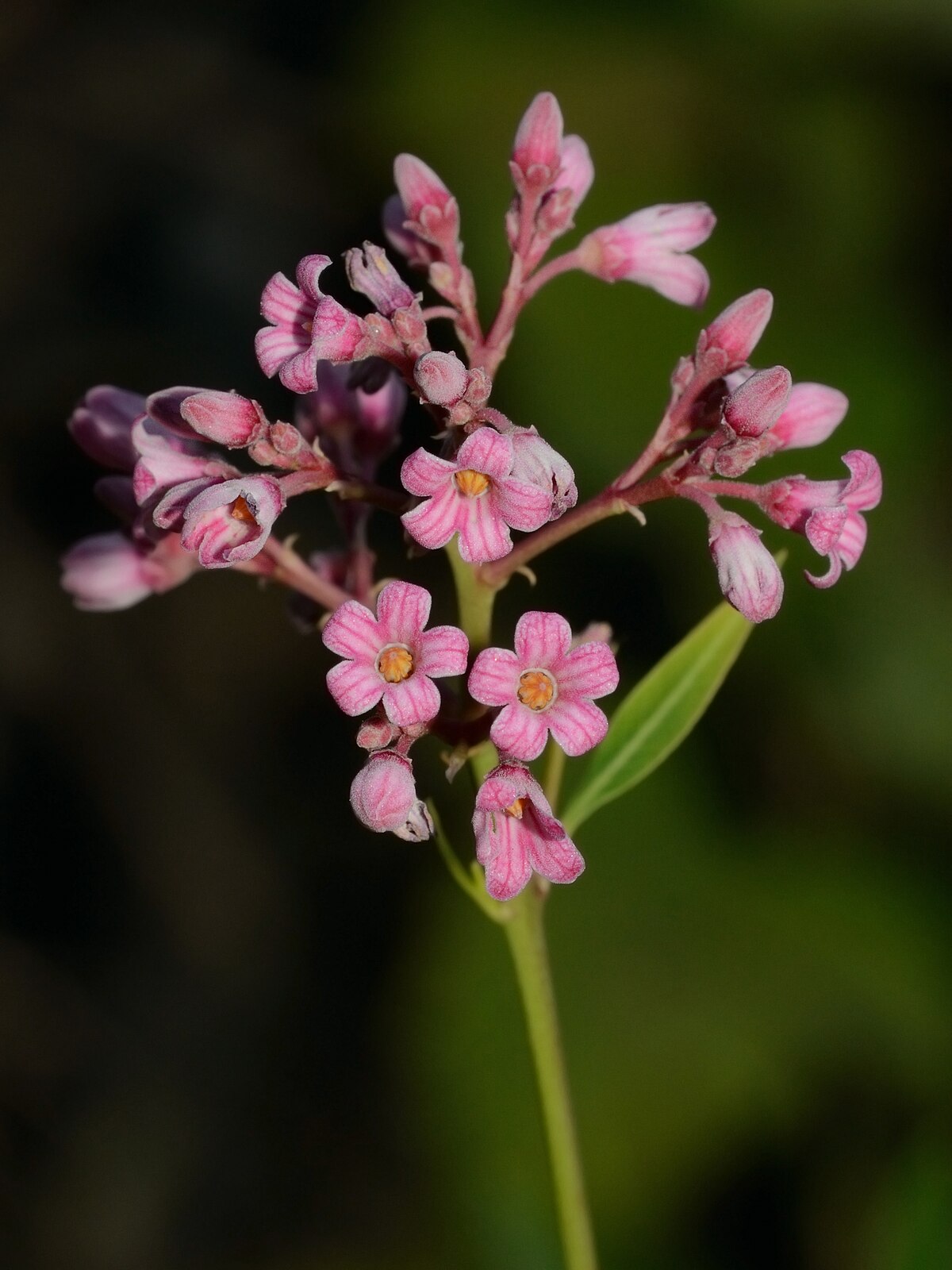
Kutaj, scientifically known as Holarrhena antidysenterica, is a deciduous tree belonging to the Apocynaceae (Dogbane) family, native to tropical and subtropical regions of Asia. It is widely recognized for its medicinal properties, particularly its bark, seeds, and flowers. The tree is characterized by its milky white latex, opposite leaves, and white, fragrant flowers that develop into long, slender follicles.

Historically, Kutaj has been a cornerstone in traditional medicine systems, especially Ayurveda, due to its efficacy in addressing various ailments. Its primary active compound is Conessine, an alkaloid known for its antiamoebic and astringent qualities, making it a subject of extensive research and application.

Other Names of Kutaj

  • Kurchi
  • Indrajao
  • Bitter Oleander
  • Conessi Tree
  • Dysentery Plant
Apocynum venetum 1

Benefits of Kutaj

Heading

<h3> Absolute Contraindications of Kutaj (Holarrhena antidysenterica) </h3> <h4> Severe cardiac disease or significant arrhythmia (you have heart rhythm or pumping problems)</h4> <ul> <li> ❤️‍🩹</li> <li> Recommendation: Avoid using concentrated Kutaj extracts or conessine-rich preparations without cardiology advice; do not self-treat with high doses. </li> <li> Reasoning: Animal and preclinical data have shown that conessine (a principal steroidal alkaloid) can depress cardiac function and has central nervous system depressant effects at higher doses, raising concern in patients with limited cardiac reserve or arrhythmias. </li> <li> Scientific_Study_Title: Steroidal alkaloids and conessine from the medicinal plant Holarrhena antidysenterica restore antibiotic efficacy in a Galleria mellonella model of multidrug-resistant Pseudomonas aeruginosa infection</li> <li> Scientific_Study_Authors: Wheatley, Brown, et al. (as listed on PubMed / BMC article)* - (see full author list in link)</li> <li> Scientific_Study_Link: https://pubmed.ncbi.nlm.nih.gov/30340578/</li> <li> Scientific_Study_Excerpt: <p>Preclinical evaluation of Holarrhena extracts and isolated conessine noted that while the steroidal alkaloids enhanced antibiotic efficacy, prior toxicity data showed conessine alone had an LD50 reported in mice and was observed to depress the heart and central nervous system. The study authors caution that the restorative antimicrobial effects do not imply safety in humans and specifically note earlier reports where conessine caused cardiac and CNS depression after administration, indicating potential risk for patients with compromised cardiac function.</p> <p>This evidence supports avoiding concentrated conessine-containing preparations in people with significant heart disease until human safety data are established and formal cardiac monitoring is available.</p> </li> </ul> <h4> High-dose or concentrated conessine / alkaloid extract use (overdose risk)</h4> <ul> <li> ⚠️</li> <li> Recommendation: Do not take high-strength extracts or large doses of Kutaj seed/bark without expert supervision; follow recommended traditional dosing or licensed product instructions. </li> <li> Reasoning: Isolated steroidal alkaloid conessine shows in vitro cytotoxicity and animal LD50 values indicating potential toxicity at higher exposures - concentrated extracts increase the risk of systemic toxicity. </li> <li> Scientific_Study_Title: Anti-malarial property of steroidal alkaloid conessine isolated from the bark of Holarrhena antidysenterica</li> <li> Scientific_Study_Authors: Virendra K Dua, Gaurav Verma, Bikram Singh, Aswathy Rajan, Upma Bagai, Dau Dayal Agarwal, N C Gupta, Sandeep Kumar, Ayushi Rastogi</li> <li> Scientific_Study_Link: https://pubmed.ncbi.nlm.nih.gov/23758861/</li> <li> Scientific_Study_Excerpt: <p>The study isolated conessine and demonstrated strong antiplasmodial activity but also measured cytotoxicity (IC50 ≈ 14 μg/mL on cultured cells) and reported that biochemical (liver and kidney) parameters were examined in mice following administration. The authors note a slightly toxic nature and emphasize the need for further modification to reduce toxicity before therapeutic use.</p> <p>In short, this preclinical profile indicates a therapeutic window exists but concentrated or unstandardised products may exceed safe exposure and therefore pose overdose/toxicity risk.</p> </li> </ul> <h4> Use in young children without medical supervision (infants/toddlers)</h4> <ul> <li> 🧒</li> <li> Recommendation: Do not give Kutaj extracts or strong formulations to infants or very young children except on specific medical advice from a qualified practitioner. </li> <li> Reasoning: There is limited controlled human safety data in paediatric groups, while animal LD50/cytotoxicity data indicate dose-dependent toxicity - children have lower safety margins. </li> <li> Scientific_Study_Title: Steroidal alkaloids from Holarrhena antidysenterica as resistance-modifying agents and toxicity observations (discussion in preclinical studies)</li> <li> Scientific_Study_Authors: (See authors in BMC / related preclinical toxicity references: authors as per PubMed articles cited)</li> <li> Scientific_Study_Link: https://pubmed.ncbi.nlm.nih.gov/30340578/</li> <li> Scientific_Study_Excerpt: <p>Investigations into conessine and related steroidal alkaloids show that plant extracts can restore antibiotic efficacy in models of resistant infection, but the authors highlight a paucity of human safety data and reference preclinical findings where conessine demonstrated measurable toxicity (LD50 and CNS/cardiac depression in rodents). Because such findings indicate dose-dependent risk in animals, the authors recommend careful toxicity evaluation before human use-particularly in vulnerable groups such as young children.</p> <p>Thus, until controlled paediatric safety data are available, use in infants and toddlers should be avoided or restricted to supervised clinical settings.</p> </li> </ul> <h3> Relative Contraindications of Kutaj (Holarrhena antidysenterica) </h3> <h4> Pregnancy and breastfeeding</h4> <ul> <li> 🤰</li> <li> Recommendation: Avoid using Kutaj (especially concentrated extracts) during pregnancy and while breastfeeding unless a qualified clinician familiar with herbal teratogenicity supports its use. </li> <li> Reasoning: Direct human pregnancy safety studies for Kutaj are lacking; preclinical evidence of cytotoxicity and the general principle that many potent plant alkaloids can be embryotoxic or uterotonic support caution. </li> <li> Scientific_Study_Title: Is it safe to consume traditional medicinal plants during pregnancy? (review)</li> <li> Scientific_Study_Authors: Ekor M., et al. (systematic review authors per PubMed entry)</li> <li> Scientific_Study_Link: https://pubmed.ncbi.nlm.nih.gov/33164294/</li> <li> Scientific_Study_Excerpt: <p>Systematic reviews of herbal use in pregnancy conclude that many medicinal plants are poorly studied and can carry risks such as embryotoxicity, teratogenicity or stimulation of uterine contraction. While the review does not focus solely on Holarrhena, it emphasises the principle that alkaloid-rich herbs (like Kutaj’s conessine-containing extracts) should be avoided in pregnancy in the absence of clear safety data.</p> <p>Combined with specific preclinical findings of cytotoxicity for Holarrhena alkaloids, the conservative recommendation is to withhold Kutaj during pregnancy and breastfeeding.</p> </li> </ul> <h4> Liver or kidney impairment</h4> <ul> <li> 🩺</li> <li> Recommendation: Use cautiously and only under clinician supervision; avoid if organ function is unstable. Consider baseline liver and kidney tests if prolonged use is planned. </li> <li> Reasoning: Some preclinical studies measured liver and kidney biochemistry after conessine administration and advise monitoring because the safety margin has not been fully established in humans. </li> <li> Scientific_Study_Title: Anti-malarial property of steroidal alkaloid conessine isolated from the bark of Holarrhena antidysenterica</li> <li> Scientific_Study_Authors: Virendra K Dua, Gaurav Verma, Bikram Singh, et al.</li> <li> Scientific_Study_Link: https://pubmed.ncbi.nlm.nih.gov/23758861/</li> <li> Scientific_Study_Excerpt: <p>The conessine anti-malarial study included assessments of liver and kidney function in treated mice and reported that biochemical monitoring was performed because of a slightly toxic nature in vitro and in vivo. While the study did not report definitive human organ toxicity, this preclinical monitoring and the compound’s cytotoxic profile support exercising caution in patients with pre-existing hepatic or renal impairment.</p> </li> </ul> <h4> Concurrent use with potent antibiotics or when antibiotic dosing is critical</h4> <ul> <li> 💊</li> <li> Recommendation: Inform treating physicians about Kutaj use when receiving antibiotics for serious infections; avoid unsupervised combination therapy. </li> <li> Reasoning: Holarrhena alkaloids (conessine) can modify bacterial susceptibility to several antibiotics - this can alter expected antibiotic activity (restore, potentiate, or unpredictably change efficacy) and therefore needs medical oversight. </li> <li> Scientific_Study_Title: Holarrhena antidysenterica Extract and Its Steroidal Alkaloid, Conessine, as Resistance-Modifying Agents Against Extensively Drug-Resistant Acinetobacter baumannii</li> <li> Scientific_Study_Authors: Roongtham S., et al. (authors as listed in PubMed entry)</li> <li> Scientific_Study_Link: https://pubmed.ncbi.nlm.nih.gov/26745443/</li> <li> Scientific_Study_Excerpt: <p>In vitro and in vivo studies demonstrate that H. antidysenterica extracts and conessine can synergize with antibiotics (e.g., novobiocin, rifampicin, levofloxacin) against resistant Gram-negative strains by interfering with resistance mechanisms. While this suggests therapeutic promise as an adjuvant, it also implies that unsupervised co-use with antibiotics could unpredictably alter treatment response, and should therefore be managed by clinicians experienced in antimicrobial therapy.</p> </li> </ul>

Heading

<h4> Stomach upset, nausea or constipation</h4> <ul> <li> 🤢</li> <li> Side effect summary: Some users experience mild GI discomfort (nausea) or constipation - particularly if taken in higher-than-traditional doses. </li> <li> Recommendation: Reduce dose or stop if symptoms occur; take with small food if appropriate; consult a clinician for prolonged problems. </li> <li> Reasoning: Extracts have potent astringent and motility-modulating effects - useful for diarrhoea but in excess can slow gut transit and cause bloating or constipation. Animal gut-tissue studies show dose-dependent contractile and relaxant effects on intestinal smooth muscle. </li> <li> Severity Level: Mild</li> <li> Scientific_Study_Available: Yes</li> <li> Scientific_Study_Title: Pharmacological basis for the medicinal use of Holarrhena antidysenterica in gut motility disorders</li> <li> Scientific_Study_Authors: (authors listed on PubMed entry)</li> <li> Scientific_Study_Link: https://pubmed.ncbi.nlm.nih.gov/20822397/</li> <li> Scientific_Study_Excerpt: <p>In isolated gut tissue preparations, Holarrhena crude extract produced dose-dependent effects: low concentrations caused stimulation of contractions, while higher concentrations produced relaxation. The contractile action was histamine (pyrilamine) sensitive, indicating complex pharmacology on gut smooth muscle. Clinically this can translate to reduction of diarrhoea at appropriate doses, but excessive dosing may slow motility and produce constipation or discomfort.</p> </li> </ul> <h4> Central nervous system depression (drowsiness, dizziness) and cardiac slowing at high doses</h4> <ul> <li> 😴</li> <li> Side effect summary: At higher doses or with concentrated alkaloid exposure, symptoms of CNS depression (drowsiness, decreased alertness) and cardiac depression have been reported in animal models. </li> <li> Recommendation: Stop use and seek medical advice if you notice marked drowsiness, fainting, palpitations or lightheadedness; avoid driving or machinery until effects resolve. Seek urgent care for severe symptoms. </li> <li> Reasoning: Preclinical toxicity studies on conessine report CNS and cardiac depressive effects and measurable LD50 - indicating dose-related systemic effects that could become clinically relevant with overdose or vulnerable patients. </li> <li> Severity Level: Moderate</li> <li> Scientific_Study_Available: Yes</li> <li> Scientific_Study_Title: Steroidal alkaloids and conessine from the medicinal plant Holarrhena antidysenterica restore antibiotic efficacy in a Galleria mellonella model of multidrug-resistant Pseudomonas aeruginosa infection</li> <li> Scientific_Study_Authors: (authors as per PubMed / BMC article)</li> <li> Scientific_Study_Link: https://pubmed.ncbi.nlm.nih.gov/30340578/</li> <li> Scientific_Study_Excerpt: <p>While conessine restored antibiotic efficacy in infection models, the literature review and earlier toxicity reports cited in this article note that conessine had an LD50 in mice and was observed to depress cardiac and central nervous system function in rodent studies. These observations indicate potential for CNS and cardiac adverse effects at higher exposures and underline the need for caution in susceptible individuals and in high-dose preparations.</p> </li> </ul> <h4> Cellular cytotoxicity / laboratory marker changes with concentrated isolates</h4> <ul> <li> 🧪</li> <li> Side effect summary: In cellular assays and animal studies, isolated conessine shows cytotoxicity at micromolar concentrations; biochemical monitoring in animals has been performed due to this property. </li> <li> Recommendation: Prefer traditional, standardised lower-dose preparations; avoid experimental high-dose extracts and discuss monitoring if long-term use is planned. </li> <li> Reasoning: Cytotoxicity in vitro and measurable effects in animal biochemical testing indicate a narrow safety margin for isolated alkaloids compared with whole-plant traditional preparations. </li> <li> Severity Level: Moderate</li> <li> Scientific_Study_Available: Yes</li> <li> Scientific_Study_Title: Anti-malarial property of steroidal alkaloid conessine isolated from the bark of Holarrhena antidysenterica</li> <li> Scientific_Study_Authors: Virendra K Dua, Gaurav Verma, Bikram Singh, et al.</li> <li> Scientific_Study_Link: https://pubmed.ncbi.nlm.nih.gov/23758861/</li> <li> Scientific_Study_Excerpt: <p>The conessine study measured antiplasmodial potency but also reported cytotoxicity (IC50 ~14 μg/mL against cultured L6 cells) and the need to follow liver and kidney biochemistry in treated animals. Authors recommended structural modification to reduce toxicity before therapeutic use-evidence that isolated alkaloids can be biologically potent but carry measurable cytotoxic risk.</p> </li> </ul>

Heading

<h4> Antibiotics (e.g., fluoroquinolones like levofloxacin; rifampicin; novobiocin and other agents)</h4> <ul> <li> Interaction_Details: Preclinical studies show Kutaj extracts and the alkaloid conessine can alter bacterial susceptibility - often restoring or potentiating antibiotic activity against resistant Gram-negative strains by inhibiting efflux pumps or weakening membrane resistance. This is an interaction that may change antibiotic effect (enhance or sometimes unpredictably modulate activity). </li> <li> Severity: Moderate</li> <li> Recommendation: Consult your prescribing clinician before combining Kutaj with antibiotics; do not self-combine during serious infections without medical supervision. </li> <li> Scientific_Study_Available: Yes</li> <li> Scientific_Study_Link: https://pubmed.ncbi.nlm.nih.gov/26745443/</li> <li> Scientific_Study_Title: Holarrhena antidysenterica Extract and Its Steroidal Alkaloid, Conessine, as Resistance-Modifying Agents Against Extensively Drug-Resistant Acinetobacter baumannii</li> <li> Scientfic_Study_Authors: (authors as listed on PubMed entry)</li> <li> Scientific_Study_Excerpt: <p>Researchers found that H. antidysenterica extract and conessine displayed synergistic activity with antibiotics such as novobiocin and rifampicin against extensively drug-resistant Acinetobacter baumannii strains. The extract weakened outer membrane resistance and influenced efflux mechanisms, enhancing antibiotic uptake and lowering effective antibiotic concentrations. The authors highlight the potential of conessine as a resistance-modifying agent while noting that such effects require careful translation to clinical use due to differences between model systems and humans.</p> </li> </ul> <h4> Antidiabetic drugs (e.g., sulfonylureas, insulin)</h4> <ul> <li> Interaction_Details: Holarrhena extracts have shown hypoglycaemic effects in animal models; combining with prescription glucose-lowering drugs may increase risk of low blood sugar. </li> <li> Severity: Moderate</li> <li> Recommendation: If you take antidiabetic medication, do not start Kutaj without medical supervision and glucose monitoring. </li> <li> Scientific_Study_Available: Yes</li> <li> Scientific_Study_Link: https://biomedpharmajournal.org/vol8no1/comparative-study-of-hypoglycemic-effect-of-holarrhena-antidysenterica-seeds-and-glibenclamide-in-experimentally-induced-diabetes-mellitus-in-albino-rats/ (preclinical article)</li> <li> Scientific_Study_Title: Comparative Study of Hypoglycemic Effect of Holarrhena Antidysenterica Seeds and Glibenclamide in Experimentally Induced Diabetes Mellitus in Albino Rats</li> <li> Scientfic_Study_Authors: (authors listed on article)</li> <li> Scientific_Study_Excerpt: <p>In STZ-induced diabetic rats, ethanolic seed extract of H. antidysenterica produced significant glucose-lowering effects and favourable lipid changes when given orally, with no acute toxicity observed up to certain doses. Because the plant extract lowered blood glucose in this model, additive hypoglycaemic interactions are biologically plausible when combined with standard antidiabetic drugs, warranting monitoring.</p> </li> </ul> <h4> Central nervous system depressants (e.g., sedatives, some antihistamines, alcohol)</h4> <ul> <li> Interaction_Details: High doses of conessine have been associated with central nervous system depressant effects in animal studies; combining with other CNS depressants could increase drowsiness or respiratory depression risk. </li> <li> Severity: Moderate</li> <li> Recommendation: Avoid combining high doses of Kutaj with sedatives or excess alcohol; seek medical advice if you take prescription sedatives. </li> <li> Scientific_Study_Available: Yes</li> <li> Scientific_Study_Link: https://pubmed.ncbi.nlm.nih.gov/30340578/</li> <li> Scientific_Study_Title: Steroidal alkaloids and conessine from the medicinal plant Holarrhena antidysenterica restore antibiotic efficacy in a Galleria mellonella model of multidrug-resistant Pseudomonas aeruginosa infection</li> <li> Scientfic_Study_Authors: (authors as listed on PubMed / BMC entry)</li> <li> Scientific_Study_Excerpt: <p>The referenced preclinical literature notes that conessine produced CNS and cardiac depressive effects in earlier animal toxicity reports. Given these observations, co-administration with other CNS depressant agents could increase sedative effects; the authors therefore advise caution until human safety and interaction profiles are better defined.</p> </li> </ul> <h4> Cardiac medications (e.g., beta-blockers, antiarrhythmics)</h4> <ul> <li> Interaction_Details: Because conessine may depress myocardial function at higher doses in animal models, concurrent use with cardiac depressant medications could theoretically worsen bradycardia, conduction problems, or reduce cardiac output. </li> <li> Severity: Moderate to Severe (individual risk-dependent)</li> <li> Recommendation: People on cardiac drugs should not start Kutaj extracts without cardiology review; stop and seek urgent care for palpitations or fainting. </li> <li> Scientific_Study_Available: Yes</li> <li> Scientific_Study_Link: https://pubmed.ncbi.nlm.nih.gov/30340578/</li> <li> Scientific_Study_Title: Steroidal alkaloids and conessine from the medicinal plant Holarrhena antidysenterica restore antibiotic efficacy in a Galleria mellonella model of multidrug-resistant Pseudomonas aeruginosa infection</li> <li> Scientfic_Study_Authors: (authors as listed on PubMed / BMC entry)</li> <li> Scientific_Study_Excerpt: <p>Reviewing preclinical toxicity data, investigators recorded that isolated conessine produced cardiac depression in animal models. While these are not human clinical trials, the physiological plausibility suggests interaction risk with other cardiac-depressant medicines; the authors stress the need for careful translational toxicology before recommending broad human use, especially alongside cardiac therapy.</p> </li> </ul>