Kulthi
Macrotyloma uniflorum
Kulthi (Horse Gram), a widely cultivated legume in Ayurveda, is traditionally used for its supposed effects on Vata and Kapha doshas, while potentially increasing Pitta. This drought-resistant crop, a dietary staple in India for centuries, is prevalent for its claimed nutritional density and versatility in various applications.
PLANT FAMILY
Fabaceae (Legume)
PARTS USED
Seeds, Whole plant
AYURVEDIC ACTION
Vata ↓, Kapha ↓, Pitta ↑
ACTIVE COMPOUNDS
Flavonoids (0.1-0.3%)
What is Kulthi?
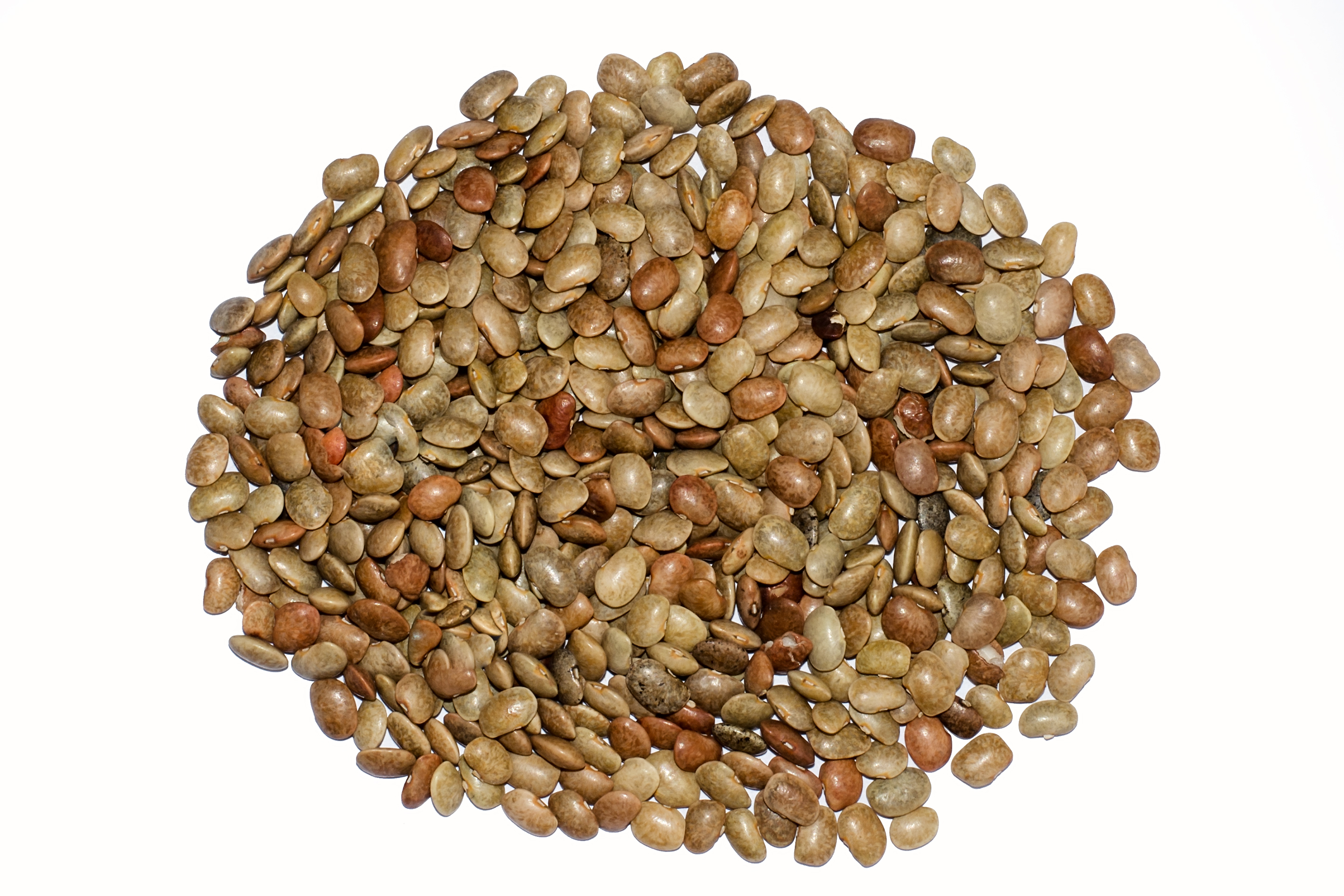
Kulthi, scientifically known as Macrotyloma uniflorum, is a widely cultivated leguminous plant belonging to the Fabaceae family. Primarily recognized for its small, oval-shaped seeds, it is often referred to as horse gram. This drought-resistant crop is commonly grown in semi-arid and tropical regions, particularly across India, where it has been a dietary staple for centuries.
Its seeds are valued not only for their nutritional density, including high protein and fiber content, but also for their versatility in various culinary applications, ranging from traditional dishes to animal fodder.
Other Names of Kulthi
- Horse Gram
- Madras Gram
- Gahat
- Hulagalu
- Kollu
- Ulavalu
Heading
<h3> Absolute Contraindications of Kulthi </h3> <h4> Known legume allergy (you react to legumes) </h4> <ul> <li> 🚫 🤧</li> <li> Recommendation: Do not consume Kulthi if you have a diagnosed allergy to legumes (peanut, lentil, chickpea, soy or bean) without supervised allergy testing.</li> <li> Reasoning: Legumes share storage-protein allergens and cross-reactivity is common; people sensitised to one legume may react to others, sometimes with severe reactions including anaphylaxis.</li> <li> Scientific_Study_Title: A comprehensive review of legume allergy</li> <li> Scientific_Study_Authors: Alok Kumar Verma, Sandeep Kumar, Mukul Das, Premendra D Dwivedi</li> <li> Scientific_Study_Link: https://pubmed.ncbi.nlm.nih.gov/22555630/</li> <li> Scientific_Study_Excerpt: <p>Paraphrase (study abstract summary): This clinical review summarises evidence that many legumes (family Fabaceae) contain IgE-binding proteins capable of provoking allergic reactions ranging from mild cutaneous symptoms to life-threatening anaphylaxis. The review reports frequent co-sensitisation across legume species and documents that storage proteins (7S/11S globulins, 2S albumins), profilins and pathogenesis-related proteins are common allergens. It emphasises that cross-reactivity can be clinically relevant in a substantial minority of patients and recommends strict avoidance and diagnostic confirmation (skin tests or supervised food challenge) where allergy is suspected.</p> <p>This study underpins the absolute contraindication: known legume allergy is a valid reason to avoid Kulthi unless cleared by an allergist.</p> </li> </ul> <h4> Infants, very young children or severely malnourished people consuming raw/undercooked seeds </h4> <ul> <li> 👶 🔥</li> <li> Recommendation: Avoid giving raw or poorly processed Kulthi seeds to infants, toddlers or severely malnourished people; only offer well-cooked, processed forms and consult a pediatrician/nutritionist.</li> <li> Reasoning: Raw horsegram contains antinutrients (trypsin inhibitors, lectins, phytates) that reduce protein digestibility and mineral bioavailability and can irritate the gut - processing (soaking, boiling, germination, extrusion) markedly reduces these factors.</li> <li> Scientific_Study_Title: Preparation of horsegram protein concentrate with improved protein quality, in vitro digestibility and available lysine</li> <li> Scientific_Study_Authors: (as listed) - (authors on PubMed: see record)</li> <li> Scientific_Study_Link: https://pubmed.ncbi.nlm.nih.gov/32549606/</li> <li> Scientific_Study_Excerpt: <p>Paraphrase (study summary): The study shows raw horsegram flour contains antinutritional components (lectins, trypsin inhibitors) that limit protein digestibility and available lysine. Processing into a protein concentrate lowered trypsin inhibitory activity by ~50% and substantially improved in-vitro protein digestibility and available lysine. The authors conclude that processing is necessary to make horsegram’s protein nutritionally accessible, which supports avoiding raw/underprocessed seed consumption in vulnerable groups.</p> <p>Implication: For infants/severely malnourished, improperly processed Kulthi could reduce nutrient uptake and irritate digestion - thus contraindicated without proper preparation and medical supervision.</p> </li> </ul> <h4> Severe gastrointestinal sensitivity with history of marked flatulence after pulses (acute intolerance) </h4> <ul> <li> 💨 😖</li> <li> Recommendation: If you experience severe gas/bloating or intestinal intolerance specifically after pulses, avoid Kulthi until you try a small, well-cooked portion under guidance; consult a GI specialist if symptoms severe.</li> <li> Reasoning: Horsegram contains oligosaccharides (raffinose, stachyose, verbascose) that can produce gas and bloating; thermal processing markedly reduces these oligosaccharides and the associated symptoms.</li> <li> Scientific_Study_Title: Influence of cooking methods on antinutritional factors, oligosaccharides and protein quality of underutilized legume Macrotyloma uniflorum</li> <li> Scientific_Study_Authors: (authors on PubMed record)</li> <li> Scientific_Study_Link: https://pubmed.ncbi.nlm.nih.gov/33992319/</li> <li> Scientific_Study_Excerpt: <p>Paraphrase (study summary): The paper measured phytates, oxalates, trypsin inhibitors and oligosaccharides in horsegram and reported that methods such as autoclaving, extrusion and microwave significantly reduced oligosaccharide levels (e.g., raffinose, stachyose) by 25-74%, and decreased trypsin inhibitor and phytic acid content by substantial percentages. Because oligosaccharides are known fermentable substrates that cause flatulence, the authors recommend processing to reduce GI side effects - supporting avoidance of raw/poorly processed Kulthi in those with acute pulse intolerance.</p> </li> </ul> <h3> Relative Contraindications of Kulthi </h3> <h4> Taking glucose-lowering medication (risk of additive hypoglycaemia)</h4> <ul> <li> ⚖️ 📉</li> <li> Recommendation: If you are on insulin or oral hypoglycaemic drugs, consult your prescriber and monitor blood glucose closely when adding Kulthi to the diet; dose adjustments may be needed.</li> <li> Reasoning: Kulthi contains a potent α-amylase inhibitor and other components that reduce carbohydrate absorption and lower blood glucose in experimental models; combining with drugs that lower glucose can raise hypoglycaemia risk.</li> <li> Scientific_Study_Title: Antidiabetic potential of α-amylase inhibitor from the seeds of Macrotyloma uniflorum in streptozotocin-nicotinamide-induced diabetic mice</li> <li> Scientific_Study_Authors: Laxmi H Gupta, Sachin L Badole, Subhash L Bodhankar, Sushma G Sabharwal</li> <li> Scientific_Study_Link: https://pubmed.ncbi.nlm.nih.gov/21043992/</li> <li> Scientific_Study_Excerpt: <p>Paraphrase (study summary): Investigators purified an α-amylase inhibitor from Kulthi seeds that inhibited mouse pancreatic and human salivary α-amylase (non-competitive inhibition) with measurable Ki and IC50 values. In streptozotocin-nicotinamide diabetic mice the inhibitor reduced serum glucose and improved pancreatic histology versus diabetic controls. The result demonstrates a clear glucose-lowering mechanism which can interact additively with pharmacologic hypoglycaemic agents.</p> </li> </ul> <h4> On diuretic therapy or with electrolyte imbalance (risk of additive diuresis) </h4> <ul> <li> 💧 ⚠️</li> <li> Recommendation: People taking loop/thiazide diuretics or those with unstable electrolytes should use Kulthi cautiously and discuss with their clinician; monitor weight and electrolytes if intake increases substantially.</li> <li> Reasoning: Animal studies show Kulthi extracts have diuretic effects; combining with prescription diuretics could enhance fluid/electrolyte losses and cause hypotension or electrolyte disturbances.</li> <li> Scientific_Study_Title: Analgesic, anti-inflammatory and diuretic activities of Macrotyloma uniflorum (Lam.) Verdc</li> <li> Scientific_Study_Authors: Javed Ashraf, Sadia Ghousia Baig, Salman Ahmed, Muhammad Mohtasheemul Hasan</li> <li> Scientific_Study_Link: https://pubmed.ncbi.nlm.nih.gov/30150181/</li> <li> Scientific_Study_Excerpt: <p>Paraphrase (study summary): The methanol seed extract of Macrotyloma uniflorum produced significant diuretic activity in rodent models at tested doses (200 and 400 mg/kg), along with analgesic and anti-inflammatory effects. The study documents measurable increases in urine output compared with controls, supporting the plant’s traditional diuretic use and the need for caution when combined with pharmaceutical diuretics or in patients prone to volume/electrolyte problems.</p> </li> </ul> <h4> Receiving cisplatin chemotherapy (oncology) - consult oncologist </h4> <ul> <li> 🧪 🩺</li> <li> Recommendation: Do not start Kulthi supplements during chemotherapy without oncologist approval - your cancer team can advise whether protective effects are appropriate or likely to interfere with therapy.</li> <li> Reasoning: Preclinical data show Kulthi extracts can protect kidneys from cisplatin-induced injury; while potentially beneficial for nephrotoxicity, such protective effects could theoretically alter drug toxicity profiles and require specialist discussion.</li> <li> Scientific_Study_Title: Horse gram (Macrotyloma uniflorum) a traditional food medicine protects the kidney from the cisplatin-induced nephrotoxicity in albino rats</li> <li> Scientific_Study_Authors: A Sudheer, K Somasekhar Reddy, R Jyothsna Naidu, K Vinay Kumar, S Mahaboobjan, P Likithasree, P Ramalingam</li> <li> Scientific_Study_Link: https://or.niscpr.res.in/index.php/IJTK/article/view/7198</li> <li> Scientific_Study_Excerpt: <p>Paraphrase (study summary): In albino rats, oral Kulthi seed extract (250-500 mg/kg) given during cisplatin exposure reduced serum creatinine, BUN and restored urine volume and renal antioxidant enzyme activities; kidney histology showed protection from tubular necrosis and vascular congestion. Authors identified antioxidant phytochemicals (vitamin E, sterols, fatty acids) via GC-MS that likely mediate nephroprotection. The translational implication is that Kulthi may alter cisplatin-related renal effects and should be discussed with oncologists before use.</p> </li> </ul>
Heading
<h4> Excessive gas, bloating or abdominal discomfort after pulses </h4> <ul> <li> 💨</li> <li> Side effect summary: Kulthi contains fermentable oligosaccharides that can be fermented by gut bacteria, producing gas and discomfort in sensitive individuals.</li> <li> Recommendation: Reduce portion size, use well-soaked and thoroughly cooked preparations, or avoid if symptoms are severe; consult a clinician if persistent.</li> <li> Reasoning: Quantified oligosaccharides (raffinose, stachyose, verbascose) are present in horsegram and decline substantially with heat/processing; raw or undercooked pulses produce more fermentable substrate and more symptoms.</li> <li> Severity Level: Mild</li> <li> Scientific_Study_Available: Yes</li> <li> Scientific_Study_Title: Influence of cooking methods on antinutritional factors, oligosaccharides and protein quality of underutilized legume Macrotyloma uniflorum</li> <li> Scientific_Study_Authors: (see PubMed record)</li> <li> Scientific_Study_Link: https://pubmed.ncbi.nlm.nih.gov/33992319/</li> <li> Scientific_Study_Excerpt: <p>Paraphrase (study summary): The authors measured oligosaccharide content and showed that processing methods (autoclaving, extrusion, microwave) reduced raffinose, stachyose and verbascose by 25-74% depending on method, which correlates with reduced fermentative gas production. They conclude that appropriate thermal processing makes horsegram more digestible and less likely to cause flatulence.</p> </li> </ul> <h4> Reduced mineral absorption (iron, zinc, calcium) with high daily intake of unprocessed pulses </h4> <ul> <li> 🧲</li> <li> Side effect summary: High phytate content in pulses can chelate minerals and lower their absorption, which matters when Kulthi is a staple and not adequately processed or when dietary mineral intake is low.</li> <li> Recommendation: Use traditional processing (soaking, germination, fermentation, cooking) to lower phytate; in vulnerable populations consider nutritional advice or supplementation.</li> <li> Reasoning: Phytic acid binds divalent minerals and reduces bioavailability. Processing reduces phytate and improves mineral access; persistent high phytate intake with low dietary mineral intake can contribute to deficiencies.</li> <li> Severity Level: Moderate</li> <li> Scientific_Study_Available: Yes</li> <li> Scientific_Study_Title: Phytic Acid and Whole Grains for Health Controversy</li> <li> Scientific_Study_Authors: (see PubMed record)</li> <li> Scientific_Study_Link: https://pubmed.ncbi.nlm.nih.gov/35010899/</li> <li> Scientific_Study_Excerpt: <p>Paraphrase (study summary): The review explains that phytic acid chelates iron, zinc, calcium and other cations, decreasing mineral bioavailability especially in diets low in these minerals. While phytate has some protective health roles, in low-resource settings and unprocessed diets phytic acid can worsen micronutrient status; the authors recommend processing strategies to reduce phytate and careful dietary planning.</p> </li> </ul> <h4> Allergic reactions (from mild rash to severe) in susceptible people </h4> <ul> <li> ⚠️ 🩹</li> <li> Side effect summary: People with legume allergies may experience skin, respiratory or systemic allergic reactions after Kulthi exposure.</li> <li> Recommendation: Any history of legume or peanut allergy warrants avoidance until evaluated by an allergist; for suspected severe reaction, seek immediate medical care.</li> <li> Reasoning: Allergenic seed storage proteins and cross-reactivity among legumes create real clinical risk in sensitised individuals.</li> <li> Severity Level: Severe</li> <li> Scientific_Study_Available: Yes</li> <li> Scientific_Study_Title: A comprehensive review of legume allergy</li> <li> Scientific_Study_Authors: Alok Kumar Verma, Sandeep Kumar, Mukul Das, Premendra D Dwivedi</li> <li> Scientific_Study_Link: https://pubmed.ncbi.nlm.nih.gov/22555630/</li> <li> Scientific_Study_Excerpt: <p>Paraphrase (study summary): The review documents identified IgE-binding proteins across legumes and describes clinical presentations from mild to anaphylactic. Cross-reactivity is common and diagnostic confirmation (skin prick tests, specific IgE, oral challenge) is recommended before reintroducing suspect legumes into the diet.</p> </li> </ul>
Heading
<h4> Hypoglycaemic agents (insulin, sulfonylureas, meglitinides, some SGLT2/DPP4/GLP1 drugs - clinically relevant with glucose-lowering therapies)</h4> <ul> <li> Interaction_Details: Kulthi contains an α-amylase inhibitor and other antihyperglycaemic constituents that slow carbohydrate digestion and lower blood glucose; when taken with glucose-lowering drugs the effects can be additive, increasing hypoglycaemia risk.</li> <li> Severity: Moderate</li> <li> Recommendation: Monitor blood glucose closely and discuss with your prescriber before starting Kulthi; dosage adjustments of medication may be necessary.</li> <li> Scientific_Study_Available: Yes</li> <li> Scientific_Study_Link: https://pubmed.ncbi.nlm.nih.gov/21043992/</li> <li> Scientific_Study_Title: Antidiabetic potential of α-amylase inhibitor from the seeds of Macrotyloma uniflorum in streptozotocin-nicotinamide-induced diabetic mice</li> <li> Scientfic_Study_Authors: Laxmi H Gupta, Sachin L Badole, Subhash L Bodhankar, Sushma G Sabharwal</li> <li> Scientific_Study_Excerpt: <p>Paraphrase (study summary): The purified α-amylase inhibitor from Kulthi inhibited mouse and human α-amylase (non-competitive) with determined Ki/IC50 values and reduced serum glucose in diabetic mice. Histology showed pancreatic protection versus controls. The clear pharmacologic enzyme inhibition supports the plausibility of additive glucose-lowering effects when Kulthi is combined with antidiabetic drugs, warranting glucose monitoring and clinician oversight.</p> </li> </ul> <h4> Diuretics (loop diuretics, thiazides, potassium-sparing diuretics)</h4> <ul> <li> Interaction_Details: Kulthi extracts show diuretic activity in animal studies; co-use with prescription diuretics could enhance fluid and electrolyte loss, causing dehydration, hypotension or electrolyte imbalances.</li> <li> Severity: Moderate</li> <li> Recommendation: If you are on diuretics, consult your clinician before using Kulthi; monitor blood pressure, weight and electrolytes if used concurrently.</li> <li> Scientific_Study_Available: Yes</li> <li> Scientific_Study_Link: https://pubmed.ncbi.nlm.nih.gov/30150181/</li> <li> Scientific_Study_Title: Analgesic, anti-inflammatory and diuretic activities of Macrotyloma uniflorum (Lam.) Verdc</li> <li> Scientfic_Study_Authors: Javed Ashraf, Sadia Ghousia Baig, Salman Ahmed, Muhammad Mohtasheemul Hasan</li> <li> Scientific_Study_Excerpt: <p>Paraphrase (study summary): The methanolic seed extract produced significant diuretic effects in rodent models at tested doses compared to controls. Given these documented diuretic properties, combining Kulthi with pharmaceutical diuretics could produce additive diuresis and electrolyte shifts; hence the recommendation for medical oversight and monitoring.</p> </li> </ul> <h4> Cisplatin (chemotherapy) - potential nephroprotection altering toxicity profile</h4> <ul> <li> Interaction_Details: Preclinical work shows Kulthi extracts protect kidneys from cisplatin-induced damage by reducing oxidative stress and restoring renal biomarkers; this could modify the expected toxicity profile and requires oncologist input.</li> <li> Severity: Moderate</li> <li> Recommendation: Do not self-administer Kulthi supplements during cisplatin chemotherapy without discussing with your oncology team; the team will advise whether potential nephroprotection is desirable and safe in your case.</li> <li> Scientific_Study_Available: Yes</li> <li> Scientific_Study_Link: https://or.niscpr.res.in/index.php/IJTK/article/view/7198</li> <li> Scientific_Study_Title: Horse gram (Macrotyloma uniflorum) a traditional food medicine protects the kidney from the cisplatin-induced nephrotoxicity in albino rats</li> <li> Scientfic_Study_Authors: A Sudheer, K Somasekhar Reddy, R Jyothsna Naidu, K Vinay Kumar, S Mahaboobjan, P Likithasree, P Ramalingam</li> <li> Scientific_Study_Excerpt: <p>Paraphrase (study summary): Oral Kulthi seed extract given to cisplatin-treated rats restored BUN/creatinine, improved antioxidant enzyme activities and reduced histological kidney damage. GC-MS showed antioxidant phytochemicals likely responsible for nephroprotection. For patients on cisplatin, such effects could change toxicity outcomes and therefore must be assessed by the treating oncology team before use.</p> </li> </ul> <h4> Anticoagulants (e.g., warfarin) - evidence lacking for direct interaction</h4> <ul> <li> Interaction_Details: There is no direct published clinical or preclinical evidence that Kulthi specifically alters warfarin pharmacokinetics or coagulation indices. However, many herbs/pulses can affect nutrient status or co-medications indirectly; lacking targeted data, caution is reasonable.</li> <li> Severity: Mild</li> <li> Recommendation: If you take warfarin or other anticoagulants, discuss Kulthi use with your prescriber and monitor INR per usual clinical practice; stop and report any unusual bleeding.</li> <li> Scientific_Study_Available: NA</li> <li> Scientific_Study_Link: NA</li> <li> Scientific_Study_Title: NA</li> <li> Scientfic_Study_Authors: NA</li> <li> Scientific_Study_Excerpt: <p>No PubMed evidence directly documents a Kulthi-warfarin interaction at the time of these searches. General reviews note many herb-warfarin interactions exist and recommend clinical caution; in absence of direct data on Kulthi, the conservative approach is monitoring and clinician discussion.</p> </li> </ul>