What is Kela (Banana)?
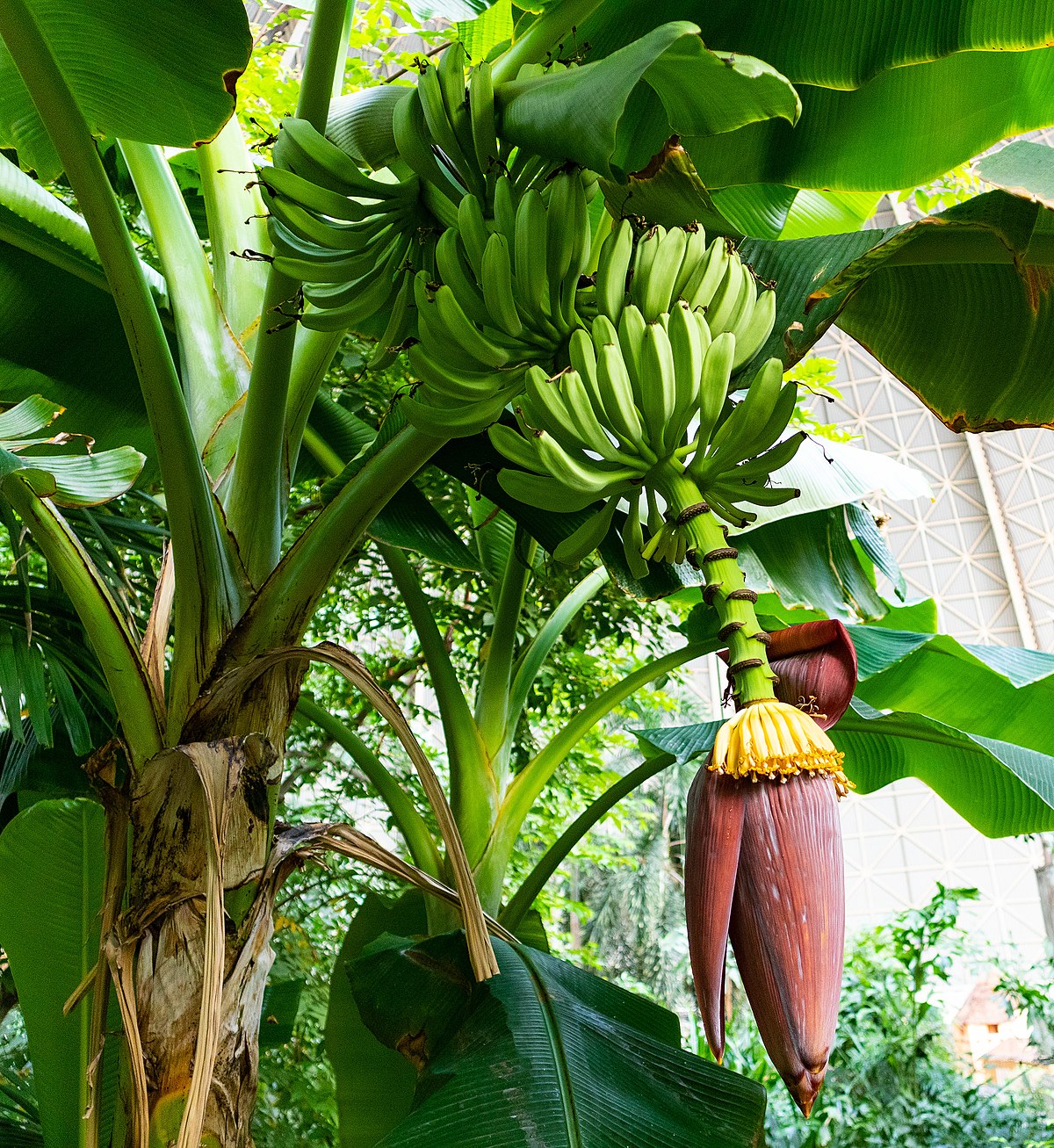
Kela, commonly known as Banana, is the edible fruit of several large herbaceous flowering plants in the genus Musa. These plants are native to tropical regions of the world, primarily grown for their elongated, curved fruit, which is typically rich in carbohydrates and potassium. Botanically, the fruit is a berry.
Bananas are among the world's most widely consumed fruits, playing a significant role in the economies of many tropical countries. They grow in bunches, often hanging from the plant in a structure called a "hand" or "bunch."
Other Names of Kela (Banana)
- Banana
- Musa paradisiaca (scientific name)
Heading
<h3> Absolute Contraindications of Kela (Banana) </h3> <h4>1) Severe IgE-mediated banana allergy / history of anaphylaxis [You have immediate severe allergy to banana]</h4> <ul> <li> 🥵 <li> Recommendation: Avoid all forms of banana (fresh pulp, peel contact, processed products containing banana); carry emergency epinephrine if prescribed and see an allergist for testing and action plan. <li> Reasoning: True IgE sensitization to banana proteins can cause immediate oral symptoms, systemic urticaria, bronchospasm or life-threatening anaphylaxis; cross-reactivity with latex and some pollens increases risk and reactions can be triggered by even small exposures. <li> Scientific_Study_Title: Comprehensive Review on Banana Fruit Allergy: Pathogenesis, Diagnosis, Management, and Potential Modification of Allergens through Food Processing. <li> Scientific_Study_Authors: Priyanga Suriyamoorthy, Alluru Madhuri, Srikanth Tangirala, Karunai Raj Michael, Vignesh Sivanandham, Ashish Rawson, Arunkumar Anandharaj. <li> Scientific_Study_Link: https://pubmed.ncbi.nlm.nih.gov/35661960/ <li> Scientific_Study_Excerpt: <p>This 2022 comprehensive review summarizes that banana contains multiple allergenic proteins (Mus a1-Mus a6) and that banana allergy manifests from mild oral allergy syndrome to severe systemic anaphylaxis. The authors report prevalence estimates (approx. 0.6% in the general population, higher among atopic individuals) and describe mechanisms (IgE reactivity to specific proteins), clinical patterns, diagnostic approaches (skin test, specific IgE), and management strategies. The review highlights cross-reactivity with latex and certain pollens and discusses how food processing can modify allergenicity-supporting the clear clinical message that known IgE-mediated banana allergy is a contraindication to consumption and requires strict avoidance and emergency planning.</p> </ul> <h4>2) Recent or recurrent life-threatening hyperkalemia / uncontrolled hyperkalemia [Your potassium has been dangerously high recently]</h4> <ul> <li> ⚠️ <li> Recommendation: Avoid high-potassium foods including large quantities of banana until potassium is controlled and medical supervision confirms safe dietary potassium intake; discuss with your nephrologist/cardiologist. <li> Reasoning: Although a single banana is safe for most, excessive intake or an otherwise potassium-raising context (medications, impaired renal excretion) has been reported to contribute to severe, life-threatening hyperkalemia; dietary potassium can be a decisive additional factor when other risks exist. <li> Scientific_Study_Title: Hyperkalemia in ambulant postcardiac surgery patients during combined therapy with angiotensin-converting enzyme inhibitor, spironolactone, and diet rich in potassium: report of two cases and review of literature. <li> Scientific_Study_Authors: (authors as listed in article - journal article with multiple authors; see link) <li> Scientific_Study_Link: https://pmc.ncbi.nlm.nih.gov/articles/PMC6489390/ <li> Scientific_Study_Excerpt: <p>This case-report and literature review presents two postoperative cardiac patients who developed life-threatening hyperkalemia while taking ACE inhibitors and potassium-sparing diuretics and eating large amounts of high-potassium foods (notably multiple bananas daily). The paper explains renal potassium handling, lists drug classes that impair potassium excretion, and emphasizes that in specific clinical contexts (combination drug therapy, reduced aldosterone activity, or acute illness) a high-potassium diet can precipitate severe hyperkalemia even when baseline renal function appears adequate. The authors conclude that a high-potassium diet is an important, sometimes overlooked contributor and recommend dietary counseling and close monitoring in at-risk patients.</p> </ul> <h4>3) Known severe tyramine-sensitivity with documented food-triggered migraine or hypertensive crises on tyramine exposure [You get dangerous migraines or blood-pressure spikes from tyramine foods]</h4> <ul> <li> 🤕 <li> Recommendation: Avoid overripe bananas and banana peel residues; if you have documented tyramine sensitivity (or a history of food-triggered severe migraine or hypertensive reactions), discuss diet with your neurologist or primary care clinician. <li> Reasoning: Bananas (especially peel and some genotypes) contain measurable tyramine and other biogenic amines; in susceptible individuals these amines can provoke vascular or neurologic reactions that present as severe migraine or, with MAOI use, as hypertensive episodes. <li> Scientific_Study_Title: Bioactive amines changes during the ripening and thermal processes of bananas and plantains. <li> Scientific_Study_Authors: (authors as listed on PubMed: e.g., R. L. et al. - see link) <li> Scientific_Study_Link: https://pubmed.ncbi.nlm.nih.gov/31260965/ <li> Scientific_Study_Excerpt: <p>This analytical study measured biogenic amines in pulp and peel across 20 banana and plantain genotypes and found that amine content varies with genotype, tissue and ripening stage. Importantly, peels had higher levels of several amines including tyramine, histamine and serotonin than pulp, and ripening and thermal processing changed amine concentrations. The data show that ripe/unripe stage and specific banana parts influence tyramine burden-supporting the clinical observation that bananas can act as dietary amine sources and may trigger symptoms in tyramine-sensitive individuals (e.g., certain migraineurs or those on MAOI therapy).</p> </ul> <h3> Relative Contraindications of Kela (Banana) </h3> <h4>1) Diabetes mellitus - portion and ripeness sensitive [You have diabetes or impaired glucose tolerance]</h4> <ul> <li> 🍌📉 <li> Recommendation: Ripe bananas raise blood sugar more than unripe; choose smaller portions, prefer less-ripe bananas or pair with protein/fat to blunt glucose rise and monitor your glucose after eating to tailor portions. <li> Reasoning: The carbohydrate in banana converts from resistant starch to free sugars as it ripens; clinical studies show under-ripe bananas produce a lower postprandial glucose and lower glycemic index than over-ripe bananas, so ripeness and portion directly impact glycaemic load. <li> Scientific_Study_Title: Influence of ripeness of banana on the blood glucose and insulin response in type 2 diabetic subjects. <li> Scientific_Study_Authors: R. E. M. Cummings et al. (see PubMed entry) <li> Scientific_Study_Link: https://pubmed.ncbi.nlm.nih.gov/1395467/ <li> Scientific_Study_Excerpt: <p>In a controlled study, type 2 diabetic subjects consumed under-ripe (green) versus over-ripe banana and white bread; the under-ripe banana produced a significantly lower postprandial blood glucose response (glycemic index ≈43) than over-ripe banana (GI ≈74) and white bread. The authors conclude that banana ripeness substantially affects glycemic and insulin responses and that under-ripe bananas elicit a much smaller glucose excursion-supporting tailored banana choices and portion control in people managing diabetes.</p> </ul> <h4>2) Patients taking ACE inhibitors, ARBs, or potassium-sparing diuretics [You take medicines that raise potassium]</h4> <ul> <li> 💊⚠️ <li> Recommendation: Use caution-discuss with your prescriber or pharmacist and limit large or frequent servings of high-potassium foods like bananas; monitor serum potassium as advised. <li> Reasoning: Drugs that reduce renal potassium excretion (ACEIs/ARBs, spironolactone, amiloride, trimethoprim) increase susceptibility to dietary potassium’s effects; case reports document severe hyperkalemia in patients on such combinations who consumed many bananas. <li> Scientific_Study_Title: Hyperkalemia in ambulant postcardiac surgery patients during combined therapy with angiotensin-converting enzyme inhibitor, spironolactone, and diet rich in potassium: report of two cases and review of literature. <li> Scientific_Study_Authors: (see article metadata) <li> Scientific_Study_Link: https://pmc.ncbi.nlm.nih.gov/articles/PMC6489390/ <li> Scientific_Study_Excerpt: <p>The report and literature review describe cases where combined pharmacologic inhibition of the renin-angiotensin-aldosterone system plus potassium-sparing diuretics, together with high dietary potassium intake (several bananas daily), led to severe hyperkalemia despite otherwise acceptable renal function. The paper details mechanisms (reduced aldosterone-mediated secretion, drug interactions) and stresses that dietary potassium can be a critical cofactor, reinforcing the recommendation to counsel patients on limiting high-potassium foods while on these medications and to monitor serum potassium closely.</p> </ul> <h4>3) Irritable bowel syndrome / FODMAP sensitivity [You get gas, bloating or IBS symptoms from certain foods]</h4> <ul> <li> 🫧 <li> Recommendation: If you have IBS and notice banana triggers symptoms, prefer unripe or small portions depending on your tolerance (unripe may be lower FODMAP but higher resistant starch-individual testing is needed); keep a food symptom diary. <li> Reasoning: Banana composition (sorbitol, soluble fibers and resistant starch) and ripeness alter fermentability and gas production; some IBS patients report bloating or increased gas with bananas, and studies show resistant starch and fermentable sugars vary by ripeness and cultivar. <li> Scientific_Study_Title: Acute consumption of cooked green banana pulp beverage (Musa cavendishii) decreases plasma glucose in healthy women (and chemical characterization showing resistant starch). <li> Scientific_Study_Authors: (authors as listed on PubMed) <li> Scientific_Study_Link: https://pubmed.ncbi.nlm.nih.gov/38951375/ <li> Scientific_Study_Excerpt: <p>This controlled study analyzed banana varieties and resistant starch content, and tested a green (cooked) banana pulp beverage’s metabolic effects; it documents that green banana preparations are rich in resistant starch and fermentable fiber which alters colonic fermentation. Because resistant starch and sugar alcohols in banana are metabolized by gut bacteria, the study supports the mechanism by which banana intake can change gut gas production and stool characteristics-explaining why sensitive individuals with IBS or FODMAP intolerance may need individualized guidance on ripeness and portion.</p> </ul>
Heading
<h4>Allergic reactions (from mild mouth itching to anaphylaxis)</h4> <ul> <li> 🤧 <li> Side effect summary: Some people develop oral itching, swelling, urticaria, respiratory symptoms or rarely anaphylaxis after banana exposure; cross-reactivity with latex and pollens is common. <li> Recommendation: Stop eating banana and seek allergy testing if you have repeated reactions; carry epinephrine if you have had systemic reactions. <li> Reasoning: Banana proteins (multiple identified allergens) elicit IgE responses in susceptible individuals causing immediate hypersensitivity symptoms. <li> Severity Level: Severe <li> Scientific_Study_Available: Yes <li> Scientific_Study_Title: Comprehensive Review on Banana Fruit Allergy: Pathogenesis, Diagnosis, Management, and Potential Modification of Allergens through Food Processing. <li> Scientific_Study_Authors: Priyanga Suriyamoorthy, Alluru Madhuri, Srikanth Tangirala, Karunai Raj Michael, Vignesh Sivanandham, Ashish Rawson, Arunkumar Anandharaj. <li> Scientific_Study_Link: https://pubmed.ncbi.nlm.nih.gov/35661960/ <li> Scientific_Study_Excerpt: <p>The 2022 review details that banana allergy ranges from oral allergy syndrome to systemic anaphylaxis, identifies major banana allergens (Mus a1-Mus a6), and highlights epidemiology, diagnostic methods (skin prick, specific IgE), management and modification strategies. It stresses higher prevalence among atopic individuals and those with latex allergy, and underlines clinical vigilance because reactions can be severe and unpredictable.</p> </ul> <h4>Hyperkalemia when consumed in large quantities or combined with potassium-raising conditions/medications</h4> <ul> <li> 🧾 <li> Side effect summary: Excessive intake (many bananas/day) - especially combined with drugs that reduce potassium excretion or with renal impairment - can contribute to dangerous serum potassium elevations. <li> Recommendation: Do not consume large amounts of banana if you have kidney disease, take RAAS inhibitors or potassium-sparing diuretics; get serum potassium checked regularly. <li> Reasoning: High dietary potassium adds to total body potassium; when excretion is impaired by disease or drugs, intake can precipitate hyperkalemia and cardiac arrhythmias. <li> Severity Level: Severe <li> Scientific_Study_Available: Yes <li> Scientific_Study_Title: Hyperkalemia in ambulant postcardiac surgery patients during combined therapy with angiotensin-converting enzyme inhibitor, spironolactone, and diet rich in potassium: report of two cases and review of literature. <li> Scientific_Study_Authors: (see article) <li> Scientific_Study_Link: https://pmc.ncbi.nlm.nih.gov/articles/PMC6489390/ <li> Scientific_Study_Excerpt: <p>Case descriptions show patients on ACE inhibitors + spironolactone who had daily consumption of 5-8 bananas developed severe hyperkalemia requiring urgent management. The authors analyze potassium handling, drug mechanisms that impair excretion, and emphasize that excessive dietary potassium-though safe for many-can be the tipping factor in drug-exposed or vulnerable patients. They recommend dietary review and monitoring in such scenarios.</p> </ul> <h4>Gastrointestinal discomfort (bloating, gas) in sensitive individuals</h4> <ul> <li> 💨 <li> Side effect summary: Some people experience increased gas, bloating or cramping after bananas-more commonly with unripe (resistant-starch rich) or when eaten in large amounts. <li> Recommendation: Adjust ripeness and portion size (ripe may be easier), increase fiber gradually and hydrate; consult a clinician if symptoms are severe or persistent. <li> Reasoning: Resistant starch, sorbitol and soluble fibers in banana are fermented by colonic bacteria producing gas; individual microbiota and IBS/FODMAP sensitivity determine symptom severity. <li> Severity Level: Mild <li> Scientific_Study_Available: Yes <li> Scientific_Study_Title: Bioactive amines changes during the ripening and thermal processes of bananas and plantains. <li> Scientific_Study_Authors: (see PubMed entry) <li> Scientific_Study_Link: https://pubmed.ncbi.nlm.nih.gov/31260965/ <li> Scientific_Study_Excerpt: <p>Analyses across genotypes and ripening stages show shifts in resistant starch, sugars, and bioactive compounds; the study emphasizes that unripe bananas have higher resistant starch and certain amines, which are substrates for colonic bacteria. Such fermentable substrates are mechanistically linked to gas production and related GI symptoms in sensitive hosts-supporting the clinical advice to individualize ripeness and portions for those with digestive sensitivity.</p> </ul>
Heading
<h4>ACE inhibitors / ARBs (e.g., lisinopril, ramipril) and potassium-sparing diuretics (e.g., spironolactone, amiloride)</h4> <ul> <li> Interaction_Details: Eating large amounts of banana (high dietary potassium) while taking RAAS inhibitors or potassium-sparing diuretics can meaningfully increase the risk of clinically significant hyperkalemia because these drugs reduce renal potassium excretion. <li> Severity: Severe <li> Recommendation: Avoid large or frequent servings of high-potassium foods; discuss safe portioning and serum potassium monitoring with your prescriber; seek urgent care for palpitations, weakness, or ECG changes. <li> Scientific_Study_Available: Yes <li> Scientific_Study_Link: https://pmc.ncbi.nlm.nih.gov/articles/PMC6489390/ <li> Scientific_Study_Title: Hyperkalemia in ambulant postcardiac surgery patients during combined therapy with angiotensin-converting enzyme inhibitor, spironolactone, and diet rich in potassium: report of two cases and review of literature. <li> Scientfic_Study_Authors: (authors as listed in the article) <li> Scientific_Study_Excerpt: <p>The case series and review describe two patients on combined ACE inhibitor and spironolactone therapy who consumed multiple bananas daily and developed severe hyperkalemia with ECG changes. The article explains how ACE inhibitors and potassium-sparing agents impair potassium excretion and demonstrates that a high-potassium diet can be the proximate trigger of life-threatening hyperkalemia in such pharmacologic contexts. The authors recommend dietary assessment and potassium monitoring when prescribing these agents.</p> </ul> <h4>Monoamine oxidase inhibitors (MAOIs) - theoretical interaction via dietary tyramine</h4> <ul> <li> Interaction_Details: Bananas (especially peels and some ripe stages) contain measurable tyramine and other biogenic amines; in theory, large intake could contribute to tyramine burden and increase risk of hypertensive reactions in patients on non-selective MAOIs. <li> Severity: Moderate <li> Recommendation: If you are on an MAOI, discuss dietary tyramine restrictions with your prescriber; prefer small portions and avoid overripe fruit and peel residues unless cleared by clinician. <li> Scientific_Study_Available: Yes (composition study) <li> Scientific_Study_Link: https://pubmed.ncbi.nlm.nih.gov/31260965/ <li> Scientific_Study_Title: Bioactive amines changes during the ripening and thermal processes of bananas and plantains. <li> Scientfic_Study_Authors: (see PubMed) <li> Scientific_Study_Excerpt: <p>This analytic study measured biogenic amines in banana pulp and peel across ripening stages, demonstrating that peels contain higher levels of tyramine and that amine concentrations vary by genotype and ripeness. Although clinical interaction trials with MAOIs and banana are lacking, the measured presence of dietary tyramine supports a plausible mechanistic interaction: in patients taking non-selective MAOIs, accumulated dietary tyramine can precipitate pressor episodes, so prudence and clinician guidance are warranted.</p> </ul> <h4>Hemodialysis (timing relative to dialysis session) - practical clinical interaction</h4> <ul> <li> Interaction_Details: Consuming a significant portion of banana around hemodialysis alters serum potassium dynamics during the dialysis session (transiently higher potassium during the procedure) but may reduce hypokalemia risk; timing and portion matter. <li> Severity: Moderate <li> Recommendation: Follow center/nutrition guidance-discuss timing/portion with dialysis team; do not assume all dialysis patients can freely eat bananas without individualized assessment. <li> Scientific_Study_Available: Yes <li> Scientific_Study_Link: https://pmc.ncbi.nlm.nih.gov/articles/PMC11064587/ <li> Scientific_Study_Title: Effect of banana intake on serum potassium level in patients undergoing maintenance hemodialysis: A randomized controlled trial. <li> Scientfic_Study_Authors: Zilin Quan, Caixia Li, Liyan Zhao et al. <li> Scientific_Study_Excerpt: <p>This randomized controlled trial in maintenance hemodialysis patients compared ingestion of ~250 g banana during dialysis vs no food. Results showed transiently higher serum potassium at 2 and 4 hours in the banana group, but no increase in clinically significant post-dialysis hyperkalemia; intriguingly, the banana group had lower incidence of intra-dialysis hypokalemia and fewer arrhythmias. The study indicates that banana intake changes intraprocedural potassium dynamics and that individualized dietary planning with the dialysis team is needed.</p> </ul>