Kasmard
Senna occidentalis
Kasmard (Senna occidentalis), also known as Coffee Senna or Stinking Weed, is an herbaceous plant widely distributed across tropical and subtropical regions. In Ayurveda, it is traditionally claimed to balance Pitta and Kapha doshas. Its leaves, seeds, and root are supposedly beneficial for various health applications, and it is often found in disturbed areas and open fields.
PLANT FAMILY
Fabaceae (Legume)
PARTS USED
Leaves, Seeds, Root
AYURVEDIC ACTION
Pitta ↓, Kapha ↓
ACTIVE COMPOUNDS
Anthraquinones (0.5-1%)
What is Kasmard?
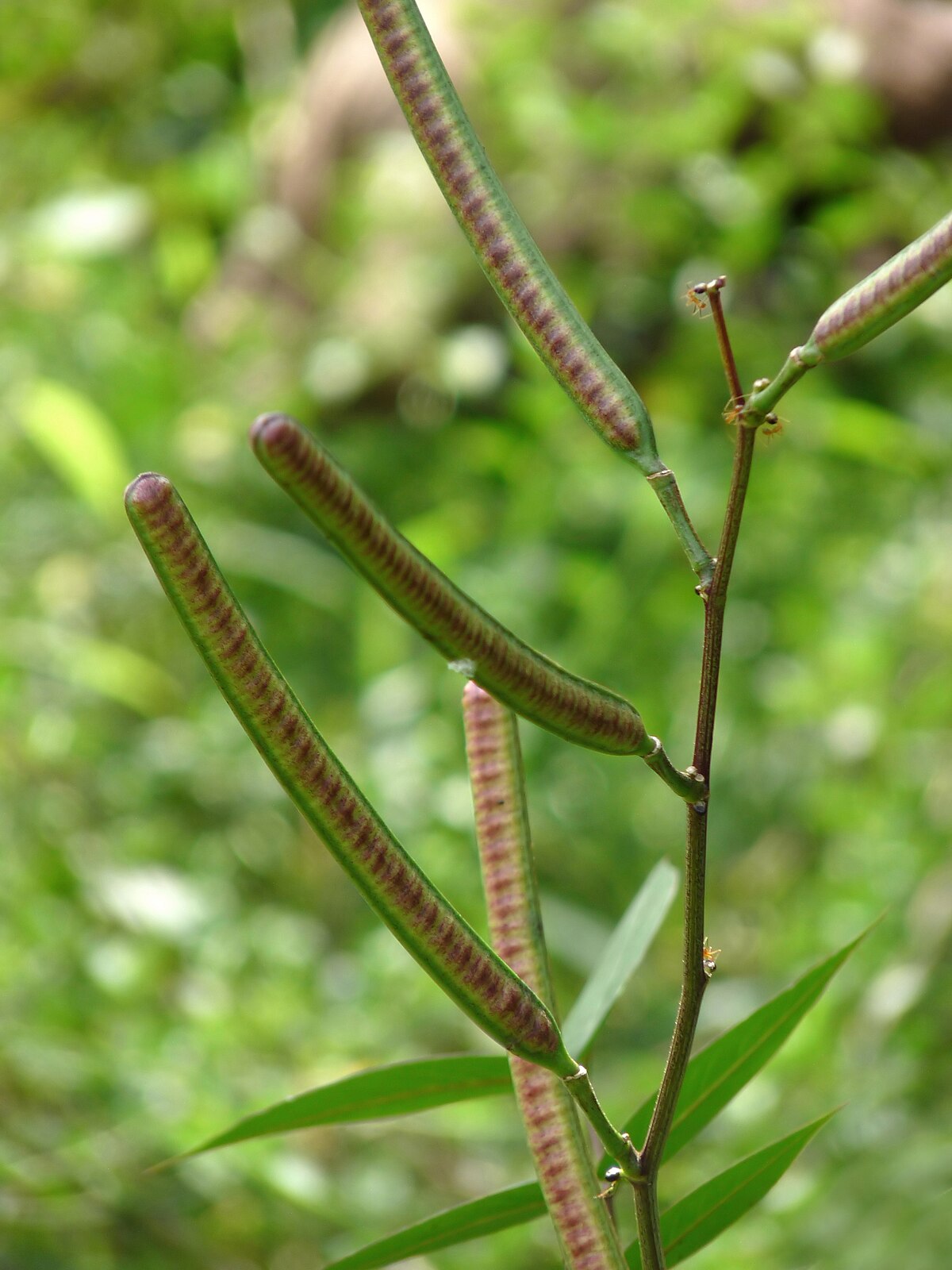
Kasmard, scientifically known as Senna occidentalis, is an herbaceous plant belonging to the Fabaceae (Legume) family. Widely distributed across tropical and subtropical regions, it is often found in disturbed areas and open fields. This plant is characterized by its distinct leaflets, yellow flowers, and elongated pods.
Historically, Kasmard has been recognized for its various parts, including leaves, seeds, and roots, which have been traditionally utilized across different cultures. Its presence is noted in diverse ecosystems, thriving in a range of environmental conditions.
Other Names of Kasmard
- Coffee Senna
- Stinking Weed
- Septicweed
- Coffee Weed
- Styptic Weed
Heading
<h3> Absolute Contraindications of Kasmard </h3> <h4> Pre-existing liver disease / impaired liver function</h4> <ul> <li> 🛑 <li> Recommendation: Do not take Kasmard preparations if you already have liver disease (hepatitis, cirrhosis) without specialist advice; avoid self-medication. <li> Reasoning: Compounds in Cassia (anthraquinones such as aloe-emodin, emodin, rhein) can induce oxidative stress, deplete glutathione, impair phase I/II enzymes and cause hepatocellular injury; people with pre-existing liver impairment have less reserve and are at higher risk of clinically significant liver damage. <li> Scientific_Study_Title: Hepatic transcriptional analysis in rats treated with Cassia occidentalis seed: involvement of oxidative stress and impairment in xenobiotic metabolism as a putative mechanism of toxicity. <li> Scientific_Study_Authors: G. Kaushik, S. etc. (authors as listed on PubMed entry). <li> Scientific_Study_Link: https://pubmed.ncbi.nlm.nih.gov/24973489/ <li> Scientific_Study_Excerpt: <p>The study exposed rats to dietary Cassia occidentalis seed and found clear transcriptional changes in liver consistent with oxidative stress and impaired xenobiotic metabolism. Markers showed glutathione depletion, increased lipid peroxidation, and altered antioxidant enzyme expression. Phase I and II enzyme activities (including CYP markers and GST/QR) were reduced, suggesting decreased detoxification capacity and possible accumulation of toxic ingredients in hepatic tissue. These molecular and biochemical changes match the pattern of hepatocellular injury seen in animal and human poisonings linked to Cassia seed exposure.</p> </ul> <h4> Young children (risk of acute hepato-myo-encephalopathy after seed/pod ingestion) </h4> <ul> <li> 👶 <li> Recommendation: Never give Kasmard seeds, seed-decoctions, or unregulated preparations to infants or young children. If accidental ingestion occurs, seek emergency care immediately. <li> Reasoning: In outbreaks and case reports, ingestion of Cassia seeds/pods by children has produced a fulminant syndrome with liver failure, muscle damage and encephalopathy; pediatric cases progress rapidly and carry high mortality without prompt supportive care. <li> Scientific_Study_Title: Role of anthraquinones in Cassia occidentalis induced hepato-myo-encephalopathy. <li> Scientific_Study_Authors: S. Kumar, A. etc. (authors as listed on PubMed entry). <li> Scientific_Study_Link: https://pubmed.ncbi.nlm.nih.gov/33011371/ <li> Scientific_Study_Excerpt: <p>A systematic review of literature and case reports links accidental/foraged consumption of Cassia occidentalis plant parts to a syndrome in children characterized by acute hepatic necrosis, muscle injury (elevated CPK), and neurologic deterioration. The review highlights anthraquinones as likely culprits, noting histopathologic liver necrosis, biochemical enzyme elevations (ALT/AST/LDH), and experimental animal data showing similar multi-organ damage. The article emphasizes rapid progression in pediatric cases and the lack of a specific antidote, underscoring the need to avoid exposure in children.</p> </ul> <h4> Pregnancy (possible reproductive toxicity at higher doses)</h4> <ul> <li> 🤰 <li> Recommendation: Avoid Kasmard use during pregnancy. Seek qualified medical/advisory guidance before any herbal use while pregnant. <li> Reasoning: Reproductive-toxicity studies in animal models reported fetal deaths at tested doses, and traditional reports list abortifacient use; until human safety is established, exposure during pregnancy carries potential risk. <li> Scientific_Study_Title: Toxicological reproductive study of Cassia occidentalis L. in female Wistar rats. <li> Scientific_Study_Authors: S. E. Silva, et al. (authors as listed on PubMed entry). <li> Scientific_Study_Link: https://pubmed.ncbi.nlm.nih.gov/19429356/ <li> Scientific_Study_Excerpt: <p>In the study pregnant Wistar rats received oral Cassia occidentalis extract during pre-implantation and organogenesis periods. While many reproductive parameters were unchanged, investigators recorded occurrences of dead fetuses at both tested doses (250 and 500 mg/kg), prompting the authors to advise caution and recommend that use during pregnancy is not advisable without further study. The report concludes that more detailed studies are needed to define safe exposure limits in pregnancy.</p> </ul> <h3> Relative Contraindications of Kasmard </h3> <h4> Concurrent use with strong CYP3A4 inhibitors or with drugs metabolized by CYP3A4</h4> <ul> <li> ⚖️ <li> Recommendation: Use only under medical supervision; consider avoiding combining Kasmard extracts with strong CYP3A4 inhibitors or narrow-therapeutic-index CYP3A4 substrates (discuss with a clinician/pharmacist). <li> Reasoning: Anthraquinones from Cassia species can be metabolized by and can alter CYP enzyme activity; experimental evidence shows that inhibition of CYP3A4 potentiates aloe-emodin hepatocyte injury, so co-exposure to CYP3A4 inhibitors may increase liver toxicity risk. <li> Scientific_Study_Title: Inhibition of CYP3A4 enhances aloe-emodin induced hepatocyte injury. <li> Scientific_Study_Authors: (Authors as listed on PubMed entry). <li> Scientific_Study_Link: https://pubmed.ncbi.nlm.nih.gov/34875353/ <li> Scientific_Study_Excerpt: <p>Cellular studies demonstrated that reduced CYP3A4 activity increased aloe-emodin-induced markers of hepatocyte injury, mitochondrial dysfunction and oxidative stress. The paper shows a mechanistic link whereby diminished CYP3A4 activity may allow higher intracellular concentrations of toxic metabolites or impair detoxification, exacerbating hepatocellular damage. The findings support caution when combining aloe-emodin-containing botanicals with agents that inhibit CYP3A4.</p> </ul> <h4> Concurrent use with cardiac glycosides (e.g., digoxin) or diuretics - risk of hypokalemia</h4> <ul> <li> 💓 <li> Recommendation: Avoid using Kasmard (and other anthraquinone-type laxatives) together with digoxin or potassium-wasting diuretics unless under strict medical monitoring; monitor potassium levels if exposure is unavoidable. <li> Reasoning: Stimulant laxatives in the Cassia/Senna family can cause diarrhea and potassium losses; low potassium increases risk of digoxin toxicity and arrhythmia when combined with cardiac glycosides or other QT-sensitive drugs. <li> Scientific_Study_Title: Is senna laxative use associated to cathartic colon, genotoxicity, or carcinogenicity? - review of anthranoid laxatives. <li> Scientific_Study_Authors: J. [Author list as in PubMed entry]. <li> Scientific_Study_Link: https://pubmed.ncbi.nlm.nih.gov/20107583/ <li> Scientific_Study_Excerpt: <p>Reviews of anthranoid laxatives note that chronic or excessive use can produce electrolyte disturbances (notably hypokalemia) through persistent diarrhea. Hypokalemia potentiates digoxin toxicity and can precipitate cardiac arrhythmias; the review also examines clinical reports and experimental evidence linking prolonged stimulant-laxative exposure to measurable physiologic changes that warrant caution in patients on cardiac or diuretic medications.</p> </ul> <h4> Known pollen/plant allergy or seasonal pollen hypersensitivity</h4> <ul> <li> 🤧 <li> Recommendation: If you have known allergy to Cassia/Cassia pollen or seasonal pollinosis, avoid topical or inhaled forms; consult an allergist before use. <li> Reasoning: Cassia species pollen (including C. tora and C. occidentalis) has documented allergenicity and can trigger respiratory allergic responses in sensitized individuals. <li> Scientific_Study_Title: Airborne load of Cassia pollen in West Bengal, eastern India: its atmospheric variation and health impact. <li> Scientific_Study_Authors: (Authors as listed on PubMed entry). <li> Scientific_Study_Link: https://pubmed.ncbi.nlm.nih.gov/22810379/ <li> Scientific_Study_Excerpt: <p>Environmental monitoring and skin-test data demonstrated that Cassia pollen (including C. tora and C. occidentalis) occurs seasonally at levels that can elicit positive skin prick tests and specific IgE responses in allergic patients. Protein profiling revealed multiple IgE-binding bands, supporting clinical relevance for susceptible individuals. The study recommends awareness of pollinosis risk where Cassia species are abundant.</p> </ul>
Heading
<h4> Liver injury / acute hepatitis </h4> <ul> <li> 🩺 <li> Side effect summary: Kasmard (especially seed/pod ingestion or high-dose, chronic use) has been linked to liver enzyme elevation and, in severe cases, acute liver failure. <li> Recommendation: Stop the herb immediately if you develop jaundice, dark urine, severe fatigue, nausea, vomiting, or confusion; seek urgent medical care. <li> Reasoning: Anthraquinones (aloe-emodin, others) can trigger oxidative stress, mitochondrial damage and apoptosis in hepatocytes; clinical reports describe fulminant hepatitis after ingestion of Cassia seed material. <li> Severity Level: Severe <li> Scientific_Study_Available: Yes <li> Scientific_Study_Title: Role of anthraquinones in Cassia occidentalis induced hepato-myo-encephalopathy. <li> Scientific_Study_Authors: (Authors as on PubMed entry). <li> Scientific_Study_Link: https://pubmed.ncbi.nlm.nih.gov/33011371/ <li> Scientific_Study_Excerpt: <p>The review compiles clinical and experimental evidence linking anthraquinone-rich Cassia exposure to severe hepatic injury, often accompanied by muscle and neurologic involvement. Mechanistic data show anthraquinones cause ROS generation, mitochondrial dysfunction, and enzyme alterations consistent with hepatocellular necrosis. The review underscores that seeds/pods ingestion correlates with the most severe human cases.</p> </ul> <h4> Gastrointestinal upset, cramps, diarrhea (laxative effect)</h4> <ul> <li> 💩 <li> Side effect summary: Mild to severe abdominal cramping and watery stools are common when taken at doses that exert a stimulant-laxative effect; prolonged use can cause dependence and colon dysfunction. <li> Recommendation: Use only short-term for constipation and avoid chronic daily use; if diarrhea, cramps or dizziness occur, stop and consult a clinician. <li> Reasoning: Gut bacterial conversion of anthraquinone glycosides to active aglycones stimulates colonic secretion and motility, producing laxation and possible dehydration/electrolyte loss. <li> Severity Level: Mild <li> Scientific_Study_Available: Yes <li> Scientific_Study_Title: Time-dependent laxative effect of sennoside A ... attributed to gut microbiota and aquaporins. <li> Scientific_Study_Authors: (Authors as listed on PubMed). <li> Scientific_Study_Link: https://pubmed.ncbi.nlm.nih.gov/37003403/ <li> Scientific_Study_Excerpt: <p>Study in mice shows sennoside A’s laxative action depends on microbial conversion to active metabolites and involves changes in intestinal aquaporin expression. The work explains onset timing and the potential for reduced efficacy or adaptation over time, supporting the clinical observation that anthraquinone laxatives produce predictable diarrhea and can alter gut function with repeated use.</p> </ul> <h4> Electrolyte disturbances, especially low potassium (hypokalemia)</h4> <ul> <li> ⚠️ <li> Side effect summary: Persistent diarrhea from stimulant-laxative botanical use can reduce potassium and other electrolytes, causing weakness, cramps, and in severe cases arrhythmia. <li> Recommendation: Avoid combining with potassium-wasting drugs; rehydrate and check blood electrolytes if severe diarrhea occurs. <li> Reasoning: Ongoing fluid loss via diarrhea plus renal adjustments can significantly lower serum potassium; low potassium is clinically important in patients on digoxin or with cardiac disease. <li> Severity Level: Moderate <li> Scientific_Study_Available: Yes <li> Scientific_Study_Title: Is senna laxative use associated to cathartic colon, genotoxicity, or carcinogenicity? <li> Scientific_Study_Authors: (Authors as listed on PubMed). <li> Scientific_Study_Link: https://pubmed.ncbi.nlm.nih.gov/20107583/ <li> Scientific_Study_Excerpt: <p>The review notes that chronic or misused stimulant laxatives (anthranoid class) can produce clinically significant electrolyte losses, notably hypokalemia, and describes clinical reports where laxative-induced electrolyte imbalance caused complications. The paper recommends monitoring and limiting duration of use to avoid such problems.</p> </ul> <h4> Allergic reactions (in sensitized individuals)</h4> <ul> <li> 🌿 <li> Side effect summary: People allergic to Cassia pollen or plant proteins may develop local or systemic allergic reactions when exposed. <li> Recommendation: Do not use if you have known Cassia allergy; for new reactions seek allergy testing and medical advice. <li> Reasoning: Protein components in Cassia pollen are IgE-reactive in sensitized patients, and topical or inhalational exposures can trigger rhinitis, dermatitis or bronchospasm. <li> Severity Level: Mild <li> Scientific_Study_Available: Yes <li> Scientific_Study_Title: Airborne load of Cassia pollen in West Bengal, eastern India: its atmospheric variation and health impact. <li> Scientific_Study_Authors: (Authors as listed on PubMed). <li> Scientific_Study_Link: https://pubmed.ncbi.nlm.nih.gov/22810379/ <li> Scientific_Study_Excerpt: <p>Atmospheric sampling and patient skin-test data demonstrated that Cassia species pollen elicit positive IgE responses and can contribute to seasonal allergic disease in exposed populations. Multiple IgE-binding protein bands were identified, supporting real allergenic potential in susceptible individuals.</p> </ul>
Heading
<h4> CYP3A4-metabolized drugs / drugs that inhibit CYP3A4</h4> <ul> <li> Interaction_Details: Anthraquinones in Kasmard (aloe-emodin, emodin, rhein) are metabolized by and can inhibit cytochrome P450 enzymes; inhibition of CYP3A4 can increase intracellular exposure to toxic metabolites and potentiate liver injury. <li> Severity: Moderate <li> Recommendation: Avoid concurrent use with strong CYP3A4 inhibitors or adjust and monitor closely; check liver tests regularly if combined under supervision. <li> Scientific_Study_Available: Yes <li> Scientific_Study_Link: https://pubmed.ncbi.nlm.nih.gov/34875353/ <li> Scientific_Study_Title: Inhibition of CYP3A4 enhances aloe-emodin induced hepatocyte injury. <li> Scientfic_Study_Authors: (Authors listed on PubMed entry). <li> Scientific_Study_Excerpt: <p>In cellular models, reduced CYP3A4 activity was associated with greater hepatocyte injury after aloe-emodin exposure, indicating that CYP3A4 activity influences the degree of aloe-emodin-related mitochondrial dysfunction and oxidative stress. This suggests that co-administration with CYP3A4 inhibitors could raise risk of hepatic damage, and supports clinical caution when combining such drugs.</p> </ul> <h4> Cardiac glycosides (e.g., digoxin) and certain antiarrhythmics</h4> <ul> <li> Interaction_Details: Kasmard’s stimulant-laxative effect can cause diarrhea and potassium loss; low potassium predisposes to digoxin toxicity and arrhythmia with QT-prolonging drugs. <li> Severity: Moderate <li> Recommendation: Avoid concomitant use or monitor serum potassium and digoxin levels closely; treat hypokalemia promptly. <li> Scientific_Study_Available: Yes <li> Scientific_Study_Link: https://pubmed.ncbi.nlm.nih.gov/20107583/ <li> Scientific_Study_Title: Is senna laxative use associated to cathartic colon, genotoxicity, or carcinogenicity? (review of anthranoid laxatives) <li> Scientfic_Study_Authors: (Authors listed on PubMed entry). <li> Scientific_Study_Excerpt: <p>The review highlights that chronic stimulant-laxative use can lead to electrolyte disturbances (notably hypokalemia) and that such disturbances increase the risk of digoxin toxicity and cardiac arrhythmias. Clinicians are advised to monitor electrolytes and cardiac status when patients use anthraquinone laxatives alongside cardiac drugs.</p> </ul> <h4> Other hepatotoxic agents (acetaminophen, certain antibiotics, statins) - potential additive risk</h4> <ul> <li> Interaction_Details: Because Kasmard constituents can stress hepatocytes and impair detoxification enzymes, combining with other hepatotoxic drugs may increase total liver injury risk. <li> Severity: Moderate <li> Recommendation: Avoid unnecessary simultaneous use; if co-administration is medically required, monitor liver function tests closely and use the lowest effective doses. <li> Scientific_Study_Available: Yes <li> Scientific_Study_Link: https://pubmed.ncbi.nlm.nih.gov/32028185/ <li> Scientific_Study_Title: Aloe-emodin induces hepatotoxicity by the inhibition of multidrug resistance protein 2. <li> Scientfic_Study_Authors: (Authors listed on PubMed entry). <li> Scientific_Study_Excerpt: <p>Laboratory studies show aloe-emodin can inhibit the ABCC2/MRP2 efflux transporter and cause oxidative stress and mitochondrial injury in hepatocytes. Inhibition of efflux transporters and impairment of antioxidant defenses can increase intracellular accumulation of toxins or co-administered drugs, a mechanism that plausibly raises the risk of additive or synergistic hepatotoxicity when combined with other liver-metabolized agents.</p> </ul>