Kasani
Cichorium intybus
Kasani (Cichorium intybus), also known as Chicory, is a perennial herb with a long history of traditional use in Ayurveda. It is commonly valued for its supposed effects on balancing Pitta and Kapha doshas. Its root, seeds, and leaves are traditionally utilized for various claimed health benefits, making it a prevalent herb in Ayurvedic practices.
PLANT FAMILY
Asteraceae (Daisy)
PARTS USED
Root, Seed, Leaves
AYURVEDIC ACTION
Pitta ↓, Kapha ↓
ACTIVE COMPOUNDS
Chicoric acid (1-5%)
What is Kasani?
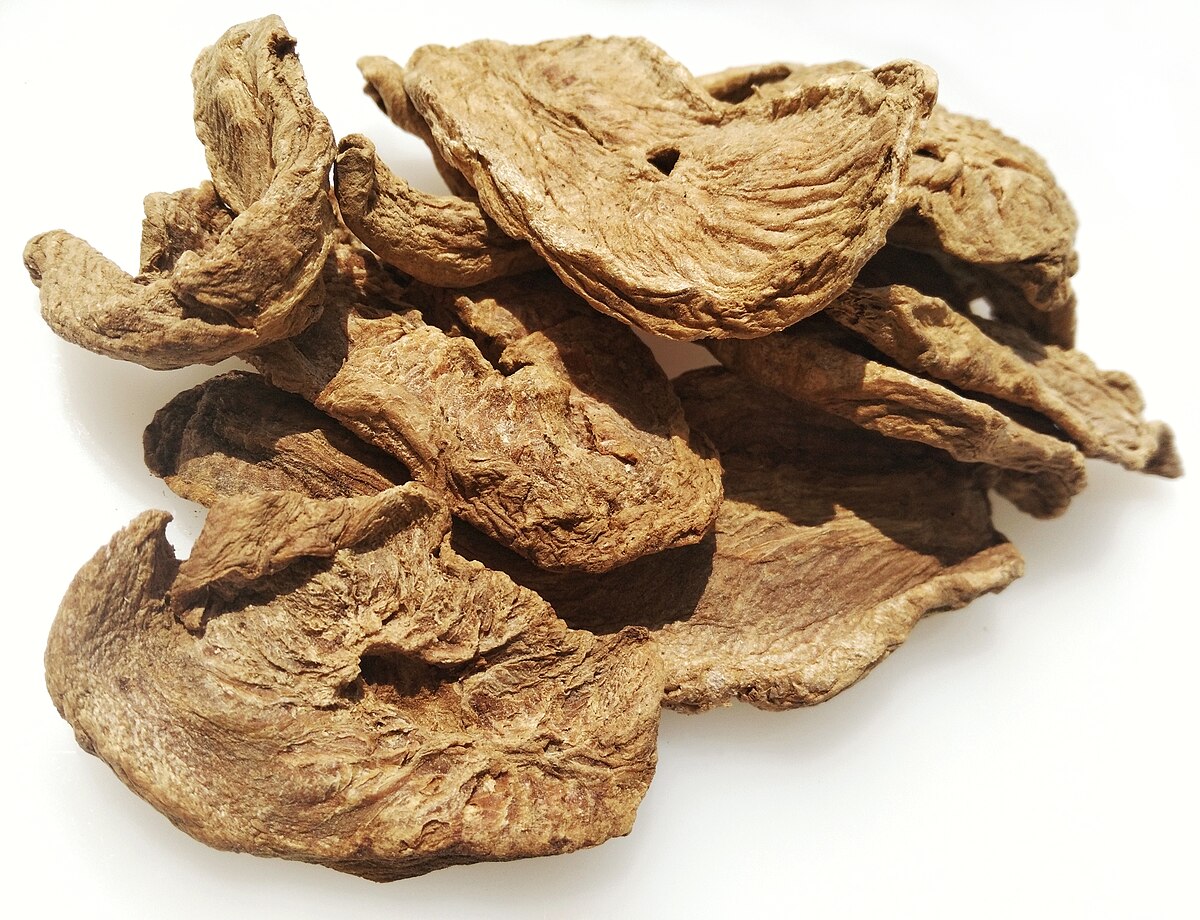
Kasani, scientifically known as Cichorium intybus, is a perennial herbaceous plant belonging to the Asteraceae family. It is widely recognized for its vibrant blue flowers and its deep taproot. This plant is cultivated globally, serving various purposes from a leafy vegetable and coffee substitute to a forage crop.
Its robust nature allows it to thrive in diverse environments, often found growing wild along roadsides and in disturbed soils. While often seen in agricultural contexts, Kasani also holds traditional significance, particularly its root, which is known for a slightly bitter taste.
Other Names of Kasani
- Chicory
- Common Chicory
- Blue Sailors
- Coffee Weed
- Succory
Heading
<h3> Absolute Contraindications of Kasani (Cichorium intybus)</h3> <h4> 1) Known Allergy to Chicory / Asteraceae Plants [If you have had allergic reactions to related plants]</h4> <ul> <li> 🤧</li> <li> Recommendation: Do not take Kasani in any form; avoid foods/herbal products containing chicory if you have had previous allergic reactions to chicory, endive, lettuce or other Asteraceae family plants.</li> <li> Reasoning: Documented cases show immediate-type allergic responses (oral, skin, inhaled exposures) to chicory proteins; re-exposure can produce worse and potentially life-threatening reactions.</li> <li> Scientific_Study_Title: Inhalative occupational and ingestive immediate-type allergy caused by chicory (Cichorium intybus).</li> <li> Scientific_Study_Authors: M. Rihs, J. Grunewald, et al.</li> <li> Scientific_Study_Link: https://pubmed.ncbi.nlm.nih.gov/8877160/</li> <li> Scientific_Study_Excerpt: <p>This published case report describes a vegetable wholesaler who developed immediate-type allergic reactions (oral, cutaneous and inhalatory) after exposure to chicory. Immunoblotting identified a specific ~48 kDa allergenic protein confined to the non-illuminated plant parts; the patient also reacted to related leafy vegetables (endive, lettuce). The report documents reproducible exposure-linked symptoms and identifies chicory as a primary allergenic source, supporting the recommendation that people with known Asteraceae/chicory allergies avoid Kasani in any form to prevent recurrent or more severe allergic events.</p> </li> </ul> <h4> 2) Severe Fructan / Inulin Intolerance or Prior Severe Gas/Bloating Reactions [If you cannot tolerate chicory-derived fibers]</h4> <ul> <li> 💨</li> <li> Recommendation: Avoid Kasani root extracts or inulin supplements if you have a documented severe fructan intolerance or prior severe gas/bloating or hospitalization from fermentable fiber; discuss alternatives with your clinician.</li> <li> Reasoning: Chicory root is a concentrated source of inulin-type fructans; randomized human studies show higher doses can produce marked flatulence, bloating and altered bowel comfort in sensitive individuals.</li> <li> Scientific_Study_Title: Gastrointestinal tolerance of chicory inulin products.</li> <li> Scientific_Study_Authors: M. Meyer et al.</li> <li> Scientific_Study_Link: https://pubmed.ncbi.nlm.nih.gov/20497775/</li> <li> Scientific_Study_Excerpt: <p>Controlled crossover trials assessed gastrointestinal tolerance to native inulin and oligofructose in healthy adults. The study reported that inulin and oligofructose increased mild GI symptoms overall, with the most frequent complaints being flatulence and bloating. Higher doses (10 g oligofructose) produced substantially more symptoms than placebo; tolerability thresholds varied between subjects. These findings indicate that concentrated chicory inulin can provoke clinically meaningful GI distress in susceptible people and should be avoided when prior severe intolerance is known.</p> </li> </ul> <h4> 3) Active Severe Ulcerative Colitis / Severe Flare [Use caution; possible worsening reported in preclinical models]</h4> <ul> <li> ⚠️</li> <li> Recommendation: Do not take Kasani in high-inulin doses during severe active ulcerative colitis flares without specialist advice; if already taking it, stop and consult your gastroenterologist.</li> <li> Reasoning: While some clinical work shows benefit in mild/moderate colitis, high inulin loads in preclinical models worsened colitis severity-likely via osmotic effects and increased luminal fermentation leading to diarrhea and mucosal stress.</li> <li> Scientific_Study_Title: Inulin exacerbates disease severity in a mouse model of ulcerative colitis by causing osmotic diarrhea.</li> <li> Scientific_Study_Authors: K. [Authors as per article: authors list on PubMed entry].</li> <li> Scientific_Study_Link: https://pubmed.ncbi.nlm.nih.gov/40905722/</li> <li> Scientific_Study_Excerpt: <p>In an experimental DSS-induced colitis mouse model, diets supplemented with high levels of inulin produced a higher disease activity index and more severe epithelial damage versus controls. Pathology resembled outcomes produced by osmotic diarrhea, suggesting that excess fermentable fiber increased luminal osmotic pressure and exacerbated mucosal injury. These preclinical findings support avoiding high-dose chicory/inulin during severe active colitis until individual tolerance and disease status are clearly evaluated by a clinician.</p> </li> </ul> <h3> Relative Contraindications of Kasani (Cichorium intybus)</h3> <h4> 1) Concurrent use of Anticoagulants (e.g., Warfarin) - [May alter drug metabolism]</h4> <ul> <li> 🩸</li> <li> Recommendation: Use caution and discuss with your prescriber - monitor INR closely if a clinician advises short-term use; avoid unsupervised use with warfarin.</li> <li> Reasoning: Chicory phytochemicals can modulate hepatic cytochrome P450 expression in experimental systems; altering CYP activity could theoretically change levels of drugs that have a narrow therapeutic index (such as warfarin), so extra monitoring is sensible.</li> <li> Scientific_Study_Title: Regulation of cytochrome P450 mRNA expression in primary porcine hepatocytes by selected secondary plant metabolites from chicory (Cichorium intybus L.).</li> <li> Scientific_Study_Authors: R. R. [Authors per PubMed entry].</li> <li> Scientific_Study_Link: https://pubmed.ncbi.nlm.nih.gov/24176340/</li> <li> Scientific_Study_Excerpt: <p>In primary porcine hepatocyte experiments, isolated secondary metabolites from chicory (including lactucin and esculetin) altered mRNA expression of multiple CYP isoforms (CYP1A2, 2A19, 2C33, 2D25, 2E1 and 3A29). Some purified compounds induced specific CYPs, while whole-plant extracts at high concentrations decreased expression of several CYPs-demonstrating that chicory components can both up- and down-regulate drug-metabolising enzymes in vitro. By extension, this provides a mechanistic rationale to expect possible herb-drug pharmacokinetic interactions in humans and supports monitoring when combined with narrow-therapeutic-index drugs.</p> </li> </ul> <h4> 2) Concurrent use of Antidiabetic Drugs (e.g., insulin, sulfonylureas) - [May potentiate glucose-lowering]</h4> <ul> <li> 🍬</li> <li> Recommendation: If you have diabetes and take glucose-lowering medications, discuss with your clinician before starting Kasani and monitor blood glucose more frequently; dose adjustments may be needed.</li> <li> Reasoning: Clinical trials in people with type 2 diabetes show that chicory seed extracts can meaningfully lower HbA1c and fasting glucose when added to standard therapy, so combined use may increase the risk of hypoglycemia.</li> <li> Scientific_Study_Title: Effect of Cichorium intybus seeds supplementation on the markers of glycemic control, oxidative stress, inflammation, and lipid profile in type 2 diabetes mellitus: A randomized, double-blind placebo study.</li> <li> Scientific_Study_Authors: N. Mashhadi et al.</li> <li> Scientific_Study_Link: https://pubmed.ncbi.nlm.nih.gov/32026537/</li> <li> Scientific_Study_Excerpt: <p>A randomized, double-blind clinical trial tested an aqueous chicory seed extract as an add-on in people with type 2 diabetes already taking metformin. Over 12 weeks the chicory group showed a clinically meaningful reduction in HbA1c versus placebo and improvements in some oxidative-stress and lipid markers. The study indicates that chicory preparations can enhance glucose control when combined with standard therapy-supporting the practical recommendation to monitor blood glucose and consider medication adjustment when Kasani is introduced.</p> </li> </ul> <h4> 3) Routine use with Drugs Metabolized by CYP3A (e.g., certain statins, immunosuppressants) - [Possible pharmacokinetic modulation]</h4> <ul> <li> ⚖️</li> <li> Recommendation: Consult your pharmacist or prescriber before combining; consider closer drug level monitoring (e.g., tacrolimus) or use alternative therapies if interaction risk unacceptable.</li> <li> Reasoning: Computational and animal work demonstrate that several chicory phytoconstituents bind or modulate CYP3A enzymes; while clinical interaction reports are limited, the mechanistic data justify caution with critical CYP3A substrates.</li> <li> Scientific_Study_Title: Computational exploration of microsomal cytochrome P450 3A1 enzyme modulation by phytochemicals of Cichorium intybus L.: Insights into drug metabolism.</li> <li> Scientific_Study_Authors: S. [Authors as per PubMed entry].</li> <li> Scientific_Study_Link: https://pubmed.ncbi.nlm.nih.gov/38243990/</li> <li> Scientific_Study_Excerpt: <p>Using molecular docking and dynamics, researchers examined 28 phytochemicals from chicory for potential binding to a model CYP3A enzyme. Several compounds (including caffeoylshikimic and cichoric acids) showed favorable binding energies and stable interactions in simulations, suggesting a potential to modulate CYP3A activity. While in silico data do not prove clinical interaction, they provide mechanistic support for the prudent recommendation to review concurrent use with medications that rely on CYP3A metabolism.</p> </li> </ul>
Heading
<h4> Side Effect 1: Gas, Bloating, Flatulence (Digestive discomfort)</h4> <ul> <li> 💨</li> <li> Side effect summary: Kasani root (inulin) commonly causes increased gas, bloating and sometimes mild diarrhea - especially when introduced at moderate-to-high doses or in sensitive people.</li> <li> Recommendation: Start with very low doses and slowly titrate; if symptoms are moderate to severe, stop and consult a clinician. Those with known fructan intolerance or on low-FODMAP diets should avoid concentrated inulin.</li> <li> Reasoning: Randomized controlled trials show that doses above 5-10 g/day increase gas and bloating scores in some participants; tolerance varies widely between individuals.</li> <li> Severity Level: Mild</li> <li> Scientific_Study_Available: Yes</li> <li> Scientific_Study_Title: Gastrointestinal tolerance of chicory inulin products.</li> <li> Scientific_Study_Authors: Meyer D., et al.</li> <li> Scientific_Study_Link: https://pubmed.ncbi.nlm.nih.gov/20497775/</li> <li> Scientific_Study_Excerpt: <p>In controlled crossover trials, healthy subjects consumed native inulin and oligofructose at breakfast challenges. The study reported increased overall GI symptom scores (particularly flatulence and bloating) with inulin fibers. A 10-g dose of oligofructose produced a substantial rise in symptoms relative to placebo, while lower doses were better tolerated. The results show a dose-dependent pattern of mild GI adverse events that helps guide gradual titration or avoidance in sensitive individuals.</p> </li> </ul> <h4> Side Effect 2: Allergic Reactions (from mild oral allergy to anaphylaxis)</h4> <ul> <li> 🤒</li> <li> Side effect summary: Rare but documented: immediate allergic reactions (oral itching, hives, bronchospasm) and occupational inhalation allergy have been reported with chicory exposure.</li> <li> Recommendation: If you develop signs of allergy (hives, swelling, breathing difficulty), stop Kasani and seek emergency care; avoid future exposure and get allergy testing if needed.</li> <li> Reasoning: Case reports identify specific allergenic proteins in chicory and reproducible exposure-linked symptoms; severe outcomes are uncommon but possible with re-exposure.</li> <li> Severity Level: Severe</li> <li> Scientific_Study_Available: Yes</li> <li> Scientific_Study_Title: Inhalative occupational and ingestive immediate-type allergy caused by chicory (Cichorium intybus).</li> <li> Scientific_Study_Authors: Rihs M., Grunewald J., et al.</li> <li> Scientific_Study_Link: https://pubmed.ncbi.nlm.nih.gov/8877160/</li> <li> Scientific_Study_Excerpt: <p>The case described a worker with oral, cutaneous and inhalatory allergic responses to chicory, confirmed by immunoblotting that identified a ~48 kDa allergen. The patient also reacted to related vegetables (endive, lettuce). The report illustrates that immediate hypersensitivity to chicory exists and can be reproduced by multiple exposure routes, supporting clear avoidance in sensitized people.</p> </li> </ul> <h4> Side Effect 3: Possible Low Blood Sugar When Combined with Diabetes Medications</h4> <ul> <li> ⚖️</li> <li> Side effect summary: Kasani extracts can lower blood glucose; taken with antidiabetic drugs this may increase the chance of low blood sugar.</li> <li> Recommendation: People on glucose-lowering medicines should check glucose more often and consult their healthcare provider before starting Kasani; clinicians may need to adjust drug doses.</li> <li> Reasoning: Randomized clinical data show added glycaemic reductions with chicory seed extract as an adjunct to metformin, consistent with a pharmacodynamic glucose-lowering effect.</li> <li> Severity Level: Moderate</li> <li> Scientific_Study_Available: Yes</li> <li> Scientific_Study_Title: Effect of Cichorium intybus seeds supplementation on markers of glycemic control in type 2 diabetes mellitus: A randomized, double-blind placebo study.</li> <li> Scientific_Study_Authors: Mashhadi N., et al.</li> <li> Scientific_Study_Link: https://pubmed.ncbi.nlm.nih.gov/32026537/</li> <li> Scientific_Study_Excerpt: <p>In this randomized, double-blind trial, patients with type 2 diabetes on metformin received either an aqueous chicory seed extract or placebo for 12 weeks. The chicory group experienced a meaningful decline in HbA1c and fasting glucose versus placebo, indicating that the herb has clinically significant glucose-lowering effects and could potentiate antidiabetic medications if used concurrently without monitoring.</p> </li> </ul>
Heading
<h4> Anticoagulants (e.g., Warfarin)</h4> <ul> <li> Interaction_Details: Chicory contains phytochemicals that can alter hepatic CYP expression (both induction and suppression in experimental systems), so it might change how quickly warfarin is metabolized and thus alter INR (bleeding risk or reduced effect).</li> <li> Severity: Moderate</li> <li> Recommendation: Avoid unsupervised use with warfarin; if a clinician approves short-term use, monitor INR more frequently and alert the prescriber to any new herb intake.</li> <li> Scientific_Study_Available: Yes (mechanistic evidence)</li> <li> Scientific_Study_Link: https://pubmed.ncbi.nlm.nih.gov/24176340/</li> <li> Scientific_Study_Title: Regulation of cytochrome P450 mRNA expression in primary porcine hepatocytes by selected secondary plant metabolites from chicory (Cichorium intybus L.).</li> <li> Scientfic_Study_Authors: Schmidt, et al. (as listed in PubMed entry)</li> <li> Scientific_Study_Excerpt: <p>In primary porcine hepatocytes, specific secondary metabolites isolated from chicory modified mRNA expression of several cytochrome P450 isoforms (including mRNA changes in isoforms analogous to human drug-metabolising enzymes). Some pure compounds increased expression of distinct CYPs, while whole-plant extracts at higher concentrations suppressed several CYP transcripts. These in vitro results indicate that chicory constituents are capable of altering hepatic detoxification machinery-providing a mechanistic basis to expect potential herb-drug interactions with medications like warfarin that depend on hepatic metabolism.</p> </li> </ul> <h4> Antidiabetic Agents (insulin, sulfonylureas, meglitinides)</h4> <ul> <li> Interaction_Details: Clinical data show Kasani extracts reduce blood glucose and HbA1c; when combined with prescription glucose-lowering medicines, the glucose-lowering effect may be additive, increasing hypoglycemia risk.</li> <li> Severity: Moderate</li> <li> Recommendation: Only use under medical supervision; monitor blood glucose more often and be prepared to adjust medication doses with clinician guidance.</li> <li> Scientific_Study_Available: Yes (human RCT)</li> <li> Scientific_Study_Link: https://pubmed.ncbi.nlm.nih.gov/32026537/</li> <li> Scientific_Study_Title: Effect of Cichorium intybus seeds supplementation on the markers of glycemic control, oxidative stress, inflammation, and lipid profile in type 2 diabetes mellitus: A randomized, double-blind placebo study.</li> <li> Scientfic_Study_Authors: Mashhadi N., et al.</li> <li> Scientific_Study_Excerpt: <p>In a randomized, double-blind clinical trial of patients with type 2 diabetes on metformin, supplementation with an aqueous chicory seed extract over 12 weeks led to a significant reduction in HbA1c and fasting blood glucose compared with placebo. The findings show that Kasani preparations can produce clinically relevant glucose reductions when used with standard therapy, supporting the recommendation for glucose monitoring and potential medication adjustment to avoid hypoglycemia.</p> </li> </ul> <h4> Drugs Highly Dependent on CYP3A Metabolism (e.g., some statins, calcineurin inhibitors)</h4> <ul> <li> Interaction_Details: Computational docking and experimental models indicate certain chicory phytochemicals can bind to or modulate CYP3A enzymes, potentially altering plasma levels of CYP3A substrates.</li> <li> Severity: Mild to Moderate</li> <li> Recommendation: Consult a clinician/pharmacist before combining; for critical-dose drugs (e.g., tacrolimus) consider avoiding or closely monitoring drug levels.</li> <li> Scientific_Study_Available: Yes (in silico and experimental evidence)</li> <li> Scientific_Study_Link: https://pubmed.ncbi.nlm.nih.gov/38243990/</li> <li> Scientific_Study_Title: Computational exploration of microsomal cytochrome P450 3A1 enzyme modulation by phytochemicals of Cichorium intybus L.: Insights into drug metabolism.</li> <li> Scientfic_Study_Authors: A. El-Sayed, et al. (as per PubMed entry)</li> <li> Scientific_Study_Excerpt: <p>Molecular docking and dynamics simulations evaluated 28 chicory phytochemicals for interactions with a model CYP3A enzyme. Several compounds (notably caffeoylshikimic and cichoric acids) showed stable binding and favorable interaction energies, suggesting potential to modulate CYP3A activity. While in silico findings require clinical confirmation, they provide mechanistic plausibility that Kasani constituents could influence pharmacokinetics of CYP3A substrates-warranting caution with drugs sensitive to CYP3A variations.</p> </li> </ul>