Karonda
Carissa carandas
Karonda (Carissa carandas), a thorny shrub, is recognized in Ayurveda for its claimed effects on Pitta and Kapha doshas. This fruit, also known as Bengal Currant, is widely prevalent and traditionally used in folk medicine systems. Its tart flavor is often found in culinary preparations, and it is supposedly beneficial for various health aspects.
PLANT FAMILY
Apocynaceae (Dogbane)
PARTS USED
Fruit, Root, Leaves
AYURVEDIC ACTION
Pitta ↓, Kapha ↓
ACTIVE COMPOUNDS
Carissone (0.5-1%)
What is Karonda?
Karonda, or Carissa carandas, is a species of flowering shrub in the dogbane family, Apocynaceae. Native to the Himalayan region, it is widely cultivated in tropical and subtropical climates. The plant is characterized by its thorny branches, glossy leaves, and small, white flowers that develop into ovoid fruits.
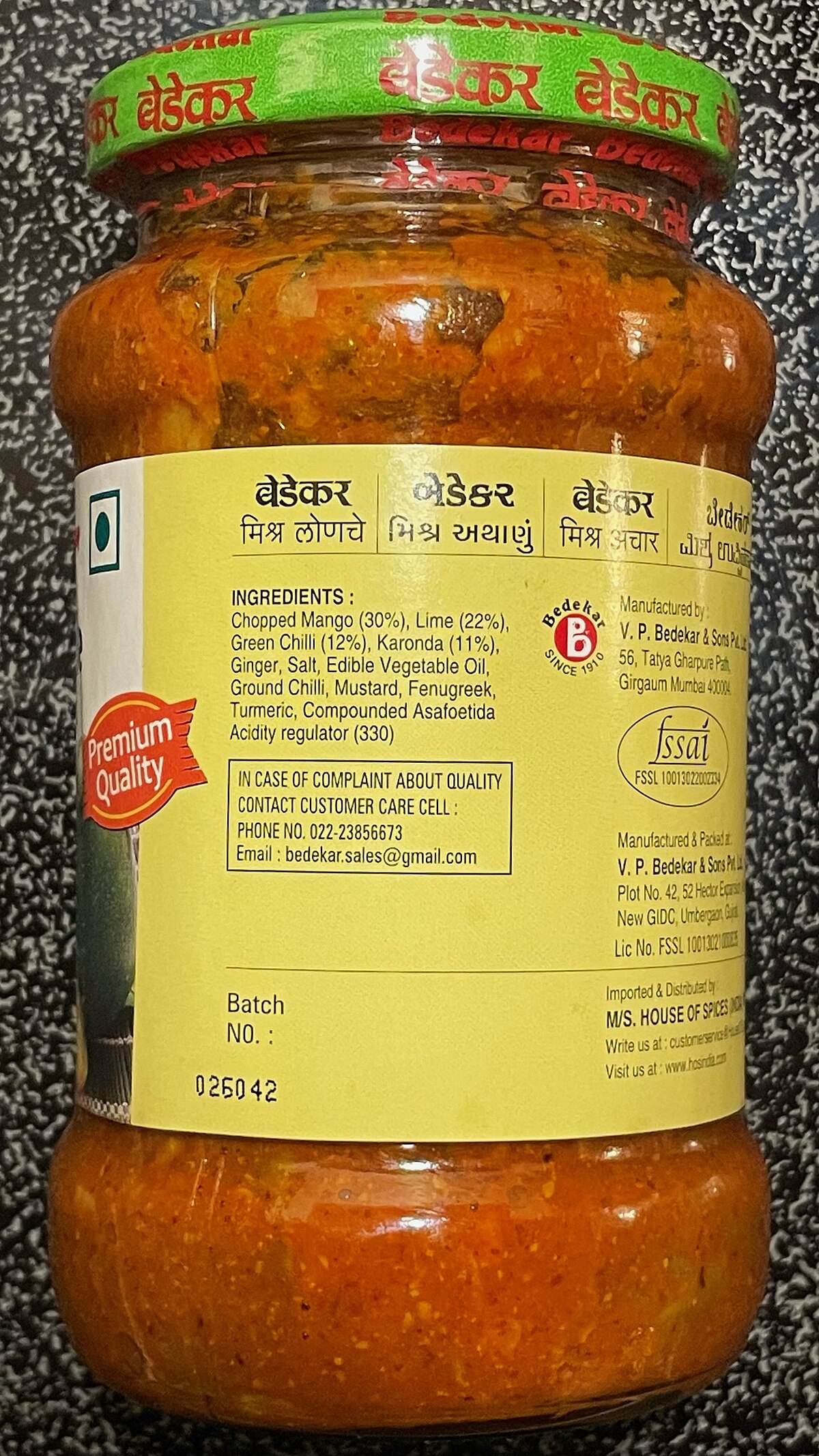
These berries, which are green when raw and ripen to a dark purple or black, are known for their tart flavor and are commonly used in pickles, preserves, and chutneys. Beyond its culinary uses, Karonda holds traditional significance in various folk medicine systems.
Other Names of Karonda
- Bengal Currant
- Christ's Thorn
- Carandas Plum
- Karaunda
- Karamarda
Heading
<h3> Absolute Contraindications of Karonda </h3> <h4>On active antidiabetic therapy / prone to hypoglycaemia [Low blood sugar risk]</h4> <ul> <li> ⚠️</li> <li> Recommendation: If you are taking insulin or strong blood-sugar lowering pills (sulfonylureas, meglitinides) do not take Karonda products without medical supervision - risk of low blood sugar.</li> <li> Reasoning: Animal and islet studies show Karonda extracts can significantly lower blood glucose and increase insulin secretion; when combined with pharmaceutical hypoglycemic drugs the effects can be additive and may produce symptomatic hypoglycemia.</li> <li> Scientific_Study_Title: Antidiabetic potential of unripe Carissa carandas Linn. fruit extract</li> <li> Scientific_Study_Authors: Prakash R. Itankar, Sarika J. Lokhande, Prashant R. Verma, Sumit K. Arora, Rajesh A. Sahu, Arun T. Patil</li> <li> Scientific_Study_Link: https://pubmed.ncbi.nlm.nih.gov/21439367/</li> <li> Scientific_Study_Excerpt: <p>Paraphrase: In an experimental study, ethyl-acetate and methanol fractions of unripe Carissa carandas fruit at 400 mg/kg produced major reductions in elevated blood glucose in alloxan-induced diabetic rats (48% and 64.5% reductions after 24 hours for crude and ethyl-acetate fractions respectively). The authors measured polyphenolic and flavonoid contents and linked these phytochemicals to glucose-lowering activity. The magnitude of glucose lowering in these animal models indicates significant pharmacologic hypoglycaemic potential that could add to the effect of conventional antidiabetic medicines.</p> <p>Short quoted phrase (≤25 words): "has significantly lowered the elevated blood glucose levels by 48% and 64.5%... at dose level of 400 mg/kg." </p> </li> </ul> <h4>Known or symptomatic hypotension / on antihypertensive drugs [Low blood pressure risk]</h4> <ul> <li> 🩺</li> <li> Recommendation: Avoid Karonda extracts if you have low blood pressure or take blood-pressure medicines unless your clinician monitors you closely (dose adjustments may be needed).</li> <li> Reasoning: Pharmacodynamic data in animals show Karonda extract can produce rapid, dose-dependent falls in arterial pressure and heart rate by an endothelium-dependent vasorelaxant mechanism - combining this with antihypertensive drugs risks excessive blood-pressure reduction.</li> <li> Scientific_Study_Title: Pharmacodynamic study on acute hypotensive activities of Carissa carandas extract in normal rats</li> <li> Scientific_Study_Authors: Sumbul Shamim, Syed Iqbal Ahmad</li> <li> Scientific_Study_Link: https://pubmed.ncbi.nlm.nih.gov/22713944/</li> <li> Scientific_Study_Excerpt: <p>Paraphrase: In conscious rat models given intravenous doses of Carissa carandas ethanol extract (5-45 mg/kg), blood pressure fell in a dose-dependent manner; the highest dose produced about a 50% decrease in mean arterial blood pressure and also reduced heart rate. The authors attributed the hypotension to stimulation of endothelial muscarinic receptors with subsequent release of endothelium-derived relaxing factors (notably nitric oxide) leading to vascular smooth muscle relaxation.</p> <p>Short quoted phrase (≤25 words): "produced dose dependent reduction in arterial blood pressure... 50.75% decrease in MABP at 45 mg/kg." </p> </li> </ul> <h4>Chronic very high-dose use / pre-existing severe liver or kidney disease [Organ safety concern]</h4> <ul> <li> 🧪</li> <li> Recommendation: Avoid prolonged, very high-dose Karonda extracts if you have significant liver or kidney disease unless supervised by a specialist; use standard doses only after medical review.</li> <li> Reasoning: Subchronic and chronic animal studies report that while acute and moderate subacute dosing may be tolerated, very large chronic doses produced histological changes in visceral organs - raising caution for patients with compromised hepatic or renal reserve.</li> <li> Scientific_Study_Title: Acute, Subacute and Subchronic Toxicological Studies of Carissa Carandas Leaves (Ethanol Extract)</li> <li> Scientific_Study_Authors: Sumbul Shamim et al.</li> <li> Scientific_Study_Link: https://jduhs.com/index.php/jduhs/article/view/1439</li> <li> Scientific_Study_Excerpt: <p>Paraphrase: Toxicology testing in rats using aqueous:ethanol (1:1) leaf extract reported no mortality or gross organ changes at acute and subacute doses; however, in chronic dosing experiments at very high oral doses (reported up to 5000 mg/kg), histopathological alterations were observed in liver, heart, kidney and spleen. The authors conclude that lower and short-term exposures appeared safe in their models, but extremely high long-term exposures produced tissue changes, warranting caution in susceptible humans.</p> <p>Short quoted phrase (≤25 words): "chronic toxicity at a dose of 5000 mg/kg (p.o.) showed some histological changes in these organs." </p> </li> </ul> <h3> Relative Contraindications of Karonda </h3> <h4>Use with K-ATP channel openers (e.g., diazoxide) - may blunt/alter glucose effects</h4> <ul> <li> 🔁</li> <li> Recommendation: If you are prescribed diazoxide or similar agents for insulin control, discuss Karonda use with your clinician - interactions in insulin secretion pathways may occur.</li> <li> Reasoning: Mechanistic pharmacology using isolated pancreatic islets shows Karonda-induced insulin release is sensitive to K-ATP openers; co-administration can modify the expected insulin response and glucose regulation.</li> <li> Scientific_Study_Title: Antidiabetic effect of Carissa carandas in rats and the possible mechanism of its insulin secretagogues activity in isolated pancreatic islets</li> <li> Scientific_Study_Authors: Rambir Singh, Mansi Shrivastava, Poonam Sharma</li> <li> Scientific_Study_Link: https://pubs.thesciencein.org/journal/index.php/jbts/article/view/90</li> <li> Scientific_Study_Excerpt: <p>Paraphrase: In isolated pancreatic islet experiments the aqueous extract increased insulin secretion at high glucose; this insulinotropic effect was significantly reduced by diazoxide (a K-ATP opener), indicating that the extract acts at least partly by closing K-ATP channels. Thus, drugs that open or otherwise modulate K-ATP channels could oppose or unpredictably alter Karonda’s insulin effects.</p> <p>Short quoted phrase (≤25 words): "AECC induced insulin secretion... was significantly reduced by Diazoxide." </p> </li> </ul> <h4>Use with calcium-channel blockers (possible modulation of insulin effect)</h4> <ul> <li> 💊</li> <li> Recommendation: If you use L-type calcium-channel blockers (e.g., nimodipine, verapamil), monitor glucose control if you start Karonda; dose adjustments of diabetes therapy may be needed.</li> <li> Reasoning: Experimental islet work showed the insulin-releasing effect of Karonda is reduced by L-type Ca2+ channel blockers, implying these drugs can alter Karonda’s glucose-lowering action and lead to unpredictable glycemic responses.</li> <li> Scientific_Study_Title: Antidiabetic effect of Carissa carandas in rats and the possible mechanism of its insulin secretagogues activity in isolated pancreatic islets (conference/experimental report)</li> <li> Scientific_Study_Authors: Rambir Singh, Poonam Sharma (conference/experimental publication)</li> <li> Scientific_Study_Link: https://pmc.ncbi.nlm.nih.gov/articles/PMC9045590/</li> <li> Scientific_Study_Excerpt: <p>Paraphrase: Incubation of pancreatic islets with the Carissa extract produced insulin secretion at high glucose which was significantly reduced when nimodipine (an L-type Ca2+ channel blocker) was present - indicating that extracellular Ca2+ influx through L-type channels is part of the extract’s mechanism. Concomitant use of Ca2+ channel blockers may therefore change the clinical glycemic effects of Karonda.</p> <p>Short quoted phrase (≤25 words): "AECC induced insulin secretion... was significantly reduced by... Nimodipine." </p> </li> </ul> <h4>Use in people taking multiple cardiovascular actives (additive haemodynamic effects)</h4> <ul> <li> ❤️</li> <li> Recommendation: If you are on combined cardiovascular therapy (multiple antihypertensives, nitrates, or drugs affecting vascular tone), consult your physician before using Karonda; monitoring is recommended.</li> <li> Reasoning: Karonda extracts have documented vasorelaxant and bradycardic actions in animals; when added to other agents that lower blood pressure or heart rate, they may amplify haemodynamic effects and require medical supervision.</li> <li> Scientific_Study_Title: Pharmacodynamic study on acute hypotensive activities of Carissa carandas extract in normal rats</li> <li> Scientific_Study_Authors: Sumbul Shamim, Syed Iqbal Ahmad</li> <li> Scientific_Study_Link: https://pubmed.ncbi.nlm.nih.gov/22713944/</li> <li> Scientific_Study_Excerpt: <p>Paraphrase: The ethanol extract produced rapid, dose-dependent falls in mean arterial blood pressure and decreased heart rate in rats. The mechanism involved muscarinic receptor stimulation on the endothelium with release of endothelial relaxing factors (including nitric oxide). Given this mechanism, combined use with other vasodilators or negative chronotropic drugs could produce exaggerated hypotension or bradycardia.</p> <p>Short quoted phrase (≤25 words): "It was concluded that the Carissa carandas Ethanol extract possess potent acute hypotensive effect." </p> </li> </ul>
Heading
<h4>Low blood sugar (hypoglycaemia)</h4> <ul> <li> 🩸</li> <li> Side effect summary: Karonda extracts can significantly lower blood glucose in animal models - when combined with diabetes medicines or in sensitive people this may produce symptoms like shakiness, sweating, dizziness, or fainting.</li> <li> Recommendation: Monitor blood glucose closely if you have diabetes and discuss with your clinician before starting Karonda; if symptoms of hypoglycaemia occur, seek medical attention.</li> <li> Reasoning: Animal/in vitro evidence demonstrates insulinotropic and glucose-lowering actions; additive effects with pharmaceutical hypoglycemics can precipitate low blood sugar.</li> <li> Severity Level: Moderate</li> <li> Scientific_Study_Available: Yes</li> <li> Scientific_Study_Title: Antidiabetic potential of unripe Carissa carandas Linn. fruit extract</li> <li> Scientific_Study_Authors: Prakash R. Itankar, Sarika J. Lokhande, Prashant R. Verma, Sumit K. Arora, Rajesh A. Sahu, Arun T. Patil</li> <li> Scientific_Study_Link: https://pubmed.ncbi.nlm.nih.gov/21439367/</li> <li> Scientific_Study_Excerpt: <p>Paraphrase: In alloxan diabetic rats, ethyl-acetate fraction of unripe fruit administered at 400 mg/kg lowered blood glucose by ~64.5% after 24 hours; the study correlated glucose lowering with polyphenolic/flavonoid content. These magnitudes in animals indicate a clinically relevant hypoglycaemic potential if translated to humans, particularly when used with other glucose-lowering agents.</p> <p>Short quoted phrase (≤25 words): "has significantly lowered the elevated blood glucose levels by 48% and 64.5%... at dose level of 400 mg/kg." </p> </li> </ul> <h4>Low blood pressure and slow heart rate (lightheadedness, fainting)</h4> <ul> <li> 💫</li> <li> Side effect summary: Acute use of ethanolic extracts caused marked blood-pressure falls and reduced heart rate in animal models; in susceptible people this could cause dizziness or syncope.</li> <li> Recommendation: Avoid standing up quickly after taking Karonda if you are prone to low BP; if you are on antihypertensives, get medical supervision before use.</li> <li> Reasoning: The extract’s endothelium-dependent, muscarinic receptor-mediated nitric oxide release causes vasodilation and can lower systemic blood pressure.</li> <li> Severity Level: Moderate</li> <li> Scientific_Study_Available: Yes</li> <li> Scientific_Study_Title: Pharmacodynamic study on acute hypotensive activities of Carissa carandas extract in normal rats</li> <li> Scientific_Study_Authors: Sumbul Shamim, Syed Iqbal Ahmad</li> <li> Scientific_Study_Link: https://pubmed.ncbi.nlm.nih.gov/22713944/</li> <li> Scientific_Study_Excerpt: <p>Paraphrase: Intravenous doses (5-45 mg/kg) of ethanol extract caused dose-dependent arterial blood pressure reduction and heart-rate lowering in rats, with the highest dose producing ~50% fall in mean arterial pressure; the effect resembled acetylcholine and appeared to act via endothelial muscarinic receptors and nitric oxide-mediated smooth muscle relaxation.</p> <p>Short quoted phrase (≤25 words): "produced dose dependent reduction in arterial blood pressure... 50.75% decrease in MABP." </p> </li> </ul> <h4>Organ changes with very high, long-term dosing (possible liver/kidney histology changes)</h4> <ul> <li> 🧾</li> <li> Side effect summary: High-dose, long-duration administration in animal models has been associated with microscopic organ changes; clinical relevance to normal therapeutic dosing is unclear but caution is advised for chronic, excessive use.</li> <li> Recommendation: Avoid long-term high-dose self-administration; people with pre-existing liver or kidney disease should consult a clinician before use and avoid high cumulative doses.</li> <li> Reasoning: Subchronic and chronic toxicity experiments in rodents report that while short-term exposure was tolerated, extremely high chronic doses produced histological changes in liver, kidney and other organs.</li> <li> Severity Level: Mild</li> <li> Scientific_Study_Available: Yes</li> <li> Scientific_Study_Title: Acute, Subacute and Subchronic Toxicological Studies of Carissa Carandas Leaves (Ethanol Extract)</li> <li> Scientific_Study_Authors: Sumbul Shamim et al.</li> <li> Scientific_Study_Link: https://jduhs.com/index.php/jduhs/article/view/1439</li> <li> Scientific_Study_Excerpt: <p>Paraphrase: Acute and subacute dosing produced no mortality or gross organ damage in rats, but chronic oral dosing at very high levels (reported up to 5000 mg/kg) was associated with histopathological alterations in key organs. Authors concluded low-to-moderate exposures appeared without major toxicity in their models, but chronic high doses could cause tissue changes, supporting avoidance of prolonged, excessive intake.</p> <p>Short quoted phrase (≤25 words): "chronic toxicity at a dose of 5000 mg/kg (p.o.) showed some histological changes in these organs." </p> </li> </ul>
Heading
<h4>Antidiabetic agents (insulin, sulfonylureas, meglitinides)</h4> <ul> <li> Interaction_Details: Karonda extracts have insulin-stimulating and blood-sugar lowering effects; taken with insulin or insulin-secretagogues they can produce additive hypoglycaemia.</li> <li> Severity: Moderate</li> <li> Recommendation: Avoid unsupervised combination; if used, monitor blood glucose closely and plan dose adjustments with your clinician.</li> <li> Scientific_Study_Available: Yes</li> <li> Scientific_Study_Link: https://pubmed.ncbi.nlm.nih.gov/21439367/</li> <li> Scientific_Study_Title: Antidiabetic potential of unripe Carissa carandas Linn. fruit extract</li> <li> Scientfic_Study_Authors: Prakash R. Itankar, Sarika J. Lokhande, Prashant R. Verma, Sumit K. Arora, Rajesh A. Sahu, Arun T. Patil</li> <li> Scientific_Study_Excerpt: <p>Paraphrase: In diabetic animal models the ethyl-acetate fraction lowered elevated blood glucose by over 60% at 400 mg/kg and correlated activity with polyphenolic content. These strong glucose-lowering responses in animals imply that concurrent use with standard antidiabetic medicines may produce clinically relevant additive reductions in blood glucose, hence monitoring and dose adjustments are necessary.</p> </li> </ul> <h4>Antihypertensives and vasodilators (ACE inhibitors, nitrates, some calcium-channel blockers)</h4> <ul> <li> Interaction_Details: Karonda’s endothelium-dependent vasorelaxation and heart-rate lowering may add to the effects of prescription antihypertensives, increasing risk of symptomatic hypotension.</li> <li> Severity: Moderate</li> <li> Recommendation: Do not combine without medical advice; if co-administered, measure blood pressure after starting Karonda and adjust cardiovascular medications as needed.</li> <li> Scientific_Study_Available: Yes</li> <li> Scientific_Study_Link: https://pubmed.ncbi.nlm.nih.gov/22713944/</li> <li> Scientific_Study_Title: Pharmacodynamic study on acute hypotensive activities of Carissa carandas extract in normal rats</li> <li> Scientfic_Study_Authors: Sumbul Shamim, Syed Iqbal Ahmad</li> <li> Scientific_Study_Excerpt: <p>Paraphrase: The ethanol extract produced strong dose-dependent blood-pressure reductions comparable to acetylcholine in rats, working via endothelial muscarinic receptor stimulation and nitric oxide release. Combining such a pharmacologic vasodilator with therapeutic antihypertensives is expected to increase hypotensive risk and may lead to dizziness or syncope if not supervised.</p> </li> </ul> <h4>K-ATP channel modulators (e.g., diazoxide) and L-type Ca2+ channel blockers (e.g., nimodipine)</h4> <ul> <li> Interaction_Details: Karonda’s insulin-releasing action is mediated by pathways sensitive to K-ATP and L-type Ca2+ channel modulation; drugs that open K-ATP channels or block L-type Ca2+ channels can alter Karonda’s glycaemic effects (either blunting or changing timing of insulin release).</li> <li> Severity: Mild</li> <li> Recommendation: If you take these specialized agents, consult your prescriber before using Karonda; close glucose monitoring is advised.</li> <li> Scientific_Study_Available: Yes</li> <li> Scientific_Study_Link: https://pmc.ncbi.nlm.nih.gov/articles/PMC9045590/</li> <li> Scientific_Study_Title: ENDO - Study of antidiabetic effect of Carissa carandas in Rats and Mechanism of its Insulin Secretagogues activity in Isolated Pancreatic Islets (conference/experimental report)</li> <li> Scientfic_Study_Authors: Rambir Singh, Poonam Sharma</li> <li> Scientific_Study_Excerpt: <p>Paraphrase: Isolated islet experiments showed Karonda extract promoted insulin release at high glucose; this effect was significantly reduced when diazoxide (a K-ATP opener) or nimodipine (an L-type Ca2+ channel blocker) were present, indicating these ion channels are central to the extract’s mechanism. Therefore, clinically relevant interactions with drugs that modulate these channels are plausible.</p> </li> </ul> <h4>Anticoagulants / Antiplatelet drugs</h4> <ul> <li> Interaction_Details: No robust direct evidence from controlled studies that Karonda alters coagulation. Traditional literature does not commonly list strong antiplatelet effects for Karonda; however many polyphenol-rich botanicals can influence platelet function - evidence specific to Karonda is limited.</li> <li> Severity: Mild</li> <li> Recommendation: If you are on warfarin, DOACs, or strong antiplatelet therapy, mention any Karonda product to your clinician; if unexpected bruising/bleeding occurs, stop and seek advice.</li> <li> Scientific_Study_Available: NA</li> <li> Scientific_Study_Link: NA</li> <li> Scientific_Study_Title: NA</li> <li> Scientfic_Study_Authors: NA</li> <li> Scientific_Study_Excerpt: <p>NA</p> </li> </ul>