Kali Chai

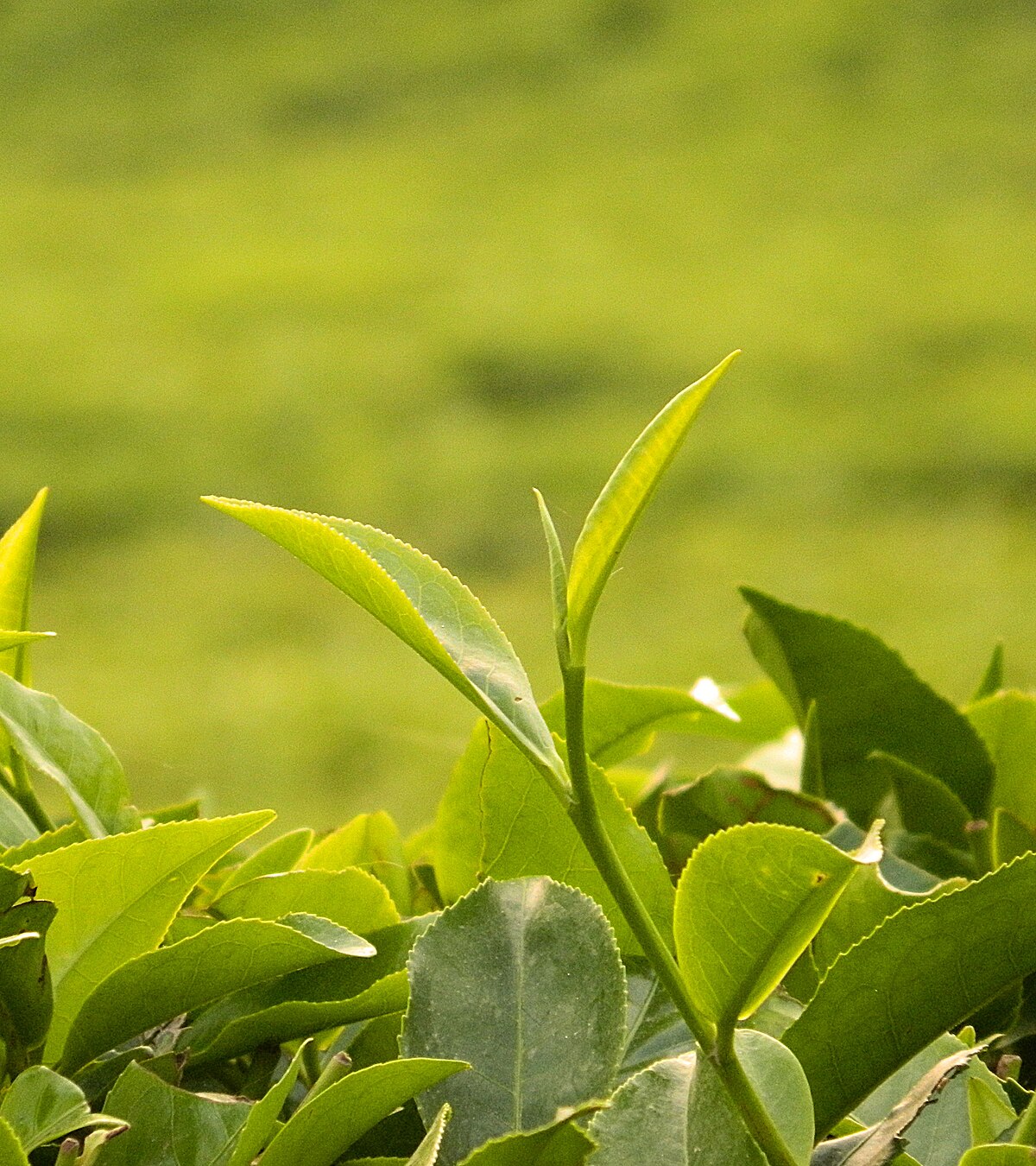
Camellia sinensis
Kali Chai (Black Tea), derived from Camellia sinensis leaves, is prevalent globally. In Ayurveda, it is claimed to influence Vata ↓, Pitta ↑, and Kapha ↓ doshas. This widely consumed beverage is appreciated for its robust flavor and supposed invigorating properties.
PLANT FAMILY
Theaceae (Tea)
PARTS USED
Leaves, Stem, Flowers
AYURVEDIC ACTION
Vata ↓, Pitta ↑, Kapha ↓
ACTIVE COMPOUNDS
Theaflavins (3-6%)

What is Kali Chai?

Kali Chai, commonly known as Black Tea, is derived from the leaves of the Camellia sinensis plant, a species of evergreen shrub or small tree in the family Theaceae. It undergoes a process of wilting, rolling, oxidation, and drying, which gives it its characteristic dark color and rich flavor. This extensive oxidation distinguishes it from green, oolong, and white teas.

Originating from China, black tea is now cultivated globally and is the most consumed type of tea worldwide. It is appreciated for its robust taste and aromatic qualities, often served with milk and sugar, or consumed plain. Its main active compounds include theaflavins and thearubigins, which contribute to its color and beneficial properties.

Other Names of Kali Chai

  • Black Tea
  • Red Tea (in some Asian contexts)
Tea Bud

Benefits of Kali Chai

Heading

<h3> Absolute Contraindications of Kali Chai </h3> <h4> Iron-deficiency anemia or currently taking oral iron supplements [If you have low iron or are on iron pills]</h4> <ul> <li> 🍵🚫 <li> Recommendation: Avoid drinking Kali Chai with iron-rich meals or within one hour of taking iron supplements; ideally wait at least 60-120 minutes after eating or supplementing before drinking tea. <li> Reasoning: Tea tannins and polyphenols bind non-heme iron in the gut and markedly reduce absorption, which can worsen or slow recovery from iron deficiency. <li> Scientific_Study_Title: Diet behavior and consumption of iron inhibitors: Incidence anemia in adolescent girls. <li> Scientific_Study_Authors: Authors listed in the PMC article (Masthalina et al. and institutional contributors) - see paper for full author list. <li> Scientific_Study_Link: https://www.ncbi.nlm.nih.gov/pmc/articles/PMC10755512/ <li> Scientific_Study_Excerpt: <p>The cited community study and related literature describe how frequent consumption of tannin-rich beverages (including black tea) is associated with reduced iron uptake and increased incidence of iron deficiency in vulnerable groups such as adolescent girls. Observational data indicate that drinking tea more than once daily correlates with higher rates of iron-deficiency indicators; experimental and absorption studies referenced by the authors show tea can reduce non-heme iron absorption by large percentages when consumed with or shortly after meals. Practical mitigation-separating tea from meals or combining iron meals with vitamin C-is discussed as an effective strategy.</p> </ul> <h4> Concurrent warfarin (or other vitamin-K sensitive anticoagulant) therapy [If you are taking blood thinners like warfarin]</h4> <ul> <li> 🩸⚠️ <li> Recommendation: Do not change tea consumption abruptly; discuss with your clinician and monitor INR closely if you consume regular large amounts of Kali Chai. In many cases clinicians advise avoiding large or inconsistent intakes of tea while on warfarin. <li> Reasoning: Case reports and reviews show that certain tea preparations (and large, rapid changes in tea consumption) can alter anticoagulation - either by providing dietary vitamin K or by altering warfarin metabolism - leading to lower or unpredictable INR. <li> Scientific_Study_Title: Probable antagonism of warfarin by green tea. <li> Scientific_Study_Authors: M. K. W. J. Case report authors (see PubMed entry). <li> Scientific_Study_Link: https://pubmed.ncbi.nlm.nih.gov/10332534/ <li> Scientific_Study_Excerpt: <p>The case report documents a patient on stable warfarin therapy who developed a marked fall in INR after beginning heavy consumption of green tea; INR normalised after stopping the tea. The authors discuss vitamin K content in tea as a plausible mechanism and recommend routine questioning about dietary tea intake in anticoagulated patients. Systematic reviews of herb-warfarin interactions highlight that various teas and herbal infusions have been reported to either potentiate or inhibit warfarin effect, so consistent intake and close INR monitoring are important.</p> </ul> <h4> Infants, very young children and some frail elderly [If the person is an infant or extremely frail]</h4> <ul> <li> 👶🚫 / 👵⚠️ <li> Recommendation: Avoid giving Kali Chai to infants and young children; in frail elderly use with caution (low volumes) and under medical advice. <li> Reasoning: Caffeine and tannins can interfere with nutrient absorption, sleep and nervous system development in infants/young children; children and frail elders are more sensitive to stimulant and diuretic effects and to reductions in iron absorption. <li> Scientific_Study_Title: Biological Activities of Tea: Benefits, Risks, and Critical Overview of Their Consumption in Children. <li> Scientific_Study_Authors: Review authors as listed on the MDPI article. <li> Scientific_Study_Link: https://www.mdpi.com/2306-5710/11/5/148 <li> Scientific_Study_Excerpt: <p>The review summarises that children differ from adults in body size, metabolism and nutrient needs; tea intake, particularly of tannin-rich black tea, may significantly impair non-heme iron absorption when ingested with meals, posing a risk for developing or worsening iron deficiency. The paper also highlights potential adverse effects of caffeine on sleep and behaviour in young people and recommends caution or avoidance in infants and small children, especially where diets are marginal in iron.</p> </ul> <h3> Relative Contraindications of Kali Chai </h3> <h4> Pregnancy and breastfeeding [If pregnant or breastfeeding]</h4> <ul> <li> 🤰⚠️ <li> Recommendation: Limit Kali Chai to low-moderate amounts so total daily caffeine remains under local guideline limits (commonly <200 mg/day), or choose decaffeinated preparations; consult your obstetric care provider for personalised advice. <li> Reasoning: Caffeine crosses the placenta and can affect fetal growth at higher intakes; guidelines recommend moderation because of mixed evidence and individual variability. <li> Scientific_Study_Title: Moderate caffeine consumption during pregnancy. Committee Opinion No. 462 (ACOG). <li> Scientific_Study_Authors: American College of Obstetricians and Gynecologists Committee on Obstetric Practice. <li> Scientific_Study_Link: https://www.acog.org/clinical/clinical-guidance/committee-opinion/articles/2010/08/moderate-caffeine-consumption-during-pregnancy <li> Scientific_Study_Excerpt: <p>ACOG reviews epidemiologic data and concludes that moderate caffeine consumption (less than 200 mg/day) does not appear to be a major contributing factor in miscarriage or preterm birth, but advises limitation because some studies suggest associations with fetal growth restriction and because individual susceptibility varies. The committee recommends pregnant patients be counselled to limit caffeine intake and discusses uncertainties in the literature.</p> </ul> <h4> Uncontrolled anxiety, severe insomnia or certain cardiac arrhythmias [If you have severe anxiety, insomnia or some heart rhythm problems]</h4> <ul> <li> 💓😰 <li> Recommendation: Use caution; reduce or avoid Kali Chai if you notice worsening palpitations, tremor, or sleeplessness. Discuss with your clinician if you have symptomatic arrhythmia. <li> Reasoning: Caffeine can provoke anxiety, increase heart rate and, in susceptible individuals, trigger palpitations or worsen sleep; people with unstable cardiac conditions may be advised to avoid stimulants. <li> Scientific_Study_Title: Caffeine and cardiac arrhythmias: meta-analysis and clinical data. <li> Scientific_Study_Authors: Meta-analysis authors (see PubMed entry). <li> Scientific_Study_Link: https://pubmed.ncbi.nlm.nih.gov/26443445/ <li> Scientific_Study_Excerpt: <p>Clinical and interventional studies aggregated in the meta-analysis did not find a consistent increase in ventricular arrhythmias with typical caffeine doses in humans, but the authors note individual variability and that very high doses can be arrhythmogenic in animal models; they recommend cautious use in people with symptomatic or unstable arrhythmias and consideration of individual trigger patterns.</p> </ul>

Heading

<h4> Trouble sleeping / insomnia</h4> <ul> <li> 😴🚫 <li> Side effect summary: Drinking Kali Chai late in the day or in large amounts can make it harder to fall asleep, cause lighter sleep and increase nighttime awakenings. <li> Recommendation: Avoid Kali Chai within 4-12 hours of bedtime depending on dose; if sensitive, restrict to morning consumption. For severe sleep disruption, consult your healthcare provider. <li> Reasoning: Caffeine blocks adenosine receptors and alters sleep physiology; effects depend on dose and timing. <li> Severity Level: Moderate <li> Scientific_Study_Available: Yes <li> Scientific_Study_Title: Dose and timing effects of caffeine on subsequent sleep: a randomized clinical crossover trial. <li> Scientific_Study_Authors: Gardiner C. et al. (study authors as listed on the Sleep trial). <li> Scientific_Study_Link: https://pubmed.ncbi.nlm.nih.gov/39377163/ <li> Scientific_Study_Excerpt: <p>This randomized crossover trial compared 100 mg and 400 mg caffeine doses consumed 12, 8 and 4 hours before bedtime. Results show that 400 mg produced significant delays in sleep initiation, reductions in total sleep time and changes in sleep architecture when consumed within 12 hours of bedtime; 100 mg had minimal impact. The authors conclude that both dose and timing are critical and give practical guidance on safe timing relative to bedtime.</p> </ul> <h4> Reduced iron uptake / worsened iron deficiency</h4> <ul> <li> 🩸🔻 <li> Side effect summary: Regular Kali Chai taken with iron-containing foods can reduce iron absorption and contribute to or worsen iron deficiency over time. <li> Recommendation: Avoid drinking tea with iron-rich meals or within an hour of taking oral iron; pair iron foods with vitamin C to boost absorption. <li> Reasoning: Tea tannins bind non-heme iron and reduce its bioavailability, an effect shown repeatedly in absorption studies and dietary surveys. <li> Severity Level: Moderate <li> Scientific_Study_Available: Yes <li> Scientific_Study_Title: Biological Activities of Tea: Benefits, Risks, and Critical Overview of Their Consumption in Children. <li> Scientific_Study_Authors: MDPI review authors (see article). <li> Scientific_Study_Link: https://www.mdpi.com/2306-5710/11/5/148 <li> Scientific_Study_Excerpt: <p>The review explains that polyphenols and tannins in tea form complexes with dietary iron, primarily affecting non-heme iron from plant sources. Human absorption studies cited in the review demonstrate substantial reductions in iron uptake when tea is consumed with meals; the authors recommend timing strategies or dietary vitamin C to mitigate the effect, especially for at-risk populations.</p> </ul> <h4> Tooth staining / cosmetic discoloration</h4> <ul> <li> 🦷🟤 <li> Side effect summary: Repeated consumption of strong Kali Chai can cause visible brown staining on tooth enamel over time. <li> Recommendation: Rinse mouth with water after tea, add a splash of milk (which can reduce tannin staining), maintain regular dental hygiene; consult a dentist for professional cleaning if staining is bothersome. <li> Reasoning: Tea chromogens and tannins adhere to enamel pellicle producing extrinsic staining that accumulates with repeated exposure. <li> Severity Level: Mild <li> Scientific_Study_Available: Yes <li> Scientific_Study_Title: Effect of hydrogen peroxide versus charcoal-based whitening mouthwashes on color, surface roughness, and color stability of enamel (includes comparative staining discussion). <li> Scientific_Study_Authors: Authors listed in the BMC Oral Health article (see paper). <li> Scientific_Study_Link: https://bmcoralhealth.biomedcentral.com/articles/10.1186/s12903-024-04631-w <li> Scientific_Study_Excerpt: <p>Experimental staining protocols in enamel models commonly use black tea to simulate extrinsic staining because the dark chromogens and tannins adhere strongly to enamel and pellicle. Clinical and laboratory evidence in the dental literature confirms black tea as a potent extrinsic staining agent; interventions such as milk addition, rinsing and professional cleaning reduce visible staining.</p> </ul>

Heading

<h4> Anticoagulants - Warfarin (and other vitamin-K sensitive agents)</h4> <ul> <li> Interaction_Details: Large or changing intakes of tea (particularly certain concentrated or raw leaf preparations) have been reported to alter warfarin anticoagulant effect - typically by reducing INR in reports where tea provided vitamin K or by other complex herb-drug effects. <li> Severity: Severe <li> Recommendation: Avoid sudden increases or decreases in tea intake while on warfarin; keep intake consistent and arrange INR monitoring with your clinician. Strongly consider minimising tea or consulting the anticoagulation clinic. <li> Scientific_Study_Available: Yes <li> Scientific_Study_Link: https://pubmed.ncbi.nlm.nih.gov/10332534/ <li> Scientific_Study_Title: Probable antagonism of warfarin by green tea. <li> Scientfic_Study_Authors: Case report authors (see PubMed entry). <li> Scientific_Study_Excerpt: <p>The case report describes a patient with a stable therapeutic INR who developed a precipitous fall in INR after starting heavy green tea consumption; INR returned toward therapeutic range after stopping the tea. The report discusses vitamin K in tea as a potential mechanism and advises clinicians to routinely ask about tea intake in anticoagulated patients. Broader reviews of warfarin-food/herb interactions echo the need for caution and monitoring.</p> </ul> <h4> Oral iron supplements / iron-rich meals</h4> <ul> <li> Interaction_Details: Tea consumed with or shortly after iron supplements or iron-rich plant meals markedly reduces absorption of non-heme iron and lowers the effectiveness of supplementation. <li> Severity: Moderate <li> Recommendation: Separate Kali Chai from iron supplements and iron-rich meals by at least 60-120 minutes; pair iron intake with vitamin C to improve absorption. <li> Scientific_Study_Available: Yes <li> Scientific_Study_Link: https://www.mdpi.com/2306-5710/11/5/148 <li> Scientific_Study_Title: Biological Activities of Tea: Benefits, Risks, and Critical Overview of Their Consumption in Children. <li> Scientfic_Study_Authors: MDPI review authors (see article). <li> Scientific_Study_Excerpt: <p>The review and referenced absorption studies show that tea polyphenols (tannins) bind iron in the gastrointestinal tract leading to large reductions in non-heme iron absorption when consumed at mealtime. Experimental and human absorption trials show up to 60-90% decreased uptake in some settings; practical advice includes separating tea and iron intake or adding vitamin C to the meal to counteract the effect.</p> </ul> <h4> Certain cardiovascular drugs - Nadolol / Simvastatin (CYP interactions and bioavailability effects)</h4> <ul> <li> Interaction_Details: Catechin-rich tea products have been shown in studies to alter oral bioavailability or pharmacodynamics of specific cardiovascular drugs (examples reported include nadolol and simvastatin) via effects on absorption or CYP-mediated metabolism; effects vary by tea type, dose and preparation. <li> Severity: Moderate <li> Recommendation: If you take nadolol, simvastatin or similar medications, discuss habitual tea consumption with your clinician; unusual drug responses should prompt consideration of tea-drug interaction and possible dose adjustment or monitoring. <li> Scientific_Study_Available: Yes <li> Scientific_Study_Link: https://pubmed.ncbi.nlm.nih.gov/25312732/ <li> Scientific_Study_Title: Overview of green tea interaction with cardiovascular drugs. <li> Scientfic_Study_Authors: Review authors (see PubMed entry). <li> Scientific_Study_Excerpt: <p>The review summarises human and in-vitro data: green tea and concentrated catechin products have been reported to decrease oral bioavailability of nadolol and to modestly inhibit CYP3A4, affecting simvastatin pharmacokinetics in small studies. While average effects are often mild, they may be clinically relevant in individuals taking multiple interacting agents or concentrated tea extracts; clinicians should consider possible interactions especially with large intakes or supplements.</p> </ul> <h4> Drugs with central sedative effects - benzodiazepines and related sedatives</h4> <ul> <li> Interaction_Details: Caffeine in Kali Chai can antagonise sedative effects of benzodiazepines and other sedating medications, reducing their subjective effectiveness. <li> Severity: Mild <li> Recommendation: If you take sedatives and notice reduced effect, avoid Kali Chai around dosing times and discuss with prescriber. <li> Scientific_Study_Available: Yes <li> Scientific_Study_Link: https://pubmed.ncbi.nlm.nih.gov/2543990/ <li> Scientific_Study_Title: Caffeine-induced anxiogenesis: the role of adenosine, benzodiazepine and noradrenergic receptors. <li> Scientfic_Study_Authors: Experimental study authors as listed on PubMed. <li> Scientific_Study_Excerpt: <p>Experimental data in animal models demonstrate that caffeine can reduce the behavioural effects of benzodiazepine-type agents, implicating adenosine and noradrenergic mechanisms. Human pharmacologic principles and clinical experience support that caffeine’s stimulant effects can oppose sedative medications, producing reduced sedation or increased anxiety in susceptible individuals.</p> </ul>