Kala Namak
Sodium Chloride
Kala Namak (Himalayan black salt) is a distinctive volcanic rock salt in Ayurveda, known for its pungent taste and supposed balancing effect on Vata and Pitta doshas while reducing Kapha. Traditionally, it's claimed to aid digestion and reduce bloating. This unique salt is widely prevalent in Ayurvedic practices and Indian cuisine.
AYURVEDIC ACTION
Vata ↑, Pitta ↑, Kapha ↓
ACTIVE COMPOUNDS
Sodium Chloride
What is Kala Namak?
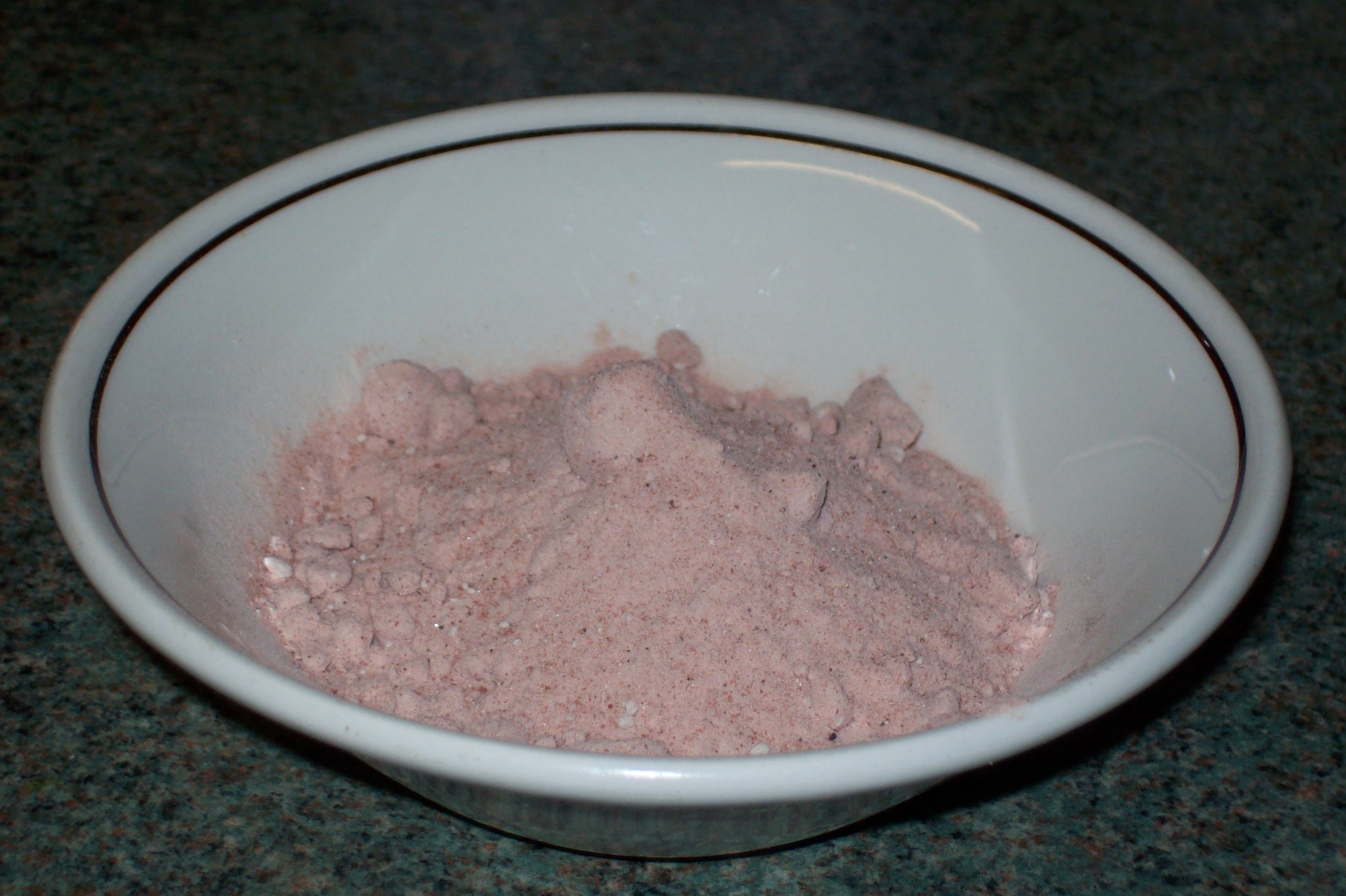
Kala Namak, also known as Himalayan black salt, is a distinctive volcanic rock salt primarily composed of sodium chloride, alongside trace impurities of iron sulfides, which impart its characteristic reddish-black hue, and sulfur compounds, responsible for its pungent, sulfuric aroma. This unique salt is often found in the volcanic regions of the Himalayas and has been traditionally mined for centuries.
Unlike common table salt, Kala Namak undergoes a specialized firing process, which involves heating it to high temperatures and then cooling it, often with charcoals and specific herbs. This process enhances its flavor profile and contributes to its unique chemical composition, differentiating it significantly from other salts in both taste and scent.
Other Names of Kala Namak
- Himalayan Black Salt
- Black Indian Salt
- Sanchal
- Bire Noon
- Kala Loon
Heading
<h3> Absolute Contraindications of Kala Namak </h3> <h4> Uncontrolled high blood pressure / Hypertension </h4> <ul> <li> 🔴</li> <li> Recommendation: Avoid using Kala Namak as a salt replacement if you have uncontrolled hypertension; use only as directed and keep overall daily sodium low-discuss with your clinician. </li> <li> Reasoning: Kala Namak contains sodium chloride and will add dietary sodium; even if some analyses show slightly lower sodium percent versus some salts, any added salt increases total sodium load which affects blood pressure. </li> <li> Scientific_Study_Title: Structural characterization of Himalayan black rock salt by SEM, XRD and in-vitro antioxidant activity. </li> <li> Scientific_Study_Authors: Vikas Chander, Devesh Tewari, Vipul Negi, Rakesh Singh, Kumud Upadhyaya, Lotfi Aleya</li> <li> Scientific_Study_Link: https://pubmed.ncbi.nlm.nih.gov/32798866/ </li> <li> Scientific_Study_Excerpt: <p>Paraphrase of relevant findings (study focus and implication): The authors performed structural and elemental analyses on Himalayan black rock salt and reported measurable elemental sodium (Na) together with iron, calcium and magnesium; in vitro antioxidant assays were also performed. The paper concludes that Himalayan black salt contains important minerals and exhibits antioxidant activity, and it notes the presence of sodium at levels significant enough to affect dietary intake. From a clinical standpoint this composition implies that kala namak contributes dietary sodium and therefore should be considered in the patient’s total salt consumption, particularly in conditions where sodium must be limited (e.g., hypertension).</p> </li> </ul> <h4> Chronic kidney disease (CKD) requiring sodium restriction </h4> <ul> <li> 🧊</li> <li> Recommendation: People with moderate-to-advanced CKD who are advised to follow a low-sodium diet should avoid adding Kala Namak except under nephrology/dietitian guidance. </li> <li> Reasoning: Kidney disease management commonly requires marked sodium restriction to control blood pressure, fluid retention and proteinuria; any dietary salt (including kala namak) contributes to that load. </li> <li> Scientific_Study_Title: What is central to renal nutrition: protein or sodium intake? (Review and guideline summary on sodium targets in CKD) </li> <li> Scientific_Study_Authors: (Review article / guideline authors summarised in Clinical Kidney Journal article) - see article for full attribution. </li> <li> Scientific_Study_Link: https://pmc.ncbi.nlm.nih.gov/articles/PMC10616450/ </li> <li> Scientific_Study_Excerpt: <p>Paraphrase of relevant findings: Recent guideline summaries and reviews recommend limiting dietary sodium in CKD (commonly to about 2-2.3 g sodium/day or roughly <5-6 g salt/day) because sodium reduction lowers blood pressure, reduces proteinuria and helps control fluid overload. These guideline conclusions mean that any culinary salt source - including kala namak - must be counted toward that limit, and uncontrolled or extra salt intake can worsen hypertension and volume status in CKD patients.</p> </li> </ul> <h4>Patients on a medically-required very low-sodium or monitored diet (e.g., heart failure in decompensation)</h4> <ul> <li> ⚠️</li> <li> Recommendation: Avoid using Kala Namak if your care team has prescribed a strict sodium-restricted menu (acute heart failure, severe edema); follow the prescribed diet precisely. </li> <li> Reasoning: Kala Namak is still a source of dietary sodium and will count toward strict sodium limits used to manage fluid balance and heart workload during decompensation. </li> <li> Scientific_Study_Title: Effect of dose and duration of reduction in dietary sodium on blood pressure levels: systematic review and meta-analysis of randomised trials. </li> <li> Scientific_Study_Authors: Aburto NJ, Ziolkovska A, Hooper L, Elliott P, Cappuccio FP, Meerpohl JJ (systematic review authorship shown in the article). </li> <li> Scientific_Study_Link: https://pmc.ncbi.nlm.nih.gov/articles/PMC7190039/ </li> <li> Scientific_Study_Excerpt: <p>Paraphrase of relevant findings: This systematic review and meta-analysis shows that reductions in dietary sodium reliably reduce systolic and diastolic blood pressure across populations, with larger benefits in older or hypertensive individuals. Because strict sodium restriction is used clinically to manage acute volume-related conditions (for example decompensated heart failure), any added salt (including kala namak) can counteract therapeutic dietary sodium limits and thus is contraindicated in those acute settings unless explicitly allowed by the treating team.</p> </li> </ul> <h3> Relative Contraindications of Kala Namak </h3> <h4> Known sulfite/sulfur sensitivity or severe asthma with sulfite reactivity </h4> <ul> <li> ⚡</li> <li> Recommendation: If you have a known sulfite/sulfur sensitivity or asthma triggered by sulfites, avoid Kala Namak or try a small taste test under supervision and consult your allergist. </li> <li> Reasoning: Kala Namak contains sulfur species (sulfides and trace sulfites in some preparations). People with sulfite sensitivity-especially those with asthma-can have bronchospasm or allergic-type reactions when exposed to sulfur preservatives or high-sulfur foods. </li> <li> Scientific_Study_Title: Sulfite sensitivity and adverse reactions to sulfites (FDA and clinical reports; reviews of sulfite reactions) </li> <li> Scientific_Study_Authors: FDA / clinical review literature (multiple authors across review articles; see linked guidance and reviews). </li> <li> Scientific_Study_Link: https://www.fda.gov/food/food-additives-petitions/sulfites-questions-and-answers </li> <li> Scientific_Study_Excerpt: <p>Paraphrase of relevant findings: Regulatory and clinical summaries note that sulfite sensitivity, while uncommon in the general population, is more frequent in people with asthma and can cause bronchospasm, wheeze, urticaria, and other adverse reactions. Because kala namak can contain sulfur compounds (including sulfides and occasionally sulfite-type residues depending on production), individuals with a history of sulfite-triggered asthma or reactions should treat exposure cautiously and discuss testing or supervised challenges with their physician.</p> </li> </ul> <h4>Inflammatory bowel disease (IBD) or conditions worsened by high dietary sulfur/H2S exposure</h4> <ul> <li> 🟡</li> <li> Recommendation: Use Kala Namak cautiously if you have ulcerative colitis or other sulfur-sensitive gut conditions; if symptoms worsen after sulfur-rich foods, avoid it. Discuss with your gastroenterologist. </li> <li> Reasoning: Dietary sulfur sources can increase hydrogen sulfide production by sulfate-reducing gut bacteria; elevated H2S has been implicated in mucosal damage in some studies and may worsen symptoms in susceptible people. </li> <li> Scientific_Study_Title: The Sulfur Microbial Diet Is Associated With Increased Risk of Early-Onset Colorectal Cancer Precursors. </li> <li> Scientific_Study_Authors: Megan L. Djukovic et al. (and the Nurses’ Health Study II team) - see full article authors on PubMed. </li> <li> Scientific_Study_Link: https://pubmed.ncbi.nlm.nih.gov/34273347/ </li> <li> Scientific_Study_Excerpt: <p>Paraphrase of relevant findings: This cohort analysis connects diets high in sulfur-associated foods (processed meats and certain other foods) with biomarkers/precursors linked to colorectal neoplasia, and reviews the role of microbial hydrogen sulfide in gut pathology. While kala namak is a modest dietary sulfur source, its sulfur compounds can theoretically contribute to luminal sulfur pools; patients with sulfur-sensitive gut disease should therefore monitor symptom responses and avoid additional sulfur sources if clinically indicated.</p> </li> </ul> <h4>Replacing iodized table salt in populations at risk for iodine deficiency</h4> <ul> <li> 🧾</li> <li> Recommendation: Don’t substitute Kala Namak for iodized salt in communities or individuals who depend on iodized salt to prevent iodine deficiency disorders (pregnant women, young children) unless the Kala Namak is fortified with iodine. </li> <li> Reasoning: Kala Namak usually lacks added iodine; using it as the sole household salt removes a major public-health source of dietary iodine and may increase goitre or hypothyroidism risk in iodine-deficient regions. </li> <li> Scientific_Study_Title: An Analysis of the Mineral Composition of Pink Salt Available in Australia (methodology & implications for trace nutrients in Himalayan salts). </li> <li> Scientific_Study_Authors: Fayet-Moore F, Wibisono C, Carr P, Duve E, Petocz P, Lancaster G, McMillan J, Marshall S, Blumfield M. </li> <li> Scientific_Study_Link: https://www.ncbi.nlm.nih.gov/pmc/articles/PMC7603209/ </li> <li> Scientific_Study_Excerpt: <p>Paraphrase of relevant findings: Mineral analyses of Himalayan salts (pink and related rock salts) find trace elements but generally little to no added iodine - levels are too low to replace iodized table salt as a reliable source of dietary iodine. The study and related reviews caution against assuming Himalayan or black salts supply clinically meaningful iodine; hence replacement of iodized salt with kala namak could increase iodine-deficiency risk in vulnerable groups.</p> </li> </ul>
Heading
<h4> Elevated blood pressure or fluid retention (when used in excess)</h4> <ul> <li> 🔺</li> <li> Side effect summary: Excess use of kala namak contributes dietary sodium; high sodium intake can raise blood pressure and cause fluid retention in sensitive people. </li> <li> Recommendation: Use small amounts; if you have hypertension or heart/kidney disease, follow prescribed sodium limits and consult your clinician. </li> <li> Reasoning: Kala namak contains sodium chloride and therefore increases total sodium intake when consumed habitually or in large amounts. </li> <li> Severity Level: Moderate</li> <li> Scientific_Study_Available: Yes</li> <li> Scientific_Study_Title: Effect of dose and duration of reduction in dietary sodium on blood pressure levels: systematic review and meta-analysis of randomised trials. </li> <li> Scientific_Study_Authors: Aburto NJ, et al. (and Cochrane/meta-analysis teams) </li> <li> Scientific_Study_Link: https://pmc.ncbi.nlm.nih.gov/articles/PMC7190039/ </li> <li> Scientific_Study_Excerpt: <p>Paraphrase of relevant findings: This large meta-analysis of randomized trials demonstrates that lowering dietary sodium reduces systolic and diastolic blood pressure across diverse populations, with greater absolute reductions in older and hypertensive individuals. Because kala namak contributes sodium in the diet, habitual or excessive use can increase daily sodium intake and thus contributes to the blood-pressure effects seen in these trials; moderation is therefore recommended for blood-pressure management.</p> </li> </ul> <h4> Gastrointestinal upset or increased gut gas in sensitive people </h4> <ul> <li> 💨</li> <li> Side effect summary: Some people report increased belching or stronger intestinal gas odour after eating foods seasoned with kala namak, likely because of its sulfur content and gut microbial sulfur metabolism. </li> <li> Recommendation: If you notice worse bloating, gas pain or altered bowel symptoms, stop kala namak and discuss with a clinician or dietitian; patients with active IBD should be cautious. </li> <li> Reasoning: Sulfurous compounds in kala namak provide substrate for sulfate-reducing bacteria to create hydrogen sulfide; in susceptible individuals this can increase malodorous gas or contribute to mucosal irritation. </li> <li> Severity Level: Mild</li> <li> Scientific_Study_Available: Yes</li> <li> Scientific_Study_Title: The Sulfur Microbial Diet Is Associated With Increased Risk of Early-Onset Colorectal Cancer Precursors. </li> <li> Scientific_Study_Authors: Devika Jayasekara et al. (Nurses' Health Study II teams - see full paper) </li> <li> Scientific_Study_Link: https://pubmed.ncbi.nlm.nih.gov/34273347/ </li> <li> Scientific_Study_Excerpt: <p>Paraphrase of relevant findings: The study shows associations between diets high in sulfur-associated foods and gut microbial profiles linked to increased risk markers for colorectal neoplasia; it highlights that dietary sulfur sources can influence hydrogen sulfide production by gut microbes. While kala namak is not directly evaluated as a diet staple in that study, its sulfur compounds make it a plausible contributor to the dietary sulfur pool in sensitive people, possibly increasing gas and odour or, in rare circumstances, affecting mucosal inflammation.</p> </li> </ul> <h4> Risk of iodine insufficiency if used as sole household salt (long term) </h4> <ul> <li> ⚖️</li> <li> Side effect summary: Replacing iodized table salt with unfortified kala namak removes a major population source of iodine and over time can increase risk of hypothyroidism and goitre in iodine-deficient settings. </li> <li> Recommendation: Pregnant women, breastfeeding mothers and young children should prioritise iodized salt unless alternative iodine is provided and verified. </li> <li> Reasoning: Analyses show rock/himalayan salts contain negligible iodine compared with fortified table salt; using them exclusively removes a reliable iodine source. </li> <li> Severity Level: Moderate</li> <li> Scientific_Study_Available: Yes</li> <li> Scientific_Study_Title: An Analysis of the Mineral Composition of Pink Salt Available in Australia. </li> <li> Scientific_Study_Authors: Fayet-Moore F, Wibisono C, Carr P, Duve E, Petocz P, Lancaster G, McMillan J, Marshall S, Blumfield M. </li> <li> Scientific_Study_Link: https://www.ncbi.nlm.nih.gov/pmc/articles/PMC7603209/ </li> <li> Scientific_Study_Excerpt: <p>Paraphrase of relevant findings: Mineral analyses of Himalayan rock salts confirm multiple trace elements but show that these salts generally lack meaningful iodine content. The authors emphasize that trace minerals occur at concentrations too low to replace the public-health benefit of iodized salt; therefore exclusive substitution may lead to inadequate iodine intake over time in vulnerable populations.</p> </li> </ul>
Heading
<h4> Antihypertensives and diuretics (e.g., ACE inhibitors, ARBs, thiazide diuretics) </h4> <ul> <li> Interaction_Details: Kala Namak adds dietary sodium; higher sodium intake reduces the blood-pressure lowering effect of antihypertensive diets and can blunt response to some medicines. In contrast, salt restriction enhances antihypertensive efficacy. </li> <li> Severity: Moderate</li> <li> Recommendation: If you take blood-pressure medications, keep sodium intake stable and follow your clinician's dietary advice; avoid extra discretionary salt including kala namak unless counted in your sodium budget. </li> <li> Scientific_Study_Available: Yes</li> <li> Scientific_Study_Link: https://pmc.ncbi.nlm.nih.gov/articles/PMC7190039/ </li> <li> Scientific_Study_Title: Effect of dose and duration of reduction in dietary sodium on blood pressure levels: systematic review and meta-analysis of randomised trials. </li> <li> Scientfic_Study_Authors: Aburto NJ, Ziolkovska A, Hooper L, Elliott P, Cappuccio FP, Meerpohl JJ. </li> <li> Scientific_Study_Excerpt: <p>Paraphrase of relevant findings: The review shows that lowering dietary sodium produces consistent and clinically meaningful reductions in blood pressure across populations and that sodium reduction augments pharmacologic blood-pressure control. Because kala namak contributes to total sodium intake, adding it without accounting for the sodium budget can offset dietary and pharmacologic efforts to lower blood pressure. Clinicians and patients should therefore consider all dietary salt sources when managing antihypertensive therapy.</p> </li> </ul> <h4> Lithium (mood stabilizer)</h4> <ul> <li> Interaction_Details: Changes in dietary sodium intake alter renal lithium handling; sudden decreases in sodium can reduce lithium excretion and precipitate lithium toxicity, while large increases can lower lithium levels. Using kala namak as an unaccounted source of sodium or abruptly changing overall salt intake can affect lithium levels. </li> <li> Severity: Severe</li> <li> Recommendation: Patients on lithium must keep sodium intake consistent; do not make abrupt changes to salt use (including adding or removing kala namak) without clinician monitoring and serum lithium checks. </li> <li> Scientific_Study_Available: Yes</li> <li> Scientific_Study_Link: https://dailymed.nlm.nih.gov/dailymed/drugInfo.cfm?setid=ebda1da0-38a2-49a0-8478-5d1d991a63bd (Lithium product monograph / prescribing information) </li> <li> Scientific_Study_Title: Lithium carbonate - prescribing information / drug monograph (product information summarizing sodium-lithium interactions). </li> <li> Scientfic_Study_Authors: (Product monograph authors / regulatory sponsor; see linked label for full attribution) </li> <li> Scientific_Study_Excerpt: <p>Paraphrase of relevant findings: Regulatory prescribing information for lithium explains that sodium balance closely influences lithium renal clearance: sodium depletion reduces lithium elimination and increases the risk of toxicity, while increased sodium intake may lower lithium concentrations. Patients are advised to maintain a steady salt and fluid intake and to avoid abrupt dietary sodium changes. Because kala namak contributes sodium, unplanned changes in its use can disturb the sodium balance that clinicians rely on when managing lithium therapy.</p> </li> </ul> <h4> Drugs/conditions where sodium handling is critical (e.g., SGLT2 inhibitors, certain diuretics) </h4> <ul> <li> Interaction_Details: Therapies that change renal sodium/water handling (some diuretics, SGLT2 inhibitors) and dietary sodium interplay can alter drug effects and electrolyte balance; changing salt intake suddenly (including adding kala namak) may amplify or reduce drug effects. </li> <li> Severity: Moderate</li> <li> Recommendation: Keep salt intake stable and tell your prescriber about dietary changes; any large diet shift should prompt monitoring of weight, blood pressure, renal function and electrolytes. </li> <li> Scientific_Study_Available: Yes</li> <li> Scientific_Study_Link: https://www.nature.com/articles/s41591-023-02363-1 (example regulatory discussion and reports on SGLT2-lithium interactions and the role of sodium handling; see product safety communications) </li> <li> Scientific_Study_Title: Regulatory and case-report evidence linking SGLT2 inhibitors and altered lithium concentrations (regulatory safety communications and case literature). </li> <li> Scientfic_Study_Authors: EMA/NPRA/FDA regulatory communications and case report authors (see link for full source details). </li> <li> Scientific_Study_Excerpt: <p>Paraphrase of relevant findings: Recent regulatory communications and case reports describe interactions between drugs that alter renal sodium/glucose handling (e.g., SGLT2 inhibitors) and lithium, with evidence of altered serum lithium concentrations in some patients. Because dietary sodium intake modulates renal lithium handling, adding or removing extra dietary salt sources (including kala namak) can contribute to instability in serum drug levels when used with such medications; clinicians are advised to monitor drug levels and electrolytes when dietary or pharmacologic sodium balance changes.</p> </li> </ul>