Kaju
Anacardium occidentale
Kaju (cashew), revered in Ayurveda, is traditionally considered to increase Vata and Pitta doshas while decreasing Kapha. These popular nuts are widely consumed for their claimed nutritive value and supposed benefits in supporting overall vitality and strength. Prevalent across tropical regions, Kaju is a common ingredient in Ayurvedic dietary recommendations for its holistic effects.
PLANT FAMILY
Anacardiaceae (Cashew/Sumac)
PARTS USED
Fruit, Nut, Seed
AYURVEDIC ACTION
Vata ↑, Pitta ↑, Kapha ↓
ACTIVE COMPOUNDS
Anacardic Acid (18-20%), Cardol (10-15%)
What is Kaju?
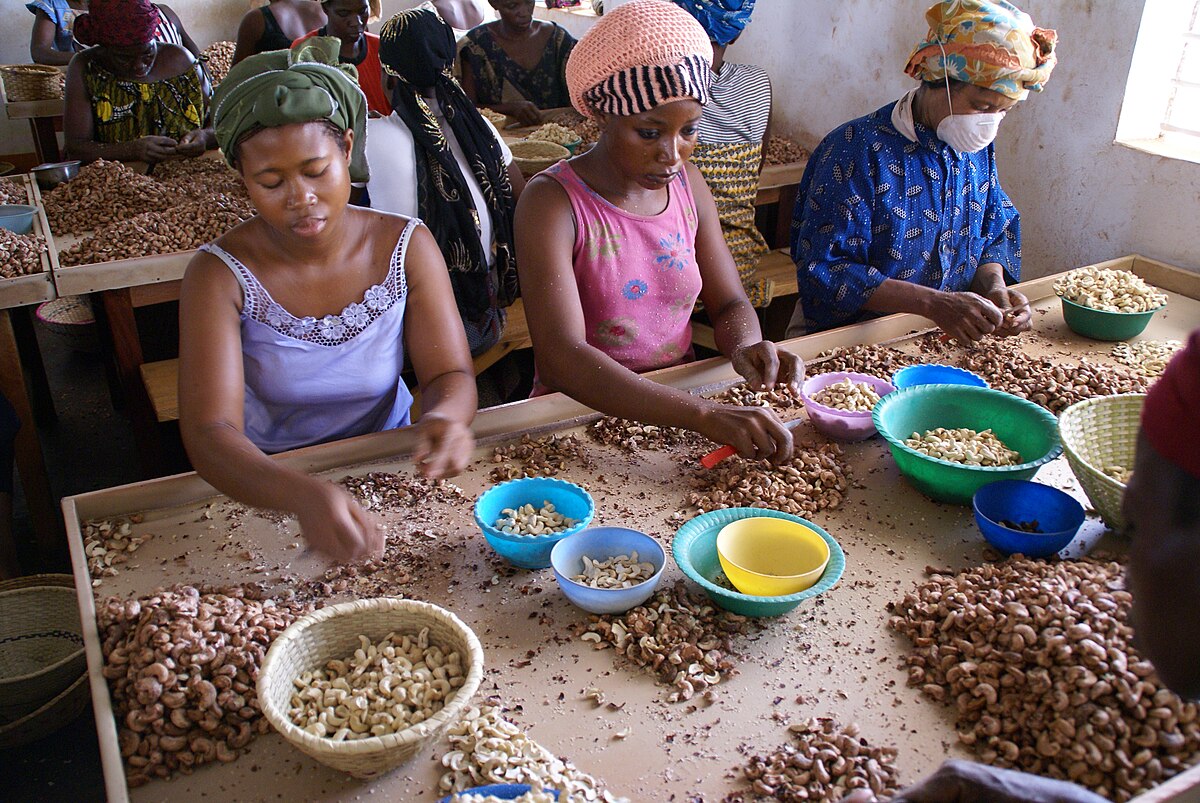
Kaju, commonly known as the cashew nut, originates from the cashew tree (Anacardium occidentale), a tropical evergreen tree native to northeastern Brazil. It is widely cultivated for its kidney-shaped edible seeds, which are consumed globally as a popular snack and ingredient in various cuisines. The tree produces a "cashew apple" (an accessory fruit) and the nut, which is encased in a double shell containing an irritating phenolic resin.
Beyond its culinary uses, the cashew tree also yields cashew nut shell liquid (CNSL), a versatile by-product with applications in lubricants, paints, and waterproofing, while the wood is utilized in carpentry. The cultivation and processing of cashews are significant economic activities in many tropical regions.
Other Names of Kaju
Heading
<h3> Absolute Contraindications of Kaju (Cashew)</h3> <h4>1. Known cashew (tree-nut) allergy - risk of severe allergic reaction / anaphylaxis [Known allergy to cashew]</h4> <ul> <li> Relevant Emoji 🛑</li> <li> Recommendation: Do not eat cashews or foods containing cashew if you have a confirmed cashew allergy; carry emergency epinephrine if prescribed and follow your allergist’s plan.</li> <li> Reasoning: Cashew contains major IgE-binding proteins (e.g., Ana o 3, Ana o 2) that provoke systemic allergic responses including anaphylaxis in sensitized people; even small amounts can trigger severe reactions.</li> <li> Scientific_Study_Title: Ana o 3, an important cashew nut (Anacardium occidentale L.) allergen of the 2S albumin family</li> <li> Scientific_Study_Authors: Jason M Robotham, Fang Wang, Vanessa Seamon, Suzanne S Teuber, Shridhar K Sathe, Hugh A Sampson, Kirsten Beyer, Margaret Seavy, Kenneth H Roux</li> <li> Scientific_Study_Link: https://pubmed.ncbi.nlm.nih.gov/15940148/</li> <li> Scientific_Study_Excerpt: <p>Paraphrase of findings: The study identified Ana o 3 as a major cashew allergen (a 2S albumin) and showed that a high proportion of cashew-allergic patient sera reacted to it. The authors mapped IgE-binding peptides and demonstrated overlap of epitopes with other tree-nut allergens, supporting both high allergenicity and potential cross-reactivity. The study explains why clinical cashew allergy can be severe and why component testing (Ana o 3) is useful for diagnosis.</p> </li> </ul> <h4>2. Urushiol / cashew-shell oil contact sensitivity - severe allergic contact dermatitis [Contact allergy or previous urushiol reactions]</h4> <ul> <li> Relevant Emoji ⚠️</li> <li> Recommendation: Avoid raw or improperly processed cashew products and cashew-shell oil exposure if you have a history of urushiol (poison ivy/oak) sensitivity; seek medical care for severe dermatitis.</li> <li> Reasoning: Cashew shell oil contains urushiol-like phenolic lipids (anacardic acids, cardols) that can induce allergic contact dermatitis and systemic contact dermatitis after ingestion or skin exposure in sensitized individuals.</li> <li> Scientific_Study_Title: Cashew nut dermatitis (case report)</li> <li> Scientific_Study_Authors: T Rosen, D B Fordice</li> <li> Scientific_Study_Link: https://pubmed.ncbi.nlm.nih.gov/8153790/</li> <li> Scientific_Study_Excerpt: <p>Paraphrase of findings: The reported case described urushiol-type dermatitis caused by cashew nut shell oil contaminating homemade cashew butter, producing severe skin eruptions requiring systemic steroids. The authors emphasize that shell oil contamination (rare in modern commercial products) can produce severe allergic dermatitis after ingestion or contact, demonstrating a real clinical hazard in susceptible people.</p> </li> </ul> <h4>3. Advanced chronic kidney disease / recent renal transplant with reduced graft function - risk of oxalate nephropathy [Kidney disease / renal transplant]</h4> <ul> <li> Relevant Emoji 🚫</li> <li> Recommendation: Avoid excessive consumption of cashew nuts or cashew-apple products if you have impaired kidney function or a renal transplant; discuss diet with your nephrologist. Do not self-prescribe large quantities of cashew juice or supplements high in vitamin C.</li> <li> Reasoning: Cashew nuts are relatively high in oxalate and large or concentrated intakes (or high vitamin C intake from the cashew pseudofruit) can increase oxalate burden and precipitate oxalate deposition in kidneys, risking acute kidney injury in patients with limited renal clearance.</li> <li> Scientific_Study_Title: Vitamin C-induced oxalate nephropathy in a renal transplant patient related to excessive ingestion of cashew pseudofruit (Anacardium occidentale L.): a case report</li> <li> Scientific_Study_Authors: Miguel Moyses-Neto, Bruno Rafael Santos Brito, Dyego José de Araújo Brito, Noelia Dias Carneiro Barros, Márcio Dantas, Natalino Salgado-Filho, Roberto Silva Costa, Gyl Eanes Barros Silva</li> <li> Scientific_Study_Link: https://bmcnephrol.biomedcentral.com/articles/10.1186/s12882-018-1060-9</li> <li> Scientific_Study_Excerpt: <p>Paraphrase of findings: The case describes a renal transplant patient who drank large amounts of cashew apple juice (very high in vitamin C) and developed acute oxalate nephropathy with renal failure requiring dialysis; biopsy showed calcium-oxalate deposition. Authors concluded that excessive intake of cashew apple juice (vitamin C) and/or high-oxalate nut intake can precipitate oxalate nephropathy in patients with impaired renal function.</p> </li> </ul> <h4>4. Known allergy to related Anacardiaceae species (pistachio, mango, pink peppercorn) - cross-reactive allergy risk [Cross-reactivity with other related foods]</h4> <ul> <li> Relevant Emoji ❗</li> <li> Recommendation: If you have a documented allergy to pistachio or other Anacardiaceae foods, avoid cashew until you have allergy testing or an allergist evaluation; cross-reactions are common.</li> <li> Reasoning: IgE cross-reactivity is documented between cashew and other Anacardiaceae species (and some tree nuts), meaning sensitization to one may cause reactions to the other due to shared allergenic proteins.</li> <li> Scientific_Study_Title: IgE Cross-Reactivity of Cashew Nut Allergens</li> <li> Scientific_Study_Authors: Shanna Bastiaan-Net, Marit Reitsma, Jan H.G. Cordewener, Johanna P.M. van der Valk, Twan A.H.P. America, Anthony E.J. Dubois, Roy Gerth van Wijk, Huub F.J. Savelkoul, Nicolette W. de Jong, Harry J. Wichers</li> <li> Scientific_Study_Link: https://pubmed.ncbi.nlm.nih.gov/30368491/ (PMC: https://pmc.ncbi.nlm.nih.gov/articles/PMC6381869/)</li> <li> Scientific_Study_Excerpt: <p>Paraphrase of findings: The study analysed sera from children sensitised to cashew and demonstrated in-vitro IgE cross-reactivity between cashew and related Anacardiaceae species (including pistachio/pink peppercorn) and identified shared allergenic proteins. The authors note that co-sensitisation patterns raise the risk of clinical cross-reactions in susceptible individuals.</p> </li> </ul> <h3> Relative Contraindications of Kaju (Cashew)</h3> <h4>1. History of recurrent calcium-oxalate kidney stones [Prone to kidney stones]</h4> <ul> <li> Relevant Emoji 🧾</li> <li> Recommendation: Limit cashew intake if you form calcium-oxalate stones regularly; discuss with a urologist or dietitian about a low-oxalate diet and hydration strategies.</li> <li> Reasoning: Cashew nuts contain moderately high levels of dietary oxalate; high or frequent consumption raises urinary oxalate which can contribute to stone formation in susceptible people.</li> <li> Scientific_Study_Title: Oxalate nephropathy: a review (Table of oxalate content of foods, including cashews)</li> <li> Scientific_Study_Authors: Multiple authors (review article) - Clinical Kidney Journal (2022) - see article for table entries</li> <li> Scientific_Study_Link: https://pmc.ncbi.nlm.nih.gov/articles/PMC8825217/</li> <li> Scientific_Study_Excerpt: <p>Paraphrase of findings: The review lists cashews among foods with relatively high oxalate content (~231-262 mg/100 g) and explains that excessive dietary oxalate can increase urinary oxalate excretion and contribute to calcium-oxalate stone formation, especially in those with other risk factors.</p> </li> </ul> <h4>2. Excess weight/obesity with uncontrolled caloric intake [High-calorie food]</h4> <ul> <li> Relevant Emoji ⚖️</li> <li> Recommendation: Portion control is important - enjoy small, measured servings (e.g., 1 ounce / ~18 cashews) rather than large quantities; include within total daily calorie plan.</li> <li> Reasoning: Cashews are calorie-dense; in energy-excess states, frequent large portions can contribute to excess calorie intake even though nuts themselves are not strongly associated with weight gain in trials when substituted isocalorically.</li> <li> Scientific_Study_Title: Effects of cashew nut consumption on body composition and glycemic indices: A meta-analysis and systematic review of randomized controlled trials</li> <li> Scientific_Study_Authors: S. Jamshidi, Y. Moradi, G. Nameni, M.A. Mohsenpour, M. Vafa</li> <li> Scientific_Study_Link: https://pubmed.ncbi.nlm.nih.gov/33725628/</li> <li> Scientific_Study_Excerpt: <p>Paraphrase of findings: Pooled RCT data show cashew consumption produced no significant change in weight, BMI or waist circumference when included isocalorically, but the authors emphasize the importance of total energy balance - unrestricted large portion intake may raise calories and thus weight over time.</p> </li> </ul>
Heading
<h4>1. Severe allergic reactions (anaphylaxis) </h4> <ul> <li> Relevant Emoji 🚨</li> <li> Side effect summary: In people with cashew allergy, ingestion can provoke rapid, potentially life-threatening reactions (hives, airway swelling, low blood pressure, anaphylaxis).</li> <li> Recommendation: Those with known cashew allergy should avoid cashew entirely; carry epinephrine if prescribed and seek urgent care for any systemic reaction.</li> <li> Reasoning: Cashew contains stable seed storage proteins (Ana o 2, Ana o 3) that resist digestion and strongly bind IgE, triggering systemic allergic cascades in sensitized individuals.</li> <li> Severity Level: Severe</li> <li> Scientific_Study_Available: Yes</li> <li> Scientific_Study_Title: Ana o 3, an important cashew nut (Anacardium occidentale L.) allergen of the 2S albumin family</li> <li> Scientific_Study_Authors: Jason M Robotham, Fang Wang, Vanessa Seamon, Suzanne S Teuber, Shridhar K Sathe, Hugh A Sampson, Kirsten Beyer, Margaret Seavy, Kenneth H Roux</li> <li> Scientific_Study_Link: https://pubmed.ncbi.nlm.nih.gov/15940148/</li> <li> Scientific_Study_Excerpt: <p>Paraphrase of findings: The article documents Ana o 3 as a dominant cashew allergen reactive with a high proportion of cashew-allergic sera; it explains molecular features that underlie strong IgE responses and clinical allergy severity.</p> </li> </ul> <h4>2. Allergic contact and systemic contact dermatitis from shell oil contamination</h4> <ul> <li> Relevant Emoji 🤕</li> <li> Side effect summary: Skin contact or ingestion of cashew products contaminated with cashew-shell oil can cause severe dermatitis (local or systemic) in sensitized subjects.</li> <li> Recommendation: Avoid improperly processed or homemade cashew products if you have a history of contact dermatitis to poison ivy/Anacardiaceae; seek dermatology/allergy input for severe eruptions.</li> <li> Reasoning: Cashew shell contains urushiol-type phenolic lipids (anacardic acids and cardols) which are potent contact allergens and may produce systemic dermatitis after ingestion.</li> <li> Severity Level: Moderate</li> <li> Scientific_Study_Available: Yes</li> <li> Scientific_Study_Title: Systemic contact dermatitis to raw cashew nuts in a pesto sauce</li> <li> Scientific_Study_Authors: C.L. Damian, et al. (case report)</li> <li> Scientific_Study_Link: https://pubmed.ncbi.nlm.nih.gov/9471989/</li> <li> Scientific_Study_Excerpt: <p>Paraphrase of findings: The case report shows systemic contact dermatitis after ingestion of raw cashews contaminated with shell oil; symptoms were flexural and generalized, supporting that shell oil contamination causes clinically significant dermatitis.</p> </li> </ul> <h4>3. Oxalate-related kidney injury in susceptible individuals</h4> <ul> <li> Relevant Emoji 🩺</li> <li> Side effect summary: Large or concentrated intake of cashew nuts (high-oxalate food) or cashew apple juice (very high vitamin C) can increase oxalate burden and in vulnerable patients trigger oxalate nephropathy and acute kidney injury.</li> <li> Recommendation: People with reduced kidney function, renal transplant recipients, or recurrent stone formers should limit cashew/cashew-apple intake and discuss diet with their nephrologist.</li> <li> Reasoning: Cashew nuts are relatively high in dietary oxalate; impaired renal clearance or excessive precursors (e.g., high vitamin C) raise plasma/urine oxalate and can precipitate calcium-oxalate crystals in renal tubules.</li> <li> Severity Level: Severe</li> <li> Scientific_Study_Available: Yes</li> <li> Scientific_Study_Title: Vitamin C-induced oxalate nephropathy in a renal transplant patient related to excessive ingestion of cashew pseudofruit</li> <li> Scientific_Study_Authors: Miguel Moyses-Neto, Bruno Rafael Santos Brito, Dyego José de Araújo Brito, et al.</li> <li> Scientific_Study_Link: https://bmcnephrol.biomedcentral.com/articles/10.1186/s12882-018-1060-9</li> <li> Scientific_Study_Excerpt: <p>Paraphrase of findings: The case describes acute renal failure with biopsy-proven calcium-oxalate deposition after prolonged heavy ingestion of cashew apple juice (high vitamin C) in a renal transplant patient; authors link excessive vitamin C/oxalate burden to the injury.</p> </li> </ul> <h4>4. Hepatic fat accumulation & glucose changes (animal data)</h4> <ul> <li> Relevant Emoji 🧪</li> <li> Side effect summary: In a dyslipidaemic rat model with added high-fat feeding, cashew supplementation increased liver fat accumulation and raised glycemia despite reducing visceral fat; clinical relevance for humans is uncertain.</li> <li> Recommendation: For people with severe metabolic/liver disease, avoid large, unbalanced additions of high-fat nuts without medical guidance; clinicians should interpret animal findings cautiously and rely on human trials for decisions.</li> <li> Reasoning: Animal experiments under specific high-fat diets show that cashew intake can shift fat deposition and metabolic markers - these are model-dependent and do not directly translate into routine human risk but warrant caution in extreme consumption contexts.</li> <li> Severity Level: Moderate</li> <li> Scientific_Study_Available: Yes (animal study)</li> <li> Scientific_Study_Title: Cashew nuts (Anacardium occidentale L.) decrease visceral fat, yet augment glucose in dyslipidemic rats</li> <li> Scientific_Study_Authors: (authors as listed in PubMed entry)</li> <li> Scientific_Study_Link: https://pubmed.ncbi.nlm.nih.gov/31830056/</li> <li> Scientific_Study_Excerpt: <p>Paraphrase of findings: In dyslipidaemic rats receiving lipid supplementation, roasted cashew feeding reduced visceral fat but increased fasting glycemia and hepatic fat accumulation. Authors caution these are animal results under high-fat conditions and note the need for human study confirmation.</p> </li> </ul>
Heading
<h4>1. Immunosuppressants used in renal transplant (e.g., tacrolimus) - context: renal transplant patients & oxalate risk</h4> <ul> <li> Interaction_Details: Excessive cashew-apple (high vitamin C) or large oxalate intake has been observed to precipitate oxalate nephropathy in renal transplant recipients who are also on immunosuppressants; the interaction is clinical (dietary exposure plus vulnerable graft) rather than a biochemical drug interaction.</li> <li> Severity: Severe</li> <li> Recommendation: Patients with kidney transplants or reduced graft function should avoid large amounts of cashew apple juice or excessive cashew nut intake; discuss diet with the transplant nephrology team.</li> <li> Scientific_Study_Available: Yes</li> <li> Scientific_Study_Link: https://bmcnephrol.biomedcentral.com/articles/10.1186/s12882-018-1060-9</li> <li> Scientific_Study_Title: Vitamin C-induced oxalate nephropathy in a renal transplant patient related to excessive ingestion of cashew pseudofruit (Anacardium occidentale L.): a case report</li> <li> Scientfic_Study_Authors: Miguel Moyses-Neto, Bruno Rafael Santos Brito, Dyego José de Araújo Brito, et al.</li> <li> Scientific_Study_Excerpt: <p>Paraphrase of findings: The case report documents acute graft dysfunction/renal failure associated with heavy consumption of cashew apple juice (very high vitamin C) in a transplant recipient on tacrolimus and other immunosuppressants; biopsy showed calcium-oxalate crystal deposition, implicating excessive dietary precursors as the precipitant in a patient with limited renal reserve.</p> </li> </ul> <h4>2. Statins and other lipid-lowering therapy</h4> <ul> <li> Interaction_Details: Cashew consumption can modestly influence lipid metabolism (e.g., lower PCSK9 in one trial and affect LDL in some studies). This is not a direct drug metabolism interaction but could have additive or complementary lipid-lowering effects when combined with statins.</li> <li> Severity: Mild</li> <li> Recommendation: No need to avoid cashews when taking statins; discuss with your clinician if you plan large dietary changes or take multiple lipid-lowering agents, but modest cashew intake is generally safe and potentially beneficial.</li> <li> Scientific_Study_Available: Yes</li> <li> Scientific_Study_Link: https://pubmed.ncbi.nlm.nih.gov/30753323/</li> <li> Scientific_Study_Title: Consumption of cashew nuts does not influence blood lipids or other markers of cardiovascular disease in humans: a randomized controlled trial</li> <li> Scientfic_Study_Authors: (authors listed in the PubMed entry for NCT02628171 trial)</li> <li> Scientific_Study_Excerpt: <p>Paraphrase of findings: In a controlled feeding study, cashew intake produced no harmful effects on primary lipid risk factors and led to a significant decrease in PCSK9 in one setting - suggesting cashew intake may be compatible with statin therapy and might have small complementary effects on lipid biology rather than causing harmful pharmacologic interactions.</p> </li> </ul> <h4>3. Vitamin K / Warfarin (anticoagulants)</h4> <ul> <li> Interaction_Details: There is no robust cashew-specific evidence showing clinically meaningful vitamin-K mediated interaction with warfarin; cashews contain small amounts of vitamin K but not at levels widely reported to alter INR.</li> <li> Severity: Mild (theoretical/unknown)</li> <li> Recommendation: If you are on warfarin, maintain consistent intake of cashews and other foods with vitamin K and monitor INR as recommended by your anticoagulation clinic; discuss any large dietary changes with your clinician.</li> <li> Scientific_Study_Available: NA (no cashew-specific clinical interaction study identified)</li> <li> Scientific_Study_Link: NA</li> <li> Scientific_Study_Title: NA</li> <li> Scientfic_Study_Authors: NA</li> <li> Scientific_Study_Excerpt: <p>NA</p> </li> </ul> <h4>4. Other drug classes (antibiotics, orlistat and fat-absorption inhibitors) - theoretical considerations</h4> <ul> <li> Interaction_Details: Certain drugs that alter fat absorption or gut microbiota (e.g., orlistat) can increase intestinal oxalate absorption and thereby raise oxalate burden; combined with high-oxalate foods (including cashews), this could theoretically increase oxalate risk in vulnerable patients.</li> <li> Severity: Moderate (theoretical / context-dependent)</li> <li> Recommendation: If you take fat-absorption inhibitors, or have conditions that increase intestinal oxalate absorption, avoid high, unchecked cashew intake and consult your clinician.</li> <li> Scientific_Study_Available: NA for cashew-specific interaction; mechanism supported in literature for orlistat and enteric hyperoxaluria (no cashew-specific trial found).</li> <li> Scientific_Study_Link: NA (no cashew-specific paper found)</li> <li> Scientific_Study_Title: NA</li> <li> Scientfic_Study_Authors: NA</li> <li> Scientific_Study_Excerpt: <p>NA</p> </li> </ul>