Jivaka
Malaxis acuminata
Jivaka (Malaxis acuminata), a vital terrestrial orchid in Ayurveda, is one of the Ashtavarga (eight potent herbs), historically valued for its specific properties. Its tubers are traditionally used for their supposed effects on balancing Vata and Pitta doshas. This perennial herb is native to the Himalayan region.
PLANT FAMILY
Orchidaceae (Orchid)
AYURVEDIC ACTION
Vata ↓, Pitta ↓, Kapha ↑
ACTIVE COMPOUNDS
Malaxin (0.01-0.05%)
What is Jivaka?
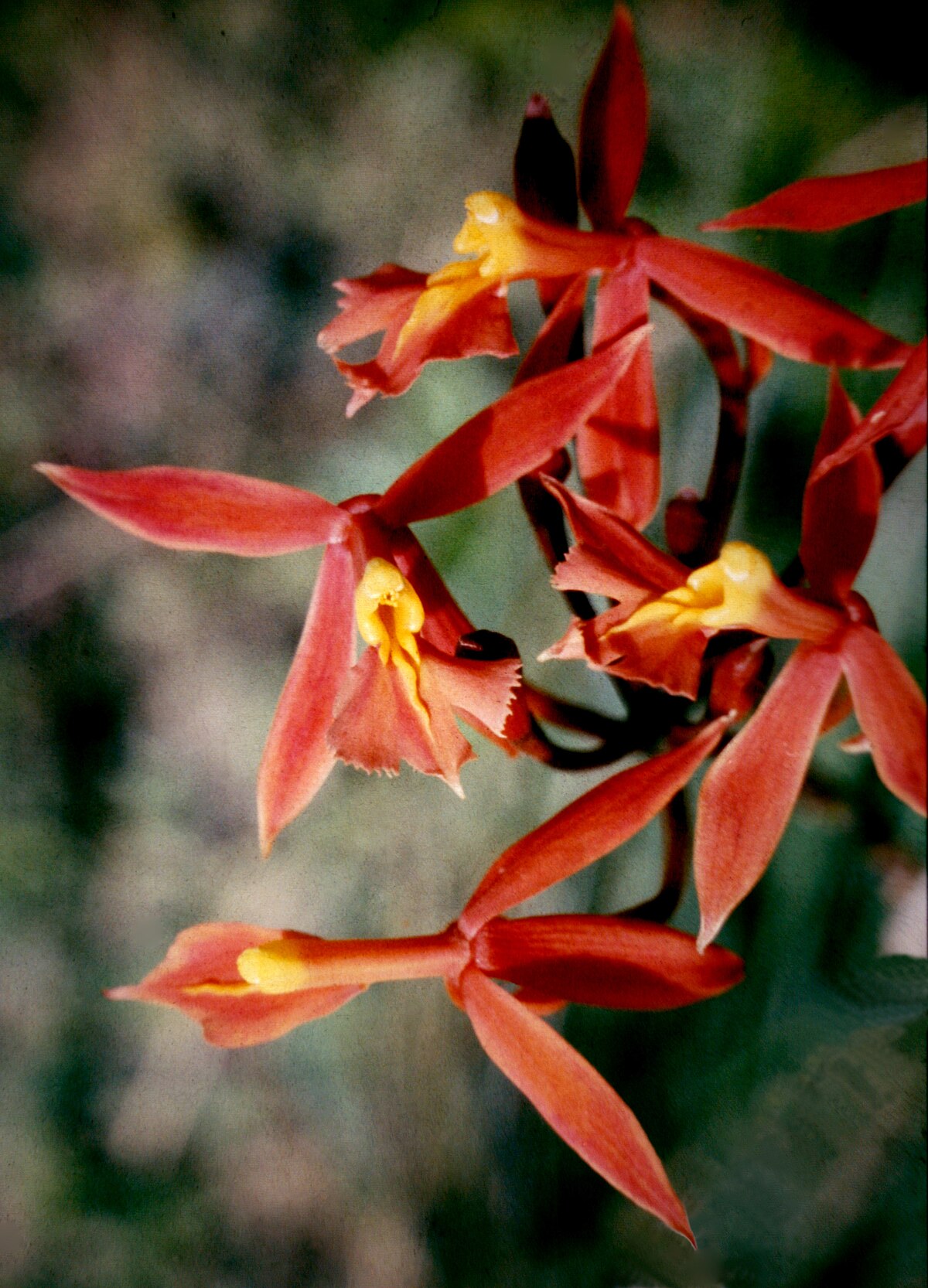
Jivaka, scientifically known as Malaxis acuminata, is a terrestrial orchid species belonging to the Orchidaceae family. This small, perennial herb is native to various parts of Asia, particularly the Himalayan region, and is characterized by its pseudobulbs, a few broad leaves, and small, delicate flowers that grow in racemes.
While not a plant in the conventional sense for widespread cultivation, its tubers are notable in traditional medicine systems, where they have been historically valued for their specific properties and are considered one of the Ashtavarga (eight potent herbs) in Ayurveda.
Other Names of Jivaka
- Malaxis acuminata
- Microstylis wallichii
Heading
<h3> Absolute Contraindications of Jivaka </h3> <h4> Pregnancy and Breastfeeding (Pregnant or nursing people)</h4> <ul> <li> 🤰 <li> Recommendation: Avoid Jivaka during pregnancy and breastfeeding unless a qualified Ayurvedic clinician familiar with your case prescribes it; there is insufficient human safety data. <li> Reasoning: Modern reviews and species-specific reviews note promising pharmacology but explicitly highlight a lack of controlled human safety studies for Malaxis (Jivaka). Without clinical safety data, use during pregnancy/lactation cannot be recommended because potential effects on the fetus or breastfed infant are unknown. <li> Scientific_Study_Title: A review on phytochemistry and pharmacological activity of Jivak. <li> Scientific_Study_Authors: Yanbo Ngullie, Anamika, Shivanand M. Patil. <li> Scientific_Study_Link: https://ijpjournal.com/bft-article/a-review-on-phytochemistry-and-pharmacological-activity-of-jivak/ <li> Scientific_Study_Excerpt: <p>This species-focused review summarizes phytochemistry and multiple promising in-vitro and animal activities for Malaxis acuminata (Jivak) but explicitly states that “comprehensive scientific validation of its pharmacological effects through clinical trials remains necessary.” The authors note research gaps on safety and clinical dosing in humans, and they recommend caution and further study before broad clinical use-particularly in vulnerable populations such as pregnant or lactating individuals where data are lacking. Because human reproductive safety studies are absent, the review supports avoiding routine use in pregnancy and breastfeeding.</p> </ul> <h4> Known hypersensitivity to orchid/plant extracts or to specific plant compounds (e.g., if you have known plant oil/phenylpropanoid allergies)</h4> <ul> <li> ⚠️ <li> Recommendation: Do not use Jivaka if you have a known allergy to orchid family plants or to compounds commonly present in the plant (discuss with an allergist if unsure). <li> Reasoning: Molecular profiling of M. acuminata demonstrates the presence of bioactive phenylpropanoids and other metabolites (e.g., eugenol, sterols); individuals with known sensitivities to plant-derived phenolics or similar botanical extracts may react with contact dermatitis, urticaria or systemic allergy. <li> Scientific_Study_Title: De novo transcriptome based insights into secondary metabolite biosynthesis in Malaxis acuminata (Jeevak) - A therapeutically important orchid. <li> Scientific_Study_Authors: Paromik Bhattacharyya, Tanvi Sharma, Abhinandan Yadav, Lucy Lalthafamkimi, Ritu, Mohit Kumar Swarnkar, Robin Joshi, Ravi Shankar, Sanjay Kumar. <li> Scientific_Study_Link: https://www.frontiersin.org/articles/10.3389/fpls.2022.954467/full <li> Scientific_Study_Excerpt: <p>The Frontiers transcriptome and metabolite analysis reports that M. acuminata accumulates several secondary metabolites including β-sitosterol and eugenol-type phenylpropanoids in leaf and pseudobulb tissues. The authors highlight tissue-specific accumulation of these compounds and recommend that knowledge of metabolite profiles can guide safe use and conservation. Because eugenol-class compounds and related plant phenolics are biologically active, the study supports careful consideration in individuals with known plant/essential-oil sensitivities.</p> </ul> <h4> Active major surgery, bleeding disorders, or concurrent anticoagulant use (when reliable hemostasis is critical)</h4> <ul> <li> 🩺 <li> Recommendation: Avoid using Jivaka preparations around the time of major surgery, or without medical supervision if you have a bleeding disorder or are on anticoagulants/antiplatelet drugs. <li> Reasoning: Traditional uses and ethnobotanical summaries list Malaxis/related Ashtavarga plants among remedies used historically for bleeding control and blood-related disorders; when a plant has active actions on blood or clotting in traditional practice, prudence is advised during anticoagulation or procedures because interactions or unpredictable effects are possible and clinical interaction data are lacking. <li> Scientific_Study_Title: Distribution, Chemical Constituents and Biological Properties of Genus Malaxis (review). <li> Scientific_Study_Authors: Kalpana Rautela, Ashish Kumar, Suresh K. Rana, Arun Jugran, Indra D. Bhatt. <li> Scientific_Study_Link: https://www.citedrive.com/en/discovery/distribution-chemical-constituents-and-biological-properties-of-genus-malaxis/ <li> Scientific_Study_Excerpt: <p>Comprehensive review of the Malaxis genus compiles traditional uses (hemostasis, treatment of bleeding and blood disorders among others) and chemical constituents across species. The authors report many bioactive constituents have been documented and highlight traditional claims about effects on bleeding and blood-related conditions; however, the review repeatedly emphasizes the lack of controlled clinical safety data. On that basis the review recommends medical caution in situations involving bleeding risk and concurrent anticoagulant therapy.</p> </ul> <h3> Relative Contraindications of Jivaka </h3> <h4> Diabetes or when taking blood-glucose lowering medicines</h4> <ul> <li> 🩸 <li> Recommendation: Use cautiously and only under clinician supervision if you have diabetes or take hypoglycemic drugs; monitor blood glucose closely. <li> Reasoning: Species-level reviews cite preliminary antidiabetic effects in laboratory/animal models for Malaxis species; because human dosing and interactions are not defined, additive glucose-lowering could occur in theory. <li> Scientific_Study_Title: A review on phytochemistry and pharmacological activity of Jivak. <li> Scientific_Study_Authors: Yanbo Ngullie, Anamika, Shivanand M. Patil. <li> Scientific_Study_Link: https://ijpjournal.com/bft-article/a-review-on-phytochemistry-and-pharmacological-activity-of-jivak/ <li> Scientific_Study_Excerpt: <p>The species review summarizes in-vitro and some in-vivo signals suggesting antidiabetic potential among bioactive fractions, but it also stresses the lack of controlled human trials and defined dosing. Given the preliminary data, the authors advise that patients on glucose-lowering medications exercise caution and seek professional monitoring before combining therapies.</p> </ul> <h4> Chronic liver disease - advanced hepatic impairment</h4> <ul> <li> 🧪 <li> Recommendation: Use only with medical supervision if you have severe liver disease; avoid unsupervised use. <li> Reasoning: Some preclinical work reports hepatoprotective signals for Malaxis extracts, but no robust human safety studies exist in hepatic impairment; unpredictable pharmacokinetics in advanced liver disease warrant caution. <li> Scientific_Study_Title: A review on phytochemistry and pharmacological activity of Jivak. <li> Scientific_Study_Authors: Yanbo Ngullie, Anamika, Shivanand M. Patil. <li> Scientific_Study_Link: https://ijpjournal.com/bft-article/a-review-on-phytochemistry-and-pharmacological-activity-of-jivak/ <li> Scientific_Study_Excerpt: <p>The review notes experimental hepatoprotective findings for extracts in animal models, but underscores that human clinical safety and dose-response data are absent. For patients with reduced hepatic function, the review recommends clinician oversight due to uncertain metabolism and elimination of plant constituents.</p> </ul> <h4> Children and infants (young age groups)</h4> <ul> <li> 👶 <li> Recommendation: Avoid routine use in infants and young children unless prescribed by a qualified practitioner experienced with pediatric herbal dosing. <li> Reasoning: There are no well-established pediatric dosing studies for Jivaka; children have different metabolism and vulnerability to botanical agents. <li> Scientific_Study_Available: NA <li> Scientific_Study_Title: NA <li> Scientific_Study_Authors: NA <li> Scientific_Study_Link: NA <li> Scientific_Study_Excerpt: <p>NA</p> </ul>
Heading
<h4> Stomach upset, nausea, indigestion</h4> <ul> <li> 🤢 <li> Side effect summary: Some traditional sources and product monographs note that excess dosing can cause mild digestive discomfort such as nausea, bloating or acidity. <li> Recommendation: Start with low doses if prescribed by a clinician; stop use if persistent stomach upset occurs and consult a doctor. <li> Reasoning: Limited modern research documents pharmacologically active metabolites in the plant; without controlled dosing studies, gastrointestinal sensitivity is possible at higher intakes. <li> Severity Level: Mild <li> Scientific_Study_Available: NA <li> Scientific_Study_Title: NA <li> Scientific_Study_Authors: NA <li> Scientific_Study_Link: NA <li> Scientific_Study_Excerpt: <p>NA</p> </ul> <h4> Allergic skin reactions (contact dermatitis, rash)</h4> <ul> <li> 🧴 <li> Side effect summary: Topical or systemic exposure in sensitive individuals could theoretically cause skin irritation or allergic reactions. <li> Recommendation: Discontinue use if rash or itching occurs; seek medical care if symptoms are severe (hives, swelling, breathing difficulty). <li> Reasoning: Secondary metabolites (phenolics, volatile compounds) identified in Malaxis species can be biologically active; allergy reports are rare but possible given the plant-derived chemical mix. <li> Severity Level: Moderate <li> Scientific_Study_Available: NA (no direct clinical allergy studies on Malaxis found) <li> Scientific_Study_Title: NA <li> Scientific_Study_Authors: NA <li> Scientific_Study_Link: NA <li> Scientific_Study_Excerpt: <p>NA</p> </ul> <h4> Kapha-type aggravation (heaviness, congestion) with excess use</h4> <ul> <li> 🌫️ <li> Side effect summary: Ayurvedic texts and practitioners report that because Jivaka is heavy and nourishing, excessive use may increase kapha (leading to congestion, mucus, weight gain) in susceptible people. <li> Recommendation: Use recommended doses and monitor for increased mucus, heaviness or sluggishness; reduce dose or stop if such symptoms appear. <li> Reasoning: Traditional pharmacology classifies Jivaka as guru, snigdha (heavy and unctuous)-properties that in excess can increase kapha; modern pharmacology has not provided human trials to contradict this experiential caution. <li> Severity Level: Mild <li> Scientific_Study_Available: NA <li> Scientific_Study_Title: NA <li> Scientific_Study_Authors: NA <li> Scientific_Study_Link: NA <li> Scientific_Study_Excerpt: <p>NA</p> </ul>
Heading
<h4> Anticoagulants / Antiplatelet drugs (e.g., warfarin, aspirin, clopidogrel)</h4> <ul> <li> Interaction_Details: Traditional reports list Malaxis (and Ashtavarga group members) among remedies used for blood-related conditions; because of possible effects on bleeding/hemostasis in traditional contexts, there is a theoretical risk of altered bleeding with concurrent anticoagulant or antiplatelet therapy. No controlled interaction trials exist. <li> Severity: Moderate <li> Recommendation: Avoid starting Jivaka alongside anticoagulants without specialist supervision; if already using both, inform your prescribing clinician and monitor bleeding parameters. <li> Scientific_Study_Available: NA (no direct clinical interaction studies located) <li> Scientific_Study_Link: https://www.citedrive.com/en/discovery/distribution-chemical-constituents-and-biological-properties-of-genus-malaxis/ <li> Scientific_Study_Title: Distribution, Chemical Constituents and Biological Properties of Genus Malaxis. <li> Scientfic_Study_Authors: Kalpana Rautela, Ashish Kumar, Suresh K. Rana, Arun Jugran, Indra D. Bhatt. <li> Scientific_Study_Excerpt: <p>The genus review compiles ethnobotanical uses including hemostasis and blood-related indications across Malaxis species and presents the known phytochemical constituents. The authors emphasize that traditional claims exist for modulation of blood and bleeding, but that controlled clinical interaction data with modern anticoagulants are lacking-therefore clinical caution is warranted until interaction studies are performed.</p> </ul> <h4> Antidiabetic medications (e.g., metformin, sulfonylureas, insulin)</h4> <ul> <li> Interaction_Details: Preliminary preclinical reports indicate antidiabetic signals for Malaxis extracts; combined use with glucose-lowering drugs could theoretically increase hypoglycemia risk in the absence of defined human dosing data. <li> Severity: Mild <li> Recommendation: Consult your clinician and monitor blood glucose closely if combining; dose adjustments may be necessary. <li> Scientific_Study_Available: NA (no clinical drug-interaction trials found) <li> Scientific_Study_Link: https://ijpjournal.com/bft-article/a-review-on-phytochemistry-and-pharmacological-activity-of-jivak/ <li> Scientific_Study_Title: A review on phytochemistry and pharmacological activity of Jivak. <li> Scientfic_Study_Authors: Yanbo Ngullie, Anamika, Shivanand M. Patil. <li> Scientific_Study_Excerpt: <p>The species review notes experimental models showing glucose-modulating activity for some Malaxis fractions and highlights the absence of human pharmacokinetic or clinical interaction data-supporting a cautious approach when combining with antidiabetic drugs and recommending monitoring.</p> </ul> <h4> CYP enzyme / drug-metabolism interactions - theoretical (no confirmed studies)</h4> <ul> <li> Interaction_Details: Malaxis produces multiple secondary metabolites (sterols, phenolics) that in other plants have been associated with modulation of drug-metabolism enzymes; however, no direct human studies show clinically relevant CYP inhibition or induction by Jivaka extracts. <li> Severity: Mild <li> Recommendation: If you are on medications with a narrow therapeutic index (e.g., anti-arrhythmics, immunosuppressants), discuss with your clinician before starting Jivaka; consider spacing doses and monitoring drug levels if appropriate. <li> Scientific_Study_Available: NA <li> Scientific_Study_Link: https://www.frontiersin.org/articles/10.3389/fpls.2022.954467/full <li> Scientific_Study_Title: De novo transcriptome based insights into secondary metabolite biosynthesis in Malaxis acuminata (Jeevak) - A therapeutically important orchid. <li> Scientfic_Study_Authors: Paromik Bhattacharyya, Tanvi Sharma, Abhinandan Yadav, et al. <li> Scientific_Study_Excerpt: <p>The Frontiers study maps biosynthetic pathways and documents compounds (e.g., sterols, phenylpropanoids) present in Malaxis tissues, and suggests metabolite-specific follow-up studies. The authors do not report clinical drug-interaction trials; they recommend biochemical and pharmacokinetic studies to define safety and possible enzyme interactions.</p> </ul>