Jhau
Tamarix dioica
Jhau (Tamarix dioica), a common plant in arid regions, is utilized in Ayurveda for its claimed effects on Vata, Pitta, and Kapha doshas. Its leaves, bark, and galls are traditionally employed. It's known for its tolerance to drought and salinity, and has a history of traditional use in various cultures.
PLANT FAMILY
Tamaricaceae (Tamarisk)
PARTS USED
Leaves, Bark, Galls
AYURVEDIC ACTION
Vata ↑, Pitta ↑, Kapha ↑
ACTIVE COMPOUNDS
Flavonoids (1-3%)
What is Jhau?
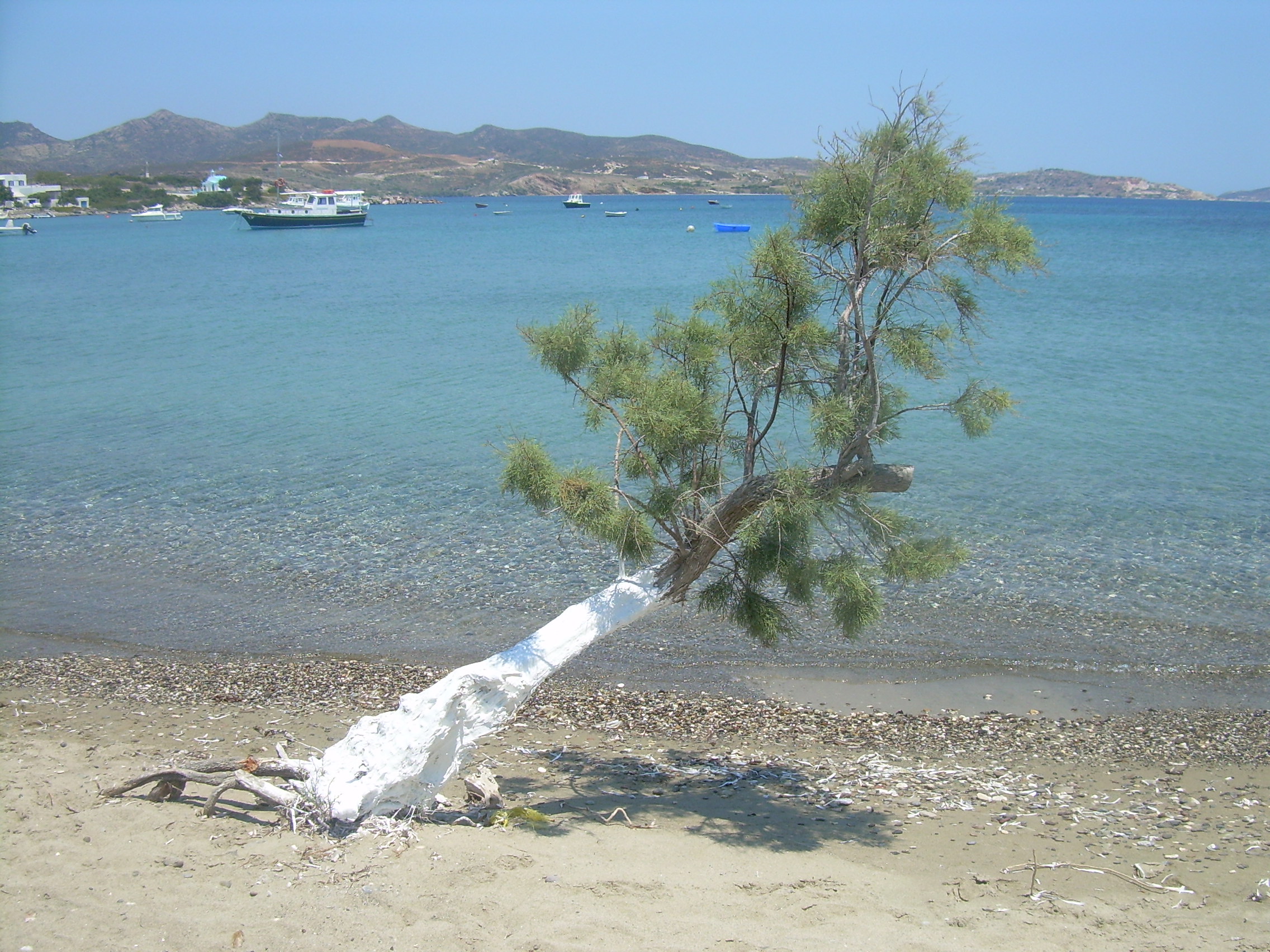
Jhau, scientifically identified as Tamarix dioica, is a species of flowering plant in the Tamaricaceae family, commonly known as the tamarisk family. This deciduous shrub or small tree is native to arid and semi-arid regions of Asia and Africa, often found along riverbanks and in saline environments. It is characterized by its slender branches, minute scale-like leaves, and pinkish-white flowers that grow in dense clusters.
Known for its tolerance to drought and salinity, Jhau plays a significant ecological role in stabilizing soil and preventing erosion in challenging landscapes. Various parts of the plant, including its leaves, bark, and galls, have been traditionally utilized across different cultures for diverse applications.
Other Names of Jhau
- Saltcedar
- Athel Tree
- Desert Tamarisk
- Small Tamarisk
- Indian Tamarisk
Heading
<h3> Absolute Contraindications of Jhau (Tamarix species) </h3> <h4> 1. Unstable or severe cardiovascular disease (e.g., decompensated heart failure, significant bradyarrhythmia) [In plain terms: serious heart conditions]</h4> <ul> <li> ❤️🩹</li> <li> Recommendation: Avoid taking Jhau extracts or concentrated preparations if you have unstable heart failure or serious irregular heart rhythms; discuss with your cardiologist first.</li> <li> Reasoning: Animal and ex vivo studies showed partial cardiac depressant activity and vasorelaxation from T. dioica extracts, which could worsen low cardiac output or dangerous bradycardia in vulnerable patients.</li> <li> Scientific_Study_Title: The Potential Involvement of an ATP-Dependent Potassium Channel-Opening Mechanism in the Smooth Muscle Relaxant Properties of Tamarix dioica Roxb</li> <li> Scientific_Study_Authors: Syeda Madiha Imtiaz, Ambreen Aleem, Fatima Saqib, Alexe Nicolae Ormenisan, Andrea Elena Neculau, Costin Vlad Anastasiu</li> <li> Scientific_Study_Link: https://pubmed.ncbi.nlm.nih.gov/31717691/</li> <li> Scientific_Study_Excerpt: <p>In laboratory and isolated-tissue experiments the hydromethanolic extract of Tamarix dioica produced spasmolytic, bronchodilatory and vasorelaxant effects. At higher concentrations the extract also produced partial cardiac depressant activity. Mechanistic testing indicated involvement of ATP-sensitive potassium (KATP) channel opening; pre-treatment with glibenclamide (a KATP blocker) reduced these effects. The authors conclude that the extract’s smooth muscle relaxing and vasodilatory effects are mediated, at least in part, via KATP channel opening and that cardiac depressant effects were observed under ex vivo conditions.</p> <p>This pattern suggests a pharmacological potential to lower vascular resistance and to blunt cardiac contractile responses at sufficient exposure - effects that may be unsafe in patients with already compromised cardiac function.</p> </li> </ul> <h4> 2. Concomitant use with antidiabetic medications that lower post-prandial glucose (e.g., acarbose or other α-glucosidase inhibitors) [In plain terms: people on blood-sugar medicines]</h4> <ul> <li> 🩺</li> <li> Recommendation: If you are on medications for diabetes, especially those that reduce post-meal glucose, consult your diabetes specialist before using Jhau; blood sugar checks may be needed and doses adjusted.</li> <li> Reasoning: T. dioica fractions inhibit α-glucosidase in vitro; combining this plant effect with antidiabetic drugs may produce additive glucose-lowering and increase hypoglycemia risk.</li> <li> Scientific_Study_Title: The In Vitro α-Glucosidase Inhibition Activity of Various Solvent Fractions of Tamarix dioica and 1H-NMR Based Metabolite Identification and Molecular Docking Analysis</li> <li> Scientific_Study_Authors: Aamir Niaz, Ahmad Adnan, Rashida Bashir, Muhammad Waseem Mumtaz, Syed Ali Raza, Umer Rashid, Chin Ping Tan, Tai Boon Tan</li> <li> Scientific_Study_Link: https://pubmed.ncbi.nlm.nih.gov/34199333/</li> <li> Scientific_Study_Excerpt: <p>The study fractionated methanolic extracts of T. dioica and found the ethyl-acetate fraction to have strong antioxidant activity and measurable α-glucosidase inhibition (IC50 ≈ 122.8 µg/mL). Metabolite profiling identified flavonoids such as quercetin, rutin and myricetin which are known bioactive compounds. Molecular docking supported plausible binding of these phytochemicals to α-glucosidase active sites.</p> <p>Because α-glucosidase inhibitors act by slowing carbohydrate breakdown and reducing post-prandial glucose, the in vitro inhibition observed implies a possibility of additive glucose-lowering when used with diabetes medicines - warranting monitoring.</p> </li> </ul> <h4> 3. Pre-existing disorders where raising platelet count or altering hematologic parameters is risky (e.g., active thrombosis, certain myeloproliferative states) [In plain terms: conditions where more platelets or blood changes could be harmful]</h4> <ul> <li> ⚖️</li> <li> Recommendation: If you have conditions with high clotting risk or unstable blood cell counts, avoid unsupervised Jhau use and check with your hematologist before trying it.</li> <li> Reasoning: Some clinical herbal formulations containing Tamarix (for example, multi-herb liver support formulas) and experimental Tamarix extracts have been associated with changes in liver markers and blood cell counts in clinical or preclinical contexts; this suggests Tamarix may influence hematological indices in combination with other herbs.</li> <li> Scientific_Study_Title: The efficacy of Liv-52 on liver cirrhotic patients: a randomized, double-blind, placebo-controlled first approach</li> <li> Scientific_Study_Authors: H Fallah Huseini, S M Alavian, R Heshmat, M R Heydari, K Abolmaali</li> <li> Scientific_Study_Link: https://pubmed.ncbi.nlm.nih.gov/16194047/</li> <li> Scientific_Study_Excerpt: <p>This randomized trial evaluated a multi-herb product (Liv-52) that lists Tamarix gallica among its components in cirrhotic patients. Over six months the treated group showed significant improvement in liver function markers and also changes in hematological indices that included platelet and white blood cell counts compared with placebo. The authors attribute benefits to the combined diuretic, anti-inflammatory and antioxidant actions of the component herbs.</p> <p>While Liv-52 is a combination product (so effects cannot be ascribed to Tamarix alone), the clinical alteration of platelet and blood counts in the trial supports the need for caution and monitoring when introducing herbs with possible hematologic effects into patients with blood-related disorders.</p> </li> </ul> <h3> Relative Contraindications of Jhau (Tamarix species) </h3> <h4> 1. Pregnancy and breastfeeding</h4> <ul> <li> 🤰</li> <li> Recommendation: Avoid concentrated Jhau extracts during pregnancy and breastfeeding due to lack of safety data; small culinary exposures (where culturally used) are different-discuss with your provider.</li> <li> Reasoning: There are no adequate controlled human studies on Tamarix safety in pregnancy or lactation; when safety data are lacking, the conservative approach is to avoid medicinal doses during these periods.</li> <li> Scientific_Study_Title: NA</li> <li> Scientific_Study_Authors: NA</li> <li> Scientific_Study_Link: NA</li> <li> Scientific_Study_Excerpt: <p>NA - no specific PubMed clinical safety studies for Tamarix in pregnancy or lactation were identified; therefore evidence is absent rather than evidence of safety.</p> </li> </ul> <h4> 2. Children (especially infants and young children)</h4> <ul> <li> 🧒</li> <li> Recommendation: Do not give medicinal doses of Jhau to young children without pediatric guidance; dosing and safety data are limited.</li> <li> Reasoning: Preclinical and adult studies exist, but formal pediatric safety and dosing trials were not identified; children can be more sensitive to cardiac, metabolic or hematologic effects.</li> <li> Scientific_Study_Title: NA</li> <li> Scientific_Study_Authors: NA</li> <li> Scientific_Study_Link: NA</li> <li> Scientific_Study_Excerpt: <p>NA - pediatric safety studies for Tamarix extracts are not available in indexed clinical literature.</p> </li> </ul> <h4> 3. Concurrent use with potassium-channel-affecting drugs (e.g., sulfonylurea glibenclamide) - use with caution</h4> <ul> <li> ⚗️</li> <li> Recommendation: If you take drugs that act on ATP-sensitive potassium channels or strong KATP modulators, consult your physician; dose adjustments or monitoring may be needed.</li> <li> Reasoning: Experimental work showed that pre-treating tissues with glibenclamide (a KATP channel blocker) altered the effects of Tamarix extract, indicating pharmacodynamic interaction at KATP channels - either antagonism or unpredictable modulation is possible when combined with channel-active drugs.</li> <li> Scientific_Study_Title: The Potential Involvement of an ATP-Dependent Potassium Channel-Opening Mechanism in the Smooth Muscle Relaxant Properties of Tamarix dioica Roxb</li> <li> Scientific_Study_Authors: Syeda Madiha Imtiaz, Ambreen Aleem, Fatima Saqib, Alexe Nicolae Ormenisan, Andrea Elena Neculau, Costin Vlad Anastasiu</li> <li> Scientific_Study_Link: https://pubmed.ncbi.nlm.nih.gov/31717691/</li> <li> Scientific_Study_Excerpt: <p>In ex vivo assays, the smooth-muscle relaxing and vasodilatory actions of T. dioica were reduced when tissues were pretreated with glibenclamide, a blocker of ATP-sensitive potassium channels. This pharmacological interaction demonstrates that Tamarix effects involve KATP pathways and that combining it with drugs that block or activate the same channels may change clinical responses.</p> </li> </ul>
Heading
<h4> 1. Low blood pressure / lightheadedness</h4> <ul> <li> 🩺</li> <li> Side effect summary: Taking concentrated Jhau extracts may cause drops in blood pressure or lightheadedness in some people because of vasodilation.</li> <li> Recommendation: If you feel dizzy or faint after using Jhau, stop it and see a clinician; people on blood-pressure medicines should consult their prescriber before use.</li> <li> Reasoning: T. dioica extracts exhibited vasorelaxant (blood-vessel-relaxing) activity in ex vivo experiments - this pharmacology can translate into clinically meaningful blood pressure lowering in susceptible people or when combined with antihypertensive drugs.</li> <li> Severity Level: Moderate</li> <li> Scientific_Study_Available: Yes</li> <li> Scientific_Study_Title: The Potential Involvement of an ATP-Dependent Potassium Channel-Opening Mechanism in the Smooth Muscle Relaxant Properties of Tamarix dioica Roxb</li> <li> Scientific_Study_Authors: Syeda Madiha Imtiaz, Ambreen Aleem, Fatima Saqib, Alexe Nicolae Ormenisan, Andrea Elena Neculau, Costin Vlad Anastasiu</li> <li> Scientific_Study_Link: https://pubmed.ncbi.nlm.nih.gov/31717691/</li> <li> Scientific_Study_Excerpt: <p>The study reports vasorelaxant and KATP-channel opening activity of Tamarix dioica extracts in isolated vascular tissue. Vasorelaxation was observed ex vivo and was one of the main pharmacodynamic effects identified; this supports the plausible clinical side effect of hypotension or lightheadedness in sensitive individuals or in combination with blood pressure-lowering medicines.</p> </li> </ul> <h4> 2. Possible blood-sugar lowering (post-meal) - may increase risk of hypoglycemia when combined with diabetes medicines</h4> <ul> <li> 🔬</li> <li> Side effect summary: Jhau fractions inhibit α-glucosidase in lab tests - this can reduce the rise in blood sugar after meals and, when combined with antidiabetic drugs, could contribute to low blood sugar.</li> <li> Recommendation: People with diabetes should monitor their blood glucose closely if they use Jhau and only do so under medical supervision.</li> <li> Reasoning: The ethyl-acetate fraction of T. dioica inhibited α-glucosidase and contained flavonoids known to affect carbohydrate digestion; additive effects with antidiabetic agents are biologically plausible.</li> <li> Severity Level: Moderate</li> <li> Scientific_Study_Available: Yes</li> <li> Scientific_Study_Title: The In Vitro α-Glucosidase Inhibition Activity of Various Solvent Fractions of Tamarix dioica and 1H-NMR Based Metabolite Identification and Molecular Docking Analysis</li> <li> Scientific_Study_Authors: Aamir Niaz, Ahmad Adnan, Rashida Bashir, Muhammad Waseem Mumtaz, Syed Ali Raza, Umer Rashid, Chin Ping Tan, Tai Boon Tan</li> <li> Scientific_Study_Link: https://pubmed.ncbi.nlm.nih.gov/34199333/</li> <li> Scientific_Study_Excerpt: <p>The research found strong DPPH antioxidant activity and α-glucosidase inhibition in the ethyl-acetate fraction of T. dioica, and identified flavonoids such as quercetin and rutin that likely mediate the effect. Molecular docking supported binding of identified metabolites to α-glucosidase. These findings explain a potential blood-sugar lowering action at the gut level.</p> </li> </ul> <h4> 3. Allergic or topical skin reactions (rare)</h4> <ul> <li> 🌿</li> <li> Side effect summary: As with many plant extracts, topical or oral use can cause allergic reactions in sensitive individuals (rash, itching).</li> <li> Recommendation: Stop use and seek medical advice if a rash, swelling or breathing difficulty occurs after exposure; patch-test topical preparations if using for the first time.</li> <li> Reasoning: Tamarix species contain tannins and other phenolic compounds that sometimes provoke local irritation or contact sensitivity; while large controlled allergy datasets are absent, standard herbal safety practice advises caution.</li> <li> Severity Level: Mild</li> <li> Scientific_Study_Available: NA</li> <li> Scientific_Study_Title: NA</li> <li> Scientific_Study_Authors: NA</li> <li> Scientific_Study_Link: NA</li> <li> Scientific_Study_Excerpt: <p>NA - specific indexed clinical allergy case reports for Tamarix were not found in the searched literature; guidance is based on general herbal safety principles and known chemistry (tannins/phenolics) that can cause sensitivity in some people.</p> </li> </ul>
Heading
<h4> 1. Antidiabetic agents (especially α-glucosidase inhibitors and drugs where post-prandial control matters)</h4> <ul> <li> Interaction_Details: Compounds in Jhau inhibit α-glucosidase (an enzyme that breaks down carbohydrates). If used with drugs that lower post-meal glucose, the combined effect could lower blood sugar more than expected.</li> <li> Severity: Moderate</li> <li> Recommendation: Monitor blood glucose closely and consult your diabetes clinician before combining; dose adjustments of diabetes medicines may be necessary.</li> <li> Scientific_Study_Available: Yes</li> <li> Scientific_Study_Link: https://pubmed.ncbi.nlm.nih.gov/34199333/</li> <li> Scientific_Study_Title: The In Vitro α-Glucosidase Inhibition Activity of Various Solvent Fractions of Tamarix dioica and 1H-NMR Based Metabolite Identification and Molecular Docking Analysis</li> <li> Scientfic_Study_Authors: Aamir Niaz, Ahmad Adnan, Rashida Bashir, Muhammad Waseem Mumtaz, Syed Ali Raza, Umer Rashid, Chin Ping Tan, Tai Boon Tan</li> <li> Scientific_Study_Excerpt: <p>The ethyl-acetate fraction of T. dioica showed significant in vitro α-glucosidase inhibition with an IC50 ≈ 122.8 µg/mL and contained flavonoids (tamarixetin, quercetin, rutin, myricetin) likely responsible for the activity. Molecular docking supported binding of these phytochemicals to α-glucosidase active sites, supporting a plausible mechanism for additive glucose-lowering if combined with antidiabetic drugs.</p> </li> </ul> <h4> 2. Antihypertensives / vasodilators</h4> <ul> <li> Interaction_Details: Jhau extracts can relax blood vessels and lower vascular tone via KATP channel opening; used together with blood-pressure medicines this could produce additive hypotension or symptomatic dizziness.</li> <li> Severity: Moderate</li> <li> Recommendation: People on antihypertensive therapy should consult their prescriber and monitor blood pressure if considering Jhau; avoid starting both at once without supervision.</li> <li> Scientific_Study_Available: Yes</li> <li> Scientific_Study_Link: https://pubmed.ncbi.nlm.nih.gov/31717691/</li> <li> Scientific_Study_Title: The Potential Involvement of an ATP-Dependent Potassium Channel-Opening Mechanism in the Smooth Muscle Relaxant Properties of Tamarix dioica Roxb</li> <li> Scientfic_Study_Authors: Syeda Madiha Imtiaz, Ambreen Aleem, Fatima Saqib, Alexe Nicolae Ormenisan, Andrea Elena Neculau, Costin Vlad Anastasiu</li> <li> Scientific_Study_Excerpt: <p>Ex vivo and in vivo assays demonstrated vasorelaxant activity of T. dioica extracts alongside antidiarrheal and bronchodilator effects. Mechanistic testing implicated KATP channel opening; these pharmacologic actions support the possibility of additive blood-pressure lowering when combined with conventional antihypertensive medications.</p> </li> </ul> <h4> 3. Drugs that affect KATP channels (e.g., sulfonylureas such as glibenclamide)</h4> <ul> <li> Interaction_Details: Experimental work showed that pre-treating tissues with glibenclamide (a KATP blocker) altered the effects of Jhau extract. This implies direct pharmacodynamic interaction at the KATP channel level - the herb may be antagonized by KATP blockers, or the combination may change expected drug effects.</li> <li> Severity: Mild</li> <li> Recommendation: If you are taking sulfonylureas or other KATP-modulating drugs, discuss with your clinician before using Jhau; expect potential changes in drug effect and the need for monitoring rather than an outright ban.</li> <li> Scientific_Study_Available: Yes</li> <li> Scientific_Study_Link: https://pubmed.ncbi.nlm.nih.gov/31717691/</li> <li> Scientific_Study_Title: The Potential Involvement of an ATP-Dependent Potassium Channel-Opening Mechanism in the Smooth Muscle Relaxant Properties of Tamarix dioica Roxb</li> <li> Scientfic_Study_Authors: Syeda Madiha Imtiaz, Ambreen Aleem, Fatima Saqib, Alexe Nicolae Ormenisan, Andrea Elena Neculau, Costin Vlad Anastasiu</li> <li> Scientific_Study_Excerpt: <p>In the reported experiments, glibenclamide pre-treatment (a KATP blocker) reduced the smooth muscle relaxation and vasorelaxation produced by T. dioica extract. This pharmacological interaction shows shared mechanistic sites and a potential for altered responses when the herb and KATP-targeting drugs are combined.</p> </li> </ul>