Jardalu (Apricot)

Prunus armeniaca
In Ayurveda, Jardalu (Apricot) is widely recognized for its sweet taste and is claimed to balance Vata and Pitta doshas while increasing Kapha. Traditionally, it's supposed to support digestive health and provide nourishment. This fruit is prevalent in various traditional remedies and culinary applications, especially across South Asia and the Middle East.
PLANT FAMILY
Rosaceae (Rose)
PARTS USED
Fruit, Seed, Gum
AYURVEDIC ACTION
Vata ↓, Pitta ↓, Kapha ↑
ACTIVE COMPOUNDS
Amygdalin (0.5-2%)

What is Jardalu (Apricot)?

Jardalu, commonly known as Apricot (Prunus armeniaca), is a stone fruit belonging to the Rosaceae family, closely related to plums, peaches, and cherries. Native to parts of Asia, particularly China and Central Asia, it is characterized by its velvety skin, delicate flesh, and a single large seed or "stone" at its core. Apricots are widely cultivated globally for their sweet, slightly tart flavor.

This fruit is enjoyed fresh, dried, or incorporated into various culinary dishes, including jams, desserts, and savory preparations. Its cultivation has a long history, adapting to diverse climates and becoming a staple in many traditional diets.

Other Names of Jardalu (Apricot)

  • Apricot
  • Armenian plum
  • Kaiso
  • Mishmish
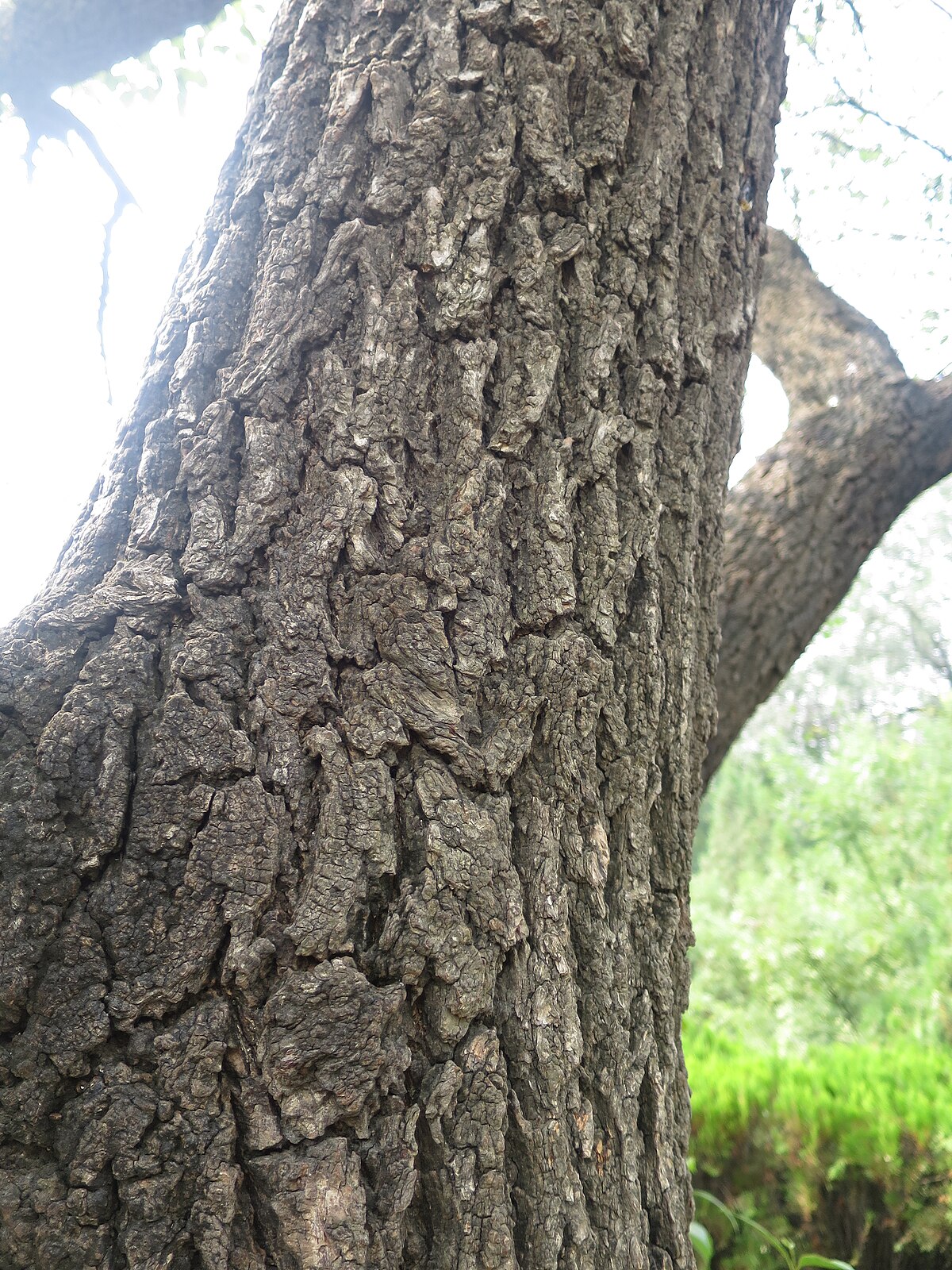
Bark of Prunus armeniaca Luoyang

Benefits of Jardalu (Apricot)

Heading

<h3> Absolute Contraindications of Jardalu (Apricot) </h3> <h4> Apricot kernels / amygdalin ingestion (anyone considering kernel consumption) [Plain language]</h4> <ul> <li> ⚠️</li> <li> Recommendation: Do not eat raw apricot kernels or take amygdalin/laetrile supplements; avoid kernel extracts entirely. If accidental ingestion of many kernels occurs, seek emergency care immediately.</li> <li> Reasoning: Kernels contain amygdalin/prunasin that can be converted to hydrogen cyanide in the gut. Even small numbers of bitter kernels can release dangerous cyanide doses; children and some adults can reach toxic levels after eating only a few kernels. </li> <li> Scientific_Study_Title: Acute cyanide toxicity caused by apricot kernel ingestion.</li> <li> Scientific_Study_Authors: Suchard JR, Wallace KL, Gerkin RD.</li> <li> Scientific_Study_Link: https://pubmed.ncbi.nlm.nih.gov/9832674/</li> <li> Scientific_Study_Excerpt: <p>Paraphrase: The report describes an adult who developed rapid weakness, breathing difficulty and coma after ingesting apricot kernels; treatment for cyanide poisoning (antidotes and thiosulfate) produced prompt improvement. The authors document the clinical progression, laboratory evidence of cyanide exposure and the response to antidotal therapy, highlighting that kernel ingestion - especially when kernels are chewed or processed - can produce life-threatening cyanide toxicity and requires immediate medical management.</p> </li> </ul> <h4> Young children / toddlers (inadvertent kernel ingestion) [Plain language] </h4> <ul> <li> 👶</li> <li> Recommendation: Keep apricot kernels and kernel-containing products far out of reach of children; do not offer kernels as snacks. If a child eats kernels, call Poison Control or go to ER without delay.</li> <li> Reasoning: Children have lower body weight and detox capacity; a single small kernel can exceed safety thresholds for toddlers and cause cyanide poisoning.</li> <li> Scientific_Study_Title: Role of Hemodialysis in the Management of Cyanide Intoxication From Apricot Kernels in a 3-Year-Old Child.</li> <li> Scientific_Study_Authors: Rezaei M, et al. (case report authors listed in PubMed entry)</li> <li> Scientific_Study_Link: https://pubmed.ncbi.nlm.nih.gov/30399062/</li> <li> Scientific_Study_Excerpt: <p>Paraphrase: This pediatric case report describes severe cyanide poisoning in a 3-year-old after ingesting a small number of apricot kernels, with respiratory distress, coma and profound metabolic acidosis. The child improved after supportive care, hemodialysis and later administration of a cyanide antidote (hydroxocobalamin). The authors emphasise that even a few kernels can produce critical illness in young children and recommend urgent treatment and awareness.</p> </li> </ul> <h4> Pregnancy and breastfeeding (maternal kernel / high-dose kernel extract use) [Plain language] </h4> <ul> <li> 🤰</li> <li> Recommendation: Pregnant and breastfeeding people should avoid apricot kernel products and high-dose amygdalin; stick to normal dietary amounts of the ripe fruit and consult your clinician before using concentrated preparations.</li> <li> Reasoning: Animal data and toxicology reviews suggest cyanide (and its metabolite thiocyanate) can cross the placenta and appear in milk; chronic or high exposure may affect fetal or neonatal development and thyroid function in iodine-deficient settings.</li> <li> Scientific_Study_Title: Apricot Uses, Benefits & Dosage (evidence summary; pregnancy/lactation guidance) - summary article citing WHO and toxicology data.</li> <li> Scientific_Study_Authors: Entry authors (drugs.com content compendium; collated references include WHO reports).</li> <li> Scientific_Study_Link: https://www.drugs.com/npp/apricot.html</li> <li> Scientific_Study_Excerpt: <p>Paraphrase: Major reference summaries advise that while the edible fruit is generally safe as food, concentrated apricot kernel products and laetrile are not recommended during pregnancy or breastfeeding because cyanide and thiocyanate can cross the placenta and milk; animal studies show developmental and thyroid effects under conditions of cyanide/thiocyanate exposure, supporting a precautionary ban on kernel use in pregnancy.</p> </li> </ul> <h3> Relative Contraindications of Jardalu (Apricot) </h3> <h4> Diabetes / people on glucose-lowering drugs [Plain language]</h4> <ul> <li> 🩺</li> <li> Recommendation: If you have diabetes and use medications to lower blood sugar, consult your doctor before taking concentrated apricot extracts, leaves or kernel-derived supplements - monitor blood glucose closely.</li> <li> Reasoning: Apricot polysaccharides and polyphenol extracts inhibit α-glucosidase/α-amylase in lab studies; this can enhance the blood-glucose-lowering effect of antidiabetic drugs and raise hypoglycaemia risk when combined in unmonitored ways.</li> <li> Scientific_Study_Title: Purification and structural characterization of an α-glucosidase inhibitory polysaccharide from apricot (Armeniaca sibirica) pulp.</li> <li> Scientific_Study_Authors: Cui J, Gu X, Wang F, Ouyang J, Wang J. (Carbohydr Polym. 2015)</li> <li> Scientific_Study_Link: https://pubmed.ncbi.nlm.nih.gov/25659703/</li> <li> Scientific_Study_Excerpt: <p>Paraphrase: Researchers isolated a polysaccharide fraction from apricot pulp that inhibited α-glucosidase in vitro with measurable IC50 values, indicating potential to reduce carbohydrate digestion. While these are preclinical findings, they show a plausible mechanism by which apricot extracts could add to glucose-lowering effects in humans, so concurrent use with diabetes drugs should be supervised.</p> </li> </ul> <h4> Known tree-fruit / Rosaceae allergy or latex-food syndrome [Plain language]</h4> <ul> <li> 🌿</li> <li> Recommendation: If you have allergy to apricot, peach, almond or known lipid transfer protein (LTP) sensitisation, avoid apricot products unless allergy testing and clinician advice say otherwise.</li> <li> Reasoning: Apricot contains specific protein allergens (eg. Pru ar 3, a lipid transfer protein) that can trigger systemic or oral allergy symptoms and cross-react with related fruits and nuts.</li> <li> Scientific_Study_Title: Simulated gastrointestinal digestion of Pru ar 3 apricot allergen: assessment of allergen resistance and characterization of the peptides.</li> <li> Scientific_Study_Authors: Prandi B, Farioli L, Tedeschi T, Pastorello EA, Sforza S.</li> <li> Scientific_Study_Link: https://pubmed.ncbi.nlm.nih.gov/23136021/</li> <li> Scientific_Study_Excerpt: <p>Paraphrase: The study characterizes Pru ar 3 (apricot LTP) and shows it produces digestion-resistant peptides; such stability is associated with clinically relevant food allergy risk. The authors note cross-reactivity of LTPs among Rosaceae fruits, explaining why patients allergic to one fruit may react to others.</p> </li> </ul>

Heading

<h4> Cyanide poisoning / systemic toxicity</h4> <ul> <li> ☠️</li> <li> Side effect summary: Eating many apricot kernels (or concentrated amygdalin supplements) can produce cyanide poisoning: nausea, vomiting, dizziness, fast breathing, low blood pressure, confusion, seizures, coma and possibly death.</li> <li> Recommendation: Kernel ingestion in large amounts is an emergency - call Poison Control or seek ER care; do NOT attempt home remedies. For routine fruit consumption (flesh) there is no concern.</li> <li> Reasoning: Amygdalin/prunasin hydrolysis releases hydrogen cyanide; dose and individual susceptibility determine severity. Children and those with reduced detox capacity are at higher risk.</li> <li> Severity Level: Severe</li> <li> Scientific_Study_Available: Yes</li> <li> Scientific_Study_Title: Severe cyanide poisoning from an alternative medicine treatment with amygdalin and apricot kernels in a 4-year-old child.</li> <li> Scientific_Study_Authors: (case report authors as listed on PubMed - see entry)</li> <li> Scientific_Study_Link: https://pubmed.ncbi.nlm.nih.gov/25605411/</li> <li> Scientific_Study_Excerpt: <p>Paraphrase: A pediatric case report documents life-threatening cyanide poisoning after oral amygdalin plus apricot kernel use in a child with cancer; blood cyanide was markedly elevated, the child had severe encephalopathy and lactic acidosis, and rapid antidotal treatment produced recovery. The report stresses the danger of unregulated complementary therapies containing cyanogenic glycosides and the need for clinician awareness.</p> </li> </ul> <h4> Allergic reactions (oral allergy syndrome, contact dermatitis, anaphylaxis in sensitised people)</h4> <ul> <li> 🤧</li> <li> Side effect summary: People sensitised to apricot or related Rosaceae fruits may experience itching or swelling in the mouth (oral allergy), hives, or-rarely-systemic allergic reactions after eating fruit or using topical kernel/leaf products.</li> <li> Recommendation: Stop apricot products if you notice allergic symptoms; seek allergy testing and emergency care if breathing or swelling of the throat occurs.</li> <li> Reasoning: Apricot contains LTP and Bet v 1-like proteins that can trigger IgE-mediated responses; some proteins resist digestion and provoke clinical symptoms.</li> <li> Severity Level: Moderate</li> <li> Scientific_Study_Available: Yes</li> <li> Scientific_Study_Title: Simulated gastrointestinal digestion of Pru ar 3 apricot allergen: assessment of allergen resistance and characterization of the peptides.</li> <li> Scientific_Study_Authors: Prandi B, Farioli L, Tedeschi T, Pastorello EA, Sforza S.</li> <li> Scientific_Study_Link: https://pubmed.ncbi.nlm.nih.gov/23136021/</li> <li> Scientific_Study_Excerpt: <p>Paraphrase: The authors show that Pru ar 3 generates digestion-resistant peptide fragments that include immunodominant epitopes, a property linked to clinically meaningful food allergy. This molecular behaviour explains why apricot can cause oral allergy symptoms or more serious reactions in sensitised individuals.</p> </li> </ul> <h4> Gastrointestinal upset (nausea, vomiting, abdominal pain) when kernels or extracts are used</h4> <ul> <li> 🤢</li> <li> Side effect summary: Kernel ingestion often causes nausea, vomiting or abdominal discomfort early in toxicity; mild GI upset can occur with concentrated extracts.</li> <li> Recommendation: For mild symptoms stop the suspected product and consult a clinician; if symptoms progress or include faintness/respiratory problems, seek emergency care.</li> <li> Reasoning: GI symptoms are common early signs of cyanide exposure and of local irritation from concentrated plant extracts.</li> <li> Severity Level: Mild to Moderate (depends on dose)</li> <li> Scientific_Study_Available: Yes</li> <li> Scientific_Study_Title: High-dose ascorbic acid decreases detoxification of cyanide derived from amygdalin (laetrile): studies in guinea pigs (supports mechanism of worsened toxicity and GI signs reported in case series).</li> <li> Scientific_Study_Authors: Basu TK.</li> <li> Scientific_Study_Link: https://pubmed.ncbi.nlm.nih.gov/6661693/</li> <li> Scientific_Study_Excerpt: <p>Paraphrase: Animal experiments show that co-administration of large ascorbic acid doses can reduce detoxification reserves for cyanide derived from amygdalin and increase cyanide-related toxicity signs (including vomiting and weakness). Translationally, this supports clinical reports where GI symptoms were part of the presentation in patients taking kernel products with high vitamin C.</p> </li> </ul>

Heading

<h4> High-dose Vitamin C / Ascorbic acid</h4> <ul> <li> Interaction_Details: Large oral vitamin C (ascorbic acid) doses can increase conversion of amygdalin to free cyanide and may lower cysteine stores needed to detoxify cyanide, magnifying cyanide toxicity risk when amygdalin/kernel products are used concurrently.</li> <li> Severity: Severe</li> <li> Recommendation: Avoid combining amygdalin or apricot kernel products with high-dose vitamin C; if both have been taken and symptoms develop, seek urgent care. Do not self-administer these combinations. </li> <li> Scientific_Study_Available: Yes</li> <li> Scientific_Study_Link: https://pubmed.ncbi.nlm.nih.gov/16014371/</li> <li> Scientific_Study_Title: Life-threatening interaction between complementary medicines: cyanide toxicity following ingestion of amygdalin and vitamin C.</li> <li> Scientfic_Study_Authors: Bromley SM, et al. (Ann Pharmacother. 2005)</li> <li> Scientific_Study_Excerpt: <p>Paraphrase: A clinical report documents severe cyanide poisoning in a cancer patient after a first dose of amygdalin while taking large daily vitamin C. The authors explain that vitamin C enhances in vitro conversion of amygdalin to cyanide and reduces cysteine (used to detoxify cyanide), offering a plausible explanation for the life-threatening reaction and recommending caution about combining these complementary therapies.</p> </li> </ul> <h4> Prescription antidiabetic drugs (sulfonylureas, insulin, metformin - interacting by potentiation of glucose lowering)</h4> <ul> <li> Interaction_Details: Apricot extracts that inhibit α-glucosidase and related carbohydrate-digesting enzymes can add to the glucose-lowering effect of prescribed antidiabetic medications, increasing the risk of hypoglycaemia if not monitored.</li> <li> Severity: Moderate</li> <li> Recommendation: Consult your healthcare provider before using concentrated apricot extracts or supplements if you take diabetes medications; monitor blood glucose more frequently until effects are known.</li> <li> Scientific_Study_Available: Yes</li> <li> Scientific_Study_Link: https://pubmed.ncbi.nlm.nih.gov/25659703/</li> <li> Scientific_Study_Title: Purification and structural characterization of an α-glucosidase inhibitory polysaccharide from apricot (Armeniaca sibirica) pulp.</li> <li> Scientfic_Study_Authors: Cui J, Gu X, Wang F, Ouyang J, Wang J.</li> <li> Scientific_Study_Excerpt: <p>Paraphrase: Laboratory isolation of an apricot polysaccharide showed clear α-glucosidase inhibitory action (an established mechanism for lowering post-meal glucose). Although clinical human dosing data are limited, the mechanism supports the possibility that concentrated apricot preparations could potentiate antidiabetic drugs and should be used under medical supervision.</p> </li> </ul> <h4> Chronic high cyanide exposure → thyroid iodine uptake (relative concern for patients on thyroid therapy)</h4> <ul> <li> Interaction_Details: Chronic exposure to cyanide (and its metabolite thiocyanate) can compete with iodide uptake into the thyroid gland, potentially affecting thyroid hormone synthesis and interacting with management of hypothyroidism or iodine deficiency states.</li> <li> Severity: Mild</li> <li> Recommendation: People with known thyroid disease (especially with low iodine intake) should avoid regular consumption of kernel products and discuss any use with their endocrinologist; routine dietary apricot fruit is not problematic.</li> <li> Scientific_Study_Available: Yes</li> <li> Scientific_Study_Link: https://www.ncbi.nlm.nih.gov/pmc/articles/PMC7009189/</li> <li> Scientific_Study_Title: Evaluation of the health risks related to the presence of cyanogenic glycosides in foods other than raw apricot kernels (EFSA review and related discussion).</li> <li> Scientfic_Study_Authors: EFSA CONTAM Panel (2019 opinion, and 2016 EFSA opinion cited within).</li> <li> Scientific_Study_Excerpt: <p>Paraphrase: EFSA and supporting reviews note that cyanide is metabolized to thiocyanate, which can inhibit iodide uptake by the thyroid sodium-iodide symporter. Documented thyroid disorders linked to cyanogenic foods appear mainly in populations with chronic exposure, iodine deficiency and poor nutrition; nevertheless, chronic kernel use could elevate thiocyanate and affect thyroid function in susceptible people.</p> </li> </ul>