What is Imli (Tamarind)?
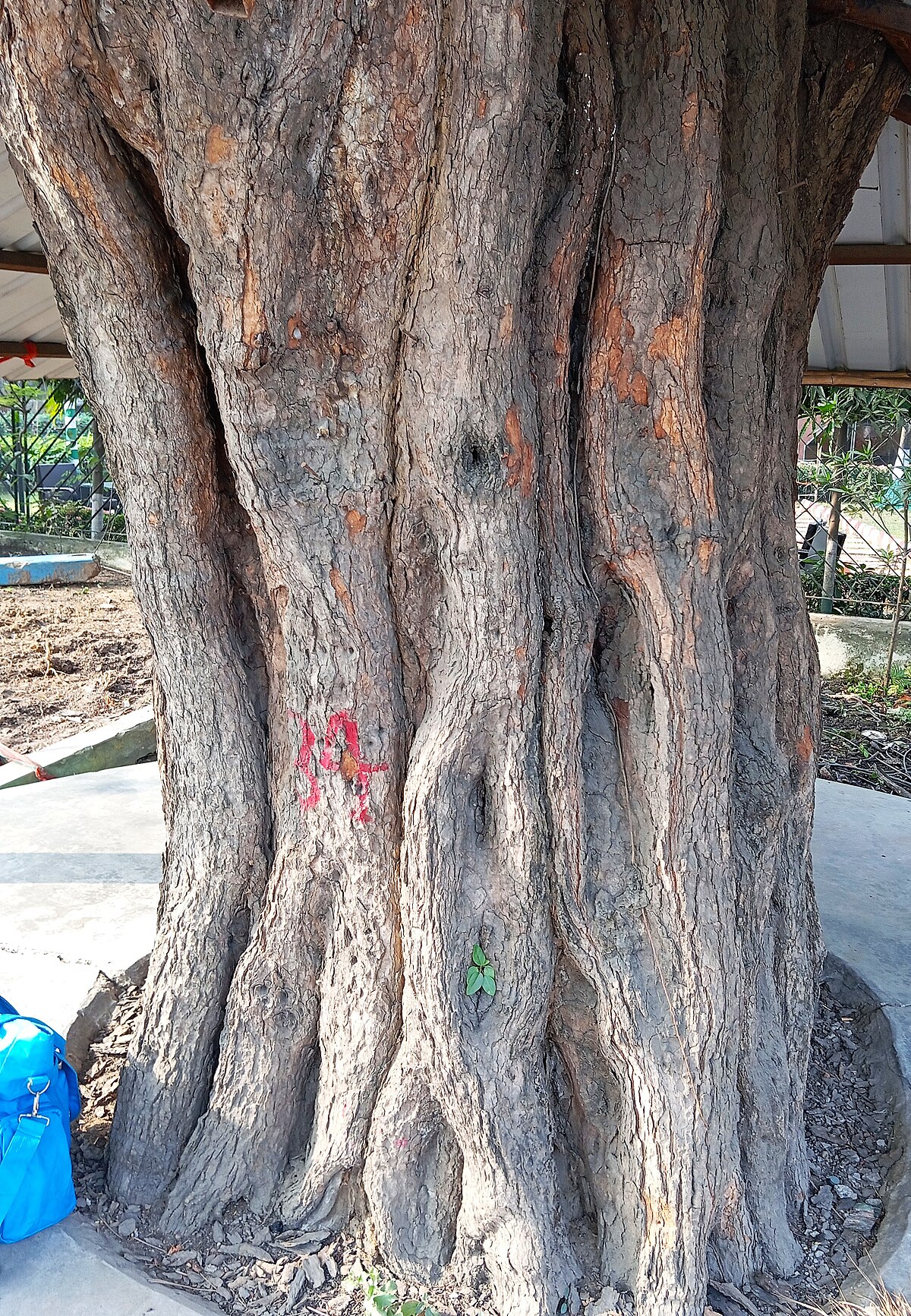
Imli, commonly known as Tamarind (scientific name: Tamarindus indica), is a leguminous tree in the family Fabaceae, native to tropical Africa. It produces pod-like fruits containing an edible pulp that is sweet-sour and widely used in cuisines around the world. The tree is characterized by its dense canopy and deep roots, thriving in warm, semi-arid climates.
This fruit is a versatile ingredient, found in everything from chutneys and curries to beverages and desserts. Beyond its culinary applications, various parts of the tamarind tree have been historically employed in traditional medicine due to their purported therapeutic properties.
Other Names of Imli (Tamarind)
- Indian Date
- Tamarindo
- Usiri
- Chintapandu
Heading
<h3> Absolute Contraindications of Imli (Tamarind) </h3> <h4> People taking aspirin or other antiplatelet/anticoagulant drugs (e.g., aspirin, clopidogrel, warfarin) - "On blood thinners"</h4> <ul> <li>🩸</li> <li>Recommendation: Avoid consuming concentrated tamarind preparations or large servings of tamarind with prescription blood thinners or regular high-dose aspirin without medical advice; discuss with your prescribing clinician first.</li> <li>Reasoning: Tamarind fruit extract has been shown in human pharmacokinetic testing to increase the systemic exposure (Cmax and AUC) of aspirin and its metabolite, meaning it can amplify aspirin’s blood-thinning effects and raise bleeding risk when combined with antiplatelet or anticoagulant therapy.</li> <li>Scientific_Study_Title: Effect of Tamarindus indica L. on the bioavailability of aspirin in healthy human volunteers</li> <li>Scientific_Study_Authors: A Mustapha, I A Yakasai, I A Aguye</li> <li>Scientific_Study_Link: https://pubmed.ncbi.nlm.nih.gov/8980919/</li> <li>Scientific_Study_Excerpt: <p>The published human pharmacokinetic study administered 600 mg aspirin tablets to six healthy volunteers and compared plasma aspirin and salicylate levels after the drug was taken under fasting conditions, with a normal meal, and with a traditional meal containing Tamarindus indica fruit extract. When tamarind was included in the meal, investigators observed statistically significant increases in aspirin and salicylic acid peak concentrations (Cmax) and total exposure (AUC) as well as changes in elimination parameters. The authors concluded that Tamarindus indica fruit extract significantly increased aspirin bioavailability in this small human study, a change that could increase aspirin’s pharmacologic and adverse effects (notably bleeding) when co-administered. (Paraphrased summary of study methods and principal pharmacokinetic findings.)</p> </li> </ul> <h4>Pregnancy - "Pregnant or trying to conceive"</h4> <ul> <li>🤰</li> <li>Recommendation: Avoid therapeutic or concentrated tamarind extracts during pregnancy and in early attempts to conceive; if you are pregnant or planning pregnancy, limit medicinal use and consult an obstetric provider before using tamarind therapeutically.</li> <li>Reasoning: Experimental studies report that certain concentrated tamarind extracts can interfere with implantation and produce abortifacient effects in animal models; because of this potential reproductive impact, tamarind extracts are considered unsafe as a medicinal intake in pregnancy until more human safety data exist.</li> <li>Scientific_Study_Title: Anti-fertility and abortifacient activity of hydroalcoholic fruit pulp extract of Tamarindus indica</li> <li>Scientific_Study_Authors: Mandeep Kaur, Avtar Chand Rana, Sunil Kumar, Beena Kumari, Dinesh Kumar, Ashok Jangra</li> <li>Scientific_Study_Link: https://doi.org/10.1016/j.phyplu.2023.100507 (Phytomedicine Plus, 2023)</li> <li>Scientific_Study_Excerpt: <p>In controlled animal experiments reported in this peer-reviewed article, researchers evaluated a hydroalcoholic extract of tamarind fruit pulp for effects on implantation, abortifacient action, and reproductive hormones in female Wistar rats. Phytochemical screening showed steroids, flavonoids, saponins, tannins and alkaloids in the extract. When administered during early pregnancy, the extract significantly reduced implantation and produced abortifacient effects compared with controls. The extract also exhibited estrogenic activity on uterine histology (increased endometrial thickness and vaginal cornification) and altered reproductive hormone levels (suppressed LH/FSH with altered estrogen and related biochemical markers). The authors concluded the extract had potent anti-implantation and abortifacient effects in this animal model and recommended avoiding medicinal use in pregnancy and further safety evaluation before human use.</p> </li> </ul> <h4>Advanced chronic kidney disease or documented hyperkalemia - "Severe kidney disease / high potassium risk"</h4> <ul> <li>⚠️</li> <li>Recommendation: If you have moderate-to-severe chronic kidney disease (CKD) or recurrent hyperkalemia, avoid large servings or medicinal doses of tamarind because it is relatively high in potassium; discuss safe portion sizes with your renal dietitian or nephrologist.</li> <li>Reasoning: Tamarind pulp and seeds contain substantial amounts of potassium; in patients with impaired renal potassium excretion, dietary potassium can raise serum potassium and risk arrhythmia or other complications. Concentrated extracts or large intakes magnify this risk.</li> <li>Scientific_Study_Title: Tamarind (Tamarindus indica L.) research - a review (proximate & mineral composition summarized)</li> <li>Scientific_Study_Authors: (review) - various; see article "Tamarind (Tamarindus indica L.) research - a review" and proximate composition studies cited within</li> <li>Scientific_Study_Link: https://www.researchgate.net/publication/281466386_Tamarind_Tamarindus_indica_L_research_-_a_review</li> <li>Scientific_Study_Excerpt: <p>Comprehensive compositional reviews and proximate analyses of Tamarindus indica report that the fruit pulp contains substantial mineral content, with potassium values commonly reported in ranges such as ~60-600 mg per 100 g depending on variety and analysis method. Seed analyses also show high mineral content. Because of this relatively high potassium concentration in pulp and especially in concentrated preparations, the dietary potassium load from tamarind can be nontrivial. The review authors note that tamarind has been used as food and medicine across regions and emphasize that mineral composition varies by sample, but the potassium content is consistently highlighted - supporting the practical recommendation to limit tamarind amounts in patients with impaired renal potassium handling.</p> </li> </ul> <h3> Relative Contraindications of Imli (Tamarind) </h3> <h4>Diabetes on prescription hypoglycemic drugs - "Taking blood-sugar medications"</h4> <ul> <li>🩺</li> <li>Recommendation: If you take insulin or oral hypoglycemics, avoid high doses of tamarind extracts or concentrated supplements without monitoring blood glucose closely; discuss with your clinician because tamarind can additive-lower blood glucose.</li> <li>Reasoning: Numerous preclinical studies show tamarind extracts inhibit digestive carbohydrate enzymes and increase peripheral glucose uptake, which can augment the glucose-lowering effect of antidiabetic medications and raise hypoglycemia risk if doses are not adjusted.</li> <li>Scientific_Study_Title: Aqueous extract of Tamarindus indica fruit pulp exhibits antihyperglycaemic activity</li> <li>Scientific_Study_Authors: (study paper authors listed on PubMed entry) - see PubMed PMID: 32995322</li> <li>Scientific_Study_Link: https://pubmed.ncbi.nlm.nih.gov/32995322/</li> <li>Scientific_Study_Excerpt: <p>In in-vitro and cell-based assays, researchers tested aqueous tamarind fruit pulp extract for actions relevant to glucose control. The extract showed strong inhibition of α-amylase and moderate inhibition of α-glucosidase (enzymes that break down starch and disaccharides), with IC50s comparable to standard enzyme inhibitors. In cultured muscle cells the extract increased glucose uptake substantially (to levels approaching those seen with metformin in the experimental system). The authors concluded the extract possesses postprandial antihyperglycemic potential via dual actions: slowing intestinal carbohydrate digestion and enhancing peripheral glucose disposal. Extrapolating to humans, these mechanisms could potentiate prescribed hypoglycemic therapies and warrant monitoring and dose adjustments when tamarind is used therapeutically.</p> </li> </ul> <h4>Use with tamoxifen or some chemotherapy agents - "Taking tamoxifen / certain chemo drugs"</h4> <ul> <li>⚕️</li> <li>Recommendation: If you are receiving tamoxifen or certain other chemotherapies, avoid taking concentrated tamarind extracts during treatment unless reviewed by your oncology team.</li> <li>Reasoning: Laboratory cell studies show tamarind extracts can alter redox balance and antioxidant enzyme systems in cancer cells and in combination with tamoxifen may reduce the drug’s genotoxic/apoptotic effects - potentially diminishing chemotherapy efficacy in preclinical models.</li> <li>Scientific_Study_Title: Adverse effect of Tamarindus indica and tamoxifen combination on redox balance and genotoxicity of breast cancer cell</li> <li>Scientific_Study_Authors: (see article) - Journal of Genetic Engineering and Biotechnology (2023)</li> <li>Scientific_Study_Link: https://jgeb.springeropen.com/articles/10.1186/s43141-023-00564-z</li> <li>Scientific_Study_Excerpt: <p>In in-vitro experiments with MCF-7 breast cancer cells, investigators tested tamarind extract alone and in combination with tamoxifen. The tamarind extract modulated levels of glutathione and glutathione-related enzymes and altered markers of oxidative stress. When combined with tamoxifen at certain concentrations, the extract appeared to blunt tamoxifen-induced genotoxicity and apoptosis markers, potentially restoring cellular survival pathways. While these are preclinical cell-level findings (not human clinical data), they indicate that tamarind constituents can interact with chemotherapy mechanisms and suggest avoiding concurrent use of concentrated tamarind supplements during active cancer chemotherapy until more data are available.</p> </li> </ul> <h4>Oral drugs with absorption highly dependent on formulation or gastric transit - "Narrow absorption window drugs"</h4> <ul> <li>💊</li> <li>Recommendation: If you take oral drugs with narrow therapeutic indices or formulations sensitive to gastric pH/viscosity (e.g., certain modified-release or poorly soluble drugs), consult your pharmacist or physician before using tamarind polysaccharide products or large tamarind meals frequently.</li> <li>Reasoning: Polysaccharides isolated from tamarind seed (tamarind kernel polysaccharide) are used to modify drug release in pharmaceutical formulations; when consumed, these or similar food matrix effects may influence dissolution, transit time or release of co-ingested oral medications and thereby alter absorption.</li> <li>Scientific_Study_Title: Release behaviour of drugs from tamarind seed polysaccharide tablets</li> <li>Scientific_Study_Authors: (authors listed on PubMed PMID: 12042114)</li> <li>Scientific_Study_Link: https://pubmed.ncbi.nlm.nih.gov/12042114/</li> <li>Scientific_Study_Excerpt: <p>Pharmaceutical research has used tamarind kernel polysaccharide as a matrix to control oral drug release. Laboratory and tablet release studies showed that the tamarind polysaccharide matrix markedly affects dissolution kinetics and the release profile of several test drugs (both water-soluble and -insoluble). The tamarind polysaccharide changed the drug release mechanism from Fickian diffusion to anomalous or case II transport depending on the formulation, indicating that tamarind components can meaningfully alter how an oral drug is released and absorbed. For patients on narrow-therapeutic-index medications where small changes in absorption matter, these data support a cautious approach to taking concentrated tamarind products concurrently with such drugs.</p> </li> </ul>
Heading
<h4> Increased bleeding tendency / higher bleeding risk when combined with blood-thinning agents </h4> <ul> <li>🩸</li> <li>Side effect summary: Tamarind taken as a concentrated extract or consumed in large amounts can increase the blood levels of aspirin and potentially other antiplatelet agents, raising the risk of bruising, gum/nose bleeding or worse bleeding events when combined with blood thinners.</li> <li>Recommendation: Do not combine concentrated tamarind supplements with prescription anticoagulants or regular high-dose aspirin without clinician oversight; seek immediate medical advice if unusual bleeding occurs. For occasional culinary use in small amounts the absolute risk is lower but still discuss with your prescriber.</li> <li>Reasoning: Human pharmacokinetic evidence shows tamarind increases aspirin Cmax and AUC; higher systemic exposure to antiplatelet agents increases bleeding risk, especially in people already on anticoagulants or dual antiplatelet therapy.</li> <li>Severity Level: Moderate</li> <li>Scientific_Study_Available: Yes</li> <li>Scientific_Study_Title: Effect of Tamarindus indica L. on the bioavailability of aspirin in healthy human volunteers</li> <li>Scientific_Study_Authors: A Mustapha, I A Yakasai, I A Aguye</li> <li>Scientific_Study_Link: https://pubmed.ncbi.nlm.nih.gov/8980919/</li> <li>Scientific_Study_Excerpt: <p>In a controlled crossover pharmacokinetic study in six healthy volunteers, inclusion of Tamarindus indica fruit extract within a traditional meal significantly increased aspirin and salicylic acid peak plasma concentrations and total exposure compared with the same meal without tamarind or with fasting. Pharmacokinetic parameters (Cmax, AUC) rose and elimination parameters changed, producing greater systemic exposure to aspirin and its active metabolite. The authors concluded that tamarind fruit extract significantly increased aspirin bioavailability and cautioned that such interactions could magnify therapeutic and adverse effects (notably bleeding) when tamarind is combined with aspirin or related agents.</p> </li> </ul> <h4> Hypoglycemia (when combined with antidiabetic medication)</h4> <ul> <li>🍬⬇️</li> <li>Side effect summary: Tamarind preparations can lower blood glucose by slowing carbohydrate digestion and increasing peripheral glucose uptake; when taken with insulin or sulfonylureas, this additive effect may cause symptomatic hypoglycemia (dizziness, sweating, trembling).</li> <li>Recommendation: Monitor blood glucose more frequently if you add tamarind extracts to your diet while on glucose-lowering drugs; reduce medication only under clinician guidance if low readings recur.</li> <li>Reasoning: Preclinical and in-vitro studies report potent α-amylase inhibition and enhanced glucose uptake by muscle cells exposed to tamarind extracts - mechanisms that add to drug-mediated glucose lowering and can produce hypoglycemia without dose adjustments.</li> <li>Severity Level: Moderate</li> <li>Scientific_Study_Available: Yes</li> <li>Scientific_Study_Title: Aqueous extract of Tamarindus indica fruit pulp exhibits antihyperglycaemic activity</li> <li>Scientific_Study_Authors: (authors on PubMed PMID: 32995322)</li> <li>Scientific_Study_Link: https://pubmed.ncbi.nlm.nih.gov/32995322/</li> <li>Scientific_Study_Excerpt: <p>Laboratory assays showed that tamarind fruit pulp extract strongly inhibits α-amylase and moderately inhibits α-glucosidase in vitro, with IC50 values comparable to standard inhibitors. In cell culture, the extract increased glucose uptake into L6 myotubes substantially. Authors interpreted these dual effects - reduced intestinal carbohydrate breakdown and increased peripheral glucose disposal - as mechanisms for tamarind’s postprandial antihyperglycemic action. These mechanisms can be beneficial for glycemic control but when combined with prescription antihyperglycemics may increase risk of low blood sugar unless medication or diet is adjusted under medical supervision.</p> </li> </ul> <h4> Gastrointestinal upset - diarrhea or abdominal discomfort (laxative effect)</h4> <ul> <li>💩</li> <li>Side effect summary: Tamarind is traditionally used as a mild laxative; in larger medicinal doses it can cause loose stools, abdominal cramping or acidity in susceptible individuals.</li> <li>Recommendation: Start with small culinary amounts and avoid concentrated extracts if you develop loose stools or abdominal pain; for persistent GI symptoms seek medical evaluation.</li> <li>Reasoning: Ethnopharmacology and experimental data describe tamarind’s use as a laxative and digestive agent; acidic organic acids and fiber content are likely responsible for increased intestinal motility and stool softening.</li> <li>Severity Level: Mild</li> <li>Scientific_Study_Available: Yes</li> <li>Scientific_Study_Title: Tamarindus indica L. (Fabaceae): patterns of use in traditional African medicine (ethnopharmacological review)</li> <li>Scientific_Study_Authors: Komakech R., et al. (review cited on PubMed PMID: 19963055)</li> <li>Scientific_Study_Link: https://pubmed.ncbi.nlm.nih.gov/19963055/</li> <li>Scientific_Study_Excerpt: <p>This ethnopharmacological review compiles traditional uses of Tamarindus indica across African regions and documents frequent use of the fruit pulp as a laxative and digestive aid. The authors summarize community-level reports and traditional formulations where tamarind fruit pulp is consumed to relieve constipation or as a febrifuge; the review notes geographic patterns in use and highlights that the pulp’s acids and fiber are the likely drivers of its laxative and digestive actions. While largely ethnobotanical, these consistent traditional reports align with modern pharmacologic observations of tamarind’s digestive effects.</p> </li> </ul> <h4> Liver enzyme alterations at very high doses (preclinical toxicity) </h4> <ul> <li>⚖️</li> <li>Side effect summary: Very large or unstandardized doses of tamarind extracts have produced elevated liver enzymes and histological liver changes in some animal toxicology assays.</li> <li>Recommendation: Avoid high-dose, long-term use of unstandardized tamarind extracts; if using concentrated products for weeks or months, monitor liver enzymes per clinician advice.</li> <li>Reasoning: While many studies show hepatoprotective effects at therapeutic doses, some toxicity models using high concentrations or crude fractions reported increased ALT/AST and histopathological changes - indicating a dose-dependent safety margin.</li> <li>Severity Level: Moderate</li> <li>Scientific_Study_Available: Yes</li> <li>Scientific_Study_Title: Acute toxicity and hepatotoxicokinetic studies of Tamarindus indica extract</li> <li>Scientific_Study_Authors: (authors on PubMed PMID: 21881543)</li> <li>Scientific_Study_Link: https://pubmed.ncbi.nlm.nih.gov/21881543/</li> <li>Scientific_Study_Excerpt: <p>Toxicology studies evaluating crude tamarind extracts in brine shrimp, chicken embryos and rodent models found that at high concentrations some fractions produced mortality in invertebrate assays and caused elevations in serum transaminases (ALT, AST) in animal dosing experiments. The investigators calculated LD50 ranges for various fractions and observed that very high doses (relative to typical dietary intakes) produced liver enzyme increases and histologic changes in experimental animals. The authors emphasized dose standardization and cautioned that concentrated extracts can cross safety thresholds observed in these models.</p> </li> </ul>
Heading
<h4>Aspirin / NSAIDs / Antiplatelet agents</h4> <ul> <li>Interaction_Details: Tamarind included in a meal significantly increased aspirin plasma concentrations and exposure (Cmax and AUC) in healthy volunteers, which can magnify antiplatelet/anticoagulant effects and bleeding risk.</li> <li>Severity: Moderate</li> <li>Recommendation: Avoid large servings or concentrated tamarind extracts near dosing times for aspirin or other antiplatelets/anticoagulants; if both are used chronically, consult your prescriber and monitor for bleeding signs.</li> <li>Scientific_Study_Available: Yes</li> <li>Scientific_Study_Link: https://pubmed.ncbi.nlm.nih.gov/8980919/</li> <li>Scientific_Study_Title: Effect of Tamarindus indica L. on the bioavailability of aspirin in healthy human volunteers</li> <li>Scientfic_Study_Authors: A Mustapha, I A Yakasai, I A Aguye</li> <li>Scientific_Study_Excerpt: <p>In a human pharmacokinetic crossover design, six volunteers received 600 mg aspirin under different meal conditions including a meal containing Tamarindus indica fruit extract. Compared with the same meal without tamarind and with fasting, the tamarind-containing meal produced a statistically significant increase in aspirin and salicylate Cmax and AUC as well as altered elimination parameters. The authors concluded that tamarind fruit extract significantly increases aspirin bioavailability, a pharmacokinetic interaction that can heighten pharmacodynamic effects such as platelet inhibition and bleeding; the study supports clinical caution when combining tamarind (especially concentrated forms) with aspirin or similar agents.</p> </ul> <h4>Insulin, metformin, sulfonylureas and other antidiabetic agents</h4> <ul> <li>Interaction_Details: Tamarind extracts reduce carbohydrate digestion and increase peripheral glucose uptake; these mechanisms are additive with prescription glucose-lowering drugs and can cause hypoglycemia if doses are not adjusted.</li> <li>Severity: Moderate</li> <li>Recommendation: If you use tamarind therapeutically and take hypoglycemic medications, monitor blood glucose closely and coordinate any medication changes with your treating clinician.</li> <li>Scientific_Study_Available: Yes</li> <li>Scientific_Study_Link: https://pubmed.ncbi.nlm.nih.gov/32995322/</li> <li>Scientific_Study_Title: Aqueous extract of Tamarindus indica fruit pulp exhibits antihyperglycaemic activity</li> <li>Scientfic_Study_Authors: (authors listed on PubMed entry)</li> <li>Scientific_Study_Excerpt: <p>Experimental assays demonstrated that an aqueous extract of tamarind fruit pulp inhibited α-amylase and α-glucosidase - enzymes responsible for digesting complex carbohydrates - and increased glucose uptake in muscle cell lines. These dual mechanisms directly reduce postprandial glucose and enhance peripheral disposal, similar to some antidiabetic drugs. The study's findings suggest the potential for an additive blood-glucose lowering effect when tamarind preparations are combined with insulin or oral hypoglycemics, supporting clinician-supervised monitoring to avoid symptomatic hypoglycemia.</p> </ul> <h4>Tamoxifen (and potential interactions with some chemotherapeutic mechanisms)</h4> <ul> <li>Interaction_Details: In vitro experiments indicate tamarind extract can alter redox balance and antioxidant systems in breast cancer cells and when combined with tamoxifen may reduce drug-induced genotoxicity - a potential antagonistic interaction in cell models.</li> <li>Severity: Moderate</li> <li>Recommendation: Avoid concentrated tamarind supplements during active chemotherapy (especially tamoxifen) unless cleared by the oncology team; do not rely on preclinical findings as definitive for humans but exercise caution given possible interference with treatment mechanisms.</li> <li>Scientific_Study_Available: Yes</li> <li>Scientific_Study_Link: https://jgeb.springeropen.com/articles/10.1186/s43141-023-00564-z</li> <li>Scientific_Study_Title: Adverse effect of Tamarindus indica and tamoxifen combination on redox balance and genotoxicity of breast cancer cell</li> <li>Scientfic_Study_Authors: (see article metadata on the linked paper)</li> <li>Scientific_Study_Excerpt: <p>Cell culture studies with MCF-7 breast cancer cells investigated the combined effects of tamarind extract and tamoxifen. Results showed that tamarind constituents modulated glutathione and related enzymes, altered oxidative stress markers, and in some experimental conditions appeared to reverse or reduce markers of tamoxifen-induced DNA damage in cancer cells. The authors interpreted these findings as evidence that tamarind bioactives may interfere with the oxidative mechanisms by which tamoxifen exerts cytotoxicity in vitro. While not clinical evidence, these results warrant caution and discussion with treating oncologists before using tamarind supplements during chemotherapy.</p> </ul> <h4>Oral drugs sensitive to formulation, dissolution or gastric transit (modified-release / narrow therapeutic index)</h4> <ul> <li>Interaction_Details: Tamarind kernel polysaccharides and similar tamarind-derived excipients alter drug release kinetics in tablets (slowing or modifying release); when consumed as concentrated gums or as components of a meal, tamarind may affect dissolution and absorption of co-administered oral medications.</li> <li>Severity: Mild</li> <li>Recommendation: People taking narrow therapeutic index oral drugs (e.g., some antiepileptics, immunosuppressants) should avoid regular use of concentrated tamarind seed polysaccharide supplements and consult their pharmacist about timing between tamarind intake and drug dosing.</li> <li>Scientific_Study_Available: Yes</li> <li>Scientific_Study_Link: https://pubmed.ncbi.nlm.nih.gov/12042114/</li> <li>Scientific_Study_Title: Release behaviour of drugs from tamarind seed polysaccharide tablets</li> <li>Scientfic_Study_Authors: (authors listed on PubMed entry)</li> <li>Scientific_Study_Excerpt: <p>Pharmaceutical formulation research has used tamarind kernel polysaccharide as a matrix for controlled-release tablets. In vitro dissolution studies showed that the tamarind polysaccharide changed the release profile and kinetics of several model drugs (both soluble and insoluble), sometimes producing anomalous transport or near zero-order release depending on formulation variables. These findings demonstrate that tamarind polysaccharides can meaningfully alter oral drug release and suggest that consuming tamarind components - especially concentrated seed polysaccharide preparations - may influence the absorption of concurrently taken oral medications in real-world settings.</p> </ul>