Himsra

Capparis spinosa
Himsra (Capparis spinosa), also known as Caper Bush, is a prevalent shrub in Ayurveda, found in arid regions. It is traditionally claimed to balance Pitta, Kapha, and Vata doshas. Various parts, especially the root and bark, are traditionally used for their supposed health benefits and applications in traditional medicine systems.
PLANT FAMILY
Capparaceae (Caper)
PARTS USED
Root, Bark, Leaves
AYURVEDIC ACTION
Pitta ↓, Kapha ↓, Vata ↓
ACTIVE COMPOUNDS
Isothiocyanates (0.1-0.5%)

What is Himsra?

Himsra, scientifically known as Capparis spinosa, is a perennial, deciduous shrub belonging to the Capparaceae family, commonly known as the caper family. Native to the Mediterranean basin and dry tropical and subtropical regions worldwide, it thrives in rocky, arid environments. This sprawling plant is characterized by its rounded, fleshy leaves, large white to pinkish-white flowers with numerous prominent stamens, and distinctive caper berries.

Historically, various parts of the caper plant, especially the flower buds (capers) and fruits (caper berries), have been widely utilized in culinary traditions globally for their pungent flavor. Beyond its culinary uses, Himsra has also found applications in traditional medicine systems.

Other Names of Himsra

  • Caper Bush
  • Flinders Rose
  • Mediterranean Caper
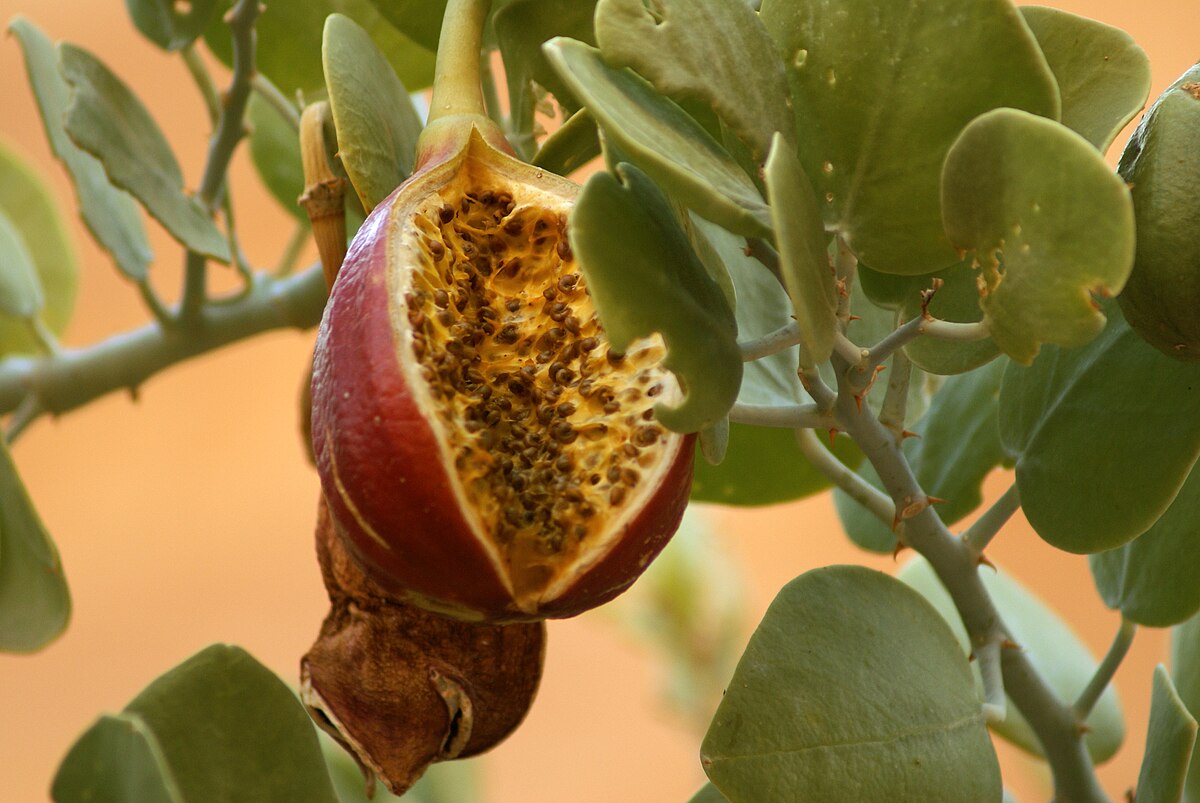
Capparis cartilaginea open fruit

Benefits of Himsra

Heading

<h3> Absolute Contraindications of Himsra </h3> <h4>1. Known hypersensitivity / allergy to caper or related plants</h4> <ul> <li> ⚠️</li> <li> Recommendation: Stop use immediately and avoid Himsra if you have a known allergy to caper family plants or developed hives, swelling, breathing difficulty after use.</li> <li> Reasoning: Though uncommon, plant preparations can cause IgE-mediated or contact allergic reactions in sensitive people; avoidance prevents severe allergic events.</li> <li> Scientific_Study_Title: Caper (Capparis spinosa L.): An Updated Review on Its Phytochemistry, Nutritional Value, Traditional Uses, and Therapeutic Potential</li> <li> Scientific_Study_Authors: Benkeblia et al. (review article authors as listed in the review)</li> <li> Scientific_Study_Link: https://www.ncbi.nlm.nih.gov/pmc/articles/PMC9353632/</li> <li> Scientific_Study_Excerpt: <p>The review summarizes safety and side-effect reports for Capparis preparations and notes that while caper is generally safe, adverse effects have been reported in isolated cases and that hypersensitivity reactions are possible; classical safety guidance is to avoid known-allergen plants. The authors recommend caution in individuals with plant allergies and monitoring for signs of allergic reaction when using concentrated extracts or preparations.</p> </li> </ul> <h4>2. Pregnancy & Breastfeeding (insufficient safety data)</h4> <ul> <li> 🤰</li> <li> Recommendation: Avoid medicinal doses of Himsra during pregnancy and lactation unless a qualified clinician with herb-safety expertise supervises; dietary culinary use (small amounts of pickled capers) differs from therapeutic extracts.</li> <li> Reasoning: Human safety data in pregnancy are sparse; tradition and modern reviews advise caution because controlled clinical safety data are lacking.</li> <li> Scientific_Study_Title: Caper (Capparis spinosa L.): An Updated Review on Its Phytochemistry, Nutritional Value, Traditional Uses, and Therapeutic Potential</li> <li> Scientific_Study_Authors: Benkeblia et al. (review)</li> <li> Scientific_Study_Link: https://www.ncbi.nlm.nih.gov/pmc/articles/PMC9353632/</li> <li> Scientific_Study_Excerpt: <p>The review explicitly notes limited human data for special populations (pregnancy, lactation) and states that while traditional/culinary use is common, there is insufficient controlled safety data for medicinal extracts in pregnant or breastfeeding women; the authors advise caution and further study.</p> </li> </ul> <h4>3. Use with antidiabetic therapies without medical supervision (risk of clinically significant glucose lowering)</h4> <ul> <li> 🩺</li> <li> Recommendation: If you are taking insulin or oral hypoglycemic drugs, do not add Himsra extracts without your prescriber's agreement and close monitoring of blood glucose.</li> <li> Reasoning: Human clinical evidence shows caper extract produced measurable reductions in fasting glucose and HbA1c; when combined with diabetes medications, additive glucose-lowering could cause symptomatic hypoglycemia.</li> <li> Scientific_Study_Title: Capparis spinosa L. (Caper) fruit extract in treatment of type 2 diabetic patients: a randomized double-blind placebo-controlled clinical trial</li> <li> Scientific_Study_Authors: Huseini et al.</li> <li> Scientific_Study_Link: https://pubmed.ncbi.nlm.nih.gov/24050578/</li> <li> Scientific_Study_Excerpt: <p>In a randomized, double-blind, placebo-controlled trial of 54 patients with type 2 diabetes, participants receiving 400 mg caper fruit extract three times daily for two months had a statistically significant decrease in fasting blood glucose and glycosylated hemoglobin versus placebo. The authors conclude caper fruit extract exerted clinically measurable antihyperglycemic effects, supporting caution when used alongside standard antidiabetic drugs.</p> </li> </ul> <h3> Relative Contraindications of Himsra </h3> <h4>1. Chronic kidney disease / existing renal impairment (use with caution)</h4> <ul> <li> 🧾</li> <li> Recommendation: Use only under clinician supervision; avoid high-dose or long-term concentrated extracts if you have significant renal impairment until monitored by a doctor.</li> <li> Reasoning: Toxicity data are mixed: while many safety studies show no renal harm, some experimental reports (animal data and review summaries) mention isolated nephrotoxicity signals at certain doses or preparations - caution is warranted in vulnerable kidneys.</li> <li> Scientific_Study_Title: The Current State of Knowledge about the Biological Activity of Different Parts of Capers</li> <li> Scientific_Study_Authors: Comprehensive review (MDPI Nutrients)</li> <li> Scientific_Study_Link: https://pubmed.ncbi.nlm.nih.gov/34246708/ and https://www.mdpi.com/2072-6643/15/3/623</li> <li> Scientific_Study_Excerpt: <p>The review collates experimental and clinical safety studies and notes contrasting reports: several studies report no nephrotoxicity, while other experimental reports suggested renal changes in specific animal models or with certain extracts. The authors recommend further focused safety studies and advise caution in patients with preexisting renal disease when using concentrated extracts or high doses.</p> </li> </ul> <h4>2. Autoimmune disease or concurrent immune-modulating therapy</h4> <ul> <li> 🔬</li> <li> Recommendation: Discuss with your specialist (rheumatologist, transplant physician) before using Himsra; avoid unsupervised use if on immunosuppressants or with active autoimmune flares.</li> <li> Reasoning: Himsra extracts can alter cytokine patterns and immune cell responses (both anti-inflammatory and, in some preparations, immunostimulatory effects have been reported), so unpredictable immune modulation could interfere with disease control or with immunosuppressive drugs.</li> <li> Scientific_Study_Title: Capparis Spinosa L. promotes anti-inflammatory response in vitro through the control of cytokine gene expression in human peripheral blood mononuclear cells</li> <li> Scientific_Study_Authors: (study authors as listed in PubMed entry)</li> <li> Scientific_Study_Link: https://pubmed.ncbi.nlm.nih.gov/27483999/</li> <li> Scientific_Study_Excerpt: <p>In vitro work on human PBMCs showed certain Capparis extracts inhibited IL-17 and increased IL-4 gene expression at non-toxic doses, indicating the plant can shift cytokine profiles. Other reports show differing immunomodulatory effects depending on extract and dose; together these data support caution in autoimmune or immunocompromised states.</p> </li> </ul> <h4>3. Concurrent cancer therapy - discuss with oncology team</h4> <ul> <li> 🧑‍⚕️</li> <li> Recommendation: Do not self-administer concentrated Himsra extracts during chemotherapy without oncologist approval.</li> <li> Reasoning: Preclinical data show both anticancer activity and protective antioxidant effects in normal tissues (e.g., protection against doxorubicin-induced cardiotoxicity). Antioxidant/protective effects could, in theory, alter chemotherapy pharmacodynamics; decisions should be individualized.</li> <li> Scientific_Study_Title: Capparis spinosa reduces Doxorubicin-induced cardiotoxicity in cardiomyoblast cells</li> <li> Scientific_Study_Authors: (authors listed in the PubMed entry)</li> <li> Scientific_Study_Link: https://pubmed.ncbi.nlm.nih.gov/27761417/</li> <li> Scientific_Study_Excerpt: <p>In cardiomyoblast cell assays, pre-treatment with C. spinosa extract increased cell viability and decreased apoptosis induced by doxorubicin, suggesting cardioprotective antioxidant effects. While beneficial for reducing cardiac injury, such protective activity raises theoretical questions about interactions with cytotoxic regimens; clinical guidance is therefore recommended before combined use.</p> </li> </ul>

Heading

<h4>1. Low blood sugar / symptomatic hypoglycaemia (when combined with diabetes drugs)</h4> <ul> <li> 🩸</li> <li> Side effect summary: Himsra extracts can lower fasting glucose; when used with insulin or oral hypoglycemics this can increase the risk of low blood sugar symptoms (dizziness, sweating, palpitations).</li> <li> Recommendation: Monitor blood glucose closely; reduce medication only under clinician guidance if recurrent lows occur; seek urgent care for severe hypoglycemia.</li> <li> Reasoning: Clinical trial evidence shows measurable glucose and HbA1c reductions with caper extract, supporting additive glucose-lowering effects when combined with anti-diabetic drugs.</li> <li> Severity Level: Moderate</li> <li> Scientific_Study_Available: Yes</li> <li> Scientific_Study_Title: Capparis spinosa L. (Caper) fruit extract in treatment of type 2 diabetic patients: a randomized double-blind placebo-controlled clinical trial</li> <li> Scientific_Study_Authors: Huseini, et al.</li> <li> Scientific_Study_Link: https://pubmed.ncbi.nlm.nih.gov/24050578/</li> <li> Scientific_Study_Excerpt: <p>The randomized trial showed patients receiving caper extract (400 mg three times daily for two months) had a statistically significant decrease in fasting blood glucose and glycosylated hemoglobin compared to placebo. The reduction in glycemic markers supports the biologic glucose-lowering action and justifies monitoring when combined with antidiabetic medications.</p> </li> </ul> <h4>2. Gastrointestinal upset (nausea, abdominal discomfort) with concentrated extracts</h4> <ul> <li> 🤢</li> <li> Side effect summary: Some users of concentrated caper extracts report mild GI symptoms such as nausea, bloating or loose stools.</li> <li> Recommendation: Reduce dose or stop extract if symptoms occur; take with food or switch to lower doses; seek medical care for severe or persistent GI symptoms.</li> <li> Reasoning: Safety and acute toxicity studies generally show good tolerance at typical doses, but concentrated extracts in animals or humans occasionally produce GI effects; this is consistent with many polyphenol-rich botanical extracts.</li> <li> Severity Level: Mild</li> <li> Scientific_Study_Available: Yes (safety/toxicity studies & reviews)</li> <li> Scientific_Study_Title: Caper (Capparis spinosa L.): An Updated Review on Its Phytochemistry, Nutritional Value, Traditional Uses, and Therapeutic Potential</li> <li> Scientific_Study_Authors: Benkeblia et al. (review)</li> <li> Scientific_Study_Link: https://www.ncbi.nlm.nih.gov/pmc/articles/PMC9353632/</li> <li> Scientific_Study_Excerpt: <p>Across experimental and limited clinical reports, most Capparis preparations were well tolerated; sporadic adverse events reported in the literature included mild gastrointestinal complaints after concentrated extracts. Authors recommend dose escalation under supervision to assess tolerance.</p> </li> </ul> <h4>3. Renal function alteration reported in some experimental reports (animal data)</h4> <ul> <li> 🧪</li> <li> Side effect summary: Certain animal experiments and some older reports indicate possible changes in renal markers with specific extracts or high doses.</li> <li> Recommendation: If you have kidney disease, avoid high-dose caper extracts unless monitored by a clinician; check kidney function if using concentrated preparations long-term.</li> <li> Reasoning: The literature shows mixed safety signals for the kidney - many studies report no nephrotoxicity, while a subset of reports in animals described renal changes; this uncertainty supports careful use in renal impairment.</li> <li> Severity Level: Moderate</li> <li> Scientific_Study_Available: Yes (review and experimental reports)</li> <li> Scientific_Study_Title: The Current State of Knowledge about the Biological Activity of Different Parts of Capers (review)</li> <li> Scientific_Study_Authors: MDPI Nutrients review (authors as in paper)</li> <li> Scientific_Study_Link: https://pubmed.ncbi.nlm.nih.gov/34246708/ and https://www.mdpi.com/2072-6643/15/3/623</li> <li> Scientific_Study_Excerpt: <p>The review summarizes inconsistent safety findings, noting that while many studies report no nephrotoxic effect, some experimental reports (animal) have suggested kidney changes with particular extracts or doses. Authors call for well-designed clinical safety studies to clarify renal risk.</p> </li> </ul>

Heading

<h4>Antidiabetic agents (insulin, sulfonylureas, metformin, etc.)</h4> <ul> <li> Interaction_Details: Capparis extracts have been shown to lower fasting glucose and HbA1c in clinical and animal studies; when taken with antidiabetic drugs this can produce an additive glucose-lowering effect and risk symptomatic hypoglycaemia.</li> <li> Severity: Moderate</li> <li> Recommendation: Consult your treating clinician before starting Himsra; if used, monitor blood glucose closely and adjust antidiabetic medications only under medical supervision.</li> <li> Scientific_Study_Available: Yes</li> <li> Scientific_Study_Link: https://pubmed.ncbi.nlm.nih.gov/24050578/</li> <li> Scientific_Study_Title: Capparis spinosa L. (Caper) fruit extract in treatment of type 2 diabetic patients: a randomized double-blind placebo-controlled clinical trial</li> <li> Scientfic_Study_Authors: Huseini et al.</li> <li> Scientific_Study_Excerpt: <p>In a randomized controlled trial, 400 mg caper fruit extract TID for two months produced significant reductions in fasting blood glucose and glycosylated hemoglobin compared with placebo, supporting a clinically relevant glucose-lowering interaction potential when combined with standard antidiabetic agents.</p> </li> </ul> <h4>Anthracycline chemotherapy (example: doxorubicin) - potential cytoprotective interaction</h4> <ul> <li> Interaction_Details: Preclinical data show Himsra extracts can protect cardiomyocytes from doxorubicin-induced oxidative injury; while beneficial for limiting cardiotoxicity, antioxidant/cytoprotective effects could theoretically modify chemotherapy effects and warrant oncologist review.</li> <li> Severity: Moderate</li> <li> Recommendation: Do NOT self-administer concentrated Himsra extracts during chemotherapy without oncology approval; discuss potential benefits/risks with your care team.</li> <li> Scientific_Study_Available: Yes (preclinical)</li> <li> Scientific_Study_Link: https://pubmed.ncbi.nlm.nih.gov/27761417/</li> <li> Scientific_Study_Title: Capparis spinosa reduces Doxorubicin-induced cardiotoxicity in cardiomyoblast cells</li> <li> Scientfic_Study_Authors: (authors as listed in PubMed entry)</li> <li> Scientific_Study_Excerpt: <p>Cell-based experiments demonstrate that pre-treatment with C. spinosa hydroalcoholic extract increased survival of H9c2 cardiomyoblast cells exposed to doxorubicin and reduced apoptosis, consistent with antioxidant-mediated cytoprotection; clinical implications for combined use with cytotoxic therapy require specialist assessment.</p> </li> </ul> <h4>Immunomodulatory / immune-active agents (biologics, immunosuppressants)</h4> <ul> <li> Interaction_Details: Himsra preparations can shift cytokine production (some extracts reduce pro-inflammatory mediators; others may increase specific antiviral cytokines), so unpredictable interactions with immunosuppressants or immune-modifying drugs are possible.</li> <li> Severity: Moderate</li> <li> Recommendation: Discuss with the prescribing specialist before combining Himsra with immunosuppressive or biologic therapies; avoid unsupervised use during active immunomodulatory treatment.</li> <li> Scientific_Study_Available: Yes</li> <li> Scientific_Study_Link: https://pubmed.ncbi.nlm.nih.gov/27483999/ and https://pubmed.ncbi.nlm.nih.gov/18058988/</li> <li> Scientific_Study_Title: Capparis Spinosa L. promotes anti-inflammatory response in vitro through the control of cytokine gene expression in human peripheral blood mononuclear cells; Antiviral and immunomodulatory effect of a lyophilized extract of Capparis spinosa L. buds</li> <li> Scientfic_Study_Authors: (authors as listed in PubMed entries)</li> <li> Scientific_Study_Excerpt: <p>In vitro studies on human PBMCs demonstrated extract-dependent changes in cytokine gene expression (e.g., inhibition of IL-17, induction of IL-4), while other work on bud extracts showed modulation of IL-12, IFN-γ and TNF-α and antiviral effects. These modulatory activities indicate potential to alter immune responses when combined with immune-active drugs; clinical caution is advised.</p> </li> </ul> <h4>Anticoagulants / Antiplatelet drugs</h4> <ul> <li> Interaction_Details: There is no robust, direct clinical evidence that Himsra specifically potentiates anticoagulants. However, many flavonoid-rich botanicals can influence platelet function and drug metabolism; because caper contains flavonoids, theoretical risk exists.</li> <li> Severity: Mild</li> <li> Recommendation: If you take warfarin, DOACs, aspirin or other antiplatelets, inform your clinician before using Himsra; monitor INR or bleeding markers per clinical judgment.</li> <li> Scientific_Study_Available: NA (no direct PubMed study demonstrating a confirmed interaction for Capparis spinosa)</li> <li> Scientific_Study_Link: NA</li> <li> Scientific_Study_Title: NA</li> <li> Scientfic_Study_Authors: NA</li> <li> Scientific_Study_Excerpt: <p>NA - direct interaction studies between Capparis spinosa and anticoagulants are lacking. General herb-anticoagulant interaction reviews recommend caution with flavonoid-rich plants; in absence of Capparis-specific evidence, clinical vigilance is prudent.</p> </li> </ul>