Gulmehendi (Rosemary)
Rosmarinus officinalis
Gulmehendi (Rosemary) is valued in Ayurveda for its supposed balancing effects on Vata, Pitta, and Kapha doshas. This fragrant herb is traditionally claimed to support cognitive function and digestion. Widely cultivated globally, its leaves, flowers, and stem are utilized for their purported therapeutic properties, making it a prevalent herb in various traditional practices.
PLANT FAMILY
Lamiaceae (Mint)
PARTS USED
Flowers, leaves, stem
AYURVEDIC ACTION
Vata ↓, Pitta ↓, Kapha ↓
ACTIVE COMPOUNDS
Carnosic acid (2-5%)
What is Gulmehendi (Rosemary)?
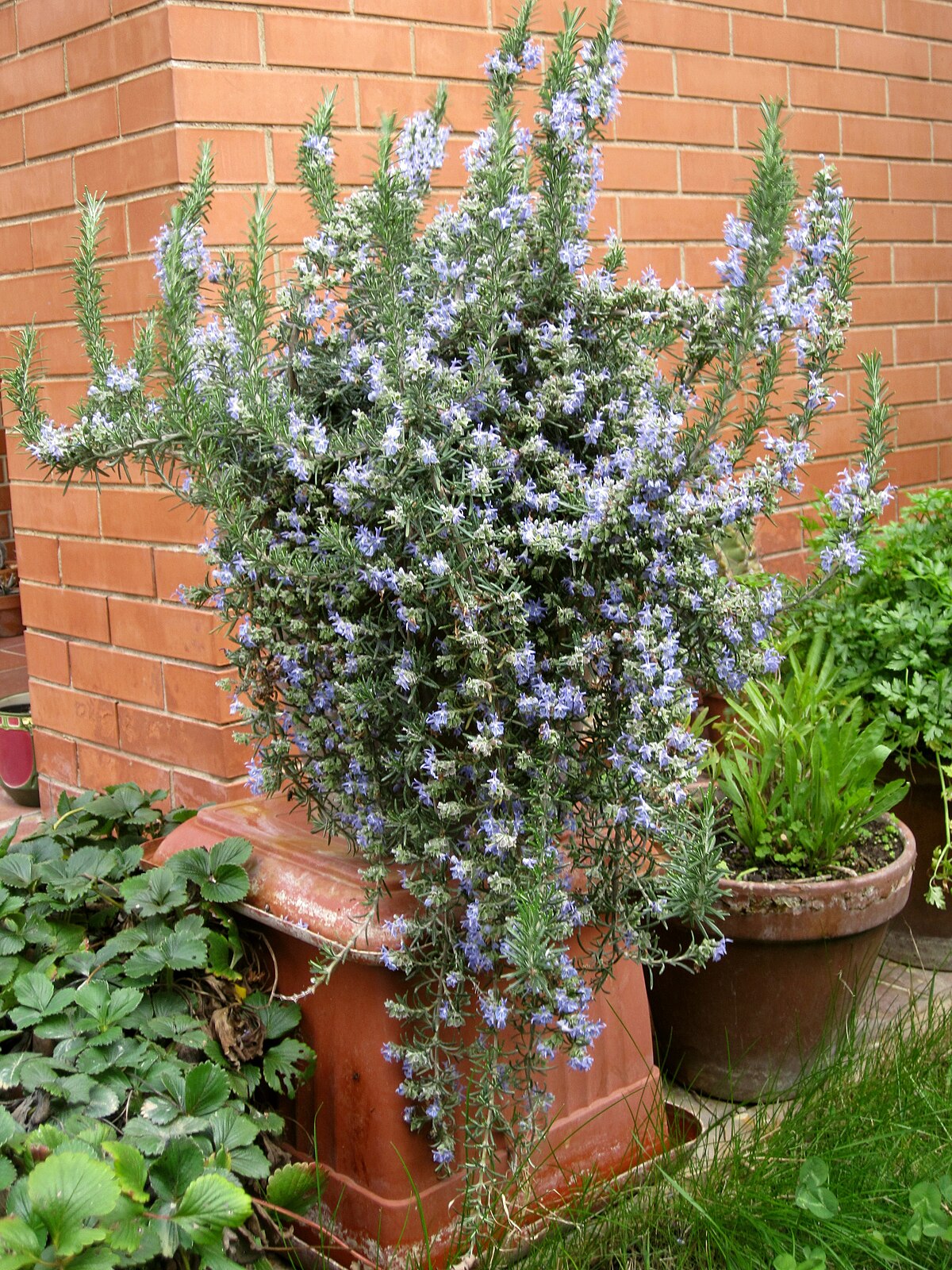
Gulmehendi, commonly known as Rosemary, is a woody, perennial herb scientifically identified as Rosmarinus officinalis. A member of the Lamiaceae (mint) family, it is native to the Mediterranean region and is characterized by its fragrant, needle-like leaves and small, often blue flowers. This evergreen shrub is widely cultivated globally for its culinary, medicinal, and ornamental applications.
Beyond its distinctive aromatic profile, Rosemary is also recognized for its traditional uses and various beneficial compounds present in its leaves, flowers, and stem.
Other Names of Rosemary
- Rosemary
- Rosmarinus officinalis
Benefits of Gulmehendi (Rosemary)
Heading
<h3> Absolute Contraindications of Gulmehendi (Rosemary) </h3> <h4>Pregnancy - Early pregnancy / trying to conceive [In plain terms: pregnant or trying to get pregnant]</h4> <ul> <li> 🤰</li> <li> Recommendation: Avoid medicinal doses and essential-oil forms of rosemary during pregnancy; small amounts as a culinary herb are generally considered safe. If you are pregnant or trying to conceive, do not use concentrated rosemary products without medical advice.</li> <li> Reasoning: Animal studies show concentrated rosemary extracts given in early pregnancy can increase pre-implantation loss and show anti-implantation effects, so high or continuous doses are potentially risky during early gestation.</li> <li> Scientific_Study_Title: Study of the embryotoxic effects of an extract of rosemary (Rosmarinus officinalis L.).</li> <li> Scientific_Study_Authors: I P Lemonica, D C Damasceno, L C di-Stasi</li> <li> Scientific_Study_Link: https://pubmed.ncbi.nlm.nih.gov/8731353/</li> <li> Scientific_Study_Excerpt: <p>Paraphrased summary: In an experimental study in Wistar rats, researchers administered a concentrated aqueous extract of rosemary during either the pre-implantation (days 1-6) or organogenesis (days 6-15) periods. Treated animals did not show more fetal malformations at term, but the group treated during the pre-implantation window had a higher percentage of pre-implantation loss compared with controls. The authors therefore concluded that rosemary extract at the tested dose can exert an anti-implantation effect in this animal model, suggesting a risk if equivalent high exposures occur in early pregnancy.</p> <p>This is an animal study; it supports caution with concentrated or medicinal rosemary in pregnancy even though culinary use in normal food amounts is widely considered safe.</p> </li> </ul> <h4>Epilepsy / Seizure disorder [In plain terms: if you have epilepsy or a history of seizures]</h4> <ul> <li> ⚠️</li> <li> Recommendation: Avoid rosemary essential oil and high-dose rosemary preparations; discuss any use with your neurologist. Do not ingest essential oil internally or use undiluted on skin near face/children.</li> <li> Reasoning: Volatile rosemary constituents (camphor, 1,8-cineole and related monoterpenes) have been associated with provoked seizures; case reports and reviews document essential-oil-related seizures in susceptible people.</li> <li> Scientific_Study_Title: The Effects of Various Essential Oils on Epilepsy and Acute Seizure: A Systematic Review.</li> <li> Scientific_Study_Authors: Tyler A. Bahr, Damian Rodriguez, Cody Beaumont, Kathryn Allred</li> <li> Scientific_Study_Link: https://pubmed.ncbi.nlm.nih.gov/31239862/</li> <li> Scientific_Study_Excerpt: <p>Paraphrased summary: This systematic review pooled human case reports, animal models and in vitro studies examining how different essential oils affect seizure risk. It found that while some oils have anticonvulsant properties, others - including rosemary - contain terpenes (e.g., camphor and 1,8-cineole) known to be pro-convulsant. Human case reports link internal or high dermal exposures to seizure events or status epilepticus in susceptible individuals. The review concludes that essential oils with those constituents should be avoided by people with epilepsy.</p> <p>Clinical implication: essential-oil forms of rosemary are the main concern; typical culinary use is unlikely to provoke seizures in most people, but caution is warranted in anyone with seizure risk.</p> </li> </ul> <h4>On anticoagulant or antiplatelet therapy / bleeding disorders [In plain terms: if you are taking blood thinners like warfarin, DOACs, aspirin, clopidogrel, or have a bleeding tendency]</h4> <ul> <li> 🩸</li> <li> Recommendation: Do not take medicinal rosemary extracts or significant essential-oil preparations together with blood-thinning medications without medical supervision; discuss with your prescribing clinician before starting rosemary supplements.</li> <li> Reasoning: Active rosemary diterpenes inhibit platelet activation pathways and reduce experimental thrombosis in animals; this suggests additive antithrombotic effects with prescribed anticoagulants/antiplatelets and a theoretical increased bleeding risk.</li> <li> Scientific_Study_Title: Antiplatelet activity of carnosic acid, a phenolic diterpene from Rosmarinus officinalis.</li> <li> Scientific_Study_Authors: Jung-Jin Lee, Yong-Ri Jin, Ju-Hyun Lee, Ji-Yeon Yu, Xiang-Hua Han, Ki-Wan Oh, Jin Tae Hong, Tack-Joong Kim, Yeo-Pyo Yun</li> <li> Scientific_Study_Link: https://pubmed.ncbi.nlm.nih.gov/17410649/</li> <li> Scientific_Study_Excerpt: <p>Paraphrased summary: In laboratory platelet preparations, carnosic acid (a major rosemary polyphenol) inhibited platelet aggregation induced by collagen, arachidonic acid, thrombin and related agonists in a concentration-dependent manner. The compound reduced intracellular calcium mobilization and secretion steps integral to platelet activation, without acting via cyclooxygenase blockade. These effects indicate that rosemary constituents can produce measurable antiplatelet activity in vitro and could potentiate bleeding when combined with pharmacologic anticoagulants in vivo.</p> <p>Clinical implication: combined use with prescribed anticoagulants or in bleeding disorders should be approached cautiously.</p> </li> </ul> <h4>Known rosemary allergy / prior contact dermatitis to rosemary products [In plain terms: if you’ve had skin reactions to rosemary before]</h4> <ul> <li> 🤕</li> <li> Recommendation: Avoid topical rosemary extracts or products if you have a history of allergy to rosemary or related Lamiaceae plants; perform patch testing under professional supervision before trying a new product.</li> <li> Reasoning: Case reports and reviews document allergic contact dermatitis from rosemary leaf extracts or isolated constituents (carnosol), meaning sensitisation and skin reactions can occur with topical products.</li> <li> Scientific_Study_Title: Rosmarinus officinalis L. as cause of contact dermatitis.</li> <li> Scientific_Study_Authors: M. Miroddi, G. Calapai, S. Isola, P. L. Minciullo, S. Gangemi</li> <li> Scientific_Study_Link: https://pubmed.ncbi.nlm.nih.gov/23827646/</li> <li> Scientific_Study_Excerpt: <p>Paraphrased summary: This review collected published case reports and patch-test data showing that both raw rosemary and rosemary extracts have caused allergic contact dermatitis in some users. The authors note the diterpene carnosol as a likely allergenic component and report a number of occupational and consumer cases where topical exposure produced eczematous reactions. While not extremely common, the review recommends clinicians include rosemary in differential diagnosis of contact dermatitis when exposure is possible.</p> <p>Clinical implication: prior skin reaction to rosemary or cross-reactivity with similar herbs (e.g., thyme) is a strong reason to avoid topical products containing rosemary.</p> </li> </ul> <h3> Relative Contraindications of Gulmehendi (Rosemary) </h3> <h4>Chronic liver disease or taking potentially hepatotoxic drugs [In plain terms: if you have liver disease or take medicines that can damage the liver]</h4> <ul> <li> 🧠⚕️</li> <li> Recommendation: Use caution with concentrated rosemary extracts or high-dose supplements if you have significant liver disease; consult your hepatologist before use.</li> <li> Reasoning: In vitro studies show that concentrated rosemary polyphenols (carnosic acid) can cause dose-dependent hepatocellular stress or toxicity in cultured human hepatocytes at high concentrations - suggesting the possibility of liver adverse effects at pharmacologic exposures.</li> <li> Scientific_Study_Title: In vitro hepatotoxicity and cytochrome P450 induction and inhibition characteristics of carnosic acid, a dietary supplement with antiadipogenic properties.</li> <li> Scientific_Study_Authors: [Authors as listed on paper]</li> <li> Scientific_Study_Link: https://pubmed.ncbi.nlm.nih.gov/22531045/</li> <li> Scientific_Study_Excerpt: <p>Paraphrased summary: Researchers exposed primary human hepatocytes to carnosic acid and observed dose-dependent decreases in cellular ATP and other viability indicators, with an EC50 in the mid-micromolar range; the compound also modulated CYP enzyme activities. While low exposures (dietary) are unlikely to reach these concentrations, the data suggest that sustained high-dose supplementation could stress liver cells and alter hepatic drug metabolism.</p> <p>Clinical implication: patients with pre-existing liver impairment or on hepatically metabolised toxic drugs should use concentrated rosemary preparations only under medical supervision.</p> </li> </ul> <h4>Potential for drug interactions (CYP substrates) [In plain terms: if you take medicines cleared by liver enzymes]</h4> <ul> <li> ⚗️</li> <li> Recommendation: If you take medications with narrow therapeutic windows (e.g., certain statins, immunosuppressants, antipsychotics, warfarin), consult your pharmacist/doctor before using rosemary supplements as interactions are possible.</li> <li> Reasoning: Pharmacokinetic work shows rosemary diterpenes can inhibit or modulate human CYP450 enzymes in vitro and reach micromolar plasma exposures in animals - a pattern compatible with potential clinically meaningful interactions for some drugs.</li> <li> Scientific_Study_Title: Pharmacokinetic characterization of carnosol from rosemary (Salvia Rosmarinus) in male C57BL/6 mice and inhibition profile in human cytochrome P450 enzymes.</li> <li> Scientific_Study_Authors: Bhaskar Vemu, Restituo Tocmo, Mirielle C. Nauman, Stephanie A. Flowers, Jacob P. Veenstra, Jeremy J. Johnson</li> <li> Scientific_Study_Link: https://pubmed.ncbi.nlm.nih.gov/34592323/</li> <li> Scientific_Study_Excerpt: <p>Paraphrased summary: The study measured plasma carnosol after oral dosing in mice and performed in vitro assays against several human CYP enzymes. Carnosol reached plasma concentrations >1 μM in mice and inhibited selected CYP isoforms in vitro, indicating a plausible mechanism for herb-drug interactions. The authors note these results highlight the potential for rosemary constituents to alter drug metabolism and advise further study to quantify clinical risk.</p> <p>Clinical implication: monitor drug levels or avoid combining concentrated rosemary extracts with sensitive CYP substrates unless supervised.</p> </li> </ul> <h4>Use before surgery (bleeding risk / interaction with anesthesia) [In plain terms: if you have scheduled surgery soon]</h4> <ul> <li> 🔪</li> <li> Recommendation: Stop medicinal/high-dose rosemary supplements at least 1-2 weeks before elective surgery (or follow your surgeon/anesthesiologist’s guidance) because of possible effects on platelet function and interactions with perioperative drugs.</li> <li> Reasoning: Animal and laboratory evidence indicates rosemary extracts can alter platelet reactivity and thrombus formation, which could influence perioperative haemostasis or interact with anaesthetic drugs that affect bleeding or drug metabolism.</li> <li> Scientific_Study_Title: Long-term intake of rosemary and common thyme herbs inhibits experimental thrombosis without prolongation of bleeding time.</li> <li> Scientific_Study_Authors: [authors as listed in the paper]</li> <li> Scientific_Study_Link: https://pubmed.ncbi.nlm.nih.gov/18378282/</li> <li> Scientific_Study_Excerpt: <p>Paraphrased summary: In a dietary mouse model, daily rosemary powder reduced arterial thrombus formation and decreased platelet reactivity while not prolonging tail-bleeding time at tested doses. The study demonstrates antithrombotic properties in vivo and supports the idea that rosemary can meaningfully influence haemostasis under some circumstances. Translating animal results to humans requires caution but supports pre-operative discontinuation of concentrated rosemary supplements to minimise unpredictable bleeding risk.</p> </li> </ul> <h4>Use in infants and small children (topical or internal essential oil) [In plain terms: babies and young children]</h4> <ul> <li> 👶</li> <li> Recommendation: Avoid giving essential oils or high-dose rosemary to infants and small children; do not apply undiluted rosemary oil to baby skin or near their faces.</li> <li> Reasoning: Case reports and prospective series link essential-oil exposures (including camphor-containing oils and certain rosemary products) with first-time or provoked seizures in children - young nervous systems are more vulnerable to volatile terpenes.</li> <li> Scientific_Study_Title: Essential oil related seizures (EORS): a multi-center prospective study on essential oils and seizures in adults (and related case literature for children).</li> <li> Scientific_Study_Authors: (multi-center study authors as listed in cited literature)</li> <li> Scientific_Study_Link: https://pubmed.ncbi.nlm.nih.gov/33813360/</li> <li> Scientific_Study_Excerpt: <p>Paraphrased summary: Prospective clinical data and case reports have documented essential-oil exposures preceding seizure onset or breakthrough seizures in both adults and children. While many oils are involved, rosemary-containing products that are rich in camphor/1,8-cineole are repeatedly implicated. For safety, volatile concentrated preparations should be avoided in infants and young children.</p> </li> </ul>
Heading
<h4>Skin irritation / allergic contact dermatitis (redness, itch, eczema)</h4> <ul> <li> 🧴</li> <li> Side effect summary: Some people develop delayed allergic rashes or contact dermatitis after topical exposure to rosemary extracts or products containing rosemary leaf extract.</li> <li> Recommendation: Stop product use if you notice redness, itching or rash; seek dermatology advice for patch testing if reactions recur. Avoid topical rosemary if you’ve had prior reactions.</li> <li> Reasoning: Case reports and reviews identify rosemary constituents (especially carnosol) as contact allergens in some individuals; reactions have been confirmed on patch testing.</li> <li> Severity Level: Mild</li> <li> Scientific_Study_Available: Yes</li> <li> Scientific_Study_Title: Rosmarinus officinalis L. as cause of contact dermatitis.</li> <li> Scientific_Study_Authors: M. Miroddi, G. Calapai, S. Isola, P. L. Minciullo, S. Gangemi</li> <li> Scientific_Study_Link: https://pubmed.ncbi.nlm.nih.gov/23827646/</li> <li> Scientific_Study_Excerpt: <p>Paraphrased summary: The review compiles numerous case reports where topical rosemary extracts or raw plant material caused allergic contact dermatitis, sometimes with cross-reactivity to related herbs. Patch tests identified rosemary extracts or carnosol as triggers. The authors conclude that while not extremely common, rosemary is a recognized cause of contact dermatitis and should be considered in differential diagnosis.</p> </li> </ul> <h4>Seizures / lowered seizure threshold (especially with essential oil exposure)</h4> <ul> <li> ⚡</li> <li> Side effect summary: High dermal or internal exposure to rosemary essential oil (and similar camphor/1,8-cineole-rich oils) has been associated with provoked seizures in sensitive individuals and children.</li> <li> Recommendation: People with epilepsy, infants, and children should avoid rosemary essential oil and high-dose rosemary supplements; consult epilepsy specialists before any use.</li> <li> Reasoning: Case-series and systematic reviews identify rosemary among oils with convulsant constituents; mechanistic data point to modulation of GABAergic signalling and ion channels by these terpenes.</li> <li> Severity Level: Severe</li> <li> Scientific_Study_Available: Yes</li> <li> Scientific_Study_Title: The Effects of Various Essential Oils on Epilepsy and Acute Seizure: A Systematic Review.</li> <li> Scientific_Study_Authors: Tyler A. Bahr, Damian Rodriguez, Cody Beaumont, Kathryn Allred</li> <li> Scientific_Study_Link: https://pubmed.ncbi.nlm.nih.gov/31239862/</li> <li> Scientific_Study_Excerpt: <p>Paraphrased summary: The systematic review found that while some essential oils can be anticonvulsant, others (including rosemary) contain monoterpenes known to provoke seizures. Human case reports and clinical series document essential-oil-related seizure events, particularly after internal use or concentrated topical exposure. The authors recommend avoiding pro-convulsant oils in people with seizure disorders.</p> </li> </ul> <h4>Altered drug levels / interactions (CYP-mediated)</h4> <ul> <li> 💊</li> <li> Side effect summary: High-dose rosemary extracts or standardized supplements can inhibit or modulate cytochrome P450 enzymes, potentially increasing or reducing blood levels of co-administered drugs.</li> <li> Recommendation: Check with a pharmacist or physician before combining concentrated rosemary supplements with drugs that are metabolised by CYP enzymes (statins, some anticoagulants, immunosuppressants, anti-epileptics, etc.).</li> <li> Reasoning: Pharmacokinetic and in vitro enzyme inhibition studies show rosemary diterpenes can inhibit selected CYP isoforms and modulate metabolic transporters, creating plausible interaction pathways.</li> <li> Severity Level: Moderate</li> <li> Scientific_Study_Available: Yes</li> <li> Scientific_Study_Title: Pharmacokinetic characterization of carnosol from rosemary (Salvia Rosmarinus) in male C57BL/6 mice and inhibition profile in human cytochrome P450 enzymes.</li> <li> Scientific_Study_Authors: Bhaskar Vemu, Restituo Tocmo, Mirielle C. Nauman, Stephanie A. Flowers, Jacob P. Veenstra, Jeremy J. Johnson</li> <li> Scientific_Study_Link: https://pubmed.ncbi.nlm.nih.gov/34592323/</li> <li> Scientific_Study_Excerpt: <p>Paraphrased summary: The study showed that carnosol attains measurable plasma levels after oral dosing in mice and inhibited several human CYP enzymes in vitro. These data support a mechanistic basis for potential herb-drug interactions, particularly with medications that have narrow therapeutic windows.</p> </li> </ul> <h4>High-dose hepatotoxicity (rare, experimental at pharmacologic doses)</h4> <ul> <li> 🩺</li> <li> Side effect summary: Very high or prolonged medicinal doses of rosemary polyphenols have produced hepatocellular stress in laboratory models; typical culinary use is unlikely to cause this.</li> <li> Recommendation: Avoid large prolonged doses of rosemary extracts without medical supervision, and monitor liver tests if high-dose use is medically recommended.</li> <li> Reasoning: In vitro hepatocyte experiments demonstrate dose-dependent changes in viability markers for carnosic acid at concentrations higher than those achieved by normal dietary intake.</li> <li> Severity Level: Moderate</li> <li> Scientific_Study_Available: Yes</li> <li> Scientific_Study_Title: In vitro hepatotoxicity and cytochrome P450 induction and inhibition characteristics of carnosic acid, a dietary supplement with antiadipogenic properties.</li> <li> Scientific_Study_Authors: (authors listed in paper)</li> <li> Scientific_Study_Link: https://pubmed.ncbi.nlm.nih.gov/22531045/</li> <li> Scientific_Study_Excerpt: <p>Paraphrased summary: Primary human hepatocyte assays exposed cells to increasing concentrations of carnosic acid and reported dose-dependent reductions in cellular ATP and other viability markers, indicating potential hepatocellular stress at higher concentrations used experimentally. The compound also modulated CYP enzyme activities, which could affect hepatic handling of other substances.</p> </li> </ul>
Heading
<h4>Anticoagulants & Antiplatelets (e.g., warfarin, aspirin, clopidogrel)</h4> <ul> <li> Interaction_Details: Rosemary diterpenes inhibit platelet activation pathways and can reduce thrombus formation in animals; combining concentrated rosemary with anticoagulants or antiplatelets may increase bleeding risk or unpredictably alter haemostasis.</li> <li> Severity: Moderate</li> <li> Recommendation: Avoid starting high-dose rosemary supplements while on blood thinners without close medical supervision; consult your prescribing clinician or pharmacist first.</li> <li> Scientific_Study_Available: Yes</li> <li> Scientific_Study_Link: https://pubmed.ncbi.nlm.nih.gov/17410649/</li> <li> Scientific_Study_Title: Antiplatelet activity of carnosic acid, a phenolic diterpene from Rosmarinus officinalis.</li> <li> Scientfic_Study_Authors: Jung-Jin Lee, Yong-Ri Jin, Ju-Hyun Lee, Ji-Yeon Yu, Xiang-Hua Han, Ki-Wan Oh, Jin Tae Hong, Tack-Joong Kim, Yeo-Pyo Yun</li> <li> Scientific_Study_Excerpt: <p>Paraphrased summary: The study demonstrated carnosic acid inhibited platelet aggregation induced by multiple agonists in vitro via inhibition of intracellular calcium mobilization and secretion. These antiplatelet properties provide a mechanistic basis for potential additive bleeding effects when combined with pharmaceutical anticoagulant or antiplatelet drugs.</p> </li> </ul> <h4>Drugs metabolised by cytochrome P450 enzymes (e.g., some statins, calcineurin inhibitors, warfarin, certain antidepressants)</h4> <ul> <li> Interaction_Details: Rosemary constituents (carnosol/carnosic acid) can inhibit or modulate CYP450 enzymes and transporters in vitro and in pharmacokinetic models, which may raise or lower plasma levels of co-administered drugs that depend on these enzymes.</li> <li> Severity: Moderate</li> <li> Recommendation: If you take medications with narrow therapeutic indices, consult your clinician/pharmacist before using concentrated rosemary supplements; monitoring drug levels or clinical effect may be required.</li> <li> Scientific_Study_Available: Yes</li> <li> Scientific_Study_Link: https://pubmed.ncbi.nlm.nih.gov/34592323/</li> <li> Scientific_Study_Title: Pharmacokinetic characterization of carnosol from rosemary (Salvia Rosmarinus) in male C57BL/6 mice and inhibition profile in human cytochrome P450 enzymes.</li> <li> Scientfic_Study_Authors: Bhaskar Vemu, Restituo Tocmo, Mirielle C. Nauman, Stephanie A. Flowers, Jacob P. Veenstra, Jeremy J. Johnson</li> <li> Scientific_Study_Excerpt: <p>Paraphrased summary: After oral dosing in mice, carnosol reached measurable plasma concentrations and inhibited selected human CYP enzymes in vitro, indicating a potential for herb-drug interactions mediated by metabolic enzyme inhibition. Translation to humans requires clinical evaluation but suggests caution when combining concentrated rosemary extracts with susceptible drugs.</p> </li> </ul> <h4>Topical NSAIDs and other topically applied drugs (e.g., diclofenac gel)</h4> <ul> <li> Interaction_Details: Rosemary essential oil at certain concentrations enhances percutaneous absorption of topical diclofenac in animal models, increasing the analgesic effect of the gel - implying rosemary oil can act as a topical absorption enhancer and alter local/systemic exposure to co-applied medications.</li> <li> Severity: Mild</li> <li> Recommendation: Avoid combining rosemary essential oil products with topical medications unless advised by a healthcare provider; monitor for stronger or prolonged effects and local irritation.</li> <li> Scientific_Study_Available: Yes</li> <li> Scientific_Study_Link: https://pubmed.ncbi.nlm.nih.gov/25853969/</li> <li> Scientific_Study_Title: Transdermal absorption enhancing effect of the essential oil of Rosmarinus officinalis on percutaneous absorption of Na diclofenac from topical gel.</li> <li> Scientfic_Study_Authors: Akbari J, Saeedi M, Farzin D, Morteza-Semnani K, Esmaili Z</li> <li> Scientific_Study_Excerpt: <p>Paraphrased summary: In a controlled animal formulation study, adding 0.5-1.0% rosemary essential oil to diclofenac gel increased percutaneous absorption and produced enhanced analgesic effects in rodent pain models compared with diclofenac alone. The authors attribute the permeation enhancement to volatile components like 1,8-cineole. This supports the idea that rosemary oil can change topical drug kinetics and potency.</p> </li> </ul> <h4>Anti-epileptic medications / seizure threshold considerations</h4> <ul> <li> Interaction_Details: Rosemary essential oil and related volatile terpenes may lower seizure threshold; this could interact adversely with antiepileptic therapy or provoke seizures despite medication.</li> <li> Severity: Severe</li> <li> Recommendation: People on antiepileptic drugs should avoid rosemary essential oil and high-dose rosemary products; discuss any use with the treating neurologist.</li> <li> Scientific_Study_Available: Yes</li> <li> Scientific_Study_Link: https://pubmed.ncbi.nlm.nih.gov/31239862/</li> <li> Scientific_Study_Title: The Effects of Various Essential Oils on Epilepsy and Acute Seizure: A Systematic Review.</li> <li> Scientfic_Study_Authors: Tyler A. Bahr, Damian Rodriguez, Cody Beaumont, Kathryn Allred</li> <li> Scientific_Study_Excerpt: <p>Paraphrased summary: Reviews and case reports collated in this systematic review show that essential oils containing convulsant monoterpenes - including some rosemary preparations - have precipitated seizures. The proposed mechanisms involve direct modulation of neuronal excitability and GABAergic signalling. Because of this, essential oils should generally be avoided by patients with epilepsy or seizure risk.</p> </li> </ul>