Green Tea
Camellia sinensis
Green Tea, or Camellia sinensis, is recognized in Ayurveda for its supposed effects on Vata and Kapha doshas, while potentially increasing Pitta. Traditionally, it's claimed to support digestion and detoxification. Widely consumed across Asia for centuries, this beverage is prevalent in various traditional practices for its refreshing and health-promoting properties.
PLANT FAMILY
Theaceae (Tea)
AYURVEDIC ACTION
Vata ↓, Pitta ↑, Kapha ↓
ACTIVE COMPOUNDS
Catechins (30-42%)
What is Green Tea?
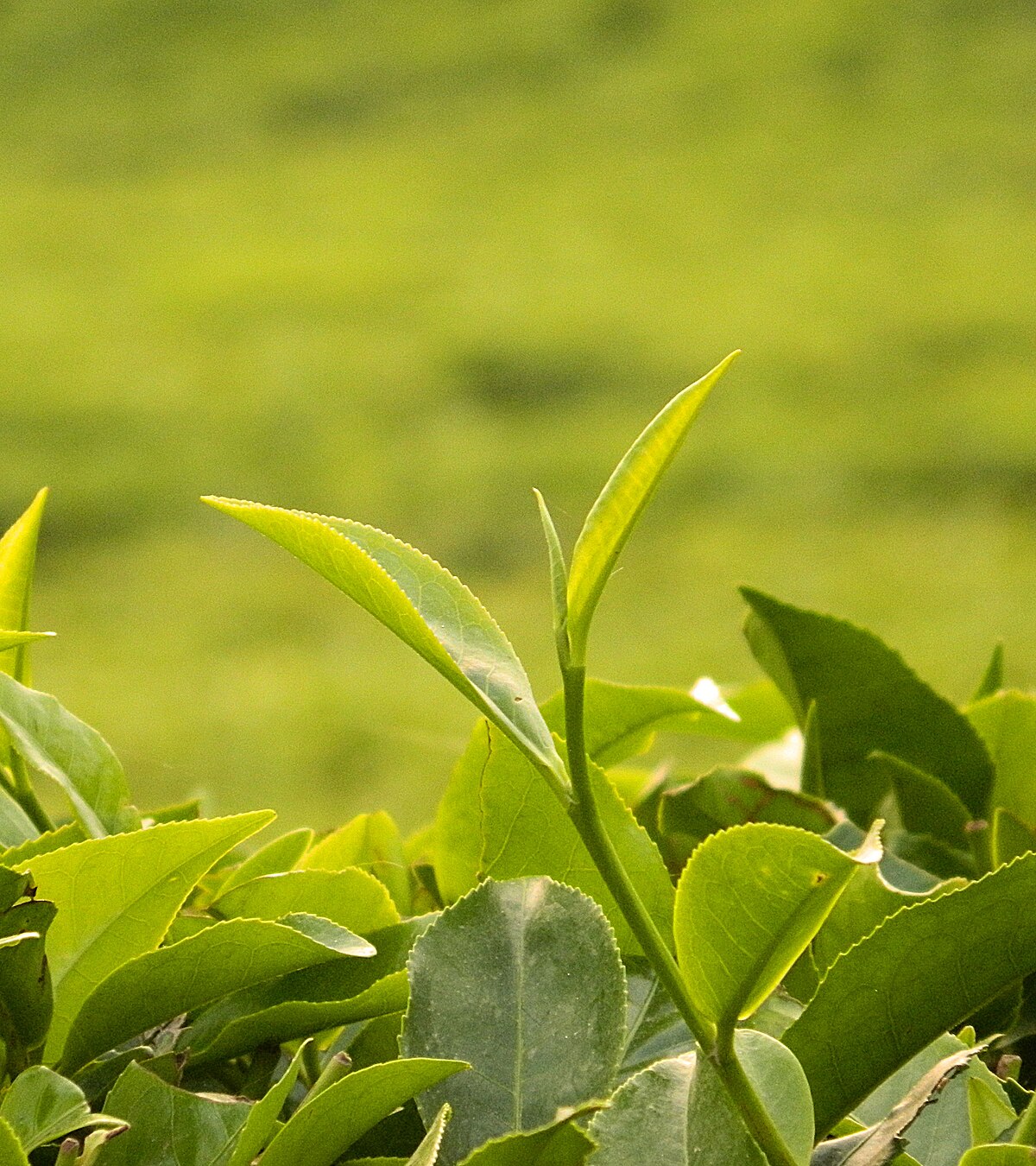
Green tea is a type of tea made from the leaves of Camellia sinensis that have undergone minimal oxidation during processing. Originating in China, it has been produced and consumed for centuries across Asia.
Unlike black tea, which is fully oxidized, green tea retains more of its natural compounds, including catechins, giving it a distinctive fresh, often grassy flavor and lighter color. Its preparation typically involves steaming or pan-firing the leaves shortly after harvesting.
Other Names of Green Tea
- Sencha
- Matcha
- Gyokuro
- Bancha
- Longjing (Dragon Well)
- Biluochun
Heading
<h3> Absolute Contraindications of Green Tea </h3> <h4> Pregnancy - (Pregnant or trying to become pregnant)</h4> <ul> <li> 🤰 <li> Recommendation: Limit or avoid regular strong green tea and avoid concentrated green tea supplements during pregnancy; discuss acceptable limits with your OB/GYN (many guidelines recommend keeping total caffeine low; brewed green tea adds caffeine and catechins). <li> Reasoning: Caffeine crosses the placenta and higher caffeine intake has been associated with increased miscarriage risk; separate work also links high green tea intake with lower circulating folate in pregnant women, which matters for fetal development. <li> Scientific_Study_Title: Association between the serum folate levels and tea consumption during pregnancy. <li> Scientific_Study_Authors: Makiko Y. Shiraishi, et al. (listed on PubMed as authors-paper: Association between the serum folate levels and tea consumption during pregnancy). <li> Scientific_Study_Link: https://pubmed.ncbi.nlm.nih.gov/21068474/ <li> Scientific_Study_Excerpt: <p>This observational study measured serum folate in pregnant women and compared folate levels across levels of tea consumption. The authors found that higher intake of green/oolong tea was associated with lower circulating folate concentrations after adjustment for dietary intake and confounders. Because folate is crucial in early pregnancy for neural-tube development, the paper highlights that habitual high tea consumption could reduce maternal folate status and suggests caution-especially when intake is frequent and volumes are large.</p> <p>The study does not prove causation but provides mechanistic plausibility (EGCG interactions) and epidemiologic evidence supporting caution during pregnancy, and recommends clinicians ask about tea intake when assessing folate status.</p> </ul> <h4> Active liver disease or history of liver injury (including prior green tea extract-related hepatotoxicity)</h4> <ul> <li> 🧪 <li> Recommendation: Avoid concentrated green tea extracts and high-dose catechin supplements if you have active liver disease or prior unexplained liver injury; brewed tea in small amounts may be acceptable but check with your hepatologist. <li> Reasoning: Systematic safety reviews and case reports link concentrated green tea extract supplements with hepatocellular injury; risk is higher with bolus dosing, fasting intake, and some susceptible individuals. <li> Scientific_Study_Title: United States Pharmacopeia (USP) comprehensive review of the hepatotoxicity of green tea extracts. <li> Scientific_Study_Authors: Hellen A Oketch-Rabah, Amy L Roe, Cynthia V Rider, Herbert L Bonkovsky, et al. <li> Scientific_Study_Link: https://pubmed.ncbi.nlm.nih.gov/32140423/ <li> Scientific_Study_Excerpt: <p>The USP expert panel’s systematic review synthesised animal and human data and case reports on green tea extract (GTE) hepatotoxicity. They found a hepatocellular pattern of liver injury associated with concentrated GTEs, with reported EGCG intake ranging roughly from 140 mg to ~1000 mg/day in implicated cases. Pharmacokinetic evidence indicated higher EGCG bioavailability with fasting and bolus dosing, which may raise internal exposure.</p> <p>The review concluded that while brewed tea rarely causes liver injury, concentrated GTE supplements-especially large bolus doses-are associated with a measurable risk of hepatotoxicity and warrant caution in people with liver disease or unknown liver enzyme elevations.</p> </ul> <h4> On warfarin or other vitamin K-sensitive anticoagulants</h4> <ul> <li> 🩸 <li> Recommendation: If you take warfarin (or similar vitamin-K-sensitive anticoagulants), avoid sudden large increases in green tea intake and tell your prescribing clinician - frequent INR monitoring is advised when intake changes. <li> Reasoning: Green tea contains vitamin K and other constituents that in case reports have antagonised warfarin’s anticoagulant effect, lowering INR and increasing clot risk when intake changed markedly. <li> Scientific_Study_Title: Probable antagonism of warfarin by green tea. <li> Scientific_Study_Authors: J. R. Taylor, V. M. Wilt. <li> Scientific_Study_Link: https://pubmed.ncbi.nlm.nih.gov/10332534/ <li> Scientific_Study_Excerpt: <p>This case report describes a patient on stable warfarin therapy whose INR fell dramatically after beginning heavy green tea consumption (about 0.5-1 gallon/day). The INR dropped from therapeutic levels to near-subtherapeutic over weeks; discontinuation of green tea led to INR rebound. Authors attributed the effect to green tea’s vitamin K content and recommended clinicians routinely ask warfarin-treated patients about dietary tea intake.</p> <p>Although a single case report cannot prove causality for all patients, it illustrates a plausible vitamin-K mediated interaction that can clinically reduce anticoagulation when tea intake is large and changed abruptly.</p> </ul> <h4> Iron-deficiency anemia or reliance on non-heme (plant) iron</h4> <ul> <li> 🩺 <li> Recommendation: Avoid drinking green tea with iron-rich meals or with oral iron supplements; separate tea from meals by at least 1-2 hours and pair iron-rich foods with vitamin C to improve absorption. <li> Reasoning: Tea polyphenols bind non-heme iron in the gut and reduce absorption; clinical absorption studies show significant reductions when tea/polyphenol extracts are consumed with meals. <li> Scientific_Study_Title: Green tea or rosemary extract added to foods reduces nonheme-iron absorption. <li> Scientific_Study_Authors: S. Samman, B. Sandström, M. B. Toft, K. Bukhave, M. Jensen, S. S. Sørensen, M. Hansen. <li> Scientific_Study_Link: https://pubmed.ncbi.nlm.nih.gov/11237939/ <li> Scientific_Study_Excerpt: <p>This meal-based randomized experiment in young women used isotopically labelled iron to measure non-heme iron absorption when green tea extract was added to a meal versus control. Mean iron absorption dropped significantly (from ~12.1% to ~8.9%) when the green tea extract was present. The study demonstrates that phenolic-rich extracts in foods can materially reduce the utilisation of dietary iron.</p> <p>The findings are clinically relevant for people relying primarily on plant iron sources, vegetarians, pregnant women, or anyone with low iron stores-timing tea away from meals and using vitamin C with meals can mitigate the effect.</p> </ul> <h3> Relative Contraindications of Green Tea </h3> <h4> Patients receiving bortezomib (proteasome inhibitor) for cancer therapy</h4> <ul> <li> 🎗️ <li> Recommendation: Avoid green tea supplements or large-dose catechins during bortezomib therapy; discuss with your oncologist and follow their guidance. <li> Reasoning: Laboratory studies show EGCG and some green tea polyphenols can chemically interact with boronic-acid proteasome inhibitors and block their activity in vitro; this raises concern that concurrent intake of concentrated polyphenols might reduce drug efficacy. <li> Scientific_Study_Title: Green tea polyphenols block the anticancer effects of bortezomib and other boronic acid-based proteasome inhibitors. <li> Scientific_Study_Authors: Encouse B. Golden, Philip Y. Lam, Adel Kardosh, Kevin J. Gaffney, Enrique Cadenas, et al. <li> Scientific_Study_Link: https://pubmed.ncbi.nlm.nih.gov/19190249/ <li> Scientific_Study_Excerpt: <p>Cell and animal experiments demonstrated that EGCG and related polyphenols form covalent adducts with the boronic acid moiety of bortezomib, blocking its proteasome inhibitory effect and preventing tumor cell death in vitro and in vivo models. The antagonism was specific to boronic-acid proteasome inhibitors and was not observed with other proteasome inhibitors lacking the boronic acid functional group.</p> <p>Based on these mechanistic and preclinical data, authors cautioned that patients on bortezomib should avoid concentrated green tea polyphenols during therapy; clinicians should advise patients and consider diet/supplement histories during treatment.</p> </ul> <h4> People taking levothyroxine for hypothyroidism</h4> <ul> <li> 🧾 <li> Recommendation: Do not drink green tea within 2-4 hours of taking levothyroxine tablets; if you drink tea regularly, record timing and discuss with your endocrinologist to monitor TSH and adjust timing/dose as needed. <li> Reasoning: Observational data show tea (like coffee) can interfere with levothyroxine tablet absorption when consumed around the same time, leading to altered TSH and hormone levels. <li> Scientific_Study_Title: Tea consumption affects the absorption of levothyroxine. <li> Scientific_Study_Authors: Ying-Wen Lai, Shih-Ming Huang. <li> Scientific_Study_Link: https://www.frontiersin.org/articles/10.3389/fendo.2022.943775/full <li> Scientific_Study_Excerpt: <p>A prospective cohort of hypothyroid patients compared thyroid function before and after changing tea/coffee consumption habits. The study found that long-term tea consumption, like coffee, interfered with levothyroxine absorption: patients who avoided tea/coffee around dosing showed improved TSH, T3, and T4 control after 3 months. The authors recommend avoiding ingestion of tea within several hours of levothyroxine to reduce malabsorption and stabilise thyroid hormone levels.</p> <p>This work underlines that timing of tea relative to the tablet matters clinically and that consistent habits with monitoring are important for people on LT4 therapy.</p> </ul> <h4> People with known caffeine sensitivity, anxiety disorders, or sleep disorders</h4> <ul> <li> 😴 <li> Recommendation: Limit or avoid green tea in the afternoon/evening and choose low-caffeine or decaffeinated options if you are sensitive to stimulants; consult your clinician for severe anxiety/insomnia. <li> Reasoning: Green tea contains caffeine (typically ~20-45 mg per cup) and L-theanine; caffeine can cause insomnia, jitteriness, and exacerbate anxiety in sensitive people-timing and dose determine likelihood. <li> Scientific_Study_Title: Ingestion of green tea with lowered caffeine improves sleep quality of the elderly via suppression of stress. <li> Scientific_Study_Authors: H. Kuriyama, et al. <li> Scientific_Study_Link: https://pubmed.ncbi.nlm.nih.gov/29203963/ <li> Scientific_Study_Excerpt: <p>This trial compared standard green tea with a low-caffeine green tea in elderly subjects and reported that lowering caffeine content improved stress markers and objective sleep quality. The findings indicate that caffeine in green tea can influence sleep and stress physiology, and reducing its content improves sleep metrics, supporting the practical recommendation to adjust tea timing or choose low-caffeine versions for those with sleep or anxiety issues.</p> <p>While individual sensitivity varies, the study provides actionable evidence that caffeine in tea is a modifiable contributor to sleep disturbance and stress in susceptible people.</p> </ul>
Heading
<h4> Reduced iron uptake / risk of low iron (especially if you rely on plant iron)</h4> <ul> <li> 🥬 <li> Side effect summary: Drinking green tea with meals can lower the amount of iron your body absorbs from plant foods and some supplements, raising the risk of low iron over time for vulnerable people. <li> Recommendation: Avoid drinking green tea with iron-rich meals or with oral iron supplements; wait 1-2 hours after eating before tea, and add vitamin C to meals to boost iron absorption. <li> Reasoning: Tea polyphenols chelate non-heme iron in the gut, reducing absorption; controlled human studies show measurable decreases when tea extracts or brewed tea are consumed with meals. <li> Severity Level: Moderate <li> Scientific_Study_Available: Yes <li> Scientific_Study_Title: Green tea or rosemary extract added to foods reduces nonheme-iron absorption. <li> Scientific_Study_Authors: S. Samman, B. Sandström, M. B. Toft, K. Bukhave, M. Jensen, S. S. Sørensen, M. Hansen. <li> Scientific_Study_Link: https://pubmed.ncbi.nlm.nih.gov/11237939/ <li> Scientific_Study_Excerpt: <p>This meal-based human study demonstrated that adding a phenolic-rich green tea extract to a meat-based meal reduced percentage non-heme iron absorption from ~12.1% to ~8.9% (P < 0.01). The protocol used isotopically labelled iron and showed consistent reduction across participants, indicating a direct effect of tea polyphenols on iron bioavailability.</p> <p>The authors conclude that phenolic antioxidants, while beneficial for oxidative balance, can impair dietary iron utilisation-clinically relevant for groups who rely on plant iron or who have low iron stores.</p> </ul> <h4> Insomnia, jitteriness, or anxiety (caffeine-related)</h4> <ul> <li> ☕️😬 <li> Side effect summary: Caffeine in green tea can cause sleep disruption, nervousness, and palpitations in sensitive people or when consumed late in the day. <li> Recommendation: Limit green tea in the afternoon/evening, choose low-caffeine or decaffeinated varieties if sensitive, and reduce total daily intake if you experience these symptoms; seek medical review for severe anxiety or arrhythmias. <li> Reasoning: Even modest caffeine doses can affect sleep latency and quality in susceptible individuals; trials show improved sleep with reduced-caffeine green tea. <li> Severity Level: Mild <li> Scientific_Study_Available: Yes <li> Scientific_Study_Title: Ingestion of green tea with lowered caffeine improves sleep quality of the elderly via suppression of stress. <li> Scientific_Study_Authors: Y. Kuriyama, et al. <li> Scientific_Study_Link: https://pubmed.ncbi.nlm.nih.gov/29203963/ <li> Scientific_Study_Excerpt: <p>This small trial replaced standard green tea with a low-caffeine version and measured salivary alpha-amylase (a stress marker) and sleep stages. Participants had lower morning stress markers and improved objective sleep measures when consuming low-caffeine tea versus standard tea, supporting the role of tea caffeine in sleep disruption and stress for susceptible people.</p> <p>The study suggests a practical mitigation-use low-caffeine tea or avoid late-day tea-to reduce sleep and stress-related side effects.</p> </ul> <h4> Liver injury from concentrated supplements (rare but reported)</h4> <ul> <li> ⚠️ <li> Side effect summary: High-dose green tea extracts (supplements) have been associated with cases of acute hepatocellular injury; brewed tea is much less commonly implicated. <li> Recommendation: Do not use high-dose green tea extracts or supplements if you have liver disease, elevated liver tests, or consume large bolus doses on an empty stomach; stop and seek medical care if you develop jaundice, dark urine, severe fatigue, or abdominal pain. <li> Reasoning: Systematic reviews and regulatory case series identify a dose-related risk with concentrated catechin supplements; fasting and bolus dosing increase EGCG bioavailability, raising hepatic exposure. <li> Severity Level: Severe <li> Scientific_Study_Available: Yes <li> Scientific_Study_Title: United States Pharmacopeia (USP) comprehensive review of the hepatotoxicity of green tea extracts. <li> Scientific_Study_Authors: Hellen A Oketch-Rabah, Amy L Roe, Cynthia V Rider, Herbert L Bonkovsky, et al. <li> Scientific_Study_Link: https://pubmed.ncbi.nlm.nih.gov/32140423/ <li> Scientific_Study_Excerpt: <p>The USP expert panel reviewed human case reports and experimental data and found that concentrated green tea extracts can cause hepatocellular injury in some individuals, with reported EGCG intakes in implicated cases ranging from ~140 mg to ~1000 mg/day. Pharmacokinetic findings showed that fasting and bolus intake increase EGCG bioavailability, which plausibly raises hepatic exposure and risk.</p> <p>The review recommends caution with concentrated extracts and highlights the need for clinician awareness, product quality control, and patient counselling about supplement dosing and timing relative to meals.</p> </ul>
Heading
<h4> Warfarin (and other vitamin-K-sensitive anticoagulants)</h4> <ul> <li> Interaction_Details: Green tea contains vitamin K and large changes in intake (especially heavy brewed tea) have been reported to lower warfarin’s anticoagulant effect (INR), reducing therapeutic anticoagulation. <li> Severity: Severe <li> Recommendation: Do not make abrupt large changes in green tea intake if you are on warfarin; inform your anticoagulation clinic and increase INR monitoring when intake changes. <li> Scientific_Study_Available: Yes <li> Scientific_Study_Link: https://pubmed.ncbi.nlm.nih.gov/10332534/ <li> Scientific_Study_Title: Probable antagonism of warfarin by green tea. <li> Scientfic_Study_Authors: J. R. Taylor, V. M. Wilt. <li> Scientific_Study_Excerpt: <p>This case report documents a patient on stable warfarin therapy who developed a marked drop in INR after beginning heavy green tea consumption; INR recovered after stopping the tea. The authors attribute the interaction to vitamin K in green tea, which can antagonise warfarin’s inhibition of vitamin-K dependent clotting factors. They emphasise the need for clinicians to ask about dietary tea intake when managing anticoagulation and recommend careful INR monitoring with dietary changes.</p> </ul> <h4> Bortezomib and other boronic-acid proteasome inhibitors</h4> <ul> <li> Interaction_Details: Green tea polyphenols (EGCG) can chemically react with boronic acid-containing drugs like bortezomib, blocking their proteasome inhibition and reducing anticancer activity in preclinical models. <li> Severity: Severe <li> Recommendation: Avoid green tea supplements or high-dose catechins during bortezomib therapy; discuss with your oncologist before using any green tea extracts while on this medication. <li> Scientific_Study_Available: Yes <li> Scientific_Study_Link: https://pubmed.ncbi.nlm.nih.gov/19190249/ <li> Scientific_Study_Title: Green tea polyphenols block the anticancer effects of bortezomib and other boronic acid-based proteasome inhibitors. <li> Scientfic_Study_Authors: Encouse B. Golden, Philip Y. Lam, Adel Kardosh, Kevin J. Gaffney, Enrique Cadenas, et al. <li> Scientific_Study_Excerpt: <p>Preclinical in vitro and in vivo experiments showed that EGCG and related polyphenols form adducts with bortezomib’s boronic acid group, neutralising its proteasome inhibitory capacity and preventing drug-induced tumor cell death. The antagonism was specific to boronic-acid proteasome inhibitors, and authors warned that green tea polyphenols may negate bortezomib’s therapeutic efficacy, recommending caution or avoidance of concentrated green tea products during such therapy.</p> </ul> <h4> Oral iron supplements / iron therapy</h4> <ul> <li> Interaction_Details: Green tea (and polyphenol-rich extracts) reduce absorption of non-heme iron and can reduce efficacy of oral iron therapy if taken together. <li> Severity: Moderate <li> Recommendation: Space green tea at least 1-2 hours away from iron tablets or iron-rich meals; pair iron with vitamin C to improve absorption. <li> Scientific_Study_Available: Yes <li> Scientific_Study_Link: https://pubmed.ncbi.nlm.nih.gov/11237939/ <li> Scientific_Study_Title: Green tea or rosemary extract added to foods reduces nonheme-iron absorption. <li> Scientfic_Study_Authors: S. Samman, B. Sandström, M. B. Toft, K. Bukhave, M. Jensen, S. S. Sørensen, M. Hansen. <li> Scientific_Study_Excerpt: <p>Using isotopically labelled iron in controlled meal tests, this study found that green tea extract added to food reduced non-heme iron absorption significantly (mean absorption decreased from ~12.1% to ~8.9%). The work demonstrates that tea polyphenols directly reduce intestinal iron uptake and supports clinical advice to separate tea intake from iron supplements or iron-rich meals to avoid reduced treatment effectiveness.</p> </ul> <h4> Levothyroxine (thyroid replacement therapy)</h4> <ul> <li> Interaction_Details: Drinking tea near the time of taking levothyroxine tablets can reduce the drug’s absorption, leading to altered thyroid hormone levels and possible need for dose adjustment. <li> Severity: Moderate <li> Recommendation: Take levothyroxine with plain water on an empty stomach and avoid tea/coffee for at least 30-60 minutes (ideally 2-4 hours) after dosing; monitor TSH after any changes in tea habits. <li> Scientific_Study_Available: Yes <li> Scientific_Study_Link: https://www.frontiersin.org/articles/10.3389/fendo.2022.943775/full <li> Scientific_Study_Title: Tea consumption affects the absorption of levothyroxine. <li> Scientfic_Study_Authors: Ying-Wen Lai, Shih-Ming Huang. <li> Scientific_Study_Excerpt: <p>This prospective cohort study of hypothyroid patients found that habitual tea consumption interfered with levothyroxine absorption, reflected by higher TSH values in patients who drank tea near dosing. When patients avoided tea/coffee around levothyroxine for 3 months, TSH and thyroid hormone levels improved, supporting the recommendation to separate tea intake from LT4 dosing to ensure consistent absorption and therapeutic effect.</p> </ul>