Green Coffee
Coffea arabica
Green Coffee (Coffea arabica) is recognized in Ayurveda for its claimed effects on increasing Vata and Pitta doshas while decreasing Kapha. Though not traditionally a staple, its extracts are gaining prevalence for supposed benefits related to metabolic health. This unroasted form is valued for its unique chemical profile.
PLANT FAMILY
Rubiaceae (Coffee)
PARTS USED
Seed, Berry, Leaf
AYURVEDIC ACTION
Vata ↑, Pitta ↑, Kapha ↓
ACTIVE COMPOUNDS
Chlorogenic acids (6-8%)
What is Green Coffee?
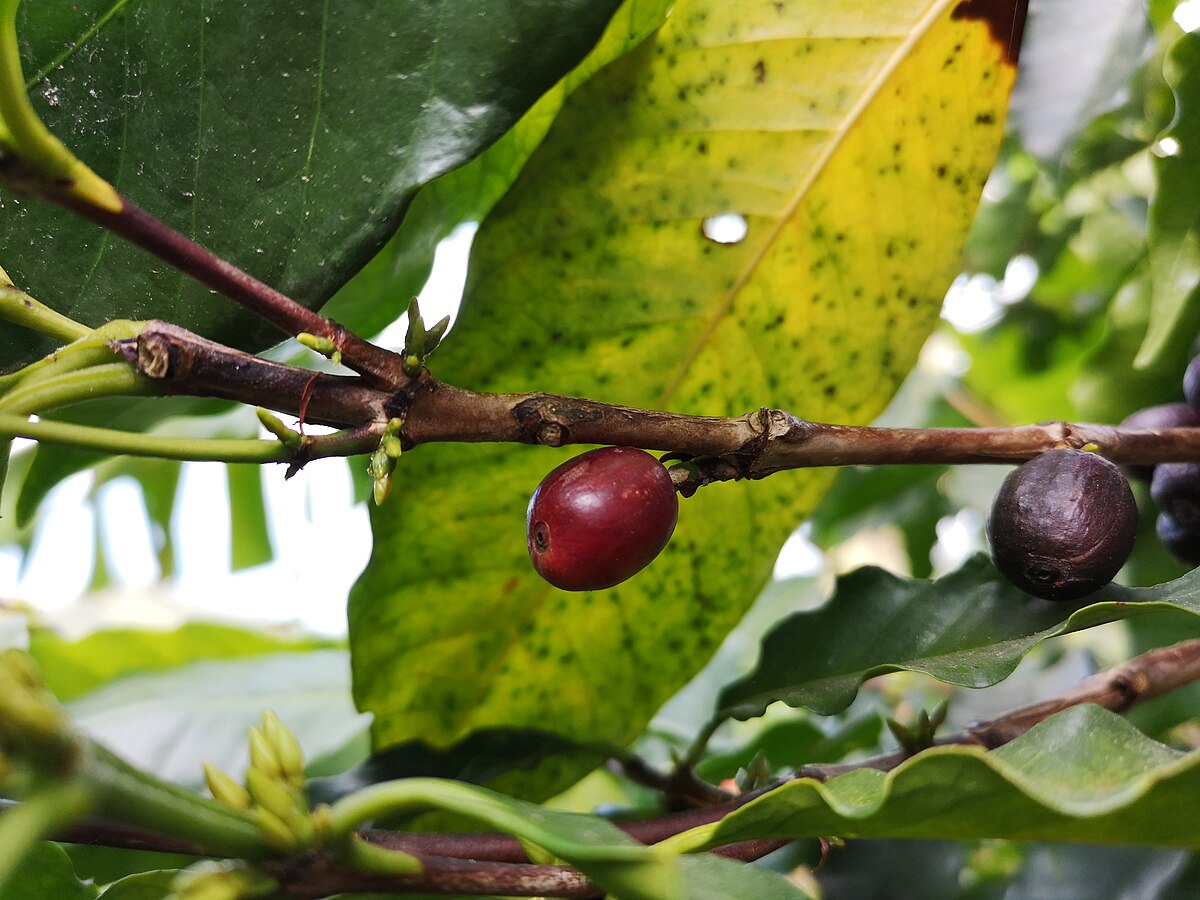
Green coffee refers to coffee beans that have not yet been roasted. These unroasted seeds of the Coffea fruit, particularly from the Coffea arabica species, retain their natural green hue and possess a distinctly different chemical profile compared to their roasted counterparts. They are typically sourced from the coffee cherry and are the raw material from which all roasted coffee is produced.
Valued for their unique composition, including higher levels of chlorogenic acids, green coffee beans are primarily used for their extracts in dietary supplements, though they can also be brewed as a milder, less aromatic beverage.
Other Names of Green Coffee
- Unroasted Coffee
- Raw Coffee
- Coffee Cherries (referring to the fruit)
Heading
<h3> Absolute Contraindications of Green Coffee </h3> <h4>Pregnancy (If you are pregnant)</h4> <ul> <li>🤰</li> <li>Recommendation: Avoid green-coffee supplements during pregnancy; limit total dietary caffeine to recommended pregnancy limits (commonly ≤200 mg/day) and discuss any supplement with your obstetrician.</li> <li>Reasoning: Green coffee contains caffeine and concentrated chlorogenic acids; caffeine crosses the placenta and high maternal caffeine intake has been associated with pregnancy risks in some studies, so supplements with concentrated active compounds are avoided to reduce uncertain fetal risk.</li> <li>Scientific_Study_Title: Assessment of caffeine intake in groups of pregnant and breastfeeding women: A cross-sectional analysis</li> <li>Scientific_Study_Authors: Anna Lisowska, Przemysław Kasiak, Marcin Rząca</li> <li>Scientific_Study_Link: https://pubmed.ncbi.nlm.nih.gov/37739650/</li> <li>Scientific_Study_Excerpt: <p>The authors surveyed 1,112 women and reported that caffeine is commonly consumed during pregnancy; regulatory guidance (EFSA) sets a recommended maximum of about 200 mg/day for pregnant women. Median intakes among pregnant participants in this study were within that range, but a substantial proportion of women could not correctly identify safe limits. The study emphasizes that concentrated caffeine sources (supplements, strong brews) can raise intake above recommended thresholds and that pregnant women should be counselled to track and limit total caffeine from all sources.</p> <p>Translated to green-coffee supplements: preparations standardized for chlorogenic acids or containing added caffeine may push total intake above recommended pregnancy limits and are therefore not recommended in pregnancy without specialist advice.</p> </li> </ul> <h4>Breastfeeding (If you are breastfeeding)</h4> <ul> <li>🍼</li> <li>Recommendation: Avoid high-dose green-coffee supplements while breastfeeding; if you choose modest use, keep total maternal caffeine below commonly advised limits (often ≤200-300 mg/day) and watch the infant for irritability or sleep problems.</li> <li>Reasoning: Caffeine and its metabolites are excreted into breastmilk; infants (especially newborns and preterm infants) metabolize caffeine slowly and can show jitteriness, poor sleep or feeding problems when maternal intake is high.</li> <li>Scientific_Study_Title: Caffeine - Drugs and Lactation Database (LactMed) summary</li> <li>Scientific_Study_Authors: LactMed / U.S. National Library of Medicine (LactMed editorial content)</li> <li>Scientific_Study_Link: https://www.ncbi.nlm.nih.gov/sites/books/n/lactmed/LM582/</li> <li>Scientific_Study_Excerpt: <p>LactMed notes that caffeine appears in breastmilk with peak levels about 1-2 hours after ingestion and documents measured milk concentrations after various maternal doses. At typical moderate intakes many infants are unaffected, but high maternal caffeine consumption can raise milk concentrations and has been associated with fussiness, jitteriness, and poorer sleep in some infants, particularly neonates and preterm babies.</p> <p>Because green-coffee supplements can concentrate caffeine and related compounds, LactMed guidance supports limiting maternal intake and avoiding high-dose caffeine/supplement use during breastfeeding unless advised by a provider.</p> </li> </ul> <h4>Bleeding disorders or concurrent use of anticoagulant/antiplatelet drugs (e.g., warfarin, DOACs, aspirin, clopidogrel)</h4> <ul> <li>🩸</li> <li>Recommendation: Do not start green-coffee supplements if you have a bleeding disorder or are taking anticoagulant/antiplatelet medications without first consulting your physician; if already taking them, discuss stopping the supplement or close monitoring.</li> <li>Reasoning: Laboratory and mechanistic studies show chlorogenic acid - a major green-coffee constituent - can inhibit platelet aggregation (reducing thromboxane production and modifying platelet signalling). This raises theoretical and experimental concerns about additive bleeding risk when combined with blood thinners or in bleeding disorders.</li> <li>Scientific_Study_Title: Inhibition of platelet aggregation by chlorogenic acid via cAMP and cGMP-dependent manner</li> <li>Scientific_Study_Authors: Hyun-Jeong Cho, Hee-Jin Kang, Yun-Jung Kim, Dong-Ha Lee, Hyuk-Woo Kwon, Yun-Yi Kim, Hwa-Jin Park</li> <li>Scientific_Study_Link: https://pubmed.ncbi.nlm.nih.gov/22885765/</li> <li>Scientific_Study_Excerpt: <p>In platelet studies, chlorogenic acid dose-dependently inhibited collagen-induced platelet aggregation, suppressed thromboxane A2 formation and showed strong inhibition of cyclooxygenase-1 in platelet microsomes. The compound also increased intracellular cAMP and cGMP, intracellular mediators that oppose platelet activation. Together these findings indicate a clear antiplatelet pharmacology in vitro.</p> <p>Although most human green-coffee trials report few adverse bleeding events, the mechanistic antiplatelet actions support caution and the need for clinical monitoring when combined with therapeutic anticoagulants or in patients with bleeding diatheses.</p> </li> </ul> <h3> Relative Contraindications of Green Coffee </h3> <h4>Concurrent use of blood-glucose lowering medications (e.g., insulin, sulfonylureas, metformin)</h4> <ul> <li>⚖️</li> <li>Recommendation: If you take diabetes medication, consult your endocrinologist before starting green-coffee supplements; blood glucose and medication doses may need closer monitoring.</li> <li>Reasoning: Clinical trials and meta-analyses report modest reductions in fasting glucose and insulin with green-coffee/chlorogenic-acid supplementation - changes that could increase risk of low blood sugar when combined with hypoglycemic drugs.</li> <li>Scientific_Study_Title: The effect of green coffee extract supplementation on cardio-metabolic risk factors: a systematic review and meta-analysis of randomized controlled trials</li> <li>Scientific_Study_Authors: (meta-analysis group; see PubMed entry for full list)</li> <li>Scientific_Study_Link: https://pubmed.ncbi.nlm.nih.gov/32550217/</li> <li>Scientific_Study_Excerpt: <p>This meta-analysis pooled randomized trials and found that green-coffee supplementation produced small but statistically significant reductions in fasting blood sugar and fasting insulin as well as modest improvements in triglycerides and HDL in adults. The pooled results support that green-coffee compounds affect glucose metabolism in humans.</p> <p>Clinically, these modest glucose-lowering effects mean patients taking antidiabetic medications should use green coffee only with medical supervision and periodic glucose monitoring to avoid hypoglycemia.</p> </li> </ul> <h4>Concurrent use of antihypertensive medications (e.g., ACE inhibitors, ARBs, beta-blockers)</h4> <ul> <li>💊</li> <li>Recommendation: Inform your prescriber if you plan to use green-coffee supplements; blood pressure should be monitored because small additive effects are possible.</li> <li>Reasoning: Meta-analyses and trials show green coffee can lower systolic and diastolic blood pressure modestly; when combined with antihypertensive drugs the effect could be additive and require dose adjustment.</li> <li>Scientific_Study_Title: The effect of green coffee extract supplementation on blood pressure: A systematic review and meta-analysis of randomized controlled trials</li> <li>Scientific_Study_Authors: (meta-analysis authors; see PubMed entry)</li> <li>Scientific_Study_Link: https://pubmed.ncbi.nlm.nih.gov/31429515/</li> <li>Scientific_Study_Excerpt: <p>Across randomized controlled trials, green-coffee supplementation produced small but consistent reductions in both systolic and diastolic blood pressure. Subgroup analyses suggested larger effects in people with baseline hypertension. While changes are modest, the data indicate that green coffee has measurable vascular activity and could add to prescription antihypertensive effects.</p> <p>Therefore, concurrent use with blood pressure medications should prompt monitoring and clinical discussion rather than automatic contraindication.</p> </li> </ul> <h4>Severe liver disease or known impaired caffeine metabolism</h4> <ul> <li>⚠️</li> <li>Recommendation: Avoid or use very cautiously; dosing should be discussed with a hepatology specialist because impaired liver function can slow caffeine clearance and increase systemic exposure to caffeine and other green-coffee constituents.</li> <li>Reasoning: Caffeine and related xanthines are primarily metabolized by hepatic CYP enzymes (notably CYP1A2). Liver impairment or interacting drugs that alter CYP1A2 can substantially change caffeine clearance and increase side effects.</li> <li>Scientific_Study_Title: Pharmacokinetics of Caffeine: A Systematic Analysis of Reported Data for Application in Metabolic Phenotyping and Liver Function Testing</li> <li>Scientific_Study_Authors: (systematic analysis group; see PubMed entry)</li> <li>Scientific_Study_Link: https://pubmed.ncbi.nlm.nih.gov/35280254/</li> <li>Scientific_Study_Excerpt: <p>This systematic analysis summarizes caffeine pharmacokinetic data and emphasizes that caffeine is almost exclusively metabolized in the liver via cytochrome P450 (primarily CYP1A2). There is wide interindividual variability in clearance due to genetics, smoking, drugs, disease and liver function. The paper highlights that impaired hepatic function or drugs that inhibit CYP1A2 can markedly prolong caffeine half-life and raise exposure.</p> <p>Because green-coffee supplements concentrate caffeine/CGA, patients with significant liver disease should avoid or use only with specialist oversight and monitoring of symptoms and drug levels where relevant.</p> </li> </ul> <h4>Known severe sensitivity to caffeine, anxiety disorders, or severe insomnia</h4> <ul> <li>😰</li> <li>Recommendation: Avoid green-coffee supplements if you are highly caffeine-sensitive or have unstable anxiety/insomnia; if uncertain, try avoidance or very low dose under medical guidance.</li> <li>Reasoning: Caffeine is a central nervous system stimulant and can worsen anxiety, raise arousal, and disrupt sleep in susceptible people; concentrated supplement forms may produce stronger effects than typical beverages.</li> <li>Scientific_Study_Title: Caffeine Consumption, Psychological Distress, and Insomnia in a Cohort of Individuals with Depression</li> <li>Scientific_Study_Authors: (see PubMed entry for full author list)</li> <li>Scientific_Study_Link: https://pubmed.ncbi.nlm.nih.gov/40313647/</li> <li>Scientific_Study_Excerpt: <p>In cohorts studied for mood and sleep outcomes, higher caffeine intake was associated with greater psychological distress and variable effects on sleep; caffeine can provoke anxiety and sleep disturbance in predisposed individuals. The study and others emphasize the dose-dependent nature of these effects and the importance of individual susceptibility.</p> <p>Given that green-coffee supplements may concentrate stimulant compounds, individuals with anxiety disorders or severe sleep problems should avoid or use only after careful evaluation.</p> </li> </ul>
Heading
<h4>Jitteriness, nervousness, increased heart rate, or palpitations</h4> <ul> <li>💓</li> <li>Side effect summary: Many people taking green-coffee (or other caffeine-containing) supplements report jitteriness, a racing heart, or sensations of palpitations - usually dose related.</li> <li>Recommendation: Reduce dose or stop the supplement; if you experience chest pain, fainting, severe palpitations or breathlessness seek urgent medical care.</li> <li>Reasoning: Caffeine stimulates the central nervous system and sympathetic drive; higher or concentrated doses as found in some supplements can provoke palpitations or a sense of nervous energy in sensitive people.</li> <li>Severity Level: Moderate</li> <li>Scientific_Study_Available: Yes</li> <li>Scientific_Study_Title: Caffeine Consumption, Psychological Distress, and Insomnia in a Cohort of Individuals with Depression</li> <li>Scientific_Study_Authors: (see PubMed entry)</li> <li>Scientific_Study_Link: https://pubmed.ncbi.nlm.nih.gov/40313647/</li> <li>Scientific_Study_Excerpt: <p>This research examined caffeine use in individuals with psychiatric vulnerability and found that higher caffeine consumption was associated with increased psychological distress and that caffeine can precipitate or worsen anxiety symptoms in susceptible people. The relationship with heart rate and palpitations is mediated by sympathetic activation and can be dose dependent.</p> <p>For supplements concentrating caffeine (such as many green-coffee extracts), the likelihood of these stimulant side effects is higher than for low-dose beverage intake, so dose moderation is important.</p> </li> </ul> <h4>Insomnia or sleep disruption</h4> <ul> <li>🌙❌</li> <li>Side effect summary: Caffeine from green-coffee supplements can delay sleep onset and reduce sleep quality if taken late in the day.</li> <li>Recommendation: Avoid green-coffee supplements within 6-8 hours of planned sleep; if you develop persistent insomnia, stop the product and consult your provider.</li> <li>Reasoning: Caffeine has a prolonged half-life in some people and raises arousal; concentrated supplements can sustain stimulant levels into the evening, disrupting sleep.</li> <li>Severity Level: Mild</li> <li>Scientific_Study_Available: Yes</li> <li>Scientific_Study_Title: Caffeine and insomnia / sleep outcomes (see cohort analyses)</li> <li>Scientific_Study_Authors: (see PubMed entry https://pubmed.ncbi.nlm.nih.gov/40313647/)</li> <li>Scientific_Study_Link: https://pubmed.ncbi.nlm.nih.gov/40313647/</li> <li>Scientific_Study_Excerpt: <p>Cohort and experimental studies consistently show that caffeine taken in the late afternoon or evening reduces total sleep time and sleep efficiency, and may increase time to fall asleep. Individual response varies widely by genetics, habitual use, and concurrent medications.</p> <p>Because green-coffee preparations often deliver concentrated active constituents, timing and dose control are important to avoid sleep disturbances.</p> </li> </ul> <h4>Gastrointestinal discomfort (nausea, acid reflux)</h4> <ul> <li>🤢</li> <li>Side effect summary: Some users report stomach upset, nausea or increased acid/heartburn when taking green-coffee supplements, particularly on an empty stomach.</li> <li>Recommendation: Take with food or stop the supplement if symptoms persist; seek medical advice if you have severe or prolonged GI symptoms.</li> <li>Reasoning: Caffeine and certain polyphenols can stimulate gastric acid secretion and irritate the gastrointestinal lining in some individuals; concentrated extracts can exacerbate these effects.</li> <li>Severity Level: Mild</li> <li>Scientific_Study_Available: NA (common clinical observation; limited direct RCT adverse-event citations specific to green coffee available)</li> <li>Scientific_Study_Title: NA</li> <li>Scientific_Study_Authors: NA</li> <li>Scientific_Study_Link: NA</li> <li>Scientific_Study_Excerpt: NA</li> </ul>
Heading
<h4>Anticoagulants / Antiplatelet agents (e.g., warfarin, direct oral anticoagulants, aspirin, clopidogrel)</h4> <ul> <li>Interaction_Details: Chlorogenic acids in green coffee show antiplatelet activity in laboratory studies (reducing thromboxane production and platelet aggregation); combining green-coffee supplements with anticoagulants or antiplatelets could increase bleeding risk.</li> <li>Severity: Moderate</li> <li>Recommendation: Discuss with your prescribing clinician before using green-coffee supplements; avoid starting supplements without medical review and consider extra monitoring (INR checks for warfarin, clinical bleeding surveillance).</li> <li>Scientific_Study_Available: Yes</li> <li>Scientific_Study_Link: https://pubmed.ncbi.nlm.nih.gov/22885765/</li> <li>Scientific_Study_Title: Inhibition of platelet aggregation by chlorogenic acid via cAMP and cGMP-dependent manner</li> <li>Scientfic_Study_Authors: Hyun-Jeong Cho, Hee-Jin Kang, Yun-Jung Kim, Dong-Ha Lee, Hyuk-Woo Kwon, Yun-Yi Kim, Hwa-Jin Park</li> <li>Scientific_Study_Excerpt: <p>In controlled platelet experiments, chlorogenic acid inhibited collagen-induced aggregation in a dose-dependent fashion, reduced thromboxane A2 production and inhibited platelet cyclooxygenase-1 activity. Chlorogenic acid increased intraplatelet cAMP and cGMP - intracellular molecules that counteract platelet activation. These mechanistic findings demonstrate potent antiplatelet activity in vitro.</p> <p>While direct large human bleeding trials with green coffee are lacking, the antiplatelet pharmacology underpins a plausible drug interaction when combined with therapeutic anticoagulants or antiplatelet drugs, and supports clinical caution and monitoring.</p> </li> </ul> <h4>Antidiabetic medications (insulin, sulfonylureas, meglitinides)</h4> <ul> <li>Interaction_Details: Green-coffee (CGA) supplementation modestly reduces fasting glucose and insulin in trials; this could potentiate the glucose-lowering effect of antidiabetic drugs and raise hypoglycemia risk.</li> <li>Severity: Moderate</li> <li>Recommendation: If you take glucose-lowering medicines, consult your clinician before starting green coffee; monitor blood glucose closely and be prepared to adjust medication doses if needed.</li> <li>Scientific_Study_Available: Yes</li> <li>Scientific_Study_Link: https://pubmed.ncbi.nlm.nih.gov/32550217/</li> <li>Scientific_Study_Title: The effect of green coffee extract supplementation on cardio-metabolic risk factors: a systematic review and meta-analysis of randomized controlled trials</li> <li>Scientfic_Study_Authors: (see PubMed entry for full author list)</li> <li>Scientific_Study_Excerpt: <p>This meta-analysis pooled randomized controlled trials and found small but statistically significant decreases in fasting blood glucose and insulin with green-coffee supplementation. The clinical effect size was modest, but consistent across studies, indicating biologically meaningful modulation of glycemic control.</p> <p>Clinicians should therefore consider the possibility of additive glucose-lowering when green coffee is used with antidiabetic medications and arrange appropriate glucose monitoring and medication review.</p> </li> </ul> <h4>CYP1A2 substrate drugs - e.g., clozapine, olanzapine, theophylline, some antipsychotics</h4> <ul> <li>Interaction_Details: Caffeine and other coffee components can inhibit or compete for CYP1A2 metabolism; drinking caffeinated products or taking concentrated green-coffee extracts can alter blood levels of CYP1A2-metabolized drugs and change their effects or toxicity.</li> <li>Severity: Severe (can be clinically significant for narrow-therapeutic-index drugs such as clozapine)</li> <li>Recommendation: Avoid unsupervised green-coffee supplementation if you take drugs primarily metabolized by CYP1A2; consult prescribing clinician and consider drug-level monitoring (e.g., clozapine levels) if changes in caffeine intake occur.</li> <li>Scientific_Study_Available: Yes</li> <li>Scientific_Study_Link: https://pubmed.ncbi.nlm.nih.gov/14725610/</li> <li>Scientific_Study_Title: Effect of caffeine-containing versus decaffeinated coffee on serum clozapine concentrations in hospitalised patients</li> <li>Scientfic_Study_Authors: (see PubMed entry)</li> <li>Scientific_Study_Excerpt: <p>This clinical study compared caffeine-containing and decaffeinated coffee in clozapine-treated patients and found that caffeine intake increased mean serum trough concentrations of clozapine by about 20-26% in compliant participants. The authors concluded that caffeine can inhibit clozapine metabolism via effects on CYP1A2 and that some individuals may be particularly sensitive to this interaction.</p> <p>Because green-coffee supplements deliver concentrated caffeine/CGA, co-use with CYP1A2-metabolized drugs can cause clinically important changes in drug exposure and toxicity risk; specialist oversight is recommended.</p> </li> </ul> <h4>Stimulant drugs (e.g., amphetamines, some ADHD medications)</h4> <ul> <li>Interaction_Details: Caffeine is a central stimulant and may augment stimulant effects (heart rate, blood pressure, anxiety) or produce complex behavioural interactions; animal and human data show additive or modifying effects depending on timing and dose.</li> <li>Severity: Mild to Moderate</li> <li>Recommendation: Be cautious combining green-coffee supplements with stimulant medications; discuss with your prescriber and monitor for increased heart rate, anxiety, insomnia or other stimulant side effects.</li> <li>Scientific_Study_Available: Yes (animal/human interaction literature)</li> <li>Scientific_Study_Link: https://pubmed.ncbi.nlm.nih.gov/6709674/</li> <li>Scientific_Study_Title: Caffeine reduces amphetamine-induced activity in an asymmetrical interaction (animal study)</li> <li>Scientfic_Study_Authors: (see PubMed entry)</li> <li>Scientific_Study_Excerpt: <p>Experimental studies in animals demonstrate that caffeine can both attenuate and enhance amphetamine-induced activity depending on dose and timing, indicating complex pharmacodynamic interactions. Human implications include potential augmentation of stimulant side effects (tachycardia, anxiety, sleep disturbance) when caffeine is used together with therapeutic stimulants, particularly at higher doses.</p> <p>These findings advise caution and clinical monitoring when combining green-coffee supplements (which concentrate caffeine) with stimulant medications.</p> </li> </ul>