Ghritkumari
Aloe barbadensis miller
Ghritkumari (Aloe Vera) is a widely recognized succulent in Ayurveda, commonly used for its supposed cooling and soothing properties. It is prevalent for its claimed benefits in balancing Pitta and Vata doshas, and its gel is widely applied for skin and digestive health. This ancient herb is found in tropical climates globally.
PLANT FAMILY
Asphodelaceae (Aloe)
AYURVEDIC ACTION
Pitta ↓, Vata ↓, Kapha ↓
ACTIVE COMPOUNDS
Aloins (15-20%)
What is Ghritkumari?
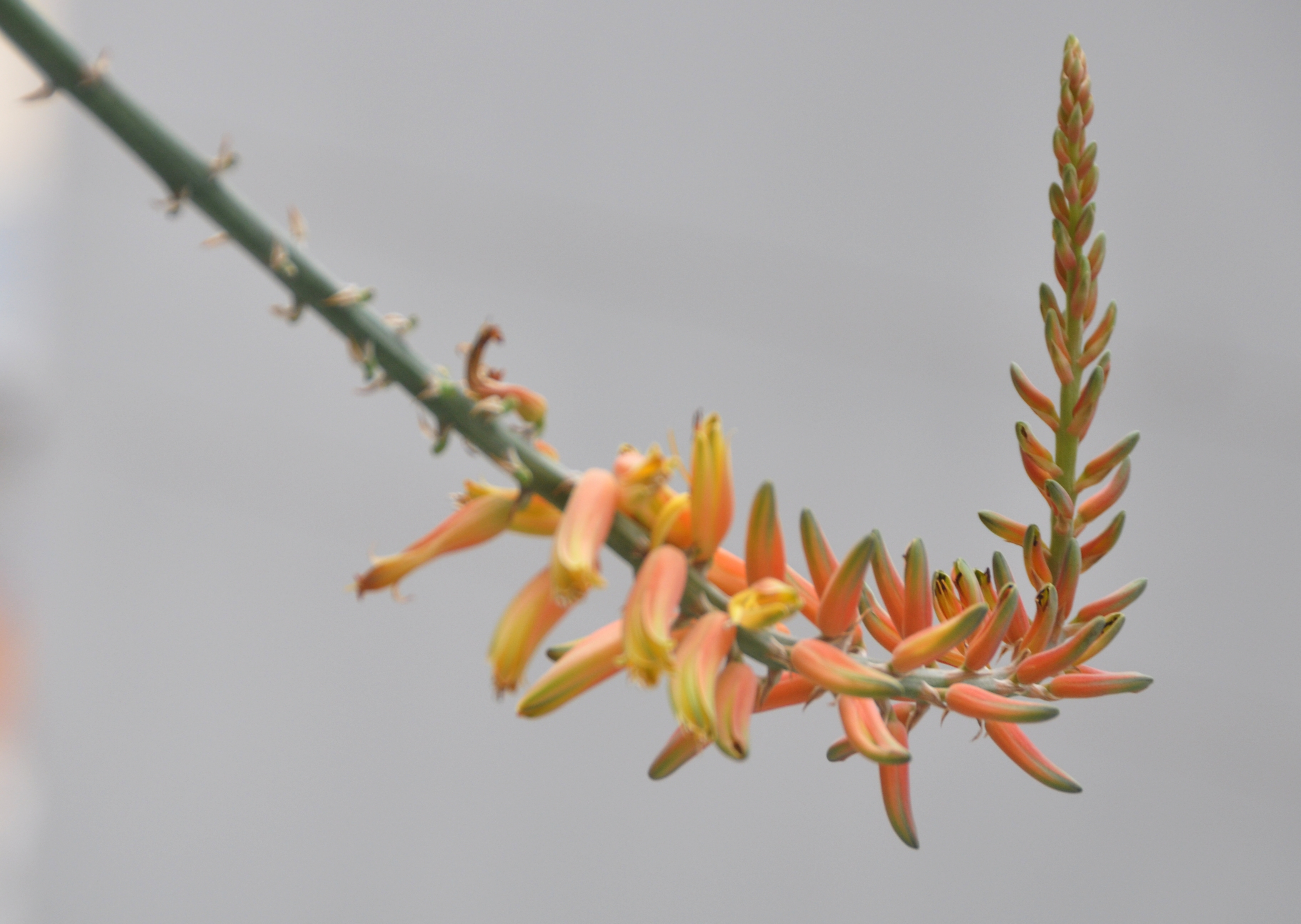
Ghritkumari, more commonly known as Aloe Vera (scientific name: Aloe barbadensis miller), is a succulent plant species of the genus Aloe. Widely cultivated for agricultural and medicinal uses, it is also utilized for decorative purposes and grows wild in tropical climates around the world. The species is well-known for its thick, fleshy leaves that contain a gel-like substance.
This gel is extensively used in various health and beauty products due to its soothing and moisturizing properties. Its historical usage dates back centuries across numerous cultures, making it one of the most recognized botanicals globally.
Other Names of Ghritkumari
- Aloe Vera
- Burn Plant
- Lily of the Desert
- Ghrita-Kumari (Sanskrit)
- Kumari (Ayurvedic name)
Heading
<h3> Absolute Contraindications of Ghritkumari (Aloe vera) </h3> <h4>Pregnancy - Do not take Aloe by mouth</h4> <ul> <li>🤰 <li>Recommendation: Avoid oral/whole-leaf Aloe products during pregnancy; topical pure gel for skin is generally considered safe but check with your clinician. <li>Reasoning: Anthraquinone-containing latex/whole-leaf preparations are stimulant laxatives and may trigger strong uterine activity and fluid/electrolyte loss; for safety, oral use is discouraged in pregnancy. <li>Scientific_Study_Title: An evaluation of the biological and toxicological properties of Aloe barbadensis (Miller), Aloe vera. <li>Scientific_Study_Authors: Mary D Boudreau, Frederick A Beland <li>Scientific_Study_Link: https://pubmed.ncbi.nlm.nih.gov/16690538/ <li>Scientific_Study_Excerpt: <p>This comprehensive review explains that Aloe leaf exudates contain anthraquinone glycosides (e.g., aloin) responsible for cathartic effects; these compounds can produce strong bowel stimulation and significant fluid/electrolyte shifts. The authors note that whole-leaf and latex products can be problematic in vulnerable populations and advise caution with internal use.</p> <p>Because anthraquinone cathartics can theoretically stimulate smooth muscle and cause uterine effects and electrolyte disturbances, oral whole-leaf preparations are not recommended during pregnancy without specialist supervision.</p> </ul> <h4>Known allergy to Aloe / history of hypersensitivity [Skin allergy or systemic]</h4> <ul> <li>⚠️ <li>Recommendation: Do not use topical or internal Aloe if you have a documented allergic reaction to Aloe; patch-test new topical products first if unsure. <li>Reasoning: Case reports document allergic contact dermatitis and systemic hypersensitivity from Aloe preparations - reactions can be local (contact dermatitis) or more diffuse after ingestion. <li>Scientific_Study_Title: Allergic contact dermatitis to Aloe vera. <li>Scientific_Study_Authors: Márcia Ferreira, Marta Teixeira, Elvira Silva, Manuela Selores <li>Scientific_Study_Link: https://pubmed.ncbi.nlm.nih.gov/17868225/ <li>Scientific_Study_Excerpt: <p>This published case report describes an elderly patient who developed contact dermatitis after using homemade Aloe juice topically; patch testing confirmed sensitivity to the plant. The authors emphasise that while many commercial Aloe preparations are processed to remove irritant fractions, raw or unstandardized products may provoke allergic responses and should be used cautiously.</p> </ul> <h4>Known prior Aloe-induced liver injury or active severe liver disease</h4> <ul> <li>🩺 <li>Recommendation: Do not take oral Aloe products if you have had prior liver injury attributed to Aloe or have active severe liver disease; consult hepatology before any use. <li>Reasoning: Case series and reports have linked prolonged oral Aloe preparations to clinically significant toxic hepatitis that resolved after stopping the product, indicating a potential causative role in susceptible individuals. <li>Scientific_Study_Title: Aloe-induced toxic hepatitis. <li>Scientific_Study_Authors: Ha Na Yang, Dong Joon Kim, Young Mook Kim, Byoung Ho Kim, Kyoung Min Sohn, Myung Jin Choi, Young Hee Choi <li>Scientific_Study_Link: https://pubmed.ncbi.nlm.nih.gov/20191055/ <li>Scientific_Study_Excerpt: <p>Three case reports are described in which adults who had taken oral aloe preparations for months presented with acute hepatitis; clinical, histologic and RUCAM criteria supported a drug-induced liver injury diagnosis. In each case liver enzymes normalised after stopping the aloe product, and in one case re-challenge again raised liver enzymes, strengthening the causality assessment.</p> </ul> <h4>Severe renal impairment / dialysis patients (oral use caution)</h4> <ul> <li>🚫 <li>Recommendation: Avoid regular oral Aloe preparations if you have severe kidney disease or are on dialysis unless directed by a nephrologist. <li>Reasoning: Chronic stimulant laxative use (from anthraquinone-containing products) can cause dehydration, electrolyte disturbances and has been associated in reports with renal dysfunction and worsening of kidney parameters. <li>Scientific_Study_Title: Evaluation of the Nutritional and Metabolic Effects of Aloe vera (book chapter / review). <li>Scientific_Study_Authors: Meika Foster, Duncan Hunter, Samir Samman (chapter authors); in Benzie IFF, Wachtel-Galor S (editors) <li>Scientific_Study_Link: https://www.ncbi.nlm.nih.gov/books/NBK92765/ <li>Scientific_Study_Excerpt: <p>The review summarises that ingestion of certain Aloe preparations has been associated in case reports with oliguric renal failure and kidney dysfunction, likely secondary to severe fluid/electrolyte loss and direct toxic effects of some anthraquinone constituents; it recommends caution with oral use in patients with pre-existing renal disease.</p> </ul> <h3> Relative Contraindications of Ghritkumari (Aloe vera) </h3> <h4>Taking anti-diabetic medications (risk of low blood sugar)</h4> <ul> <li>🩸 <li>Recommendation: If you are on insulin or oral glucose-lowering drugs, check with your prescribing clinician before starting oral Aloe; monitor blood glucose closely if used. <li>Reasoning: Clinical trials show certain standard oral Aloe extracts can lower fasting glucose and HbA1c; combining this with antidiabetic therapy may increase hypoglycemia risk. <li>Scientific_Study_Title: Anti-hyperglycemic and anti-hypercholesterolemic effects of Aloe vera leaf gel in hyperlipidemic type 2 diabetic patients: a randomized double-blind placebo-controlled clinical trial. <li>Scientific_Study_Authors: Kianoush Rajabian (?) - note: authors listed on PubMed entry (see link) <li>Scientific_Study_Link: https://pubmed.ncbi.nlm.nih.gov/22198821/ <li>Scientific_Study_Excerpt: <p>A randomized, double-blind, placebo-controlled trial in type 2 diabetic patients found that oral Aloe gel capsules (300 mg every 12 hours) significantly lowered fasting blood glucose and HbA1c versus placebo after two months, without changes in routine liver/kidney tests. The authors suggest that Aloe has measurable glucose-lowering activity and should be used cautiously with other hypoglycemic medications.</p> </ul> <h4>Concurrent use of diuretics or cardiac glycoside (digoxin) - risk amplified by hypokalemia</h4> <ul> <li>💊 <li>Recommendation: If you take loop or thiazide diuretics or digoxin, discuss Aloe use with your clinician - avoid unsupervised long-term oral Aloe intake. <li>Reasoning: Chronic stimulant laxative use from Aloe latex can cause significant potassium loss; hypokalemia increases the risk of digoxin toxicity and arrhythmias and potentiates diuretic effects. <li>Scientific_Study_Title: Nephrotoxicity of herbal products in Europe - a review of an underestimated problem. <li>Scientific_Study_Authors: [Panel authors per article - see PubMed/PMC link] <li>Scientific_Study_Link: https://www.ncbi.nlm.nih.gov/pmc/articles/PMC8074082/ <li>Scientific_Study_Excerpt: <p>This review highlights that long-term use of anthraquinone-containing laxatives (including Aloe products) can lead to sustained electrolyte disturbances - notably hypokalemia - which may precipitate cardiac arrhythmias and interact adversely with digitalis glycosides and diuretics. The authors recommend careful medication review and monitoring in at-risk patients.</p> </ul> <h4>Concomitant drugs metabolised by CYP3A4/CYP2D6 (possible interaction)</h4> <ul> <li>⚗️ <li>Recommendation: If you take drugs mainly cleared by CYP3A4 or CYP2D6, consult a clinician; avoid unsupervised use of concentrated Aloe juices or extracts. <li>Reasoning: In vitro studies with commercial Aloe extracts demonstrate inhibitory effects on CYP3A4 and CYP2D6; this raises the possibility that Aloe could alter blood levels of drugs metabolised by these enzymes. <li>Scientific_Study_Title: Aloe vera juice: IC50 and dual mechanistic inhibition of CYP3A4 and CYP2D6. <li>Scientific_Study_Authors: Gurley BJ et al. (as recorded on PubMed entry) <li>Scientific_Study_Link: https://pubmed.ncbi.nlm.nih.gov/21842479/ <li>Scientific_Study_Excerpt: <p>In vitro experiments with ethanol extracts of commercial Aloe juices showed inhibitory potency against recombinant human CYP3A4 and CYP2D6 with measurable IC50 values; some extracts also showed time-dependent inhibition, indicating possible mechanism-based effects. The findings indicate a theoretical risk of altered metabolism for co-administered drugs that rely on these enzymes for clearance.</p> </ul>
Heading
<h4>Diarrhea and electrolyte loss (low potassium)</h4> <ul> <li>💩 <li>Side effect summary: Oral whole-leaf or latex-containing Aloe can cause diarrhea that, if prolonged, leads to dehydration and low potassium. <li>Recommendation: Stop oral Aloe if you develop persistent diarrhea; seek medical care for weakness, palpitations or fainting. People on diuretics, digoxin or with heart disease should avoid chronic oral use. <li>Reasoning: Anthraquinone compounds stimulate colonic secretion and motility; chronic purgation causes significant potassium loss and may produce cardiac problems. <li>Severity Level: Moderate <li>Scientific_Study_Available: Yes <li>Scientific_Study_Title: Aloe vera: A review of toxicity and adverse clinical effects. <li>Scientific_Study_Authors: Xiaoqing Guo, Nan Mei <li>Scientific_Study_Link: https://pubmed.ncbi.nlm.nih.gov/26986231/ <li>Scientific_Study_Excerpt: <p>This toxicology review summarises clinical reports linking Aloe ingestion to diarrhea and hypokalemia and discusses the role of anthraquinone glycosides as the active cathartic agents. The review cautions about chronic use of whole-leaf extracts and notes associated electrolyte imbalance and downstream cardiac and renal risks.</p> </ul> <h4>Acute or chronic liver injury (hepatitis)</h4> <ul> <li>🧪 <li>Side effect summary: Prolonged oral intake of some Aloe preparations has been associated with acute hepatitis in case reports. <li>Recommendation: If you develop jaundice, dark urine, severe nausea, or abdominal pain while taking oral Aloe, stop it and seek medical assessment immediately. Avoid oral Aloe if you have prior unexplained liver enzyme abnormalities. <li>Reasoning: Case evidence shows temporal association between oral Aloe use and hepatocellular injury that resolved on cessation, indicating a possible idiosyncratic or dose-related hepatotoxicity in susceptible people. <li>Severity Level: Severe <li>Scientific_Study_Available: Yes <li>Scientific_Study_Title: Aloe-induced toxic hepatitis. <li>Scientific_Study_Authors: Ha Na Yang, Dong Joon Kim, Young Mook Kim, Byoung Ho Kim, Kyoung Min Sohn, Myung Jin Choi, Young Hee Choi <li>Scientific_Study_Link: https://pubmed.ncbi.nlm.nih.gov/20191055/ <li>Scientific_Study_Excerpt: <p>The case series presents three adults who developed acute hepatitis after months of oral Aloe preparation use; liver enzymes and histology supported toxic hepatitis, and enzymes normalised after stopping the product. One patient’s enzymes rose again after re-challenge. The authors recommend considering Aloe as a potential cause of unexplained liver injury.</p> </ul> <h4>Allergic skin reactions (contact dermatitis)</h4> <ul> <li>🌿 <li>Side effect summary: Topical Aloe can cause allergic contact dermatitis in sensitised individuals; reactions include redness, itching and eczema. <li>Recommendation: Do a small patch test before wide topical use; stop and seek dermatology care if rash or swelling develops. Avoid topical use on open infected wounds without clinician advice. <li>Reasoning: Case reports and patch testing demonstrate immunologic sensitisation to Aloe constituents, particularly in unprocessed or homemade preparations. <li>Severity Level: Mild <li>Scientific_Study_Available: Yes <li>Scientific_Study_Title: Allergic contact dermatitis to Aloe vera. <li>Scientific_Study_Authors: Márcia Ferreira, Marta Teixeira, Elvira Silva, Manuela Selores <li>Scientific_Study_Link: https://pubmed.ncbi.nlm.nih.gov/17868225/ <li>Scientific_Study_Excerpt: <p>The case report documents localized dermatitis following topical use of homemade Aloe juice; patch tests confirmed sensitivity. The authors stress that processed commercial gels tend to be less irritant, but raw and unstandardized products can provoke allergic reactions and should be queried during clinical history taking.</p> </ul> <h4>Possible low blood sugar when combined with diabetes drugs</h4> <ul> <li>🔻 <li>Side effect summary: Oral Aloe extracts may lower blood sugar; when combined with antidiabetic drugs this could produce hypoglycemia. <li>Recommendation: People on antidiabetic therapy should only start Aloe under medical supervision and monitor glucose more frequently. <li>Reasoning: Controlled trials show measurable reductions in fasting glucose and HbA1c with oral Aloe extracts, indicating an additive glucose-lowering effect alongside prescribed agents. <li>Severity Level: Moderate <li>Scientific_Study_Available: Yes <li>Scientific_Study_Title: Anti-hyperglycemic and anti-hypercholesterolemic effects of Aloe vera leaf gel in hyperlipidemic type 2 diabetic patients: a randomized double-blind placebo-controlled clinical trial. <li>Scientific_Study_Authors: (see PubMed entry for full author list) <li>Scientific_Study_Link: https://pubmed.ncbi.nlm.nih.gov/22198821/ <li>Scientific_Study_Excerpt: <p>The randomized controlled trial reported significant reductions in fasting glucose and HbA1c after two months of oral Aloe gel capsules compared with placebo, supporting a real glucose-lowering pharmacologic action that could interact with other hypoglycemic therapies.</p> </ul>
Heading
<h4>Antidiabetic drugs (insulin, sulfonylureas, metformin and others)</h4> <ul> <li>Interaction_Details: Certain oral Aloe extracts have measurable glucose-lowering effects; using them with antidiabetic drugs may increase risk of hypoglycemia or require dose adjustments. <li>Severity: Moderate <li>Recommendation: Consult your prescribing clinician before adding oral Aloe; if used, monitor blood glucose closely and expect possible need for medication dose change. <li>Scientific_Study_Available: Yes <li>Scientific_Study_Link: https://pubmed.ncbi.nlm.nih.gov/22198821/ <li>Scientific_Study_Title: Anti-hyperglycemic and anti-hypercholesterolemic effects of Aloe vera leaf gel in hyperlipidemic type 2 diabetic patients: a randomized double-blind placebo-controlled clinical trial. <li>Scientfic_Study_Authors: (see PubMed record for full list) <li>Scientific_Study_Excerpt: <p>This randomized controlled trial in type 2 diabetes reported significant reductions in fasting glucose and HbA1c over two months in the group taking standardized oral Aloe gel versus placebo. The findings indicate clinically relevant glucose-lowering activity that could interact additively with prescribed glucose-lowering medications and warrant closer monitoring.</p> </ul> <h4>Cardiac glycosides (digoxin) and diuretics</h4> <ul> <li>Interaction_Details: Chronic oral use of anthraquinone-containing Aloe can cause hypokalemia through diarrhea; low potassium increases digoxin toxicity and susceptibility to arrhythmias and potentiates adverse diuretic effects. <li>Severity: Severe <li>Recommendation: Avoid long-term oral Aloe if you are on digoxin or potassium-wasting diuretics; if exposure occurs, check electrolytes and digoxin levels and consult your cardiologist. <li>Scientific_Study_Available: Yes <li>Scientific_Study_Link: https://www.ncbi.nlm.nih.gov/pmc/articles/PMC8074082/ <li>Scientific_Study_Title: Nephrotoxicity of Herbal Products in Europe-A Review of an Underestimated Problem. <li>Scientfic_Study_Authors: [authors listed in the article - see PubMed/PMC for full list] <li>Scientific_Study_Excerpt: <p>The review summarises reports where stimulant laxatives like Aloe and senna led to chronic potassium loss and associated cardiac/renal complications. It highlights that such electrolyte disturbances can reveal or aggravate digitalis toxicity and interact dangerously with diuretics and other cardiac medications, recommending vigilance and medication review.</p> </ul> <h4>Drugs metabolised by CYP3A4 and CYP2D6 (many common medicines: statins, some antihypertensives, antipsychotics, antiarrhythmics, etc.)</h4> <ul> <li>Interaction_Details: In vitro studies with commercial Aloe extracts demonstrated inhibition of CYP3A4 and CYP2D6 activity; this could alter blood levels of co-administered drugs that depend on these enzymes for clearance. <li>Severity: Moderate <li>Recommendation: Do not start concentrated oral Aloe juice/extracts without clinician/pharmacist advice if you take medications primarily cleared by CYP3A4 or CYP2D6; consider therapeutic drug monitoring when applicable. <li>Scientific_Study_Available: Yes <li>Scientific_Study_Link: https://pubmed.ncbi.nlm.nih.gov/21842479/ <li>Scientific_Study_Title: Aloe vera juice: IC50 and dual mechanistic inhibition of CYP3A4 and CYP2D6. <li>Scientfic_Study_Authors: (see PubMed entry for full author list) <li>Scientific_Study_Excerpt: <p>Laboratory experiments using recombinant human enzymes found that ethanol extracts of some Aloe juice products inhibited CYP3A4 and CYP2D6 with measurable IC50 values and in some cases time-dependent (mechanism-based) inhibition. While in vitro results do not prove clinical interaction, they signal a plausible mechanism for altered drug metabolism and potential interaction with medicines cleared by these pathways.</p> </ul>