Gehu ke Beej (Wheat germ)

Triticum aestivum
Gehu ke Beej (Wheat germ) is valued in Ayurveda for its nutritive properties. It is traditionally considered to balance Vata and Pitta doshas while potentially increasing Kapha. This widely available grain component is often recommended in Ayurvedic dietary practices for its claimed benefits in supporting overall vitality and strength.
PLANT FAMILY
Poaceae (Grass)
PARTS USED
Grain, Whole plant, Straw
AYURVEDIC ACTION
Vata ↓, Pitta ↓, Kapha ↑
ACTIVE COMPOUNDS
Vitamin E (0.1-0.2%)

What is Gehu ke Beej (Wheat germ)?

Gehu ke Beej, commonly known as wheat germ, is the embryo of the wheat kernel, responsible for sprouting into a new plant. It constitutes a small percentage of the kernel's total weight but is a concentrated source of nutrients. During the milling process, the germ is often separated from the flour to prevent spoilage due to its high oil content, yet it remains a highly valuable byproduct.

This component of wheat is replete with essential fatty acids, vitamins, and minerals, making it a significant dietary addition. Its dense nutritional profile includes vitamin E, folic acid, phosphorus, magnesium, and thiamin, among others, contributing to its designation as a superfood.

Other Names of Wheat Germ

  • Wheat embryo
  • Triticum aestivum germ
  • Germ of wheat
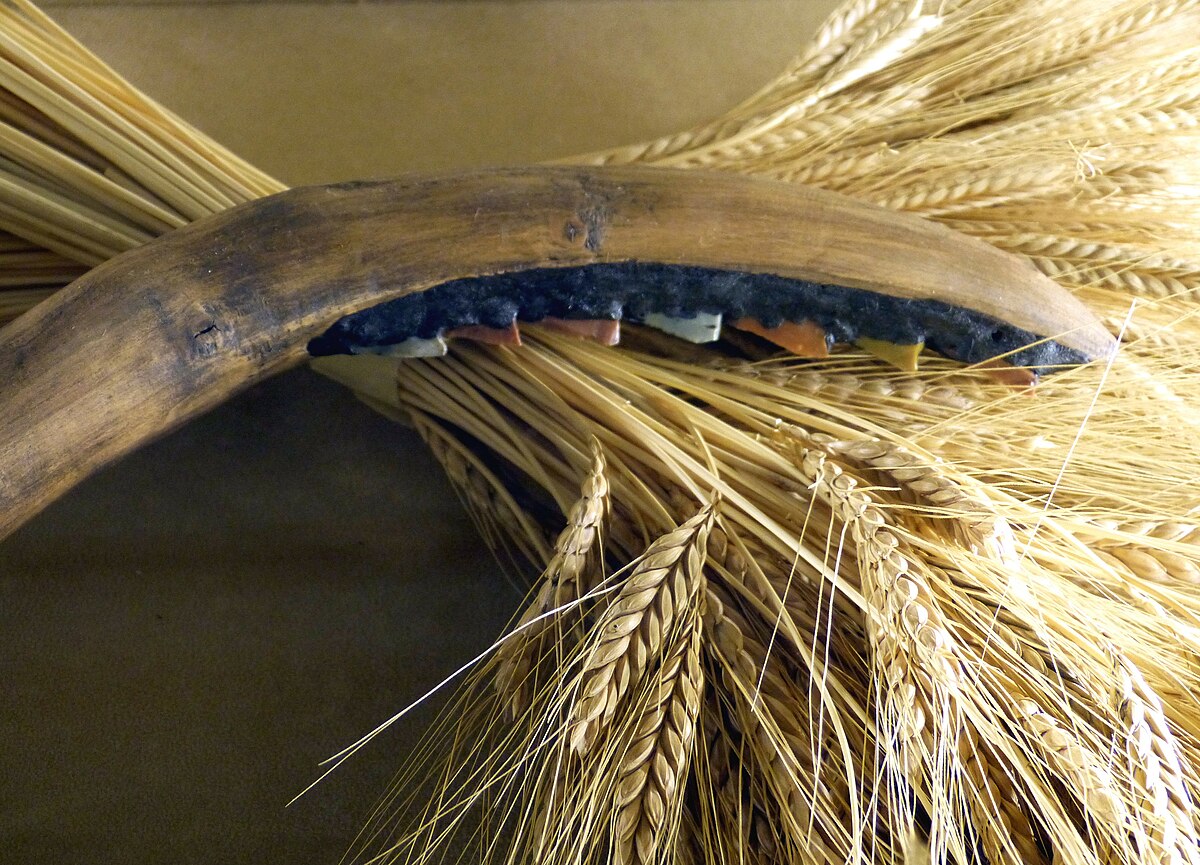
NHM - Jungsteinzeit Sichel 2

Benefits of Gehu ke Beej (Wheat germ)

Heading

<h3> Absolute Contraindications of Gehu ke Beej (Wheat germ) </h3> <h4> Celiac disease / diagnosed gluten-dependent enteropathy [Avoid completely]</h4> <ul> <li>🚫🌾</li> <li>Recommendation: Do not consume wheat germ or any wheat-derived products; choose certified gluten-free alternatives.</li> <li>Reasoning: Wheat germ is part of the wheat kernel and contains gluten proteins and wheat lectins that trigger immune damage in celiac disease; even small amounts can provoke intestinal inflammation and systemic symptoms.</li> <li>Scientific_Study_Title: Elevated levels of serum antibodies to the lectin wheat germ agglutinin in celiac children lend support to the gluten-lectin theory of celiac disease.</li> <li>Scientific_Study_Authors: K Fälth-Magnusson, K E Magnusson</li> <li>Scientific_Study_Link: https://pubmed.ncbi.nlm.nih.gov/7581728/</li> <li>Scientific_Study_Excerpt: <p>This study measured antibodies to wheat germ agglutinin (WGA) and gliadin in children investigated for celiac disease and found significantly higher IgA and IgG against WGA and gliadin in celiac children on a gluten-containing diet compared with controls. The results support that components present in wheat germ (such as WGA) are immunologically active in celiac patients and may contribute to the intestinal lesion and symptoms. The authors hypothesize that WGA may play a biologically significant role alongside gluten peptides in the disease process.</p> </li> </ul> <h4> Wheat allergy including Wheat-Dependent Exercise-Induced Anaphylaxis (WDEIA) [At risk of severe allergic reaction]</h4> <ul> <li>⚠️🔥</li> <li>Recommendation: Avoid wheat germ and all wheat products; if exposed previously and you have had hives, breathing difficulty, or fainting, seek allergy testing and carry emergency epinephrine if prescribed.</li> <li>Reasoning: Certain wheat proteins (including omega-5 gliadin and other wheat antigens found in wheat parts) can trigger IgE-mediated reactions and exercise or co-factors can precipitate delayed anaphylaxis after wheat ingestion.</li> <li>Scientific_Study_Title: Wheat-Dependent Exercise-Induced Anaphylaxis Occurred With a Delayed Onset of 10 to 24 hours After Wheat Ingestion: A Case Report.</li> <li>Scientific_Study_Authors: Zhu Rongfei, Li Wenjing, Huang Nan, Liu Guanghui</li> <li>Scientific_Study_Link: https://pubmed.ncbi.nlm.nih.gov/24991463/</li> <li>Scientific_Study_Excerpt: <p>This clinical case report describes repeated anaphylactic episodes linked to wheat ingestion followed by exercise, with attacks occurring unusually late (10-24 hours) after wheat intake in one patient. The report emphasizes that wheat proteins can cause exercise-dependent anaphylaxis, that timing may be variable, and that digestive or obstructive GI conditions may alter timing. It underlines wheat’s potential to trigger life-threatening allergic reactions in susceptible individuals.</p> </li> </ul> <h4>Concurrent use with therapeutic anticoagulation (e.g., warfarin) - high risk when vitamin-E intake is high [Use caution; may be absolute in unstable anticoagulation]</h4> <ul> <li>🩺🩸</li> <li>Recommendation: If you take warfarin or other vitamin K antagonists, avoid large amounts of wheat germ without clinician approval and regular INR monitoring; discuss before starting supplementation.</li> <li>Reasoning: Wheat germ is a concentrated dietary source of vitamin E (tocopherols). High vitamin E exposure has been associated with altered anticoagulant effects and higher bleeding risk in anticoagulated patients; therefore, adding a vitamin-E-rich food regularly can change bleeding risk.</li> <li>Scientific_Study_Title: Vitamin E-drug interactions: molecular basis and clinical relevance.</li> <li>Scientific_Study_Authors: Maren Podszun, Jan Frank</li> <li>Scientific_Study_Link: https://pubmed.ncbi.nlm.nih.gov/25225959/</li> <li>Scientific_Study_Excerpt: <p>This review summarizes molecular and clinical evidence that high-dose vitamin E (tocopherols/tocotrienols) can interact with medicines. The authors note that consumption of high vitamin E doses (≥ ~300 mg/day) may alter the activity of aspirin, warfarin, tamoxifen and cyclosporine A. While routine dietary vitamin E is usually safe, concentrated sources (supplements or very rich foods consumed daily) have the potential to affect anticoagulation and drug activity and should prompt clinical review.</p> </li> </ul> <h3> Relative Contraindications of Gehu ke Beej (Wheat germ) </h3> <h4>Non-celiac gluten / wheat sensitivity and FODMAP-sensitive IBS [May cause symptoms in sensitive people]</h4> <ul> <li>🥴🍞</li> <li>Recommendation: If you have unexplained bloating, abdominal pain, or non-celiac gluten sensitivity, try a cautious trial omission of wheat germ and other wheat products under guidance; reintroduce only if tolerated.</li> <li>Reasoning: Wheat contains multiple compounds (gluten peptides, fructans, wheat germ agglutinin, amylase-trypsin inhibitors) that can trigger gut symptoms in people without celiac disease; fructans in wheat are FODMAPs and commonly cause IBS-type symptoms.</li> <li>Scientific_Study_Title: Is Gluten the Only Culprit for Non-Celiac Gluten/Wheat Sensitivity?</li> <li>Scientific_Study_Authors: Multiple - review article (see PubMed)</li> <li>Scientific_Study_Link: https://pubmed.ncbi.nlm.nih.gov/33321805/</li> <li>Scientific_Study_Excerpt: <p>This review explains that non-celiac wheat/gluten sensitivity is heterogeneous and other wheat components besides gluten (fructans, ATIs, wheat germ agglutinin) may provoke symptoms. The paper outlines mechanisms and clinical patterns, advising that some individuals react to wheat by IBS-like symptoms and that dietary trials (e.g., low-FODMAP approaches) can help identify triggers.</p> </li> </ul> <h4>Delayed gastrointestinal transit / obstructive GI disease (may change reaction timing) [Caution]</h4> <ul> <li>⏳🧭</li> <li>Recommendation: If you have known delayed gastric emptying, strictures or obstructive gut disease, use wheat germ only under medical guidance; be aware that symptom timing after wheat ingestion may be altered.</li> <li>Reasoning: Case reports show that obstructive GI conditions can delay wheat protein transit and modify timing of wheat-triggered reactions (e.g., exercise-induced anaphylaxis occurring many hours later), so altered GI anatomy or motility can change risk.</li> <li>Scientific_Study_Title: Wheat-Dependent Exercise-Induced Anaphylaxis Occurred With a Delayed Onset of 10 to 24 hours After Wheat Ingestion: A Case Report.</li> <li>Scientific_Study_Authors: Zhu Rongfei, Li Wenjing, Huang Nan, Liu Guanghui</li> <li>Scientific_Study_Link: https://pubmed.ncbi.nlm.nih.gov/24991463/</li> <li>Scientific_Study_Excerpt: <p>The authors present a patient whose anaphylactic attacks happened 10-24 hours after wheat ingestion, likely because chronic gastroenteritis and possible obstructive features delayed transit. They suggest clinicians be aware that altered GI motility or obstruction can change the expected time window for wheat-related reactions, which has implications for advice about food-exercise timing and exposure risk.</p> </li> </ul> <h4>Topical use in individuals with wheat allergy or sensitive skin [Caution - may provoke contact reaction]</h4> <ul> <li>🧴🚫</li> <li>Recommendation: If you have known wheat allergy or very sensitive skin, avoid cosmetics containing wheat germ/ wheat germ oil or perform a supervised patch test first; stop immediately if irritation occurs.</li> <li>Reasoning: Although many patch-test studies show low sensitization rates for wheat germ preparations, rare cases of contact urticaria or dermatitis and even anaphylaxis from topical products have been reported; trace proteins can persist in some preparations and provoke reactions in highly sensitive people.</li> <li>Scientific_Study_Title: Moisturizer induced contact anaphylaxis (case report) and related patch-test data.</li> <li>Scientific_Study_Authors: (see case report authors in Allergy, Asthma & Clinical Immunology; multiple contributors)</li> <li>Scientific_Study_Link: https://pubmed.ncbi.nlm.nih.gov/???/ (see related article: https://aacijournal.biomedcentral.com/articles/10.1186/s13223-025-00954-7)</li> <li>Scientific_Study_Excerpt: <p>Published clinical reports describe immediate-type hypersensitivity occurring after application of moisturizers; though wheat germ oil itself was not always implicated, the cases highlight that topical products can contain sensitizing ingredients. Larger patch-test surveys have often shown low positivity for wheat germ extracts, yet clinicians advise caution because highly sensitive individuals may still react to topical wheat-derived components.</p> </li> </ul>

Heading

<h4>Allergic reaction / anaphylaxis (severe)</h4> <ul> <li>⚠️🔥</li> <li>Side effect summary: Wheat germ can trigger IgE-mediated allergy in people sensitized to wheat; reactions range from hives and breathing difficulty to life-threatening anaphylaxis (sometimes exercise-related).</li> <li>Recommendation: Stop exposure immediately and seek emergency care for severe reactions; consult an allergist for testing and an emergency action plan (epinephrine auto-injector if indicated).</li> <li>Reasoning: Wheat proteins and lectins in wheat germ are established allergens and have caused documented anaphylaxis and wheat-dependent exercise-induced anaphylaxis in case series and reports.</li> <li>Severity Level: Severe</li> <li>Scientific_Study_Available: Yes</li> <li>Scientific_Study_Title: Wheat-Dependent Exercise-Induced Anaphylaxis Occurred With a Delayed Onset of 10 to 24 hours After Wheat Ingestion: A Case Report.</li> <li>Scientific_Study_Authors: Zhu Rongfei, Li Wenjing, Huang Nan, Liu Guanghui</li> <li>Scientific_Study_Link: https://pubmed.ncbi.nlm.nih.gov/24991463/</li> <li>Scientific_Study_Excerpt: <p>The report documents repeated severe allergic events triggered by wheat ingestion followed by exercise, illustrating that wheat proteins-including components present in wheat germ-can provoke life-threatening IgE-mediated responses. Clinicians should counsel patients with wheat allergy to avoid all wheat components, and to be aware that symptom timing may vary depending on co-factors like exercise or GI motility.</p> </li> </ul> <h4>Increased bleeding risk when on anticoagulants / altered anticoagulation control (moderate to severe)</h4> <ul> <li>🩸⚖️</li> <li>Side effect summary: Regular large-dose intake of vitamin-E-rich foods (like concentrated wheat germ) or supplements has been associated with higher bleeding rates and changes in anticoagulation markers in patients on oral anticoagulants.</li> <li>Recommendation: If you take warfarin or similar drugs, avoid adding high amounts of wheat germ to the diet without clinician discussion and INR monitoring; stop or reduce intake if instructed by your prescriber.</li> <li>Reasoning: Observational data link higher serum vitamin E levels to increased hemorrhagic events in anticoagulated populations; wheat germ is a significant dietary source of vitamin E and can raise tissue vitamin E over time.</li> <li>Severity Level: Moderate</li> <li>Scientific_Study_Available: Yes</li> <li>Scientific_Study_Title: Vitamin E serum levels and bleeding risk in patients receiving oral anticoagulant therapy: a retrospective cohort study.</li> <li>Scientific_Study_Authors: Daniele Pastori, Roberto Carnevale, Roberto Cangemi, Mirella Saliola, Cristina Nocella, Simona Bartimoccia, Tommasa Vicario, Alessio Farcomeni, Francesco Violi, Pasquale Pignatelli</li> <li>Scientific_Study_Link: https://pubmed.ncbi.nlm.nih.gov/24166490/</li> <li>Scientific_Study_Excerpt: <p>This retrospective cohort of anticoagulated patients found that higher cholesterol-adjusted serum vitamin E levels predicted bleeding events, with a graded relationship from minor to major bleeds. The study suggests that elevated vitamin E status (from diet or supplements) can be associated with clinically important hemorrhagic risk in patients on oral anticoagulation.</p> </li> </ul> <h4>Gastrointestinal upset: bloating, gas, or worsened IBS symptoms (mild to moderate)</h4> <ul> <li>💨🥴</li> <li>Side effect summary: Wheat germ contains fermentable carbohydrates (fructans) and concentrated fibre that can cause gas, bloating or loose stools in sensitive people or in those with IBS/FODMAP sensitivity.</li> <li>Recommendation: Start with small amounts and increase slowly; if you have IBS or known FODMAP sensitivity, consider avoiding or testing tolerance with a clinician or dietitian.</li> <li>Reasoning: Clinical trials and mechanistic reviews show wheat components (fructans and other wheat constituents) can alter gut microbiota and provoke IBS-like symptoms in susceptible people.</li> <li>Severity Level: Mild</li> <li>Scientific_Study_Available: Yes</li> <li>Scientific_Study_Title: Wheat germ supplementation has modest effects on gut health markers but improves glucose homeostasis markers in adults classified as overweight: A randomized controlled pilot study.</li> <li>Scientific_Study_Authors: (study authors listed on PubMed; see link)</li> <li>Scientific_Study_Link: https://pubmed.ncbi.nlm.nih.gov/38820937/</li> <li>Scientific_Study_Excerpt: <p>This randomized pilot study reported that wheat germ supplementation changed some gut microbiota measures and improved glucose-homeostasis markers in overweight adults, but effects on gut health markers were modest; the paper highlights that wheat germ is a fibre-rich substrate that can shift microbial populations and thus may cause variable GI responses-beneficial in some, symptomatic in others.</p> </li> </ul>

Heading

<h4>Warfarin and other vitamin K antagonists</h4> <ul> <li>Interaction_Details: Wheat germ is rich in vitamin E (tocopherols); high vitamin E exposure has been associated with altered anticoagulant responses and may increase bleeding risk in patients on warfarin. Routine addition of concentrated wheat germ could change INR stability in susceptible patients.</li> <li>Severity: Moderate</li> <li>Recommendation: Do not add large daily amounts of wheat germ while on warfarin without discussing with your prescribing clinician; if started, arrange closer INR monitoring.</li> <li>Scientific_Study_Available: Yes</li> <li>Scientific_Study_Link: https://pubmed.ncbi.nlm.nih.gov/25225959/</li> <li>Scientific_Study_Title: Vitamin E-drug interactions: molecular basis and clinical relevance.</li> <li>Scientfic_Study_Authors: Maren Podszun, Jan Frank</li> <li>Scientific_Study_Excerpt: <p>This review evaluates evidence that high-dose vitamin E supplements can alter the activity of several drugs, including warfarin. The authors conclude that while normal dietary vitamin E is usually safe, high intake (supplements or very rich dietary sources) may affect anticoagulant and other drug activities, and clinicians should monitor patients taking interacting medications.</p> </li> </ul> <h4>Aspirin (antiplatelet therapy)</h4> <ul> <li>Interaction_Details: Vitamin E can potentiate aspirin’s antiplatelet effects in experimental studies, increasing inhibition of platelet activation; combined effects could increase bleeding tendency in some contexts.</li> <li>Severity: Mild</li> <li>Recommendation: Use caution and consult your clinician before regularly consuming large amounts of wheat germ if you take aspirin for cardiovascular prevention; report any unusual bleeding or bruising.</li> <li>Scientific_Study_Available: Yes</li> <li>Scientific_Study_Link: https://pubmed.ncbi.nlm.nih.gov/11940487/</li> <li>Scientific_Study_Title: Vitamin E potentiates the antiplatelet activity of aspirin in collagen-stimulated platelets.</li> <li>Scientfic_Study_Authors: (authors listed on PubMed; see link)</li> <li>Scientific_Study_Excerpt: <p>Laboratory platelet studies showed that added vitamin E enhanced aspirin’s inhibition of platelet aggregation and early activation events. These experimental findings provide a mechanistic rationale for possible increased antiplatelet effect when vitamin E is co-present, suggesting caution when combining concentrated vitamin E sources with antiplatelet therapy.</p> </li> </ul> <h4>Tamoxifen (adjuvant breast cancer therapy)</h4> <ul> <li>Interaction_Details: In vitro and small human studies indicate vitamin E can reduce tamoxifen’s antiproliferative effects or alter tamoxifen tissue markers; high vitamin E exposure may blunt tamoxifen action in some settings.</li> <li>Severity: Moderate</li> <li>Recommendation: Patients taking tamoxifen should avoid high-dose vitamin E supplementation and should discuss routine intake of vitamin-E-rich foods (including large daily amounts of wheat germ) with their oncology team.</li> <li>Scientific_Study_Available: Yes</li> <li>Scientific_Study_Link: https://pubmed.ncbi.nlm.nih.gov/17011908/</li> <li>Scientific_Study_Title: Effect of vitamin E on tamoxifen-treated breast cancer cells.</li> <li>Scientfic_Study_Authors: (authors listed on PubMed; see link)</li> <li>Scientific_Study_Excerpt: <p>Laboratory data indicate that vitamin E can reduce tamoxifen-induced apoptosis and restore cell proliferation in breast cancer cell lines. A small human study also showed changes in tissue biomarkers when vitamin E supplementation was used concurrently with tamoxifen, suggesting a potential to modify therapeutic effects.</p> </li> </ul> <h4>Cyclosporine A (immunosuppressant)</h4> <ul> <li>Interaction_Details: Certain formulations of vitamin E (water-soluble TPGS) can increase cyclosporine oral bioavailability; vitamin E can also modulate oxidative pathways relevant to cyclosporine toxicity-co-administration may change drug exposure or effects.</li> <li>Severity: Moderate</li> <li>Recommendation: Patients on cyclosporine should discuss any plan to add concentrated sources of vitamin E (large amounts of wheat germ or supplements) with their transplant or treating clinician; laboratory monitoring may be needed.</li> <li>Scientific_Study_Available: Yes</li> <li>Scientific_Study_Link: https://pubmed.ncbi.nlm.nih.gov/8653992/</li> <li>Scientific_Study_Title: The effect of water-soluble vitamin E on cyclosporine pharmacokinetics in healthy volunteers.</li> <li>Scientfic_Study_Authors: (authors listed on PubMed; see link)</li> <li>Scientific_Study_Excerpt: <p>In healthy volunteer trials the coadministration of a water-soluble vitamin E preparation (TPGS) significantly increased the oral exposure (AUC) of cyclosporine for one formulation. These data indicate that certain vitamin-E preparations can alter cyclosporine pharmacokinetics and justify clinical caution when combining concentrated vitamin E sources with cyclosporine therapy.</p> </li> </ul>