Fish Oil

EPA, DHA
Fish Oil is recognized in Ayurveda for its purported balancing effects on Vata and Pitta doshas while potentially increasing Kapha. While not a traditional Ayurvedic herb, it's widely prevalent for its claimed benefits in supporting joint health and overall vitality. This popular supplement is often used for its nourishing properties.
PLANT FAMILY
Not a plant
PARTS USED
Not a plant
AYURVEDIC ACTION
Vata ↓, Pitta ↓, Kapha ↑
ACTIVE COMPOUNDS
EPA, DHA

What is Fish Oil?

Fish oil is a dietary supplement derived from the tissues of oily fish, such as salmon, mackerel, herring, and sardines. It is a rich source of omega-3 fatty acids, specifically eicosapentaenoic acid (EPA) and docosahexaenoic acid (DHA), which are polyunsaturated fats recognized for their various health benefits.

These fatty acids are considered "essential" because the human body cannot produce them and must obtain them through diet or supplementation. The extraction process typically involves rendering or pressing the fish tissue to separate the oil, which is then often purified and encapsulated for consumption.
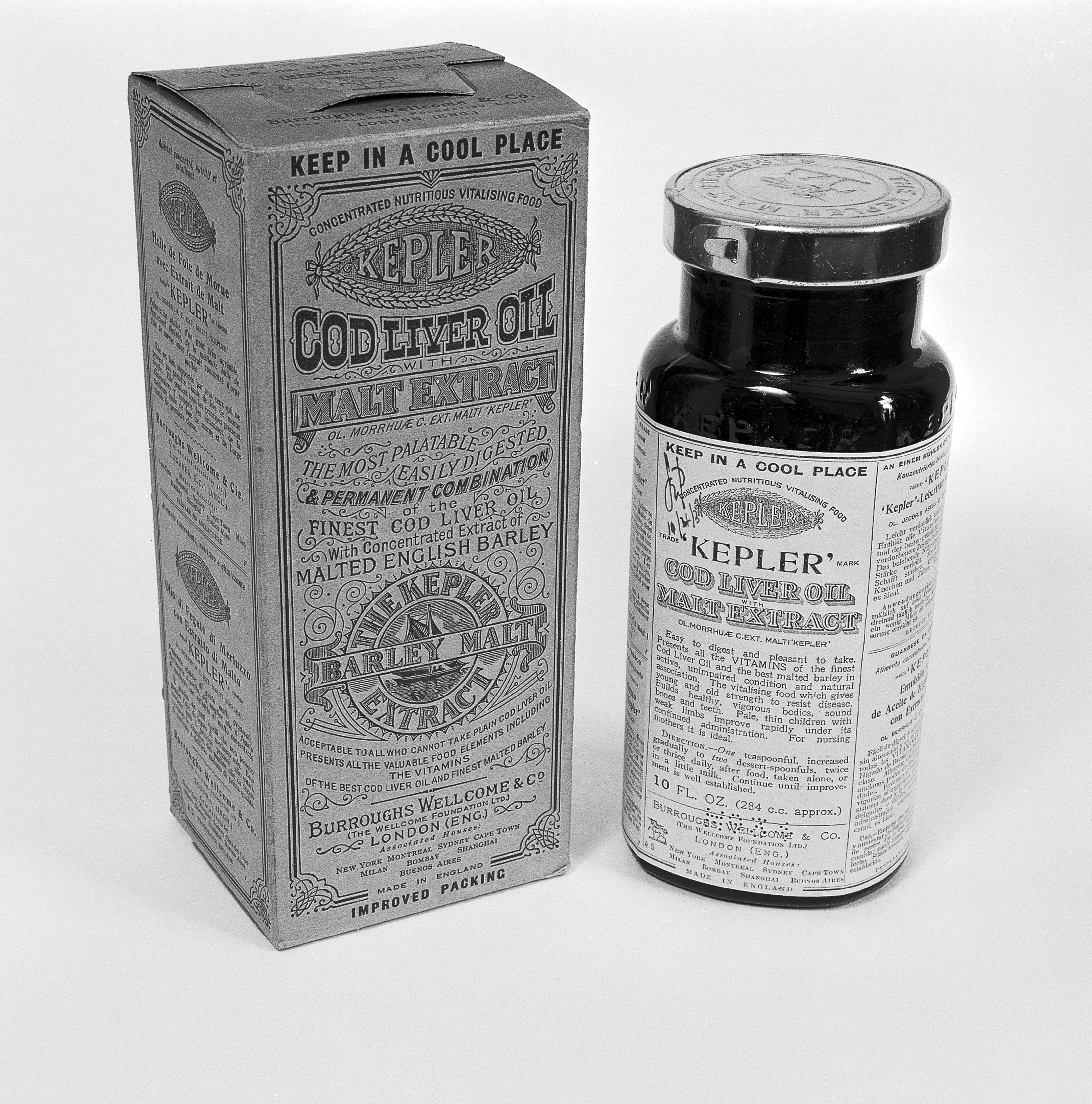

Other Names of Fish Oil

  • Omega-3 Fatty Acid Supplement
  • Marine Oil
  • Cod Liver Oil (a specific type of fish oil)
  • Salmon Oil
Kepler Cod Liver Oil, by Burroughs Wellcome & Co

Benefits of Fish Oil

Heading

<h3> Absolute Contraindications of Fish Oil </h3> <h4>Severe fish or shellfish allergy (history of anaphylaxis or immediate hypersensitivity)</h4> <ul> <li>🛑</li> <li>Recommendation: Do not take fish-oil supplements; use non-fish omega-3 sources (algal DHA/EPA) after consulting your clinician or allergist.</li> <li>Reasoning: Fish oil supplements can contain residual fish proteins or collagen and have caused allergic reactions including anaphylaxis in sensitive people; case reports document severe reactions following capsule ingestion.</li> <li>Scientific_Study_Title: Fish-oil capsule ingestion: a case of recurrent anaphylaxis.</li> <li>Scientific_Study_Authors: Tupper J, Visser S (case report details available on PubMed indexing).</li> <li>Scientific_Study_Link: https://pubmed.ncbi.nlm.nih.gov/22798474/</li> <li>Scientific_Study_Excerpt: <p>Case reports describe individuals with prior seafood allergy developing severe allergic reactions shortly after starting fish-oil capsules, with symptoms ranging from urticaria and angioedema to respiratory compromise requiring emergency care. Manufacturers often warn that products derived from fish may provoke reactions in sensitized persons; while some small studies suggest purified oils can be tolerated, unpredictable impurities or residual protein can trigger anaphylaxis in susceptible patients, making avoidance the safest choice for those with documented IgE-mediated fish allergy.</p> </li> </ul> <h4>Active major bleeding or recent hemorrhagic stroke</h4> <ul> <li>🩸</li> <li>Recommendation: Avoid initiating or continue high-dose fish oil during active major bleeding; discuss with your treating team before use.</li> <li>Reasoning: High doses, especially purified EPA formulations, have been associated with modestly increased relative bleeding risk in pooled randomized trials; during active hemorrhage any additional antithrombotic effect is undesirable.</li> <li>Scientific_Study_Title: Bleeding Risk in Patients Receiving Omega-3 Polyunsaturated Fatty Acids: A Systematic Review and Meta-Analysis of Randomized Clinical Trials.</li> <li>Scientific_Study_Authors: (meta-analysis authors as indexed on PubMed; see PubMed record).</li> <li>Scientific_Study_Link: https://pubmed.ncbi.nlm.nih.gov/38742535/</li> <li>Scientific_Study_Excerpt: <p>A pooled analysis of randomized trials (over 120,000 patients) found no overall increase in pooled clinical bleeding events with omega-3s; however, a prespecified analysis showed patients receiving high-dose purified EPA had an increased relative bleeding risk (approx. 50% higher relative risk) though the absolute increase was small (~0.6%). These dose-related findings indicate that while standard supplement doses are low-risk, high-dose or pharmaceutical EPA formulations can increase bleeding tendency - a critical concern in the setting of active hemorrhage.</p> </li> </ul> <h4>Known severe bleeding disorder (e.g., hemophilia) or platelet function disorder</h4> <ul> <li>⚠️</li> <li>Recommendation: Avoid fish oil unless cleared and closely monitored by a hematologist; choose non-fish strategies for health goals.</li> <li>Reasoning: Fish oil reduces platelet aggregation biochemically; in disorders where haemostasis is already compromised this could theoretically worsen bleeding.</li> <li>Scientific_Study_Title: Influence of omega-3 polyunsaturated fatty acid-supplementation on platelet aggregation in humans: a meta-analysis of randomized controlled trials.</li> <li>Scientific_Study_Authors: (authors as indexed on PubMed; see record).</li> <li>Scientific_Study_Link: https://pubmed.ncbi.nlm.nih.gov/23153623/</li> <li>Scientific_Study_Excerpt: <p>A meta-analysis of randomized trials showed that supplementation with long-chain omega-3s significantly reduced ADP-induced platelet aggregation and other measures of platelet function. While clinical bleeding events were not consistently increased in most trials, the documented biochemical inhibition of platelet aggregation supports caution or avoidance in individuals with baseline bleeding disorders where even modest further impairment of clot formation could be harmful.</p> </li> </ul> <h3> Relative Contraindications of Fish Oil </h3> <h4>Concurrent anticoagulant therapy (warfarin, direct oral anticoagulants) or unstable INR</h4> <ul> <li>⚖️</li> <li>Recommendation: Discuss with your prescribing clinician; if started, monitor INR and signs of bleeding more closely and consider lower doses or alternatives.</li> <li>Reasoning: Case reports show INR elevations after dose increases of fish oil in warfarin users, though larger studies often show minimal effect - precaution and monitoring are advised.</li> <li>Scientific_Study_Title: Elevated INR associated with fish oil in a patient on warfarin (case report) / The Use of Fish Oil with Warfarin Does Not Significantly Affect either the INR or Incidence of Adverse Events (retrospective study).</li> <li>Scientific_Study_Authors: Bender NK et al. (case report reference) ; retrospective cohort authors as indexed on PubMed.</li> <li>Scientific_Study_Link: https://pubmed.ncbi.nlm.nih.gov/14742793/ and https://pubmed.ncbi.nlm.nih.gov/27657121/</li> <li>Scientific_Study_Excerpt: <p>Case reports document INR increases after patients doubled fish-oil doses while on warfarin, suggesting a possible additive anticoagulant effect. In contrast, larger retrospective analyses and controlled trials have generally not found significant changes in long-term warfarin control (time in therapeutic range) or bleeding incidence with fish-oil use. The mixed data support a conservative approach: if an anticoagulated patient wishes to use fish oil, clinicians should individualize care and monitor coagulation parameters.</p> </li> </ul> <h4>History of atrial fibrillation or high baseline arrhythmia risk</h4> <ul> <li>💓</li> <li>Recommendation: Discuss risks with your cardiologist; consider avoiding high-dose preparations (>1 g/day total marine omega-3) or use lower dietary omega-3 intake instead.</li> <li>Reasoning: Multiple RCTs and meta-analyses show a dose-related increase in atrial fibrillation incidence with higher marine omega-3 supplement doses.</li> <li>Scientific_Study_Title: Effect of Long-Term Marine omega-3 Fatty Acids Supplementation on the Risk of Atrial Fibrillation in Randomized Controlled Trials: A Systematic Review and Meta-Analysis.</li> <li>Scientific_Study_Authors: (meta-analysis authors as indexed on PubMed).</li> <li>Scientific_Study_Link: https://pubmed.ncbi.nlm.nih.gov/34612056/</li> <li>Scientific_Study_Excerpt: <p>In pooled randomized trials (over 80,000 patients), marine omega-3 supplementation was associated with an increased risk of atrial fibrillation, and subgroup analyses suggest the risk is greater for doses >1 g/day. The meta-analysis reports a dose-response relationship: higher omega-3 dosing was associated with higher AF hazard ratios. For patients with existing AF or high arrhythmia risk, this signal supports caution and shared decision-making with cardiology.</p> </li> </ul> <h4>Pregnancy when using cod-liver or liver-derived fish oils (high vitamin A content)</h4> <ul> <li>🤰</li> <li>Recommendation: Avoid cod liver oil during pregnancy due to vitamin A risk; standard purified fish-oil (EPA/DHA) at recommended pregnancy doses may be used under clinician advice or prefer algal DHA alternatives.</li> <li>Reasoning: Fish liver oils contain preformed vitamin A (retinol) that can accumulate and be teratogenic in pregnancy; routine marine omega-3 (non-liver) has generally been studied as safe and sometimes beneficial for preterm risk when used correctly.</li> <li>Scientific_Study_Title: Can pregnant women use Cod Liver Oil? (safety guidance) / Trials/meta-analyses of omega-3 in pregnancy (safety/benefit summaries).</li> <li>Scientific_Study_Authors: (guidance and review authors indexed in WHO/Cochrane and related literature).</li> <li>Scientific_Study_Link: https://www.canababy.org/Pregnant/use/cod-liver-oil and https://pubmed.ncbi.nlm.nih.gov/26382010/</li> <li>Scientific_Study_Excerpt: <p>Reviews of marine oil use in pregnancy indicate marine omega-3 supplementation is generally well tolerated and has been associated in some trials with reduced risk of very early preterm delivery. However, cod liver oil differs because it contains high levels of preformed vitamin A; excess vitamin A in pregnancy is associated with fetal malformations. Therefore, cod liver oil (high retinol) is discouraged in pregnancy, while purified EPA/DHA or algal DHA (vitamin A-free) under clinical guidance may be considered.</p> </li> </ul>

Heading

<h4>Unpleasant aftertaste, belching, or gastrointestinal upset</h4> <ul> <li>🤢</li> <li>Side effect summary: Common mild effects include fishy aftertaste, belching, nausea, abdominal discomfort, or diarrhea - often dose-related and formulation dependent.</li> <li>Recommendation: Try taking with food, freeze capsules, switch brands or use enteric-coated formulations; if severe, stop and consult a clinician.</li> <li>Reasoning: Multiple trials and reviews note higher frequency of belching and bad taste among fish-oil users versus placebo; symptoms usually mild and transient.</li> <li>Severity Level: Mild</li> <li>Scientific_Study_Available: Yes</li> <li>Scientific_Study_Title: Marine oil supplementation in pregnancy and maternal and neonatal health outcomes (WHO summary referencing RCTs noting belching/bad taste).</li> <li>Scientific_Study_Authors: WHO evidence summary and cited RCTs (see review indices).</li> <li>Scientific_Study_Link: https://www.who.int/tools/elena/interventions/fish-oil-pregnancy</li> <li>Scientific_Study_Excerpt: <p>Systematic reviews and trial reports consistently list gastrointestinal complaints such as belching and an unpleasant taste as the most common adverse effects in participants randomized to marine oil supplements versus placebo. While generally mild, these effects are frequent enough to influence adherence; enteric-coated preparations and taking supplements with meals are commonly recommended to reduce these symptoms.</p> </li> </ul> <h4>Increased tendency to bruise or prolonged bleeding (particularly at high doses)</h4> <ul> <li>🩹</li> <li>Side effect summary: Some people report easier bruising or prolonged bleeding times, especially with high-dose or purified EPA products.</li> <li>Recommendation: If you have easy bruising, are on blood thinners, or need surgery, discuss dose and monitoring with your clinician; stop prior to invasive procedures only if advised.</li> <li>Reasoning: Fish oil reduces platelet aggregation biochemically; large pooled analyses show little absolute increase in bleeding at typical doses but high-dose EPA shows a modest increase in bleeding risk.</li> <li>Severity Level: Moderate</li> <li>Scientific_Study_Available: Yes</li> <li>Scientific_Study_Title: Bleeding Risk in Patients Receiving Omega-3 Polyunsaturated Fatty Acids: A Systematic Review and Meta-Analysis of Randomized Clinical Trials.</li> <li>Scientific_Study_Authors: (see PubMed record for authorship).</li> <li>Scientific_Study_Link: https://pubmed.ncbi.nlm.nih.gov/38742535/</li> <li>Scientific_Study_Excerpt: <p>Pooled randomized trial data (120,643 patients) found no overall increase in pooled clinical bleeding events with omega-3 supplementation; however, prespecified analyses identified a signal for increased bleeding with high-dose purified EPA formulations (relative increase but small absolute risk). Biochemical studies also show consistent reductions in platelet aggregation measures, supporting plausible bleeding effects that are dose-dependent. Clinically, this translates to caution in high-risk bleeding settings.</p> </li> </ul> <h4>Allergic reactions (rash, swelling, rarely anaphylaxis)</h4> <ul> <li>⚠️</li> <li>Side effect summary: Rare allergic reactions to fish-oil supplements, including urticaria, angioedema and anaphylaxis, have been reported-more likely in those with prior fish/shellfish allergy or product contaminants.</li> <li>Recommendation: Individuals with known fish or shellfish allergy should avoid fish-oil supplements or seek allergy testing; use algal omega-3 as an alternative.</li> <li>Reasoning: Case reports and small series demonstrate reproducible allergic reactions to fish-oil products; while many purified oils are tolerated, risk remains non-zero.</li> <li>Severity Level: Severe (when anaphylaxis occurs)</li> <li>Scientific_Study_Available: Yes</li> <li>Scientific_Study_Title: Fish-oil capsule ingestion: a case of recurrent anaphylaxis.</li> <li>Scientific_Study_Authors: (case report authors as indexed on PubMed).</li> <li>Scientific_Study_Link: https://pubmed.ncbi.nlm.nih.gov/22798474/</li> <li>Scientific_Study_Excerpt: <p>Case series and reports document immediate hypersensitivity reactions, including life-threatening anaphylaxis, after ingestion of fish-derived supplement capsules. These instances highlight that although many fish-oil products are highly purified, residual protein or processing contaminants can provoke severe IgE-mediated responses in sensitized individuals; manufacturer cautionary statements and alternative algal products are recommended in such cases.</p> </li> </ul>

Heading

<h4>Warfarin (and similar vitamin K antagonists)</h4> <ul> <li>Interaction_Details: Fish oil can reduce platelet aggregation and has been reported in case reports to increase INR after dose changes; larger studies show mixed results with many finding no major INR change - interaction is possible but inconsistent.</li> <li>Severity: Moderate</li> <li>Recommendation: Consult your prescribing clinician or anticoagulation service before starting fish oil; monitor INR more frequently if co-administered and particularly after dose changes.</li> <li>Scientific_Study_Available: Yes</li> <li>Scientific_Study_Link: https://pubmed.ncbi.nlm.nih.gov/14742793/</li> <li>Scientific_Study_Title: Case report of elevated INR associated with fish oil and warfarin.</li> <li>Scientfic_Study_Authors: (case report authors as listed in PubMed record).</li> <li>Scientific_Study_Excerpt: <p>A case report described a patient on chronic warfarin who doubled her fish-oil dose and developed a significant INR rise (from 2.8 to 4.3), which reversed after reducing fish oil. While larger cohort and randomized studies often fail to show a clinically significant interaction, individual case evidence and the biological plausibility (antiplatelet and minor effects on coagulation factors) justify moderate concern and the need for individualized monitoring when used with warfarin.</p> </li> </ul> <h4>Aspirin and other antiplatelet agents (e.g., clopidogrel)</h4> <ul> <li>Interaction_Details: Fish oil can further decrease platelet aggregation when combined with antiplatelet drugs; randomized studies show enhanced biochemical antiplatelet effects though large clinical bleeding increases are not consistently observed.</li> <li>Severity: Mild</li> <li>Recommendation: Discuss combined use with your clinician; standard doses are often safe but monitor for easy bruising or unusual bleeding, especially when doses are high.</li> <li>Scientific_Study_Available: Yes</li> <li>Scientific_Study_Link: https://pubmed.ncbi.nlm.nih.gov/23153623/</li> <li>Scientific_Study_Title: Influence of omega-3 polyunsaturated fatty acid-supplementation on platelet aggregation in humans: meta-analysis of RCTs.</li> <li>Scientfic_Study_Authors: (see PubMed record for author list).</li> <li>Scientific_Study_Excerpt: <p>A meta-analysis of randomized trials demonstrated that long-chain omega-3 supplementation reduced measures of platelet aggregation (ADP-induced aggregation and platelet function assay units). While this supports a pharmacodynamic interaction with antiplatelet drugs, clinical trial data have not consistently shown a major increase in clinically important bleeding when fish oil is added to antiplatelet therapy; nevertheless, clinicians commonly advise caution and monitoring.</p> </li> </ul> <h4>Products high in preformed vitamin A (e.g., retinoids, cod liver oil)</h4> <ul> <li>Interaction_Details: Cod liver oil contains preformed vitamin A (retinol); combining cod liver oil with other retinoids or excess vitamin A sources can raise teratogenic risk in pregnancy and cause vitamin A toxicity.</li> <li>Severity: Severe (in pregnancy specifically)</li> <li>Recommendation: Pregnant people should avoid cod liver oil and excessive vitamin A sources; consult obstetric care for safe omega-3 options (algal DHA or purified fish-oil without vitamin A).</li> <li>Scientific_Study_Available: Yes</li> <li>Scientific_Study_Link: https://www.canababy.org/Pregnant/use/cod-liver-oil</li> <li>Scientific_Study_Title: Can pregnant women use Cod Liver Oil? Safety guidance (cod liver oil contains high vitamin A).</li> <li>Scientfic_Study_Authors: (guidance source authors and public health summaries as cited).</li> <li>Scientific_Study_Excerpt: <p>Cod liver oil contains significant levels of preformed vitamin A. Excessive maternal intake of preformed vitamin A is associated with birth defects; therefore, public health guidance advises avoiding cod liver oil during pregnancy and preferring DHA/EPA products that do not contain added vitamin A, or choosing algal DHA supplements. Consultation with a prenatal provider is recommended to ensure safe supplementation.</p> </li> </ul>