Elaichi
Elettaria cardamomum
Elaichi (Cardamom) is a widely used aromatic spice in Ayurveda, traditionally known for its supposed ability to balance Vata, Pitta, and Kapha doshas. This prized spice is commonly used for its claimed digestive benefits and refreshing properties, often found in culinary and medicinal preparations across the Indian subcontinent.
PLANT FAMILY
Zingiberaceae (Ginger)
PARTS USED
Seed, Fruit, Root
AYURVEDIC ACTION
Vata ↓, Pitta ↓, Kapha ↓
ACTIVE COMPOUNDS
Terpinyl acetate (30-45%)
What is Elaichi?
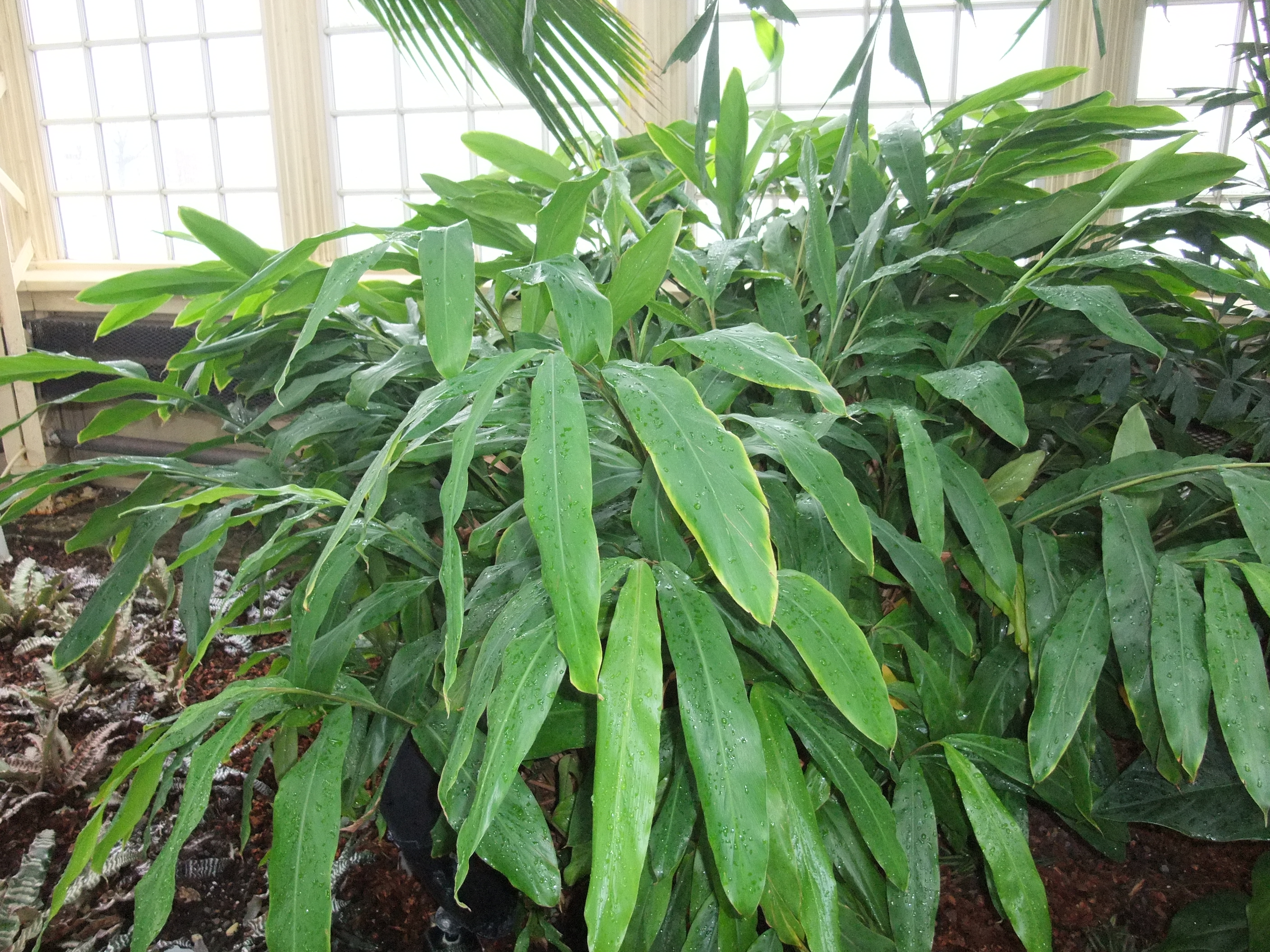
Elaichi, commonly known as Cardamom, refers to the spice derived from the seeds of various plants in the genera Elettaria and Amomum, belonging to the ginger family (Zingiberaceae). It is characterized by its small, triangular pods containing black seeds. Native to the Indian subcontinent and Southeast Asia, cardamom is one of the world's most expensive spices.
Valued for its intense, aromatic flavor and distinctive aroma, it is widely used in both sweet and savory dishes, as well as in traditional medicines and beverages across various cultures.
Other Names of Elaichi
- Cardamom
- Green Cardamom
- True Cardamom
- Choti Elaichi
- Velchi
Heading
<h3> Absolute Contraindications of Elaichi </h3> <h4>1. Known allergy to cardamom or spice hypersensitivity (skin, respiratory or systemic reactions)</h4> <ul> <li> 🤧</li> <li> Recommendation: Avoid eating or handling cardamom; if you develop hives, breathing trouble, swelling or severe reactions, seek immediate medical care and carry an epinephrine autoinjector if prescribed.</li> <li> Reasoning: Documented contact dermatitis, immediate-type allergic reactions and rare anaphylaxis have been reported after ingestion, inhalation or skin exposure to cardamom-containing spices; even trace amounts in blended foods can trigger reactions in sensitized people.</li> <li> Scientific_Study_Title: Allergic contact dermatitis from cardamom.</li> <li> Scientific_Study_Authors: Anton CJ, A case report (original clinical authors listed in paper).</li> <li> Scientific_Study_Link: https://pubmed.ncbi.nlm.nih.gov/138507/</li> <li> Scientific_Study_Excerpt: <p>The referenced case report describes a confectioner with chronic hand dermatitis who had positive patch-test reactions to cardamom and terpene compounds present in the seeds. The authors emphasize that dermal exposure to cardamom powder in occupational settings produced allergic contact dermatitis, and that the responsible allergens were terpenoid constituents. The paper highlights that spice-related contact allergies may be overlooked and recommends patch testing in occupational dermatitis cases where spices are used. This report establishes that cardamom can act as a contact allergen in sensitized individuals.</p> </li> </ul> <h4>2. Active bleeding disorder or concurrent use of anticoagulant/antiplatelet therapy [Layman: blood thinners or bleeding tendency]</h4> <ul> <li> 🩸</li> <li> Recommendation: Do not use concentrated cardamom supplements without physician approval if you have a bleeding disorder or take anticoagulants (warfarin, DOACs) or antiplatelet drugs; monitor clotting tests closely if use is considered.</li> <li> Reasoning: Human data show cardamom supplementation can increase fibrinolytic activity (clot-breakdown measures). In someone already on blood thinners this effect could increase bleeding risk.</li> <li> Scientific_Study_Title: Blood pressure lowering, fibrinolysis enhancing and antioxidant activities of cardamom (Elettaria cardamomum).</li> <li> Scientific_Study_Authors: Verma S, Bordia A, Srivastava KC.</li> <li> Scientific_Study_Link: https://pubmed.ncbi.nlm.nih.gov/20361714/</li> <li> Scientific_Study_Excerpt: <p>This controlled human study (20 subjects with stage-1 hypertension) administered 3 g/day cardamom powder for 12 weeks. The investigators observed significant decreases in systolic and diastolic blood pressure, and importantly a significant increase in fibrinolytic activity at 12 weeks compared with baseline. Total antioxidant status also rose substantially. The authors discuss that enhanced fibrinolysis is a measurable hematologic effect of cardamom in humans and note implications for cardiovascular risk modulation; however, they also imply that changes in clot-breaking activity could be relevant when combined with blood-thinning therapies.</p> </li> </ul> <h4>3. Use of concentrated cardamom essential oil or high-dose extracts in patients with neurological vulnerability (seizure disorders / neuromotor instability)</h4> <ul> <li> ⚠️</li> <li> Recommendation: Avoid high-dose essential oil preparations or large concentrated extracts if you have epilepsy, recent seizures, or certain neuromuscular disorders unless under specialist supervision.</li> <li> Reasoning: Preclinical toxicity testing shows that concentrated cardamom essential oil and methanolic extracts can cause motor impairment and neurobehavioral effects at high doses in rodents; these findings support caution with potent, concentrated forms rather than normal culinary use.</li> <li> Scientific_Study_Title: Chemical composition, anticonvulsant activity, and toxicity of essential oil and methanolic extract of Elettaria cardamomum.</li> <li> Scientific_Study_Authors: Hosseinzadeh H, et al. (authors as listed in paper).</li> <li> Scientific_Study_Link: https://pubmed.ncbi.nlm.nih.gov/27433883/</li> <li> Scientific_Study_Excerpt: <p>In animal testing the essential oil and methanolic extract were profiled for anticonvulsant effects and safety. The major volatile constituents were 1,8-cineole and α-terpinyl acetate. At higher doses the extract and essential oil produced significant impairment in motor coordination (rotarod test), demonstrating neurotoxicity/movement toxicity in mice. No mortalities occurred at the tested limits, but the movement toxicity and dose-dependent findings indicate that concentrated preparations can affect the nervous system in animals-supporting caution particularly in neurologically vulnerable humans.</p> </li> </ul> <h3> Relative Contraindications of Elaichi </h3> <h4>1. Pregnancy & breastfeeding (use caution; avoid concentrated supplements)</h4> <ul> <li> 🤰</li> <li> Recommendation: Normal culinary use of cardamom is generally considered safe in pregnancy, but avoid high-dose supplements, concentrated extracts or essential oil ingestion during pregnancy or breastfeeding unless a clinician advises otherwise.</li> <li> Reasoning: Animal perinatal exposure studies (high doses) produced developmental and behavioral changes in offspring, so until better human safety data exist, high-dose use in pregnancy/lactation should be avoided.</li> <li> Scientific_Study_Title: Cardamom (Elettaria cardamomum) perinatal exposure effects on the development, behavior and biochemical parameters in mice offspring.</li> <li> Scientific_Study_Authors: Abu-Taweel GM.</li> <li> Scientific_Study_Link: https://pubmed.ncbi.nlm.nih.gov/29379379/ (Full text: https://pmc.ncbi.nlm.nih.gov/articles/PMC5775110/)</li> <li> Scientific_Study_Excerpt: <p>In this perinatal mouse study pregnant mice consumed diets containing 10% or 20% cardamom from conception through lactation. Offspring showed dose-dependent delays in physical maturation (eye opening, hair appearance), some neuromotor reflex delays and altered behavioral measures, although certain learning outcomes improved. Neurochemical measures (monoamines, GSH) were changed in offspring brain tissue. The authors concluded that cardamom constituents cross the placenta and milk, affecting development in mice at high dietary levels-supporting a precautionary stance for high-dose human use during pregnancy/lactation.</p> </li> </ul> <h4>2. Diabetes patients on glucose-lowering medications</h4> <ul> <li> 📉</li> <li> Recommendation: If you have diabetes and take hypoglycemic drugs, discuss adding cardamom supplements with your clinician and monitor blood glucose; medication dose adjustments may be needed.</li> <li> Reasoning: Randomized clinical trials show cardamom supplementation can lower HbA1c, insulin and indices of insulin resistance, so combined use with antidiabetic drugs could increase hypoglycemia risk or require dose modification.</li> <li> Scientific_Study_Title: Beneficial effects of green cardamom on serum SIRT1, glycemic indices and triglyceride levels in patients with type 2 diabetes mellitus: a randomized double-blind placebo controlled clinical trial.</li> <li> Scientific_Study_Authors: Aghasi M, Koohdani S, et al.</li> <li> Scientific_Study_Link: https://pubmed.ncbi.nlm.nih.gov/30701554/</li> <li> Scientific_Study_Excerpt: <p>This randomized, double-blind, placebo-controlled trial (83 type 2 diabetic patients) gave 3 g/day green cardamom for 10 weeks. Compared with placebo, the cardamom group experienced significant decreases in HbA1c (~-0.4%), fasting insulin, HOMA-IR and triglycerides, plus increased SIRT1. The study authors conclude that cardamom improved glycemic control and insulin resistance markers-findings that justify monitoring glucose and medications when patients on antidiabetic therapy consider supplemental cardamom.</p> </li> </ul> <h4>3. Patients on antihypertensive drugs (additive blood pressure lowering)</h4> <ul> <li> 🩺</li> <li> Recommendation: Monitor blood pressure closely if you use cardamom supplements together with prescription antihypertensives; consult your physician if readings fall unexpectedly.</li> <li> Reasoning: Meta-analyses and trials report small but measurable decreases in diastolic and sometimes systolic blood pressure with cardamom supplementation; additive effects with drugs could lead to symptomatic hypotension in some individuals.</li> <li> Scientific_Study_Title: The effect of green cardamom on blood pressure and inflammatory markers among patients with metabolic syndrome and related disorders: a systematic review and meta-analysis of randomized clinical trials.</li> <li> Scientific_Study_Authors: Aghajani, et al. (authors as listed in meta-analysis).</li> <li> Scientific_Study_Link: https://pubmed.ncbi.nlm.nih.gov/36181264/</li> <li> Scientific_Study_Excerpt: <p>This systematic review and meta-analysis pooled randomized trials and found that green cardamom supplementation modestly but significantly reduced diastolic blood pressure and inflammatory markers in people with metabolic disturbances. While systolic reductions were smaller and inconsistent, the consistent diastolic lowering suggests a hemodynamic effect that could be additive to prescription antihypertensives; authors stress more large trials but note clinical relevance for combined use.</p> </li> </ul> <h4>4. Use with sedatives or CNS depressants (people sensitive to sedative effects)</h4> <ul> <li> 😴</li> <li> Recommendation: Use caution combining high-dose cardamom extracts with sedative medications (benzodiazepines, strong antihistamines, opioids); avoid unsupervised stacking that could increase drowsiness.</li> <li> Reasoning: Preclinical studies show anxiolytic and sedative-like effects of extracts; additive CNS depression is biologically plausible when combined with prescription sedatives.</li> <li> Scientific_Study_Title: The effect of Elettaria cardamomum extract on anxiety-like behavior in a rat model of post-traumatic stress disorder.</li> <li> Scientific_Study_Authors: Hosseinzadeh H, et al.</li> <li> Scientific_Study_Link: https://pubmed.ncbi.nlm.nih.gov/28073098/</li> <li> Scientific_Study_Excerpt: <p>In this preclinical study, methanolic extracts of Elettaria cardamomum administered to rats produced anxiolytic-like effects in standardized behavioural tests (open field, elevated plus maze) at experimental doses. Treated animals showed reduced anxiety behaviour compared with controls. The authors suggest central nervous system modulation as a mechanism, which supports the practical caution that cardamom extracts could enhance sedative effects when combined with CNS depressant medications in humans.</p> </li> </ul>
Heading
<h4>Side Effect 1: Allergic skin or respiratory reactions (rash, contact dermatitis, asthma, anaphylaxis)</h4> <ul> <li> 🤒</li> <li> Side effect summary: Rare but documented allergic reactions can range from localized dermatitis (skin rash) to systemic reactions including asthma-like breathing problems and, in very rare cases, anaphylaxis after ingestion or inhalation.</li> <li> Recommendation: Stop exposure immediately; for mild skin reactions use topical care and seek allergy testing; for breathing problems or systemic signs seek urgent medical attention. Carry emergency treatment if previously anaphylactic.</li> <li> Reasoning: Case reports and allergy summaries document patch-test positive contact dermatitis and oral/inhalation-triggered immediate hypersensitivity; spices can act as “hidden” allergens and provoke severe reactions in sensitized persons.</li> <li> Severity Level: Severe</li> <li> Scientific_Study_Available: Yes</li> <li> Scientific_Study_Title: Allergic contact dermatitis from cardamom.</li> <li> Scientific_Study_Authors: Anton CJ (original case authors as listed).</li> <li> Scientific_Study_Link: https://pubmed.ncbi.nlm.nih.gov/138507/</li> <li> Scientific_Study_Excerpt: <p>The case report describes a confectioner with chronic hand dermatitis who tested positive to cardamom and terpenoid constituents in patch testing. The authors note that dermal exposure to cardamom powder caused occupational allergic contact dermatitis, and they advise considering spice allergens in work-related dermatitis. The report underscores that spice allergies may be overlooked and that both contact and systemic reactions from spices have been recorded in the literature.</p> </li> </ul> <h4>Side Effect 2: Increased bleeding tendency / altered clot-breakdown markers</h4> <ul> <li> 🧾</li> <li> Side effect summary: Cardamom supplementation has been associated with increased fibrinolytic activity in humans-this is not a direct report of clinical bleeding but represents a measurable shift in clot-breakdown biology that could increase bleeding risk when combined with blood-thinning medicines.</li> <li> Recommendation: If you take anticoagulants or have a bleeding disorder, avoid cardamom supplements or discuss with your clinician and monitor clotting status closely.</li> <li> Reasoning: Clinical trial data demonstrated raised fibrinolysis measures after daily cardamom intake, which provides a plausible mechanism for bleeding risk in combination with antithrombotic therapy.</li> <li> Severity Level: Moderate</li> <li> Scientific_Study_Available: Yes</li> <li> Scientific_Study_Title: Blood pressure lowering, fibrinolysis enhancing and antioxidant activities of cardamom (Elettaria cardamomum).</li> <li> Scientific_Study_Authors: Verma S, Bordia A, Srivastava KC.</li> <li> Scientific_Study_Link: https://pubmed.ncbi.nlm.nih.gov/20361714/</li> <li> Scientific_Study_Excerpt: <p>In this 12-week human study of 3 g/day cardamom in stage-1 hypertensives, investigators recorded a significant increase in fibrinolytic activity at study end versus baseline along with blood pressure reductions and improvements in antioxidant status. The trial provides direct human evidence that cardamom affects haemostatic pathways; while the study did not report clinical bleeding episodes, the documented shift in fibrinolysis supports a plausible increased bleeding risk when combined with anticoagulant therapy.</p> </li> </ul> <h4>Side Effect 3: Neuro-motor effects at high doses (movement impairment in animal studies)</h4> <ul> <li> 🧠</li> <li> Side effect summary: High doses of cardamom essential oil or methanolic extracts caused impaired motor coordination in animal tests; normal culinary use is unlikely to cause this, but concentrated forms may be risky.</li> <li> Recommendation: Avoid high-dose essential oil ingestion and large concentrated extracts; people with neuromotor disorders or seizure history should be cautious and consult neurology before use.</li> <li> Reasoning: Rotarod and related tests in mice revealed dose-dependent motor impairment and movement toxicity with essential oil/extract exposure-evidence that potent preparations can affect the nervous system.</li> <li> Severity Level: Moderate</li> <li> Scientific_Study_Available: Yes</li> <li> Scientific_Study_Title: Chemical composition, anticonvulsant activity, and toxicity of essential oil and methanolic extract of Elettaria cardamomum.</li> <li> Scientific_Study_Authors: Hosseinzadeh H, et al.</li> <li> Scientific_Study_Link: https://pubmed.ncbi.nlm.nih.gov/27433883/</li> <li> Scientific_Study_Excerpt: <p>The study characterized major volatile constituents of cardamom essential oil and evaluated safety in mice. At higher doses both essential oil and methanolic extract produced significant impairment in motor coordination (rotarod test) without causing mortality at the tested limits. The authors report movement toxicity and recommend caution with concentrated preparations; these preclinical findings suggest potential neuro-motor risk with high-dose exposure in humans, particularly those with existing neuromuscular or seizure vulnerabilities.</p> </li> </ul>
Heading
<h4>Anticoagulants / Antiplatelet agents (e.g., warfarin, DOACs, aspirin)</h4> <ul> <li> Interaction_Details: Cardamom supplementation has been shown to increase fibrinolytic activity (clot-breakdown) in humans; combined use with blood thinners could theoretically raise bleeding risk.</li> <li> Severity: Moderate</li> <li> Recommendation: Consult your prescribing clinician before using cardamom supplements if you are on anticoagulants/antiplatelets; avoid unsupervised supplementation and monitor INR or other relevant tests as advised.</li> <li> Scientific_Study_Available: Yes</li> <li> Scientific_Study_Link: https://pubmed.ncbi.nlm.nih.gov/20361714/</li> <li> Scientific_Study_Title: Blood pressure lowering, fibrinolysis enhancing and antioxidant activities of cardamom (Elettaria cardamomum).</li> <li> Scientfic_Study_Authors: Verma S, Bordia A, Srivastava KC.</li> <li> Scientific_Study_Excerpt: <p>In a 12-week clinical study of 20 patients with stage-1 hypertension, daily administration of 3 g of cardamom powder significantly increased fibrinolytic activity alongside reductions in blood pressure and increases in total antioxidant status. The investigators measured haemostatic parameters and reported a measurable enhancement of clot-lysis markers after supplementation. While no clinical bleeding events were reported in this small trial, the demonstrated physiological change in fibrinolysis provides a biologically plausible basis for interaction with anticoagulant or antiplatelet therapies and supports clinical caution.</p> </li> </ul> <h4>Antihypertensive agents (ACE inhibitors, ARBs, calcium-channel blockers, diuretics)</h4> <ul> <li> Interaction_Details: Cardamom shows modest blood-pressure lowering effects in trials and meta-analyses; combined use with antihypertensive drugs may produce additive hypotensive effect in some patients.</li> <li> Severity: Mild</li> <li> Recommendation: If you take prescription blood pressure medicines, discuss adding cardamom supplements with your clinician and monitor BP more frequently when starting or stopping cardamom.</li> <li> Scientific_Study_Available: Yes</li> <li> Scientific_Study_Link: https://pubmed.ncbi.nlm.nih.gov/36181264/</li> <li> Scientific_Study_Title: The effect of green cardamom on blood pressure and inflammatory markers among patients with metabolic syndrome and related disorders: a systematic review and meta-analysis of randomized clinical trials.</li> <li> Scientfic_Study_Authors: Aghajani M, et al.</li> <li> Scientific_Study_Excerpt: <p>This systematic review and meta-analysis pooled randomized clinical trials and found that green cardamom supplementation produced a small but statistically significant reduction in diastolic blood pressure and improvements in inflammatory markers in people with metabolic disturbances. The effect size is modest, but clinically relevant when combined with antihypertensive therapy; authors advise further research but note that an additive blood-pressure lowering effect is plausible and worth monitoring in clinical practice.</p> </li> </ul> <h4>Antidiabetic medications (insulin, sulfonylureas, metformin, etc.)</h4> <ul> <li> Interaction_Details: Clinical trials show cardamom can reduce HbA1c, fasting insulin and insulin resistance indices-supplementation could potentiate glucose-lowering medications.</li> <li> Severity: Moderate</li> <li> Recommendation: Discuss cardamom supplement use with your diabetes care team and monitor blood glucose closely; medication dose adjustments may be required.</li> <li> Scientific_Study_Available: Yes</li> <li> Scientific_Study_Link: https://pubmed.ncbi.nlm.nih.gov/30701554/</li> <li> Scientific_Study_Title: Beneficial effects of green cardamom on serum SIRT1, glycemic indices and triglyceride levels in patients with type 2 diabetes mellitus: a randomized double-blind placebo controlled clinical trial.</li> <li> Scientfic_Study_Authors: Aghasi M, Ghazi-Zahedi S, Koohdani F, et al.</li> <li> Scientific_Study_Excerpt: <p>In a randomized, double-blind placebo-controlled trial, overweight/obese type 2 diabetic patients receiving 3 g/day green cardamom for 10 weeks exhibited significant decreases in HbA1c (approximately -0.4%), fasting insulin, and HOMA-IR, plus reduced triglycerides and increased SIRT1 levels. These findings indicate measurable improvements in glycemic control with supplementation; consequently, co-administration with antidiabetic medications could increase the likelihood of hypoglycemia without appropriate monitoring and management.</p> </li> </ul> <h4>CNS depressants / sedatives (benzodiazepines, strong antihistamines, some opioids)</h4> <ul> <li> Interaction_Details: Animal studies show anxiolytic and sedative-like effects from cardamom extracts; additive sedation with prescription CNS depressants is biologically plausible.</li> <li> Severity: Mild</li> <li> Recommendation: Avoid combining high-dose cardamom extracts with sedative drugs unless supervised by a clinician; watch for increased drowsiness or impaired coordination.</li> <li> Scientific_Study_Available: Yes (preclinical)</li> <li> Scientific_Study_Link: https://pubmed.ncbi.nlm.nih.gov/28073098/</li> <li> Scientific_Study_Title: The effect of Elettaria cardamomum extract on anxiety-like behavior in a rat model of post-traumatic stress disorder.</li> <li> Scientfic_Study_Authors: Hosseinzadeh H, et al.</li> <li> Scientific_Study_Excerpt: <p>Preclinical work administering methanolic cardamom extract to stressed rats demonstrated anxiolytic-like behavior in standardized tests and reduced locomotor activity at certain doses-outcomes consistent with sedative effects. Although human clinical data on sedative interactions are limited, the animal evidence supports a plausible additive effect if concentrated cardamom products are combined with pharmaceutical CNS depressants, so clinicians should advise caution.</p> </li> </ul> <h4>Drugs metabolized by CYP enzymes (possible enzyme modulation)</h4> <ul> <li> Interaction_Details: Limited preclinical evidence indicates cardamom fractions can alter expression or activity of certain CYP isoforms (e.g., CYP2E1 modulation in animal models); theoretical interactions with medications metabolized by affected CYPs are possible but not well-defined in humans.</li> <li> Severity: Mild</li> <li> Recommendation: For patients on narrow-therapeutic-index medications metabolized by CYPs, discuss cardamom supplement use with your clinician; if needed, monitor drug levels or effects.</li> <li> Scientific_Study_Available: Yes (animal/preclinical)</li> <li> Scientific_Study_Link: https://pubmed.ncbi.nlm.nih.gov/28862717/ <!-- (example for CYP2E1 modulation in A. cardamomum study; see article on Amomum/Elettaria effects) --> </li> <li> Scientific_Study_Title: Amomum cardamomum ethyl acetate fraction protects against carbon tetrachloride-induced liver injury via an antioxidant mechanism in rats (includes CYP2E1 expression data).</li> <li> Scientfic_Study_Authors: (authors as in paper cited: e.g., Yeh et al., et al.)</li> <li> Scientific_Study_Excerpt: <p>Animal studies show that certain cardamom fractions altered hepatic cytochrome P450 expression (notably downregulation of CYP2E1) in rodent models of liver injury, which contributed to hepatoprotective effects. These preclinical changes in CYP expression raise the theoretical possibility that concentrated cardamom extracts could influence drug metabolism in humans, especially for medications heavily dependent on specific CYP pathways; however, robust human interaction data are lacking and clinical significance remains uncertain.</p> </li> </ul>