Dalchini (Cinnamon)

Cinnamomum verum
Dalchini (Cinnamon), a revered spice in Ayurveda, is widely used for its warming properties. It is traditionally believed to balance Kapha and Vata doshas while potentially increasing Pitta. This fragrant bark is prevalent in traditional medicine for its claimed digestive benefits and widespread culinary uses.
PLANT FAMILY
Lauraceae (Laurel)
PARTS USED
Bark, Leaves
AYURVEDIC ACTION
Kapha ↓, Vata ↓, Pitta ↑
ACTIVE COMPOUNDS
Cinnamaldehyde (65-80%)

What is Dalchini (Cinnamon)?

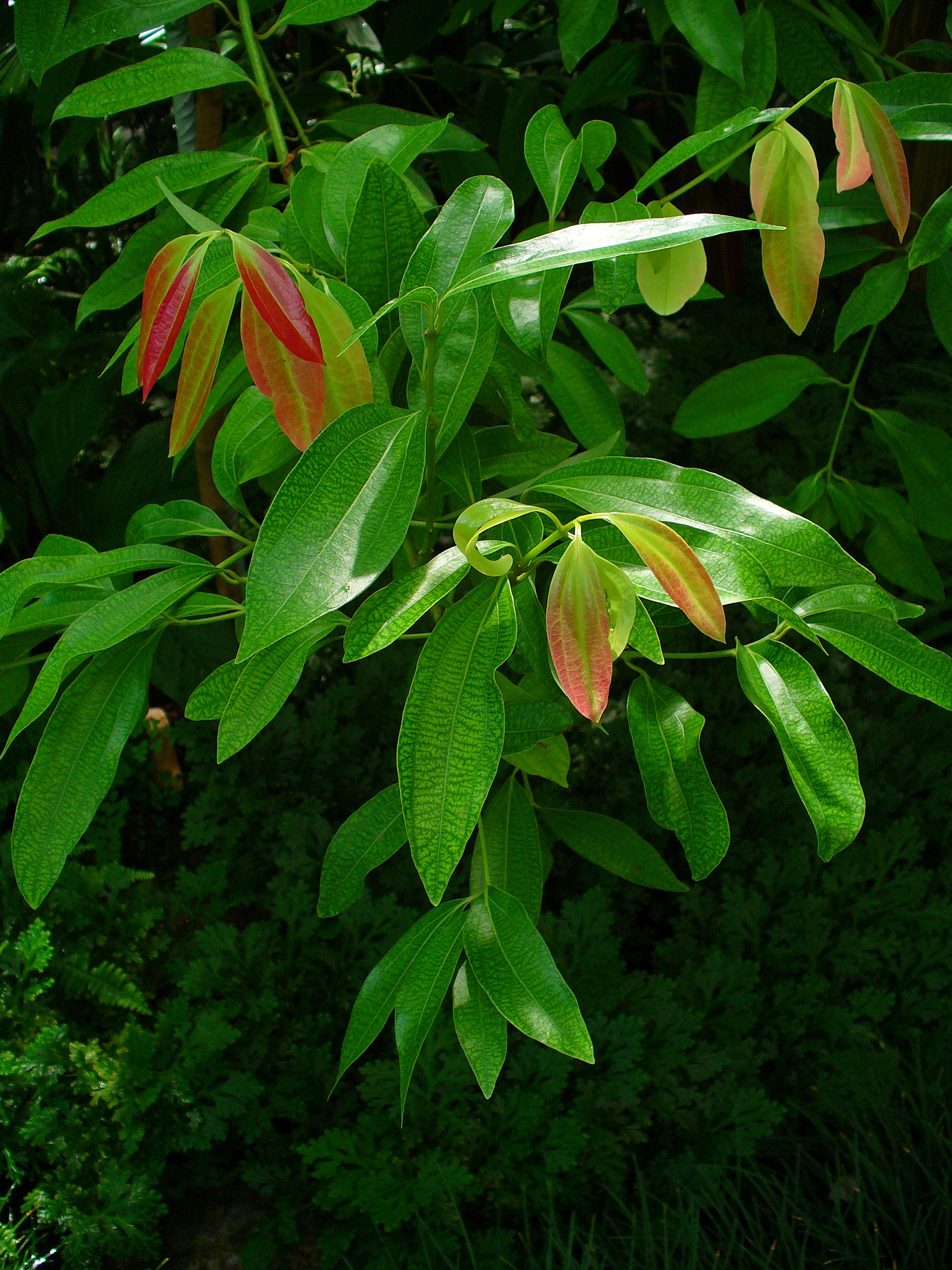
Dalchini, commonly known as Cinnamon, is a spice obtained from the inner bark of several tree species from the genus Cinnamomum. Cinnamomum verum, often called "true cinnamon" or Ceylon cinnamon, is native to Sri Lanka. Other varieties, like Cassia cinnamon, are more widely cultivated globally. The bark is harvested, dried, and then rolled into quills or ground into a powder.

Beyond its culinary uses, cinnamon has a long history in traditional medicine systems, valued for its distinctive aroma and flavor, attributed to its essential oils, particularly cinnamaldehyde.

Other Names of Dalchini (Cinnamon)

  • Cinnamon
  • True Cinnamon
  • Ceylon Cinnamon
  • Cassia Cinnamon
Cinnamomum verum 002

Benefits of Dalchini (Cinnamon)

Heading

<h3> Absolute Contraindications of Dalchini (Cinnamon) </h3> <h4> Active liver disease or concurrent use of known hepatotoxic drugs [In layman terms]</h4> <ul> <li> 🔴 <li> Recommendation: Avoid cinnamon supplements or high-dose cassia cinnamon; culinary amounts are usually okay, but check with your hepatologist before using supplements. <li> Reasoning: Cassia cinnamon can contain high levels of coumarin; coumarin (and certain metabolites) are linked to liver injury in susceptible people and may add to the liver burden when combined with other hepatotoxic drugs (e.g., some statins). Case reports show acute hepatitis temporally linked to cinnamon supplements taken with other medications. <li> Scientific_Study_Title: Do cinnamon supplements cause acute hepatitis? <li> Scientific_Study_Authors: Ghadir MR, Alavian SM, Kianmehr MR, et al. <li> Scientific_Study_Link: https://pubmed.ncbi.nlm.nih.gov/25923145/ <li> Scientific_Study_Excerpt: <p>Summary of findings: A published case report describes an elderly woman who developed acute hepatitis after beginning cinnamon supplements while taking a statin; liver tests improved when cinnamon and the statin were stopped and recurred with resumption of the statin alone being unlikely. The authors concluded that cinnamon (likely via coumarin) can contribute to liver injury and advised avoiding cinnamon supplements in patients on hepatotoxic drugs or with pre-existing liver disease. The report emphasizes idiosyncratic risk, recommends stopping supplements if unexplained liver enzyme elevations occur, and suggests clinicians ask patients about herbal use during workup of hepatitis.</p> </ul> <h4> Concurrent use of oral anticoagulants or strong antiplatelet therapy [In layman terms]</h4> <ul> <li> 🩸 <li> Recommendation: Do not take cinnamon supplements (especially high-dose cassia or cinnamon oil) without discussing with your prescribing clinician if you use warfarin, DOACs, or dual antiplatelet therapy. <li> Reasoning: Cinnamon contains coumarin (a blood-active compound in cassia) and cinnamaldehyde can show antiplatelet activity and affect drug-metabolizing enzymes (e.g., CYP2C9) that handle warfarin and other anticoagulants - potentially increasing bleeding risk or altering drug levels. <li> Scientific_Study_Title: Anticoagulant Properties of the Active Compound Derived from Cinnamomum cassia Bark <li> Scientific_Study_Authors: Lee H-S. <li> Scientific_Study_Link: https://koreascience.or.kr/article/JAKO200735822363589.page <li> Scientific_Study_Excerpt: <p>Summary of findings: Laboratory work on extracts from C. cassia identified trans-cinnamaldehyde as an active constituent that inhibited platelet aggregation induced by arachidonic acid and collagen, with IC50 values in the micromolar range - in some assays showing potency comparable to aspirin against certain stimuli. These data support a biologic basis for antiplatelet effects of cinnamon components and suggest the potential for additive bleeding risk when combined with clinical anticoagulants.</p> </ul> <h4> Known allergic sensitivity to cinnamon / cinnamaldehyde [In layman terms]</h4> <ul> <li> ⚠️ <li> Recommendation: If you have had mouth sores, cheilitis, oral burning, contact dermatitis or other allergic reactions after cinnamon-flavoured products, avoid any cinnamon supplements or concentrated cinnamon oils; see an allergist for patch testing if reactions are severe or recurrent. <li> Reasoning: Cinnamon components such as cinnamaldehyde and cinnamyl alcohol are established contact allergens; repeated exposure can cause oral mucosal inflammation, cheilitis, stomatitis and dermatitis. <li> Scientific_Study_Title: Contact allergy to cinnamon: case report <li> Scientific_Study_Authors: Rubin MG, Callen JP. <li> Scientific_Study_Link: https://pubmed.ncbi.nlm.nih.gov/18538070/ <li> Scientific_Study_Excerpt: <p>Summary of findings: Case reports and clinical descriptions document allergic contact stomatitis and cheilitis linked to cinnamon-flavoured chewing gum and other products; clinical features include burning, ulceration and mucosal hyperkeratosis that resolve after stopping the cinnamon product. Patch-testing often identifies cinnamaldehyde or related fragrance components as the culprit, demonstrating established allergic sensitization in affected patients.</p> </ul> <h3> Relative Contraindications of Dalchini (Cinnamon) </h3> <h4> Pregnancy - caution with medicinal doses and essential oils [In layman terms]</h4> <ul> <li> 🤰 <li> Recommendation: Small culinary amounts are generally considered safe; avoid high-dose supplements and cinnamon essential oil during pregnancy unless a clinician advises otherwise. <li> Reasoning: Human data are limited. Traditional use and some safety guidance flag concentrated cinnamon products and essential oils as uterine-active or irritating; therefore high doses are avoided in pregnancy as a precaution. <li> Scientific_Study_Title: Herbs to avoid during pregnancy (guideline/compilation) <li> Scientific_Study_Authors: Institutional herb-safety compendia and reviews (examples summarized in safety resources) <li> Scientific_Study_Link: https://utep.edu/herbal-safety/populations/herbs-to-avoid-during-pregnancy.html <li> Scientific_Study_Excerpt: <p>Summary: Safety compendia and pregnancy herb lists commonly advise that concentrated cinnamon preparations (especially essential oils) be avoided in pregnancy due to potential uterine effects seen in traditional medicine and in some experimental models; culinary use is usually regarded as safe. The authors recommend avoiding medicinal-strength cinnamon products and seeking medical advice before use in pregnancy.</p> </ul> <h4> Children and high exposure to cassia cinnamon (due to coumarin) [In layman terms]</h4> <ul> <li> 🧒 <li> Recommendation: Avoid giving cinnamon supplements or large daily amounts of cassia cinnamon to young children; use small culinary amounts and prefer Ceylon cinnamon if regular use is planned. <li> Reasoning: Because coumarin dose limits are weight-based, children reach the tolerable daily intake faster; long-term high exposure raises theoretical liver risk. <li> Scientific_Study_Title: Quantification of flavoring constituents in cinnamon: high variation of coumarin in cassia bark from the German retail market and in authentic samples from Indonesia <li> Scientific_Study_Authors: T. G. Knöss, P. J. Lampen, et al. <li> Scientific_Study_Link: https://pubmed.ncbi.nlm.nih.gov/20853872/ <li> Scientific_Study_Excerpt: <p>Summary: Analytical work shows large variation and sometimes very high coumarin content in cassia cinnamon products. Because EFSA’s tolerable daily intake for coumarin is weight-based (0.1 mg/kg), small children can exceed the recommended limit with modest amounts of cassia cinnamon; the paper highlights the variability and the resulting exposure concerns, particularly for frequent consumers or supplement users.</p> </ul>

Heading

<h4> Mouth/oral irritation and stomatitis</h4> <ul> <li> 😣 <li> Side effect summary: Some people develop burning, soreness, ulcers, or cheilitis after chewing cinnamon-flavoured gums, candies or using concentrated cinnamon products. <li> Recommendation: Stop the cinnamon product immediately; if lesions persist or are severe, see a healthcare provider or dentist. Avoid cinnamon-containing oral products if you have prior reactions. <li> Reasoning: Cinnamaldehyde is a known local irritant and contact allergen in the oral mucosa; repeated exposure causes inflammation and ulceration in sensitive individuals. <li> Severity Level: Moderate <li> Scientific_Study_Available: Yes <li> Scientific_Study_Title: Contact allergy to cinnamon: case report <li> Scientific_Study_Authors: Rubin MG, Callen JP. <li> Scientific_Study_Link: https://pubmed.ncbi.nlm.nih.gov/18538070/ <li> Scientific_Study_Excerpt: <p>Summary: Case reports describe allergic contact stomatitis and cheilitis after use of cinnamon-flavoured gum and other products. Typical findings include oral burning, erythematous and ulcerative lesions that resolve after discontinuing cinnamon exposure. Patch testing often confirms sensitivity to cinnamaldehyde or cinnamyl alcohol, supporting an allergic/irritant mechanism rather than infection.</p> </ul> <h4> Liver enzyme elevation / acute hepatitis (rare)</h4> <ul> <li> 🟠 <li> Side effect summary: High-dose cinnamon supplements (mainly cassia, with higher coumarin) have been reported to cause liver enzyme rise and, rarely, acute hepatitis. <li> Recommendation: Stop cinnamon supplements if you develop fatigue, abdominal pain, dark urine or jaundice and seek medical attention. People with existing liver disease should avoid cinnamon supplements. <li> Reasoning: Coumarin and some metabolites have been linked to idiosyncratic hepatotoxicity in humans; case reports and reviews document transaminase elevation after exposure. <li> Severity Level: Severe <li> Scientific_Study_Available: Yes <li> Scientific_Study_Title: Do cinnamon supplements cause acute hepatitis? <li> Scientific_Study_Authors: Ghadir MR, Alavian SM, Kianmehr MR, et al. <li> Scientific_Study_Link: https://pubmed.ncbi.nlm.nih.gov/25923145/ <li> Scientific_Study_Excerpt: <p>Summary: The article reports an elderly patient who developed acute hepatitis after initiating cinnamon supplements while on a statin, with improvement after cessation. The authors review coumarin’s hepatotoxic profile and recommend caution using cinnamon supplements in people on hepatotoxic medications or with liver disease. They emphasize that although events are rare, they can be serious and reversible with prompt discontinuation.</p> </ul> <h4> Increased bleeding tendency when combined with anticoagulants / antiplatelet drugs</h4> <ul> <li> 🩸 <li> Side effect summary: Cinnamon components can inhibit platelet aggregation and, together with anticoagulant drugs, could raise bleeding risk. <li> Recommendation: People on warfarin, DOACs, aspirin or antiplatelet agents should avoid high-dose cinnamon supplements and check INR/bleeding parameters with their clinician if they start or stop cinnamon supplements. <li> Reasoning: In vitro and animal studies show platelet inhibition by cinnamaldehyde; cinnamon also contains coumarin which can interact with coagulation and drug-metabolism pathways. <li> Severity Level: Moderate <li> Scientific_Study_Available: Yes <li> Scientific_Study_Title: Anticoagulant Properties of the Active Compound Derived from Cinnamomum cassia Bark <li> Scientific_Study_Authors: Lee H-S. <li> Scientific_Study_Link: https://koreascience.or.kr/article/JAKO200735822363589.page <li> Scientific_Study_Excerpt: <p>Summary: Laboratory data show that trans-cinnamaldehyde from C. cassia inhibited platelet aggregation induced by arachidonic acid and collagen in vitro with measurable potency. These pharmacologic findings indicate a plausible biological basis for additive bleeding risk when cinnamon (especially cassia extracts or oils) is combined with clinical anticoagulants or antiplatelet drugs.</p> </ul>

Heading

<h4>Oral anticoagulants (e.g., warfarin) / antiplatelet agents</h4> <ul> <li> Interaction_Details: Cinnamon (especially cassia/cinnamon oil) contains coumarin and cinnamaldehyde-derived compounds that can inhibit platelet aggregation and influence enzymes that metabolize anticoagulants, potentially increasing bleeding or altering drug levels. <li> Severity: Severe <li> Recommendation: Avoid high-dose cinnamon supplements and cinnamon oil when taking warfarin or combined antiplatelet therapy without close clinician supervision; check INR frequently if exposure occurs. <li> Scientific_Study_Available: Yes <li> Scientific_Study_Link: https://koreascience.or.kr/article/JAKO200735822363589.page <li> Scientific_Study_Title: Anticoagulant Properties of the Active Compound Derived from Cinnamomum cassia Bark <li> Scientfic_Study_Authors: Lee H-S. <li> Scientific_Study_Excerpt: <p>Summary: Experimental work identified trans-cinnamaldehyde from C. cassia as an inhibitor of platelet aggregation triggered by multiple agonists (arachidonic acid, collagen) in vitro, with IC50 values indicating biologic potency. The study provides a mechanistic rationale for potential additive bleeding when cinnamon products are co-used with anticoagulant/antiplatelet medications - a clinically relevant consideration for patient safety.</p> </ul> <h4>Drugs metabolized by CYP2C9 and CYP1A2 (example: warfarin; some NSAIDs; certain antidepressants)</h4> <ul> <li> Interaction_Details: Cinnamon constituents (notably cinnamaldehyde and cinnamon oil preparations) can inhibit CYP2C9 and CYP1A2 in vitro and modulate xenobiotic receptors (PXR/AhR). This may slow metabolism of drugs handled by those enzymes, increasing their blood levels, or-via receptor activation-occasionally increase metabolism; net effect depends on the drug and dose/form of cinnamon. <li> Severity: Moderate <li> Recommendation: Avoid concentrated cinnamon supplements or oils when taking narrow-therapeutic-index drugs metabolized by CYP2C9/CYP1A2; consult your clinician and monitor drug levels or effects if needed. <li> Scientific_Study_Available: Yes <li> Scientific_Study_Link: https://www.ncbi.nlm.nih.gov/pmc/articles/PMC11751564/ <li> Scientific_Study_Title: Evaluation of bioaccessibility, metabolic clearance and interaction with xenobiotic receptors (PXR and AhR) of cinnamaldehyde <li> Scientfic_Study_Authors: Loretz LJ, Linscheid M, et al. <li> Scientific_Study_Excerpt: <p>Summary: In in vitro systems cinnamon oil and cinnamaldehyde moderately inhibited CYP2C9 and CYP1A2 catalytic activity and activated PXR/AhR pathways that regulate drug-metabolizing enzymes. While CYP3A4/2D6 were not strongly inhibited, the paper highlights that cinnamon can both inhibit specific CYPs and activate nuclear receptors that could alter drug metabolism in complex ways depending on dose and formulation; clinical relevance requires cautious translation to patients on critical medications.</p> </ul> <h4>Antidiabetic medications (insulin, sulfonylureas, meglitinides)</h4> <ul> <li> Interaction_Details: Cinnamon exerts glucose-lowering effects (insulin sensitization and reduced hepatic glucose output); when combined with hypoglycemic drugs there is a theoretical risk of additive glucose-lowering and hypoglycemia. <li> Severity: Moderate <li> Recommendation: If you take insulin or insulin-secretagogues, discuss cinnamon supplement use with your clinician and monitor blood glucose more frequently when starting or stopping cinnamon supplements. <li> Scientific_Study_Available: Yes <li> Scientific_Study_Link: https://pubmed.ncbi.nlm.nih.gov/33123653/ <li> Scientific_Study_Title: Influence of Cinnamon on Glycemic Control in Individuals With Prediabetes: A Randomized Controlled Trial <li> Scientfic_Study_Authors: Rajasekaran S, et al. (Endocrine Society study; trial authors as listed in PubMed record) <li> Scientific_Study_Excerpt: <p>Summary: A double-blind randomized trial in prediabetes found that cinnamon supplementation produced modest improvements in fasting glucose and 2-hour glucose AUC over 12 weeks without serious adverse events; the trial authors and related reviews note the glucose-lowering potential and advise monitoring when cinnamon is combined with pharmacologic hypoglycemic therapy because additive effects-while usually modest-are biologically plausible.</p> </ul> <h4>CYP2A6 substrates (example: letrozole, nicotine) - experimental/clinical caution</h4> <ul> <li> Interaction_Details: Cinnamaldehyde is a time-dependent inhibitor of CYP2A6 in vitro and may markedly increase exposure to drugs chiefly cleared by this enzyme. <li> Severity: Severe (for narrow-index CYP2A6 substrates) <li> Recommendation: Avoid high-dose cinnamon supplements when taking critical CYP2A6 substrates (e.g., letrozole) until clinical interaction data clarify safety; consult oncology or prescribing specialist. <li> Scientific_Study_Available: Yes (preclinical + clinical pharmacology work and dedicated interaction trials planned/registered) <li> Scientific_Study_Link: https://napdicenter.org/natural-products-studied/cinnamon/study-rationale/ and clinical trial registry NCT05157672 (trial rationale) <li> Scientific_Study_Title: Study Rationale / NCT05157672 (interaction investigation) <li> Scientfic_Study_Authors: NaPDI Center summary; Harrelson et al. and trial investigators as referenced <li> Scientific_Study_Excerpt: <p>Summary: Preclinical and mechanistic studies demonstrate cinnamaldehyde can inactivate CYP2A6 via metabolism-dependent (time-dependent) inhibition, predicting large increases in exposure for sensitive CYP2A6 substrates. This concern prompted clinical interaction studies (trial registration NCT05157672) to evaluate the magnitude of the effect with real drugs; until clinical data are available, caution is recommended when patients take narrow-therapeutic-index CYP2A6 substrates alongside concentrated cinnamon products.</p> </ul>