What is Coffee?
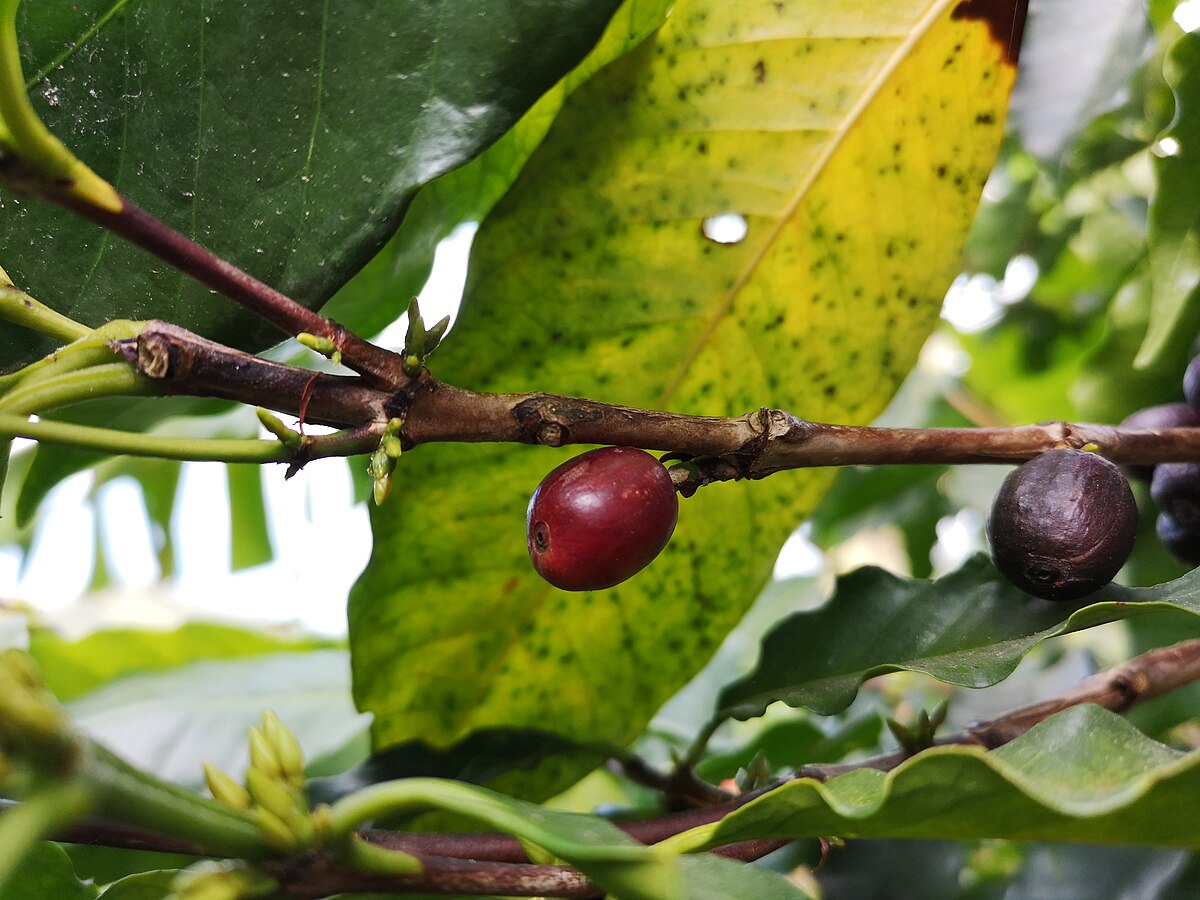
Coffee, derived from the roasted and ground seeds of the coffee plant, primarily Coffea arabica, is a widely consumed brewed beverage. Originating in Ethiopia, it has become a global cultural and economic phenomenon, appreciated for its distinct aroma and stimulating effects. The beans are typically harvested from the fruit of the coffee tree, known as a coffee cherry, and undergo various processing methods before roasting, which unlocks their characteristic flavor and scent.
The primary active compound in coffee is caffeine, a natural stimulant that influences the central nervous system, leading to increased alertness and reduced fatigue. Beyond its invigorating properties, coffee is also a complex beverage containing numerous antioxidants and other beneficial compounds, contributing to its diverse health implications and sensory profile.
Other Names of Coffee
- Java
- Brew
- Cup of Joe
- Bean juice
- Morning jolt
Heading
<h3> Absolute Contraindications of Coffee </h3> <h4> Pregnancy (risk of miscarriage / pregnancy loss) [In layman terms]</h4> <ul> <li>🤰</li> <li>Recommendation: Avoid high amounts of coffee during pregnancy; follow clinician advice and aim to keep total daily caffeine low (many guidelines advise ≤200 mg/day).</li> <li>Reasoning: Large pooled studies show a dose-dependent link between maternal caffeine intake and higher risk of pregnancy loss - each additional ~100 mg/day is associated with a small increase in risk. Because fetal metabolism of caffeine is limited, minimizing exposure is prudent.</li> <li>Scientific_Study_Title: Maternal caffeine intake during pregnancy and risk of pregnancy loss: a categorical and dose-response meta-analysis of prospective studies</li> <li>Scientific_Study_Authors: Ling-Wei Chen, Yi Wu, Nithya Neelakantan, Mary Foong-Fong Chong, An Pan, Rob M van Dam</li> <li>Scientific_Study_Link: https://pubmed.ncbi.nlm.nih.gov/26329421/</li> <li>Scientific_Study_Excerpt: <p>This meta-analysis pooled data from prospective studies (14 studies; ~130,000 participants) and found a dose-response association: compared to very low/no caffeine, moderate (150-349 mg/day) and higher intakes were associated with increased relative risks of pregnancy loss, with the highest category (≥700 mg/day) showing the largest increase. The authors estimated that each 100 mg/day increase in maternal caffeine intake was associated with about a 7% higher risk of pregnancy loss, while noting possible residual confounding and advising prudence in interpreting causality. Their clinical recommendation is cautious reduction of caffeine in pregnancy.</p> </li> </ul> <h4> Uncontrolled or recently diagnosed severe Hypertension [In layman terms]</h4> <ul> <li>🩺</li> <li>Recommendation: If your blood pressure is high and not under stable medical control, avoid or limit coffee until BP is stabilized and discuss caffeine with your clinician.</li> <li>Reasoning: Controlled trials and meta-analyses demonstrate that caffeine or coffee produces a short-term rise in systolic and diastolic blood pressure (typically within the first hour and lasting several hours). In uncontrolled hypertension that acute rise can be clinically important.</li> <li>Scientific_Study_Title: The effect of coffee on blood pressure and cardiovascular disease in hypertensive individuals: a systematic review and meta-analysis</li> <li>Scientific_Study_Authors: Arthur Eumann Mesas, Luz M Leon-Muñoz, Fernando Rodriguez-Artalejo, Esther Lopez-Garcia</li> <li>Scientific_Study_Link: https://pubmed.ncbi.nlm.nih.gov/21880846/</li> <li>Scientific_Study_Excerpt: <p>This systematic review and meta-analysis examined controlled trials in people with hypertension. In five trials, single doses of 200-300 mg caffeine produced mean increases in systolic blood pressure of about 8.1 mm Hg and diastolic pressure of about 5.7 mm Hg, with the effect seen in the first hour and lasting ≥3 hours. Longer-term (two-week) data did not show sustained BP increases, suggesting an acute effect that may be attenuated by habitual use; nonetheless, the acute pressor response is clinically relevant for people with uncontrolled hypertension.</p> </li> </ul> <h4> Symptomatic Gastroesophageal Reflux Disease (GERD) / Coffee-sensitive heartburn [In layman terms]</h4> <ul> <li>🔥</li> <li>Recommendation: If coffee reliably causes heartburn, regurgitation or worsens reflux symptoms, stop or replace with low-acid/decaffeinated options and consult your GI clinician for tailored advice.</li> <li>Reasoning: Clinical crossover studies in coffee-sensitive subjects show that certain coffees increase esophageal acid contact time and heartburn; different coffee preparations produce variable symptom burden. For patients with clear coffee-triggered reflux, avoiding the trigger is sensible.</li> <li>Scientific_Study_Title: Effect of different coffees on esophageal acid contact time and symptoms in coffee-sensitive subjects</li> <li>Scientific_Study_Authors: S R Brazer, J E Onken, C B Dalton, J W Smith, S S Schiffman</li> <li>Scientific_Study_Link: https://pubmed.ncbi.nlm.nih.gov/7753895/</li> <li>Scientific_Study_Excerpt: <p>In a double-blind, three-period crossover study of 20 volunteers with coffee sensitivity, different regular coffees produced varying esophageal acid contact times and symptom frequency. The study found significantly different median acid contact times across coffees and significantly fewer reported symptoms with one coffee compared to another. Symptoms tended to be worse when coffee was consumed with a high-fat meal. The authors conclude that coffee can increase reflux and heartburn in susceptible individuals and that coffee composition/preparation alters symptom risk.</p> </li> </ul> <h4> Severe Panic Disorder with known caffeine sensitivity [In layman terms]</h4> <ul> <li>⚠️</li> <li>Recommendation: If you have panic disorder and have previously experienced panic attacks triggered by caffeine, avoid coffee or keep intake very low and discuss with your psychiatrist/therapist.</li> <li>Reasoning: Clinical caffeine-challenge studies show that high caffeine doses (often 200-400 mg or more) can trigger panic attacks in a substantial subset of patients with panic disorder; sensitivity varies across individuals.</li> <li>Scientific_Study_Title: Lack of specific association between panicogenic properties of caffeine and HPA-axis activation. A placebo-controlled study of caffeine challenge in patients with panic disorder</li> <li>Scientific_Study_Authors: Vasilios G Masdrakis, Manolis Markianos, Panagiotis Oulis</li> <li>Scientific_Study_Link: https://pubmed.ncbi.nlm.nih.gov/26243374/</li> <li>Scientific_Study_Excerpt: <p>This randomized, double-blind crossover trial gave a 400 mg caffeine challenge (instant coffee) to 19 patients with panic disorder and compared results with placebo. After caffeine, about 47% (9/19) experienced panic attacks; no panics occurred with placebo. Hormonal stress markers rose after caffeine but did not distinguish panickers from non-panickers. The data indicate a clear provocation effect at higher doses in a subgroup of PD patients and support individualized avoidance for those with prior caffeine-triggered panic.</p> </li> </ul> <h4> Children and young adolescents (developing brains and sleep) [In layman terms]</h4> <ul> <li>🧒</li> <li>Recommendation: Avoid giving regular coffee to young children; adolescents should limit intake (many pediatric recommendations advise ≤100 mg/day for older teens) and avoid caffeine near bedtime.</li> <li>Reasoning: Multiple pediatric studies link caffeine consumption to later bedtimes, reduced slow-wave (deep) sleep and poorer sleep quality in children and adolescents; developing brains and sleep architecture are more sensitive to stimulants.</li> <li>Scientific_Study_Title: Caffeine consuming children and adolescents show altered sleep behavior and deep sleep</li> <li>Scientific_Study_Authors: (Authors vary by paper; example study reported in PubMed indexed literature on adolescent caffeine and sleep)</li> <li>Scientific_Study_Link: https://pubmed.ncbi.nlm.nih.gov/26501326/</li> <li>Scientific_Study_Excerpt: <p>Observational and sleep-EEG studies in 10-16 year olds comparing caffeine consumers to non-consumers found later habitual bedtimes, less time in bed, and reduced slow-wave activity (a marker of deep restorative sleep) in the caffeine group. Reduced sleep depth in early night hours was observed, which may affect recovery and brain development. The authors caution that caffeine use in adolescents is associated with measurable sleep changes and recommend limiting intake in this age group.</p> </li> </ul> <h3> Relative Contraindications of Coffee </h3> <h4> Breastfeeding (transfer to breast milk; infant sensitivity)</h4> <ul> <li>🍼</li> <li>Recommendation: Moderate maternal coffee (commonly ≤200-300 mg/day) is usually compatible with breastfeeding; if your infant shows fussiness or poor sleep, reduce intake and discuss with pediatrician.</li> <li>Reasoning: A small fraction of maternal caffeine appears in breast milk; newborns and preterm infants metabolize caffeine slowly so maternal high intakes can lead to infant stimulant effects (fussiness, sleep disruption).</li> <li>Scientific_Study_Title: Caffeine, paraxanthine, theophylline, and theobromine content in human milk</li> <li>Scientific_Study_Authors: (example paper reporting milk caffeine content; authors vary by publication)</li> <li>Scientific_Study_Link: https://pubmed.ncbi.nlm.nih.gov/35683994/</li> <li>Scientific_Study_Excerpt: <p>Analyses of human milk samples from breastfeeding women showed measurable caffeine and metabolite concentrations related to maternal intake. While average milk levels are low (often a small percentage of the maternal dose), variability exists and younger infants clear caffeine much more slowly. Clinical reports link very high maternal intakes with infant fussiness and sleep disturbances, so moderate maternal limits are typically advised, especially for newborns and preterm infants.</p> </li> </ul> <h4> Osteoporosis / Low calcium intake (risk context dependent)</h4> <ul> <li>🦴</li> <li>Recommendation: If you have osteoporosis or low dietary calcium, avoid very high coffee intake and ensure adequate calcium and vitamin D; discuss with your clinician about BMD monitoring.</li> <li>Reasoning: Some studies show high caffeine intakes increase urinary calcium excretion and may accelerate bone loss in women with low calcium intake; evidence is mixed, so risk appears greatest when calcium intake is inadequate.</li> <li>Scientific_Study_Title: Caffeine and bone loss in healthy postmenopausal women</li> <li>Scientific_Study_Authors: (example classic study authors may include investigators in cohorts assessing caffeine and bone loss)</li> <li>Scientific_Study_Link: https://pubmed.ncbi.nlm.nih.gov/8092093/</li> <li>Scientific_Study_Excerpt: <p>This longitudinal study in postmenopausal women observed that among women with lower calcium intake, those with higher caffeine consumption (>450 mg/day) experienced greater spine and whole-body bone loss over one year compared with lower caffeine consumers. The effect was not seen in women with calcium intakes above the median, indicating interaction between caffeine and calcium status. Authors recommend ensuring adequate calcium when caffeine intake is substantial.</p> </li> </ul> <h4> Insomnia / severe sleep disorders</h4> <ul> <li>🌙</li> <li>Recommendation: Avoid coffee late in the day; if you have chronic insomnia, reduce or stop coffee and seek sleep specialist advice if symptoms persist.</li> <li>Reasoning: Randomized and meta-analytic data show caffeine reduces total sleep time, increases sleep latency and fragments deep sleep when consumed in the hours before bedtime; timing and dose matter (higher doses and later timing cause larger effects).</li> <li>Scientific_Study_Title: The effect of caffeine on subsequent sleep: A systematic review and meta-analysis</li> <li>Scientific_Study_Authors: (systematic review authors listed on the PubMed record)</li> <li>Scientific_Study_Link: https://pubmed.ncbi.nlm.nih.gov/36870101/</li> <li>Scientific_Study_Excerpt: <p>This meta-analysis of controlled studies concluded that caffeine reduces total sleep time (average ~45 minutes), increases sleep onset latency (~9 minutes) and wake after sleep onset (~12 minutes), and reduces slow-wave sleep. The analysis quantified dose and timing effects and recommended avoiding caffeine many hours before bedtime (estimates suggested avoiding coffee ~9-13 hours prior to sleep to prevent measurable impairments at higher doses).</p> </li> </ul>
Heading
<h4> Palpitations / fast heart beats </h4> <ul> <li>💓</li> <li>Side effect summary: Some people feel heart pounding, irregular beats or palpitations after coffee-usually soon after drinking and often linked to dose or sensitivity.</li> <li>Recommendation: If palpitations are mild and brief, reduce intake and avoid large single doses; if palpitations are frequent, prolonged, or accompanied by chest pain/dizziness, seek medical care.</li> <li>Reasoning: Caffeine increases sympathetic activity and can produce extrasystoles or sensations of a racing heart in sensitive individuals; population data on long-term arrhythmia risk are mixed, but acute palpitations are a well-documented effect in susceptible people.</li> <li>Severity Level: Moderate</li> <li>Scientific_Study_Available: Yes</li> <li>Scientific_Study_Title: Coffee consumption and incident tachyarrhythmias: reported behavior, mendelian randomization, and their interactions</li> <li>Scientific_Study_Authors: (see PubMed study authors for the cited cohort/mendelian randomization work)</li> <li>Scientific_Study_Link: https://pubmed.ncbi.nlm.nih.gov/34279564/</li> <li>Scientific_Study_Excerpt: <p>This large prospective cohort and genetic analysis (UK Biobank data) evaluated habitual coffee intake and incident arrhythmias. Habitual higher coffee consumption was not associated with increased arrhythmia risk; in adjusted models each additional cup was associated with a small lower risk of incident arrhythmia. However, the authors note that individual acute symptomatic palpitations can still occur after coffee intake and that genetic differences in caffeine metabolism did not explain symptom reports, underlining that symptomatic palpitations are real for some individuals even if population risk is not elevated.</p> </li> </ul> <h4> Jitteriness, nervousness, tremor </h4> <ul> <li>🤯</li> <li>Side effect summary: Feeling jittery, shaky, or overly wired-especially after large cups or concentrated coffee (espresso) or in people who drink little caffeine normally.</li> <li>Recommendation: Lower the dose, choose weaker brews, or switch to decaffeinated options; consult a clinician if symptoms are extreme or persistent.</li> <li>Reasoning: Central adenosine blockade and sympathetic activation produce increased heart rate, tremor and agitation; dose and genetic sensitivity vary widely.</li> <li>Severity Level: Mild</li> <li>Scientific_Study_Available: Yes</li> <li>Scientific_Study_Title: Caffeine and adenosine (review of mechanisms and behavioral effects)</li> <li>Scientific_Study_Authors: (see review author list on PubMed record)</li> <li>Scientific_Study_Link: https://pubmed.ncbi.nlm.nih.gov/20164566/</li> <li>Scientific_Study_Excerpt: <p>Mechanistic reviews describe caffeine’s adenosine receptor antagonism and downstream increases in neuronal firing and catecholamine release, explaining the typical stimulant effects-improved alertness but also jitteriness and tremor at higher doses or in sensitive individuals. The reviews emphasize individual variability (genetics, habitual use) in response intensity and recommend dose moderation for those experiencing adverse stimulant effects.</p> </li> </ul>
Heading
<h4>Ciprofloxacin and other quinolone antibiotics</h4> <ul> <li>Interaction_Details: Ciprofloxacin (and some quinolones) inhibit CYP1A2, slowing caffeine breakdown and increasing caffeine half-life and total exposure-this can intensify caffeine’s effects (jitteriness, tachycardia, insomnia).</li> <li>Severity: Moderate</li> <li>Recommendation: Avoid extra coffee while taking ciprofloxacin or reduce caffeine intake; if severe caffeine effects appear, stop caffeine and consult your clinician. Monitor symptoms when starting or stopping the antibiotic.</li> <li>Scientific_Study_Available: Yes</li> <li>Scientific_Study_Link: https://pubmed.ncbi.nlm.nih.gov/2729942/</li> <li>Scientific_Study_Title: Interaction between oral ciprofloxacin and caffeine in normal volunteers</li> <li>Scientfic_Study_Authors: D P Healy, R E Polk, L Kanawati, D T Rock, M L Mooney</li> <li>Scientific_Study_Excerpt: <p>In a controlled study of healthy volunteers, multiple doses of ciprofloxacin significantly prolonged caffeine’s elimination half-life (from ~5.2 h to ~8.2 h) and increased the area under the caffeine concentration curve, while reducing total body clearance. The study concluded that ciprofloxacin reduces the rate of caffeine demethylation to paraxanthine, demonstrating a clinically meaningful pharmacokinetic interaction that can increase caffeine exposure and its stimulant effects during antibiotic coadministration.</p> </li> </ul> <h4>Fluvoxamine (strong CYP1A2 inhibitor; some SSRIs)</h4> <ul> <li>Interaction_Details: Fluvoxamine markedly inhibits CYP1A2 and can greatly reduce caffeine clearance, dramatically prolonging caffeine’s half-life and intensifying effects; coadministration has produced markedly higher caffeine plasma levels.</li> <li>Severity: Severe</li> <li>Recommendation: If you start fluvoxamine, lower caffeine consumption substantially (or avoid) while on treatment and discuss symptom management with your prescriber; monitor for excessive stimulant or anxiety symptoms.</li> <li>Scientific_Study_Available: Yes</li> <li>Scientific_Study_Link: https://pubmed.ncbi.nlm.nih.gov/16236038/</li> <li>Scientific_Study_Title: Fluvoxamine impairs single-dose caffeine clearance without altering caffeine pharmacodynamics</li> <li>Scientfic_Study_Authors: (authors listed on PubMed record for the study)</li> <li>Scientific_Study_Excerpt: <p>In a double-blind crossover trial, fluvoxamine reduced apparent oral clearance of a single caffeine dose (markedly lowering caffeine clearance) and prolonged caffeine’s elimination half-life substantially. The pharmacokinetic interaction was large (major reduction in clearance), demonstrating that fluvoxamine can cause much higher and longer-lasting caffeine exposure. Clinically, this may worsen insomnia, anxiety, tremor or palpitations when the SSRI is used with normal dietary caffeine.</p> </li> </ul> <h4>Ethinylestradiol-containing oral contraceptives (estrogenic oral contraceptives)</h4> <ul> <li>Interaction_Details: Combined oral contraceptives containing ethinylestradiol reduce CYP1A2 activity and slow caffeine clearance, resulting in higher steady-state caffeine concentrations for the same intake.</li> <li>Severity: Mild</li> <li>Recommendation: Women starting or taking estrogen-containing oral contraceptives may notice stronger or longer caffeine effects; consider lowering coffee intake or spacing doses and report troubling symptoms to your clinician.</li> <li>Scientific_Study_Available: Yes</li> <li>Scientific_Study_Link: https://pubmed.ncbi.nlm.nih.gov/7589032/</li> <li>Scientific_Study_Title: Influence of ethinylestradiol-containing combination oral contraceptives with gestodene or levonorgestrel on caffeine elimination</li> <li>Scientfic_Study_Authors: (authors listed on PubMed record for the trial)</li> <li>Scientific_Study_Excerpt: <p>In a controlled clinical trial, one cycle of ethinylestradiol-containing oral contraceptives reduced caffeine clearance by roughly half (≈54-55% decrease in clearance) compared with pretreatment values, prolonging caffeine’s elimination. Clearance returned to baseline after stopping the contraceptives. The effect indicates that women on such contraceptives may experience higher plasma caffeine from usual intakes and may wish to reduce doses if they become more sensitive.</p> </li> </ul> <h4>Smoking (tobacco) - effect on caffeine metabolism</h4> <ul> <li>Interaction_Details: Smoking induces CYP1A2 and increases caffeine clearance, so smokers usually require higher caffeine doses to achieve the same effect; conversely, stopping smoking decreases clearance and raises caffeine exposure if intake is unchanged.</li> <li>Severity: Mild</li> <li>Recommendation: If you stop smoking, expect caffeine to feel stronger-reduce intake temporarily to avoid insomnia or jitteriness; clinicians should be aware of this interaction when counseling on smoking cessation.</li> <li>Scientific_Study_Available: Yes</li> <li>Scientific_Study_Link: https://pubmed.ncbi.nlm.nih.gov/10376760/</li> <li>Scientific_Study_Title: Estimation of cytochrome P-450 CYP1A2 activity in 863 healthy Caucasians using a saliva-based caffeine test</li> <li>Scientfic_Study_Authors: (authors listed on PubMed record for the study)</li> <li>Scientific_Study_Excerpt: <p>Using a caffeine phenotyping test in hundreds of healthy volunteers, researchers found pronounced interindividual variability in CYP1A2 activity and identified smoking as a major inducer (smokers had higher caffeine clearance). Oral contraceptive users had lower clearance. The study highlights that routine factors (smoking, hormones) change how fast caffeine is metabolized and thus how individuals respond to the same coffee dose.</p> </li> </ul>