Cocoa
Theobroma cacao
Cocoa (Theobroma cacao) is traditionally considered in Ayurveda to potentially increase Pitta and Kapha doshas while decreasing Vata. Its prevalence is not explicitly stated as an Ayurvedic herb, but it's renowned for its stimulating properties and rich flavor. Claimed benefits often relate to its nutritive value and use in various formulations.
PLANT FAMILY
Malvaceae (Mallow)
PARTS USED
Seed, Pod, Butter
AYURVEDIC ACTION
Vata ↓, Pitta ↑, Kapha ↑
ACTIVE COMPOUNDS
Theobromine (1-3%)
What is Cocoa?
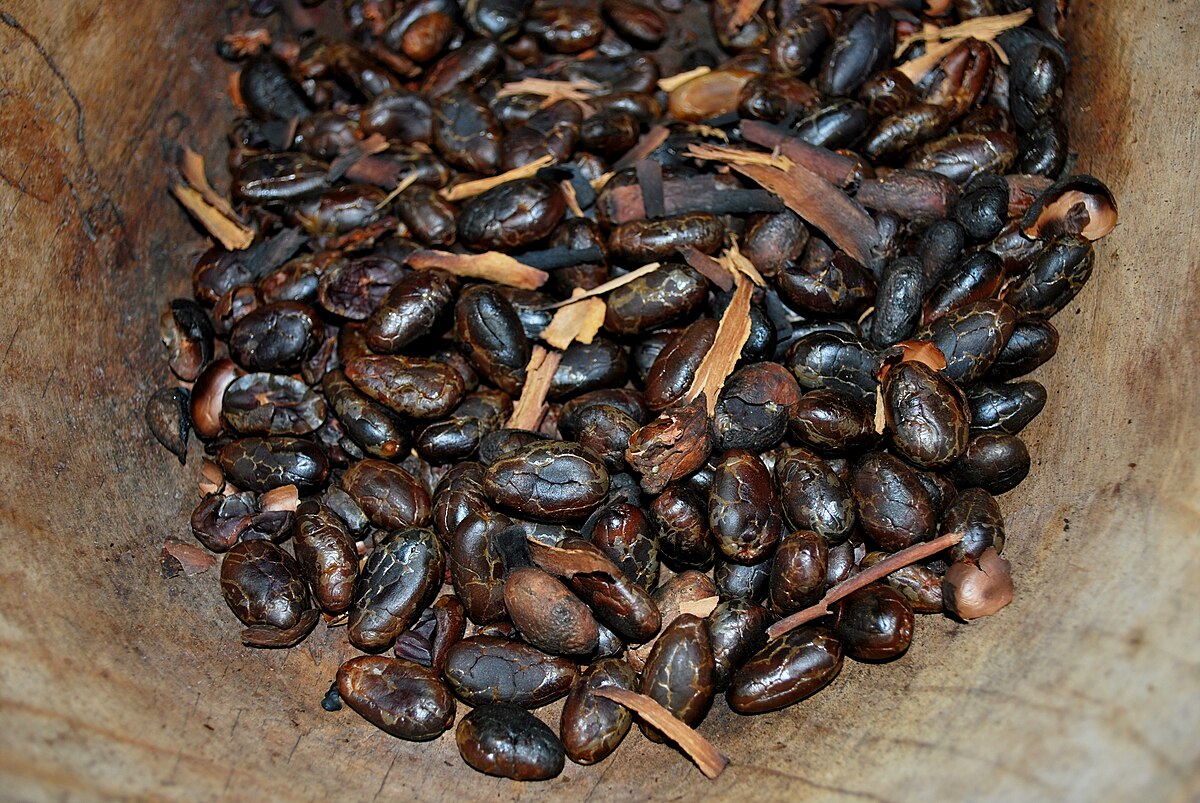
Cocoa, derived from the seeds of the *Theobroma cacao* tree, is a tropical evergreen native to the deep Amazon basin. These seeds, often referred to as cocoa beans, are the foundational ingredient for chocolate, cocoa powder, and cocoa butter. Historically, cocoa was revered by ancient Mesoamerican civilizations, who used its beans as currency and in ceremonial beverages due to its stimulating properties and rich flavor profile.
The cultivation of cocoa typically thrives in hot, humid climates with ample rainfall, primarily within a narrow band 20 degrees north and south of the Equator. Post-harvest, cocoa beans undergo fermentation and drying processes, which are crucial for developing their characteristic aroma and taste, prior to further processing into commercial products.
Other Names of Cocoa
- Cacao
- Chocolate tree
- Food of the Gods
Heading
<h3> Absolute Contraindications of Cocoa </h3> <h4> 1. Confirmed allergy to cocoa / chocolate (severe hypersensitivity) [If you have had hives, breathing difficulty, or anaphylaxis after chocolate]</h4> <ul> <li> 🚫 <li> Recommendation: Do not consume cocoa or chocolate; carry emergency medication (epinephrine) if prescribed and consult an allergist for testing and an action plan. <li> Reasoning: True IgE-mediated sensitization to cocoa proteins can provoke systemic allergic reactions including anaphylaxis; cross-reactivity with tree-nuts or other chocolate ingredients is common, and avoidance is the only safe option. <li> Scientific_Study_Title: Allergy to Theobroma Cacao (case report) <li> Scientific_Study_Authors: (Clin Case Rep. authors not listed on PubMed entry) <li> Scientific_Study_Link: https://pubmed.ncbi.nlm.nih.gov/38883222/ <li> Scientific_Study_Excerpt: <p>The reported case documents a patient who developed anaphylaxis after ingesting a small piece of chocolate, with diagnostic testing demonstrating sensitization to cocoa on skin testing and immunoblot cross-reactivity with tree nuts. The authors highlight that although chocolate allergy is rare, definitive cocoa sensitization can occur and may present as severe systemic reactions. The report emphasizes that when cocoa allergy is confirmed by testing, strict avoidance of cocoa-containing products is required because even trace exposure may elicit life-threatening symptoms in sensitized individuals.</p> <p>Clinicians are advised to consider cocoa as the culprit in unexplained immediate allergic reactions after eating chocolate-containing foods and to provide standard anaphylaxis management and education for affected patients.</p> </li> </ul> <h4> 2. Current major bleeding or history of life-threatening bleeding while on antithrombotic therapy [If you are actively bleeding or had severe bleeding events when on blood thinners]</h4> <ul> <li> 🩸 <li> Recommendation: Avoid high-dose cocoa extracts or frequent large servings of high-flavanol dark chocolate; discuss with your prescribing clinician before adding cocoa supplements or increasing intake. <li> Reasoning: Cocoa flavanols and theobromine can reduce platelet activation and aggregation; when combined with anticoagulant or antiplatelet drugs, this may increase bleeding risk-so in patients with recent major bleeding or unstable anticoagulation, cocoa (especially concentrated supplements) should be avoided until cleared by a clinician. <li> Scientific_Study_Title: Dietary flavanols and procyanidin oligomers from cocoa (Theobroma cacao) inhibit platelet function <li> Scientific_Study_Authors: Davalos A, et al. <li> Scientific_Study_Link: https://pubmed.ncbi.nlm.nih.gov/12791625/ <li> Scientific_Study_Excerpt: <p>A randomized intervention showed that supplementation with cocoa-derived flavanols and procyanidins for 28 days raised plasma epicatechin and catechin and significantly decreased platelet activation markers and platelet aggregation responses to ADP and collagen. These changes reflect a biologically meaningful reduction in platelet reactivity after regular flavanol exposure. The investigators concluded that cocoa flavanols modulate platelet function in humans and thus could affect haemostasis, particularly when combined with other agents that reduce clotting.</p> <p>Given these effects, the study supports caution about adding concentrated cocoa products in persons with bleeding disorders or uncontrolled use of blood-thinning medications without medical supervision.</p> </li> </ul> <h4> 3. Pregnancy - high or concentrated cocoa/methylxanthine intake (especially supplements) [If you are pregnant and consuming large amounts or cocoa supplements]</h4> <ul> <li> 🤰 <li> Recommendation: Avoid high-dose cocoa supplements and limit intake of high-cocoa dark chocolate; discuss safe amounts with your obstetric provider. Moderate dietary cocoa as found in typical foods is usually acceptable, but avoid concentrated extracts or many daily servings. <li> Reasoning: Cocoa contains methylxanthines (theobromine, some caffeine) that cross the placenta and can stimulate fetal heart activity; higher maternal caffeine intake is associated with increased risk of pregnancy loss in dose-response analyses. Therefore, large or concentrated cocoa intake in pregnancy is not recommended without clinician advice. <li> Scientific_Study_Title: The effects of maternal caffeine and chocolate intake on fetal heart rate <li> Scientific_Study_Authors: A. R. (study authors listed in PubMed entry) <li> Scientific_Study_Link: https://pubmed.ncbi.nlm.nih.gov/22502981/ <li> Scientific_Study_Excerpt: <p>In a controlled study of pregnant women, maternal consumption of 70% cocoa chocolate produced measurable increases in fetal heart rate reactivity and variations in fetal heart tracings, effects attributed to methylxanthines present in chocolate, particularly theobromine. The changes were dose- and concentration-related, with darker (higher-cocoa) chocolate producing stronger effects.</p> <p>Separately, pooled analyses of maternal caffeine intake show a small but significant association between higher caffeine and pregnancy loss, supporting the precautionary principle to limit methylxanthine exposure during gestation; because cocoa contributes methylxanthines, concentrated or large intakes warrant avoidance or clinician discussion.</p> </li> </ul> <h4> 4. Known severe stimulant sensitivity or uncontrolled symptomatic cardiac arrhythmia [If stimulants worsen your heart rhythm or anxiety]</h4> <ul> <li> ❤️🩹 <li> Recommendation: Avoid concentrated theobromine/cocoa supplements and large amounts of high-cocoa dark chocolate; discuss safe intake with your cardiologist if you have arrhythmia or symptomatic tachycardia. <li> Reasoning: Theobromine increases heart rate and can produce dose-dependent stimulant effects. In people with unstable arrhythmias or severe stimulant sensitivity, additional methylxanthine exposure may worsen symptoms or provoke tachycardia. <li> Scientific_Study_Title: Psychopharmacology of theobromine in healthy volunteers <li> Scientific_Study_Authors: Smit HJ, et al. <li> Scientific_Study_Link: https://pubmed.ncbi.nlm.nih.gov/23420115/ <li> Scientific_Study_Excerpt: <p>This controlled study examined a range of oral theobromine doses in healthy volunteers and found dose-dependent physiological and subjective effects: low doses produced limited subjective changes, whereas higher doses increased heart rate and in some cases produced negative mood effects. The paper documents that theobromine is an active human psychostimulant at sufficient doses and increases cardiovascular markers such as heart rate.</p> <p>Consequently, individuals with symptomatic arrhythmias or marked sensitivity to stimulants should avoid high amounts of theobromine-containing products until evaluated by a clinician.</p> </li> </ul> <h3> Relative Contraindications of Cocoa </h3> <h4> 1. Use of monoamine-oxidase inhibitors (MAOIs) - caution with high/chronic chocolate intake</h4> <ul> <li> ⚠️ <li> Recommendation: Discuss diet with your prescriber and avoid large or aged/fermented foods that may be higher in amines; moderate ordinary chocolate is usually tolerated but check with your clinician. <li> Reasoning: Chocolate is listed among foods that warrant caution on MAOI regimens because of potential amine (tyramine/pressors) content or indirect effects on monoamine metabolism; individual sensitivity varies and very large or aged products may be riskier. <li> Scientific_Study_Title: Monoamine oxidase inhibitor dietary restrictions: what are we asking patients to give up? <li> Scientific_Study_Authors: Gillman PK, et al. <li> Scientific_Study_Link: https://pubmed.ncbi.nlm.nih.gov/7737959/ <li> Scientific_Study_Excerpt: <p>Dietary recommendations for MAOI-treated patients historically include avoiding high-tyramine foods to prevent hypertensive crises. Reviews of patient habits identify chocolate as among intermediate-risk items consumed by patients and emphasize personalized dietary counselling because amine levels can vary. The literature cautions that while hard cheeses are the primary concern, chocolate is commonly consumed and may need discussion depending on drug type, dose, and individual sensitivity.</p> <p>Thus, clinicians typically give tailored guidance rather than blanket bans, but caution is appropriate for patients on MAOIs, especially with high or unusual chocolate products.</p> </li> </ul> <h4> 2. Breastfeeding mothers who consume very large amounts of chocolate or concentrated cocoa supplements</h4> <ul> <li> 🤱 <li> Recommendation: Moderate dietary chocolate is usually safe, but avoid very large or frequent servings and do not take concentrated cocoa supplements without reviewing with your pediatrician/obstetrician. <li> Reasoning: Theobromine is excreted into human milk in measurable but low concentrations; very high maternal intake could lead to meaningful infant exposure and possible stimulant effects (irritability, poor sleep) in sensitive infants. <li> Scientific_Study_Title: Chocolate - Drugs and Lactation Database (LactMed) <li> Scientific_Study_Authors: NCBI Bookshelf (resource summary) <li> Scientific_Study_Link: https://www.ncbi.nlm.nih.gov/books/NBK532500/ <li> Scientific_Study_Excerpt: <p>LactMed summarizes that maternal ingestion of chocolate leads to detectable theobromine levels in breast milk (studies showed peak milk theobromine after ingestion). Estimations suggest routine maternal chocolate intake results in low infant exposure, but repeated large intakes could raise exposure to amounts that might affect susceptible infants. The resource recommends moderation and clinician discussion about very high maternal consumption or supplement use.</p> <p>The entry supports a conservative approach for breastfeeding mothers who consider high-dose cocoa supplements or consume multiple large chocolate servings daily.</p> </li> </ul> <h4> 3. Migraine sufferers who identify chocolate as a personal trigger</h4> <ul> <li> 🤕 <li> Recommendation: If you reliably notice chocolate precedes your migraines, avoid it; otherwise there is no general requirement to stop chocolate for migraine prevention. <li> Reasoning: Observational reports show some migraineurs report chocolate as a trigger, but controlled provocations largely fail to confirm chocolate as a universal trigger; this makes individualized judgment appropriate. <li> Scientific_Study_Title: To Eat or Not to Eat: A Review of the Relationship between Chocolate and Migraines <li> Scientific_Study_Authors: N. M. et al. <li> Scientific_Study_Link: https://pubmed.ncbi.nlm.nih.gov/32110888/ <li> Scientific_Study_Excerpt: <p>This review examined observational and provocation studies and found that while a subset of migraine patients report chocolate as a trigger, double-blind provocative trials did not consistently show a higher rate of attacks after chocolate vs placebo. The authors conclude evidence is insufficient to recommend broad avoidance but advise that patients who perceive chocolate as a reliable personal trigger should avoid it.</p> <p>Thus, personalization - using a headache diary and supervised trials - is advised rather than universal restriction.</p> </li> </ul>
Heading
<h4> 1. Sleep disturbance / insomnia</h4> <ul> <li> 🛌 <li> Side effect summary: Cocoa’s methylxanthines (theobromine, some caffeine) can interfere with sleep and cause difficulty falling or staying asleep, especially when consumed close to bedtime or in large amounts. <li> Recommendation: Avoid chocolate and cocoa supplements within 6-8 hours of planned sleep; if insomnia is severe or persistent, consult a clinician. <li> Reasoning: Human studies show dose-dependent stimulant effects of theobromine, including increased heart rate and negative mood at higher doses; these effects can disrupt sleep architecture. <li> Severity Level: Mild <li> Scientific_Study_Available: Yes <li> Scientific_Study_Title: Psychopharmacology of theobromine in healthy volunteers <li> Scientific_Study_Authors: Smit HJ, et al. <li> Scientific_Study_Link: https://pubmed.ncbi.nlm.nih.gov/23420115/ <li> Scientific_Study_Excerpt: <p>In a placebo-controlled human study, escalating oral doses of theobromine showed dose-related physiological effects: low doses produced few subjective effects, while higher doses increased heart rate and in some participants produced negative mood changes. The dose-response pattern indicates theobromine has stimulant properties at sufficient exposure, which are plausibly disruptive to sleep when consumed late in the day or in high amounts.</p> <p>The authors recommend considering methylxanthine exposure when addressing sleep complaints, and the findings support avoiding concentrated theobromine and large chocolate doses near bedtime.</p> </li> </ul> <h4> 2. Gastrointestinal upset (nausea, stomach discomfort)</h4> <ul> <li> 🤢 <li> Side effect summary: Some people report nausea, abdominal discomfort or mild digestive complaints after cocoa or chocolate, particularly with rich, high-fat or large portions. <li> Recommendation: Reduce serving size, choose lower-fat preparations, and avoid concentrated cocoa supplements if GI symptoms occur; seek medical care if severe or persistent. <li> Reasoning: Trials and meta-analyses of cocoa interventions report low rates of GI complaints; sugar, fat and portion size in chocolate products contribute to symptoms as much as cocoa itself. <li> Severity Level: Mild <li> Scientific_Study_Available: Yes <li> Scientific_Study_Title: Effect of cocoa on blood pressure (Cochrane-style meta-analysis) <li> Scientific_Study_Authors: Ried K, et al. <li> Scientific_Study_Link: https://pubmed.ncbi.nlm.nih.gov/22895979/ <li> Scientific_Study_Excerpt: <p>Systematic reviews and meta-analyses compiling randomized trials of cocoa/chocolate reported that adverse effects were uncommon but included gastrointestinal complaints and distaste in a small percentage of participants. The trials used a variety of cocoa products and doses; authors noted that sugar and fat content of chocolate formulations can contribute to transient GI symptoms in some subjects.</p> <p>Consequently, GI upset after chocolate is generally mild and dose/formulation-related; reducing portion size or switching to lower-fat cocoa preparations usually resolves symptoms.</p> </li> </ul> <h4> 3. Increased bleeding/bruising tendency (in people on anticoagulants or antiplatelet drugs)</h4> <ul> <li> 🩹 <li> Side effect summary: Cocoa flavanols reduce platelet activation and aggregation; in people already on anticoagulants/antiplatelets this could modestly increase bleeding tendency or interact pharmacodynamically. <li> Recommendation: If you take warfarin, DOACs, aspirin, or other blood thinners, do not start high-dose cocoa supplements or greatly increase daily dark-chocolate intake without discussing monitoring and dose adjustments with your prescriber. <li> Reasoning: Clinical trials show reproducible reductions in platelet function parameters after cocoa flavanol exposure; additive effects with aspirin have been observed in ex vivo tests, supporting a cautionary approach when combining with anticoagulant therapies. <li> Severity Level: Moderate <li> Scientific_Study_Available: Yes <li> Scientific_Study_Title: The effects of flavanol-rich cocoa and aspirin on ex vivo platelet function <li> Scientific_Study_Authors: Heptinstall S, et al. <li> Scientific_Study_Link: https://pubmed.ncbi.nlm.nih.gov/12297125/ <li> Scientific_Study_Excerpt: <p>An interventional study measured platelet function after ingestion of flavanol-rich cocoa, aspirin, and the combination. Cocoa alone inhibited certain platelet activation responses and when combined with aspirin produced additive inhibitory effects in selected assays. The findings indicate that cocoa’s platelet-modulating actions can interact pharmacodynamically with antiplatelet medications.</p> <p>As a result, clinicians and patients should be mindful of supplementing with concentrated cocoa flavanols while on anticoagulant or antiplatelet therapy and consider closer monitoring for bleeding signs or laboratory measures as appropriate.</p> </li> </ul>
Heading
<h4> Anticoagulants / Antiplatelet agents (e.g., warfarin, aspirin, clopidogrel)</h4> <ul> <li> Interaction_Details: Cocoa flavanols and theobromine reduce platelet activation and aggregation; when combined with anticoagulants or antiplatelets this may increase bleeding risk or enhance antithrombotic effect. <li> Severity: Moderate <li> Recommendation: Avoid high-dose cocoa supplements or large frequent servings of flavanol-rich dark chocolate while on these drugs without medical advice; if already consuming, inform your prescriber and consider closer monitoring (INR for warfarin users, watch for bleeding). <li> Scientific_Study_Available: Yes <li> Scientific_Study_Link: https://pubmed.ncbi.nlm.nih.gov/12791625/ <li> Scientific_Study_Title: Dietary flavanols and procyanidin oligomers from cocoa (Theobroma cacao) inhibit platelet function <li> Scientfic_Study_Authors: Davalos A, Perez-G?mez, et al. <li> Scientific_Study_Excerpt: <p>In a randomized controlled trial, daily supplementation with cocoa flavanols increased circulating flavanol levels and produced statistically significant reductions in platelet activation markers and aggregation response to typical agonists. The study demonstrates a reproducible antiplatelet effect from cocoa components in humans over weeks of use, supporting a plausible interaction with prescription antithrombotic therapies.</p> <p>Given these findings, the study supports clinical caution and communication between patients and prescribers when combining cocoa products with anticoagulant or antiplatelet medications to manage bleeding risk.</p> </li> </ul> <h4> Aspirin (salicylates) - specific additive platelet effects</h4> <ul> <li> Interaction_Details: Cocoa’s platelet-inhibitory effects can be qualitatively similar to aspirin and in some assays show additive inhibition when combined. <li> Severity: Mild <li> Recommendation: Moderate dietary cocoa is generally safe for most, but avoid concentrated cocoa extracts or supplements without clinician approval if you are taking aspirin for antiplatelet therapy. <li> Scientific_Study_Available: Yes <li> Scientific_Study_Link: https://pubmed.ncbi.nlm.nih.gov/12297125/ <li> Scientific_Study_Title: The effects of flavanol-rich cocoa and aspirin on ex vivo platelet function <li> Scientfic_Study_Authors: Heptinstall S, et al. <li> Scientific_Study_Excerpt: <p>This trial tested the ex vivo platelet responses after ingestion of flavanol-rich cocoa, aspirin, and their combination. Cocoa alone inhibited specific platelet activation markers, and the combination of cocoa and aspirin produced greater inhibition in certain functional assays than either alone, indicating additive pharmacodynamic effects on platelet activation pathways.</p> <p>The trial suggests that while small dietary amounts of cocoa are unlikely to cause clinical bleeding in most people on aspirin, concentrated intake or supplements could enhance antiplatelet effects and warrant discussion with the prescribing clinician.</p> </li> </ul> <h4> Monoamine Oxidase Inhibitors (MAOIs)</h4> <ul> <li> Interaction_Details: Chocolate is listed among foods to use with caution in MAOI regimens because of potential pressor amines (tyramine) and variable amine content from fermentation/aging; methylxanthines may also affect amine metabolism. <li> Severity: Moderate <li> Recommendation: If taking MAOIs, follow specific dietary guidance from your prescriber; avoid unusually large, aged, or fermented chocolate products and discuss any concerns. <li> Scientific_Study_Available: Yes <li> Scientific_Study_Link: https://pubmed.ncbi.nlm.nih.gov/7737959/ <li> Scientific_Study_Title: Monoamine oxidase inhibitor dietary restrictions: what are we asking patients to give up? <li> Scientfic_Study_Authors: Gillman PK, et al. <li> Scientific_Study_Excerpt: <p>Classic literature on MAOI dietary guidance identifies a range of foods that may contain pressor amines and advises caution; surveys of patient consumption show chocolate is commonly eaten and may be considered an intermediate-risk item. The review underlines that amine content varies and that individualized dietary assessment and education are necessary for safe MAOI use.</p> <p>Therefore, the evidence supports advising patients on MAOIs to discuss chocolate intake with their prescriber rather than assume unrestricted consumption is safe, especially when intake is large or products are atypical.</p> </li> </ul> <h4> Antihypertensive medications (e.g., ACE inhibitors, ARBs, calcium-channel blockers) - potential additive BP lowering</h4> <ul> <li> Interaction_Details: Cocoa flavanols produce small but measurable reductions in systolic and diastolic blood pressure in short-term trials; this may add to the effect of antihypertensive drugs. <li> Severity: Mild <li> Recommendation: No routine avoidance needed, but if you have labile blood pressure or are on multiple antihypertensives, monitor blood pressure when initiating regular high-flavanol cocoa or supplements and inform your clinician. <li> Scientific_Study_Available: Yes <li> Scientific_Study_Link: https://pubmed.ncbi.nlm.nih.gov/28439881/ <li> Scientific_Study_Title: Effect of cocoa on blood pressure (systematic review and meta-analysis) <li> Scientfic_Study_Authors: Ried K, Sullivan T, Fakler P, Frank OR, Stocks NP <li> Scientific_Study_Excerpt: <p>Updated systematic reviews and meta-analyses of randomized trials show that flavanol-rich cocoa products produce small average blood pressure reductions (on the order of 1-4 mmHg depending on baseline BP and dose). The mechanism is linked to enhanced endothelial nitric oxide bioactivity. While modest, these effects may be clinically relevant in hypertensive individuals and could add to prescribed antihypertensive regimens.</p> <p>The review suggests monitoring rather than universal avoidance; patients with symptomatic hypotension or complex drug regimens should consult their clinician before starting concentrated cocoa supplements.</p> </li> </ul>