Chyawanprash
Polyherbal Formulation
Chyawanprash is a traditional Ayurvedic polyherbal jam, renowned for its rejuvenating properties. It is widely consumed for its claimed benefits in boosting immunity, improving respiratory health, and enhancing overall well-being. This ancient formulation is prevalent in Ayurvedic practices as a health supplement and a rasayana (rejuvenative tonic), reflecting its deep roots in traditional medicine.
PLANT FAMILY
Several Families
AYURVEDIC ACTION
Vata ↓, Pitta ↓, Kapha ↓
ACTIVE COMPOUNDS
Polyherbal (complex mixture)
What is Chyawanprash?
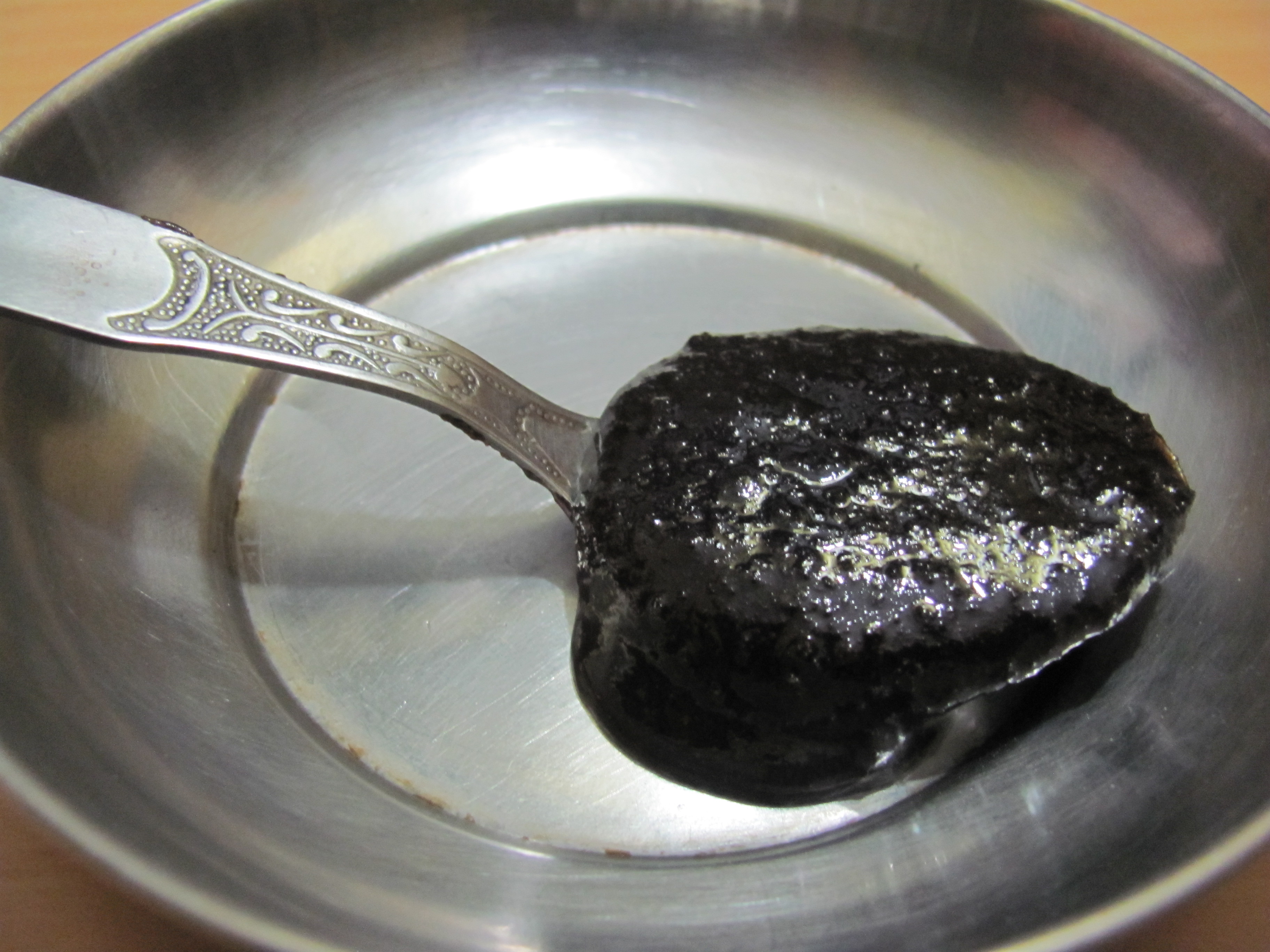
Chyawanprash is a traditional Ayurvedic polyherbal jam, renowned for its rejuvenating properties. It is a complex mixture of nutrient-rich herbs, fruits, and spices, processed with clarified butter (ghee) and sesame oil, and sweetened with jaggery or honey. This ancient formulation is traditionally consumed for its purported benefits in boosting immunity, improving respiratory health, and enhancing overall well-being. Its preparation involves numerous ingredients and a meticulous process, reflecting its deep roots in Ayurvedic medicine.
While primarily a health supplement, Chyawanprash is also considered a rasayana, meaning it promotes youth and longevity.
Other Names of Chyawanprash
- Chyawanprash Awaleha
- Chyavanaprash
- Immunity Booster Jam
Heading
<h3> Absolute Contraindications of Chyawanprash </h3> <h4> Active autoimmune disease or receiving systemic immunosuppression (e.g., organ transplant, high-dose steroids) [You have an immune condition or take strong immune drugs]</h4> <ul> <li> ⚠️ <li> Recommendation: Avoid regular Chyawanprash while on potent immunosuppressive therapy or during active autoimmune flares unless cleared by your treating specialist. <li> Reasoning: Chyawanprash has demonstrable immune-stimulating effects and in some human trials raised antibody (IgG) levels; in those on immunosuppression or with autoimmune disease, stimulating the immune system may worsen disease activity or interfere with therapy. <li> Scientific_Study_Title: A randomized controlled trial to evaluate the prophylactic efficacy of Chyawanprash in healthcare workers during the COVID-19 pandemic. <li> Scientific_Study_Authors: Arun Gupta, Amit Kumar Madan, Babita Yadav, Pallavi Suresh Mundada, et al. <li> Scientific_Study_Link: https://journals.lww.com/jras/fulltext/2021/05010/a_randomized_controlled_trial_to_evaluate_the.3.aspx <li> Scientific_Study_Excerpt: <p>In this open-label randomized trial of frontline healthcare workers given Chyawanprash 12 g twice daily for 30 days, investigators observed that participants tolerated the preparation without serious adverse events but recorded a statistically significant rise in serum IgG levels in the Chyawanprash group versus control. The authors interpret this as an immunomodulatory signal, noting no change in other inflammatory markers during the short trial but recommending caution and larger, longer studies to define clinical consequences. For patients whose therapy depends on reduced immune activity (e.g., transplant recipients, active autoimmune disease on immunosuppressants), an intervention that boosts humoral immune markers could be undesirable without specialist oversight.</p> </li> </ul> <h4> On active targeted immunotherapies / biologic disease-modifying agents [You are on medicines that suppress or modulate immunity]</h4> <ul> <li> ⚠️ <li> Recommendation: Do not start regular Chyawanprash while receiving biologic immunotherapies (e.g., anti-TNF, anti-IL agents) without discussing risks with the prescribing clinician. <li> Reasoning: Preclinical and in vitro studies of Chyawanprash show stimulation of dendritic cells, macrophages and NK activity and increased secretion of cytokines; such immune activation could theoretically counteract biologic immunomodulation or unpredictably alter infection risk and drug response. <li> Scientific_Study_Title: Evaluation of immunostimulatory activity of Chyawanprash using in vitro assays. <li> Scientific_Study_Authors: P. V. Kaur, S. K. Raina, et al. (as listed on PubMed record) <li> Scientific_Study_Link: https://pubmed.ncbi.nlm.nih.gov/25872246/ <li> Scientific_Study_Excerpt: <p>In vitro assays with Chyawanprash preparations at non-cytotoxic concentrations increased secretion of key cytokines (TNF-α, IL-1β, MIP-1α) from murine bone-marrow derived dendritic cells and enhanced phagocytosis in macrophages and NK cell activity. The authors concluded these data substantiate immunoprotective and immunostimulatory potential at cellular levels. While preclinical, these mechanistic findings explain how Chyawanprash might amplify immune responses-an effect that could interact adversely with therapies designed to suppress or precisely modulate immune pathways.</p> </li> </ul> <h4> If on strict carbohydrate-restricted / sugar-sensitive diets or with poorly controlled diabetes on complex insulin regimens [You rely on tight blood-sugar control]</h4> <ul> <li> 🍬 <li> Recommendation: Avoid standard (sugar-containing) Chyawanprash preparations if you have poorly controlled diabetes; if your clinician approves, use verified sugar-reduced/sugar-free standardized products and monitor glucose closely. <li> Reasoning: Many commercial Chyawanprash formulations contain appreciable carbohydrates and sugars derived from jaggery, sugar, or honey. This can add calories and carbohydrate load that may affect glycemic control in sensitive individuals unless a sugar-free standardized formulation is used under supervision. <li> Scientific_Study_Title: Chyawanprash: A Traditional Indian Bioactive Health Supplement (compositional analysis and review). <li> Scientific_Study_Authors: A. Shinde, S. et al. (MDPI review article authors as listed) <li> Scientific_Study_Link: https://www.mdpi.com/2218-273X/9/5/161 <li> Scientific_Study_Excerpt: <p>Compositional surveys and nutritional analyses included in the review show Chyawanprash samples vary by brand but often contain measurable carbohydrate and sugar content, along with vitamin C and polyphenols from amla. The review summarizes published compositional data reporting appreciable carbohydrate and sugar percentages in many commercial samples; the authors emphasize variability across preparations and recommend standardized, quality-controlled products for clinical use. For people managing blood glucose tightly, additional carbohydrate from a sweetened tonic can be clinically relevant and should be considered when advising intake.</p> </li> </ul> <h3> Relative Contraindications of Chyawanprash </h3> <h4> Pregnancy and breastfeeding</h4> <ul> <li> 🤰 <li> Recommendation: Use only after discussion with an obstetrician or qualified Ayurvedic practitioner; many clinicians prefer to avoid initiating new herbal concentrates during pregnancy unless there are clear safety data. <li> Reasoning: High-quality controlled human safety data in pregnant or lactating people are limited for Chyawanprash; traditional use exists but modern trials typically exclude pregnant/breastfeeding participants, so prudence is advised. <li> Scientific_Study_Available: NA <li> Scientific_Study_Link: NA <li> Scientific_Study_Excerpt: <p>NA</p> </li> </ul> <h4> Severe liver disease (cirrhosis, active hepatitis)</h4> <ul> <li> 🧪 <li> Recommendation: Use only after hepatology review; avoid unsupervised use if liver function is unstable. <li> Reasoning: There are no robust Chyawanprash-specific safety trials in advanced liver disease, and complex polyherbal preparations can contain compounds processed by the liver; monitoring is prudent. <li> Scientific_Study_Available: NA <li> Scientific_Study_Link: NA <li> Scientific_Study_Excerpt: <p>NA</p> </li> </ul> <h4> Children under 2 years (very young infants)</h4> <ul> <li> 👶 <li> Recommendation: Avoid giving Chyawanprash to infants under 2 years unless directed by a pediatrician experienced with that product; for young children use pediatric-formulated, low-sugar options and appropriate dosing. <li> Reasoning: Most clinical data are on older children and adults; ingredient concentration and sugar content make generalization to infants unsafe without specific pediatric dosing and safety data. <li> Scientific_Study_Available: NA <li> Scientific_Study_Link: NA <li> Scientific_Study_Excerpt: <p>NA</p> </li> </ul>
Heading
<h4> Feeling of mild gastric discomfort, bloating or heartburn</h4> <ul> <li> 🤢 <li> Side effect summary: Some people experience mild stomach upset, bloating or increased warmth (heartburn) after starting Chyawanprash; this is usually transient. <li> Recommendation: Try a smaller dose with food or switch to a different brand; stop and consult a clinician if symptoms are severe or persistent. <li> Reasoning: The preparation contains warming spices, ghee and concentrated herbal extracts which can irritate sensitive gastric mucosa in some individuals. <li> Severity Level: Mild <li> Scientific_Study_Available: NA <li> Scientific_Study_Title: NA <li> Scientific_Study_Authors: NA <li> Scientific_Study_Link: NA <li> Scientific_Study_Excerpt: <p>NA</p> </li> </ul> <h4> Immune marker changes (e.g., rise in IgG) - possible immune stimulation</h4> <ul> <li> 🧬 <li> Side effect summary: Short trials reported increases in serum IgG in people taking Chyawanprash; while not reported as clinical harm in those studies, this represents measurable immune stimulation. <li> Recommendation: If you have autoimmune disease, are on immunosuppression, or have unexplained inflammatory symptoms, consult your doctor before using Chyawanprash and monitor markers if advised. <li> Reasoning: Human randomized data showed a statistically significant IgG rise after 30 days of a commonly used Chyawanprash regimen, consistent with immunostimulatory effects seen in cell studies. <li> Severity Level: Moderate <li> Scientific_Study_Available: Yes <li> Scientific_Study_Title: A randomized controlled trial to evaluate the prophylactic efficacy of Chyawanprash in healthcare workers during the COVID-19 pandemic. <li> Scientific_Study_Authors: Arun Gupta, Amit Kumar Madan, Babita Yadav, Pallavi Suresh Mundada, et al. <li> Scientific_Study_Link: https://journals.lww.com/jras/fulltext/2021/05010/a_randomized_controlled_trial_to_evaluate_the.3.aspx <li> Scientific_Study_Excerpt: <p>In the 30-day randomized trial of healthcare workers, investigators found Chyawanprash was well tolerated with no serious adverse events; however, serum IgG levels rose significantly in the Chyawanprash group compared with control. Other inflammatory markers (IL-6, IL-10, TNF-α, hsCRP) were unchanged. The authors interpreted the IgG rise as immunomodulatory and advised that longer and larger trials are needed to define clinical impact, particularly in populations with immune disorders.</p> </li> </ul> <h4> Potential sugar/calorie-related effects (weight gain, altered glycemia if using sugar-containing product)</h4> <ul> <li> ⚖️ <li> Side effect summary: Regular intake of sugar-containing Chyawanprash can add calories and carbohydrates to the diet; overuse might contribute to weight gain or affect blood glucose in sensitive people. <li> Recommendation: Choose sugar-reduced or sugar-free standardized products if you are calorie- or carbohydrate-sensitive; monitor weight and blood glucose. <li> Reasoning: Nutritional analyses show variable but sometimes substantial carbohydrate and sugar content among commercial Chyawanprash preparations; product choice influences metabolic effect. <li> Severity Level: Mild <li> Scientific_Study_Available: Yes <li> Scientific_Study_Title: Chyawanprash: A Traditional Indian Bioactive Health Supplement (review with compositional data). <li> Scientific_Study_Authors: (MDPI review authors as listed in the article) <li> Scientific_Study_Link: https://www.mdpi.com/2218-273X/9/5/161 <li> Scientific_Study_Excerpt: <p>The review summarizes compositional studies showing that Chyawanprash samples vary widely by brand and production method; many samples contain measurable sugar/carbohydrate content and provide vitamins and polyphenols from amla. Because formulations vary, metabolic impact (calories and glycemic load) depends on the product and dose; the authors recommend standardized, quality-controlled products and caution in people with metabolic disease.</p> </li> </ul>
Heading
<h4> Immunosuppressants / biologic immunotherapies (e.g., anti-TNF, anti-IL agents, high-dose corticosteroids)</h4> <ul> <li> Interaction_Details: Chyawanprash has documented immunostimulatory activity (in vitro and small human trials reporting raised IgG); taking it together with drugs meant to suppress or precisely modulate immune responses could counteract therapy or cause unpredictable immune changes. <li> Severity: Severe <li> Recommendation: Avoid using Chyawanprash without clearance from the prescribing specialist; if considered necessary, involve close clinical monitoring and laboratory follow-up. <li> Scientific_Study_Available: Yes <li> Scientific_Study_Link: https://pubmed.ncbi.nlm.nih.gov/25872246/ <li> Scientific_Study_Title: Evaluation of immunostimulatory activity of Chyawanprash using in vitro assays. <li> Scientfic_Study_Authors: (authors as listed in the PubMed record) <li> Scientific_Study_Excerpt: <p>In vitro experiments showed Chyawanprash preparations stimulated secretion of TNF-α, IL-1β and MIP-1α from murine dendritic cells and increased macrophage phagocytosis and NK activity at non-toxic concentrations. These effects indicate measurable immune activation potential at the cellular level. For patients receiving immunosuppressive or immunomodulatory drugs, adding an immune-stimulating supplement may alter the intended balance of immunity and suppression and therefore requires specialist discussion and monitoring.</p> </li> </ul> <h4> Antidiabetic medications (insulin, sulfonylureas, metformin, etc.)</h4> <ul> <li> Interaction_Details: Evidence is mixed - some small human data show Chyawanprash can change glucose-tolerance markers; depending on product and dose this could modestly alter glycemic control and interact with glucose-lowering drugs. <li> Severity: Mild <li> Recommendation: If you take glucose-lowering medication, discuss Chyawanprash with your clinician and check blood glucose more often when starting or changing dose. <li> Scientific_Study_Available: Yes <li> Scientific_Study_Link: https://pubmed.ncbi.nlm.nih.gov/11211574/ <li> Scientific_Study_Title: Effect of Chyawanprash and vitamin C on glucose tolerance and lipoprotein profile. <li> Scientfic_Study_Authors: Manjunatha S, Jaryal AK, Bijlani RL, Sachdeva U, Gupta SK. <li> Scientific_Study_Excerpt: <p>In a randomized small human study (healthy adult males), 15 g/day of Chyawanprash for eight weeks was associated with reductions in post-prandial glycemia (area-under-curve) and improvements in HDL and LDL measures when compared to baseline and vitamin C. The trial was small and short-term; effects may vary by product formulation (sugar content, dose). Because glycemic direction can differ by preparation and individual response, monitoring is prudent when combining with antidiabetic therapy.</p> </li> </ul> <h4> Anticoagulants / antiplatelet agents (e.g., warfarin, clopidogrel, aspirin)</h4> <ul> <li> Interaction_Details: No direct Chyawanprash-specific clinical interaction studies were found. Because Chyawanprash is a complex polyherbal matrix that may contain constituents with enzyme-modulating or platelet-activity potential in theory, caution is advised. <li> Severity: Moderate <li> Recommendation: Until product-specific interaction data exist, ask your prescriber before taking Chyawanprash with anticoagulants; monitor INR (for warfarin) or bleeding signs closely if combined. <li> Scientific_Study_Available: NA (no Chyawanprash-specific interaction trial identified) <li> Scientific_Study_Link: NA <li> Scientific_Study_Title: NA <li> Scientfic_Study_Authors: NA <li> Scientific_Study_Excerpt: <p>NA</p> </li> </ul> <h4> Vaccination / immune checkpoint modulation (timing considerations)</h4> <ul> <li> Interaction_Details: Limited direct human data; one short randomized study with healthcare workers during COVID-19 showed immunomodulatory marker changes (IgG rise) but no safety signal. Because Chyawanprash can modulate immune markers, discuss timing with your clinician if you are starting or recently received vaccines or are on immune checkpoint therapies. <li> Severity: Mild <li> Recommendation: For routine vaccines, no proven harm is reported but if you are receiving immunotherapy or vaccines where precise immune timing matters, coordinate with your healthcare team. <li> Scientific_Study_Available: Yes (small clinical trial; immunoglobulin change) <li> Scientific_Study_Link: https://journals.lww.com/jras/fulltext/2021/05010/a_randomized_controlled_trial_to_evaluate_the.3.aspx <li> Scientific_Study_Title: A randomized controlled trial to evaluate the prophylactic efficacy of Chyawanprash in healthcare workers during the COVID-19 pandemic. <li> Scientfic_Study_Authors: Arun Gupta, Amit Kumar Madan, Babita Yadav, et al. <li> Scientific_Study_Excerpt: <p>The 30-day randomized trial showed Chyawanprash was well tolerated but produced a statistically significant rise in serum IgG; no change in other inflammatory markers occurred. Authors suggest that because Chyawanprash affects humoral markers, timing with vaccines and immune therapies should be individualized and discussed with clinicians until larger studies clarify clinical significance.</p> </li> </ul>