What is Chitrak?
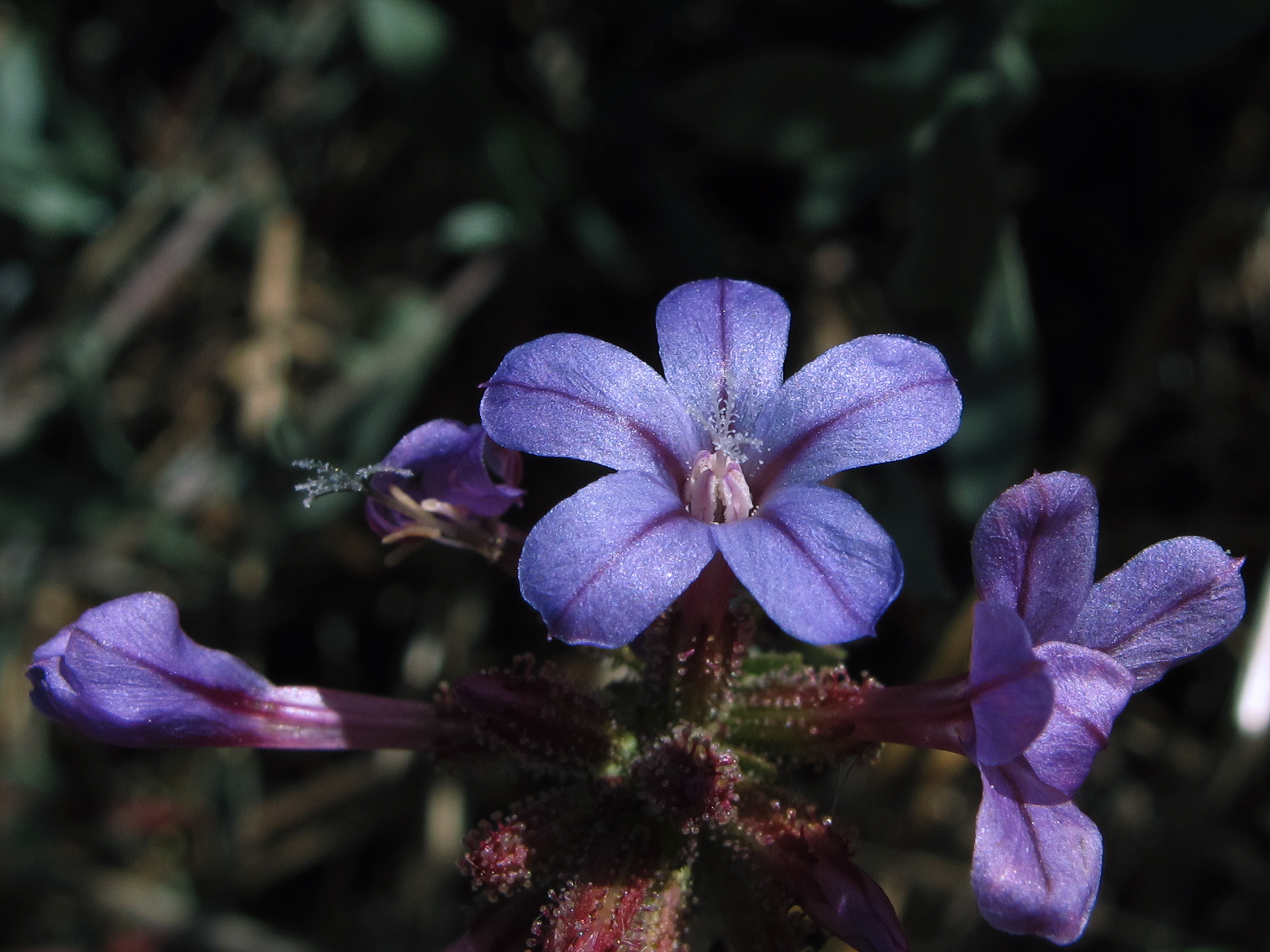
Chitrak, or Plumbago zeylanica, is a perennial flowering plant within the Plumbaginaceae family, widely recognized for its distinctive root and bark. Native to tropical regions across Asia and Africa, it often grows as a subshrub or herbaceous plant, typically reaching heights of 1 to 2 meters. Its white flowers, arranged in slender spikes, contribute to its ornamental appeal, though its primary recognition stems from its potent phytochemicals.
Historically, Chitrak has been revered in traditional medicine systems, particularly Ayurveda, for its pungent and heating properties. It is often found in diverse habitats, from dry forests to cultivated fields, showcasing its adaptability and widespread presence.
Other Names of Chitrak
- White Leadwort
- Ceylon Leadwort
- Doctorbush
- Agnimukhi
- Leadwort
Heading
<h3> Absolute Contraindications of Chitrak </h3> <h4>Pregnancy (may cause loss of pregnancy / interfere with implantation)</h4> <ul> <li> 🤰 <li> Recommendation: Do not take Chitrak (internally) if you are pregnant or trying to conceive; avoid concentrated root extracts and consult your healthcare provider immediately if you have taken it while pregnant. <li> Reasoning: Animal studies show that root extracts can prevent implantation and lower pregnancy-supporting hormones; the botanical contains compounds that disrupt the hormonal/uterine environment needed for pregnancy. <li> Scientific_Study_Title: Effect of plumbagin free alcohol extract of Plumbago zeylanica Linn. root on reproductive system of female Wistar rats. <li> Scientific_Study_Authors: Gupta Sandeep, Ahirwar Dheeraj, Neeraj Kumar Sharma, Deenanath Jhade, Ahirwar Bharti <li> Scientific_Study_Link: https://pubmed.ncbi.nlm.nih.gov/22118035/ <li> Scientific_Study_Excerpt: <p>The authors administered plumbagin-free alcohol extract of P. zeylanica root orally to female Wistar rats and assessed estrous cycle, anti-implantation and abortifacient activity. At tested doses (300 and 500 mg/kg) the extract showed significant anti-implantation and abortifacient effects; treated animals had dose-dependent decreases in serum progesterone, FSH and LH and an increase in prolactin. The researchers concluded the extract’s antifertility activity likely works via altered implantation site proteins, hormonal changes and anti-estrogenic effects. The effects were reversible after withdrawal in the animal model.</p> </ul> <h4>Bleeding disorders or concurrent use of anticoagulant/antiplatelet drugs [Easy: If you bleed easily or are on blood thinners]</h4> <ul> <li> 🩸 <li> Recommendation: Avoid internal use of Chitrak if you have a bleeding disorder or take blood thinners (e.g., warfarin, DOACs, antiplatelet medicines); discuss with a physician before any herbal use. <li> Reasoning: Animal data indicate that chronic Plumbago administration can prolong bleeding time and reduce platelet adhesion - this may increase bleeding risk together with anticoagulant drugs or in bleeding disorders. <li> Scientific_Study_Title: Plumbago zeylanica action on blood coagulation profile with and without blood volume reduction. <li> Scientific_Study_Authors: (authors listed in PubMed entry) <li> Scientific_Study_Link: https://pubmed.ncbi.nlm.nih.gov/16531123/ <li> Scientific_Study_Excerpt: <p>In this experimental study in rats, Plumbago zeylanica extract and its naphthoquinone component were administered chronically and effects on bleeding time, clotting time, prothrombin time, platelet adhesion and counts were measured. The treated groups showed significantly decreased platelet adhesion and a prolongation of bleeding time after 15 and 31 days compared to controls; similar changes were seen with the isolated naphthoquinone, suggesting the effect is due to plumbagin-like constituents. These clotting changes suggest caution when combining with anticoagulant/antiplatelet therapies.</p> </ul> <h4>High-dose or concentrated/unprocessed root extracts (especially non-aqueous, plumbagin-rich preparations) [Easy: Strong or crude preparations]</h4> <ul> <li> ⚠️ <li> Recommendation: Do not self-administer concentrated Chitrak root extracts or solvents/essential fractions (petroleum ether/acetone concentrates) without expert supervision; prefer properly processed formulations made by qualified practitioners. <li> Reasoning: Toxicology studies show certain solvent extracts with higher plumbagin content have much lower LD50 values and cause liver/kidney enzyme changes and tissue damage in animals - toxicity tracks with plumbagin concentration. <li> Scientific_Study_Title: Comparative toxicity profiles of Plumbago zeylanica L. root petroleum ether, acetone and hydroalcoholic extracts in Wistar rats. <li> Scientific_Study_Authors: Dushyant Kumar, Paragouda A Patil, Subarna Roy, Sanjiv D Kholkute, Harsha V Hegde, Vinod Nair <li> Scientific_Study_Link: https://pubmed.ncbi.nlm.nih.gov/27313422/ <li> Scientific_Study_Excerpt: <p>This comparative toxicology study evaluated petroleum ether, acetone and hydroalcoholic extracts of P. zeylanica root in female rats using OECD-recommended acute and sub-acute protocols. The petroleum ether extract (highest plumbagin content) was markedly more toxic (LD50 ~93 mg/kg) versus acetone/hydroalcoholic extracts (~928 mg/kg). Sub-acute dosing produced rises in liver enzymes, increased urea and creatinine, organ-weight changes and histological liver/kidney alterations in treated groups; the authors concluded that liver and kidney are primary targets of root extract toxicity and that toxicity correlates with plumbagin concentration.</p> </ul> <h3> Relative Contraindications of Chitrak </h3> <h4>Existing liver disease - use cautiously and only under supervision</h4> <ul> <li> 🧠 (liver emoji substitute) <li> Recommendation: If you have liver disease or are on hepatically-metabolized medications, avoid unsupervised use; consult both your hepatologist and an experienced Ayurvedic practitioner before considering Chitrak. <li> Reasoning: Some studies show plumbagin can induce oxidative stress and DNA damage in hepatic cells at certain concentrations; this suggests a risk of added oxidative burden or impaired hepatic cell health in already compromised livers. <li> Scientific_Study_Title: Plumbagin Exhibits Genotoxicity and Induces G2/M Cell Cycle Arrest via ROS-Mediated Oxidative Stress and Activation of ATM-p53 Signaling Pathway in Hepatocellular Cells. <li> Scientific_Study_Authors: (authors listed in PubMed entry) <li> Scientific_Study_Link: https://pubmed.ncbi.nlm.nih.gov/37047251/ <li> Scientific_Study_Excerpt: <p>In cultured hepatocellular carcinoma cells, plumbagin exposure induced oxidative stress, DNA damage and activation of DNA-damage checkpoints (ATM-p53) leading to G2/M cell-cycle arrest. The damage and cell-cycle effects were ROS-dependent and could be attenuated by antioxidants. While this is an in vitro cancer-cell model, the findings highlight plumbagin’s potential to generate cellular oxidative/DNA stress in liver cells at certain concentrations - a biologic rationale for caution in patients with existing hepatic vulnerability.</p> </ul> <h4>Renal impairment / chronic kidney disease - caution advised</h4> <ul> <li> 🚱 <li> Recommendation: Avoid unsupervised Chitrak use if you have kidney disease; speak to your nephrologist before any herbal therapy. <li> Reasoning: Repeated-dose animal studies with certain extracts produced increases in blood urea and creatinine and histological kidney changes at higher doses, indicating renal stress at toxic doses. <li> Scientific_Study_Title: Toxicity studies on dermal application of plant extract of Plumbago zeylanica used in Ethiopian traditional medicine. <li> Scientific_Study_Authors: Kefale Teshome, Tsige Gebre-Mariam, Kaleab Asres, Franklin Perry, Ephrem Engidawork <li> Scientific_Study_Link: https://pubmed.ncbi.nlm.nih.gov/18339496/ <li> Scientific_Study_Excerpt: <p>Although primarily a dermal toxicity study, repeated-dose testing of a methanolic root extract in animals identified higher blood urea nitrogen and electrolyte changes at the highest doses tested, despite limited histopathological support. The authors reported systemic biochemical shifts (BUN, K+) with high dermal exposure and noted the extract was a moderate skin irritant. These biochemical signals at higher exposures support caution in people with decreased renal reserve or when systemic exposure is likely (oral use of concentrated extracts).</p> </ul> <h4>Concurrent use of drugs metabolized by CYP enzymes (CYP3A4, CYP2C9, CYP2D6 etc.) - monitor/consult</h4> <ul> <li> 💊 <li> Recommendation: If you take important medications metabolized by major CYP enzymes (e.g., certain statins, anticoagulants, immunosuppressants), consult your physician before using Chitrak; avoid simultaneous self-administration. <li> Reasoning: In vitro assays show plumbagin inhibits multiple CYP enzymes, which could raise blood levels of co-administered drugs metabolized by those enzymes and change their effects or side-effect profiles. <li> Scientific_Study_Title: Evaluation of the inhibition potential of plumbagin against cytochrome P450 using LC-MS/MS and cocktail approach. <li> Scientific_Study_Authors: (authors listed in PubMed entry) <li> Scientific_Study_Link: https://pubmed.ncbi.nlm.nih.gov/27329697/ <li> Scientific_Study_Excerpt: <p>This study tested plumbagin in human and rat liver preparations using a cocktail of CYP substrates and LC-MS/MS quantification. Plumbagin produced non-time-dependent inhibition of several CYP isoforms (including CYP2B6, CYP2C9, CYP2D6, CYP2E1 and CYP3A4) with inhibitory constants in the low micromolar range, indicating potential to alter metabolism of drugs processed by those enzymes. The in vitro evidence supports clinical caution and monitoring when combining plumbagin-containing preparations with CYP-metabolized medications.</p> </ul>
Heading
<h4>DNA / cellular damage at higher concentrations (genotoxicity / cytotoxicity)</h4> <ul> <li> 🔬 <li> Side effect summary: At higher concentrations plumbagin can damage DNA and trigger oxidative stress leading to cell death - this is one mechanism behind both its anti-cancer activity and its potential toxicity. <li> Recommendation: Avoid high-dose or unsupervised use; for therapeutic purposes prefer standardized, clinically-studied formulations and medical supervision; seek urgent care if unexplained severe symptoms occur. <li> Reasoning: Multiple in vitro studies show plumbagin induces ROS, DNA strand breaks and cell-cycle arrest in mammalian cells - effects that are dose and context dependent. <li> Severity Level: Moderate <li> Scientific_Study_Available: Yes <li> Scientific_Study_Title: Genotoxicity of plumbagin and its effects on catechol and NQNO-induced DNA damage in mouse lymphoma cells. <li> Scientific_Study_Authors: (authors listed in PubMed entry) <li> Scientific_Study_Link: https://pubmed.ncbi.nlm.nih.gov/19124069/ <li> Scientific_Study_Excerpt: <p>Using the comet assay in mouse lymphoma L5178Y cells, researchers found that even very low concentrations of plumbagin induced measurable DNA damage without reducing cell viability. At the same time, at non-damaging concentrations plumbagin reduced catechol-induced DNA damage, indicating concentration-dependent dual actions. The study highlights that plumbagin can be genotoxic under some conditions and thus that dose and exposure matter greatly when considering safety.</p> </ul> <h4>Oxidative stress / pro-oxidant cell injury (can lead to tissue injury at higher doses)</h4> <ul> <li> ⚡ <li> Side effect summary: High doses of plumbagin may produce oxidative stress inside mammalian cells, causing apoptosis or functional damage in sensitive tissues. <li> Recommendation: Do not use concentrated plumbagin preparations or high-dose Chitrak without medical supervision; antioxidant co-measures are not a substitute for professional guidance. <li> Reasoning: Studies demonstrate plumbagin’s pro-oxidant activity in cell lines and animal tumor models, where ROS generation causes apoptosis; this same ROS production at non-therapeutic or excessive dosing can damage normal tissues. <li> Severity Level: Moderate <li> Scientific_Study_Available: Yes <li> Scientific_Study_Title: Plumbagin induces apoptosis in lymphoma cells via oxidative stress mediated glutathionylation and inhibition of MAPK phosphatases. <li> Scientific_Study_Authors: (authors listed in PubMed entry) <li> Scientific_Study_Link: https://pubmed.ncbi.nlm.nih.gov/25444924/ <li> Scientific_Study_Excerpt: <p>Cell-based and in vivo models showed that plumbagin elevates intracellular ROS, alters glutathione balance, activates stress kinases and induces apoptosis. Antioxidant pretreatment reduced these effects, indicating ROS-dependence. While useful against tumor cells, this pro-oxidant pathway explains why high or poorly controlled exposure can injure normal cells. The therapeutic index therefore matters when using plumbagin-rich preparations.</p> </ul> <h4>Skin irritation with topical use</h4> <ul> <li> 🧴 <li> Side effect summary: Topical use of Chitrak root extracts can produce moderate skin irritation and local redness in animal tests; sensitization rates were low in some models but irritation was reproducible. <li> Recommendation: Patch-test any topical product containing Chitrak; avoid using on broken skin and stop if redness, persistent burning or blistering occur. Seek medical care for severe skin reactions. <li> Reasoning: Dermal irritation tests in animals showed primary irritation and local inflammatory responses at tested concentrations, indicating the root extract is a moderate irritant when applied topically. <li> Severity Level: Mild <li> Scientific_Study_Available: Yes <li> Scientific_Study_Title: Toxicity studies on dermal application of plant extract of Plumbago zeylanica used in Ethiopian traditional medicine. <li> Scientific_Study_Authors: Kefale Teshome, Tsige Gebre-Mariam, Kaleab Asres, Franklin Perry, Ephrem Engidawork <li> Scientific_Study_Link: https://pubmed.ncbi.nlm.nih.gov/18339496/ <li> Scientific_Study_Excerpt: <p>In standard dermal irritation and sensitization tests in rabbits and mice, an 80% methanolic root extract of P. zeylanica produced a primary irritation index consistent with ‘moderate’ irritation. Sensitization testing showed low responder rates at tested concentrations. Repeated high-dose exposure showed some systemic biochemical changes in animals. The results support cautious topical use and patch testing in humans.</p> </ul>
Heading
<h4>Anticoagulants / antiplatelet drugs (warfarin, aspirin, clopidogrel, DOACs)</h4> <ul> <li> Interaction_Details: Animal data show Plumbago extracts and naphthoquinones can reduce platelet adhesiveness and prolong bleeding time; combining Chitrak with blood thinners could increase bleeding risk. <li> Severity: Moderate <li> Recommendation: Avoid combining Chitrak with anticoagulant or antiplatelet drugs without specialist approval; if combined, rigorous clinical monitoring of coagulation is required. <li> Scientific_Study_Available: Yes <li> Scientific_Study_Link: https://pubmed.ncbi.nlm.nih.gov/16531123/ <li> Scientific_Study_Title: Plumbago zeylanica action on blood coagulation profile with and without blood volume reduction. <li> Scientfic_Study_Authors: (authors listed in PubMed entry) <li> Scientific_Study_Excerpt: <p>Rats treated chronically with P. zeylanica extract or its naphthoquinone component exhibited decreased platelet adhesion and prolonged bleeding time at 15 and 31 days. Platelet counts were unchanged but adhesive function was reduced, implicating the plant’s naphthoquinone as the likely mediator. The study provides a mechanistic basis for increased bleeding risk when combined with anticoagulants.</p> </ul> <h4>Drugs metabolized by major CYP enzymes (CYP3A4, CYP2C9, CYP2D6, CYP2E1, CYP2B6)</h4> <ul> <li> Interaction_Details: In vitro experiments report that plumbagin inhibits multiple cytochrome P450 isoforms; this can slow metabolism and raise blood levels of co-administered drugs that depend on these enzymes. <li> Severity: Moderate <li> Recommendation: Consult your prescribing physician before using Chitrak if you are on medications with narrow therapeutic windows (e.g., some statins, immunosuppressants, certain anticoagulants); temporary discontinuation or dose adjustment may be needed. <li> Scientific_Study_Available: Yes <li> Scientific_Study_Link: https://pubmed.ncbi.nlm.nih.gov/27329697/ <li> Scientific_Study_Title: Evaluation of the inhibition potential of plumbagin against cytochrome P450 using LC-MS/MS and cocktail approach. <li> Scientfic_Study_Authors: (authors listed in PubMed entry) <li> Scientific_Study_Excerpt: <p>Using human and rat liver microsomes with a cocktail of CYP substrates, the study found plumbagin acts as a mixed/non-competitive inhibitor of several major CYP isoforms with Ki values in the low micromolar range. The data indicate potential for clinically relevant herb-drug interactions by slowing clearance of medications metabolized by these enzymes; in vitro findings warrant clinical caution and monitoring.</p> </ul> <h4>Certain antibiotics (observed in vitro synergy with ciprofloxacin / piperacillin)</h4> <ul> <li> Interaction_Details: Laboratory studies noted plumbagin can act synergistically with specific antibiotics against MRSA strains - not a harmful interaction but a potential pharmacodynamic effect. <li> Severity: Mild <li> Recommendation: Do not self-combine Chitrak with prescription antibiotics in hope of better outcomes without clinician guidance; any adjunctive use should be under medical supervision and based on evidence. <li> Scientific_Study_Available: Yes <li> Scientific_Study_Link: https://pubmed.ncbi.nlm.nih.gov/31044446/ <li> Scientific_Study_Title: In vitro antibacterial activity of plumbagin isolated from Plumbago zeylanica L. against methicillin-resistant Staphylococcus aureus. <li> Scientfic_Study_Authors: (authors listed in PubMed entry) <li> Scientific_Study_Excerpt: <p>In vitro testing of plumbagin against a large panel of MRSA isolates showed consistent activity (MIC range 4-8 µg/mL) with time-kill dynamics and, in combination MIC testing, evidence of synergy with ciprofloxacin and piperacillin for the reference strain. While promising for drug development, these are laboratory observations and not instructions for combined use in patients without clinical trials and physician oversight.</p> </ul>