What is Chironji?
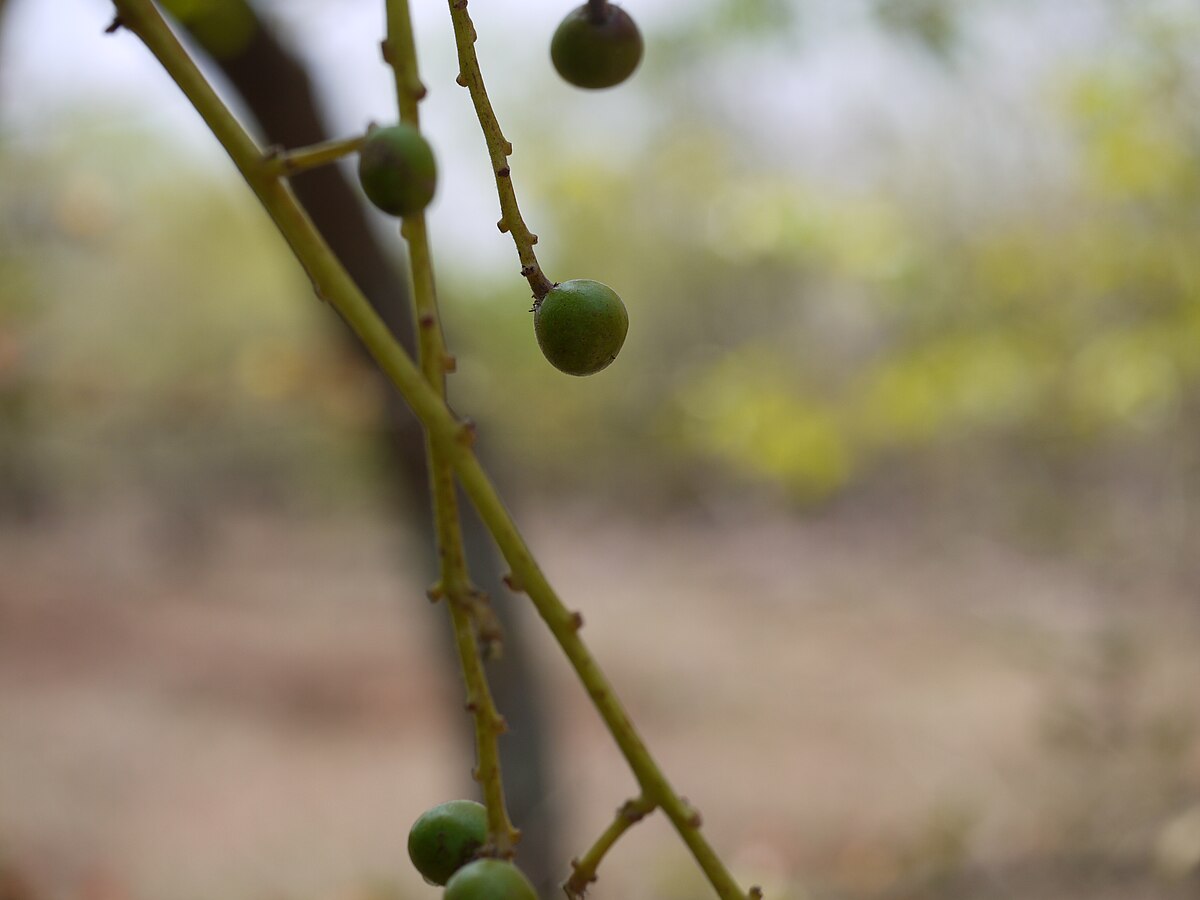
Chironji, or Buchanania lanzan, is a medium-sized deciduous tree native to tropical India, Burma, and Nepal, belonging to the Anacardiaceae family. It is widely recognized for its small, round, edible seeds, often referred to as Charoli nuts, which are encased within a hard shell. These seeds are a popular ingredient in Indian cuisine, particularly in desserts and sweets, prized for their delicate, nutty flavor and a texture reminiscent of almonds.
Beyond their culinary use, various parts of the Chironji tree, including its bark, leaves, and oil extracted from the seeds, have been traditionally utilized in indigenous medicine systems for their purported therapeutic properties.
Other Names of Chironji
- Charoli
- Almondette
- Calumpong nut
- Piyal
Heading
<h3> Absolute Contraindications of Chironji </h3> <h4>1) Known allergy to Chironji / tree-nut anaphylaxis</h4> <ul> <li> 🔴</li> <li> Recommendation: Do not eat or use chironji in any form if you have had an allergic reaction (hives, swelling, breathing difficulty) after eating chironji or tree-nuts; carry an epinephrine auto-injector if prescribed.</li> <li> Reasoning: Purified protein(s) from B. lanzan bind IgE in sensitized people and trigger mast-cell degranulation and Th2 responses, which can cause systemic allergic reactions including anaphylaxis.</li> <li> Scientific_Study_Title: Identification and characterization of major IgE binding of purified allergenic protein (11 kDa) from Buchanania lanzan.</li> <li> Scientific_Study_Authors: Sachin Kumar, Shariqua Khan, Ajay Kumar Verma, Premendra D Dwivedi.</li> <li> Scientific_Study_Link: https://pubmed.ncbi.nlm.nih.gov/31554061/</li> <li> Scientific_Study_Excerpt: <p>Researchers isolated an ~11 kDa protein from Buchanania lanzan that showed strong IgE binding with sera from allergic patients and with sensitized mice. The protein resisted pepsin digestion, produced increases in IgE, IgG1 and histamine in animal sera, and caused mast-cell mediator release in cellular models. Downstream signaling indicated a Th2-biased response. These results indicate B. lanzan contains a stable food allergen capable of provoking immediate hypersensitivity reactions in sensitized individuals, supporting an absolute contraindication for anyone with prior nut or chironji allergy.</p> <p>Clinical implication: ingestion or exposure in sensitized persons can induce systemic allergic symptoms; avoidance is recommended and emergency plans should be in place.</p> </li> </ul> <h4>2) Prior severe nut allergy / cross-reactive Anacardiaceae allergy</h4> <ul> <li> ⚠️</li> <li> Recommendation: If you have a history of severe reactions to cashew, mango, pistachio or related Anacardiaceae plants, avoid chironji unless evaluated by an allergy specialist.</li> <li> Reasoning: Plants in the Anacardiaceae family commonly contain catechol-type sensitizers and shared allergenic proteins that can cross-react; chironji has documented allergenic potential within this family.</li> <li> Scientific_Study_Title: The Nutritional Potential of the Native Australian Green Plum (Buchanania obovata) Compared to Other Anacardiaceae Fruit and Nuts (review discussing family allergenicity).</li> <li> Scientific_Study_Authors: Selina Fyfe, Heather E Smyth, Horst Joachim Schirra, Michael Rychlik, Yasmina Sultanbawa.</li> <li> Scientific_Study_Link: https://pubmed.ncbi.nlm.nih.gov/33392239/</li> <li> Scientific_Study_Excerpt: <p>This family review highlights that many Anacardiaceae species (mango, cashew, pistachio and others) contain allergenic polyphenols (e.g., catechols/urushiols) and protein allergens, and documents reports of contact dermatitis, systemic allergic reactions and cross-reactivity among family members. The review explicitly notes allergenic potential in Buchanania species and recommends caution because allergic compounds in this family can produce severe dermal and systemic reactions in sensitive people.</p> </li> </ul> <h4>3) Occupational/dermal exposure by sensitized handlers (contact dermatitis risk)</h4> <ul> <li> 🧤</li> <li> Recommendation: People who process seeds (shelling, oil extraction) and who have prior contact sensitivity should use protective gloves and avoid skin contact; those with prior dermatitis should avoid handling raw chironji materials.</li> <li> Reasoning: Anacardiaceae members are established causes of allergic contact dermatitis via catechol-type compounds; chironji handling can sensitize and provoke skin reactions in susceptible workers.</li> <li> Scientific_Study_Title: Allergic Contact and Photoallergic Contact Dermatitis to Plant and Pesticide Allergens (review discussing plant contact allergens and Anacardiaceae relevance).</li> <li> Scientific_Study_Authors: Kenneth A. Mark, Ronald R. Brancaccio, Nicholas A. Soter, David E. Cohen (JAMA Dermatology review / clinical observation paper).</li> <li> Scientific_Study_Link: https://jamanetwork.com/journals/jamadermatology/fullarticle/477681</li> <li> Scientific_Study_Excerpt: <p>Clinical dermatology literature describes multiple plant-derived contact allergens; the Anacardiaceae family (mango, cashew, Toxicodendron spp.) is repeatedly implicated in contact dermatitis. Reactions often appear as localized eczematous or urticarial rashes after skin contact, and sensitization can persist. Occupational handling of allergenic plants is a recognized risk; avoidance and protective measures are standard recommendations to prevent dermal sensitization and flare-ups.</p> </li> </ul> <h4>4) High-dose concentrated extract use (evidence of toxicity in non-mammal models)</h4> <ul> <li> ☠️</li> <li> Recommendation: Avoid experimental high-concentration extracts unless under research supervision; do not assume culinary amounts are equivalent to concentrated laboratory extracts.</li> <li> Reasoning: Laboratory exposure of fish to aqueous bark extracts produced dose-dependent toxic and neuroactive effects; while not directly human data, this shows that concentrated preparations can be biologically active and potentially harmful at high doses.</li> <li> Scientific_Study_Title: Effect of water extract of the bark of Buchanania lanzan linn. on behaviour and chromatophores of a fresh water fish, Labeo rohita.</li> <li> Scientific_Study_Authors: U S Chaudhary, V Rathod, G N Vankhede.</li> <li> Scientific_Study_Link: https://pubmed.ncbi.nlm.nih.gov/12017267/</li> <li> Scientific_Study_Excerpt: <p>In controlled exposures, freshwater fish showed erratic swimming, hyper-excitability, convulsions and dose-dependent mortality when exposed to increasing concentrations of bark extract; chromatophore changes and sedative effects were reported at intermediate doses. Although this is an aquatic model and cannot be directly translated to humans, it indicates that concentrated extracts of B. lanzan contain biologically active compounds with potential toxicity at higher doses; caution is warranted for concentrated preparations and non-food uses.</p> </li> </ul> <h3> Relative Contraindications of Chironji </h3> <h4>1) Autoimmune disease or patients on immunosuppressants</h4> <ul> <li> 🧬</li> <li> Recommendation: Consult your treating physician before using chironji as an oral supplement or strong extract if you have autoimmune disease or are taking immunosuppressive therapy - avoid unsupervised immune-stimulating tonics.</li> <li> Reasoning: Several studies report immune-stimulating effects (increased antibody titers, macrophage activation, and other immune markers) after ingestion or extract exposure; stimulating the immune system may be undesirable when immune suppression is required.</li> <li> Scientific_Study_Title: Immunostimulant activity of dry fruits and plant materials used in Indian traditional medical system for mothers after child birth and invalids.</li> <li> Scientific_Study_Authors: (example study) authors listed on PubMed entry; Kumar S et al. (see citations).</li> <li> Scientific_Study_Link: https://pubmed.ncbi.nlm.nih.gov/10904150/</li> <li> Scientific_Study_Excerpt: <p>Feeding products including Buchanania lanzan to mice enhanced macrophage migration index, haemagglutinating antibody titers and plaque-forming cell counts, demonstrating both cell-mediated and humoral immune stimulation. The data support traditional postpartum use for immune support but also indicate a real biological immune-stimulatory effect; patients on immunosuppressants or with autoimmune conditions should therefore consult clinicians before using such preparations.</p> </li> </ul> <h4>2) Atopy / Asthma (history of allergic airway disease)</h4> <ul> <li> 🤧</li> <li> Recommendation: People with asthma or atopic history should avoid new foods or supplements containing chironji without prior allergy evaluation; consider testing if uncertain.</li> <li> Reasoning: The documented IgE-binding protein and family-level reports of severe allergic responses mean ingestion can precipitate respiratory allergic reactions in sensitized individuals, which is particularly risky in those with pre-existing asthma.</li> <li> Scientific_Study_Title: Identification and characterization of major IgE binding of purified allergenic protein (11 kDa) from Buchanania lanzan.</li> <li> Scientific_Study_Authors: Sachin Kumar, Shariqua Khan, Ajay Kumar Verma, Premendra D Dwivedi.</li> <li> Scientific_Study_Link: https://pubmed.ncbi.nlm.nih.gov/31554061/</li> <li> Scientific_Study_Excerpt: <p>The study demonstrated that the 11 kDa protein from B. lanzan binds patient IgE, increases serum histamine and IgE in mice, and produces mast-cell mediator release in vitro - a biochemical profile consistent with potential to trigger respiratory and systemic allergic reactions in sensitized hosts; those with airway hyperreactivity should therefore be cautious.</p> </li> </ul> <h4>3) Caution in children, elderly and organ-impaired when using concentrated extracts</h4> <ul> <li> 🧓👶</li> <li> Recommendation: For foods (small culinary amounts) chironji is generally safe for most people, but avoid high-dose extracts in children, frail elderly or those with liver/kidney impairment unless supervised by a clinician.</li> <li> Reasoning: Toxicity seen in high-dose experimental models and limited formal safety data mean vulnerable populations should avoid concentrated or novel preparations until safety is established.</li> <li> Scientific_Study_Title: Effect of water extract of the bark of Buchanania lanzan linn. on behaviour and chromatophores of a fresh water fish, Labeo rohita.</li> <li> Scientific_Study_Authors: U S Chaudhary, V Rathod, G N Vankhede.</li> <li> Scientific_Study_Link: https://pubmed.ncbi.nlm.nih.gov/12017267/</li> <li> Scientific_Study_Excerpt: <p>The aquatic toxicity work demonstrated dose-dependent adverse effects in fish at higher concentrations of bark extract, showing that strong preparations can be bioactive and harmful in non-target organisms. Although not human data, it supports a cautious approach to concentrated formulations in vulnerable people until controlled safety studies exist.</p> </li> </ul>
Heading
<h4>1) Allergic reaction - hives, swelling, anaphylaxis</h4> <ul> <li> ⚠️</li> <li> Side effect summary: Chironji can cause immediate allergic reactions including hives, angioedema and - in sensitized people - life-threatening anaphylaxis.</li> <li> Recommendation: Stop exposure immediately and seek emergency care for airway/breathing symptoms; people with past severe nut reactions should avoid chironji and carry emergency epinephrine if prescribed.</li> <li> Reasoning: Purified B. lanzan proteins bind IgE and trigger mast-cell mediator release (histamine, β-hexosaminidase) and Th2 cytokine responses in animal and cellular models, which are the biologic basis of immediate hypersensitivity.</li> <li> Severity Level: Severe</li> <li> Scientific_Study_Available: Yes</li> <li> Scientific_Study_Title: Identification and characterization of major IgE binding of purified allergenic protein (11 kDa) from Buchanania lanzan.</li> <li> Scientific_Study_Authors: Sachin Kumar, Shariqua Khan, Ajay Kumar Verma, Premendra D Dwivedi.</li> <li> Scientific_Study_Link: https://pubmed.ncbi.nlm.nih.gov/31554061/</li> <li> Scientific_Study_Excerpt: <p>The authors purified an IgE-binding 11 kDa protein from B. lanzan and showed it is pepsin-resistant, binds IgE from allergic patient sera, and provokes increased IgE, IgG1 and histamine in sensitized mice. In vitro mast-cell models confirmed mediator release consistent with allergic responses. This mechanistic evidence supports clinically observed immediate hypersensitivity events following exposure in susceptible people.</p> </li> </ul> <h4>2) Contact dermatitis / skin irritation on handling</h4> <ul> <li> 🧴</li> <li> Side effect summary: Skin contact with raw plant parts or oils can cause itchy rashes and eczema in sensitized people; repeated exposures may sensitize handlers.</li> <li> Recommendation: Use gloves and protective clothing when processing; if dermatitis develops, stop contact and consult dermatology for patch testing and management.</li> <li> Reasoning: Anacardiaceae family members contain reactive catechol-type compounds that form protein adducts in skin, producing delayed and immediate dermatitis; reports and family-level reviews include Buchanania among species with allergenic potential.</li> <li> Severity Level: Moderate</li> <li> Scientific_Study_Available: Yes</li> <li> Scientific_Study_Title: The Nutritional Potential of the Native Australian Green Plum (Buchanania obovata) Compared to Other Anacardiaceae Fruit and Nuts (family allergenicity review).</li> <li> Scientific_Study_Authors: Selina Fyfe, Heather E Smyth, Horst Joachim Schirra, Michael Rychlik, Yasmina Sultanbawa.</li> <li> Scientific_Study_Link: https://pubmed.ncbi.nlm.nih.gov/33392239/</li> <li> Scientific_Study_Excerpt: <p>The review documents that many Anacardiaceae members contain polyphenolic allergens (urushiol-like catechols and resorcinols) and protein allergens causing contact dermatitis and systemic allergic reactions. It cites case reports and mechanistic pathways explaining why handling or topical exposure can provoke dermatitis and recommends caution for handlers and repeat exposers.</p> </li> </ul> <h4>3) Adverse effects from high-dose concentrated extracts (behavioral / neuroactive in models)</h4> <ul> <li> 🧪</li> <li> Side effect summary: Very high-concentration extracts (experimental) produced neuroactive and toxic effects in aquatic models; human relevance is unclear but suggests caution for strong extracts.</li> <li> Recommendation: Avoid self-made concentrated tinctures or high-dose experimental extracts; stick to culinary quantities or vetted commercial products and consult a clinician for therapeutic dosing.</li> <li> Reasoning: Dose-dependent erratic behaviour, convulsions and mortality were noted in fish exposed to increasing concentrations of bark extract, indicating presence of potent bioactive constituents at sufficient concentration.</li> <li> Severity Level: Moderate</li> <li> Scientific_Study_Available: Yes</li> <li> Scientific_Study_Title: Effect of water extract of the bark of Buchanania lanzan linn. on behaviour and chromatophores of a fresh water fish, Labeo rohita.</li> <li> Scientific_Study_Authors: U S Chaudhary, V Rathod, G N Vankhede.</li> <li> Scientific_Study_Link: https://pubmed.ncbi.nlm.nih.gov/12017267/</li> <li> Scientific_Study_Excerpt: <p>In the reported study, fish exposed to graded concentrations of bark extract displayed dose-related neuroactive effects - hyper-excitability and convulsions at intermediate doses, lethargy at higher doses, and mortality at the highest exposures. While not directly transferable to human dosing, these data flag potential bioactivity/toxicity when using concentrated preparations outside normal culinary use.</p> </li> </ul>
Heading
<h4>1) Immunosuppressants / Immunomodulatory drugs (e.g., corticosteroids, calcineurin inhibitors)</h4> <ul> <li> Interaction_Details: Chironji extracts have shown immune-stimulating effects (increased antibody titers and macrophage activation) in animal models; theoretically this could oppose or unpredictably modify the effect of immunosuppressant drugs used to reduce immune activity.</li> <li> Severity: Moderate</li> <li> Recommendation: Advise patients on immunosuppressants to consult their specialist before taking chironji supplements or concentrated extracts; avoid unsupervised use.</li> <li> Scientific_Study_Available: Yes</li> <li> Scientific_Study_Link: https://pubmed.ncbi.nlm.nih.gov/10904150/</li> <li> Scientific_Study_Title: Immunostimulant activity of dry fruits and plant materials used in Indian traditional medical system for mothers after child birth and invalids.</li> <li> Scientfic_Study_Authors: (authors as listed on PubMed entry)</li> <li> Scientific_Study_Excerpt: <p>Experimental feeding of Buchanania lanzan material enhanced macrophage migration index, haemagglutinating antibody titers and plaque-forming cell numbers in mice, indicating measurable humoral and cell-mediated immune stimulation. While these studies are preclinical, they show that ingesting chironji can modulate immune responses - an important consideration for people receiving immune-suppressing therapies where raising immune activity may be undesirable or interfere with therapy goals.</p> </li> </ul> <h4>2) Aminoglycoside antibiotics (example: gentamicin) - topical synergy reported</h4> <ul> <li> Interaction_Details: In vitro studies found that Buchanania lanczan extracts synergized with gentamicin against certain bacterial biofilms, increasing antimicrobial effectiveness in lab models; this suggests potential for adjunct topical benefit but not a systemic drug interaction.</li> <li> Severity: Mild</li> <li> Recommendation: Do not substitute prescribed antibiotics with herbal remedies; if considering topical products containing chironji with antibiotics, discuss with a clinician or pharmacist - synergy noted in lab studies may not translate directly to clinical benefit without trials.</li> <li> Scientific_Study_Available: Yes</li> <li> Scientific_Study_Link: https://pubmed.ncbi.nlm.nih.gov/24093788/</li> <li> Scientific_Study_Title: Pharmacological studies on Buchanania lanzan Spreng. - a focus on wound healing with particular reference to anti-biofilm properties.</li> <li> Scientfic_Study_Authors: Pattnaik A, Sarkar R, Sharma A, Yadav KK, Kumar A, Roy P, et al.</li> <li> Scientific_Study_Excerpt: <p>Root extracts of B. lanzan showed antibacterial and anti-biofilm actions against several pathogens and, in combination testing, displayed synergistic activity with gentamicin in vitro. Topical application in wound models improved tensile strength and healing metrics. These data suggest potential complementary topical effects with some antibiotics, but clinical safety and efficacy studies are needed before recommending combined use in patients.</p> </li> </ul> <h4>3) Anticoagulants / Antiplatelet agents</h4> <ul> <li> Interaction_Details: No primary evidence directly links chironji to clinically relevant changes in coagulation. There is insufficient data to conclude an interaction with anticoagulant drugs.</li> <li> Severity: Mild</li> <li> Recommendation: Because formal interaction studies are lacking, people on anticoagulants should consult their clinician before starting any concentrated herbal supplement, and monitor clinically as advised.</li> <li> Scientific_Study_Available: NA</li> <li> Scientific_Study_Link: NA</li> <li> Scientific_Study_Title: NA</li> <li> Scientfic_Study_Authors: NA</li> <li> Scientific_Study_Excerpt: <p>No PubMed-indexed studies were found that specifically report anticoagulant interactions with Buchanania lanzan. Absence of evidence is not evidence of absence - clinicians should use clinical judgment and monitor patients when new supplements are started.</p> </li> </ul>