Chirata
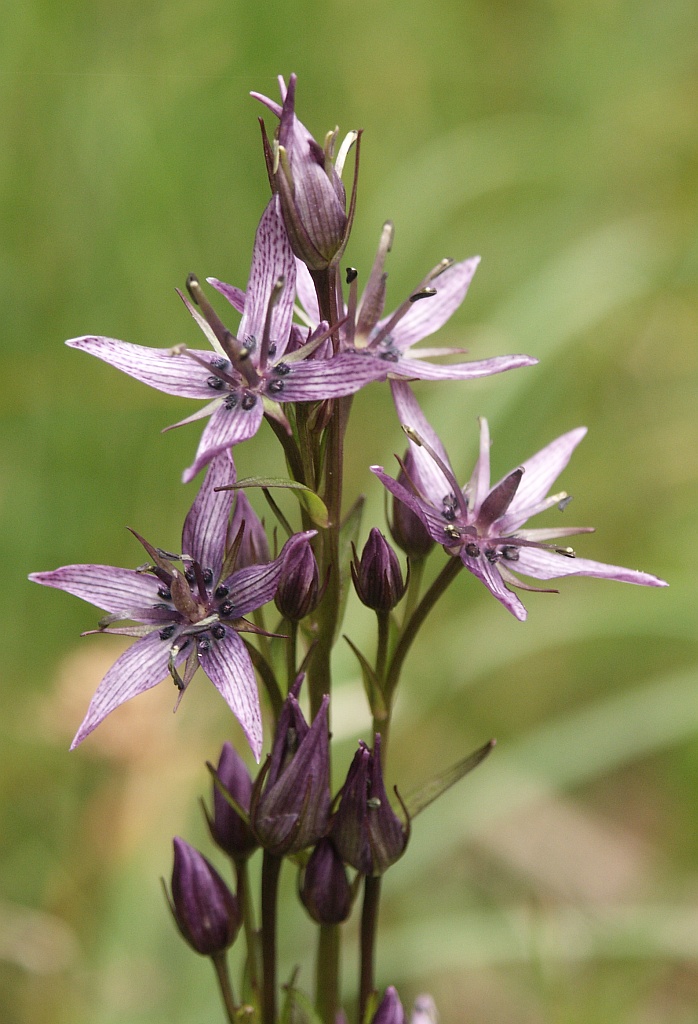
Swertia chirata
Chirata (Swertia chirata), a prominent herb in Ayurveda, is widely recognized for its intensely bitter taste. Traditionally, it is claimed to balance Pitta and Kapha doshas, while potentially increasing Vata. This herb is prevalent in the Himalayas and used for its supposed purifying properties, often found in formulations for various health aspects.
PLANT FAMILY
Gentianaceae (Gentian)
AYURVEDIC ACTION
Pitta ↓, Kapha ↓, Vata ↑
ACTIVE COMPOUNDS
Swertiamarin (0.5-1.5%)
What is Chirata?
Chirata, or Swertia chirata, is a herbaceous plant native to the temperate Himalayas, particularly found in Nepal, Bhutan, and India. Belonging to the Gentianaceae family, it typically grows in altitudes ranging from 1,200 to 3,000 meters. The plant is known for its distinctively bitter taste, attributed to compounds such as swertiamarin, which is present in concentrations of 0.5-1.5%.
Historically, Chirata has been a significant herb in traditional medicine systems like Ayurveda, where it is valued for its potential therapeutic properties. Its uses have been documented for various health benefits, making it a prominent botanical in several folk practices.
Other Names of Chirata
- Bitter Stick
- Indian Gentian
- Kairata
- Chiretta
- Kirata Tikta
Heading
<h3> Absolute Contraindications of Chirata </h3> <h4> People on insulin or oral hypoglycemic medicines (risk of low blood sugar)</h4> <ul> <li> 🩸 <li> Recommendation: Do not take Chirata with prescription blood-sugar medicines unless supervised by your clinician; avoid adding it on your own. <li> Reasoning: Active constituents (e.g., swerchirin) stimulate insulin release and increase glucose uptake, so combining Chirata with antidiabetic drugs may cause dangerously low blood sugar (hypoglycaemia). <li> Scientific_Study_Title: Mechanism of blood sugar lowering by a swerchirin-containing hexane fraction (SWI) of Swertia chirayita. <li> Scientific_Study_Authors: A M Saxena, M B Bajpai, P S Murthy, S K Mukherjee <li> Scientific_Study_Link: https://pubmed.ncbi.nlm.nih.gov/8500831/ <li> Scientific_Study_Excerpt: <p>The published animal study reports that a swerchirin-containing hexane fraction produced up to ~60% fall in blood glucose in fed rats after a single oral dose, associated with depletion of pancreatic beta-cell insulin granules and enhanced insulin release in vitro. The investigators observed increased muscle glucose uptake and glycogen synthesis in treated animals, concluding that the fraction lowers blood glucose primarily by stimulating insulin secretion and improving peripheral glucose utilization - findings that explain potential additive hypoglycaemia when given with antidiabetic drugs.</p> </ul> <h4> Pregnancy and breastfeeding (lack of established safety data)</h4> <ul> <li> 🤰 <li> Recommendation: Avoid use during pregnancy and lactation unless a specialist explicitly recommends and supervises it. <li> Reasoning: There are insufficient human safety data; expert reviews call out gaps in toxicology and advise caution because active bitter and bioactive compounds can be pharmacologically potent and effects on fetus/infant are unknown. <li> Scientific_Study_Title: Swertia chirayita: A comprehensive review on traditional uses, phytochemistry, quality assessment and pharmacology. <li> Scientific_Study_Authors: Km Swati, Vinod Bhatt, Nitisha Sendri, Pooja Bhatt, Pamita Bhandari <li> Scientific_Study_Link: https://pubmed.ncbi.nlm.nih.gov/36113678/ <li> Scientific_Study_Excerpt: <p>This comprehensive 2022 review summarizes traditional uses and laboratory pharmacology of Swertia chirayita but highlights clear gaps in safety and toxicology data. The authors note that while many pharmacological activities (antidiabetic, hepatoprotective, anti-inflammatory) are reported in preclinical studies, comprehensive human safety profiles, reproductive toxicity studies, and standardised dosing data are lacking. Because of these unknowns the review recommends caution and further safety evaluation before recommending use in vulnerable populations such as pregnant or breastfeeding women.</p> </ul> <h4> Unstable gastrointestinal motility disorders (e.g., uncontrolled colic/irritable bowel with paradoxical responses)</h4> <ul> <li> ⚠️ <li> Recommendation: Do not use if you have unstable or severe gut-motility problems without specialist advice; the plant can produce both stimulatory and relaxant gut effects depending on dose and fraction. <li> Reasoning: Experimental studies show Chirata fractions contain both spasmogenic (gut-stimulating) and spasmolytic (relaxing) components; unpredictable responses in sensitive patients could worsen symptoms. <li> Scientific_Study_Title: Insights into mechanisms underlying the gut and airways modulatory effects of Swertia chirata. <li> Scientific_Study_Authors: Arif Ullah Khan, Ashfaque Rahim, Zafar Iqbal, Anwarul H. Gilani <li> Scientific_Study_Link: https://pubmed.ncbi.nlm.nih.gov/21792726/ <li> Scientific_Study_Excerpt: <p>In isolated tissue experiments the crude extract produced stimulation of jejunal tissue at lower concentrations and relaxation at higher concentrations. Bioassay-guided fractionation separated spasmogenic (aqueous) and spasmolytic (organic) fractions, showing that different preparations can have opposite effects on gut motility. The authors conclude that Chirata’s mixed cholinergic (spasmogenic) and Ca2+-antagonist (spasmolytic) activities provide a pharmacological basis for its use in diverse gut disorders, but also indicate potential for unpredictable responses in sensitive patients.</p> </ul> <h3> Relative Contraindications of Chirata </h3> <h4> Use with calcium-channel blocker drugs or certain antihypertensives (possible additive effects)</h4> <ul> <li> 💊 <li> Recommendation: Use cautiously and consult your doctor if you are on verapamil, diltiazem or other Ca-channel blockers - monitor blood pressure and heart rate if combined. <li> Reasoning: Experimental data show Chirata fractions can act as Ca2+ channel antagonists (bronchodilator and gut relaxant actions), so additive pharmacodynamic effects with prescribed Ca-channel blockers are plausible. <li> Scientific_Study_Title: Insights into mechanisms underlying the gut and airways modulatory effects of Swertia chirata. <li> Scientific_Study_Authors: Arif Ullah Khan, Ashfaque Rahim, Zafar Iqbal, Anwarul H. Gilani <li> Scientific_Study_Link: https://pubmed.ncbi.nlm.nih.gov/21792726/ <li> Scientific_Study_Excerpt: <p>The study demonstrated that Swertia chirata inhibited high-K+ induced contractions and shifted Ca2+ concentration-response curves - effects comparable to verapamil. In tracheal preparations, the extract relaxed carbachol and high-K+ induced contractions in a verapamil-like manner. These Ca2+-antagonist like actions support a plausible interaction with pharmaceutical Ca-channel blockers and warrant clinical caution and monitoring when co-administered.</p> </ul> <h4> Children and infants (insufficient dosing and safety data)</h4> <ul> <li> 🧒 <li> Recommendation: Avoid giving Chirata to young children unless under specialist pediatric supervision; dosing and safety are not established. <li> Reasoning: Most evidence is from in vitro and animal studies; human paediatric safety and pharmacokinetic data are lacking. <li> Scientific_Study_Title: Swertia chirayita: A comprehensive review on traditional uses, phytochemistry, quality assessment and pharmacology. <li> Scientific_Study_Authors: Km Swati, Vinod Bhatt, Nitisha Sendri, Pooja Bhatt, Pamita Bhandari <li> Scientific_Study_Link: https://pubmed.ncbi.nlm.nih.gov/36113678/ <li> Scientific_Study_Excerpt: <p>The 2022 review notes extensive preclinical evidence but highlights a lack of controlled human trials and standardised safety assessments, particularly in special populations. Because human dosing, long-term safety and age-specific effects remain uncharacterized, the authors recommend cautious use and formal study before recommending routine use in children.</p> </ul>
Heading
<h4> Low blood sugar (feeling weak, dizzy, sweating)</h4> <ul> <li> 🥶 <li> Side effect summary: Chirata preparations that contain swerchirin or active hypoglycaemic fractions can lower blood sugar; symptoms include weakness, lightheadedness, sweating, tremor. <li> Recommendation: If you have diabetes or take glucose-lowering drugs, do not self-add Chirata; monitor glucose closely and consult your provider. For severe symptoms seek urgent care. <li> Reasoning: Animal and in vitro studies show stimulation of insulin release and enhanced peripheral glucose uptake - biological mechanisms that produce hypoglycaemia when combined with other hypoglycaemic agents. <li> Severity Level: Severe <li> Scientific_Study_Available: Yes <li> Scientific_Study_Title: Mechanism of blood sugar lowering by a swerchirin-containing hexane fraction (SWI) of Swertia chirayita. <li> Scientific_Study_Authors: A M Saxena, M B Bajpai, P S Murthy, S K Mukherjee <li> Scientific_Study_Link: https://pubmed.ncbi.nlm.nih.gov/8500831/ <li> Scientific_Study_Excerpt: <p>The experimental work reports that a swerchirin-enriched fraction caused a rapid, marked fall in blood glucose in treated rats and potentiated glucose-stimulated insulin release from isolated islets in vitro. Serum from treated animals increased muscle glucose uptake and glycogen synthesis. The authors concluded the fraction lowers blood glucose chiefly by stimulating insulin secretion and improving peripheral glucose handling - a mechanistic basis for clinically relevant hypoglycaemia risk when combined with other glucose-lowering therapies.</p> </ul> <h4> Abdominal cramps, nausea or irregular bowel responses</h4> <ul> <li> 🤢 <li> Side effect summary: Some people may experience stomach cramps, nausea or changes in bowel habits because Chirata contains both gut-stimulating and gut-relaxing constituents. <li> Recommendation: If you experience persistent or severe GI symptoms, stop the herb and consult a healthcare professional. <li> Reasoning: Laboratory tissue studies show lower concentrations can stimulate intestinal contractions while higher concentrations relax them - individual responses and different preparations may cause variable GI effects. <li> Severity Level: Moderate <li> Scientific_Study_Available: Yes <li> Scientific_Study_Title: Insights into mechanisms underlying the gut and airways modulatory effects of Swertia chirata. <li> Scientific_Study_Authors: Arif Ullah Khan, Ashfaque Rahim, Zafar Iqbal, Anwarul H. Gilani <li> Scientific_Study_Link: https://pubmed.ncbi.nlm.nih.gov/21792726/ <li> Scientific_Study_Excerpt: <p>In isolated jejunal tissue experiments the crude extract caused stimulation at lower concentrations and relaxation at higher concentrations. Bioassay fractionation separated spasmogenic and spasmolytic components, and contractile effects were blocked by atropine, indicating cholinergic mediation at certain doses. This dual activity explains why individuals can experience either cramping or relief depending on dose and preparation, and supports caution in sensitive GI conditions.</p> </ul> <h4> Possible dizziness or lightheadedness (related to vascular/gut smooth muscle effects)</h4> <ul> <li> 🌀 <li> Side effect summary: Because Chirata can act like a calcium-channel blocker in lab studies, some users might feel dizzy or lightheaded, especially if combined with blood-pressure medicines. <li> Recommendation: Monitor blood pressure and avoid combining with antihypertensive drugs without medical advice; seek care for severe dizziness. <li> Reasoning: Preclinical evidence of Ca2+-antagonist activity offers a plausible mechanism for additive blood-pressure lowering or vasodilatory symptoms when used with other medicines that lower blood pressure. <li> Severity Level: Mild <li> Scientific_Study_Available: Yes <li> Scientific_Study_Title: Insights into mechanisms underlying the gut and airways modulatory effects of Swertia chirata. <li> Scientific_Study_Authors: Arif Ullah Khan, Ashfaque Rahim, Zafar Iqbal, Anwarul H. Gilani <li> Scientific_Study_Link: https://pubmed.ncbi.nlm.nih.gov/21792726/ <li> Scientific_Study_Excerpt: <p>The extract inhibited high-K+ induced contractions and shifted Ca2+ response curves to the right in isolated tissues - actions similar to verapamil. In tracheal tissue, the extract produced relaxant effects comparable to Ca2+ channel blockade. Such pharmacology provides a mechanistic rationale for possible mild vasodilatory or blood-pressure-related symptoms in some users or when combined with antihypertensives.</p> </ul>
Heading
<h4> Antidiabetic drugs (insulin, sulfonylureas, metformin and other glucose-lowering agents)</h4> <ul> <li> Interaction_Details: Chirata contains hypoglycaemic constituents (e.g., swerchirin) that stimulate insulin release and improve peripheral glucose uptake; combining with antidiabetic drugs can cause additive hypoglycaemia. <li> Severity: Severe <li> Recommendation: Avoid combining without clinician supervision; if combined, monitor blood glucose closely and consider dose adjustment of antidiabetic medication under medical guidance. <li> Scientific_Study_Available: Yes <li> Scientific_Study_Link: https://pubmed.ncbi.nlm.nih.gov/8500831/ <li> Scientific_Study_Title: Mechanism of blood sugar lowering by a swerchirin-containing hexane fraction (SWI) of Swertia chirayita. <li> Scientfic_Study_Authors: A M Saxena, M B Bajpai, P S Murthy, S K Mukherjee <li> Scientific_Study_Excerpt: <p>The animal/in vitro study demonstrated that a swerchirin-rich fraction produced marked reductions in blood glucose in rats and potentiated insulin release from isolated pancreatic islets. The fraction also enhanced glucose uptake and glycogen synthesis in muscle preparations. These mechanistic findings show that the plant’s active molecules have significant glucose-lowering potential and support the clinical caution that combining Chirata with prescription hypoglycaemic agents may precipitate hypoglycaemia unless doses are adjusted and blood sugar is monitored.</p> </ul> <h4> Calcium-channel blockers and drugs with Ca2+-dependent actions (e.g., verapamil, diltiazem)</h4> <ul> <li> Interaction_Details: Chirata extracts show Ca2+-antagonist activity in laboratory tissue studies; co-administration could enhance relaxant/antihypertensive effects or alter gut/airway responses. <li> Severity: Moderate <li> Recommendation: Consult your clinician before combining; if combined monitor blood pressure, heart rate and symptom changes closely. <li> Scientific_Study_Available: Yes <li> Scientific_Study_Link: https://pubmed.ncbi.nlm.nih.gov/21792726/ <li> Scientific_Study_Title: Insights into mechanisms underlying the gut and airways modulatory effects of Swertia chirata. <li> Scientfic_Study_Authors: Arif Ullah Khan, Ashfaque Rahim, Zafar Iqbal, Anwarul H. Gilani <li> Scientific_Study_Excerpt: <p>Isolated tissue experiments showed that Swertia chirata inhibited high-K+ induced contractions and shifted Ca2+ concentration-response curves to the right, acting similarly to verapamil. In tracheal models, the extract relaxed agonist-induced contractions in a verapamil-like manner. These findings indicate Chirata possesses Ca2+-antagonist like pharmacology, supporting the plausibility of pharmacodynamic interactions with prescribed Ca-channel blockers.</p> </ul> <h4> Drugs requiring stable gastrointestinal motility or absorption (prokinetics/antispasmodics)</h4> <ul> <li> Interaction_Details: Because Chirata fractions can be spasmogenic at some doses and spasmolytic at others, it may unpredictably alter absorption or effects of drugs sensitive to GI transit time (e.g., some antibiotics, antiepileptics). <li> Severity: Mild <li> Recommendation: Use caution and consult a clinician or pharmacist when starting Chirata alongside medicines whose absorption is sensitive to gut motility. <li> Scientific_Study_Available: Yes <li> Scientific_Study_Link: https://pubmed.ncbi.nlm.nih.gov/21792726/ <li> Scientific_Study_Title: Insights into mechanisms underlying the gut and airways modulatory effects of Swertia chirata. <li> Scientfic_Study_Authors: Arif Ullah Khan, Ashfaque Rahim, Zafar Iqbal, Anwarul H. Gilani <li> Scientific_Study_Excerpt: <p>Experimental work separated spasmogenic and spasmolytic fractions of Swertia chirata: lower concentrations produced jejunal stimulation while higher concentrations produced relaxation, and effects were atropine-sensitive in part. Such dose-dependent and fraction-dependent modulation of gut motility suggests Chirata can alter intestinal transit unpredictably, potentially affecting oral drug absorption for medications that rely on consistent gut transit time.</p> </ul> <h4> CYP-based pharmacokinetic interactions (current evidence)</h4> <ul> <li> Interaction_Details: No well-established human studies show that Chirata strongly inhibits or induces cytochrome P450 enzymes; evidence is insufficient for firm conclusions. <li> Severity: NA <li> Recommendation: Until more data exist, inform your clinician about Chirata use; be especially cautious with narrow therapeutic index drugs and monitor as advised. <li> Scientific_Study_Available: NA <li> Scientific_Study_Link: NA <li> Scientific_Study_Title: NA <li> Scientfic_Study_Authors: NA <li> Scientific_Study_Excerpt: <p>There is insufficient direct human pharmacokinetic research on Swertia chirayita and major drug-metabolizing CYP enzymes. General reviews of herbal medicines note many plants can affect CYPs, but for Chirata specific clinical interaction data are lacking - highlighting a knowledge gap and the need for caution when combining with critical medications until formal studies are done.</p> </ul>