Chia seeds
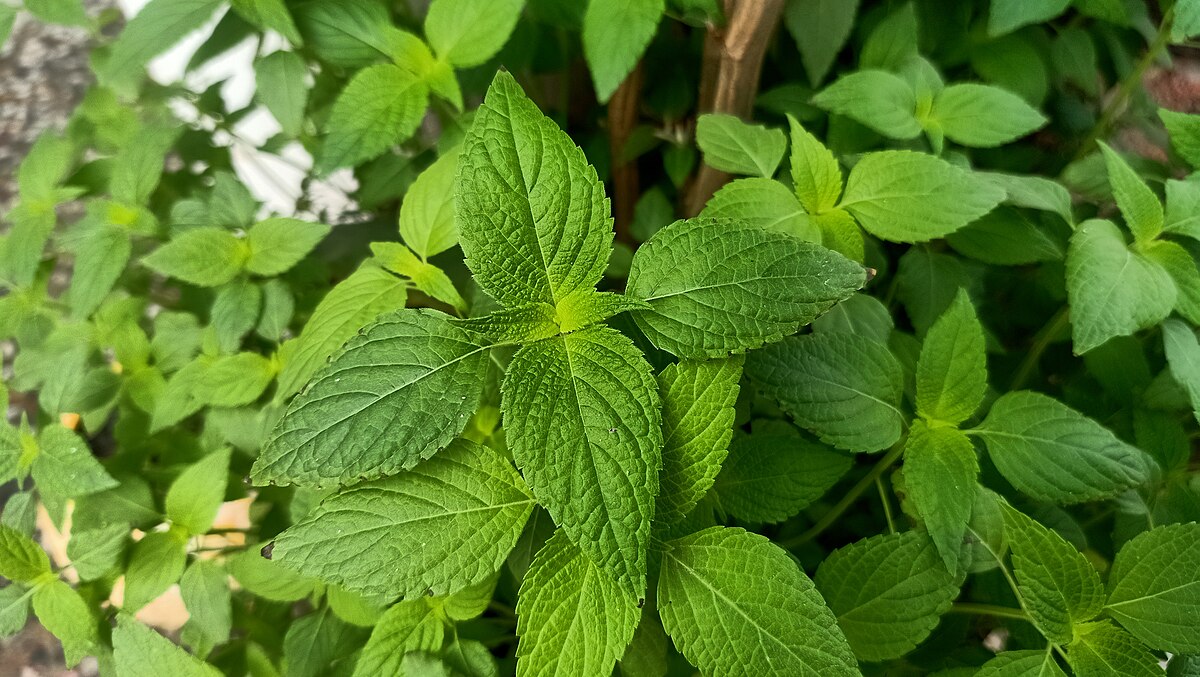
Salvia hispanica
In Ayurveda, Chia seeds (Salvia hispanica) are traditionally considered to balance Vata and Pitta doshas while increasing Kapha. These seeds are recognized for their supposed benefits in promoting digestive health and providing sustained energy. Though not traditionally Indian, their rich nutritional profile aligns with Ayurvedic principles for vitality and overall well-being.
PLANT FAMILY
Lamiaceae (Mint)
AYURVEDIC ACTION
Vata ↓, Pitta ↓, Kapha ↑
ACTIVE COMPOUNDS
Alpha-linolenic acid (18-20%)
What is Chia seeds?
Chia seeds, derived from the plant Salvia hispanica, are small, oval seeds native to central and southern Mexico. Historically, they were a staple food for ancient Mayan and Aztec civilizations, revered for their energy-boosting properties and versatility.
These nutritional powerhouses are rich in omega-3 fatty acids, fiber, protein, and various micronutrients. When mixed with liquid, chia seeds absorb a significant amount, forming a gel-like consistency, making them popular in puddings, smoothies, and as a thickener.
Other Names of Chia seeds
- Salba
- Mexican Chia
- Spanish Sage
Heading
<h3> Absolute Contraindications of Chia seeds </h3> <h4> Known allergy to chia or related seed proteins [If you get hives, breathlessness or swelling]</h4> <ul> <li> 🛑</li> <li> Recommendation: Avoid chia completely and carry appropriate allergy medication (antihistamine; if prescribed, epinephrine auto-injector). Seek allergy testing to identify the trigger.</li> <li> Reasoning: Documented IgE-mediated reactions to chia exist; proteins in chia can bind IgE and cross-react with allergens from sesame and hazelnut, producing systemic allergic responses in sensitized people.</li> <li> Scientific_Study_Title: Allergen characterization of chia seeds (Salvia hispanica), a new allergenic food.</li> <li> Scientific_Study_Authors: S García Jiménez, C Pastor Vargas, M de las Heras, A Sanz Maroto, F Vivanco, J Sastre</li> <li> Scientific_Study_Link: https://pubmed.ncbi.nlm.nih.gov/25898695/</li> <li> Scientific_Study_Excerpt: <p>Researchers identified chia seed proteins capable of binding human IgE in sera from patients with seed-related allergies. Immunoblotting and inhibition assays showed specific protein bands (multiple molecular weights) that interact with sera from sesame- and hazelnut-allergic patients, indicating that chia can elicit IgE-mediated hypersensitivity and has the potential for cross-reactivity with other seed allergens. The authors conclude that chia seed is a new allergenic food and recommend clinical awareness and diagnostic evaluation in suspected cases.</p> <p>This case-level and experimental evidence supports treating confirmed chia allergy as a contraindication to consumption due to risk of anaphylaxis and systemic allergic reactions.</p> </li> </ul> <h4> History of swallowing difficulty / esophageal stricture [If you feel things “stick” in your throat]</h4> <ul> <li> ⚠️</li> <li> Recommendation: Do not eat dry chia seeds; avoid or only consume fully hydrated chia preparations (soaked gel) and consult your gastroenterologist if you have prior dysphagia or known strictures.</li> <li> Reasoning: Dry chia seeds rapidly absorb fluid and form a gelatinous mass that can lodge in narrowed esophagus or areas of impaired motility, requiring endoscopic intervention.</li> <li> Scientific_Study_Title: Watch it grow: Esophageal impaction with chia seeds. (ACG case report abstract)</li> <li> Scientific_Study_Authors: Rebecca Rawl (Rawl R), Lauren Browne (Browne L) - presented in ACG/Am J Gastroenterol 2014.</li> <li> Scientific_Study_Link: https://journals.lww.com/ajg/fulltext/2014/10002/watch_it_grow__esophageal_impaction_with_chia.833.aspx</li> <li> Scientific_Study_Excerpt: <p>A 39-year-old man with intermittent dysphagia swallowed a tablespoon of dry chia seeds followed by water and developed complete distal esophageal obstruction from a gel of hydrated chia seeds. Endoscopic removal was difficult; the obstruction required a neonatal gastroscope to displace and fragment the gel until it could be pushed into the stomach. The authors emphasize that chia seeds can absorb many times their weight in water and form a hydrogel capable of causing impaction in patients with esophageal strictures or motility problems.</p> <p>This clinical case underpins the clear contraindication for consuming dry chia if the patient has dysphagia or known esophageal narrowing.</p> </li> </ul> <h4> Consumption of sprouted or improperly processed chia powder (high risk of foodborne infection) [If you are immunocompromised, elderly, infant or pregnant]</h4> <ul> <li> 🦠</li> <li> Recommendation: Avoid sprouted chia powders or any chia product from uncertain sprouting/processing sources; choose reputable, tested products and avoid sprouted chia powder if immunocompromised or very young/old.</li> <li> Reasoning: Sprouting and drying processes can permit contamination; confirmed international outbreaks have been linked to sprouted chia powder causing Salmonella infection in multiple countries.</li> <li> Scientific_Study_Title: International outbreak of multiple Salmonella serotype infections linked to sprouted chia seed powder - USA and Canada, 2013-2014.</li> <li> Scientific_Study_Authors: (CDC collaboration) - outbreak investigation report (authors: public health investigators; PubMed entry)</li> <li> Scientific_Study_Link: https://pubmed.ncbi.nlm.nih.gov/28318456/</li> <li> Scientific_Study_Excerpt: <p>Public health investigators identified 94 persons across 16 U.S. states and provinces in Canada infected with outbreak strains linked to consumption of sprouted chia seed powder; laboratory testing confirmed outbreak strains in leftover products. Hospitalization occurred in a significant minority. The investigation traced multiple recalled retail products back to a single production source, and authorities issued recalls of contaminated batches. The outbreak demonstrates that sprouted chia powder can be a vehicle for Salmonella if sprouting/processing controls fail.</p> <p>For vulnerable populations (immunocompromised, infants, elderly, pregnant women), the documented foodborne-illness risk supports avoiding sprouted chia powder and choosing properly processed products instead.</p> </li> </ul> <h3> Relative Contraindications of Chia seeds </h3> <h4> Anticoagulant / Antiplatelet therapy (e.g., warfarin, DOACs, aspirin) [If you are on blood thinners]</h4> <ul> <li> 🩸</li> <li> Recommendation: Discuss chia intake with your prescribing clinician; avoid large added daily doses of chia without medical guidance and monitor bleeding parameters as advised.</li> <li> Reasoning: Chia contains ALA and other bioactive components that in animal and preclinical models influence coagulation markers (fibrinogen, platelet-related parameters). While direct human interaction data are limited, chia-specific studies show effects on coagulation biology that could theoretically increase bleeding risk when combined with anticoagulant drugs.</li> <li> Scientific_Study_Title: Effects of Salvia hispanica L. (chia) seed on blood coagulation, endothelial dysfunction and liver fibrosis in an experimental model of Metabolic Syndrome.</li> <li> Scientific_Study_Authors: (authors of the animal study as listed on PubMed; example: A. C. Morales et al. - see article metadata)</li> <li> Scientific_Study_Link: https://pubmed.ncbi.nlm.nih.gov/34797360/</li> <li> Scientific_Study_Excerpt: <p>In a rat model of diet-induced metabolic syndrome, dietary chia seed supplementation for three months reversed dyslipidemia and insulin resistance and normalized platelet counts, coagulation parameters, and plasma fibrinogen levels that were elevated by the sucrose-rich diet. Chia incorporation reduced hypercoagulability and improved markers related to endothelial dysfunction and inflammation. These chia-specific changes in coagulation biomarkers provide preclinical evidence that chia can modulate haemostatic balance.</p> <p>Given these biological effects, clinicians commonly advise caution combining large chia intakes with anticoagulant/antiplatelet drugs until individualized assessment is done.</p> </li> </ul> <h4> Concomitant antidiabetic medications [If you take insulin or sulfonylureas]</h4> <ul> <li> ⚖️</li> <li> Recommendation: If you are on glucose-lowering medications, start chia at small amounts and monitor blood glucose more closely; discuss possible medication dose adjustment with your clinician if you add regular chia intake.</li> <li> Reasoning: Chia’s viscous fiber and meal-matrix effects reduce post-prandial glucose excursions; in people taking insulin or insulin-secretagogues this could increase hypoglycaemia risk without monitoring or dose adjustment.</li> <li> Scientific_Study_Title: Comparison of flax (Linum usitatissimum) and Salba-chia (Salvia hispanica L.) seeds on postprandial glycaemia and satiety in healthy individuals: a randomized, controlled, crossover study.</li> <li> Scientific_Study_Authors: Vuksan V, Jenkins AL, et al. (as listed on PubMed record)</li> <li> Scientific_Study_Link: https://pubmed.ncbi.nlm.nih.gov/28000689/</li> <li> Scientific_Study_Excerpt: <p>In a randomized crossover trial, ground Salba-chia added to a glucose challenge significantly reduced the area under the post-prandial glucose curve and blunted peak glucose compared with control. Chia increased viscosity of the test beverage, delayed time-to-peak glucose, and increased satiety. The study demonstrates a clear, measurable effect of chia on post-meal glycaemia in humans-mechanisms relevant to anyone taking glucose-lowering drugs.</p> <p>Although direct clinical hypoglycaemia reports while on medication are limited, the demonstrated glucose-lowering physiology supports cautious use with antidiabetic therapies.</p> </li> </ul> <h4> Concomitant antihypertensive therapy [If you take medication for high blood pressure]</h4> <ul> <li> 📉</li> <li> Recommendation: Monitor blood pressure after starting regular chia (or increasing dose); if you experience dizziness or low blood pressure symptoms, consult your provider about medication review.</li> <li> Reasoning: Multiple randomized trials and meta-analyses report modest but consistent reductions in systolic and diastolic blood pressure with chia supplementation; additive effects with antihypertensive drugs could cause symptomatic hypotension in susceptible people.</li> <li> Scientific_Study_Title: The Effects of Chia Seed (Salvia hispanica L.) supplementation to the diet of adults with type 2 diabetes improved systolic blood pressure: A randomized controlled trial.</li> <li> Scientific_Study_Authors: (authors as shown in PubMed entry; e.g., (see PubMed record))</li> <li> Scientific_Study_Link: https://pubmed.ncbi.nlm.nih.gov/33530854/</li> <li> Scientific_Study_Excerpt: <p>In a 12-week randomized trial in adults with type 2 diabetes, daily intake of 40 g chia seeds produced a statistically significant reduction in systolic blood pressure compared with control, while other metabolic parameters were unchanged. The authors report the BP effect after adjusting for baseline values, suggesting a real physiological impact of chia on vascular regulation.</p> <p>This clinical evidence supports counseling patients on antihypertensives to be aware of possible incremental BP reductions after adding regular high-dose chia to the diet.</p> </li> </ul>
Heading
<h4> Choking / Esophageal blockage </h4> <ul> <li> 🫁</li> <li> Side effect summary: If eaten dry then followed by liquid, chia seeds can swell into a gel that may lodge in the throat or a narrowed esophagus and cause acute blockage.</li> <li> Recommendation: Always soak chia seeds before eating (or use ground chia in solid foods). If you experience difficulty swallowing, drooling, severe throat pain or inability to manage saliva after eating chia, seek emergency care.</li> <li> Reasoning: Case report evidence demonstrates that even a small spoonful of dry chia can form an obstruction in patients with underlying esophageal narrowing or dysphagia.</li> <li> Severity Level: Severe</li> <li> Scientific_Study_Available: Yes</li> <li> Scientific_Study_Title: Watch it grow: Esophageal impaction with chia seeds.</li> <li> Scientific_Study_Authors: Rawl R, Browne L.</li> <li> Scientific_Study_Link: https://journals.lww.com/ajg/fulltext/2014/10002/watch_it_grow__esophageal_impaction_with_chia.833.aspx</li> <li> Scientific_Study_Excerpt: <p>A clinical vignette described a 39-year-old man who swallowed a tablespoon of dry chia seeds followed by water and developed complete distal esophageal obstruction with a gel of hydrated chia seeds. Multiple endoscopic removal attempts failed due to the semi-solid gel consistency; a neonatal gastroscope was used to fragment and push the gel into the stomach until relief. The patient had an underlying esophageal stricture, which contributed to impaction. The authors advise that chia seeds be allowed to hydrate before ingestion and caution patients with swallowing difficulties.</p> </li> </ul> <h4> Allergic reactions (including anaphylaxis) </h4> <ul> <li> 🌿</li> <li> Side effect summary: Some people can develop IgE-mediated reactions to chia ranging from hives and GI symptoms to respiratory distress and anaphylaxis.</li> <li> Recommendation: If you develop swelling, wheeze, throat tightness, or systemic allergic symptoms after eating chia, stop immediately and seek urgent medical attention. Avoid rechallenge unless cleared by an allergist.</li> <li> Reasoning: Laboratory analyses and case reports confirm chia proteins bind IgE and can cross-react with other seed allergens; clinical anaphylaxis cases have been reported.</li> <li> Severity Level: Severe</li> <li> Scientific_Study_Available: Yes</li> <li> Scientific_Study_Title: Allergen characterization of chia seeds (Salvia hispanica), a new allergenic food.</li> <li> Scientific_Study_Authors: S García Jiménez, C Pastor Vargas, M de las Heras, A Sanz Maroto, F Vivanco, J Sastre</li> <li> Scientific_Study_Link: https://pubmed.ncbi.nlm.nih.gov/25898695/</li> <li> Scientific_Study_Excerpt: <p>Investigators identified multiple chia seed proteins that bound IgE from sera of patients with seed allergies. Blot and inhibition experiments demonstrated cross-reactivity between chia proteins and those of sesame and hazelnut. The study provides mechanistic and clinical evidence that chia is an allergenic food capable of triggering IgE-mediated hypersensitivity and supports cautious labeling and clinical awareness.</p> </li> </ul> <h4> Lowered post-meal blood sugar (when combined with glucose-lowering drugs)</h4> <ul> <li> 🍽️</li> <li> Side effect summary: Chia can blunt post-prandial glucose spikes; combined with antidiabetic drugs this could increase hypoglycaemia risk if medications are not monitored.</li> <li> Recommendation: Monitor blood glucose when starting chia if you are on insulin or sulfonylureas and discuss potential dose adjustments with your clinician.</li> <li> Reasoning: Randomized human studies show reduced postprandial glucose AUC and lower peak glucose when chia is added to carbohydrate loads; these are predictable pharmacodynamic interactions with hypoglycemic therapy.</li> <li> Severity Level: Moderate</li> <li> Scientific_Study_Available: Yes</li> <li> Scientific_Study_Title: Comparison of flax and Salba-chia seeds on postprandial glycaemia and satiety in healthy individuals: randomized crossover study.</li> <li> Scientific_Study_Authors: Vuksan V, Jenkins AL, et al.</li> <li> Scientific_Study_Link: https://pubmed.ncbi.nlm.nih.gov/28000689/</li> <li> Scientific_Study_Excerpt: <p>The study compared ground Salba-chia versus control during a 50 g glucose challenge and found that chia significantly reduced the 2-hour glucose AUC and peak glucose, and delayed time to glucose peak. The authors attribute the effect to the high mucilage viscosity of chia, which slows carbohydrate absorption. These measurable glucose-lowering effects indicate a plausible interaction with glucose-lowering medications in clinical practice.</p> </li> </ul>
Heading
<h4> Anticoagulants / Antiplatelet agents (warfarin, DOACs, aspirin, clopidogrel)</h4> <ul> <li> Interaction_Details: Chia’s components (ALA, bioactive peptides and changes in fibrinogen/platelet markers in preclinical models) can influence coagulation biology; combined effects with blood thinners could increase bleeding tendency.</li> <li> Severity: Moderate</li> <li> Recommendation: Consult your physician or anticoagulation clinic before adding regular, sizable chia intakes; avoid sudden large increases in chia when on anticoagulants and monitor clotting tests as recommended by your provider.</li> <li> Scientific_Study_Available: Yes (chia-specific animal study)</li> <li> Scientific_Study_Link: https://pubmed.ncbi.nlm.nih.gov/34797360/</li> <li> Scientific_Study_Title: Effects of Salvia hispanica L. (chia) seed on blood coagulation, endothelial dysfunction and liver fibrosis in an experimental model of Metabolic Syndrome.</li> <li> Scientfic_Study_Authors: (see PubMed article metadata for full author list)</li> <li> Scientific_Study_Excerpt: <p>In a rat metabolic-syndrome model, adding chia seed to the diet reversed hypercoagulable changes induced by a sucrose-rich diet: platelet count, coagulation parameters and elevated plasma fibrinogen were normalized with chia intake. The study reports decreased hepatic VCAM-1 expression and improvements in inflammation markers, suggesting that chia influences haemostatic and endothelial pathways. These results provide a chia-specific biological basis for possible additive anticoagulant effects when combined with therapeutic blood-thinning agents.</p> </li> </ul> <h4> Antidiabetic medications (insulin, sulfonylureas, some GLP-1s/others)</h4> <ul> <li> Interaction_Details: By slowing carbohydrate absorption and lowering post-prandial glucose peaks, chia can augment the glucose-lowering effect of antidiabetic medicines and, in some contexts, raise hypoglycaemia risk.</li> <li> Severity: Moderate</li> <li> Recommendation: Start chia gradually, check blood glucose more often when beginning regular chia, and discuss medication adjustments with your diabetes care team if needed.</li> <li> Scientific_Study_Available: Yes</li> <li> Scientific_Study_Link: https://pubmed.ncbi.nlm.nih.gov/28000689/</li> <li> Scientific_Study_Title: Comparison of flax (Linum usitatissimum) and Salba-chia (Salvia hispanica L.) seeds on postprandial glycaemia and satiety in healthy individuals: randomized, controlled, crossover study.</li> <li> Scientfic_Study_Authors: Vuksan V, Jenkins AL, et al.</li> <li> Scientific_Study_Excerpt: <p>The randomized crossover study showed that ground Salba-chia reduced postprandial blood glucose AUC and peak glucose after a glucose challenge by producing a highly viscous beverage. The mechanism-formation of mucilage that slows gastric emptying and intestinal carbohydrate absorption-demonstrates how chia can change post-meal glucose kinetics and therefore interact pharmacodynamically with glucose-lowering drugs.</p> </li> </ul> <h4> Antihypertensive medications (ACE inhibitors, ARBs, beta-blockers, calcium channel blockers)</h4> <ul> <li> Interaction_Details: Chia supplementation has been shown to produce modest reductions in systolic and diastolic blood pressure; adding regular high-dose chia to an existing antihypertensive regimen could produce additive blood-pressure lowering.</li> <li> Severity: Mild</li> <li> Recommendation: Monitor blood pressure after starting chia; if symptomatic hypotension or lightheadedness occurs, consult your clinician to review medications and dosing.</li> <li> Scientific_Study_Available: Yes (meta-analysis of RCTs)</li> <li> Scientific_Study_Link: https://pubmed.ncbi.nlm.nih.gov/39672763/</li> <li> Scientific_Study_Title: The Effects of Chia Seed (Salvia hispanica L.) Consumption on Blood Pressure and Body Composition in Adults: A Systematic Review and Meta-analysis of Randomized Controlled Trials.</li> <li> Scientfic_Study_Authors: (see PubMed record for full author list)</li> <li> Scientific_Study_Excerpt: <p>A meta-analysis pooling randomized controlled trials found that chia consumption produced statistically significant reductions in both systolic and diastolic blood pressure compared with controls. The pooled effects were modest but consistent across trials. These clinical results explain the potential for additive hypotensive effects when chia is combined with existing antihypertensive medications and support monitoring when integrating chia into the diet of treated hypertensive patients.</p> </li> </ul>